Poor window insulation is the single most common cause of unnecessary heat loss in UK homes. Sealing drafts, applying insulating films, and upgrading glazing are the three core methods that deliver real, measurable results. Each approach works independently, but a layered insulation strategy combining all three yields the greatest energy savings and comfort. Tools you will need include caulk, weatherstripping, heat-shrink film kits, and thermal curtains. Getting the timing and method right makes the difference between a fix that lasts a decade and one that fails by spring.
How to improve window insulation by sealing air leaks first
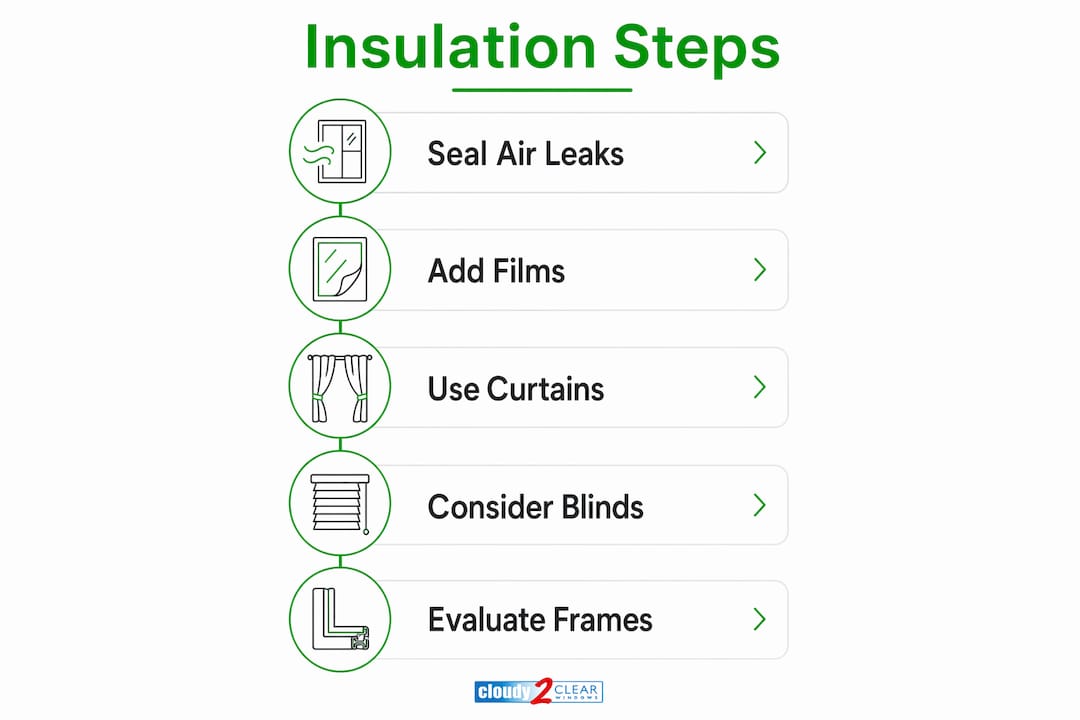
Sealing drafts is the essential first step. Without it, any insulation upgrade you add on top will underperform. Air leaks around window frames create a chimney effect, pulling warm air out and drawing cold air in continuously.
Detecting the leak
Two simple tests locate drafts accurately. Hold a lit candle near the window frame on a windy day. If the flame flickers, you have found a leak. Alternatively, run your hand slowly around the frame edges and sash joints. You will feel cold air even through a glove on a cold day.
Resealing step by step
- Remove all old caulk completely using a caulk removal tool or a stiff putty knife. Leaving old material behind causes the new sealant to fail prematurely.
- Clean the surface with a dry cloth to remove dust, grease, and moisture. Any contamination reduces adhesion.
- Choose the right sealant. Use siliconised latex caulk for exterior joints and paintable acrylic latex for interior frames. Avoid exterior-grade silicone indoors as it cannot be painted and looks unsightly.
- Apply the caulk in a steady, continuous bead. Hold the gun at a 45-degree angle and move at a consistent pace.
- Smooth the bead immediately with a damp finger or a caulk tool. This presses the sealant into the gap and creates a clean finish.
- Add weatherstripping to movable sashes after the exterior caulk has cured. This addresses the gap that opens and closes each time you operate the window.
A full house resealing project costs £30–£40 in materials, covering caulk and basic tools. Proper application lasts 10–20 years, making it one of the best-value home improvements available.
Pro Tip: Reseal windows in spring through early autumn. Sealants cure poorly below 4°C and cold-weather application causes premature failure. Never reseal during a cold snap.
What are the best DIY methods to add insulation to window glass?
Once air leaks are sealed, adding an insulation layer to the glass itself reduces heat loss further. Several cost-effective options work well in UK homes without requiring professional installation.
Heat-shrink insulation film
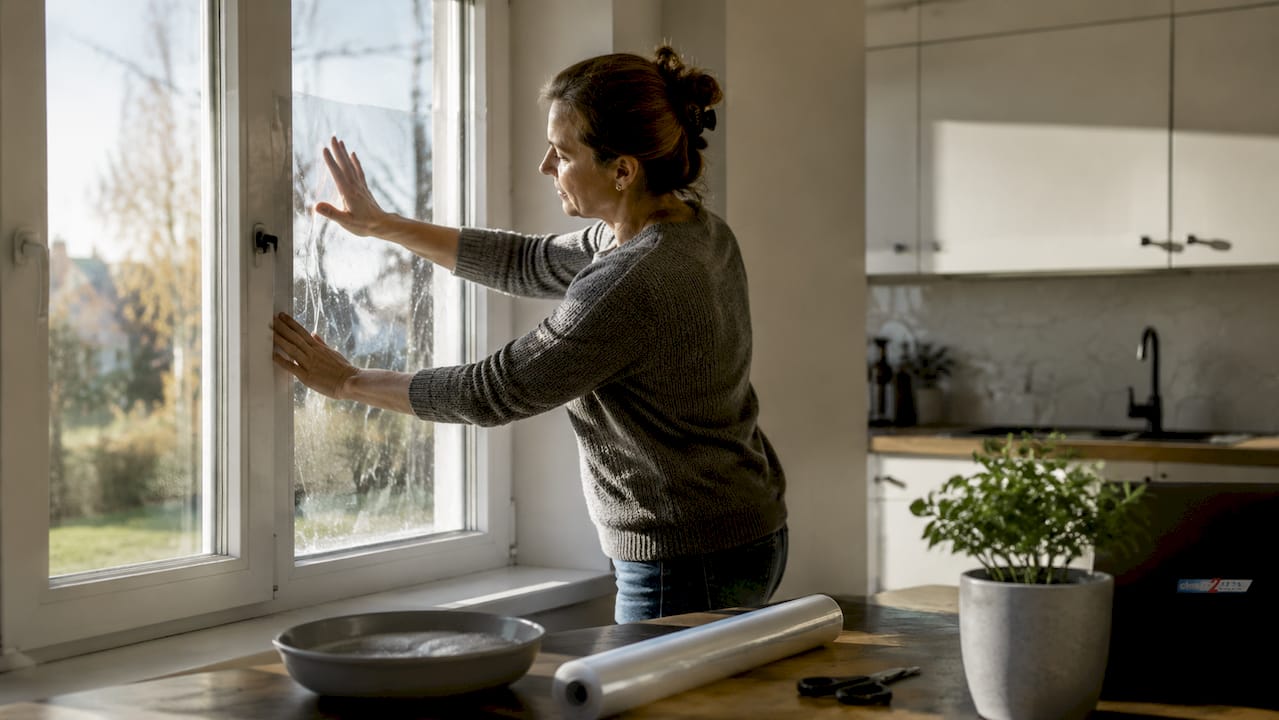
Heat-shrink window film kits create a dead-air space between the film and the glass. This dead-air layer reduces heat loss by up to 50%, mimicking the principle behind double glazing. You apply double-sided tape around the frame, press the film onto it, then use a hairdryer to shrink the film taut. The result is nearly invisible and does not significantly reduce light transmission.
Bubble wrap and secondary film options
Bubble wrap applied directly to glass with a light mist of water provides a quick, low-cost insulation boost. It reduces light transmission noticeably but works well on windows in utility rooms or garages. For living spaces, clear secondary glazing film is a better choice as it preserves the view.
Thermal curtains and honeycomb blinds
Thermal curtains and honeycomb blinds trap air against the glass, creating an insulating buffer. Honeycomb blinds are particularly effective because their cellular structure holds multiple pockets of still air. Closing curtains promptly at dusk saves £60–£70 annually in energy costs. That saving requires no tools and no materials beyond curtains you may already own.
| Method | Cost | Light loss | Ease of fitting | Typical benefit |
|---|---|---|---|---|
| Heat-shrink film kit | £5–£15 per window | Minimal | Easy | High heat retention |
| Bubble wrap | Under £5 | Moderate | Very easy | Moderate heat retention |
| Thermal curtains | £20–£60 per window | None when open | Easy | Good, especially at night |
| Honeycomb blinds | £30–£80 per window | None when open | Easy to moderate | Very good air trapping |
| Secondary glazing film | £10–£25 per window | Minimal | Moderate | High heat retention |
For renters who cannot make permanent changes, thermal curtains and honeycomb blinds are the most practical options. They require no drilling into frames and can move with you when you leave.
How do frame materials and glazing types affect energy efficiency?
The frame material and glazing specification of your windows determine their baseline insulation performance. Understanding this helps you decide whether a DIY fix is sufficient or whether a glazing upgrade is the right next step.
| Frame material | Heat loss tendency | Condensation risk | Typical lifespan |
|---|---|---|---|
| uPVC | Low | Low | 20–35 years |
| Timber | Moderate (if well maintained) | Moderate | 30–60 years |
| Aluminium (non-thermally broken) | High | High | 30–45 years |
uPVC frames perform best for insulation in most UK homes. Aluminium frames without a thermal break conduct cold directly into the room, causing condensation and significant heat loss.
Double glazing: what actually makes the difference
Double glazing reduces heat loss by 10–20% more than single glazing. The gap between panes filled with argon gas slows heat transfer more effectively than air alone. Low-emissivity (low-E) coatings on the inner pane reflect heat back into the room. Plastic or stainless-steel spacer bars outperform aluminium spacers, which conduct cold to the edge of the glass and cause edge condensation. You can read more about how glazing affects insulation in UK homes and businesses.
Secondary glazing as an alternative
Secondary glazing adds a sealed layer of glass or rigid plastic inside the existing window frame. It improves insulation noticeably without the cost of full replacement. Secondary glazing suits listed buildings where planning restrictions prevent replacing original windows. It also works well for renters who want a semi-permanent improvement they can remove later. For a full breakdown of upgrade options, the energy-efficient window upgrades guide from Cloudy2Clear Windows covers each step clearly.
Full window replacement makes sense when frames are warped, seals have failed repeatedly, or the glazing unit itself is misted with condensation between the panes. At that point, no amount of film or caulk will restore performance.
What maintenance habits keep window insulation performing long-term?
Good insulation degrades without regular upkeep. A few straightforward habits protect your investment and prevent heat loss from creeping back in.
- Inspect seals annually. Check caulk and weatherstripping each autumn before temperatures drop. Look for cracks, gaps, or sections that have pulled away from the frame.
- Clean frames and glass regularly. Dirt and moisture accelerate seal degradation. Wipe frames with a mild detergent solution and dry thoroughly. Avoid abrasive cleaners on uPVC as they cause surface damage that traps moisture.
- Replace seals every 5–10 years. Routine seal maintenance prevents costly heat loss and extends the lifespan of the frame and glazing unit.
- Check for misting between panes. Condensation inside a double-glazed unit means the seal has failed. The insulating gas has escaped and the unit no longer performs as intended.
- Use curtains and blinds consistently. Closing them at dusk and opening them on sunny days to admit solar gain is a free, daily insulation habit.
Pro Tip: Before the first cold snap each autumn, run a quick candle test on every window. Fix any new drafts with a tube of acrylic latex caulk before temperatures fall below 4°C. Addressing small gaps early costs minutes and a few pounds; leaving them costs significantly more in heating bills.
Behavioural changes compound over time. Pairing consistent curtain use with a well-maintained seal creates a measurable reduction in heating demand across the whole winter. Cloudy2Clear Windows has published practical guidance on why replacing window seals matters for both comfort and running costs.
The layered approach: what two decades of window work has taught us
The most common mistake homeowners make is jumping straight to a glazing upgrade without addressing air leaks first. We see it regularly. A homeowner invests in new double-glazed units, yet still feels a draught, because the frame caulk is cracked and the weatherstripping on the sash is worn flat. The glazing performs perfectly. The frame does not.
The second most common mistake is treating insulation as a one-time job. Caulk shrinks. Weatherstripping compresses. Seals fail. A window that was airtight five years ago may now be leaking heat steadily. Annual inspection takes twenty minutes per house and costs nothing.
The approach that works is layered and sequential. Seal the leaks first. Add insulation films or thermal coverings second. Then assess whether the glazing itself needs upgrading. Each layer builds on the previous one. Skipping the first layer and going straight to the third is expensive and disappointing.
Timing matters more than most homeowners realise. Resealing in spring or early summer gives sealants the warm, dry conditions they need to cure properly. Waiting until october means working in marginal temperatures and risking a seal that looks fine but fails by january.
DIY methods handle the majority of insulation improvements in most homes. Where the glazing unit itself has failed, or where frames are beyond repair, professional replacement is the right call. That is not a failure of DIY. It is knowing where the boundary lies.
— Cloudy2Clear Windows
Professional double glazing repairs and replacements from Cloudy2Clear Windows
When DIY methods reach their limit, Cloudy2Clear Windows provides professional double glazing repairs and replacements across the UK.

Cloudy2Clear Windows has been repairing and replacing double-glazed windows since 2005, working across both residential and commercial properties. If your glazing unit is misted, your frames are damaged, or your seals keep failing despite resealing, a professional assessment will identify the most cost-effective fix. Cloudy2Clear Windows offers double glazing repairs in Watford and double glazing repairs in Milton Keynes, as well as branches across the wider UK. Find your nearest branch and book a free assessment to restore your windows to full insulating performance.
FAQ
What is the cheapest way to improve window insulation?
Resealing window frames with caulk and adding weatherstripping costs as little as £30–£40 for a full house and delivers lasting results. Heat-shrink insulation film kits are the next most cost-effective option at £5–£15 per window.
How do I know if my windows are losing heat?
Hold a lit candle near the window frame on a windy day. A flickering flame confirms a draft. Misting between double-glazed panes indicates a failed seal that no longer retains insulating gas.
Can renters improve window insulation without making permanent changes?
Yes. Thermal curtains, honeycomb blinds, and removable heat-shrink film kits all improve insulation without permanent alteration. These options require no drilling into frames and can be taken when you move.
When is the best time to reseal windows?
Reseal windows between spring and early autumn when temperatures are consistently above 4°C. Sealants applied in cold weather cure poorly and fail prematurely, often within a single winter.
Does double glazing really make a significant difference to heat loss?
Double glazing reduces heat loss by 10–20% more than single glazing, particularly when argon gas fill and low-E coatings are specified. Secondary glazing offers a cost-effective alternative for homes where full replacement is not practical.