Discovering a cracked pane, rotting frame, or persistent leak can be deeply frustrating, especially when repairs eat into your budget and disrupt your comfort. Preventing window damage starts with understanding its root causes, from relentless UV exposure and moisture ingress to the hidden stresses of daily use and temperature swings. In this article, we’ll explore the most common culprits behind window deterioration and share practical strategies to protect your property’s value and keep your spaces comfortable year-round.
Environmental factors: UV radiation and moisture ingress
Your windows face a constant battle against nature, and two of the most damaging environmental forces are UV radiation and moisture. UV exposure can reduce exterior wood coating lifespan by up to 50% within 5 years, with south-facing windows receiving 30% more UV than their north-facing counterparts. This relentless bombardment breaks down the wood fibres beneath your paint, leaving timber brittle and vulnerable.
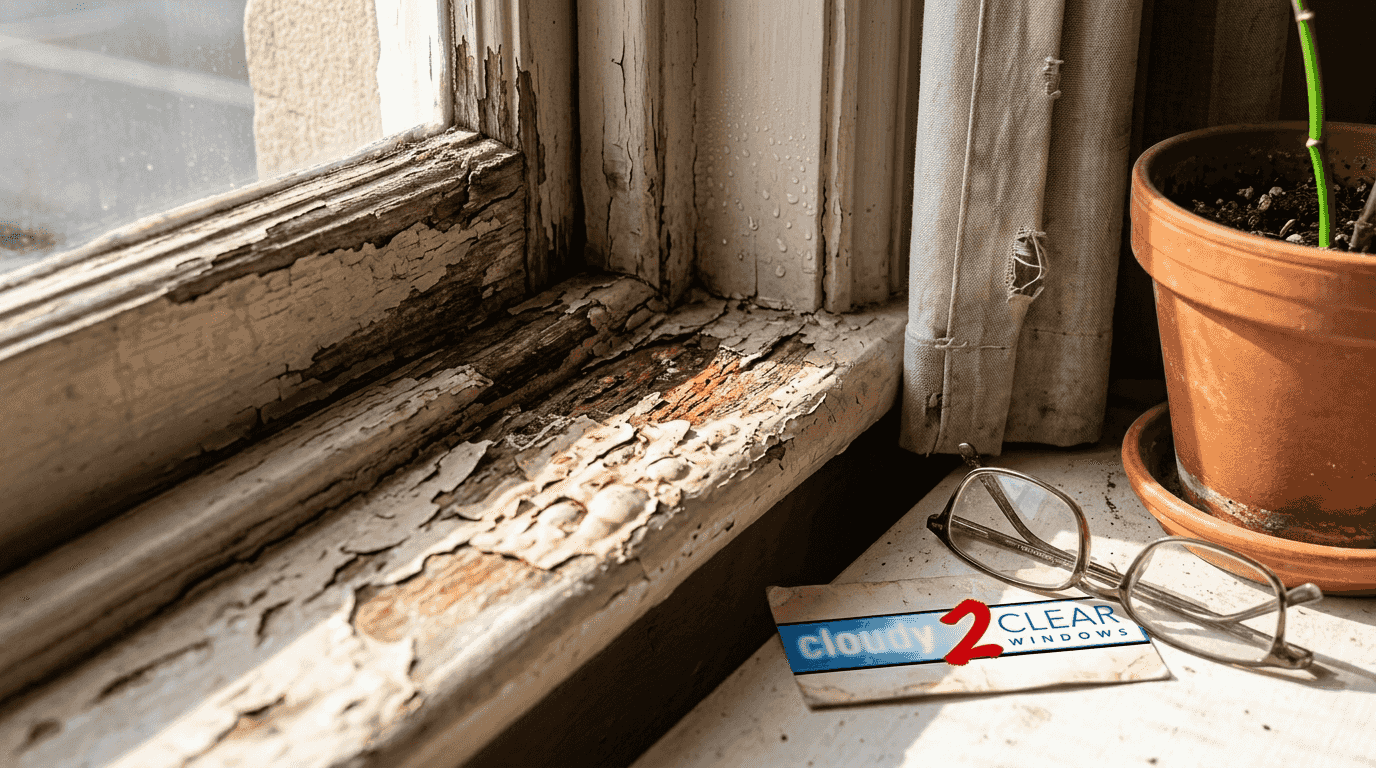
Moisture is equally destructive. Timber with moisture content above 20% becomes highly susceptible to fungal decay, and poorly sealed windows can allow up to 1 litre of water ingress per square metre during heavy rain. Rain, condensation, and faulty sealing create the perfect conditions for rot to take hold, especially in frames that lack proper ventilation. You’ll notice the early signs as paint begins to blister, wood feels soft to the touch, or dampness appears around the frame edges.
Preventing this damage requires a proactive approach:
- Inspect south and west-facing windows every six months for paint failure or soft spots.
- Reseal gaps and reapply protective coatings before winter to block moisture.
- Improve indoor ventilation to reduce condensation that accelerates decay.
- Clean drainage channels regularly to prevent water pooling near frames.
Pro Tip: If you notice condensation forming between double-glazed panes rather than on the interior surface, the seal has failed and moisture is trapped inside. This requires professional repair to prevent further condensation issues and maintain energy efficiency.
Mechanical stress and thermal expansion: the hidden threats to window joints
Every time you open or close a window, you’re applying mechanical stress to hinges, locks, and joints. Over months and years, this repetitive motion wears down components, particularly in older timber frames where wood naturally ages and hardware loosens. But the real hidden danger comes from thermal expansion and contraction.
Temperature fluctuations cause timber to expand and contract by up to 0.5% in width, and this movement creates significant stress at frame joints and along glass edges. In Britain’s variable climate, where a cold morning can give way to a warm afternoon, your windows are constantly shifting. These micro-movements accumulate, eventually causing joints to separate, frames to warp, and windows to stick or refuse to close properly.
You can minimise mechanical and thermal damage with these steps:
- Lubricate hinges and locks annually with a silicone-based product to reduce friction.
- Operate windows gently, avoiding forceful slamming or yanking that accelerates wear.
- Check for common window faults like sticking sashes or loose handles before they worsen.
- Ensure joints are properly designed to accommodate natural wood movement.
Pro Tip: If your timber window becomes difficult to open in summer but operates smoothly in winter, thermal expansion is the likely culprit. A skilled joiner can plane down the affected edge slightly, allowing the frame to expand without binding whilst maintaining a tight seal when the wood contracts.
Impact damage and thermal stress fractures in window panes
Whilst frames battle UV and moisture, your glass faces its own set of challenges. Impact damage accounts for 30 to 40% of window damage claims in areas prone to severe weather, with hailstones, windborne debris, and unfortunately vandalism all posing serious risks. A single storm can shatter panes that have stood for decades, particularly in exposed locations.
Thermal stress fractures present a more subtle threat. When one part of a window pane heats up significantly faster than another, such as when sunlight strikes a partially shaded pane, the resulting expansion mismatch can cause the glass to crack. Thermal stress risks increase with window size and orientation, making large west-facing panes especially vulnerable during late afternoon sun exposure.
Protecting your glass requires awareness of these vulnerability patterns:
- Inspect windows after storms, high winds, or hail for chips, cracks, or impact marks.
- Check large panes and west-facing glass for stress fractures during seasonal temperature extremes.
- Trim nearby trees and shrubs to prevent branches striking windows during gales.
- Consider protective film or impact-resistant glazing in particularly exposed areas.
- Address small cracks immediately, as they compromise structural integrity and energy efficiency.
| Damage Type | Primary Cause | Most Vulnerable Windows | Prevention Strategy |
|---|---|---|---|
| Impact damage | Hail, debris, vandalism | Ground floor, exposed locations | Protective film, landscaping control |
| Thermal fractures | Uneven heating/cooling | Large panes, west-facing | Shading, quality glazing installation |
| Stress cracks | Manufacturing defects, poor installation | Any orientation | Professional fitting, regular inspection |
Poor installation practices and their impact on window durability
Even the highest-quality window will fail prematurely if installed incorrectly. Incorrect sealing, shimming, and fastener use cause leaks, drafts, and structural problems that undermine your window’s performance from day one. Inadequate sealing around the frame perimeter allows water to seep behind the casing, where it rots timber and corrodes metal components unseen.
Uneven shimming creates another critical issue. When installers don’t level the frame properly, it distorts under its own weight and the pressure of being fastened to the wall. This warping prevents proper operation, creates gaps that leak air and water, and places uneven stress on the glass. Using the wrong type or number of fasteners compounds these problems, either allowing excessive movement or over-constraining the frame so it can’t accommodate natural expansion.
Ensuring proper installation protects your investment:
- Hire experienced installers with verifiable references and industry accreditation.
- Request a detailed specification covering sealing materials, shimming approach, and fastener schedule.
- Inspect the work before final payment, checking for level frames, smooth operation, and complete sealing.
- Address any window leaks immediately, as they indicate installation faults requiring correction.
Pro Tip: A properly installed window should operate smoothly without sticking at any point in its travel, close with a consistent seal all around, and show no visible gaps between frame and wall when viewed from inside or outside. If you notice drafts within the first few months, don’t wait for the problem to worsen.
Comparing common window damage causes: a summary table and practical guidance
Understanding how different damage causes interact helps you prioritise your prevention efforts based on your property’s specific vulnerabilities. A south-facing timber window in a coastal area faces very different risks than a north-facing uPVC window in a sheltered urban location.
| Damage Cause | Typical Effects | Primary Risk Factors | Prevention Tips |
|---|---|---|---|
| UV radiation | Paint degradation, wood fibre breakdown | South/west orientation, exposed locations | Regular repainting, UV-resistant coatings |
| Moisture ingress | Rot, fungal decay, paint blistering | Poor sealing, inadequate ventilation | Seal maintenance, drainage clearing |
| Mechanical stress | Worn hinges, loose locks, joint failures | Frequent use, age, poor quality hardware | Gentle operation, annual lubrication |
| Thermal expansion | Joint separation, frame warping, sticking | Temperature fluctuations, timber frames | Quality joinery, expansion allowances |
| Impact damage | Cracked/shattered glass | Severe weather, exposed locations | Protective measures, prompt repairs |
| Thermal fractures | Stress cracks in glass | Large panes, west-facing, shade patterns | Quality glazing, appropriate shading |
| Poor installation | Leaks, drafts, premature failure | Inexperienced installers, cost cutting | Professional fitting, thorough inspection |
Your property’s location and window materials determine which risks require most attention. Coastal properties must prioritise moisture and impact protection, whilst urban homes might focus more on thermal stress and mechanical wear. A comprehensive maintenance programme addresses all potential causes proportionally.
Regular seasonal inspections let you catch problems early when repairs are simpler and cheaper. Spring checks should focus on winter water damage and condensation effects, whilst autumn inspections prepare windows for the harsher months ahead. Document your findings each time, noting any changes that might indicate developing issues requiring professional assessment.
Protect your windows with expert care from Cloudy2Clear
Now that you understand the main threats to your windows, you’re better equipped to prevent damage before it becomes costly. At Cloudy2Clear Windows, we’ve spent nearly two decades helping homeowners and business owners throughout England and Scotland maintain, repair, and replace windows damaged by UV exposure, moisture, thermal stress, and poor installation.

Our experienced team recognises the signs of developing problems that others might miss, from early timber decay to failing seals and stress fractures. Whether you need professional repairs to extend your existing windows’ lifespan or expert installation of energy-efficient replacements, we bring the knowledge and precision that prevent future damage. We understand your space matters, and proper window care protects both your comfort and your property’s value for years to come.
Frequently asked questions
How often should I inspect my windows for damage?
Inspect your windows twice yearly, ideally in spring and autumn, checking for paint deterioration, soft timber spots, seal failures, and glass cracks.
Can I prevent thermal stress fractures in large windows?
Quality installation with proper glazing techniques and avoiding sudden temperature changes through appropriate shading significantly reduces thermal fracture risk in large panes.
What’s the first sign that moisture is damaging my timber windows?
Paint blistering or peeling, particularly on lower frame sections, typically indicates moisture penetration before visible rot develops.
Does window orientation really affect damage risk?
Yes, south and west-facing windows receive substantially more UV radiation and thermal stress, requiring more frequent maintenance and protective measures.
How can I tell if my windows were installed correctly?
Properly installed windows operate smoothly, seal consistently all around, show no visible gaps, and remain free from leaks or drafts during normal weather conditions.