The single most effective fix is a combination: seal every gap around the frame, then upgrade the glazing itself to acoustic laminated glass or secondary glazing. Draught-proofing alone can shave a few decibels off within an afternoon, but glazing upgrades deliver the bulk of the improvement, with acoustic laminated glass typically cutting transmitted noise by 10 to 15 dB more than standard double glazing.
What to expect, in order of impact:
- Sealing gaps and fitting draught strips: immediate, modest reduction, often the cheapest first move
- Heavy lined or acoustic curtains: useful buffer, particularly against higher-frequency traffic sound
- Acoustic laminated glass or secondary glazing: the biggest, most reliable gains
- A professional survey: worth booking once you’re past quick fixes and want a guaranteed result
If your windows are draughty, cracked, or the seals have perished, that’s the point to call in a specialist rather than keep layering DIY fixes on top of a failing frame — including considering noise-reducing interior door options to complement your window upgrades.
Quick practical steps to reduce traffic noise windows right now
Before spending a penny on glazing, check the cheap wins. A surprising amount of traffic noise sneaks in through gaps most homeowners never think to check.
- Inspect the frame edges. Run your hand around the perimeter on a windy day. Any draught you feel is also a noise path. Fill visible gaps with acrylic sealant or replace worn foam strips with brush pile or compression gaskets.
- Check the trickle vents and letterbox. Trickle vents left permanently open are a direct acoustic bypass; letterboxes and keyholes do the same job on doors. Acoustic-rated vent covers close the gap without sealing the room shut.
- Add heavy curtains or acoustic curtains. A dense, lined curtain hung close to the glass adds real mass, which is what dampens sound. It won’t touch low-frequency lorry rumble much, but it takes the edge off tyre roar and voices.
- Try temporary window plugs. Foam or acrylic inserts cut into the reveal can help overnight in a bedroom, though they’re a stopgap, not a permanent answer.
- Use furniture and planting as a buffer. A bookcase against an external wall, or dense hedging outside, won’t transform a noisy room, but every small barrier adds up.
It helps to know what kind of noise you’re dealing with. Low-frequency rumble from HGVs travels through mass and gaps that higher-pitched sounds, like car horns or motorbikes, don’t. A noise survey that separates frequency from raw volume will tell you whether your problem is a deep drone or sharper transient noise, and that changes which fix matters most.
Pro Tip: Test your seals with a lit candle on a breezy day. Any flicker near the frame marks a leak worth sealing before you spend money on glazing.
Which glazing upgrade actually stops traffic noise?
Not all glazing performs the same, and pane count alone tells you very little. What matters is the interlayer, the cavity width, and the test data behind the unit.
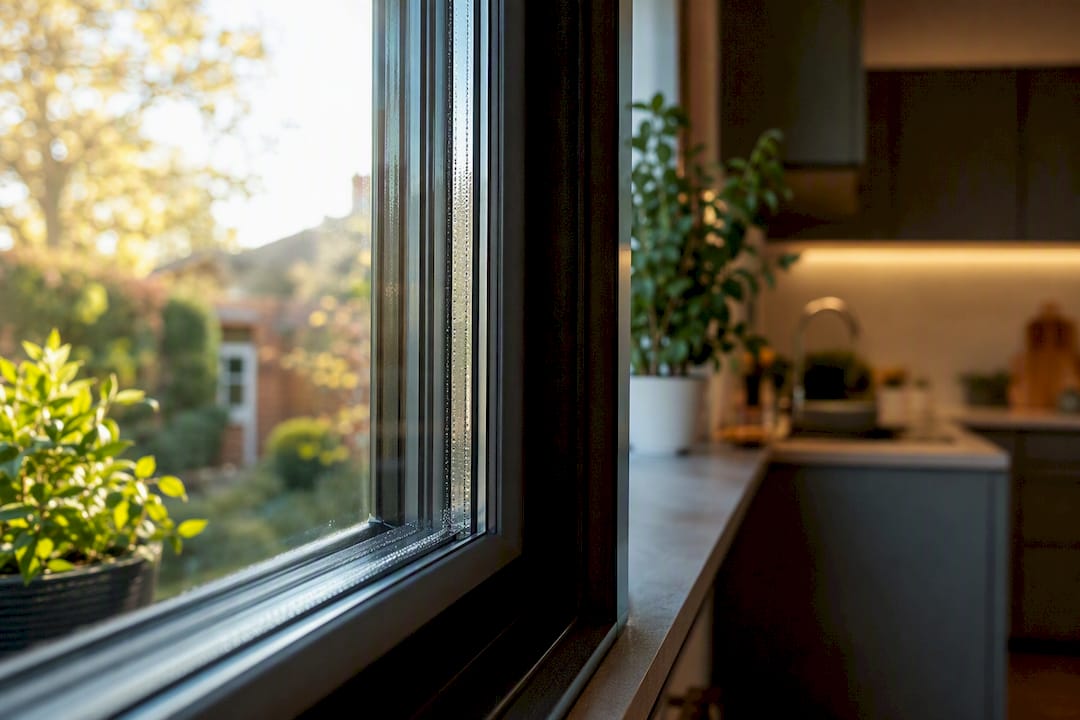
Acoustic laminated glass uses a PVB (polyvinyl butyral) interlayer bonded between two panes of glass, which damps vibration rather than simply adding thickness. Field and manufacturer figures show this construction reaching Rw+Ctr values in the high 30s to mid 40s, against roughly 28 to 32 dB for standard double glazing in lab conditions.
Secondary glazing fits a separate pane, usually within its own slim frame, on the room side of your existing window. Because it creates a wide air gap rather than relying on a single sealed unit, it’s particularly effective for single-glazed or listed properties where planning rules prevent altering the original frame externally.
- For most homeowners: a well-specified acoustic double-glazed unit often beats generic triple glazing on cost per decibel gained
- For listed or conservation-area properties: secondary glazing is usually the only realistic route to serious noise reduction
- For anyone comparing quotes: ask for the Rw+Ctr figure, not just Rw. Rw+Ctr is adjusted for traffic-type noise spectra, which is what you actually want measured
Cavity width matters more than most people realise. Laboratory testing on single, double, and triple glazing configurations found that air gaps under roughly 30mm create a resonance effect that actually weakens low-frequency performance, while wider cavities improve it substantially. That’s precisely why a cheap triple-glazed unit with a narrow gap can underperform a well-designed double-glazed acoustic unit: pane count is a marketing shorthand, not an acoustic guarantee. Insist on a manufacturer test certificate before you commit.
Why frame condition and seals limit your results
Glazing gets the attention, but a poorly sealed frame can undo most of what expensive glass achieves. Even a gap equal to just 1% of the window’s total area can drop measured acoustic performance significantly, because sound finds the path of least resistance long before it tries to pass through glass.
- Brush pile and compression gaskets hold their shape and seal consistently over years; they’re the standard for a reason
- Foam strips compress, crumble, and lose contact within a couple of seasons, which is why they’re a false economy for noise control
- Acoustic trickle vents maintain ventilation while reducing the direct sound path that standard open vents leave behind
- Frame replacement becomes worthwhile once timber has warped, uPVC has degraded, or seals no longer sit flush against the glass
Pro Tip: If your windows already have decent glazing but noise still gets through, check the frame before blaming the glass. Airtightness is often the real culprit.
What does it cost, and how much quieter will it feel?
Budgeting for glazing work means weighing installed cost against a realistic, not marketed, decibel gain.
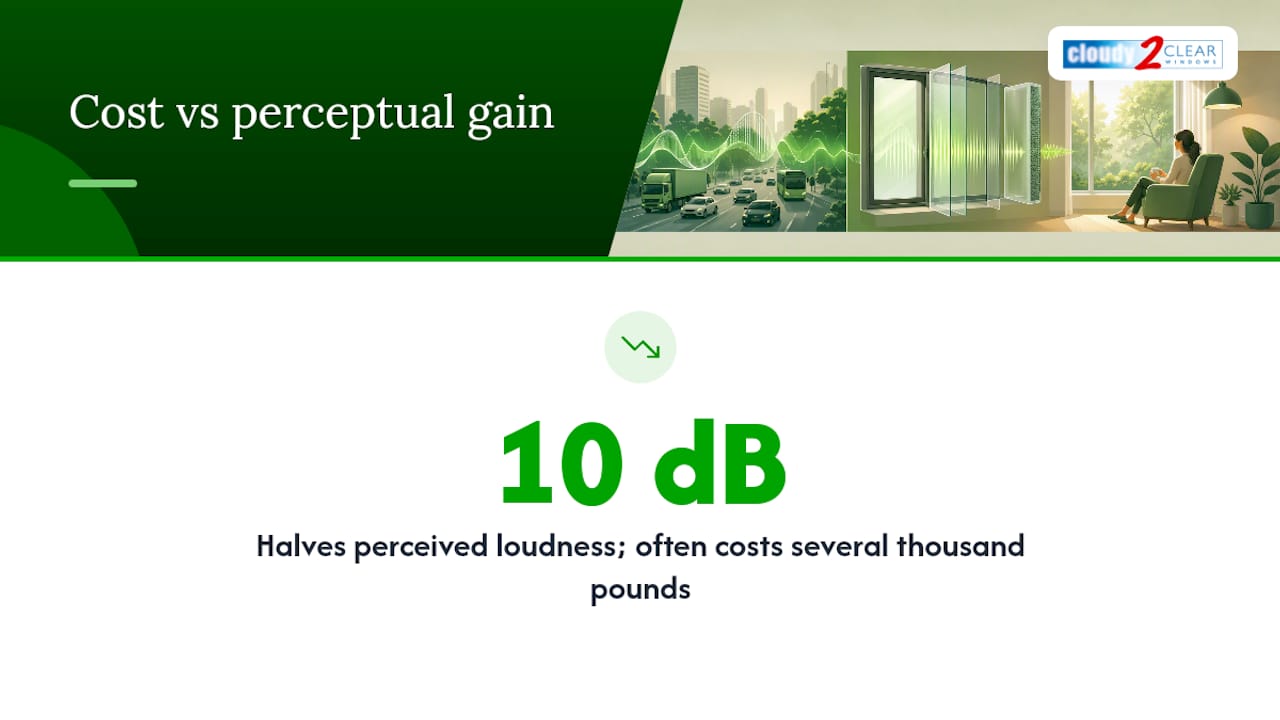
A three-bedroom terrace on a busy road, upgrading several front-facing windows to acoustic laminated glass, might involve several thousands of pounds in glazing spend, alongside a noticeable day-to-day drop in perceived noise. That matters more than the raw number suggests: a 10 dB reduction is generally perceived as roughly halving how loud something sounds. Given how consistently national noise surveys flag traffic sound as a genuine quality-of-life complaint, that perceptual shift is often the whole point of the investment.
DIY or professional? How to tell which job is which
Sealing gaps, hanging heavier curtains, and fitting temporary plugs are all sensible DIY territory. Glazing units and secondary glazing systems are a different matter, because a poorly fitted unit leaks sound exactly where you least want it: around the edges.
- Draught-proof and re-seal the frame yourself using brush pile strips
- Hang lined or acoustic curtains and test the difference for a week
- If noise persists, get quotes for acoustic laminated glass or secondary glazing rather than repeating cheaper fixes
Before booking anyone, ask for:
- Rw+Ctr test certificates for the specific glass unit being quoted, not generic brochure figures
- FENSA or TrustMark registration, confirming the installer meets recognised building standards
- Evidence of UKAS-accredited testing behind any acoustic performance claim
- A written warranty covering both the glass and the installation
Walk away from installers who quote foam-only seals, can’t produce test data, or price well below everyone else with no certification to back it up. That combination almost always means a job that looks fine on day one and underperforms within a year.
An installer’s view on fixing traffic-noise problems properly
Cloudy2Clear Windows has been repairing and upgrading double glazing since 2005, and the pattern is consistent: most noise complaints trace back to frame condition, not just glass. A proper assessment checks:
- Seal condition and airtightness around every edge
- Existing Rw+Ctr rating versus what the property actually needs
- Whether secondary glazing suits the frame better than a full replacement unit
What most advice on this topic gets wrong
Plenty of guides treat triple glazing as an automatic noise-reduction win. It isn’t. As the laboratory data on cavity resonance shows, a narrow air gap can actively undermine low-frequency performance, so a badly specified triple unit can lose to a well-built acoustic double-glazed pane. Pane count is a proxy people reach for because it sounds intuitive, not because it’s the metric that matters.
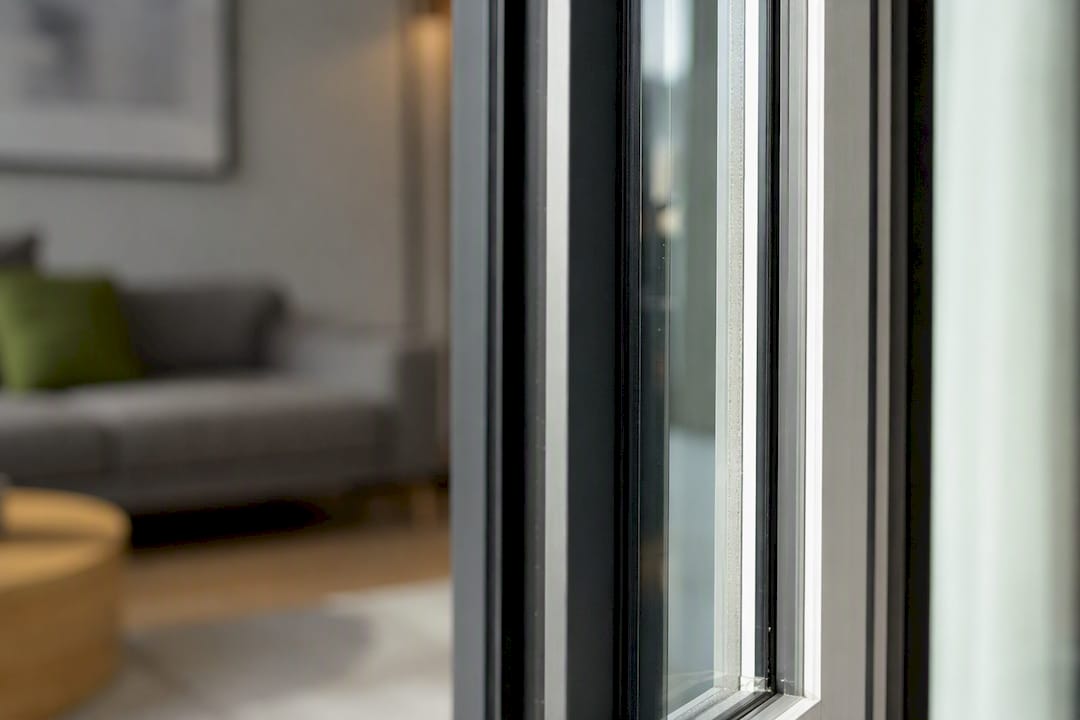
The other blind spot is sealing. Homeowners will spend serious money on glass while a perished foam strip quietly cancels out a chunk of the gain. Fix the frame first, or fix it alongside the glass. Doing one without the other is money spent chasing half a result.
If there’s one thing worth prioritising above all else, it’s asking for the Rw+Ctr figure and a genuine test certificate before signing anything. Marketing claims about “soundproof” glazing are common; verified lab data behind those claims is not. That gap between promise and proof is where most disappointing installations come from, and it’s entirely avoidable if you ask the right question before, not after, the invoice.
Ready for a lasting fix rather than another temporary patch?
Cloudy2Clear Windows fits glass-only replacements, acoustic laminated glass, secondary glazing, and frame seal repairs, so you get a measured noise reduction rather than a guess dressed up as a quote.

Every quote comes with genuine Rw+Ctr test data behind the glass specified, backed by decades of installation experience across residential and commercial properties. Unlike a generic “buy triple glazing and hope” approach, you get a solution matched to your actual frame condition and noise problem, with a warranty attached. If a specific window or door in your home is causing more misery than the rest, our window pane and double glazing glass replacement service is the natural next step, and readers near Milton Keynes can get a local quote through our branch page to see real numbers for their property before committing to anything.
Sources
- Experimental investigations on sound insulation through single, double and triple window glazing for traffic noise abatement
- CIEH noise survey findings 2018/19
FAQ
How can I soundproof my windows from traffic noise?
Seal every gap around the frame first, then upgrade to acoustic laminated glass or secondary glazing, which together deliver the largest, most reliable reduction rather than relying on curtains or plugs alone.
Will triple glazing stop traffic noise?
Not automatically. Triple glazing with a narrow air gap under roughly 30mm can suffer from resonance that weakens low-frequency performance, so a well-specified acoustic double-glazed unit often outperforms generic triple glazing for traffic noise.
How do I soundproof against traffic noise on a budget?
Draught-proof the frame, add heavy or acoustic curtains, and use temporary window plugs in the meantime, then prioritise a proper glazing upgrade once budget allows, since these quick measures only offer a modest reduction on their own.
Why can I hear everything outside my window?
Usually because of gaps around the frame, open trickle vents, or worn seals rather than the glass itself. Even a gap equal to 1% of the window area can significantly cut acoustic performance, so check airtightness before assuming the glass is the problem.