• USP Logo Icon
    25 Year Guarantee
  • USP Leaf Icon
    Latest ECO Friendly Technology
  • USP Pointer Icon
    National Coverage
Get a FREE quote

How to Secure Your Home From Burglars: Expert Tips

new house with security cameras


We all like to think we live in a safe neighbourhood, but burglaries do happen. Some houses are targeted due to bad luck. Other times, criminals scope out homes beforehand and look for security weaknesses.

Ramping up your security measures might not make it 100% impossible to break in, but it can slow burglars down. With 25% of people claiming to be burgled, there’s no wonder we are searching for ways to protect our homes. Some of the best security measures don’t cost the earth – they simply involve learning new habits, while avoiding those that make your home an easy target.

Here’s our guide on how to protect your house and keep your family and belongings safe.

Keep valuables out of sight

Many burglaries happen due to perceived opportunity when a burglar thinks, or knows, there is something in your home that is worth stealing.

Increasing the privacy of your home can reduce your chance of being targeted. Hide valuables so they can’t be seen through windows or consider covering windows with privacy-enhancing screens or stickers. These are a popular choice for street-facing windows or if you don’t have a front garden, as they still let light in while the semi-opaque screen obscures the contents of your home.

Additionally, a car is likely the most expensive item you own, yet it’s often left out on display. Avoid parking your car in the street and park in your garage or on your driveway if you have one.

Keep the lights on

Burglars are looking for the easiest target. Most want to gain access as quickly and discreetly as possible, avoiding any additional or unexpected obstacles. They don’t want to break in to find a house full of people and risk being caught or hurt.

A classic trick is to make your home appear occupied when you’re out. Keep a couple of lights on or play music to make it seem like there’s somebody home. Additionally, try to make sure your gardens and any walkways are lit up at night with permanent or motion sensor lights. Burglars will likely choose the house in darkness over one that’s well-lit and exposed.

Detached house at night with lights on.

Check your locks and door handles

Security weaknesses can happen almost anywhere in and around the home. So, check your door and window locking mechanisms are in full working order every few months as they can wear down over time. In addition, padlocks and combination locks are a great option for securing sheds, gates, storage tubs, and gardening equipment.

Don’t just focus on the lock when looking for any faults – check the area around your locks too. If the windowpane around the handle feels weak, it’s easier for a burglar to break it entirely, rendering the lock useless. Easier still, simply make sure your doors and windows are locked when you leave the house and go to sleep and don’t fall into the 46% of people who fail to do so.

Single-point door locking systems

Front door locking mechanisms come with varying levels of security depending on the type of lock. From a single or double-cylinder lock, to a standard latch with a spring bolt and an additional dead bolt, there is a lot to consider.

From there, it comes down to what will make you feel secure, as there are several security options with these types of locks. These options include:

  • Nightlatch
  • Five-lever mortice deadlock
  • British Standard BS 3621 deadlock
  • Cylinder lock

Multi-point locking systems

For ultimate security, a multipoint locking system is the best. This involves a number of bolts and hooks around the frame, which are employed by lifting the handle. The two most common types are three-point and five-point systems.

special lock and door handle

Strong door handles

One of the weakest parts of the door and lock, the handle is where intruders are most likely to begin with their attempt to enter your home. There are a number of ways to exploit this weakness, so ensuring your handles are reinforced and in the best condition can help protect the door lock components from forced entry caused by picking or snapping.

Some features of a strong door handle include:

  • Hardened metal body and bolts protect from simple wear and the brute force of potential intruders.
  • Cylinder guards sit underneath the external handle and protect the cylinders of the lock from snapping if the handle is removed.
  • Anti-drill rotating disk shield protects the barrel from being drilled.

Upgrade your windows for security

If you feel it’s time for an upgrade, getting your windows replaced is a great place to start improving your home security. But just how secure are UPVC windows?

There are hundreds of window combinations, each with its redeeming qualities. But there are three key things to consider when optimising your windows for security purposes and peace of mind.

Window design & frame

Casement windows are the most secure frame, since there’s no way to adjust the handle from outside. There’s also no way to force them open with a crowbar. You just need to make sure the window is closed and locked. Unable to enter by manipulating the frame, the only other option is to try to break the glass.

Double glazing

To strengthen the glass and deter burglars, make sure your windows are double glazed. Double glazing is as standard in new modern homes as it is insulating and can save you money on energy bills. There are many benefits to double glazing from a security perspective:

  • Advancements in technology means that modern windows can increase security due to the added strength.
  • Beading that holds the double glazing in place is fitted to the interior of the windows making it near impossible for the burglar to remove the glass from the outside.
  • Durable double glazing is capable of withstanding a brick or stone thrown at it so burglars can’t make an entrance without drawing too much attention.

Type of glass

The type of glass in your double glazed windows makes a difference.

Tempered glass is specially heat-treated with intense heat then cooled quickly to resist more force. This action compresses the external surfaces of the glass, making the entire structure 4 times stronger than normal glass.

Reinforced glass is stronger than tempered or laminate, typically used in homes. The added strength helps deter break-ins and most reinforced glass doesn’t shatter into shards, making it safer if damage occurs.

Laminate glass is made of two or more pieces of glass bonded with plastic and is impact-resistant. It is often used in areas prone to natural disasters – such as coastal homes or homes on fault lines. The plastic allows it to remain within the frame, as opposed to shattering if it does break.

Doors provide the main entry points into your home. Composite and steel doors can offer the best protection against burglars but if your door is faulty, it’s almost useless so getting it repaired as soon as possible is crucial.

Think about a security system

While doors, windows and lights are excellent deterrents against potential thefts, there are additional security measures you can put in place to protect your home and family.

Security cameras

If you want 24/7 surveillance of your home, installing security cameras is a good idea. From simple doorbell cameras to a full CCTV system, there are plenty of options when it comes to home security. Not only do security cameras offer peace of mind but if they are visible outside your home, they can also act as a deterrent to potential intruders.

home security camera


Alarm system

Just like security cameras, a visible alarm system can deter potential intruders from trying to enter your home. As well as that, if a burglar does gain entry, the sound of the alarm will alert you and your neighbours and, hopefully, startle them enough to leave before taking anything or causing damage.

Security locks

Security locks for UPVC windows add an extra layer of protection to prevent burglars from breaking into your home. Security locks fit most types of wooden and double glazed window frames and only allow the windows to open a small amount so it is difficult to break in through an open window.

Secure your home against burglars with Cloudy2Clear

Keeping your home safe and secure involves checking everything is working properly. Watch for any habits that might make your house a target, and ensure your windows, doors and locks are in top condition to try and prevent a burglary.

At Cloudy2Clear, we’re experts in repairing and replacing door and window mechanisms, double glazing, and more. All our repairs involve replacing only the faulty or worn down elements. So, we won’t charge you for an entire window frame if only the glass needs replacing.

If you’re looking to boost the security of your home, start with us. Get in touch via our online contact form for a free, no obligation quote.

How Double Glazing Reduces Heat Loss: Science & Benefits

Did you know that up to 30% of your home’s heat escapes through windows (Gov.UK)?

So, if you’ve cranked up the heating and you’re feeling the chill indoors, your windows could be the culprit. Poorly insulated windows means heat is transferred outside, resulting in higher energy bills for you, and more carbon emissions.

One of the most effective solutions? Double glazing.

This advanced window technology traps heat inside your home, minimising heat loss and reducing energy consumption, so you can enjoy a warmer, more energy-efficient home all year round

The science behind double glazing: How does it reduce heat loss?

To understand how double glazing improves insulation, let’s compare it to single glazing.

Double glazing reduces heat loss by creating a thermal barrier. Unlike single glazing, which has only one pane, double-glazed windows feature two glass panes with an insulating gap, preventing heat from escaping and improving energy efficiency.

But there’s more to double glazing than meets the eye. Here’s how it works:

The air or gas layer

The gap between the panes is filled with air or an insulating gas (such as argon or krypton), reducing the rate of heat loss.

Use of low-E (low emissivity) glass

Some double-glazed units are built with a special Low-E coating, which reflects heat back into the room while still allowing natural light in.

Sealed units to stop draughts

A properly sealed double-glazed unit stops cold spots and draughts, helping to keep your home at a comfortable and consistent temperature.

The benefits of double glazing for energy efficiency

Double glazing is a smart investment when it comes to reducing heat loss and improving home insulation.

Benefits of double glazing How it helps
Reduced heat loss Less warmth escapes, keeping your home nice and warm for longer.
Lower energy bills Reduced need for constant central heating use, lowering the cost of bills.
Minimised condensation Warmer internal window glass stops moisture buildup, reducing the risk of mould and dampness.
Better sound insulation The extra pane absorbs external noise, creating a quieter home.
Reduced carbon footprint Lower energy consumption means fewer CO2 emissions.

Fact: According to the Energy Saving Trust, upgrading from single to double glazing could save up to £140 per year on heating costs.

How does double glazing compare to other insulation methods?

While double glazing provides the best insulation, you might be considering alternative options like secondary glazing or thermal curtains.

Here’s how they stack up in terms of heat retention, cost, and longevity.

Feature Double Glazing Secondary Glazing Thermal Curtains Draught Excluders
Heat retention ⭐⭐⭐⭐⭐ ⭐⭐⭐ ⭐⭐
Energy Savings ⭐⭐⭐⭐⭐ ⭐⭐⭐ ⭐⭐
Noise Reduction ⭐⭐⭐⭐⭐ ⭐⭐⭐
Cost £££££ £££ ££ £
Lifespan 20+ years 5-10 years 5-10 years 2-5 years

Key takeaway: Secondary glazing and thermal curtains do provide some additional insulation, but double glazing is the most effective long-term solution if you really want to reduce heat loss and improve the energy efficiency of your home.

Its long lifespan, superior heat retention, and noise reduction make it a valuable investment for homeowners looking to cut energy costs and enhance home comfort.

Signs you need to upgrade or repair your double glazing

Over time, even high-quality double glazing can lose its effectiveness. Here are some common signs that indicate it may be time for an upgrade or repair:

  • Condensation between panes: If you notice fogging or moisture inside your double glazing, it’s a sign that the seal has failed, reducing energy efficiency and allowing heat to escape.
  • Draughts & cold spots: Feeling cold air near your windows? This suggests broken seals or frame damage, preventing your home from retaining warmth effectively.
  • Unexpectedly high energy bills: While seasonal changes and tariff increases can affect energy costs, persistently rising bills could indicate poor window insulation. Damaged or ageing double glazing allows more heat to escape, making your heating system work harder over time.

Not sure if your double glazing needs repairing? Check out our guide on common window problems.

Frequently asked questions

Does double glazing really reduce heat loss?

Yes, double glazing significantly reduces heat loss by creating a thermal barrier between two panes of glass. The air or gas trapped between the panes slows down heat transfer, keeping warmth inside your home.

How much heat does double glazing stop from escaping?

Double glazing can reduce heat loss by up to 50% compared to single glazing. The exact savings depend on the type of glass, the insulating gas used, and the quality of the installation.

Is double glazing better than secondary glazing?

While secondary glazing adds insulation, double glazing is more effective because it provides a sealed air gap, better heat retention, and improved noise reduction. Secondary glazing is a good alternative for listed buildings or budget-conscious homeowners but doesn’t offer the same performance. If you’re looking for the most affordable options, you can learn more about different types of secondary glazing in our guide.

What is the lifespan of double glazing?

Well-maintained double glazing can last 20 to 35 years. However, over time, seals may fail, leading to condensation and reduced insulation efficiency.

Can double glazing be repaired instead of replaced?

Yes! If your double glazing is misted or has failed seals, Cloudy2Clear can replace just the glass unit, restoring energy efficiency without the need for a full window replacement.

Is double glazing the best way to reduce heat loss?

Double glazing is one of the most effective ways to improve home insulation.

✅ Prevents heat loss by up to 50% compared to single glazing.
✅ Lowers energy bills (up to £140 saved per year, Energy Saving Trust).
✅ Minimises condensation and prevents draughts.
✅ Lasts 20+ years with proper maintenance.
✅ Cloudy2Clear repairs misted or failed double glazing, saving you money on replacements.

Stop losing heat and money through inefficient windows! Cloudy2Clear’s experts can repair misted or failed double glazing, restoring insulation without the cost of full replacement.

Call 0800 61 21 119 today for your free, no-obligation consultation!

Draught proofing windows: Easy ways to keep your home warmer

There’s nothing worse than feeling a cold draught coming from your windows when you’re trying to get cosy on your sofa.

Not only does it cause you discomfort, it also leads to higher energy bills due to heat loss. And at a time when energy bills are more costly than ever, draughty windows are not ideal.

Draughts can be caused by damaged or faulty windows and will eventually need professional repair.

However, the good news is that there are steps you can take to draught-proof your windows, without spending too much money in the first instance.
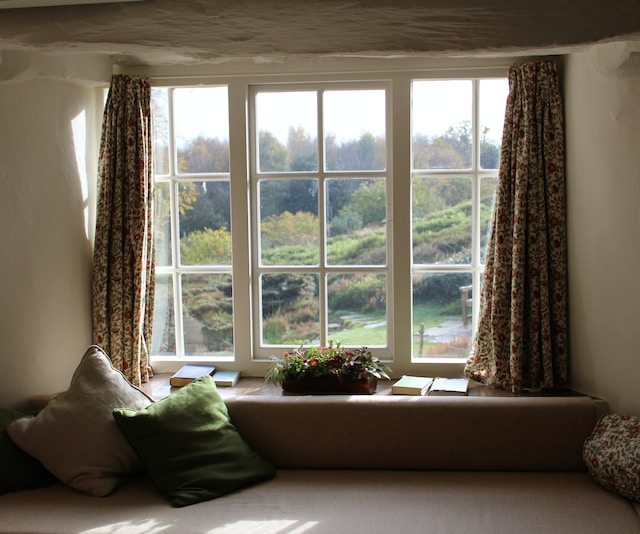
A cosy home interior with well-insulated windows, showing warmth and comfort.

How do you spot a draughty window?

  • Look for visible signs of window damage

    • If you suspect your windows are letting in cold air, the first thing to do is check for any visible damage. Can you see any cracked window seals or gaps in the frame? Is there condensation forming between the glass panes?
  • Do the candle test

    • Before you go lighting candles, make sure you move any flammable materials (like curtains!) out of harm’s way. Light your candle and then move it around the window frame. Does the flame flicker? You’ve found your window draught.
  • Run your hand along the window edge

    • You can spot draughty windows by running your hand alongside the window edge. If you can feel cold air coming in, you’ve confirmed the problem.
A cracked window seal letting in cold air, a common cause of draughts.


Draught proofing windows: DIY tips & affordable fixes

Use self-adhesive draught excluder strips

Have you spotted small gaps around your window frames? A cost-effective way to prevent cold air from entering your home is by using draught excluder strips.

Draught excluder strips can be used to seal small gaps around your window frames by creating a tight seal.

They are relatively easy to install and can reduce heat loss without the need for specialist tools or expertise.

Different types of draught excluder strips

The right type of draught excluder strip will depend on the size of the gap and the material of your window:

Type of draught excluder strip Benefits Cons
Foam Strips Ideal for small to medium gaps (1–5mm). Foam degrades over time, especially in humid conditions, making it less durable.
Rubber (EPDM) Strips Soft, compressible and easy to apply. Slightly more expensive than foam, but lasts longer.
Brush Strips (Pile Weatherstripping) Suited to wooden or older window frames where slight warping may have happened. Not suitable for sealing completely static gaps, as it doesn’t provide an airtight seal.

Use window sealant to close gaps

Can you see small cracks or gaps around your window frame? Over time, small cracks can form where the window frame meets the wall, which lets cold air in – this is particularly common in older wooden window frames.

You may be able to seal the gaps around your window frames with high-quality window sealant. This can block draughts, prevent heat loss and also reduce moisture penetration to stop damp and rot.

Best overall choice: Silicone sealant

There are a variety of sealants available, but silicone sealant is the most versatile.

  • It’s highly flexible – expands and contracts with window movement.
  • It’s waterproof and weather-resistant – ideal for indoor and outdoor use.
  • It’s long-lasting – lasts up to 20 years if applied correctly.
  • Clear or coloured options – blends in with your window frames.

Where to apply window sealant

✔ Around the window frame: Small cracks between the frame and the wall can let cold air in.
✔ At window joints and corners: These are common weak points where air can escape.
✔ Along the exterior caulking: If the outside seal has deteriorated, draughts may be getting in from outside.

If you notice large gaps or crumbling window frames, a sealant may not be enough – your windows may need professional repair or resealing.

Newly sealed window using silicone sealant to block draughts and reduce heat loss.


Use insulating window film for secondary glazing

Secondary glazing is a cost-effective alternative to double glazing, and is designed to add an extra layer of insulation to existing single-glazed or draughty windows.
It creates an air gap between the existing window and the secondary panel, trapping heat and preventing cold air from entering.
There are different ways of achieving secondary glazing.

Secondary glazing type Description Pros Cons
Plastic film Referred to as insulating window film. It’s a thin layer of polyester, combined with an adhesive layer. Cheap, easy to install, ideal for renters. Less durable and needs replacing every 5 years.
Magnetic or clip-on acrylic panels Uses strong magnets or clips to attach an acrylic panel to the window frame. More effective than plastic film, reusable. Needs to be precisely measured to achieve a tight fit.
Fixed secondary glazing A fixed acrylic or glass panel attached to the window with a frame or hinges. It is relatively affordable. More expensive, not easy to remove.


While secondary glazing can help improve insulation, it’s not as effective as double glazing.

Thinking about upgrading your windows? Our guide on the benefits of double glazing explores how it can help long-term energy savings.

Invest in thermal curtains

You can reduce the draught from your windows without making any changes to the glass or the frames with thermal curtains.

Thermal curtains can be made from a variety of different materials such as cotton, polyester, and wool. However, what they all have in common is that they are thick and lined, helping to trap heat and keep cold air at bay.

Top Tip: Hang your thermal curtains closer to the window and make sure they fully cover the frame to make them as efficient as possible.

While thermal curtains go some way to regulate room temperature, they won’t solve the root cause of the cold draught from your windows.

Fix broken or worn window locks & handles

Are loose window locks or wonky handles causing draughty gaps in your window frame?

In some cases, tightening screws or replacing worn-out locking mechanisms is enough to tighten any broken seals and reduce cold air coming into your home.

  • Loose or misaligned locks stop the window from sealing fully and leave small gaps where cold air can get in.
  • Worn-out handles may not shut the window tightly enough, which reduces its efficiency in blocking out draughts.
  • Damaged locking mechanisms can cause windows to shift slightly out of position, which impacts insulation.

Signs draught-proofing window hacks won’t see you through

A window with a crack in the glass pane

If your windows still don’t close properly…

So, you’ve tightened screws, replaced locks and you can still feel a cold draught?

It may be time to call a professional. If your windows won’t close properly, even after DIY fixes, it could be down to misaligned hinges, or faulty locking mechanisms.

Not only is this bad news for energy efficiency, but it also poses a potential security risk.

If your window frame is rotting …

If your window frame is rotting, it’s a sign of serious moisture damage – and that needs urgent attention.

When water seeps into wooden window frames, the material begins to soften, weaken, and eventually decay.

Window frame rot puts the structural integrity of the window at risk and creates gaps where cold air can enter, which does nothing to help your energy bills.

If you can see cracks in the glass or condensation…

If you have cracks in your window glass or you can see condensation forming between double-glazed panes, draught-proofing hacks aren’t going to cut it.

Misted windows usually mean that the seal has failed, which allows moisture in and makes your home feel colder.

However, cracks or misting glass don’t mean you have to replace the entire window. An affordable alternative is to replace the failed double-glazing unit (and you can explore the cost-savings of window repairs in this guide).

Cloudy2Clear specialises in this type of repair, helping homeowners like you restore insulation, without the expense of a full window replacement. Learn more about our window repair service.

Get in touch

Seeking professional repairs can save money in the long run by preventing heat loss, lowering energy bills, and improving security.

Our customers can trust us to quickly diagnose and fix common window problems. So, if you’re losing heat through draughty windows, get in touch.

Our expert engineers can repair misted double glazing, fix faulty seals, and realign misaligned locks – saving you money on energy bills.

How to Prevent Condensation in Double-Glazed Windows

Condensation in your home can be a worry as it’s a common cause of damp and mould, and it’s often noticeable on or in your windows. You’re probably wondering what’s causing condensation, how you can get rid of it and how to stop it coming back. We’ve covered all of this and more to help you understand what might be the cause and whether you may need to replace your double or triple glazed windows to resolve the problem.

What causes condensation on windows?

Condensation happens when warm or moist air comes into contact with cold glass or a cool surface. It isn’t uncommon, so many homeowners overlook it when it appears on their windows. Condensation can form on any colder surface, and we see it every day with droplets forming on mirrors, tiles and shower panels in your bathroom after a hot shower.

As winter approaches after a hot summer, our PVC windows and doors are more prone to becoming misshapen. This is because repeated exposure to quickly fluctuating temperatures can distort certain materials. Our windows and doors are exposed to more heat in the daytime and cooler autumn nights. This can expand and shrink the seals of double-glazed units, causing some damage to the quality of the seals which leads to condensation.

Why do my windows have condensation on the outside?

Condensation found on the outside of your windows is perfectly normal. It’s a sign that your double-glazed windows are highly thermally efficient as they are keeping the heat in and cold air out. This allows your home to maintain its temperature so you can stay comfortably warm and use less energy to heat your home. You’ll often find outer window condensation during the winter as the air is moist and the temperature drops.

Why do my windows have condensation on the inside?

Condensated windows inside the panes can be a cause for concern. It’s common to find condensation in your kitchen or bathroom, especially when cooking or taking a hot shower or bath. These activities release extra moisture into the air, increasing the overall humidity levels of these spaces. While some condensation is expected on cold surfaces, it’s still important to minimise potential moisture buildup in your home as repeated or constant condensation can lead to dampness and mould.

Indoor condensation isn’t limited to your kitchen or bathroom. Hanging up your washing indoors without using radiators, or hosting a large gathering of people, can cause steam to form on your windows too. You may even have excess condensation due to poor insulation in the roof or walls of your home.

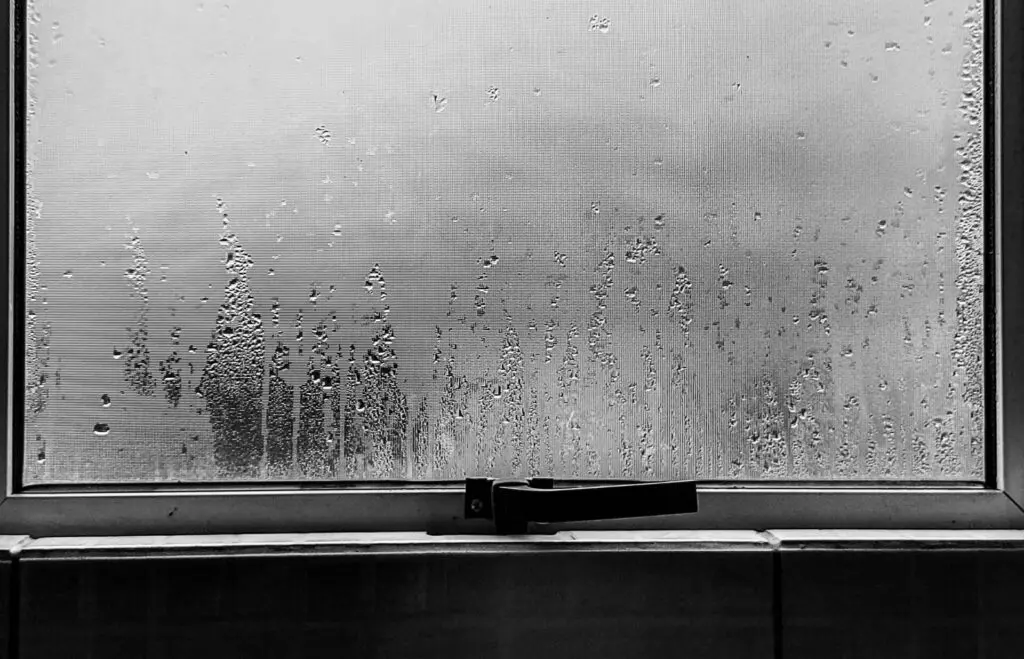
Image of a city from a multistorey building blurred by water droplets and condensation on the window.

What causes misted double glazing?

Condensation looks like a misted or cloudy window and can obscure your view outside whilst making your home look less appealing. If you notice you do have misted windows, this may mean your double glazing has ‘failed’.

Image of cloudy window looking with a blurred view of the garden.

1. Poorly fitted windows

If your windows were improperly installed, they’ll deteriorate quickly. In extreme cases, they could become cloudy in less than a year. When double glazing is fitted incorrectly, your window panes and frames won’t be aligned properly. This means your seals won’t last and gaps will form, allowing air and moisture into your panes.

2. Using the wrong products

You’d be surprised at how often double glazing can be damaged by human error alone. Many people use unnecessary harsh chemical products to clean their windows, which can reduce their effectiveness. A simple mixture of warm water and white vinegar is perfect to care for your windows and leave them sparkling for longer.

3. Damaged seals

Whether it’s poor installation or wear and tear, broken or faulty seals are one of the most common causes of cloudy and blown double glazing. Windows expand and contract when temperatures rise and fall. Although not visible to homeowners, this movement takes its toll on window seals, made worse by poor materials or shoddy craftsmanship.

Damaged seals allow moisture between the window panes, which is difficult to remove. Once inside, moisture causes condensation which means windows will become misted.

4. Window age

Time is another factor in the health of your double glazing. The date your double glazing was first installed impacts how well it will perform. Not only because the seals will become less effective over time, but also because modern fitting methods are more reliable.

How to prevent condensation in your windows

Condensation occurs in all homes and although it can lead to problems, there are initiatives you can take to help combat the effects. To stop or reduce condensation on double-glazed windows, there are a few things you can do to ventilate your home and reduce the risk of dampness and condensation.

Improve ventilation

By ensuring your home is properly ventilated, you’ll improve airflow and fight off issues caused by condensation. Opening windows and using vents or fans are all great ways to improve air circulation:

  • Promote better airflow by opening windows or doors on opposite sides of your house
  • Use exhaust fans in the bathroom and kitchen to extract humid air.
  • Allow air to flow into your home slowly, without inviting in a draught, with trickle vents
Image of pan on a hob with steam coming from it.

Heating & insulation

Condensation issues are intensified by sudden rises and drops in temperature as fluctuations cause water to evaporate and condense when you turn the heating on and off. Make sure your heating and insulation efforts are working hard to help you avoid condensation by:

  • Keep your heating at a constant low temperature
  • Ensuring your home has cavity wall and loft insulation
  • Checking your windows for draft, damp or steam

Clear moisture

An immediate solution to condensation is to remove any water droplets you come across in your home. In the short term, cleaning windows of condensation regularly can prevent moisture from developing into dampness or mould issues. Other things you can try to clear moisture in your home include:

  • Use dehumidifiers
  • Use condensation catchers
  • Avoid drying clothes indoors
  • Vent your tumble dryer properly

Common issues with condensation inside double-glazed windows

The place you should always be concerned about finding condensation is between the inner panes of double-glazed windows because it is a sealed unit. If condensation is appearing inside your double glazing, it’s often an indication that the seal around your windows has failed. Some other problems you might experience as a result of failed double glazing include:

  • With air entering the gap between the panes, the windows will no longer be as effective for thermal insulation.
  • Draughts can enter your home, cooling down your house. In colder months, you may see an increase in your energy bills as you try to combat the additional cold air.
  • Moisture getting in between the panes of glass ruins the aesthetic of your windows and leads to bigger problems like mould, dampness, heat loss and poor energy efficiency.

How to get rid of condensation between window panes

If you’ve noticed condensation between your double glazing panes and you’ve tried everything to combat it, it’s probably time to get your double glazing replaced so you don’t experience any further problems.

We’ve dedicated years of expertise to fixing issues that can cause condensation on your windows. If you’d like help with your condensation problem, call our team now on 0800 182 2047. You can also contact us online to arrange a free consultation with our specialist engineers.

Everything You Need To Know About Double Glazing

Double-glazed windows have progressed from a ‘nice-to-have’ to an essential feature in your home. From standard double glazing to bespoke styles, double-glazing can offer many benefits to both homes and businesses. In this article, we’ll cover everything you want to know from double-glazing history, right down to your commonly asked questions.

What is double glazing?

Double-glazed windows have two panes of glass, separated with a layer of normal air or, for more efficiency, a layer of argon gas. The panes are then sealed to keep the gas contained, creating an airtight, sealed unit.

A spacer bar maintains the gap between the panes and is usually made from aluminium or plastic with low heat conductivity properties. Energy-saving glass helps reduce heat loss but it can be more expensive to install.

How does double glazing work?

Double glazing is designed to slow the transfer of heat between the panes, keeping warm air in and cold air out. Air is a poor conductor of heat so trapping it between two glass panes means it is unable to circulate, leading to greatly reduced heat loss.

Over 20% of all heat loss escapes via your windows so by keeping warm air in, double-glazing improves your property insulation. This results in fewer draughts and cheaper heating bills as you may not need to heat your home as much as you would if you only had single-glazed windows.

Argon gas has around a 34% lower thermal conductivity level than air because it is denser so it acts as a better insulator. When it’s used between the panes it’s even harder for heat to escape through double-glazed windows, further improving thermal efficiency. It is also an excellent insulator of heat and is a non-flammable and ‘non-reactive’ gas. As a noble (or inert) gas, argon does not react in the presence of a flame or heat.

Energy-saving glass is even more efficient than standard double-glazing units with thermal spacer bars acting as a better insulator than standard aluminium bars.

The history of double glazing

After gaining popularity in the USA in the late 1940s, the UK began introducing double-glazed windows in the 1970s and 80s. Until then, window companies only produced single glazing.

Window specialists began using a ‘second window’ system in the mid-60s, which involved removing rotting timber windows and replacing the original window with a second layer of glass. Although this was a popular product for the time, aluminium double glazing was the next big breakthrough in the late 70s.

From the 1980s onwards, double glazing became standard for new UK homes. Although only about 8% of UK homes featured double glazing in the 70s, the concept quickly took off and now over 85% of homes in the UK are fitted with double-glazed windows.

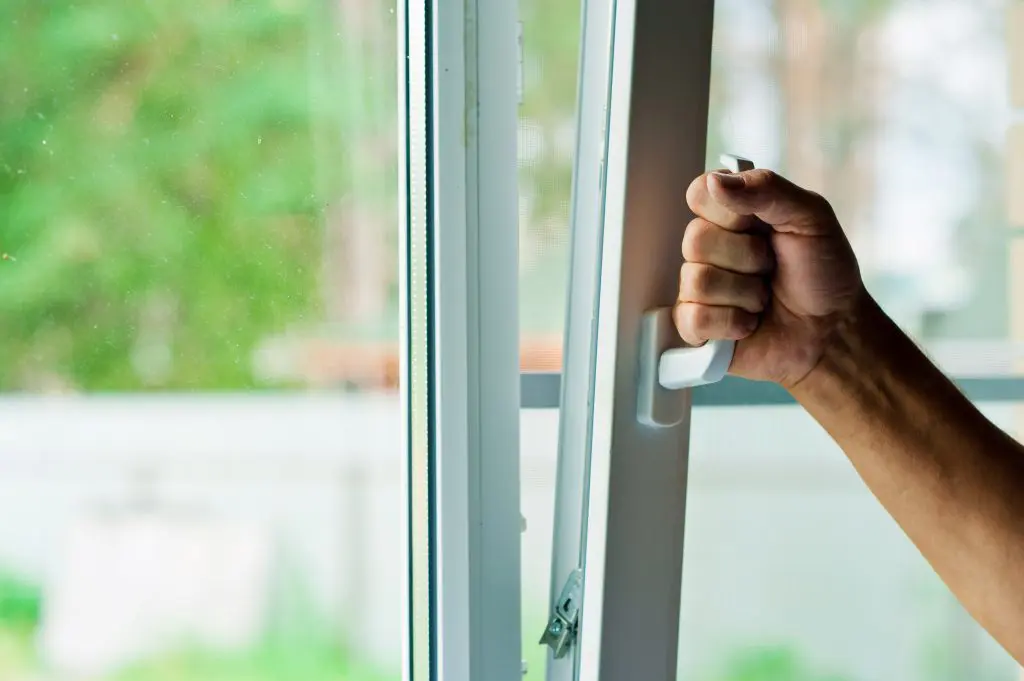
Image of hand opening a double-glazed window.

Benefits of double glazing and low-E glass

Double glazing offers a range of benefits to your home, particularly around energy efficiency and keeping your family warm and comfortable. When combined with low-E glass, the benefits are only increased.

Keep your house comfortable

Low-E glass combined with double glazing can keep your house warm in the winter and cool in the summer. This keeps your home at a comfortable temperature year-round.

Reduce energy bills

The insulating effect of low-E glass and double glazing can reduce your energy bills each year. Preventing heat transfer through your windows, low-E coatings can reduce heat loss from the home by up to 50%.

Protect against UV rays

UV rays can damage homes and furniture, lead to peeling paint, cracked walls and a sun-bleached effect that makes furniture look faded. Low-E glass coatings reflect UV rays away from the home so it can limit the damage caused by UV light.

Keep condensation at bay

Low-E glass and double-glazing keeps the inside of the glass warmer, reducing the chance of condensation on the inside of your windows. Condensation can quickly spread and mould and dampness also pose health risks.

Less maintenance & upkeep

Low-E glass keeps windows, doors, and their surroundings safe from external weather conditions. The glass coating is also highly durable, and more resistant to scratches than standard glass alone.

More environmentally friendly

Energy-efficient glass and double-glazing is more eco-friendly because it requires less fuel to heat the home. It can be combined with other energy-efficient designs to reduce your carbon footprint on an even greater scale.

Benefits of double glazing for businesses

From a business perspective, double glazing offers many benefits from cost saving to improved security measures and works towards maintaining a comfortable working environment.

Improved security

Security concerns are one of the main issues for businesses so double glazing makes your premises much harder to break into and can deter thieves. The costs associated with upgrading to double glazing could negate any costs or losses if you were to experience a break-in.

Noise insulation

Double-glazing has soundproofing properties which is ideal for premises on busy high streets. The double-layered glass, alongside the soundproofing gases suspended in between, offers impressive noise reduction benefits. Double glazing is designed and fitted to enhance insulation, reducing noise by up to 70%.

Energy efficiency

Maximising energy efficiency efforts is essential within your business so double-glazed windows can help keep energy costs down. Double glazing works to regulate the temperatures inside your building, providing a natural balance of both cooling and insulating benefits, depending on the season.

Enhanced safety

Double glazing can help contain fire within a building or room. The double panes of glass, separated by argon gas, act as a barrier to slow the spread of damage to your business in the event of a fire.

Aesthetics

With quality double glazing, your windows should remain clear and condensation-free while reducing the risk of dampness and mould. This can improve energy efficiency and show you are up to date with improving sustainability as a business.

Image of a cafe with large double-glazed windows.

The best double-glazed windows

With so many types of windows to choose from, it can be confusing to know which style of double glazing is the best option for you. With this in mind, here are some of the most popular styles and the benefits they offer.

Double-glazed casement windows

As the most popular window style in the UK, casement windows are hard to beat. They are easy to use and open for maximum ventilation as the hinge mechanisms are smooth to operate. Some of the benefits of double-glazed casement windows include:

  • Easy to use
  • Enhanced security
  • Effective slanted design
  • A popular choice

Double-glazed bay windows

Bay windows are becoming an increasingly popular architectural revival feature of the modern home. With origins dating back to the medieval era and their use in churches and cathedrals, their popularity increased and they became a common feature within homes in the Victorian era. Double-glazed bay windows offer:

  • Architectural and aesthetic charm
  • Additional light
  • Expansion of the home

Double-glazed sash windows

Sash windows have been a popular feature within British architecture since the 17th century. They offer a traditional look, as the style became increasingly common during the Georgian and Victorian eras. With double-glazed sash windows, you can enjoy:

  • Traditional style and bespoke options
  • Great ventilation benefits

Of course, the ‘best’ double-glazed windows often comes down to personal choice. So, it’s worth considering your budget, style and the practicalities of your consent windows before you make a decision.


Close-up image of an open double-glazed window.

Double glazing FAQs

Can double-glazed windows be fitted from inside?

Yes, double-glazed windows can be fitted from inside, but if your frames are already fitted, it will depend on how the pane was fitted originally and what side the beading is on. When glazing any window pane into a frame, the glass panel needs to be held in place under compression, or with beading. With PVC windows, this is normally a plastic strip seen around the edges of the glass. This strip snaps the glass into place when you install double glazing, and only runs around the side of the window frame the glass was fitted from. If you can see the beading line inside your window frames, it means your glass was fitted from inside the home. If you see beading on the frames from outside the house, it means it was fitted externally. So, externally beaded frames need to be fitted from outside the home, while internally beaded frames need to be fitted from inside the home.

What is energy-efficient glass?

Energy-efficient glass is specially designed to reflect heat into the home, reducing the cost of energy bills. Instead of escaping through windows and doors, the reflected warm air is recirculated around the house. The most energy-efficient glass is called low emissivity, or ‘low-E’ glass. The emissivity of a glass refers to how well it can radiate heat energy. Normal glass has a relatively high emissivity rating, allowing 90% of thermal energy to escape through your windows and doors. Low-E glass features a microscopically thin coating applied to one side which is made from low-emissivity materials, like silver and other metallic oxides, that improve the thermal performance of the glass. These coatings are so thin and transparent that they don’t impact the amount of light that can enter the home – maintaining the original function of windows while keeping heat in. Double-glazed windows are often made with low-E glass, leading to more efficient fixtures that reap the benefits of both designs.

Who invented double glazing?

The exact origin of double glazing is often debated. Some believe it was created by American inventor C.D Haven in the 1930s but others claim it goes back as far as Victorian Scotland. As people used to rely on fires to keep warm, heat retention was notoriously difficult, especially in large houses. C.D Haven sought to fix this problem and invented an early version of double glazing called ‘thermopane’. Haven’s invention transformed homes across America and was widely adopted during the 40s and 50s before gaining popularity in the UK.

What does the future of double glazing look like?

There was once talk within the industry of triple glazing becoming the norm across the UK. However, it’s unlikely to take off anytime soon. Triple-glazed windows work the same way as double-glazing, with an extra pane of glass to create two hermetically sealed layers of gas. Although this does offer more insulation, it’s not a significant amount when compared to traditional double glazing. This means the minimal insulation gain isn’t enough to offset the much higher production costs. Triple glazing is popular in colder countries such as Norway and Sweden where homes benefit from greater insulation. In the UK, however, it’s unlikely that we’ll see an overhaul of traditional double glazing.

If you’re concerned that your windows have begun to fail, contact your local branch of Cloudy2Clear today for a free, no-obligation quote.