Cost-saving tips for windows are practical actions that reduce your heating bills and extend the life of your glazing by sealing draughts, maintaining hardware, and choosing upgrades wisely. The Energy Saving Trust estimates that draught-proofing alone can save around £60 per year on heating costs for a typical household. Whether you own your home or rent it, the strategies below cover everything from a £3 foam strip to a phased double glazing replacement, giving you a clear path to lower bills without unnecessary expense.
1. Which DIY draught-proofing methods offer the best savings?
Draught-proofing is the fastest and cheapest way to cut heat loss through your windows. The Energy Saving Trust confirms it can reduce heating costs by 10–20%, which adds up quickly over a full winter. Start with the largest gaps first, as these deliver the greatest return for the least effort.
The most effective DIY options are:
- Silicone or acrylic sealant for frame-to-wall gaps. A tube costs £5–£10 and can cut heat loss by up to 20%. Apply it along the external perimeter where the frame meets the brickwork.
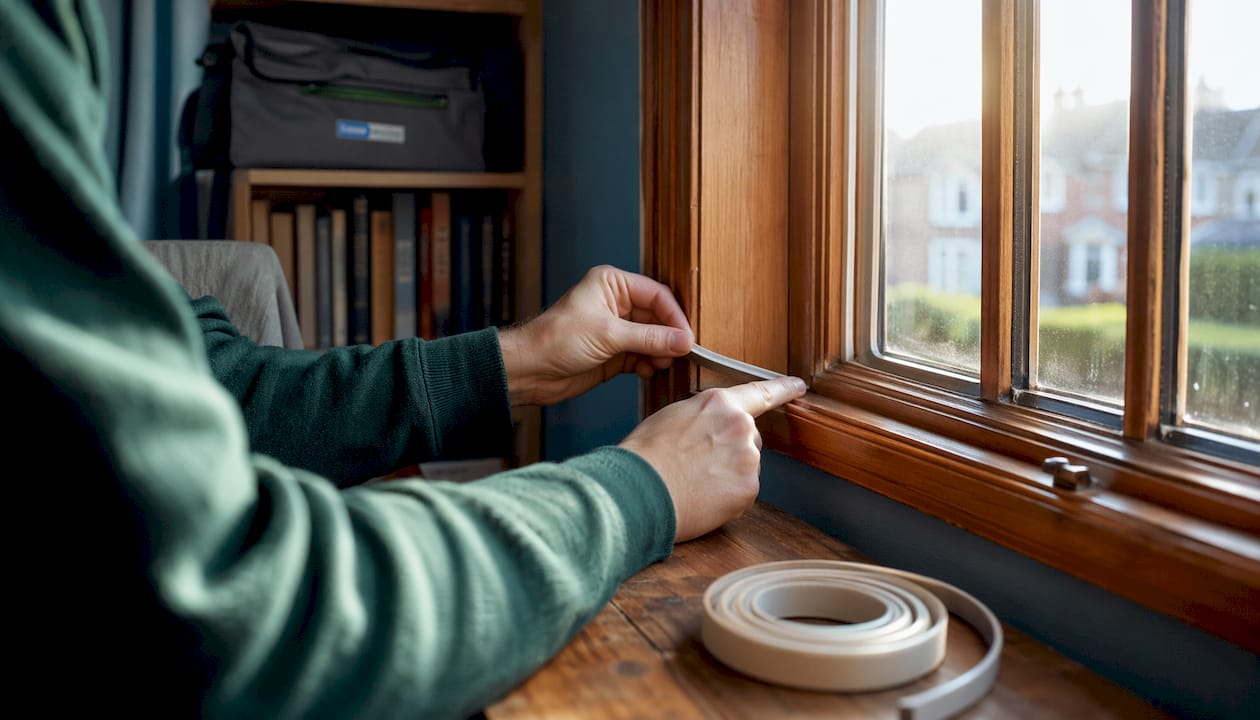
- Self-adhesive foam strips for sash and casement windows. At £3–£8 per window, they pay for themselves within one heating season by compressing to form a tight seal when the window closes.
- Brush seals for sash windows. These fit into the channel where the two sashes meet and stop cold air passing through the gap without restricting movement.
- Secondary glazing film for single-glazed windows. A shrink-fit film applied with a hairdryer creates a still-air layer that mimics the effect of double glazing at a fraction of the cost.
Pro Tip: Seal the largest, most draughty gaps first. Run your hand around the frame on a cold day to find them, or hold a lit incense stick near the edge and watch for smoke movement.
For a full walkthrough of sealing methods, the guide on draught-proofing your windows covers product choices and step-by-step fitting.
2. How does regular window maintenance save money?
Annual maintenance is the single most overlooked cost-saving habit for windows. The Glass and Glazing Federation recommends 90–120 minutes of inspection each spring or autumn to catch problems before they become expensive repairs. A failed seal or a blocked drainage channel left untreated can lead to misted glass, water ingress, or a seized hinge, all of which cost far more to fix than to prevent.
A basic annual check should cover:
- Cleaning the tracks and frames with warm soapy water to remove grit that wears down seals
- Inspecting rubber gaskets for cracks or shrinkage
- Lubricating hinges and handles with a light oil or silicone spray
- Clearing weep holes (the small slots at the bottom of the outer frame) to allow condensation to drain
Replacement parts are inexpensive. Gaskets, hinges, and seals typically cost £3–£35 for parts, with labour on top if you use a professional. Catching a failing gasket early means a £10 fix rather than a £200 sealed unit replacement.
Pro Tip: Schedule your annual check in early autumn before the heating season begins. You will spot any gaps or failing seals while there is still time to fix them before cold weather arrives.
Pairing window care with broader exterior maintenance, such as the seasonal siding checks recommended for other parts of the building envelope, keeps the whole structure performing well.
3. When should you repair rather than replace your windows?
Repair is almost always the right first step when a window is structurally sound. Window repairs cost £50–£300, while full replacements run from £400 to over £1,200 per window depending on size, material, and specification. That gap is significant, and many homeowners replace windows unnecessarily.
Common repairs and their typical costs:
| Repair type | Typical cost |
|---|---|
| Replacing a failed sealed unit (misted glass) | £80–£200 |
| New hinges or handles | £50–£120 including fitting |
| Resealing the frame perimeter | £30–£80 |
| Replacing a damaged gasket | £20–£60 |
Choose repair when:
- The frame is structurally intact with no rot, warping, or cracking
- Only one component has failed (a single hinge, a blown sealed unit)
- The window is less than 15 years old
Choose replacement when:
- The frame is warped, rotten, or cracked beyond repair
- Multiple components have failed at the same time
- The window is single-glazed and energy performance is the priority
Always get at least two quotes before committing to replacement. A certified installer will tell you honestly whether repair is viable. You can read more about the financial comparison in this guide to double glazing replacement costs.
4. What are the most budget-friendly ways to upgrade to energy-efficient windows?
Energy-efficient double glazing can save £100–£200 per year on heating bills for a typical UK home. That saving makes replacement worthwhile, but the upfront cost puts many homeowners off. A phased approach solves this: replace the worst-performing windows first, bank the energy savings, and use them to fund the next phase.
When choosing new windows on a budget, focus on these factors:
- Energy rating. A-rated and B-rated windows deliver the best thermal performance for the money. C-rated units cost less upfront but save less over time.
- Frame material. uPVC is the most affordable option and requires little maintenance. Timber costs more but suits period properties. Aluminium sits between the two on price and offers a slimmer profile.
- Glazing specification. Standard double glazing suits most homes. Triple glazing costs more and delivers marginal additional savings in most UK climates unless you live in a particularly exposed location.
| Frame material | Approximate cost per window | Maintenance requirement |
|---|---|---|
| uPVC | £400–£700 | Low |
| Timber | £700–£1,500 | Moderate |
| Aluminium | £600–£1,200 | Low |
Government grant schemes such as the Great British Insulation Scheme may cover part of the cost for eligible households, particularly those in lower council tax bands or with lower incomes. Eligibility criteria change, so check the current rules on the GOV.UK website before budgeting. For a detailed comparison of frame materials, the guide on timber versus uPVC windows sets out the trade-offs clearly.
5. How can renters reduce window costs without permanent changes?
Renters face a real constraint: most tenancy agreements prohibit permanent alterations to windows. The good news is that the most effective low-cost insulation methods are entirely removable. DIY window insulation kits cost £10–£50 per window and can reduce heat loss by 10–20% without leaving any trace when removed.
Practical options for renters:
- Secondary glazing film applied with double-sided tape. It peels off cleanly at the end of a tenancy and leaves no damage.
- Draught excluder strips fitted to the inside of the frame. These are self-adhesive and removable.
- Heavy thermal curtains hung close to the glass. They are not a window fix, but they reduce radiant heat loss significantly and move with you when you leave.
- Temporary foam strips pressed into gaps around sashes. They compress and seal without adhesive damage.
If you notice a significant draught or a failed seal, report it to your landlord in writing. Landlords have a legal obligation to maintain windows in good repair under the Landlord and Tenant Act 1985. A professional assessment can support your case if the landlord is slow to act.
Pro Tip: Combine secondary glazing film on the coldest-facing windows with thermal curtains for the greatest warmth gain at the lowest cost. North and east-facing windows lose the most heat in winter.
6. What other habits reduce window-related costs over time?
Small habits compound into meaningful savings when practised consistently. Keeping window tracks clean stops grit from grinding down seals prematurely. Wiping condensation from internal glass each morning reduces moisture damage to frames and sills. Checking external sealant every two years and reapplying where it has cracked costs under £10 and prevents water ingress that can rot timber frames or cause mould inside uPVC.
Ventilating rooms properly also matters. Trickle vents, the small slots built into modern window frames, exist to allow controlled airflow and prevent condensation. Blocking them to reduce draughts is counterproductive. It traps moisture inside the room, which damages seals and frames faster than the draught itself would. Leave trickle vents open and address draughts through the methods described above instead.
Pairing these habits with a broader home maintenance routine, including the kind of preventive exterior checks that extend the life of roofing and cladding, keeps repair bills low across the whole property.
What we have learned from two decades of window repairs
After more than 20 years of repairing and replacing double glazing across the UK, the pattern we see most often is this: homeowners wait too long. A small draught becomes a failed seal. A failed seal becomes misted glass. Misted glass becomes a full unit replacement that could have been avoided with a £10 tube of sealant two years earlier.
The other common mistake is replacing windows that did not need replacing. We regularly visit properties where a homeowner has spent £800 on a new window when a £90 sealed unit swap would have solved the problem entirely. The repair versus replacement decision deserves careful thought, not a quick sale.
Phased upgrades genuinely work. Replacing the two or three worst-performing windows in your home delivers most of the energy saving at a fraction of the whole-house cost. You feel the difference in your heating bills within the first winter, and that saving helps fund the next phase. Comfort and financial sense point in the same direction here.
The most important thing you can do today costs almost nothing. Spend 90 minutes checking your windows this autumn. Clean the tracks, inspect the seals, and seal any gaps you find. That single habit, done every year, prevents the majority of the costly repairs we are called out to fix.
How Cloudy2Clear Windows can help you save on window costs
Cloudy2Clear Windows has been repairing and replacing double glazed windows across the UK since 2005. Our engineers assess whether repair or replacement is the right call before any work begins, which means you never pay for more than you need.

Whether you need a sealed unit replacement in Milton Keynes, a repair service in Watford, or advice on upgrading to energy-efficient glazing, our local teams are ready to help. We work with both homeowners and renters, and we provide clear, honest quotes so you can make the right decision for your budget. Contact your nearest Cloudy2Clear Windows branch to arrange an assessment.
FAQ
How much can draught-proofing windows save per year?
The Energy Saving Trust estimates draught-proofing saves around £60 per year on heating for a typical household. The exact saving depends on the size of the gaps and how well-insulated the rest of the property is.
Is it cheaper to repair or replace a double glazed window?
Repairs typically cost £50–£300, while full replacements cost £400–£1,200 or more per window. Repair is the better choice when the frame is intact and only one component has failed.
Can renters insulate their windows without landlord permission?
Yes, using removable methods such as secondary glazing film and self-adhesive draught strips. These require no drilling or permanent fixing and can be removed without damage at the end of a tenancy.
How often should windows be inspected and maintained?
The Glass and Glazing Federation recommends an annual inspection of around 90–120 minutes, ideally in spring or autumn. This covers seals, hinges, tracks, and drainage weep holes.
What energy rating should I look for in replacement windows?
A-rated or B-rated windows offer the best balance of thermal performance and cost for most UK homes. C-rated windows cost less upfront but deliver smaller long-term savings on heating bills.