Improper window installation can increase your energy costs by up to 25%, yet many UK homeowners believe window efficiency depends solely on glass quality. The truth is installation quality matters just as much as materials when it comes to energy conservation in UK properties. In England and Scotland’s challenging climate, airtight, precise installation prevents heat loss, drafts, and condensation. This guide reveals how correct window installation saves energy, improves comfort, and boosts property value across the UK.
Introduction to Window Installation Importance
Proper installation significantly affects window performance and homeowner comfort in UK climate, going far beyond aesthetic considerations. Windows represent a major factor in your property’s thermal insulation and energy bills, with installation quality directly influencing airtightness and heat retention. England and Scotland’s cold, damp winters demand excellent window sealing to maintain comfort and control heating expenses.
Many installation oversights degrade thermal performance silently. Small gaps around frames, inadequate sealing materials, or misaligned components create pathways for heat escape and moisture ingress. These flaws compromise even the highest quality glazing impact on efficiency, turning premium windows into underperforming liabilities.
Understanding installation fundamentals empowers you to make informed decisions about your property. Three pillars define successful window installation:
- Energy efficiency through proper sealing and thermal barrier continuity
- Regulatory compliance meeting Building Regulations Part L standards
- Long-term durability preventing premature seal failure and structural damage
The importance of window seals cannot be overstated in maintaining these pillars. Without meticulous attention to sealing, air barriers, and frame alignment, even triple-glazed windows fail to deliver promised energy savings. Your investment in quality windows only pays off when matched with quality installation that preserves their thermal integrity throughout their lifespan.
Recognizing installation as critical to energy efficiency overview helps you prioritize certified installers who understand UK climate demands. The difference between adequate and excellent installation often determines whether you achieve meaningful energy cost reductions or face ongoing comfort issues and repair expenses.
Energy Efficiency and Thermal Performance
Poor window installation creates air leaks that directly raise your heating expenses throughout the year. Gaps between window frames and wall openings allow cold air infiltration during winter and heat gain during summer, forcing your HVAC system to work harder. This continuous energy waste compounds monthly, turning installation shortcuts into long-term financial burdens.
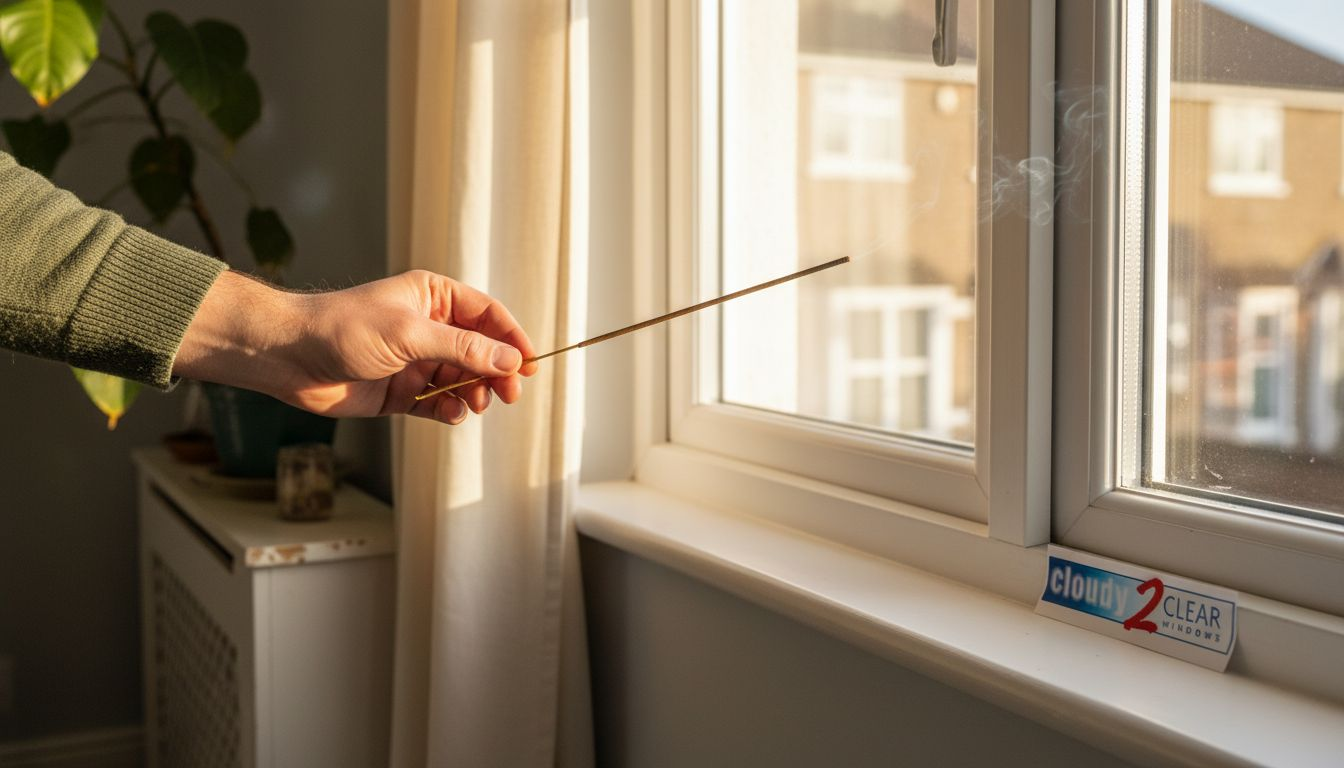
Thermal bridging occurs when gaps compromise insulation continuity, creating pathways for heat transfer through building materials. Proper sealing reduces heat loss and air leakage, key for energy savings, with research showing poorly sealed installations suffer up to 25% worse heat loss compared to professionally installed equivalents. These thermal bridges undermine your entire insulation strategy, rendering even expensive glazing ineffective.
U-value standards measure windows’ thermal performance, with lower values indicating better insulation. Building Regulations Part L requires new windows to meet minimum U-value thresholds, but achieving these ratings depends entirely on installation execution. A window rated at 1.4 W/m²K can perform closer to 2.0 W/m²K when installed with gaps or inadequate sealing materials.
Installation quality’s long-term effect extends beyond immediate comfort. Your utility bills reflect cumulative energy waste from air leakage and thermal bridging over years. Double glazing efficiency guide resources confirm that proper installation maintains rated performance throughout the window’s lifespan, while faulty installation accelerates efficiency degradation.
Key installation factors affecting thermal performance include:
- Continuous air barrier installation around the entire frame perimeter
- Proper insulation material selection and placement in frame cavities
- Airtight sealing between window frame and building structure
- Thermal break installation to prevent heat conduction through metal components
Pro Tip: After installation, check seals and frame fitting carefully by feeling for drafts around edges on windy days. Early detection of installation flaws lets you address issues before they cause significant heat loss or moisture damage, protecting your investment and comfort.
The relationship between installation and window seal importance demonstrates how interconnected components must work together. Premium seals fail prematurely when installation creates stress points or allows moisture infiltration, wasting the benefits of quality materials through poor workmanship.
Common Installation Defects and Their Consequences
The most prevalent window installation defects stem from three areas: inadequate sealing around frames, component misalignment during fitting, and skipped air barrier installation. These errors appear frequently even among experienced installers who rush work or lack proper training. Each defect creates specific problems that worsen over time, affecting both comfort and structural integrity.
Poor sealing allows moisture ingress behind window frames, leading to condensation buildup, mold growth, and eventual wood rot in surrounding structures. Misaligned windows stress seals unevenly, causing premature failures and air leakage. Omitted air barriers create thermal bridges and allow wind-driven rain penetration into wall cavities. Installation defects cause condensation and seal failures leading to damage within 2-3 years, making early detection crucial.
Research indicates approximately 30% of UK window installations exhibit at least one significant defect affecting performance or durability. This high rate reflects inconsistent installer training, pressure to complete work quickly, and inadequate quality control during fitting. Property owners rarely notice these defects immediately, discovering problems only after moisture damage or high energy bills prompt investigation.
Installation faults significantly reduce window lifespan and increase long-term maintenance costs. Windows installed with defects typically require seal replacement, frame adjustment, or complete reinstallation within five to seven years. These premature failures eliminate any initial cost savings from choosing budget installers, ultimately costing more than professional installation would have initially.
Common defect consequences include:
- Visible condensation between glass panes indicating seal failure
- Water staining on walls below windows from improper drainage
- Increased heating bills from air leakage around frames
- Difficult operation as misaligned windows bind in frames
- Accelerated paint deterioration and wood decay from moisture exposure
Statistic Callout: Seal failures typically appear within 2-3 years without proper installation, compared to 10-15 year lifespans for correctly fitted windows.
Understanding common installation defects helps you evaluate installer quality before committing. Ask potential installers about their defect rates, warranty coverage, and quality control processes. Reputable professionals welcome these questions and provide detailed answers backed by certification and customer references.
Standards and Regulatory Requirements in England and Scotland
Building Regulations Part L establishes mandatory requirements for window installation throughout England and Scotland, focusing on thermal performance and energy conservation. Building Regulations Part L require windows to meet minimum U-values with specific installation practices including continuous insulation, proper air sealing, and thermal bridge elimination. These regulations exist to reduce building energy consumption and carbon emissions across the residential and commercial sectors.
Compliance involves more than meeting U-value targets on paper. Installers must demonstrate proper sealing techniques, appropriate insulation material use, and airtightness testing where required. Building control officers may inspect installations to verify regulatory compliance, particularly for new construction or major renovations. Non-compliant installations can trigger enforcement action, retrofit requirements, or complications during property sales.
Certification schemes like FENSA, CERTASS, and Competent Person programs provide installer credentials confirming regulatory knowledge and quality standards. Certified installers understand current requirements, use approved materials, and follow installation protocols that ensure compliance. Their work typically includes Building Control notification, providing legal documentation for your property records and future sale purposes.
Following installation standards delivers multiple benefits beyond legal compliance. You gain access to energy efficiency grants and incentive programs requiring certified installations. Property valuations benefit from documented compliant windows, appealing to environmentally conscious buyers. Most importantly, regulatory standards ensure your windows perform as rated, delivering promised energy savings throughout their lifespan.
Key regulatory installation requirements include:
- Window U-values must meet or exceed minimum standards for your property type and location
- Continuous air barriers must be installed around frame perimeters without gaps
- Proper insulation must fill all cavities between window frames and structural openings
- Thermal bridges must be eliminated or minimized through proper detailing and materials
- Installation must preserve existing wall insulation continuity without compression or gaps
- Adequate ventilation provisions must prevent condensation in habitable spaces
Verifying window installation regulations compliance protects your investment and ensures you receive the energy savings you paid for. Request installer certification documentation before work begins and retain all compliance certificates for your property files. These documents prove valuable during home sales, insurance claims, or future renovation planning.
Comparison of Installation Methods: DIY vs Professional
DIY window installations frequently suffer from air leaks, misalignments, and inadequate sealing due to inexperienced technique and improper tools. Homeowners attempting self-installation typically lack specialized equipment like laser levels, pneumatic fasteners, and spray foam applicators that ensure precise fitting. Without training in Building Regulations requirements, DIY installers often skip critical steps like air barrier installation or thermal break integration.
Professional installers bring certification, precision equipment, and extensive material knowledge ensuring Building Regulations compliance and long-term durability. They understand how different window types interact with various wall constructions, selecting appropriate sealing materials and installation methods for each situation. Their experience prevents common errors that lead to premature failures, moisture damage, and energy waste.
Professional window installations maintain 15% better energy efficiency over 5 years compared to DIY, according to Building Research Establishment studies. This performance gap reflects superior airtightness, proper thermal bridging prevention, and quality material selection that DIY projects typically lack. The efficiency difference compounds annually through reduced heating costs, eventually offsetting higher initial professional installation expenses.
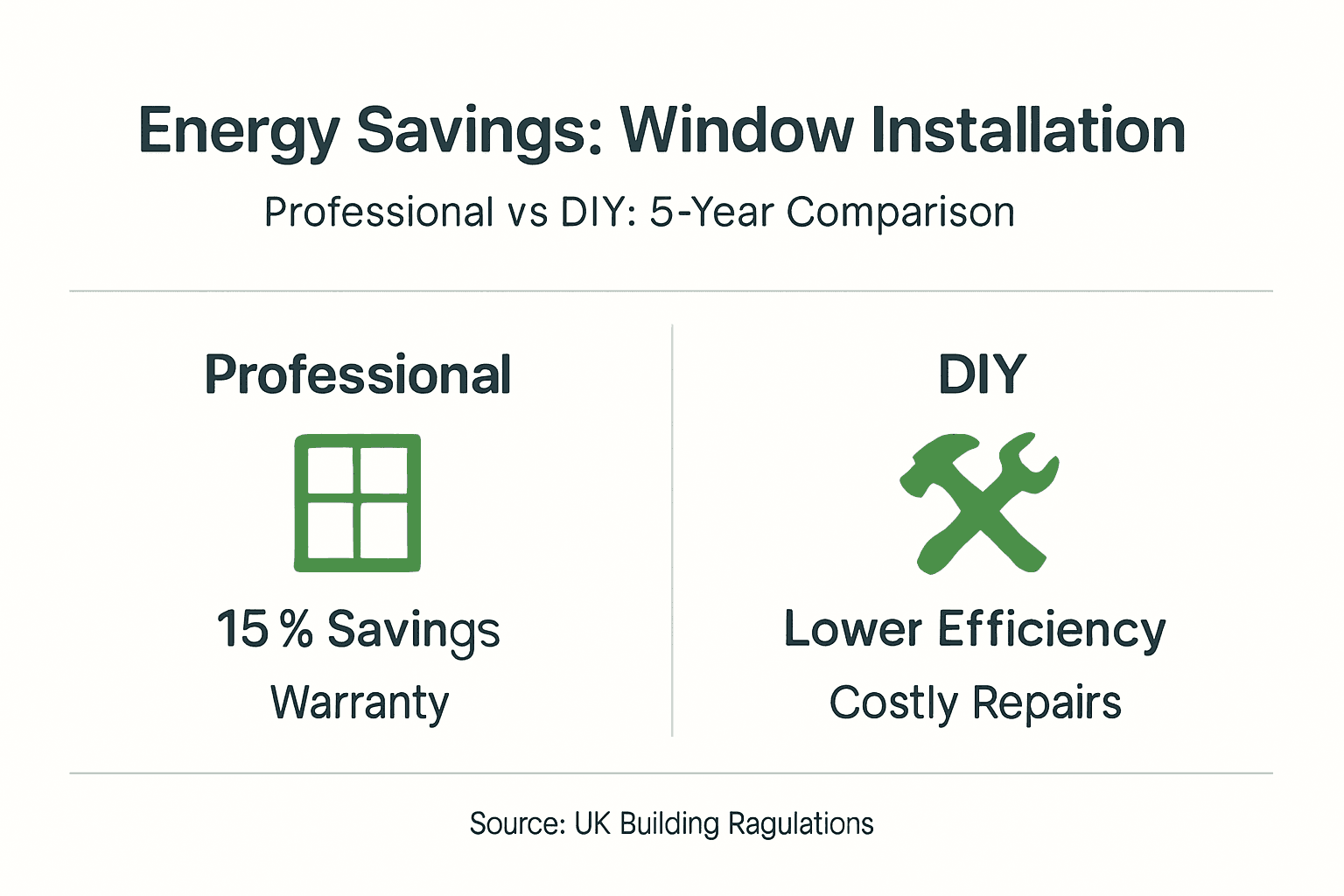
| Factor | DIY Installation | Professional Installation |
|---|---|---|
| Upfront Cost | Lower initial expense | Higher initial investment |
| Energy Efficiency | Often 15% worse long-term | Maintains rated performance |
| Compliance Risk | High defect rate, potential non-compliance | Certified compliance with documentation |
| Warranty Coverage | Limited or no warranty | Comprehensive installation warranty |
| Long-term Savings | Higher ongoing energy costs | Lower utility bills, fewer repairs |
| Installation Time | Extended learning curve | Efficient completion |
Hidden costs make DIY installations more expensive over time despite lower initial outlays. Seal failures requiring replacement, energy waste from air leakage, and potential moisture damage repairs quickly exceed professional installation savings. Property value impacts also favor professional work, as documented compliant installations appeal to buyers and support asking prices.
Pro Tip: Always choose certified professional installers to avoid hidden costs from faulty installation repairs. The initial premium pays for itself through guaranteed performance, warranty protection, and avoiding expensive retrofit work to correct DIY mistakes.
Understanding double glazing cost recovery helps contextualize professional installation value. Quality installation accelerates payback periods by delivering full rated efficiency from day one, whereas DIY defects delay or eliminate cost recovery through ongoing energy waste. The professional installation benefits extend beyond immediate energy savings to include peace of mind, warranty protection, and verified regulatory compliance.
Common Misconceptions About Window Installation
Many UK property owners believe glass quality alone defines window energy performance, overlooking airtightness and proper sealing’s critical role. This misconception leads to purchasing premium glazing options while accepting substandard installation, effectively wasting the investment in quality materials. Even triple-glazed windows with low U-values fail to deliver rated performance when installed with gaps or inadequate sealing around frames.
Another widespread myth suggests any installer can fit windows properly since the process appears straightforward. Reality contradicts this belief, with approximately 30% of installations exhibiting significant defects due to insufficient training, rushed work, or poor quality control. Professional installation requires specialized knowledge of thermal bridging prevention, air barrier continuity, proper insulation techniques, and Building Regulations compliance that general contractors often lack.
Property owners frequently dismiss installation defects as merely cosmetic issues without recognizing their impact on heating costs and comfort. Small gaps and imperfect seals seem insignificant but create substantial energy waste over years. Air leakage through installation defects can increase heating expenses by 15-25% compared to properly sealed windows, turning minor oversights into major ongoing costs.
These misconceptions stem from limited consumer awareness about installation’s technical complexity and long-term performance impacts. Marketing emphasizes glazing specifications while downplaying installation importance, creating knowledge gaps that disadvantage property owners during purchasing decisions. Understanding seal importance and misconceptions helps you prioritize installation quality equally with material specifications.
Key misconceptions to avoid:
- Glass type determines all window performance (ignoring installation quality)
- Installation is simple enough for any contractor (overlooking specialized skills needed)
- Defects only affect appearance (missing energy cost and durability impacts)
- Saving money on installation makes economic sense (ignoring long-term costs)
- Windows perform as rated regardless of fitting quality (assuming materials alone guarantee efficiency)
Correcting these misconceptions empowers better decision making when selecting windows and installers. Prioritize certified professionals with proven track records, comprehensive warranties, and detailed installation protocols. Question installers about their quality control processes, defect rates, and compliance documentation to verify they understand installation’s critical role in window performance.
Practical Benefits and Case Studies
A Manchester commercial property reduced annual heating bills by 15% after professional window reinstallation corrected defects from original DIY fitting. The building owner initially attempted self-installation to control costs but discovered significant air leakage and moisture problems within 18 months. Professional retrofit with proper sealing and thermal break installation immediately improved comfort while delivering measurable energy savings validated through utility bill comparison.
Noise reduction represents another substantial benefit of quality installation beyond energy efficiency. Airtight sealing that prevents heat loss also blocks external sound transmission, with properly installed windows improving occupant comfort by 40% in noise reduction compared to poorly fitted equivalents. This acoustic benefit particularly matters for properties near busy roads, commercial areas, or flight paths where external noise significantly impacts daily life.
Window lifespan extension through quality installation reduces long-term replacement and repair expenses substantially. Properly fitted windows typically function effectively for 15-20 years before requiring seal replacement or component servicing. Poorly installed windows often need intervention within 5-7 years, effectively doubling lifecycle costs through premature failures and accelerated deterioration.
Installation quality directly correlates with condensation prevention and moisture damage avoidance. Properties with professional installations experience fewer issues with mold growth, paint deterioration, and structural wood decay around window openings. This protection preserves property value and eliminates costly remediation work that results from moisture infiltration through installation defects.
Key practical benefits include:
- Measurable heating cost reductions validated through utility bill tracking
- Enhanced indoor comfort from elimination of drafts and cold spots
- Significant noise reduction improving living and working environments
- Extended window lifespan reducing replacement frequency and costs
- Protection against moisture damage preserving structural integrity
- Increased property value from documented quality installations
Statistic Callout: Energy cost savings and improved thermal comfort from proper installation are repeatedly validated by UK property surveys, with professional installations delivering 12-18% average heating cost reductions compared to pre-retrofit performance.
These real-world examples demonstrate installation quality’s tangible impact on property performance and owner satisfaction. The upfront investment in professional installation pays dividends through ongoing savings, enhanced comfort, and avoided repair expenses over the window’s entire lifespan.
Conclusion and Practical Recommendations
Proper window installation fundamentally determines whether your investment delivers promised energy efficiency, regulatory compliance, comfort improvements, and property value enhancement. The evidence throughout this guide confirms installation quality matters as much as window materials in achieving these benefits. Understanding this relationship empowers informed decisions that protect your investment and maximize long-term returns.
When selecting window installation services, use this practical checklist to ensure quality outcomes:
- Verify installer holds current certification from FENSA, CERTASS, or equivalent scheme
- Confirm they use quality sealing materials specifically designed for UK climate conditions
- Ask about their experience with your property type and local Building Regulations requirements
- Request detailed installation protocol documentation showing their quality control processes
- Insist on post-installation testing reports for airtightness where applicable
- Obtain comprehensive warranty coverage for both materials and installation workmanship
- Check customer references and defect rates for previous installations
Installation certification proves essential for meeting Building Regulations Part L standards while ensuring warranty validity. Certified installers provide required documentation for Building Control notification, creating legal records that protect property value and support future sales. Their training in current standards and best practices reduces defect risks substantially compared to uncertified contractors.
Pro Tip: Schedule regular window inspections annually to maintain seal integrity and maximize lifespan. Early detection of developing issues allows minor repairs before major failures occur, protecting your investment and sustaining energy efficiency throughout the window’s service life.
Prioritizing professional installation delivers measurable financial returns through reduced energy costs, avoided repair expenses, and enhanced property values. The modest premium for certified installers proves economical when calculated over your windows’ 15-20 year lifespan. Quality installation transforms windows from simple building components into long-term investments that continuously deliver comfort, efficiency, and value.
Enhance Your Property with Expert Window Installation Services
Applying this guide’s principles starts with partnering with experienced professionals who understand UK climate demands and regulatory requirements. At Cloudy2Clear Windows, our certified installers ensure every window meets Building Regulations Part L standards while maximizing energy efficiency and comfort. We have been delivering quality installations across England and Scotland since 2005, building expertise that guarantees proper fitting, sealing, and long-term performance.

Explore our double glazing options guide to find the perfect windows for your property’s specific needs and aesthetic preferences. Our comprehensive range includes solutions tailored for residential and commercial applications, all backed by professional installation that preserves their rated efficiency. Learn how strategic window investment delivers returns through our double glazing cost recovery analysis. Visit Cloudy2Clear Windows for expert consultation and installation services that transform your property’s efficiency, comfort, and value.
Frequently Asked Questions
How does proper window installation affect my energy bills?
Quality installation ensures airtight seals that prevent heat loss through gaps around window frames. This eliminates drafts and thermal bridging that force heating systems to work harder, directly reducing your energy consumption. Professional fitting typically delivers 12-18% heating cost reductions compared to poorly installed equivalents.
What are the risks of DIY window installation?
DIY installations commonly suffer air leaks, misalignments, and seal failures due to lack of specialized tools and training. Without proper certification, DIY work may violate Building Regulations, creating legal complications and insurance issues. These defects typically cause condensation, energy waste, and structural problems within 2-3 years, requiring expensive corrective work.
How can I verify if my window installation meets UK regulations?
Request your installer’s FENSA, CERTASS, or equivalent certification documentation confirming their authority to self-certify Building Regulations compliance. Obtain the Building Control compliance certificate or Competent Person scheme documentation for your records. For added assurance, you can request independent airtightness testing or consult your local Building Control authority to verify proper notification was filed.
What maintenance helps sustain installation quality?
Inspect window seals annually for cracks, gaps, or deterioration, replacing worn components promptly to maintain airtightness. Keep drainage channels and weep holes clear of debris to prevent moisture buildup that damages seals and frames. Schedule professional maintenance every 3-5 years for comprehensive inspection and adjustment. Following these double glazing maintenance tips preserves your installation’s efficiency and extends window lifespan significantly.
Recommended
- Building Regulations for Windows: 15% Energy Savings Guide
- How Energy Efficient Are Your Windows? Double Glazing Guide – Cloudy2Clear Windows
- How Energy Efficient are Your Windows? – Cloudy2Clear Windows
- Why Window Maintenance Saves 15% Energy & Prevents Repairs
- 7 Practical Examples of Green Home Upgrades for UK Homes