The top window design trends 2025 are defined by minimalist aesthetics, energy-smart glazing, and sustainable materials that improve both the look and performance of your home. UK homeowners and interior designers are now choosing windows that meet stricter building regulations while making a genuine visual statement. Flush casement windows have seen a 26% year-on-year demand increase, reflecting a clear shift towards clean lines and high performance. Windows must now comply with Approved Document L of UK Building Regulations, making energy efficiency a non-negotiable part of any design decision.
1. What are the leading window styles trending for modern UK homes?
Flush casement windows are the standout style of 2025. Their smooth, flat profile suits both new builds and period properties, which is why over 452,000 metres of flush sash profile were supplied in 2025 alone. That figure signals a market firmly committed to minimalist design without sacrificing thermal performance.
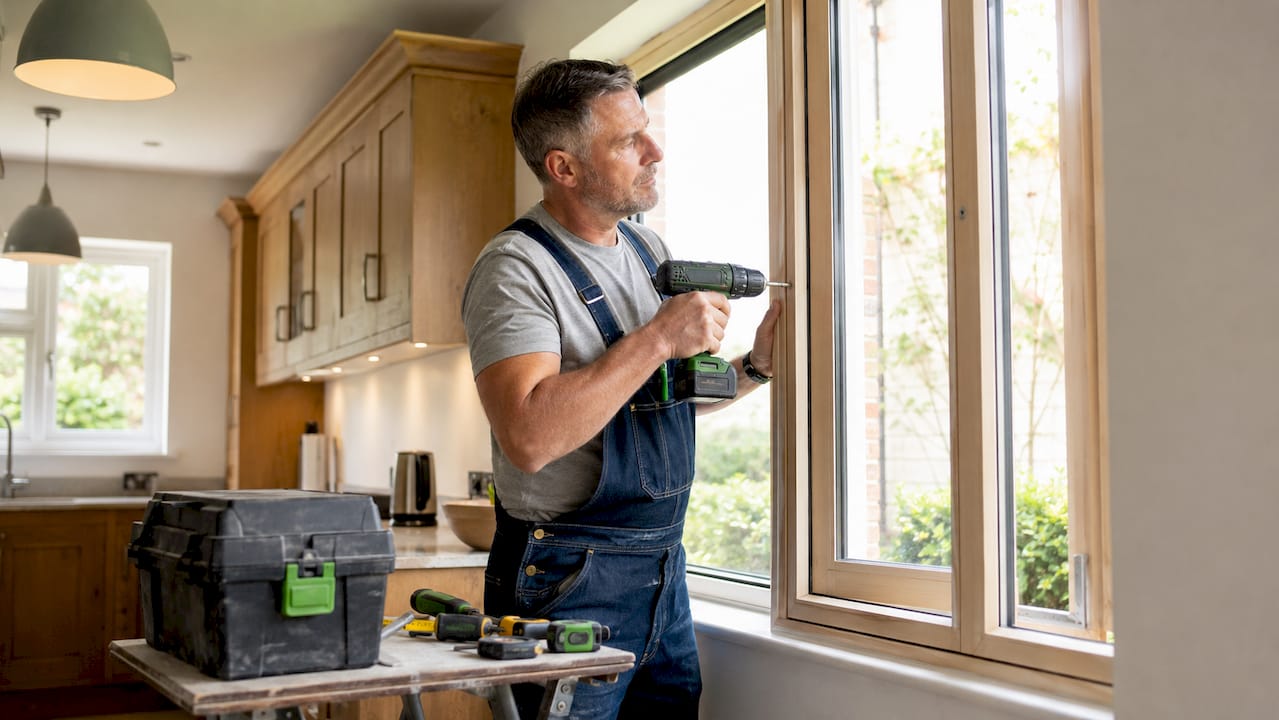
Sliding and slim-frame casement styles are also gaining ground. They allow larger glass expanses, which floods interiors with natural light and creates a stronger visual connection between inside and outside. Bay and bow windows are seeing a revival too, now specified with slim aluminium or timber frames and low-emissivity (low-E) glass for a modern refinement of a classic form.
Specialty geometric shapes and frameless fixed picture windows are the boldest creative window trends of the year. Architects and designers use these for focal points in open-plan extensions, where a standard opening window would interrupt the visual flow.
- Flush casement: Clean sightlines, suits conservation areas and modern extensions alike
- Slim-frame sliding: Maximises glass area, ideal for rear extensions and garden rooms
- Bay and bow: Revived with low-E glazing and slimmer frames for contemporary appeal
- Fixed picture windows: No moving parts, lowest U-values, best for statement walls
- Geometric specialty shapes: Triangular, circular, or trapezoidal for architectural impact
Pro Tip: If your property sits in a conservation area, flush casement windows in timber or timber-effect uPVC are often the only style that planners will approve without objection.
2. How do energy-efficient window designs influence the 2025 trends?
Energy performance is now a primary design driver, not an afterthought. UK Building Regulations set minimum U-value requirements, and the 2026 update to Approved Document L is pushing those thresholds lower still. Homeowners who choose windows now need to think ahead.
Tilt-and-turn windows achieve the lowest typical U-values among opening window types, ranging from 0.8 to 1.4 W/m²K. That makes them the top choice for new builds and deep retrofit projects where thermal performance is the priority.
| Window style | Typical U-value (W/m²K) | Best use case |
|---|---|---|
| Fixed picture | 0.5–1.2 | Passive solar, statement walls |
| Tilt-and-turn | 0.8–1.4 | New builds, Passivhaus projects |
| Casement | 1.0–1.6 | General replacement, extensions |
| Timber sash | 1.2–1.8 | Period properties, conservation |
Triple glazing is rising sharply in popularity. Triple-glazed timber windows achieve U-values starting from 0.8 W/m²K, which is 43% better than current regulatory requirements. That improvement translates directly into lower heating bills and a more comfortable home throughout winter.
Acoustic glazing using laminated glass is an emerging feature for urban homes. Noise reduction is increasingly requested by homeowners near busy roads, railways, or airports, and acoustic laminated glass addresses this without compromising thermal performance.
Pro Tip: When comparing quotes, always ask for the whole-window U-value, not just the centre-pane figure. The frame accounts for a significant portion of heat loss, and the whole-window number gives you an accurate comparison.
3. What creative colour and material trends are defining window aesthetics?
Bold frame colours are the most visible shift in window aesthetics for homes this year. Black and anthracite grey frames have surged in popularity, and dual-colour finishes, where the interior is white and the exterior is a statement shade, are now widely specified. This approach lets you keep a bright interior feel while making a strong kerb-appeal statement outside.
Timber windows from sustainably sourced wood are attracting homeowners who want natural warmth alongside strong environmental credentials. Woodgrain finishes and natural stains are particularly popular, offering a tactile quality that painted uPVC cannot replicate. Many timber window manufacturers now hold Forest Stewardship Council (FSC) certification, which gives buyers confidence in the supply chain.
Coordinating window frame colours with other exterior elements is a growing design discipline. The same thinking applies indoors, where window frame colours are now chosen to complement kitchen cabinetry and joinery. Kitchen colour trends in 2026 show a strong move towards muted, earthy tones that pair naturally with anthracite grey or warm timber frames.
- Anthracite grey and black: High contrast, suits both contemporary and traditional architecture
- Dual-colour finishes: White inside, bold colour outside for maximum flexibility
- Natural timber stains: Warm, tactile, and increasingly available in FSC-certified options
- Sage green and clay: Softer alternatives to grey for heritage and rural settings
- Powder-coated aluminium: Durable, slim, and available in virtually any RAL colour
4. What innovative functionality and smart features are shaping window design?
Tilt-and-turn windows are the most functionally versatile style available. They open inward from the top for secure background ventilation, or swing fully open like a casement for maximum airflow. Costs range from £400 to £900 per window, and their dual-opening mechanism makes them particularly practical for upper-floor rooms where safety and cleaning access matter.
Smart-integrated windows are moving from luxury specification into mainstream design. Light sensors can trigger automatic internal blinds or dynamic tinting glass, which adjusts its opacity in response to sunlight. This reduces solar gain in summer without blocking the view, cutting the need for air conditioning in south-facing rooms.
Practical functionality is also shaping purchasing decisions. Homeowners are prioritising windows that are easy to clean from inside, particularly on upper floors. Tilt-and-turn designs address this directly. Sliding windows are gaining ground in contemporary extensions where outward-opening sashes would conflict with external furniture or planting.
- Tilt-and-turn: Dual ventilation modes, easy internal cleaning, strong thermal performance
- Dynamic tinting glass: Adjusts opacity automatically, reduces solar gain without blinds
- Acoustic laminated glass: Significantly reduces noise from traffic, railways, and airports
- Coordinated window and door systems: Matching frames and hardware for a unified look
- Outward-opening casements: Best airflow, most common in UK residential specification
5. How to choose the right window design for your home and renovation goals
The right window style depends on your property type, planning constraints, and energy targets. Casement windows offer the best overall airtightness for the price, with uPVC options costing £250 to £600 per window installed. They suit post-1930s properties and modern extensions where energy savings and budget both matter.
Period properties require a different approach. Timber sash windows remain the correct choice for pre-1919 homes in conservation areas, where planning officers expect authentic detailing. Modern engineered timber sash windows now achieve U-values well below the regulatory minimum, so you do not have to sacrifice performance for compliance.
New builds and deep retrofit projects benefit most from triple-glazed tilt-and-turn windows. Triple glazing reduces heat transfer effectively, supporting lower energy bills and Passivhaus-grade comfort levels. Fixed picture windows work best where ventilation is provided elsewhere, such as in a room with a separate trickle vent or mechanical ventilation system.
| Property type | Recommended style | Key benefit |
|---|---|---|
| Post-1930s semi or terrace | uPVC casement | Cost-effective, airtight, low maintenance |
| Victorian or Edwardian terrace | Timber sash | Conservation compliance, authentic look |
| Contemporary extension | Slim-frame sliding or fixed | Maximum light, clean sightlines |
| New build or Passivhaus | Triple-glazed tilt-and-turn | Lowest U-values, dual ventilation |
| Rural or heritage setting | Flush casement in timber | Blends classic and modern performance |
For guidance on choosing the right windows for your specific property, it pays to get professional advice before committing to a style or material.
Pro Tip: Always check your local authority’s design guidance before specifying a window style. Some conservation areas have specific requirements on frame colour, glazing bar profiles, and opening configurations that override general trends.
What Cloudy2Clear Windows has learned from two decades of window upgrades
After nearly 20 years of installing and repairing double-glazed windows across the UK, the pattern we see most often is this: homeowners focus on style first and performance second, then regret it when their energy bills do not improve. The most satisfying upgrades we see are the ones where the homeowner treats the U-value target as a fixed constraint and then chooses the style within that boundary.
The minimalism trend is genuinely positive for performance. Slimmer frames mean more glass area, and more glass area means more passive solar gain in winter. But slim frames also mean less material for insulation, so the quality of the glazing unit itself becomes even more critical. Triple glazing in a slim aluminium frame outperforms double glazing in a chunky uPVC frame every time.
One thing that gets overlooked far too often is the frame finish and its long-term maintenance. A powder-coated aluminium frame in anthracite grey looks sharp on day one. Timber in a natural stain requires repainting every five to seven years but rewards you with a warmth and depth that no synthetic material matches. Neither is wrong. Both are a commitment.
The advice we give every homeowner is the same: understand your planning constraints before you fall in love with a style, and get the energy-efficient upgrade right before you worry about the colour. Style fades. Draughts do not.
— Cloudy2Clear Windows
How Cloudy2Clear Windows can help you act on these trends
Staying current with window design ideas for 2025 is one thing. Getting the installation right is another.

Cloudy2Clear Windows has been installing, replacing, and repairing double-glazed windows since 2005, with local teams covering areas including Milton Keynes and Watford. Whether you want to upgrade to triple glazing, switch to a flush casement for a cleaner look, or repair an existing unit that is no longer performing, the team can advise on the right solution for your property type and budget. Contact Cloudy2Clear Windows to arrange a consultation and bring your 2025 window design plans in line with current UK building standards.
FAQ
What are the top window design trends for 2025?
The leading trends are flush casement windows, triple glazing, bold frame colours such as anthracite grey and black, and tilt-and-turn windows for high thermal performance. Energy efficiency and minimalist aesthetics are the two forces driving all of them.
What U-value should my windows achieve in 2025?
UK Building Regulations require windows to meet minimum U-value thresholds under Approved Document L. Tilt-and-turn windows achieve 0.8 to 1.4 W/m²K, making them the top-performing opening style currently available.
Are flush casement windows suitable for period properties?
Yes. Flush casement windows are widely specified for conservation areas because their flat profile closely resembles traditional timber joinery. They are available in timber and timber-effect uPVC to meet local planning requirements.
Is triple glazing worth the extra cost in the UK?
Triple glazing achieves U-values starting from 0.8 W/m²K, which is 43% better than current regulatory requirements. For new builds, Passivhaus projects, or homes with high heating costs, the long-term energy savings justify the higher upfront investment.
What is the most energy-efficient window style for a UK home?
Fixed picture windows achieve the lowest U-values (0.5 to 1.2 W/m²K) because they have no moving parts or seals to degrade. For rooms requiring ventilation, tilt-and-turn windows are the most energy-efficient opening style available.