Most dropped uPVC doors can be corrected without a tradesperson, usually through hinge adjustment or simple shimming. Before you touch a screwdriver, check three things: does the door drag on the threshold, does the handle need lifting to lock, and are the gaps around the frame uneven? Photograph the gaps now so you have a “before” reference.
Work with the door closed whenever you adjust a hinge, and never force the lock if it resists. A jammed multi point mechanism can bend under pressure, turning a five minute job into a replacement.
- Easy DIY fix: loose hinge screws or a small quarter-turn adjustment
- DIY with shims: heavier glazed doors that keep sagging after hinge adjustment
- Call a specialist: bent hinges, stripped fixings, or a frame that has moved
Pro Tip: Keep the original screws and hinge caps to one side as you work. If an adjustment makes things worse, you want to reverse it in seconds, not guess where you started.
How to tell your uPVC door has dropped
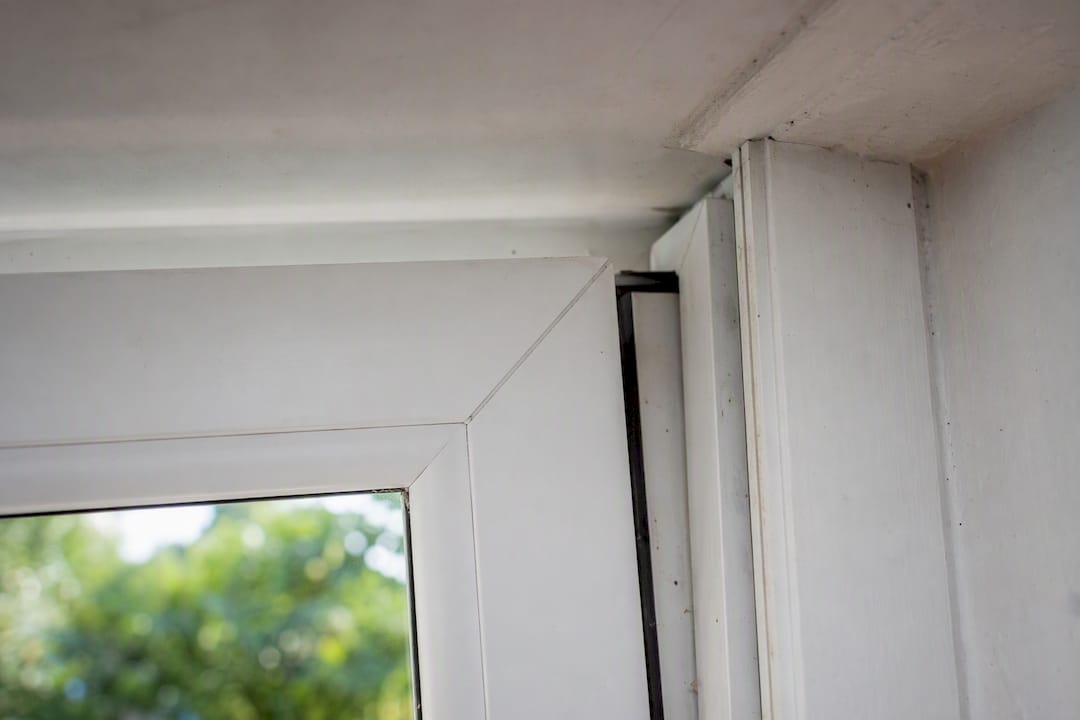
A dropped uPVC door announces itself long before it stops closing altogether. The most common giveaway is scraping or dragging along the threshold, particularly on the hinge side where the extra weight settles first.
Run through this quick sequence before deciding what to adjust:
- Look at the gaps. Measure the gap between the door and frame at the top, middle, and bottom on both the hinge side and the lock side. An even small gap all round is normal; anything visibly wider at the top than the bottom points to hinge sag.
- Test the handle. If you have to lift the handle noticeably before the key turns, the locking points have dropped out of alignment with the keeps in the frame.
- Listen for clicking or grinding. A door that clicks as it closes, or grinds along the sill, usually has one hinge bearing more weight than it should.
- Check for wear marks. Rub marks on the threshold or paint scuffed off the frame show exactly where the door is catching.
Scraping on the threshold, uneven gaps, and a handle that needs lifting to lock are the three most reliable signs a uPVC door has dropped, and together they usually point to the top hinge losing its grip first.
Types of uPVC door hinges and what they allow
Not every hinge adjusts the same way, so identifying yours saves wasted effort.
- Flag hinges sit visibly on the face of the door, shaped like a small flag or bracket, and usually allow height, lateral, and compression adjustment through separate screws.
- Butt hinges are the traditional style set into the door edge itself. Some adjust slightly with packers; many older versions don’t adjust at all.
- Rebate hinges are used on doors with a stepped frame profile and typically offer height and compression adjustment similar to flag hinges, though access can be tighter.
If you can’t find an obvious adjustment screw once the cover cap is removed, you’re probably looking at a fixed butt hinge, and shimming or professional replacement is the more realistic route according to Everest’s hinge adjustment guidance.
What tools and safety steps do you need first?
You don’t need a trade toolbox, but the right bits stop a simple job turning into a bodge.
- Tools: a set of Allen keys (usually 4mm and 5mm), a Torx bit set, a flathead screwdriver, a small spirit level, and thin plastic shims or packers.
- Safety: support the door’s weight with your shoulder or a helper while loosening any screw, since uPVC doors are heavier than they look.
- Preparation: photograph the current gaps, test the handle and lock now so you have a baseline, and label any screws or caps you remove.
Pro Tip: Prise off hinge cover caps gently with a flat tool wrapped in cloth. They’re plastic and crack easily if you lever them straight off with a screwdriver.
Step-by-step hinge adjustment for a dropped door
Work with the door fully closed throughout. Adjusting with it open hides the real effect, since the weight only settles properly once the door is shut against the frame, a point Screwfix’s hinge guide makes clear.
- Start at the top hinge. Remove the cover cap and locate the vertical adjustment screw, usually accessed from the hinge face or edge.
- Make a quarter-turn only. Turn clockwise to lift the door, anticlockwise to lower it. Small movements matter here.
- Test immediately. Close the door and try the handle and lock before making any further adjustment.
- Repeat on the bottom hinge if needed. If the door still drags at one corner, the second hinge usually needs a small counter-adjustment.
- Move to lateral and compression screws. These sit at a different angle on flag and rebate hinges and pull the door in or out against the seal, improving how firmly the lock points engage the keeps.
- Check the seal compression. The door should close with a firm, even resistance, not a slam or a rattle.
For older butt hinges with no adjustment screw, thin plastic shims placed behind the hinge plate can lift the door slightly. Add one shim at a time and recheck.
Run this checklist after every change:
- Handle operates without lifting
- Key turns smoothly without forcing
- Gaps are even top to bottom
- Door opens and closes cleanly across five full cycles
Stripped screw heads are the clearest sign you’ve gone too far; stop and use slightly longer screws instead of repeating the same worn hole.
Toeing and heeling: shimming the sash for lasting stability
Heavier glazed doors sometimes keep dropping even after hinge adjustment, because the glass unit inside the sash shifts the door’s weight distribution, a problem detailed with potential patio door shutters solutions for added support and protection. This is where toeing and heeling comes in: packing thin plastic shims into the glazing rebate to re-square the sash itself, a recognised technique for correcting persistent sag in glazed uPVC doors.
- Access the rebate carefully after removing the internal glazing bead, never by forcing the glass unit.
- Add shims incrementally, one at a time, checking with a spirit level against the frame after each addition.
- Favour the corners diagonally opposite the drop, which is how toeing and heeling redistributes the load.
Pro Tip: Never wedge a shim so tightly it presses directly against the glazing seal. A distorted seal invites the exact misting and draught problems you’re trying to avoid.
If the frame itself flexes or the glazing bead won’t seat properly afterwards, stop. That’s a sign the issue sits with the frame, not the sash.
When does a dropped door need a professional instead?
Some faults simply aren’t reversible with a screwdriver. Watch for:
- Stripped or rotten fixing points that won’t hold a screw at all
- Visibly bent or twisted hinge plates
- A frame that flexes or has pulled away from the brickwork
- A multi-point lock gearbox that clicks but won’t engage the keeps
- A door that drops again within weeks of adjustment
On arrival, a professional typically inspects every hinge and fixing, replaces damaged hardware, re-squares the sash, and realigns the lock keeps rather than repeating a DIY adjustment that’s already failed. Locksmiths and door specialists generally treat this as an on-the-day inspection and quote job rather than a fixed-price call, since the fix depends entirely on what’s actually failed. Always ask for an itemised quote before work begins, and treat early binding as cheap to fix now, since ignoring it accelerates wear on the gearbox and raises the eventual repair cost.
Cloudy2Clear Windows: what we check on-site
Cloudy2Clear Windows has repaired and adjusted uPVC doors and windows since 2005, and our approach starts with the least invasive fix, not the most profitable one.
On a typical visit, our technicians check:
- All hinges for wear, damage, and adjustment range
- Frame fixings and screw condition
- Lock keeps and multi-point gearbox alignment
- Sash packers and glazing seal condition
A door that’s dropped once will drop again if only the symptom gets fixed. We check the hinge, the frame, and the sash together, because the real cause is rarely just one of them.
How a dropped door affects energy efficiency and security
A door that no longer closes flush isn’t just an annoyance. Every millimetre of gap around the frame lets conditioned air escape and cold air in, and uPVC doors are only as efficient as their seal compression allows. Once a hinge drops enough to pull the door away from the weatherstrip on one side, that seal stops doing its job across the whole panel, not just at the gap you can see.
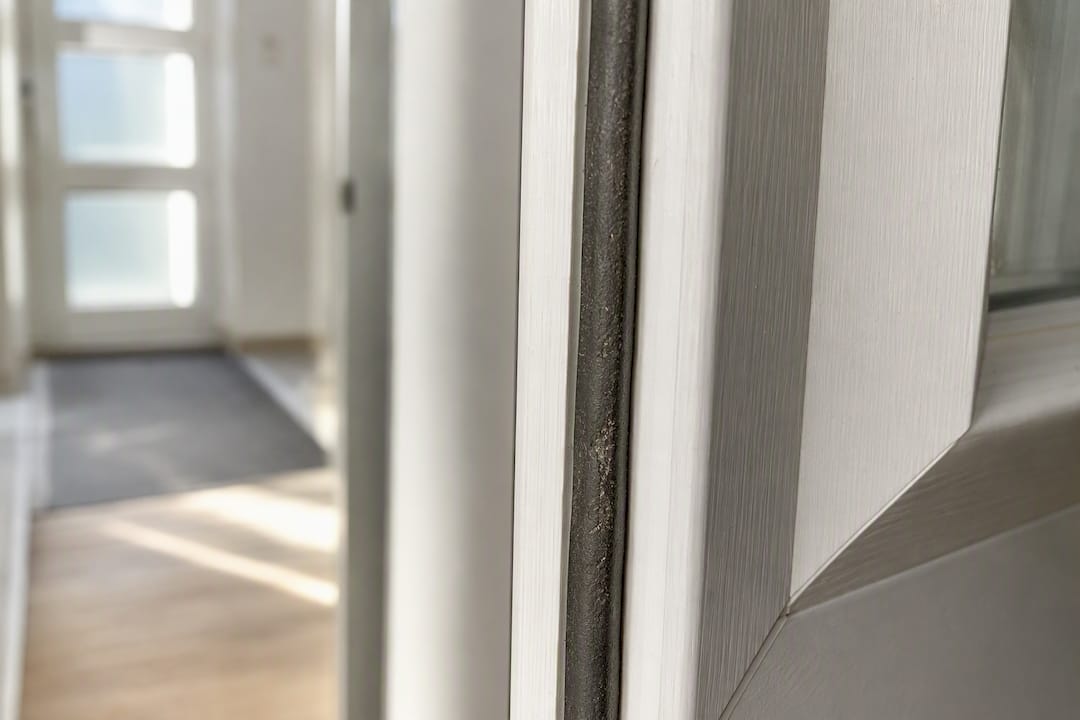
The security impact is more immediate. Multi-point locking systems depend on the bolts, hooks, and cams lining up precisely with the keeps set into the frame. A door dropped by even a few millimetres can prevent the lock from fully engaging every point, even if the key still turns and the door appears “locked” from the outside. That’s a meaningful weakness, since a door that looks secure but isn’t properly engaged offers far less resistance to forced entry than an undamaged one.
Draughts around a dropped door also tend to worsen with the seasons. UPVC expands and contracts with temperature, and a door that’s already out of alignment in summer often binds harder, or drops further, once the colder months set in. Left unaddressed, what starts as a cosmetic gap in June can become a genuine heat-loss and security problem by December. That’s precisely why catching a drop early, while it’s a straightforward hinge adjustment, matters more than most homeowners assume. Waiting until the door won’t lock at all usually means dealing with a compromised seal, a strained gearbox, and a security gap all at once, rather than one quarter-turn fix.
Why the DIY-first approach genuinely works here
Most guidance on dropped doors either oversimplifies the fix or jumps straight to “call a professional,” and neither serves homeowners well. The truth sits in between: hinge adjustment is genuinely simple mechanically, but the discipline of testing after every small change is what separates a clean fix from a stripped screw and a bigger bill.
What’s underrated is how often the real cause sits one layer deeper than the obvious symptom. A dragging door gets blamed on “loose hinges” when the actual issue is a sash that’s shifted inside the frame, which no amount of hinge tightening will resolve. That’s why toeing and heeling matters more than most DIY articles admit, particularly for heavier glazed doors.
Our view is straightforward: try the reversible adjustments first, verify properly, and stop the moment something feels forced. That single habit, testing after every quarter-turn, prevents more failed repairs than any tool on the list.
How Cloudy2Clear can help if the fix goes beyond a hinge
If your adjustments haven’t held, or the fault turns out to be a bent hinge, a failing gearbox, or a frame that’s moved, that’s where Cloudy2Clear Windows takes over. We inspect first and quote after, covering hinge realignment, hinge replacement, and toeing and heeling for sashes that keep dropping.
Booking works simply: we arrange an appointment window, run through the same checklist your door has already been through, on hinges, fixings, lock keeps, and sash packers, and give you an itemised quote before any work starts, so there are no surprises once the job’s underway. If the glazing itself has been damaged by a sagging sash, we also handle glass and sash replacement as part of the same visit.
For readers based near Oxford, our Oxford branch team handle dropped door inspections and repairs directly, and you can check availability and book a visit through that page whenever your own attempts have reached their limit.
Sources
- How to Adjust UPVC Door Hinges
- How a front door that has dropped is fixed (willandservicecentre)
- How to fix a sticking uPVC door (routenhouse)
FAQ
How do I fix an uPVC door that has dropped?
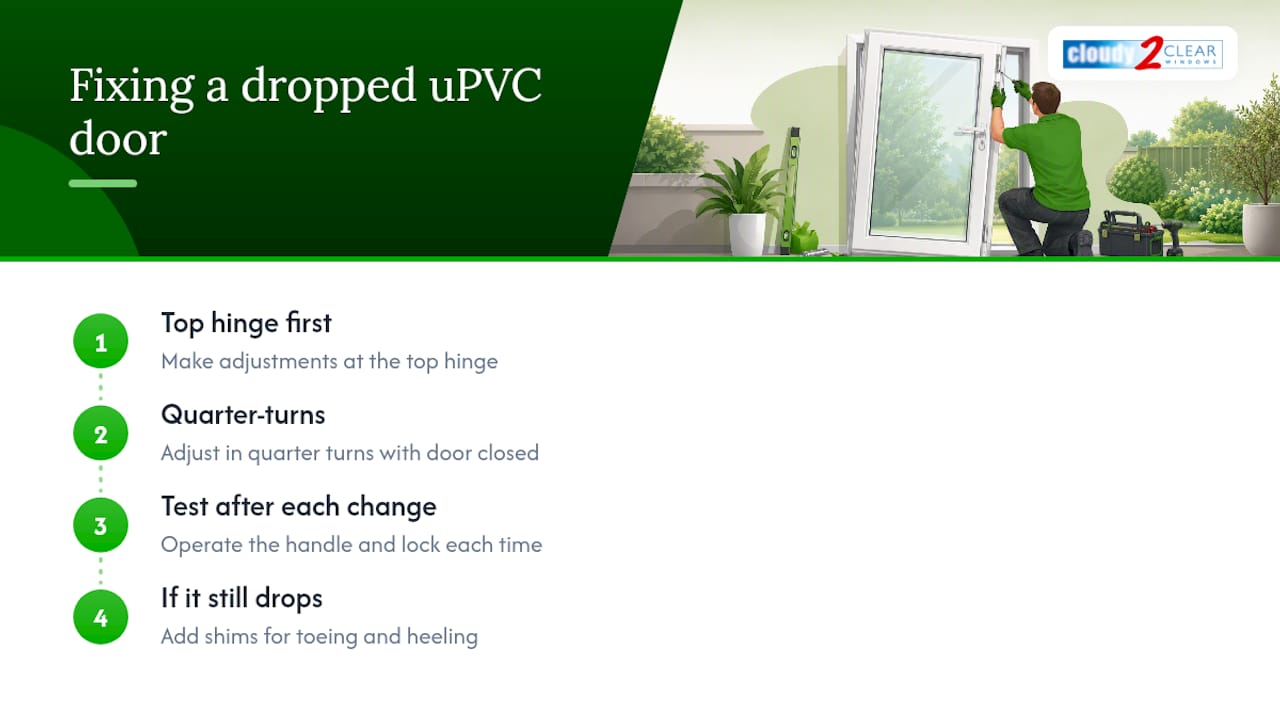
Start with the top hinge, make quarter-turn adjustments with the door closed, and test the handle and lock after each change; if the door keeps dropping, add shims via toeing and heeling.
How do you lift a dropped uPVC door?
Turn the vertical adjustment screw on a flag or rebate hinge clockwise in small increments, testing the lock after each turn, since over-adjusting risks stripping the hinge thread.
Why do uPVC doors drop?
Heavy glazed panels, general wear on hinges over time, poor original installation, and building settlement are the main causes of a sagging uPVC door.
What should I do if my door has dropped?
Check the gaps and handle action first, try a small hinge adjustment with the door closed, and call a specialist if fixings are stripped, hinges are bent, or the drop returns quickly after adjustment.
Is a dropped uPVC door a security risk?
Yes. Even a small drop can stop the multi-point lock fully engaging every keep, which weakens the door’s resistance to forced entry despite the key still turning normally.