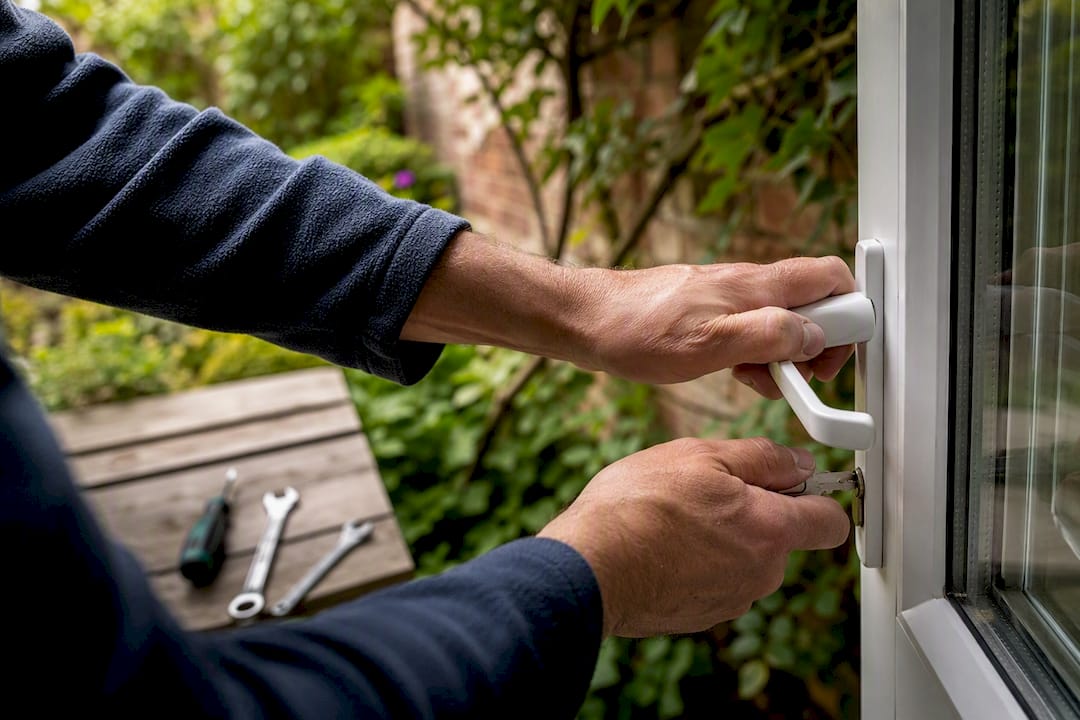
Four faults cause nearly every loose or floppy uPVC door handle: loosened fixing screws, a failed spring cassette, a worn spindle, or a failing multipoint gearbox. Test it first with the door open. Move the handle up and down. If it wobbles side to side or feels floppy at rest, tighten the two internal fixing screws on the backplate before you do anything else, since vibration and daily use are the most common reason screws work loose over time.
That quick fix solves a large share of cases. But a wobbly handle is also a security issue, not just an annoyance: a loose or floppy handle can fail to fully lift the locking bolts into the keep, leaving your multipoint lock only partially engaged even when the door looks shut.
Before you reach for a screwdriver, know what you’re likely dealing with:
- Loose fixing screws — the handle wiggles but the mechanism inside still feels smooth.
- Failed spring cassette — the handle drops and stays down instead of springing back to horizontal.
- Worn spindle — the handle turns but doesn’t grip the mechanism properly, often rounding off over years of use.
- Failing gearbox — the handle feels stiff, crunchy, or inconsistent, especially with the door closed.
How to diagnose a loose uPVC door handle in minutes
Work through these checks in order. Each one rules something in or out before you spend money on parts you might not need.
- Test with the door open. Lift and lower the handle with the door wide open, away from the frame. If it operates smoothly here but resists or clicks with the door shut, the fault is almost certainly the gearbox or door alignment, not the handle itself.
- Run the push-and-release spring test. Push the handle down and let go. A healthy handle springs back to the horizontal rest position on its own. If it stays down, drops slowly, or needs manual help returning, the spring cassette inside the handle has likely failed and the handle itself usually needs replacing.
- Wiggle the backplate. Grip the outer plate of the handle and try to rock it. Any movement points to loose fixing screws, or in worse cases, screw holes that have stripped inside the uPVC and no longer grip.
- Inspect the spindle. Remove the handle (covered in the next section) and look at the square spindle that connects the two handles through the door. Rounded corners, visible play, or a spindle that spins without turning the mechanism all indicate wear.
- Note behaviour differences between open and closed door. If everything checks out with the door open but the handle jams, feels crunchy, or won’t lift fully with the door closed, you’re looking at a gearbox or alignment problem rather than anything wrong with the handle hardware.
Pro Tip: Keep a short note of exactly what the handle does at each stage, “springs back fine open, jams shut”, for example. If you end up calling a locksmith or Cloudy2Clear Windows, that detail cuts diagnosis time dramatically, because it immediately tells the technician whether to start at the handle or the gearbox.
Simple diagnostic tests like these reliably separate loose screws from spring cassette failure, worn spindles, and gearbox faults, which matters because each one needs a different fix.
Step-by-step: tighten and reseat the handle
If your diagnosis points to loose screws or a slightly misaligned backplate, this fix takes about ten minutes and solves the majority of wobbly handle complaints.
What you’ll need:
- A Phillips #2 screwdriver
- A small flathead screwdriver (for prising off screw caps)
- A soft cloth
- Optional: longer replacement screws or thin plastic wall plugs, in case the existing holes have stripped
The process:
- Open the door fully and wedge it, or prop it, so it can’t swing while you work.
- Use the flathead screwdriver to gently prise off the small plastic caps covering the two fixing screws on the handle’s backplate. Lay the cloth down first so you don’t lose them.
- Loosen both screws slightly rather than removing them completely.
- Push the backplate flush against the door, then tighten the screws alternately, a little on one, then the other, rather than fully tightening one side first. This reseats the plate evenly and avoids pinching the internal mechanism, which can make the handle stiff or jam it entirely.
- Test the handle through a full cycle (up, down, spring back) before refitting the caps.
If the screws spin without biting, the holes have stripped inside the uPVC. Slightly longer screws or thin plastic wall plugs pushed into the existing holes usually restore enough grip without drilling new holes or replacing the door. Avoid the temptation to overtighten instead. It rarely fixes a stripped hole and can crack the uPVC backplate around the screw.
Once refitted, test properly: close the door, lift the handle fully, and turn the key. If the bolts shoot home smoothly and the door locks without extra force, you’ve solved it. If the handle still feels loose or the lock resists, move on to the spindle and spring checks below.
What if tightening doesn’t fix the wobble?
When the screws are tight but the handle still drops or feels loose, the fault sits deeper, in the spring cassette or the spindle.
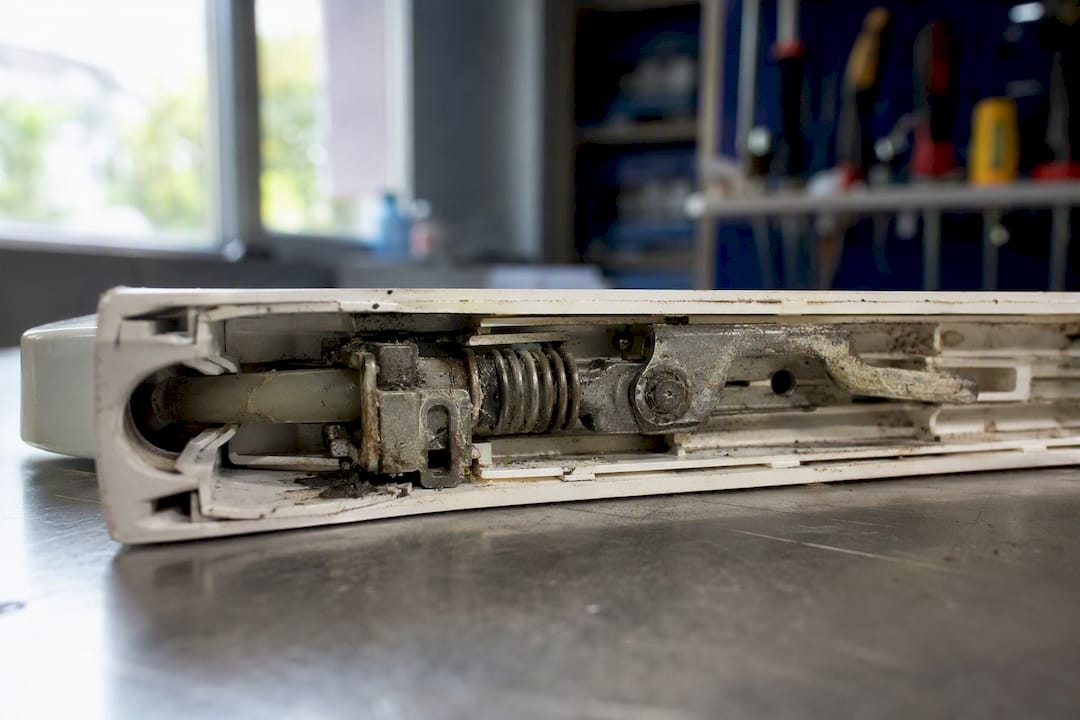
Run the spring test again with the handle removed from the door if possible. A cassette that’s failed internally usually shows a handle that flops freely with almost no resistance, rather than one that springs back with tension. This is the single most common cause of a handle that drops and won’t return to horizontal, and it’s a handle or cassette replacement, not a repair.
To check the spindle, remove both handles (the fixing screws you’ve already located hold the outer handle in place; the inner one usually lifts free once the screws are out). Slide the spindle out and examine it:
- Look for rounded corners where it should be a crisp square, usually 8mm, the standard size for most uPVC doors.
- Check for play, if it wobbles inside the gearbox follower even when correctly seated, it’s worn.
- Confirm it’s centred. Even a spindle sitting fractionally off centre, or one a shade too short, introduces rotational play that no amount of screw tightening will cure.
You can replace just the spindle if the handle itself still feels sound, which is cheaper and quicker. A full handle set makes more sense if the spring cassette has also failed or the handle is cosmetically worn. Either job typically takes under half an hour for someone comfortable with basic tools, and spindles and handle sets are inexpensive compared with a call-out.
Pro Tip: Never force a handle that feels stiff or crunchy, hoping it’ll “loosen up”. Forcing a failing mechanism is one of the most common ways a simple handle problem turns into a snapped spindle follower or a seized gearbox, which costs considerably more to put right.
When the gearbox, not the handle, is the real problem
Replacing the handle sometimes doesn’t fix anything, and that’s usually because the fault was never in the handle at all.
Watch for these signs of a gearbox or alignment issue:
- The handle lifts smoothly with the door open but sticks, crunches, or resists with the door closed.
- The locking points engage unevenly, some throw fully, others barely move.
- A brand new handle still feels stiff or drops after fitting.
Professionals see this pattern often: a homeowner fits a new handle, and the fault returns within days because the gearbox inside the door edge was always the actual problem. The handle was simply showing the symptom, not causing it.
Gearbox replacement or door realignment is a more involved job. It usually means removing the door from its hinges, and getting the multipoint mechanism correctly matched to your door’s keeps and hinges takes trade experience most DIYers don’t have on hand. This is the point where calling a specialist saves you time, money, and a door that won’t lock properly. Delaying it rarely helps. A gearbox under strain tends to fail further rather than settle down, and a door that isn’t locking securely at all points is a security gap worth closing quickly.
Preventing loose handles before they start
A short routine every few months keeps most handle problems from developing at all.
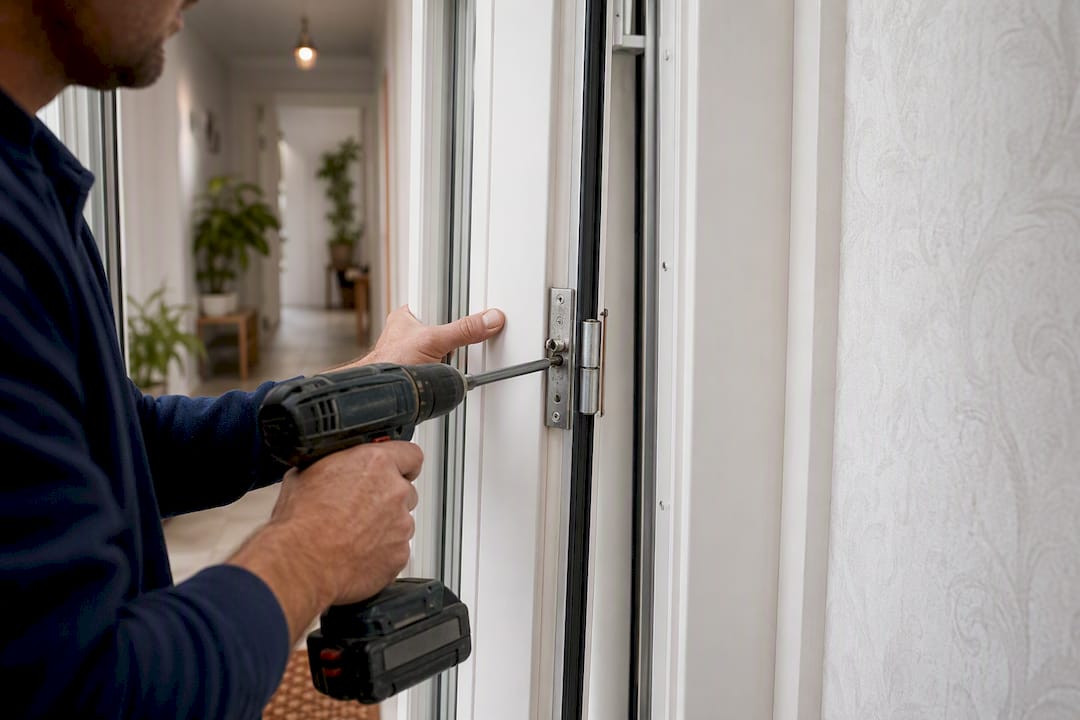
- Every three to six months, check both fixing screws for movement and tighten if needed.
- Give the spindle a visual check for wear or play while the handle is off.
- Confirm the backplate still sits flush against the door with no gaps.
- Apply a silicone-based or lock-specific lubricant sparingly to moving parts, and avoid heavy oil or grease in the cylinder itself, since it attracts grit and dust that make the mechanism stiffer over time.
- Keep an eye on how the door closes generally. A door dragging slightly on its hinges puts extra strain on the gearbox even when the handle is fine.
Small, regular maintenance steps like these reduce the chance of a full gearbox failure later, which is a considerably bigger job than tightening two screws. For the wider door and window upkeep that keeps a uPVC installation performing well, our seasonal maintenance guide covers checks worth adding to the same routine.
Cloudy2Clear Windows: what our experience shows and what we inspect
Cloudy2Clear Windows has repaired and replaced door and window hardware across residential and commercial properties since 2005, so handle, lock, and gearbox faults are familiar territory. When a technician arrives for a loose handle callout, they check the same sequence outlined above: spindle fit and wear, spring cassette condition, gearbox action with the door both open and closed, and any sign of stripped fixing holes.
If you’re requesting a quote in advance, a few details speed things up considerably:
- A short video or photos of the handle being lifted with the door open and closed.
- The door’s approximate age and whether it’s ever had lock work done before.
- Whether the key turns smoothly or resists when the door is shut.
Our guide to repairing window locks covers the same diagnostic logic in more depth for anyone dealing with a stiff or misbehaving lock alongside a loose handle.
The conventional advice on this gets it backwards
Most guidance to homeowners starts with “buy a new handle.” That’s the wrong first move, and the evidence in this article shows why. A handle is often the messenger, not the cause. Fit a replacement onto a failing gearbox and you’ll be back where you started within a week, with a new part added to the pile of things that didn’t fix it.
The better order of operations is diagnosis first, cheapest fix first. Tighten the screws. Test the spring. Check the spindle. Only then consider whether the handle itself needs replacing, and only after ruling out the gearbox should anyone start pricing that job. Homeowners who skip straight to buying parts based on guesswork tend to spend more, not less, because they’re paying for hardware that was never the problem.
What we’d urge readers to prioritise is patience with the diagnostic sequence over speed to a fix. A ten minute screwdriver check costs nothing. A wrongly guessed handle replacement costs a part and doesn’t solve a gearbox fault that a locksmith or trade repairer would have spotted immediately.
How Cloudy2Clear Windows can help and how to book a repair
If you’ve worked through the checks above and you’re still looking at a stiff gearbox, a door that won’t lock properly, or a handle that’s dropped again after replacement, that’s exactly the point where a trade visit earns its cost back. Cloudy2Clear Windows carries out lock, hinge, and handle repairs, including gearbox replacement and door realignment, without the guesswork of buying parts that might not be the actual fault.

A typical appointment starts with the same diagnostic sequence covered in this guide, spindle, spring cassette, gearbox, alignment, so most faults are identified on arrival and repaired in the same visit rather than requiring a return trip for parts. For anyone managing a broader glazing issue alongside the door hardware, our double glazing glass replacement service covers misted or damaged panes in the same appointment. Bookings run Monday to Friday, 8:30am to 6:30pm. Get in touch to arrange a technician visit and put an end to the guesswork.
Sources
- How to Fix a Loose or Dropping uPVC Door Handle | Causes & Solutions
- How to Fix a Loose uPVC Door Handle
- My uPVC Door Handle is Floppy or Loose – Price To Repair
- How to Repair a Loose uPVC Handle 5-Minute DIY Fix
FAQ
Why is my uPVC door handle floppy?
A floppy handle that won’t spring back to horizontal is almost always a failed spring cassette inside the handle itself, which typically means replacing the handle or the cassette rather than tightening anything.
How do you fix a wobbly door handle?
Tighten the two internal fixing screws on the backplate first, alternating between them so the plate seats evenly, since loosened screws from vibration and daily use are the most frequent cause of a wobble.
What are the common problems with uPVC door handles?
The four recurring faults are loose fixing screws, a failed spring cassette, a worn or rounded spindle, and a failing multipoint gearbox, and each one needs a different fix rather than a blanket handle replacement.
Why is my door handle wiggly?
A handle that wiggles side to side but still operates smoothly usually means loose backplate screws, while a handle that turns without properly engaging the mechanism points to a worn spindle instead.
Can I replace just the spindle instead of the whole handle?
Yes, if the handle itself still springs back correctly and shows no cosmetic wear, replacing only the spindle, commonly an 8mm square fitting, is cheaper and takes under half an hour for most DIYers.