Rising energy bills and persistent condensation between your window panes signal a common yet costly problem: window seal failure. These failures compromise insulation, allow drafts, and increase heating costs for homes and businesses across England and Scotland. Understanding the five main types of seal failures and their solutions helps you restore energy efficiency, eliminate moisture issues, and decide whether to repair or replace damaged seals before problems escalate.
Selection Criteria for Evaluating Window Seal Failures and Solutions
Before choosing between repair and replacement, you need clear criteria to assess your window seal situation. Seal durability, failure severity, cost, and energy efficiency impact are key decision factors that guide effective solutions. Most window seals last around 10 years under normal conditions, but exposure to harsh weather accelerates degradation.
Evaluating your seals requires examining several factors:
- Seal material durability and expected lifespan for your window type
- Failure type severity, whether minor shrinkage or severe cracking with moisture ingress
- Cost comparison between quick repairs and full seal replacement
- Energy efficiency losses measured through draft presence and heating bill increases
- Frame material compatibility, as uPVC, wood, and metal frames require different seal approaches
Pro Tip: Inspect seals annually before winter to catch early signs like brittleness or minor gaps. Addressing small issues prevents costly moisture damage to frames and glass units.
Understanding types of window seals and materials helps match solutions to your specific situation. Premium silicone and neoprene gaskets offer superior weather resistance compared to standard rubber, particularly important for exposed properties in Scotland and northern England. When you fix window leaks promptly, you protect both immediate comfort and long-term frame integrity.
Types of Window Seal Failures and Their Characteristics
Five main window gasket types each have distinct sealing properties and failure modes including shrinkage and brittleness. Each serves specific purposes and fits different frame designs, affecting how they fail over time.
The five primary gasket types and their characteristics:
- Bubble gaskets create compression seals in sliding windows, prone to flattening and losing springback
- E-gaskets fit standard uPVC frames, commonly experiencing shrinkage at corners and joints
- Wedge gaskets provide adjustable compression but develop cracks when overtightened or aged
- Flipper gaskets suit tilt and turn windows, losing flexibility and adhesion with UV exposure
- Brush gaskets seal sliding doors and sash windows, with bristles wearing down or detaching
Environmental factors accelerate seal degradation significantly. Direct sunlight causes UV damage and brittleness, while temperature fluctuations create expansion and contraction stress. Coastal properties face additional challenges from salt air corrosion. Window seals generally last around 10 years, with degradation becoming visible after 5 years of service.
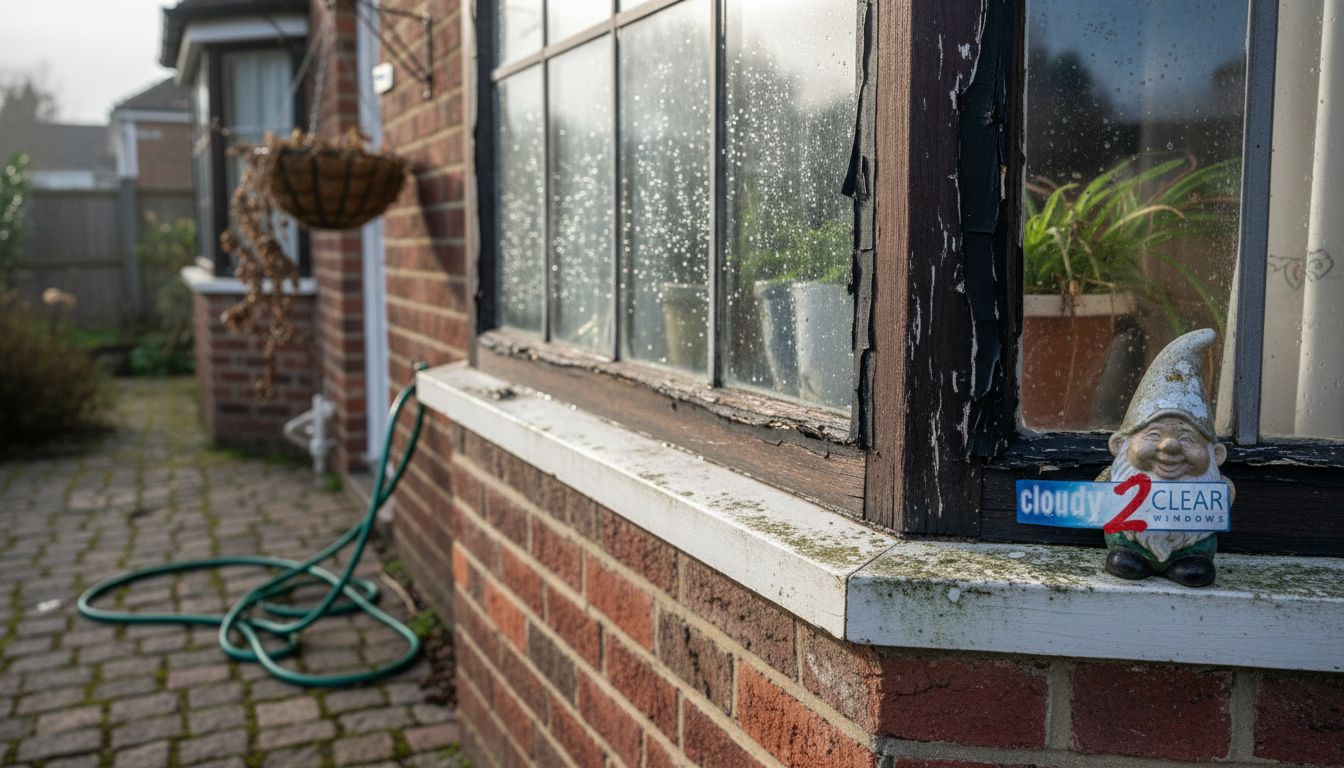
Pro Tip: Premium silicone and neoprene gaskets cost more initially but outlast standard rubber seals by 3 to 5 years, making them worthwhile for quality wooden or metal frames.
Material choice matters especially for window frame materials like wood and aluminium that expand differently than uPVC. Selecting compatible window seal materials and types prevents premature failure. When seals fail, you can often repair failed double glazing without replacing entire units if caught early.
Signs and Symptoms of Window Seal Failures
Condensation or fogging between panes is the primary sign of seal failure, accompanied by drafts and energy loss. Recognising these symptoms early lets you address problems before they worsen and cause structural damage.
Key indicators of failing window seals:
- Fogging or moisture between glass panes that cannot be wiped away externally
- Noticeable drafts near window edges even when closed and locked
- Cold spots on interior walls adjacent to window frames
- Unexplained increases in heating bills during winter months
- Reduced sound insulation allowing more outdoor noise inside
- Visible brittleness, cracking, or gaps in seal material around frame perimeter
- Water stains or mould growth on window sills and surrounding walls
The severity of symptoms indicates failure progression. Minor condensation appearing only during extreme cold suggests early stage degradation. Persistent fogging with visible water droplets signals advanced failure requiring immediate attention. Drafts combined with condensation mean seals no longer provide adequate insulation or moisture barriers.
You might notice secondary effects like difficulty operating windows smoothly or increased dust infiltration. These symptoms accompany primary seal failures and confirm the need for intervention. Understanding when to replace window seals versus attempting repairs depends on symptom severity and pattern.
Monitoring signs of window seal failure helps you catch issues during early stages when repairs remain viable and cost effective. Regular inspection saves money compared to emergency replacements after extensive moisture damage occurs.
Repair vs Replacement: Assessing Your Options
Repairs extend window seal life by 2-5 years, while replacements last 10-20 years and restore full energy efficiency. Understanding the tradeoffs helps you choose the most cost effective solution for your situation.
Repair options work best for minor damage:
- Reseating loose gaskets using specialist tools costs £50 to £100 per window
- Applying silicone sealant to small gaps provides temporary weatherproofing
- Replacing individual gasket sections addresses localised wear without full removal
- Adjusting window mechanisms reduces stress on deteriorating seals
Repairs offer quick fixes at lower upfront costs but provide temporary solutions. Most repairs last 2 to 5 years before seals degrade again. You save money initially but may spend more over time through repeated interventions.
Replacement delivers long term benefits:
- Full seal replacement costs £150 to £300 per window but restores original performance
- New seals eliminate drafts and moisture ingress completely
- Modern materials offer improved UV resistance and flexibility
- Energy savings from restored insulation offset replacement costs within 3 to 5 years
Pro Tip: Calculate your annual heating cost increase from failed seals. If you spend an extra £200 yearly on heating, replacement pays for itself faster than repeated cheap repairs.
Immediate seal replacement after failure maximizes energy savings and reduces condensation damage. Delaying replacement allows moisture to damage frames and glass coatings, increasing eventual repair costs significantly. You can reduce double glazing costs by addressing failures promptly rather than waiting for emergency situations.
| Solution | Cost Range | Lifespan | Best For |
|---|---|---|---|
| Gasket reseating | £50-£100 | 2-3 years | Loose but intact seals |
| Silicone repair | £30-£80 | 1-2 years | Minor gaps and cracks |
| Partial seal replacement | £100-£200 | 3-5 years | Localised damage |
| Full seal replacement | £150-£300 | 10-15 years | Severe degradation |
| Complete unit replacement | £300-£800 | 15-20 years | Frame and glass damage |
Weigh immediate costs against long term performance when deciding. Severe failures with visible condensation justify replacement investment. Minor issues on newer windows suit repair approaches. Recognising early signs of window seal failure gives you time to plan rather than react. When you repair failed double glazing strategically, you balance budget constraints with performance needs.
Situational Recommendations: Best Solutions for Common Scenarios
Minor damage on uPVC windows is best repaired cost effectively; severe failures or older frames benefit from replacements with premium materials. Matching solutions to specific situations optimises both costs and outcomes.
- Recent uPVC windows with minor seal shrinkage: Reseat gaskets and apply silicone to gaps. This costs £50 to £100 per window and extends life 2 to 3 years, suitable when frames remain in good condition.
- Severe condensation with visible drafts on any frame type: Replace seals completely or consider full unit replacement. Persistent moisture damages frames and reduces property value, justifying £200 to £400 investment per window.
- Older wooden frames with brittle gaskets: Install premium silicone or neoprene gaskets during replacement. Wood expands more than uPVC, requiring flexible materials that accommodate movement without cracking.
- Metal framed commercial properties with multiple failures: Replace all affected seals simultaneously using durable materials. Bulk replacement reduces labour costs and ensures consistent performance across the building.
- Budget constrained situations with functional frames: Prioritise rooms with highest heating costs for replacement, repair less critical windows temporarily. This staged approach spreads costs while addressing worst energy losses first.
- Properties scheduled for sale within 2 years: Invest in full replacements to improve energy performance certificates and buyer appeal. New seals add value exceeding replacement costs.
Your frame material influences seal compatibility and longevity. Understanding various double glazing options helps match solutions to your property type. Business owners benefit from reviewing energy efficiency checklist items alongside window upgrades for comprehensive improvements.
Prompt action prevents escalation. Small gaps become major leaks, minor condensation leads to frame rot. When you replace window seals at first signs of failure, you avoid compounding damage that multiplies repair costs.
Summary Comparison Table of Window Seal Failures and Solutions
Window seal failure types correlate with distinct symptoms and solution costs impacting efficiency and lifespan. This comparison clarifies options based on observed problems.
| Failure Type | Primary Symptoms | Repair Suitability | Typical Cost | Post-Fix Lifespan | Energy Impact |
|---|---|---|---|---|---|
| Gasket shrinkage | Minor gaps, occasional drafts | High | £50-£120 | 2-4 years | Low to moderate |
| Seal cracking | Visible cracks, persistent drafts | Moderate | £80-£180 | 1-3 years | Moderate |
| Complete detachment | Large gaps, severe drafts | Low | £150-£300 | Requires replacement | High |
| Moisture ingress | Condensation between panes | Very low | £200-£500 | Requires full unit replacement | Very high |
| UV degradation | Brittleness, loss of flexibility | Moderate | £100-£250 | 3-5 years with premium materials | Moderate to high |
This table helps you evaluate whether your situation suits repair or demands replacement. Moisture between panes indicates seal failure severe enough to require complete unit replacement, not just gasket fixes. Simple shrinkage responds well to reseating and sealing.
Energy impact correlates with failure severity. Minor gaps increase heating costs 5 to 10 percent, while complete seal failure can raise bills 20 to 30 percent. Calculate your potential savings when deciding on solutions. Quick reference to window seal failure comparison data confirms these ranges.
Matching your observed symptoms to this table guides initial decisions. Professional assessment then confirms the best approach. Knowing when to replace window seals versus attempting repairs prevents wasting money on inadequate fixes.
Get Expert Help for Window Seal Failures and Energy Savings
Professional assessment takes the guesswork out of window seal decisions. At Cloudy2Clear Windows, we have spent over 20 years helping property owners across England and Scotland restore energy efficiency through expert double glazing repairs and replacements. Our technicians identify failure types accurately and recommend solutions matched to your frame materials, budget, and performance goals.
We tailor repairs and replacements to your specific situation, whether you need quick fixes for minor uPVC seal issues or premium gasket installations for heritage wooden frames. Our services address all double glazing options and frame types detailed in our comprehensive window materials guide. Act now to eliminate drafts, prevent moisture damage, and reduce heating costs before winter increases your energy bills further.
Frequently Asked Questions
How can I tell if my window seals are failing?
Condensation or fogging between glass panes that you cannot wipe away from either side indicates seal failure. You will also notice drafts near closed windows, cold spots on adjacent walls, and increased heating bills as insulation deteriorates.
Is it worth repairing a failed window seal or should I replace it?
Repair works for minor shrinkage or small gaps on newer windows, extending life 2 to 5 years at lower cost. Severe failures with persistent condensation or brittle seals require replacement to restore full efficiency for 10 to 20 years.
What are typical costs associated with seal repairs vs replacements?
Repairs range from £50 to £180 per window depending on severity and method. Full seal replacement costs £150 to £300, while complete unit replacement runs £300 to £800 when frames or glass suffer damage.
How long can a repaired window seal last compared to new seals?
Repaired seals typically last 2 to 5 years before requiring further attention. New seal replacements last 10 to 15 years, and complete window units provide 15 to 20 years of optimal performance when properly maintained.
Can I maintain my seals to prevent premature failure?
Clean seals regularly with mild soap and water to remove dirt that accelerates degradation. Inspect annually for brittleness or gaps, addressing minor issues immediately. Avoid harsh chemicals and excessive force when operating windows to reduce stress on seals.
Do different frame materials affect seal lifespan?
Yes, frame expansion rates impact seal durability significantly. Wood and metal frames expand more than uPVC, requiring flexible gasket materials like silicone or neoprene. Matching seal type to frame material prevents premature cracking and extends lifespan. When you replace window seals, choose materials compatible with your specific frame type for best results.