A window care routine is a structured process combining regular cleaning, physical inspection, and targeted maintenance to keep your windows clear, functional, and long-lasting. Most UK homeowners treat window cleaning as a cosmetic task, but the reality is that neglected frames, seals, and hardware deteriorate faster and cost significantly more to repair. Whether you manage a home or a commercial property, following a window care routine step by step protects your investment and keeps your glazing performing as it should. Tools like a squeegee, microfiber cloths, and a mild soap solution form the foundation of any effective routine.
What tools and materials do you need for window care?
The right equipment makes the difference between a streaky finish and a genuinely clean window. A good-quality squeegee with a replaceable rubber blade is the single most effective tool for glass cleaning. Pair it with microfiber cloths, a soft-bristled brush, a sponge, and a vacuum with a crevice attachment for frames and tracks.
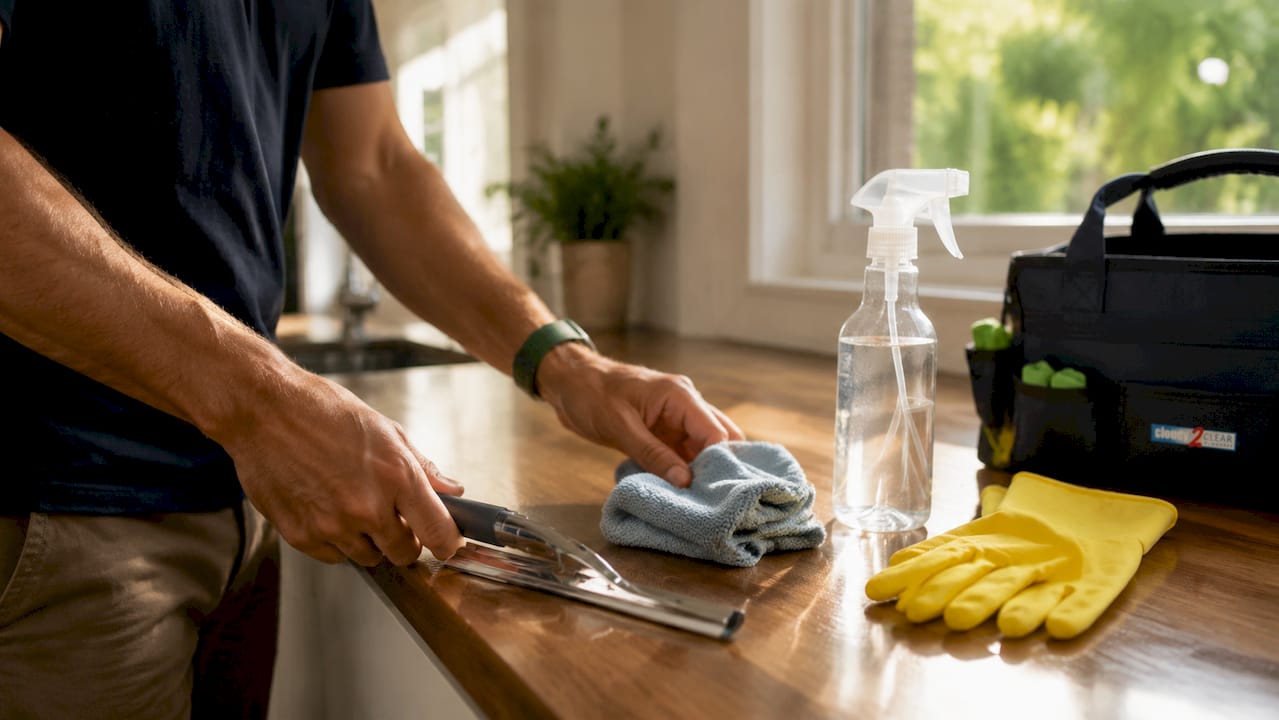
For cleaning solutions, mild washing-up liquid diluted in warm water works well for general cleaning. Isopropyl alcohol tackles stubborn residues such as adhesive or dried-on grime. Mild soap and water is the recommended standard; abrasive cleaners and high-pressure washers damage frame finishes and glazing seals, so avoid both entirely.
| Tool | Benefit | Caution |
|---|---|---|
| Squeegee | Removes water without lint | Replace blade when it skips or streaks |
| Microfiber cloth | Buffs edges streak-free | Wash regularly; dirty cloths spread grime |
| Soft-bristled brush | Loosens debris from frames | Do not use on glass |
| Vacuum with crevice tool | Clears tracks without smearing | Use low suction on seals |
| Mild soap solution | Safe for frames and seals | Rinse thoroughly to avoid residue |
| Isopropyl alcohol | Removes stubborn stains | Dilute before use on painted frames |
Pro Tip: Clean your squeegee blade with a damp cloth after every single pass. A dirty blade deposits residue back onto the glass and is the leading cause of streaking.
When and how often should you clean your windows?
Biannual deep cleaning is the minimum recommended frequency for most UK homes. Spring and autumn are the ideal times. Spring removes winter grime and salt deposits; autumn prepares frames and seals for cold, wet weather.
Properties near busy roads, industrial areas, or coastal locations need more frequent attention. In those cases, three to four full cleans per year keeps frames and seals in good condition. The UK’s variable climate means you also need to pick your cleaning days carefully.
Key scheduling rules to follow:
- Avoid cleaning in direct sunshine. Heat dries the solution too quickly and leaves streaks before you can wipe them away.
- Do not clean when temperatures are at or near freezing. Water can freeze on glass and in tracks, causing damage.
- Schedule a brief inspection at every cleaning session, not just annually.
- Lubricate hinges and locks in spring and again in autumn.
- Check weatherstripping and seals for cracks each time you clean.
Scheduling and documenting your maintenance sessions helps you track wear patterns and catch problems before they become expensive repairs. A simple calendar reminder or a notes app entry takes seconds to set up and pays off over time.
Pro Tip: Set a recurring calendar reminder for the last week of march and the first week of october. Those two dates cover the ideal spring and autumn cleaning windows for most UK properties.
Step-by-step window cleaning for a streak-free finish
This is the core of any effective step by step window cleaning process. Follow the sequence below and you will avoid the most common mistakes that cause streaks, water spots, and missed patches.
- Dust and vacuum first. Dry dusting and vacuuming frames, sills, and tracks before any wet cleaning prevents loose dirt from turning into muddy residue. Use a soft brush on frames and a crevice tool in tracks.
- Clean frames before glass. Wipe down frames with a damp cloth and mild soap solution. Dirty water running from frames onto clean glass is one of the most common causes of repeat streaking.
- Apply your cleaning solution top to bottom. Use a sponge or applicator to spread the solution across the glass from the top edge downward. Working top to bottom stops dirty solution from dripping onto areas you have already cleaned.
- Use the S-pattern squeegee technique. Start at the top corner of the glass. Pull the squeegee horizontally across the pane, then arc downward and pull across again in the opposite direction, forming an S-shape. Straight, non-circular motions prevent dirt redistribution and the cloudy finish that circular wiping creates. Wipe the blade with a clean cloth between every pass.
- Detail the edges immediately. Edges missed by the squeegee are the most common source of perceived dirtiness after cleaning. Use a dry microfiber cloth to wipe the border of each pane straight after the squeegee pass, before the residue dries.
- Buff with a dry microfiber cloth. A separate buffing step with a dry microfiber cloth removes any remaining streak-causing residue that the squeegee missed. This is the professional finishing step that most DIY routines skip.
- Wipe down the sill. Finish by wiping the sill with a damp cloth to remove any drips or loosened debris. A dry pass afterwards prevents water marks.
Pro Tip: Work on one pane at a time from start to finish before moving to the next. Letting solution dry on glass while you clean adjacent panes is a guaranteed route to streaks.
Window maintenance steps beyond cleaning
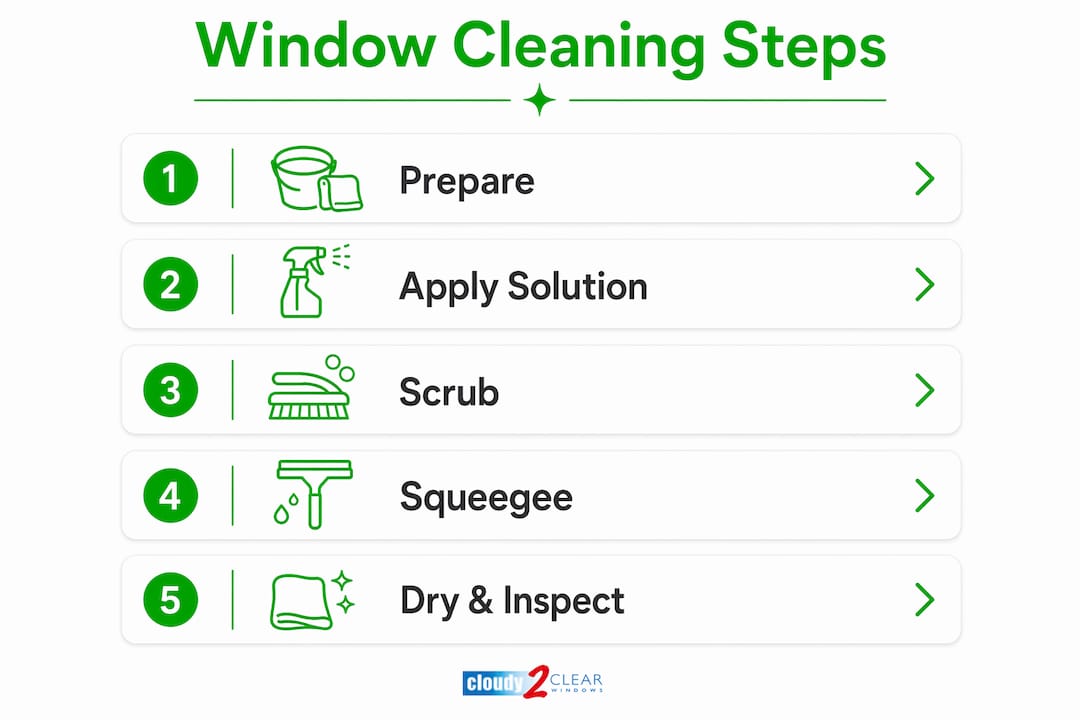
Cleaning is only part of a complete step by step window maintenance routine. Inspection, lubrication, and minor repairs protect the structural integrity of your windows and extend their working life considerably.
Key maintenance tasks to carry out at each cleaning session or seasonally:
- Inspect for seal damage. Fog or condensation inside double glazing indicates a broken seal. Once the seal fails, the insulating gas escapes and the unit loses its thermal efficiency. This requires professional repair or replacement, not cleaning.
- Check for draughts. Hold a lit candle or a thin strip of tissue near the frame edges on a windy day. Movement indicates an air leak that needs resealing.
- Lubricate hinges and locking mechanisms. Silicone-based lubricants are the correct choice for window hardware. Oil-based products like WD-40 attract grime and cause mechanisms to seize over time.
- Clear and clean tracks. Debris in tracks strains opening mechanisms and damages seals. Vacuum tracks, then wipe with a damp cloth.
- Check for loose or damaged glazing beads. These hold the glass in the frame. Any movement or cracking needs prompt attention.
| Maintenance task | Frequency | Action if problem found |
|---|---|---|
| Seal inspection | Every clean | Contact a glazing professional |
| Draught check | Twice yearly | Reseal with appropriate sealant |
| Hardware lubrication | Spring and autumn | Apply silicone-based lubricant |
| Track cleaning | Every clean | Vacuum and wipe; replace seals if worn |
| Glazing bead check | Annually | Replace or contact installer |
For maintaining window seals effectively, use a UV-resistant silicone sealant on external joints and check internal beading for gaps each spring.
How do you troubleshoot common window care problems?
Even with a consistent routine, specific problems arise. Knowing how to address them quickly prevents minor issues from becoming costly repairs.
- Stubborn stains such as bird droppings or paint overspray. Pre-treat the affected area with your cleaning solution and allow it to soak for two to three minutes. Then gently scrape with a plastic scraper held at a low angle. Never use metal scrapers on glass.
- Condensation inside double-glazed units. This signals a failed seal, not a cleaning problem. Cleaning the outside of the glass will not resolve it. Contact a glazing specialist for assessment. Cloudy2Clear Windows has handled thousands of failed double glazing units across the UK since 2005.
- Persistent streaks after cleaning. The cause is almost always a dirty squeegee blade, a cloth that has been used too many times, or cleaning in direct sunlight. Replace the blade, use a fresh cloth, and choose an overcast day.
- Windows that are difficult to open or lock. This usually indicates a build-up of grime in the track or a hardware mechanism that needs lubrication. Clean the track thoroughly, then apply silicone lubricant to hinges and the locking points.
- Cleaning at height safely. For upper-floor windows, use a telescopic squeegee with an extension pole rather than a ladder where possible. If a ladder is necessary, follow the Health and Safety Executive guidelines: maintain three points of contact and never overreach.
Pro Tip: Keep a small spray bottle of diluted isopropyl alcohol in your cleaning kit. It removes adhesive residue, water spots, and dried-on mineral deposits in seconds without damaging glass or frames.
What we have learned from two decades of window care
At Cloudy2Clear Windows, we have been repairing and replacing double glazing since 2005. The pattern we see most often is this: windows that receive regular, structured care last significantly longer than those that are only cleaned when they look dirty.
The biggest misconception we encounter is that window care is purely cosmetic. Homeowners and business owners who treat it that way tend to call us when a seal has failed, a frame has warped, or a mechanism has seized. By that point, the cost is always higher than it would have been with a simple biannual inspection. The common myths around window maintenance that circulate online do not help either. Many people genuinely believe that double glazing is maintenance-free. It is not.
The other thing we have learned is that technique matters more than product. We have seen windows cleaned with expensive branded solutions that still streak, because the person used circular motions or skipped the edge detailing. A squeegee, a microfiber cloth, and mild soap used correctly will outperform any premium spray used carelessly. Get the process right first, then refine your products.
Our honest advice: schedule your cleans, inspect every time, and call a professional the moment you see condensation inside the glass. That single action, taken early, saves you the cost of a full unit replacement.
Professional window repair and maintenance from Cloudy2Clear Windows
Cloudy2Clear Windows has provided double glazing repairs and replacements across the UK since 2005, serving both residential and commercial clients.

When your window care routine reveals a problem beyond DIY, our teams are ready to help. We cover areas including Milton Keynes, Watford, and many other locations across England. For commercial properties, our commercial window repair service covers everything from failed sealed units to full glazing replacement. Contact Cloudy2Clear Windows for an inspection or repair quote. Our team operates Monday to Friday, 8:30am to 6:30pm.
FAQ
How often should you clean windows in the UK?
Clean windows at least twice a year, focusing on spring and autumn. Properties near busy roads or high-pollution areas benefit from three to four cleans per year.
What causes streaks after window cleaning?
Streaks are caused by a dirty squeegee blade, an overused cloth, or cleaning in direct sunlight. Buffing with a dry microfiber cloth after squeegeeing removes residual streak-causing residue.
What does condensation inside double glazing mean?
Condensation between the panes signals a broken seal. The insulating gas has escaped and the unit has lost its thermal performance. This requires professional repair or replacement, not cleaning.
Should you use WD-40 on window hinges?
No. Silicone-based lubricants are correct for window hinges and locks. Oil-based products like WD-40 attract grime and cause mechanisms to deteriorate faster.
How do you remove bird droppings from window glass?
Pre-treat the area with a cleaning solution and allow it to soak for two to three minutes. Then remove gently with a plastic scraper held at a low angle to avoid scratching the glass.