Clean glass and frames every quarter, clear drainage slots twice a year, lubricate hinges and locks twice a year, inspect seals annually, and book a professional check every three to five years. That single routine is what separates windows that reach 25 years of service from ones that fail by year 12.
Each task targets a specific failure point. Blocked drainage causes water to pool against the seal, which speeds up seal breakdown. Dry hinges force the frame to twist as you operate the window, straining the whole unit. Skipping annual seal checks means condensation and draughts go unnoticed until a full sealed-unit replacement is the only fix left.
- Clean glass and frames every 2 to 3 months
- Clear drainage slots twice a year
- Lubricate hinges, locks and rollers twice a year
- Inspect seals and gaskets annually
- Book a professional inspection every 3 to 5 years
Pro Tip: Never use solvent-based or abrasive cleaners on uPVC or foiled frames. They strip protective coatings, cause discolouration, and can void your manufacturer warranty outright.
Why routine maintenance extends window lifespan
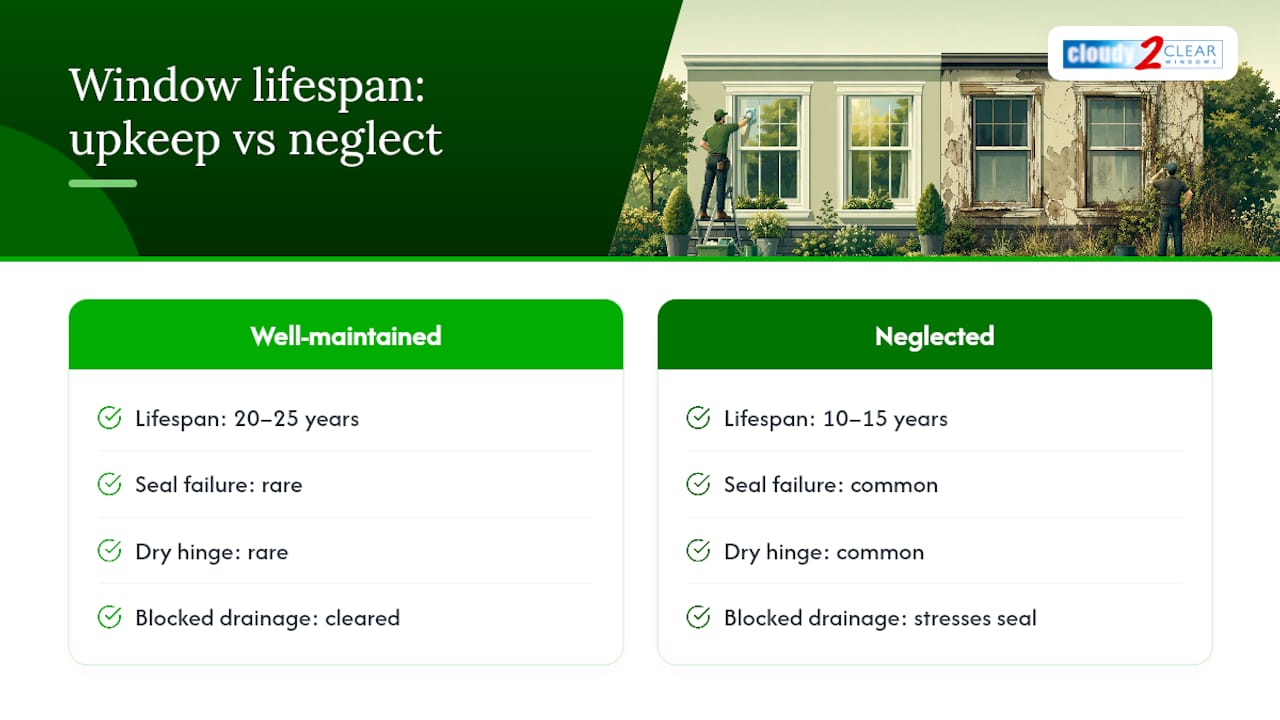
Maintenance measurably extends service life and cuts heating loss at the same time. Well-maintained double glazing commonly lasts around 20 to 25 years, while neglected units often fail within 10 to 15 years. A failed seal or dry hinge is never just cosmetic. Blocked drainage puts sustained stress on the seal itself, and stiff hardware forces you to yank or slam the sash, which strains the frame joints over time. Small tasks now prevent big failures later.
What window material do you have, and how should you care for it?
Your maintenance routine depends entirely on the frame material. uPVC tolerates a light-touch routine well; timber needs far more attention to survive UK weather.
- uPVC: Wipe with warm soapy water; avoid solvents on foiled finishes. Typically lasts over 25 years when maintained correctly.
- Timber: Needs repainting or re-staining every 3 to 5 years and prompt attention to rot. Expect 20 to 30 years with consistent upkeep, less near the coast.
- Aluminium: Check for corrosion at joints and fixings annually. Generally lasts 20 to 35 years and copes well with UV exposure.
- Sealed glazing units: Gaskets remain effective for roughly ten years regardless of frame material, and can often be renewed without removing the sash.
Coastal properties should inspect aluminium fixings and timber joints more frequently. Salt-laden air accelerates both corrosion and rot.
How should you clean glass and frames without causing damage?
Clean glass and frames every 2 to 3 months, more often if you’re near trees, building sites, or coastal spray. The EPWIN maintenance handbook recommends washing exposed parts with warm soapy water and drying thoroughly at least twice a year as a minimum baseline.
- Mix warm water with a mild washing-up liquid, never a concentrated detergent.
- Wipe frames with a soft cloth, working top to bottom.
- Clean glass with the same solution and a squeegee to avoid streaking.
- Flush drainage slots and tracks with a soft brush to remove grit.
- Dry frames fully to stop water sitting in corners or trims.
Avoid these on any uPVC or foiled surface:
- Solvent-based cleaners or white spirit
- Abrasive scourers or scouring powders
- Ammonia-based glass sprays on coloured or foiled frames
- Pressure washers aimed directly at seals
Our own guide on cleaning uPVC frames without causing damage walks through the safer alternatives step by step, and these household items work just as well as branded products for most jobs.
What seasonal care keeps frames and finishes in good condition?
Different frame materials need different attention as the seasons turn, but the pattern is the same everywhere: inspect in spring, seal-check in autumn, draught-proof in winter.
- Spring: Check for winter damage, clear gutters and sills, inspect paintwork on timber frames.
- Summer: Repaint or treat timber while the weather allows it to dry properly.
- Autumn: Check seals and weatherstripping before the cold sets in; our autumn maintenance guide covers this in more detail.
- Winter: Draught-proof and avoid heavy cleaning in freezing temperatures, which can crack cold glass.
Foiled uPVC is more sensitive to solvents than plain white uPVC, and UV exposure fades darker foils faster on south-facing elevations.
Pro Tip: If you’re repainting timber, treat bare wood with a preservative before applying topcoat. Skipping this step is the most common reason repainted timber frames fail again within two years.
How do you spot a failing seal or gasket before it gets worse?
Look for condensation between panes that doesn’t wipe away, visible gaps in the gasket, or water pooling in the drainage slots. Any of these signals sealed-unit failure or gasket wear.
- On a still day, run your hand around the closed frame to feel for draughts.
- Check drainage slots for standing water or debris blockages.
- Open and close the window fully, checking for sticking or grinding.
- Look closely at the gasket for cracking, shrinkage or gaps at corners.
What to check for:
- Misting or fogging that persists between panes
- Gasket that has hardened, cracked or pulled away from the frame
- Cold spots or draughts near a closed window
- Water sitting in the sill or drainage channel
Ignoring these signs rarely stays cheap. A failed sealed unit typically costs £150 to £300 per window to replace, while leaving it can push heating bills up further as the insulating gas escapes. Catching it early usually means replacing just the glass unit rather than the whole frame.
How often should you lubricate hinges, rollers and locks?
Lubricate moving parts twice a year and check fastenings annually. This single habit does more to prevent forced-movement damage than almost anything else on this list.
- Wipe hinges, stays and rollers clean of grit and old lubricant.
- Apply a light coat of silicone spray or 3-in-1 oil to moving parts.
- Work the window or door fully open and closed to spread the lubricant.
- Tighten loose screws gently. Never over-torque uPVC fixings.
Recommended by hardware type:
- Hinges and friction stays: Light machine oil or silicone spray
- Locks and keeps: A dab of petroleum jelly protects against seizing
- Rollers (sliding doors and windows): Silicone spray only, oil attracts grit
When is repair enough, and when should you replace?
Replace the sealed glass unit when the glazing itself has failed, but consider full frame replacement when timber has rotted, uPVC has warped, or the warranty has already lapsed.
Quality double glazing lasts 20 to 25 years with proper care. Neglected windows frequently fail within 10 to 15 years, roughly half the expected lifespan.
Work through this before deciding:
- Is the damage limited to the glass, or has the frame itself degraded?
- Has your heating bill risen noticeably since the fault appeared?
- Is the window still under manufacturer or installer warranty?
- Does the frame still meet your needs functionally and visually?
If the frame is sound and the seal has simply failed, a like-for-like glass swap is usually the more sensible route. Our guide on spotting signs of window damage breaks down which faults justify which fix.
Which window jobs are safe to DIY, and which need a professional?
Cleaning, basic lubrication and clearing drainage slots are safe DIY tasks. Sealed-unit replacement, major reglazing, structural frame repair and any warranty-covered work need a specialist.
- Safe to DIY: cleaning glass and frames, lubricating hardware, clearing drainage channels, tightening loose screws
- Call a professional: misted or failed sealed units, cracked glass, warped frames, hinge or lock replacement, warranty claims
Ask a tradesperson these questions before booking:
- What does the quote include, and is it itemised by part and labour?
- Will this work affect my existing manufacturer warranty?
- What’s the expected timescale from quote to completion?
- Is the replacement glass unit compliant with current building regulations?
A professional inspection every 3 to 5 years catches alignment issues and hidden seal wear before they force a full replacement.
What maintenance mistakes actually void your warranty?
The single biggest mistake is using the wrong cleaner. Solvent-based and abrasive products permanently degrade uPVC surfaces, cause discolouration, and can void your manufacturer warranty in one go.
- Using white spirit, solvent cleaners or abrasive pads on uPVC or foiled finishes
- Over-tightening screws and fixings, which cracks uPVC around the fastening
- Ignoring blocked drainage slots until water pooling damages the seal
- Skipping the manufacturer’s care guidance before making DIY adjustments
Pro Tip: Always check your manufacturer’s handbook before adjusting hinges or locks yourself. Some warranties are voided by unauthorised hardware adjustment, not just wrong cleaning products.
How does ventilation affect window condensation and damage?
Poor ventilation is one of the most overlooked causes of window damage, and it has nothing to do with the window itself. Moist indoor air condenses on cold glass and frames, and that moisture sits against seals, sills, and timber joints for hours at a time.
Bathrooms and kitchens produce the most moisture in any home, so extractor fans matter more than most homeowners realise. Run them during and for 15 to 20 minutes after cooking or showering, rather than switching them off the moment you finish. Trickle vents built into modern window frames exist specifically to let a small, constant flow of air escape without you having to open a window fully in cold weather. Keep them open year round unless you’re dealing with an extreme weather event.
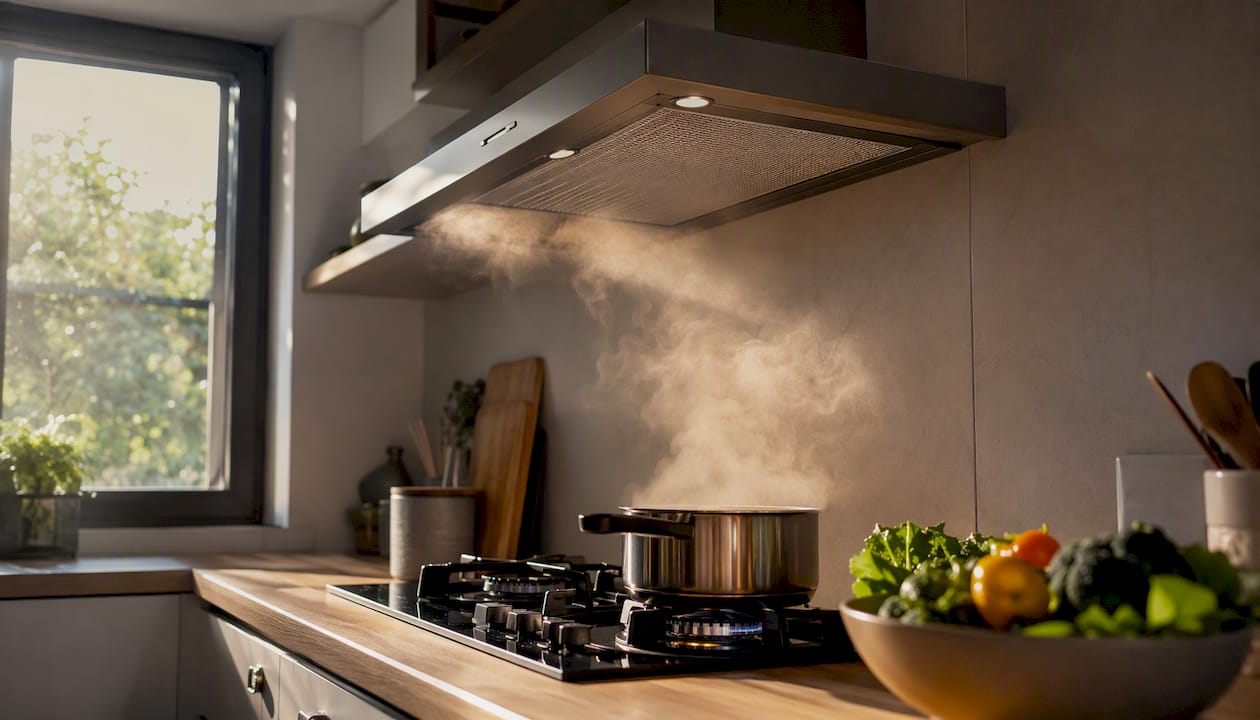
Drying clothes indoors without ventilation is one of the fastest ways to overload a room with moisture, and it shows up first as condensation pooling on the coldest surface in the room, which is almost always the window. If you must dry clothes inside, crack a window or run an extractor in that room.
Persistent condensation on the inside of your glass, as opposed to between the panes, points to a ventilation problem rather than a seal failure. It’s worth ruling this out before assuming your glazing has failed, since the fix is free and immediate: open a window, run an extractor, or fit a trickle vent, rather than booking a repair you don’t need.
Do curtains and blinds affect how long your windows last?
Window treatments do more than dress a room. They change the airflow and temperature right at the glass surface, and that has a direct effect on how long your frames and seals last.
Heavy curtains drawn tightly against cold glass on a winter night trap moist air between the fabric and the pane. That trapped moisture condenses on the glass and drips onto the sill, where it sits against the frame and accelerates timber rot or seal degradation over time. Leaving a small gap between curtain and glass, or choosing a curtain that doesn’t fully seal against the wall, lets air circulate and reduces this risk considerably.
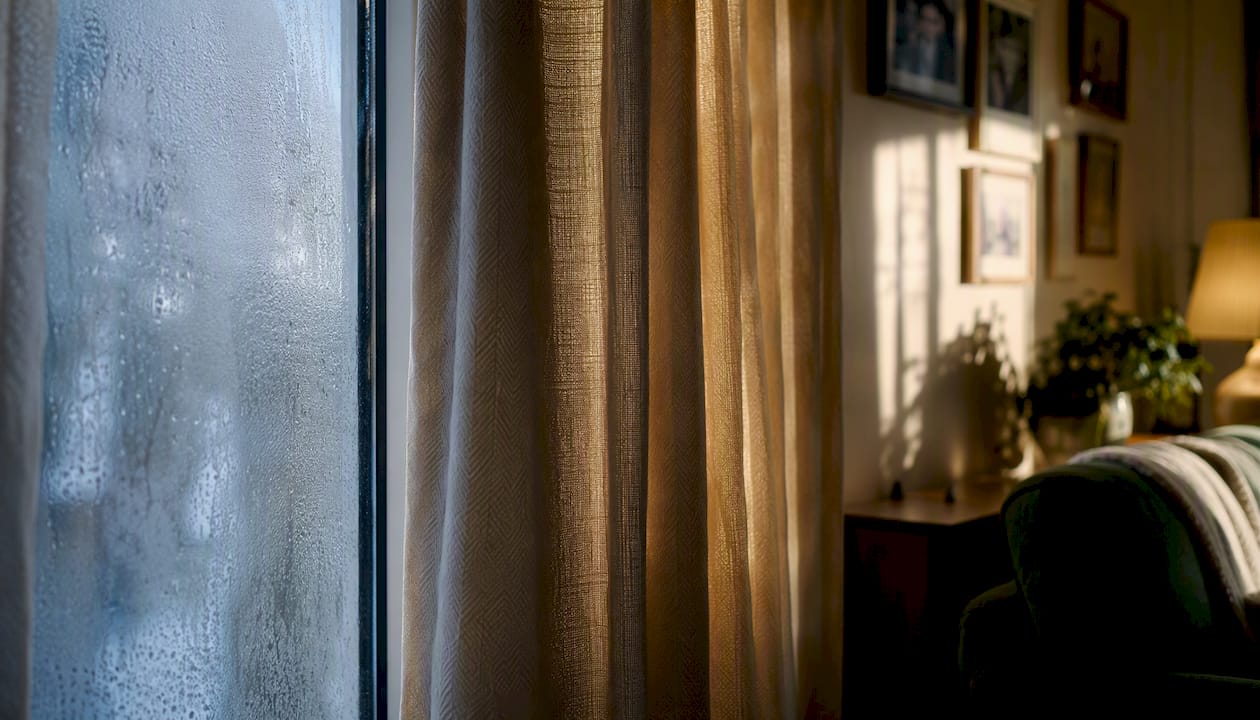
Blinds, particularly venetian and vertical types, tend to be better for window longevity because they allow more airflow than heavy fabric. Wooden or faux-wood blinds close to south-facing glass can, however, suffer their own UV-related fading and warping, so they need occasional dusting and a check for warping just like any other timber component in the house.
The other risk is heat build-up. Closed blinds or curtains on a sunny day can trap heat directly against modern low-emissivity glass coatings, and while this is rarely severe enough to cause damage, it’s worth leaving some ventilation on very hot days. If you’re choosing new treatments, a slight gap at top and bottom of the window, rather than a floor-to-ceiling seal, protects both your glazing and your frames.
A note from Cloudy2Clear Windows on practical experience
Cloudy2Clear Windows has repaired and replaced double glazing across residential and commercial properties since 2005. We see the same warranty-voiding mistakes repeatedly, and our own guidance on maintaining double glazing reflects what actually keeps windows performing for decades, not just what sounds sensible on paper.
When should you call Cloudy2Clear Windows for a repair?
Call us when you’re dealing with a failed sealed unit, cracked glass, or any repair that could affect an existing warranty, rather than a job that soapy water and a lubricant spray can fix.
We handle sealed-unit replacement, broken glass repairs, and hardware fixes for hinges, locks and rollers, alongside larger commercial fenestration and compliance work for housing associations and business premises. A typical visit starts with an inspection of the glass and frame, a clear breakdown of what’s failed and why, and a quote before any work begins. There’s no guesswork involved and no pressure to replace more than the fault requires.
If you’re a property manager overseeing multiple units, our commercial fenestration services cover compliance inspections alongside repairs, so one visit can address several concerns at once. Homeowners dealing with a single misted pane or a stiff hinge that’s gone beyond a spray of oil should look at our window pane and double glazing glass replacement page for what’s involved and how quickly it’s typically done. Book an inspection now and get a straight answer on whether your window needs a repair or a full replacement.
Sources
- Double Glazing Tips UK 2026 | ExpertSure
- Window systems maintenance handbook (EPWIN)
- Has your double glazing failed? 5 clear signs | Axiom
- PVCu maintenance – dos and don’ts | Liniar
- How to clean uPVC windows | The Eco Experts
FAQ
Can windows last 50 years?
Timber and aluminium frames can occasionally reach this age with sustained care and periodic reglazing, but it’s uncommon. Most quality double glazing is built and warrantied for a 20 to 25 year service life.
Are 20 year old windows still good?
They can be, provided seals haven’t failed and the frame hasn’t warped or rotted. Check for condensation between panes, draughts, and gasket condition before assuming a 20 year old window still performs efficiently.
Does putting plastic on windows really help in winter?
Temporary plastic film adds a small extra air gap that reduces draughts and heat loss, but it’s a short-term fix, not a maintenance strategy. Fixing the actual seal or hardware fault gives a permanent result.
What is the average lifespan of a window?
Well-maintained double glazing typically lasts 20 to 25 years, while neglected windows often fail within 10 to 15 years. Material, exposure, and how consistently you maintain it all shift that range.