Double glazed windows deliver impressive energy savings and insulation, yet many homeowners and businesses overlook the cleaning and maintenance needed to keep them performing at their best. Dirty glass, grimy frames, and neglected seals not only diminish your property’s kerb appeal but can also compromise thermal efficiency and invite costly repairs. This guide walks you through proven methods to clean and maintain your double glazing effectively, ensuring crystal clear views and optimal performance for years to come. Whether you manage a commercial property or simply want sparkling windows at home, these practical steps will help you achieve professional results without expensive contractors.
What you need: tools and preparation for cleaning double glazed windows
Gathering the right materials before you start makes all the difference between a frustrating chore and a satisfying result. You need a bucket, warm water, mild washing-up liquid, soft cloths or non-abrasive sponges, a quality squeegee, and microfiber cloths for drying. Steer clear of abrasive cleaners, scouring pads, or ammonia-based products that can damage protective coatings and rubber seals. These harsh substances may seem effective initially but often leave permanent marks or compromise the seal integrity that keeps moisture out of your double glazed units.
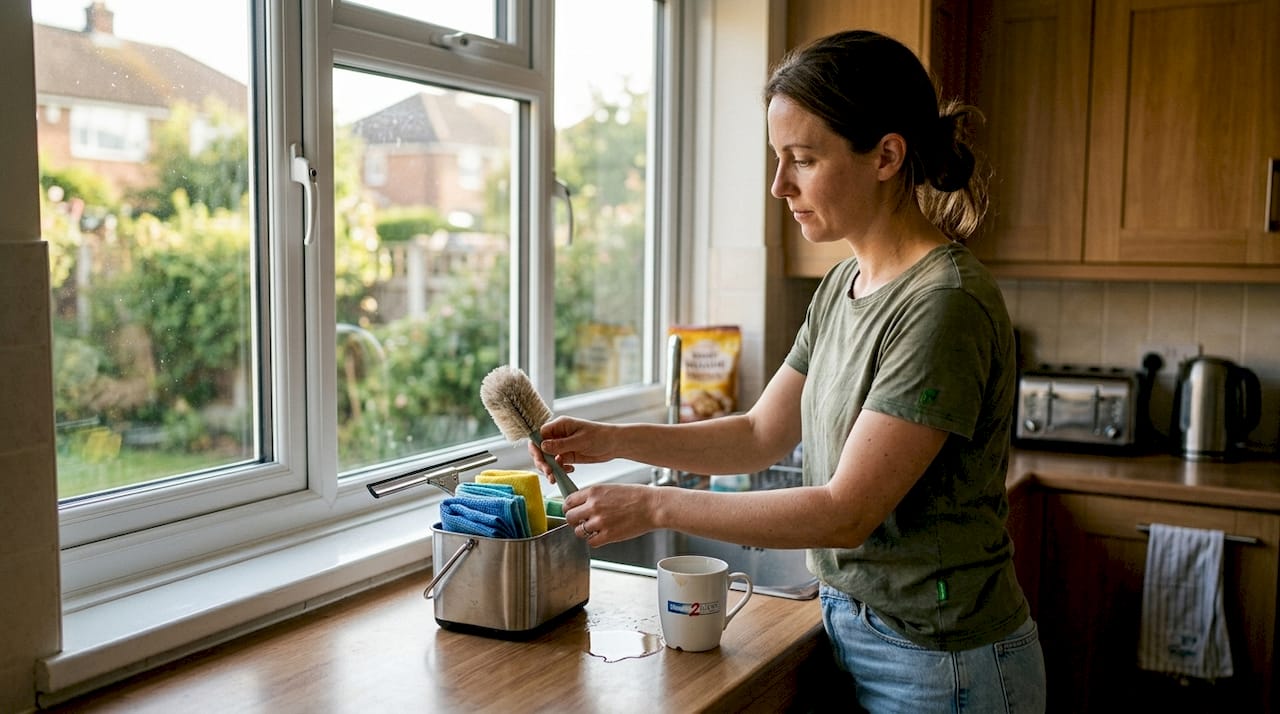
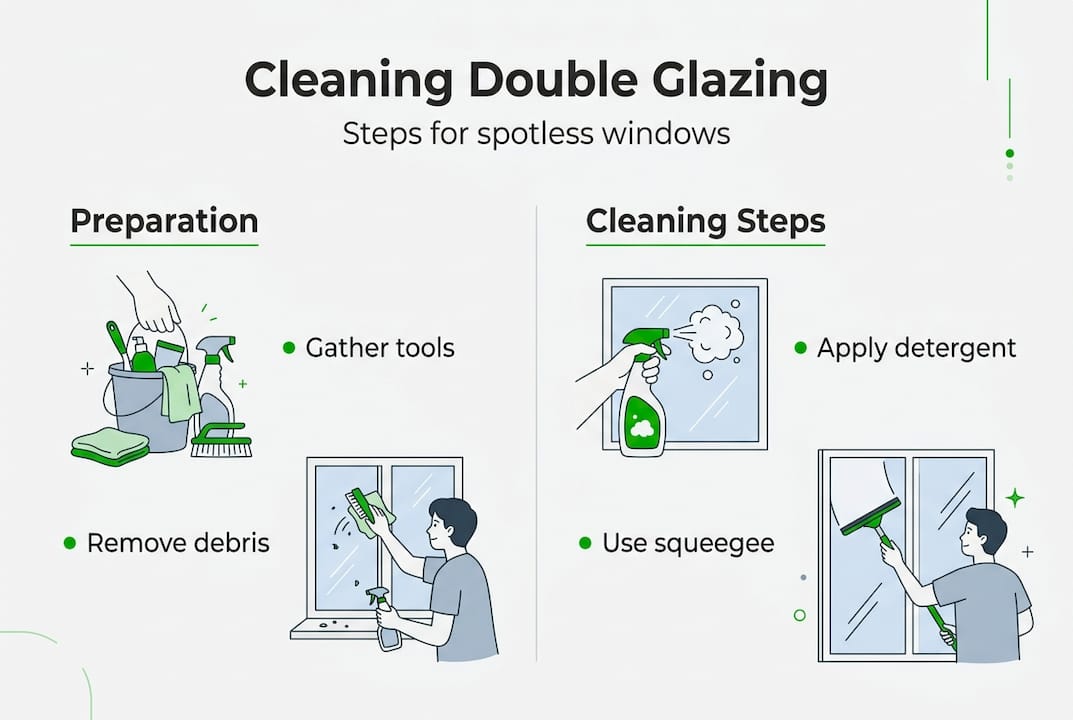
Before applying any cleaning solution, remove loose dirt and debris from window frames, sills, and tracks using a soft brush or vacuum attachment. This prevents scratching the glass when you begin washing. Check the weather forecast and avoid cleaning in direct sunlight, which causes cleaning solutions to dry too quickly and leave streaks. Similarly, freezing temperatures can make water-based solutions ineffective and potentially damage seals. Early morning or late afternoon on an overcast day provides ideal conditions for streak-free results.
Proper tools and preparation ensure cleaning effectiveness and prevent damage. Taking time to prepare your workspace and select appropriate materials protects your investment and delivers superior outcomes.
| Tool | Purpose | Caution |
|---|---|---|
| Mild detergent | Breaks down grime without harsh chemicals | Avoid ammonia-based or abrasive cleaners |
| Soft cloth or sponge | Gentle cleaning without scratching | Replace worn materials that may scratch |
| Squeegee | Removes water for streak-free finish | Wipe blade after each pass |
| Microfiber cloth | Dries edges and polishes glass | Use clean, lint-free cloths only |
| Bucket with warm water | Dilutes cleaning solution | Change water when dirty |
Pro Tip: Microfiber cloths trap dirt particles more effectively than cotton towels and leave virtually no lint behind, giving you a polished, professional finish every time you maintain your double glazed windows.
Step-by-step guide to cleaning your double glazing effectively
Following a methodical approach ensures thorough cleaning without missing critical areas or causing accidental damage. This sequence has been refined through years of professional window care and delivers consistent results for both residential and commercial properties.
- Begin by rinsing each window with clean water using a gentle spray or damp cloth to remove loose dirt, pollen, and surface debris that could scratch the glass during cleaning.
- Mix a small amount of mild washing-up liquid into your bucket of warm water, creating a gentle cleaning solution that cuts through grime without harming seals or coatings.
- Dip your soft cloth or sponge into the solution, wring out excess water, and apply it to the glass using circular motions with light pressure, working from top to bottom to prevent drips on already cleaned areas.
- Pay special attention to window frames, hinges, and rubber seals, wiping away accumulated dirt and checking for signs of wear or damage as you clean, but avoid saturating these areas with excessive moisture.
- Position your squeegee at the top corner of the glass and pull it down in a smooth, continuous stroke, slightly overlapping each pass and wiping the blade with a clean cloth after every stroke to prevent streaking.
- Use a dry microfiber cloth to wipe edges, corners, and frames thoroughly, removing any remaining moisture that could lead to water spots or damage to surrounding materials.
- Inspect your work from different angles and lighting conditions, addressing any missed spots or streaks immediately while the surface is still accessible.
A systematic cleaning process improves clarity and window performance. This methodical approach ensures every surface receives proper attention without wasting time or materials.
Pro Tip: Tackle window cleaning on overcast days when diffused light makes it easier to spot streaks and the slower drying time gives you more working time before the cleaning solution evaporates, following proven double glazing care tips 2026 guidelines.
Common mistakes and troubleshooting when cleaning double glazing
Even experienced cleaners sometimes fall into traps that compromise results or damage their windows. Understanding these pitfalls helps you avoid costly mistakes and maintain your double glazing properly.
Many people reach for powerful household cleaners thinking stronger chemicals mean better results, but abrasive or ammonia-based products can degrade window seals and protective coatings. These harsh substances may initially appear to work brilliantly but often leave invisible damage that manifests months later as seal failure or condensation problems. Similarly, excessive water applied to timber frames can cause warping, swelling, or rot over time, particularly if moisture seeps into joints or unsealed wood.
The most frequent errors include:
- Neglecting to clean frames and seals whilst focusing solely on glass, allowing dirt buildup that eventually damages these critical components
- Skipping the drying step and leaving water to evaporate naturally, which creates unsightly water spots and potential moisture damage
- Using paper towels or rough cloths that leave lint and may scratch protective coatings
- Applying excessive pressure whilst scrubbing, which can damage seals or even crack glass in extreme cases
- Cleaning in direct sunlight when solutions dry too quickly, leaving stubborn streaks
If you notice persistent condensation appearing between the glass panes rather than on the surface, cleaning alone cannot resolve this issue. This symptom typically indicates failed seals or trapped moisture within the sealed unit itself, requiring professional assessment and likely replacement of the affected glazing unit. Attempting to drill holes or separate the panes yourself will only worsen the problem and void any remaining warranty.
Handle all cleaning materials gently and avoid applying pressure to seals or glass edges. Patience and proper technique deliver better results than aggressive scrubbing, protecting your investment whilst achieving superior clarity.
When troubleshooting persistent problems, consider whether environmental factors like high humidity, poor ventilation, or temperature extremes might be contributing to recurring issues. Sometimes the solution involves improving airflow or adjusting heating patterns rather than changing your cleaning approach. If problems persist despite proper cleaning and maintenance, consult specialists who can diagnose underlying issues before they escalate into expensive repairs.
Verifying results and maintaining your double glazing post-cleaning
Completing the cleaning process is only half the battle; confirming quality results and establishing ongoing maintenance routines ensures your windows stay pristine and efficient between deep cleaning sessions.
Immediately after finishing, inspect each window carefully:
- View the glass from multiple angles in different lighting conditions to identify any remaining streaks, water spots, or missed areas that need attention.
- Check all edges and corners where water might have pooled, wiping away any moisture before it dries and leaves marks.
- Examine seals and frames for signs of damage, wear, or deterioration that might require repair or monitoring.
- Test window operation by opening and closing each unit to ensure cleaning hasn’t affected hinges or locking mechanisms.
- Look for any condensation forming between panes, which would indicate seal failure requiring professional attention.
Establishing a regular maintenance schedule prevents costly repairs and maintains energy efficiency. Most experts recommend comprehensive cleaning at least twice yearly, typically in spring and autumn when weather conditions are most favourable. However, properties in coastal areas, near busy roads, or in industrial zones may benefit from quarterly cleaning due to increased exposure to salt, pollution, and airborne contaminants.
Between scheduled deep cleans, implement these routine maintenance practices:
- Wipe down frames and sills monthly to prevent dirt accumulation that becomes harder to remove over time
- Keep drainage holes clear by gently probing with a thin wire or pipe cleaner to prevent water buildup that can damage frames
- Inspect seals quarterly for cracks, gaps, or deterioration that could allow moisture infiltration
- Address minor issues immediately before they develop into major problems requiring expensive repairs
- Maintain consistent indoor humidity levels between 40-60% to minimise condensation and reduce cleaning frequency
- Ensure adequate ventilation in rooms with double glazing to prevent moisture buildup on glass surfaces
Documenting your maintenance activities in a simple log helps you track patterns, identify recurring issues, and demonstrate proper care if warranty claims become necessary. Note the date, cleaning products used, any problems discovered, and actions taken. This record proves invaluable when troubleshooting persistent issues or consulting with professionals about potential repairs. Understanding your double glazing options explained helps you make informed decisions about maintenance priorities and replacement timing.
Discover expert double glazing repair and replacement services
Whilst proper cleaning and maintenance significantly extend the life of your double glazing, some issues require professional intervention to resolve properly. Condensation between panes, failed seals, damaged glass, or compromised frames cannot be fixed with cleaning alone. Cloudy2Clear Windows has specialised in double glazing repairs & glass replacement throughout the UK since 2005, helping homeowners and businesses restore window performance without the expense of complete replacements.

Our experienced technicians can assess your windows, identify the root cause of problems, and recommend cost-effective solutions tailored to your specific situation. Early intervention often prevents minor issues from escalating into major failures requiring complete unit replacement. Whether you need seal repairs, glass replacement, or advice on maintaining your existing windows, our team brings decades of expertise to every project.
Professional care extends window lifespan and maintains energy efficiency, protecting your investment whilst ensuring your property looks its best year-round.
Contact Cloudy2Clear Windows today for a comprehensive evaluation and discover how our specialist services can restore clarity, efficiency, and value to your double glazing.
FAQ
How do I clean double glazed windows without leaving streaks?
Use a quality squeegee with smooth, continuous strokes from top to bottom, wiping the blade with a clean cloth after each pass to prevent transferring dirt back onto the glass. Follow up immediately with a dry microfiber cloth to wipe edges and corners where water tends to pool. Clean on overcast days or in shade to prevent cleaning solutions from drying too quickly, which is the primary cause of stubborn streaks.
What causes condensation inside double glazed windows?
Condensation appearing between the glass panes rather than on the surface indicates failed seals or trapped moisture within the sealed unit itself. This problem cannot be resolved through cleaning and typically requires professional repair or complete unit replacement. External condensation on glass surfaces is normal and can be managed through proper ventilation and humidity control, but internal condensation signals structural failure that compromises both appearance and insulation performance. Learn more about causes of condensation in double glazing to identify whether your issue requires professional attention.
How often should I clean and maintain my double glazed windows?
Experts recommend thorough cleaning at least twice per year, typically in spring and autumn, to maintain optimal clarity and performance. Properties exposed to coastal salt air, heavy traffic pollution, or industrial contaminants may benefit from quarterly cleaning to prevent buildup that becomes progressively harder to remove. Regular inspections during cleaning sessions help identify developing issues early, allowing you to address minor problems before they require expensive repairs. Following recommended double glazing maintenance frequency guidelines ensures your windows deliver maximum energy efficiency and lifespan.
Can I use vinegar or other home remedies to clean double glazing?
Whilst diluted white vinegar can be effective for removing water spots and light grime, avoid using it regularly as the acidity may gradually degrade rubber seals and protective coatings over time. Stick with mild washing-up liquid and warm water for routine cleaning, reserving vinegar solutions only for stubborn mineral deposits that resist gentler methods. Never use undiluted vinegar, bleach, or other harsh household chemicals that can permanently damage seals and void manufacturer warranties.
What should I do if my double glazed windows have scratches on the glass?
Minor surface scratches may be polished out using specialist glass polishing compounds available from hardware stores, but deep scratches that catch your fingernail typically require professional glass replacement. Attempting to repair significant scratches yourself often makes them more visible or damages surrounding areas. Consult a professional glazier to assess whether polishing is viable or if replacement represents the more cost-effective solution for maintaining both appearance and performance.