Many owners of traditional properties believe that improving their windows means choosing between keeping the original look and making the building warmer and more efficient. This assumption stops countless homeowners and business owners from taking action, leaving them with draughty rooms and rising energy bills. Heritage glazing challenges that idea directly. It offers a range of carefully considered solutions that protect the historic character of your property while genuinely improving comfort and performance. This guide covers what heritage glazing is, how it works in practice, which options suit different property types, and what you need to know before starting a project.
What is heritage glazing?
Heritage glazing refers to glass systems designed to replicate or preserve the original appearance of traditional windows in period properties. If your home or business occupies a building constructed before the 1930s, or if it sits within a conservation area or holds listed status, you are likely dealing with windows that cannot simply be swapped out for standard modern units.
Standard double glazing uses chunky frames and thick sealed units that look entirely out of place in a Georgian townhouse or a Victorian warehouse conversion. Heritage glazing is different. It uses slim profiles, high-clarity glass, and installation techniques that minimise any visible change to the window’s appearance. The goal is to preserve what makes the building distinctive while quietly improving its performance.
“Historic England and the Society for the Protection of Ancient Buildings (SPAB) are clear on this: prioritise repair over replacement, apply minimum intervention, and retrofit energy efficiency through slim glazing or secondary glazing without altering the historic fabric of the building.”
This guidance shapes everything about how responsible heritage glazing projects are planned and delivered. Technical advice from Historic England recommends targeting U-values (a measure of heat loss through glass, where lower is better) of approximately 1.6 W/m²K where possible, without compromising the building’s historic character.
Heritage glazing applies across a wide range of window types. Victorian sash windows, Edwardian casements, Georgian small-pane windows, and even church and chapel glazing all fall within its scope. Understanding the different sash window styles available helps you appreciate how repair and retrofitting can serve these windows well without wholesale replacement.
Key principles of heritage glazing include:
- Repair before replacement: fixing existing frames, sashes, and glass rather than removing them
- Minimum intervention: making only the changes necessary to achieve the desired improvement
- Authentic appearance: matching the profile, glass texture, and proportions of original windows
- Regulatory compliance: working within planning and listed building consent requirements
Types of heritage glazing solutions
Now that the meaning and requirements of heritage glazing are clear, we examine the main types available and how each fits traditional property needs.
There is no single answer to heritage glazing. The right solution depends on your property’s age, its listed or conservation status, the condition of existing frames, and your energy performance goals. Here is a breakdown of the main categories.
| Solution | Typical use | Energy benefit | Visual impact |
|---|---|---|---|
| Single glazing repair | Grade I listed, ancient fabric | Low, but stops draughts | None, fully authentic |
| Slim double glazing | Conservation areas, unlisted period homes | Moderate to good | Minimal if well specified |
| Secondary glazing | All heritage property types | Good | Visible internally only |
| Vacuum glazing (VIG) | Listed buildings, conservation areas | Excellent | Very low, near-invisible |
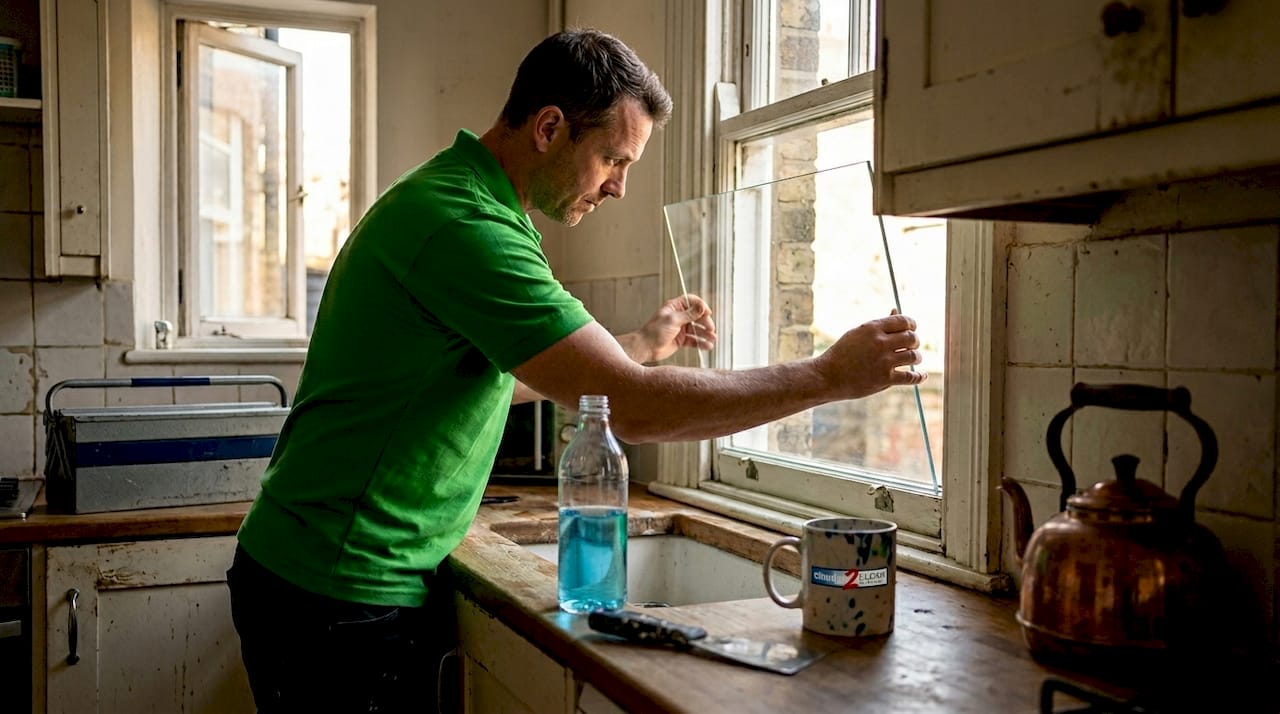
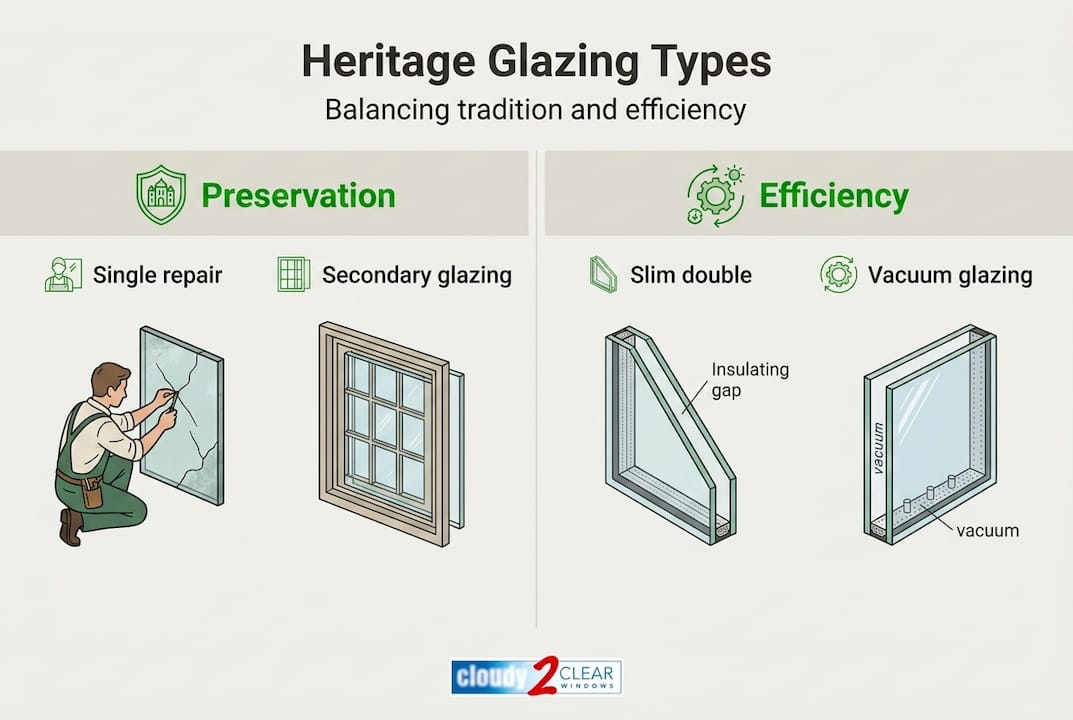
Single glazing repair is appropriate where any form of replacement glass would require listed building consent that is unlikely to be granted. Skilled glaziers can re-putty and reseat original crown or cylinder glass, dramatically reducing draughts at minimal cost and with no change to appearance.
Slim double glazing uses sealed units as thin as 12mm overall, compared to the 24mm or more used in standard double glazing. These slimmer units fit within existing rebates (the grooves in frames that hold the glass) in many period windows. The result is a genuine improvement in thermal performance while keeping the outward appearance almost identical to the original.
Secondary glazing involves fitting a separate, discreet glazed panel on the inside of an existing window. It is entirely reversible, requires no alteration to the historic window itself, and is widely accepted by conservation officers even for Grade I listed buildings. It can also provide excellent acoustic insulation, which matters greatly if your property sits on a busy road or in a city centre.
Vacuum insulated glazing (VIG) is the most technically advanced option. Two panes of glass are separated by a tiny vacuum gap, achieving thermal performance comparable to standard double glazing in a unit just 6 to 8mm thick. Vacuum glazing is increasingly accepted as “indistinguishable from single glazing” by planning authorities. It represents a significant investment but delivers outstanding results where other options are not viable.
Pro Tip: Always commission a professional survey before deciding which solution suits your property. Conservation officers can indicate their preferred approach before you spend money on specifications. Early consultation avoids costly revisions later.
The energy savings from sash replacement and the growing range of sustainable window options now available mean that heritage properties no longer have to lag behind modern buildings on efficiency grounds.
Balancing heritage requirements with energy efficiency
With the main types of heritage glazing summarised, we move on to address the practical challenge: combining strict conservation rules with the drive for energy efficiency.
The UK’s Approved Document L sets out the energy performance standards that new and replacement windows must meet. For most replacement glazing in domestic properties, the target centre-pane U-value is 1.4 W/m²K or better. However, heritage properties often benefit from exemptions or relaxed targets where meeting the full standard would require unacceptable changes to historic fabric.
In practice, Part L regulations for windows allow for “reasonable provision” when working on traditional buildings. This means the target shifts to achieving the best energy performance that is practically achievable without harming historic character. A U-value of around 1.6 W/m²K is often cited as a realistic and acceptable target for heritage retrofits.
| Intervention | Typical U-value achievable | Cost range (per window) | Planning risk |
|---|---|---|---|
| Draughtproofing only | 3.0 to 4.5 W/m²K | £100 to £300 | Nil |
| Single glazing repair | 4.5 to 5.0 W/m²K | £150 to £400 | Nil |
| Secondary glazing | 1.8 to 2.2 W/m²K | £300 to £900 | Very low |
| Slim double glazing | 1.4 to 1.8 W/m²K | £500 to £1,200 | Low to moderate |
| Vacuum glazing | 1.0 to 1.5 W/m²K | £1,000 to £2,500 | Low |
Even simple draughtproofing, which costs relatively little, can reduce heat loss through a traditional sash or casement window by up to 40%. This is often the first step recommended by conservation specialists before any glazing upgrade is considered.
Understanding why window frames matter is also critical. A well-specified slim double-glazed unit installed into a rotting or poorly fitted frame delivers far less benefit than the same unit properly bedded into a sound, well-maintained timber frame. The frame is part of the thermal envelope, not just a decorative surround.
Practical retrofit strategies that respect historic fabric include:
- Draughtproofing all opening sashes and casements before considering glazing changes
- Installing secondary glazing on the inside of original single-glazed windows
- Replacing cracked or broken single glass with slim double or vacuum units within the same rebate
- Using thermally broken slim aluminium or timber slim-profile frames where full replacement is approved
Common challenges and expert solutions
Energy efficiency and heritage compliance are only half the equation. Here are the practical obstacles and proven solutions that ensure lasting results.
Heritage glazing projects can throw up unexpected complications. Knowing what to watch for saves time, money, and considerable frustration.
- Arched and curved windows: Standard sealed units are rectangular. Arched windows, common in Victorian and Georgian buildings, require custom-made curved or arched units. Vacuum glazing can now be produced in curved formats, though this adds significantly to cost and lead time.
- Grade I listed buildings: The highest category of listed protection imposes strict limits on what can be changed. In most cases, repair and secondary glazing are the only realistic options. Replacement glazing, even of the most sympathetic kind, often requires a strong conservation justification.
- Coastal and high-wind locations: Windows in exposed coastal positions face accelerated deterioration from salt air and driving rain. Sealed units in these locations may need reinforced glass and enhanced edge sealing. Technical guidance from Historic England recommends reinforced units for high-exposure buildings.
- Failed seals and condensation: One of the most common problems in any glazing, heritage or modern, is the failure of the seal between the panes in a double-glazed unit. When the seal breaks down, moist air enters the gap and condenses on the inner surfaces, creating that characteristic cloudy or misty appearance. In heritage properties, this is compounded by the fact that low ventilation rates and thermal bridges in old frames can drive condensation further. Understanding how to prevent window seal failures and identify and solve types of window condensation is essential for long-term success.
“Failed seals are the single most common heritage glazing complaint we encounter. The solution is not always a replacement unit: improving ventilation and addressing cold bridging in the frame often resolves the problem without further cost.”
Pro Tip: If you notice condensation between the panes, do not ignore it. Left untreated, the moisture encourages mould growth in the frame and can cause timber rot. Act early and the repair is almost always straightforward and affordable.
The process: heritage glazing projects step by step
Armed with knowledge about challenges and solutions, you are ready for a breakdown of what a heritage glazing project really involves.
A well-managed heritage glazing project follows a clear sequence. Cutting corners at any stage is the surest way to encounter delays, extra costs, or a refusal from the planning authority.
- Initial survey: A specialist surveys the property, assessing the condition of existing frames, glass, and ironmongery, and identifying the most appropriate glazing solution for each window.
- Conservation officer consultation: Before any specification is finalised, contact your local planning authority’s conservation officer. Their informal guidance, even before a formal application, shapes the entire project. Always consult early and document the advice you receive.
- Specification and design: The glazing contractor prepares detailed drawings and specifications showing exactly what will change and what will remain. For listed buildings, this document forms part of the consent application.
- Planning approvals: Depending on the building’s status and the scope of work, you may need listed building consent, planning permission, or both. In some cases, a straightforward secondary glazing installation requires no formal approval at all.
- Installation: Skilled craftspeople carry out the installation, often working in occupied buildings and in sensitive historic interiors. Quality control at this stage is critical, particularly for the bedding and sealing of units.
- Aftercare and maintenance: Heritage glazing requires ongoing maintenance. Annual checks of putty, seals, ironmongery, and drainage channels keep the windows performing well for decades.
Pro Tip: Photograph every stage of the project, including the existing condition before work starts. This record is invaluable if any dispute arises with the planning authority or a future owner of the property.
The detailed process for heritage double glazing projects is worth reviewing in full before you begin planning your own work.
Why minimal intervention is usually best for heritage glazing
Here is a hard-won lesson from years working within conservation regulations and with historic building fabric: the instinct to replace is almost always wrong.
Many property owners approach a heritage glazing project believing that newer, thicker, or more technically sophisticated automatically means better. In reality, the opposite is often true. A well-repaired original sash window, fitted with draughtproofing and a discreet secondary glazing panel, frequently outperforms a poorly specified slim double-glazed replacement in both thermal performance and longevity.
Original timber frames, when maintained properly, last for centuries. The same cannot be said of many modern window systems. The guidance from Historic England is unambiguous on this: repair and minimum intervention are not just regulatory preferences; they are genuinely the most intelligent approach in most situations.
There is also a financial argument. Replacing every window in a listed Victorian terrace can cost tens of thousands of pounds and may still not achieve the energy performance that a carefully executed secondary glazing programme delivers at a fraction of the price. The money saved is better spent on insulating the roof or upgrading the heating system, where the thermal gains are far larger.
The most rewarding heritage glazing projects we see are those where the owner respects the building’s fabric. Working with conservation rules, rather than trying to find ways around them, produces results that improve comfort, reduce bills, and protect the long-term value of the property. Exploring the full range of sash window options often reveals that repair and retrofitting deliver exactly what owners were hoping to achieve with a full replacement, without the cost, disruption, or regulatory risk.
See how Cloudy2Clear brings heritage glazing solutions to the UK
If you own a period property or manage a heritage commercial building, getting the glazing right matters enormously. At Cloudy2Clear Windows, we have been helping homeowners and businesses across the UK with glazing repairs and replacements since 2005. Our experience spans both private and commercial properties, including conservation areas and listed buildings.

Whether you need a professional window replacement that meets heritage requirements or specialist commercial window repair for a historic business premises, our local teams are ready to help. We understand how conservation officers think, what specifications work, and how to deliver results that protect both your property’s character and your comfort. Find your local Cloudy2Clear specialist and take the next step with confidence.
Frequently asked questions
Can I install double glazing in a listed building?
You can often install slim or secondary glazing in listed properties, but always consult your local conservation officer and gain proper listed building consent before any work begins.
What is the most energy-efficient heritage glazing solution?
Vacuum glazing and slimline double glazing offer the strongest energy efficiency gains while maintaining a look that is virtually indistinguishable from original single glazing.
How can I prevent condensation in heritage glazing?
Ensure window seals are in good condition and maintain adequate ventilation throughout the property, as failed seals and poor ventilation are the leading causes of condensation and mould in heritage glazing.
Is it better to repair or replace old heritage windows?
Experts recommend repair and retrofit wherever possible, as this preserves the historic fabric of the building, is more likely to satisfy conservation requirements, and often delivers better long-term value than full replacement.