Traditional windows demand more from you than most people realise. The recurring cleaning and maintenance costs of standard glazing add up steadily over the years, eating into your time and budget without much fanfare. Rotting timber frames, condensation between panes, and glass that seems to attract grime the moment you’ve cleaned it are all familiar frustrations. Low-maintenance glazing addresses each of these pain points directly, using modern materials and coatings to reduce the work your windows demand. This article explains what low-maintenance glazing actually is, why it matters for homes and businesses across England and Scotland, and how to choose the right solution for your property.
Understanding low-maintenance glazing: what makes it different?
Now that you know why traditional glazing means constant work, let’s clarify what ‘low-maintenance glazing’ actually is and how it’s designed to simplify your life.
Low-maintenance glazing is not a single product. It is a category of window solutions that combines self-cleaning technologies with durable, weather-resistant materials to reduce how much attention your windows need over time. Think of it as the difference between a car that needs waxing every month and one with a factory-applied protective coating that repels water and dirt for years.
The core technologies that define this category include:
- Self-cleaning glass coatings: A microscopic titanium dioxide layer bonds to the glass surface. Ultraviolet light breaks down organic dirt, and rainwater then washes it away cleanly rather than leaving streaks.
- Low-E glass: Low-emissivity (Low-E) glass has a thin metallic coating that reflects heat back into the room during winter and blocks solar heat gain in summer. It reduces energy loss without compromising light.
- uPVC and aluminium frames: Unlike timber, uPVC (unplasticised polyvinyl chloride) and aluminium frames do not rot, warp, or require regular painting. They hold their shape and colour across decades of use.
- Sealed double-glazed units: Modern units are factory-sealed to prevent moisture ingress, eliminating the condensation that clouds older windows from the inside.
A common misconception is that low-maintenance glazing is significantly more expensive or complicated to install than standard options. In practice, updating your double glazing to a low-maintenance specification adds modest cost upfront but removes years of repair and cleaning bills. It is also no more disruptive to fit than a standard replacement.
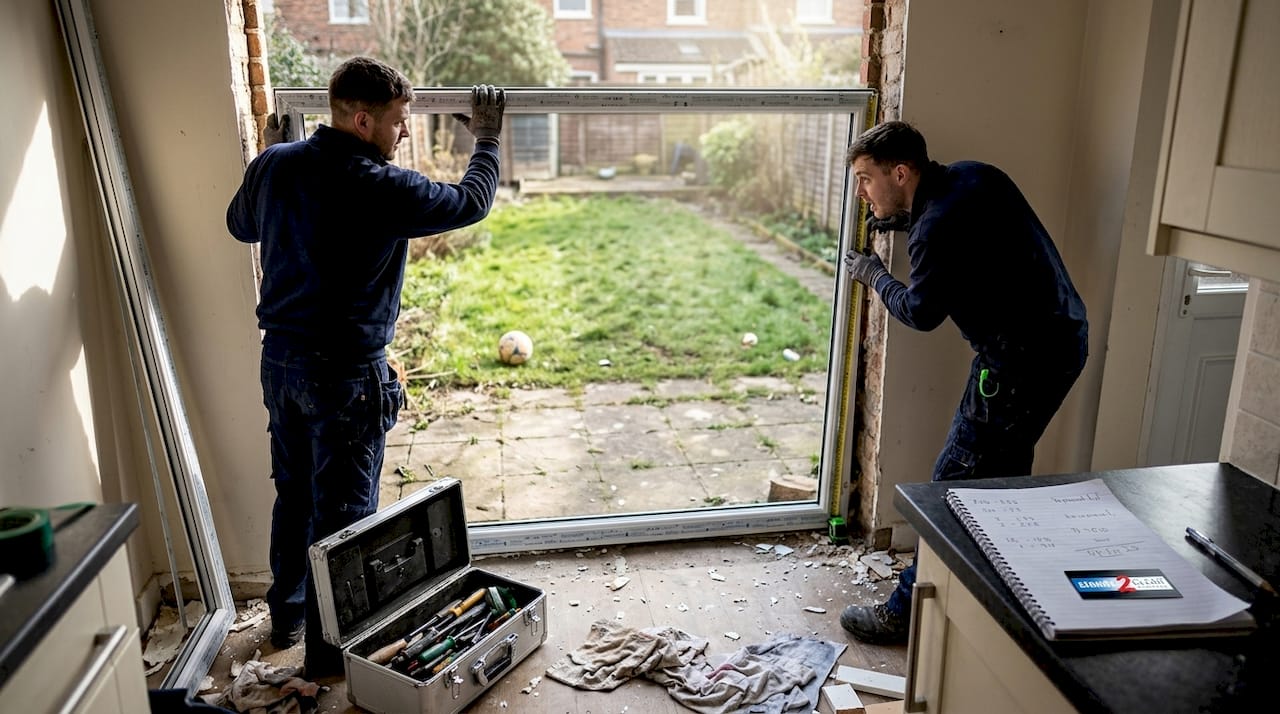
Pro Tip: Choose windows that combine both Low-E coatings and self-cleaning glass surfaces. Each technology works independently, but together they deliver noticeably better performance and genuinely reduce the effort your windows require year-round. You can find practical glazing care tips to keep even upgraded units performing at their best.
For broader context on energy-efficient upgrades across your property, glazing is consistently one of the highest-impact starting points.
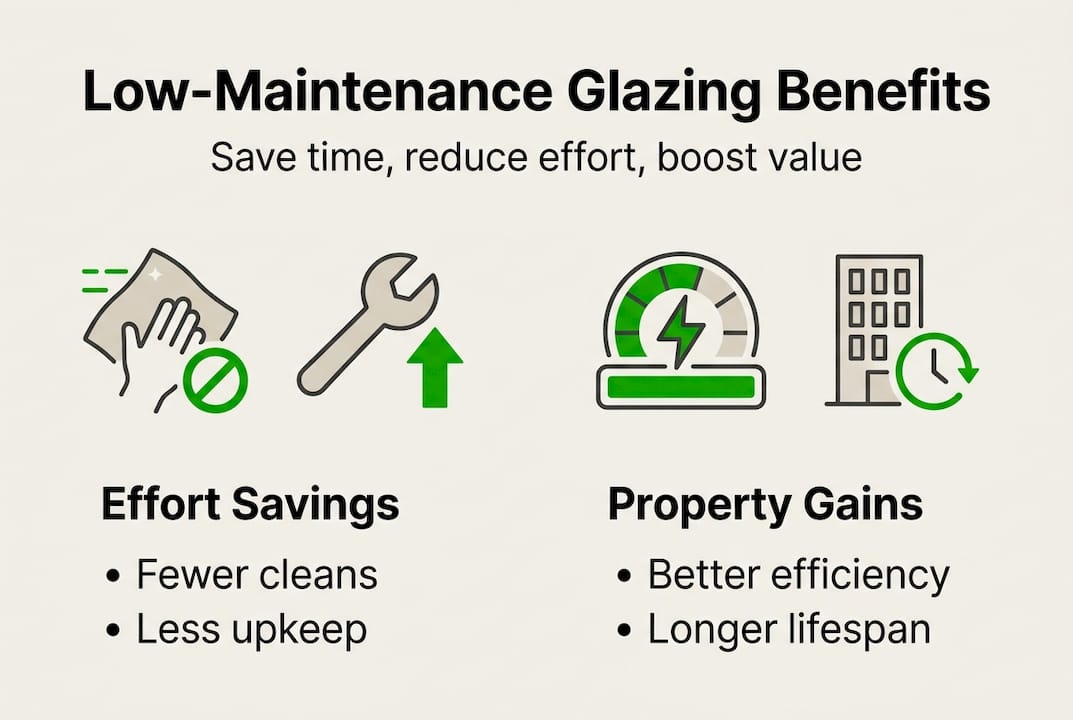
Key benefits of low-maintenance glazing for UK properties
With a clear picture of what defines low-maintenance glazing, it’s essential to understand the tangible benefits these solutions deliver for UK homes and businesses.
The advantages go well beyond saving time on cleaning. Here is what you can realistically expect:
- Reduced cleaning frequency: Self-cleaning coatings mean you may only need to rinse your windows occasionally rather than scrubbing them every few weeks.
- Lower energy bills: A-rated double glazing saves £140 a year compared to single glazing, a meaningful figure for any household or business operating across multiple years.
- Greater durability: uPVC and aluminium frames withstand the damp, variable conditions common across England and Scotland far better than timber alternatives.
- Fewer unexpected repair costs: Sealed, high-quality units are less prone to failure, meaning fewer call-outs and replacement jobs.
- Better property value: Energy-efficient glazing contributes positively to your EPC (Energy Performance Certificate) rating, which matters increasingly for both sales and lettings.
“Upgrading to energy-efficient glazing is one of the most reliable ways to improve both comfort and long-term property value, particularly in regions with colder, wetter climates like Scotland and northern England.”
You can explore our dedicated energy efficiency guide to understand exactly how your current windows perform and where the biggest gains lie. If you want to see what the numbers look like for your specific situation, our window replacement savings calculator gives you a personalised estimate.
For properties looking to improve their standing, improving EPC ratings through glazing upgrades is a well-established route that surveyors and estate agents recognise.
Comparing low-maintenance glazing with other options
Knowing why low-maintenance glazing stands out, it’s logical to see how it compares to other popular choices on the market.
| Glazing type | Maintenance level | Typical lifespan | Energy performance | Relative cost |
|---|---|---|---|---|
| Single glazing | High | 20-30 years | Poor | Low upfront, high running |
| Standard double glazing | Moderate | 20-25 years | Good | Moderate |
| Low-maintenance double glazing | Low | 25-35 years | Very good | Moderate to slightly higher |
| Triple glazing | Low to moderate | 25-35 years | Excellent | High |
One issue that rarely gets discussed is argon gas degradation. Argon gas is used between panes to improve insulation, but gas retention can fall from 90% to as little as 1% after 10 to 25 years, noticeably reducing thermal performance. This affects standard double and triple glazing alike, making the quality of the sealed unit just as important as the number of panes.
Triple glazing is often presented as the premium choice, but for most UK properties it is over-specified. You can read more about triple glazing explained to weigh it up properly. In most cases, well-specified low-maintenance double glazing delivers comparable comfort at lower cost.
Here is a practical framework for evaluating the right option for your property:
- Assess your current glazing: Is it single-glazed, or older double glazing showing signs of seal failure or condensation?
- Consider your climate: Properties in Scotland or exposed northern locations benefit most from Low-E coatings and quality seals.
- Set a realistic budget: Factor in running costs and cleaning time, not just the purchase price.
- Check frame condition: Frames in poor condition undermine even the best glass. Replacing both together gives the best result.
- Avoid over-specifying: Read our guide on choosing energy-efficient glazing before committing to premium options you may not need.
Pro Tip: Prioritise the features most relevant to your region. A coastal property in Scotland needs excellent weather resistance. A city-centre office in England may benefit more from solar control coatings. Matching the specification to your actual conditions saves money and avoids unnecessary upgrades. See our advice on minimising glazing costs for more practical guidance.
Special considerations: period homes, heritage sites, and unique buildings
Beyond modern homes and offices, what about historic buildings and unique architectural gems? Special solutions exist for these scenarios too.
Older and listed buildings present genuine challenges. Planning regulations often restrict the types of changes you can make, and preserving the original character of a building is frequently a condition of any approval. Yet these properties are also among the least energy-efficient, making upgrades both desirable and complicated.
The good news is that Low-E glazing can be used in heritage sash windows to meet building regulations without altering the original appearance. Specialist manufacturers produce slim-profile double-glazed units that fit within existing frames, maintaining the visual character of the window while dramatically improving thermal performance.
“Sensitive glazing upgrades in period properties preserve both their market value and their architectural beauty, without compromising the features that make them special.”
Self-cleaning coatings can also be applied to sash and casement window styles, meaning even older properties can benefit from reduced maintenance without looking out of place.
| Upgrade type | Suitable for listed buildings | Preserves appearance | Meets building regs | Maintenance benefit |
|---|---|---|---|---|
| Slim-profile Low-E double glazing | Yes | Yes | Yes | High |
| Secondary glazing | Yes | Mostly | Yes | Moderate |
| Self-cleaning coatings on existing glass | Often yes | Yes | Yes | High |
| Full uPVC replacement | Rarely | No | Yes | Very high |
Understanding how glazing choices affect property value and glazing is particularly important for period properties, where the wrong upgrade can reduce rather than increase value. For those navigating heritage EPC upgrades, specialist advice is always worthwhile before committing to any changes.
The overlooked costs and real-world gains of low-maintenance glazing
Most guides focus on upfront price comparisons and energy ratings. What they rarely discuss is the quieter, ongoing cost of owning windows that demand constant attention.
We have spoken with many homeowners and business managers over the years who underestimated how much time and money they were spending on their windows before upgrading. It is not just the occasional clean. It is the call-out when a seal fails, the repainting of timber frames every few years, the replacement of a unit that has clouded over. These costs are unpredictable and inconvenient, and they accumulate in ways that are easy to overlook until you stop experiencing them.
Low-maintenance glazing removes most of that uncertainty. Once fitted, you largely forget your windows are there, which is exactly how it should be. The science behind heat loss reduction also means your home or business stays more comfortable without extra effort on your part.
The real-world gain is not just financial. It is the peace of mind that comes from knowing your windows are working quietly in the background, protecting your property and keeping your energy bills predictable.
Pro Tip: When comparing glazing options, calculate the total cost of ownership over ten years, including cleaning, repairs, and energy use. The upfront price difference between standard and low-maintenance glazing often disappears entirely within three to five years.
Explore low-maintenance glazing solutions for your property
You now have a solid understanding of what low-maintenance glazing offers and how to choose the right option for your situation. The next step is finding the right team to make it happen.

At Cloudy2Clear Windows, we have been helping homeowners and businesses across England and Scotland since 2005. Whether you need replacement glass solutions for failed units, a full upgrade to low-maintenance double glazing, or specialist commercial glazing services for your business premises, our regional teams are ready to help. If you are based in the south, our repair services in Oxford are a great starting point to see what local support looks like. Get in touch today and let us take the maintenance worry off your hands.
Frequently asked questions
How does low-maintenance glazing reduce cleaning time?
Special self-cleaning coatings and non-porous materials break down organic dirt using ultraviolet light and allow rainwater to rinse it away, significantly reducing the need for manual cleaning.
Is low-maintenance glazing more expensive than standard options?
The initial cost may be slightly higher, but energy savings of £140 per year compared to single glazing, combined with reduced repair bills, typically offset the difference within a few years.
Can I install low-maintenance glazing in a listed or period property?
Yes. Specialist slim-profile Low-E units can preserve the traditional appearance of sash or casement windows while meeting modern energy regulations, making them suitable for many heritage properties.
How long do low-maintenance glazed units last?
Most units last several decades, though it is worth noting that argon gas retention can fall from 90% to as little as 1% after 10 to 25 years, so unit quality and seal integrity matter greatly.
Is triple glazing always better for UK homes?
Not necessarily. Triple glazing provides extra insulation but is often unnecessary for most UK properties. High-quality low-maintenance double glazing delivers excellent performance at a more practical cost for the majority of homes and businesses.