Many homeowners assume that improving window efficiency means replacing the entire window with double glazing. However, understanding the difference between primary and secondary glazing opens up more options, particularly for heritage properties in England and Scotland. Primary glazing refers to your original window panes, whilst secondary glazing involves adding an internal layer to boost insulation. Knowing which solution fits your property type, budget, and energy goals helps you make smarter decisions about reducing heating costs and improving comfort without unnecessary disruption or expense.
Understanding primary and secondary glazing
Primary glazing forms the main barrier between your interior space and the outside world. It includes your original window panes, whether single glazed or factory-fitted double glazed units sealed within the window frame. When people discuss upgrading primary glazing, they typically mean replacing the entire window unit with modern, energy-efficient double or triple glazing. This approach delivers maximum thermal performance but involves significant structural work, higher costs, and potential planning hurdles for heritage properties.
Secondary glazing takes a different approach entirely. Rather than replacing your existing windows, you add a supplementary internal layer that creates an insulating air gap between the original glass and your living space. This retrofit solution proves particularly valuable for listed buildings in England and Scotland because it’s completely reversible and preserves the external appearance of historic windows. The Energy Saving Trust confirms that secondary glazing rarely requires planning permission, making it an accessible option for property owners facing conservation restrictions.
The installation process for secondary glazing is remarkably straightforward:
- Measurements taken from inside the property with no external scaffolding required
- Slim aluminium or uPVC frames fitted to the window reveal using unobtrusive fixings
- Glazing panels slide, hinge, or lift out for ventilation and cleaning access
- Complete installation typically finished within a day per room
- Original windows remain untouched and fully functional
Pro tip: If you live in a conservation area or own a listed building, always check with your local planning authority before any window work. Secondary glazing’s reversible nature means it’s usually exempt from planning requirements, but confirming this beforehand prevents costly complications.
Historic England and Historic Scotland both recognise secondary glazing as an appropriate method for improving energy efficiency in period properties. The technique respects original architectural features whilst delivering measurable thermal benefits. For business owners operating from heritage premises, this solution maintains street scene aesthetics whilst cutting heating bills and improving staff comfort. The air gap created between primary and secondary layers also provides excellent acoustic insulation, particularly valuable in busy urban locations where traffic noise affects productivity or residential peace.
Comparing costs and energy efficiency
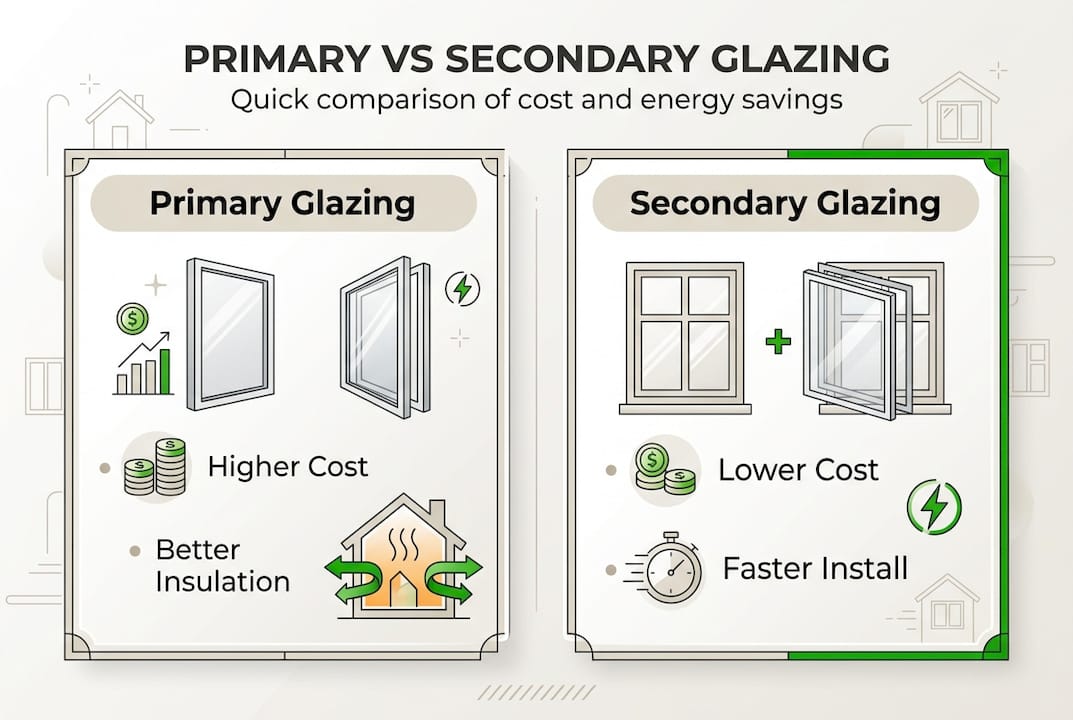
Budget considerations often drive glazing decisions, and the financial differences between primary and secondary options are substantial. Secondary glazing costs £300-£800 per window, making it 40-60% cheaper than replacing primary glazing with new double glazed units at £500-£1,500 per window. For a typical three-bedroom home with 12 windows, this translates to potential savings of £2,400-£8,400 on the initial investment. The lower cost doesn’t just benefit your immediate budget; it also shortens the payback period significantly.
Energy savings vary based on your starting point and chosen solution. The Energy Saving Trust reports that upgrading from single glazing to A-rated double glazing saves approximately £140 annually on heating bills for an average semi-detached home. Secondary glazing achieves heat loss reduction of 30-60%, with actual savings depending on the air gap width, seal quality, and your property’s specific characteristics. A 15-20mm air gap delivers optimal thermal performance, approaching the efficiency of factory-sealed double glazing in many installations.
| Cost factor | Primary glazing replacement | Secondary glazing |
|---|---|---|
| Material costs | £400-£1,200 per window | £250-£600 per window |
| Installation labour | £100-£300 per window | £50-£200 per window |
| Disruption period | 2-5 days for full house | 1-2 days for full house |
| Annual energy savings | £140+ for A-rated units | £80-£120 typically |
| Payback period | 8-12 years | 4-7 years |
| Lifespan | 20-25 years | 10-15 years with maintenance |
The return on investment calculation becomes particularly favourable for secondary glazing in heritage properties where double glazing replacement costs escalate due to specialist requirements. Listed building consent, bespoke manufacturing to match original profiles, and conservation area premiums can push primary glazing replacement costs 30-50% higher than standard installations. Secondary glazing avoids these premium charges entirely whilst still delivering meaningful thermal improvements.
Pro tip: Calculate your total lifecycle costs, not just the initial price tag. Whilst secondary glazing costs less upfront, primary double glazing replacement may prove more economical over 20 years if you plan to stay in the property long term. Factor in your expected occupancy period, property restrictions, and whether you need the acoustic benefits secondary glazing provides alongside thermal efficiency improvements.
Consider also the hidden costs of disruption. Replacing primary glazing means removing entire window units, potential redecorating of reveals and sills, and temporary loss of security during installation. Secondary glazing fits internally with minimal mess, no external access required, and rooms remain usable throughout the process. For businesses, this difference in disruption can mean the distinction between maintaining operations or closing temporarily, adding another dimension to the cost comparison.
Lifespan, maintenance and suitability considerations
Durability differs markedly between these two approaches. Factory-sealed double glazing units typically last 20-25 years before the seals degrade and condensation appears between panes. The hermetically sealed construction requires minimal maintenance beyond routine cleaning and occasional hinge or lock adjustments. Once installed, quality primary glazing performs reliably for decades with little intervention needed.
Secondary glazing demands more attention to maintain optimal performance. The separate panels require regular cleaning on both sides, seals need periodic inspection and replacement, and the opening mechanisms benefit from annual lubrication. Historic Scotland’s research acknowledges that whilst secondary glazing suits heritage properties perfectly, owners should expect a 10-15 year lifespan with proper care. The reversible nature that makes it ideal for listed buildings also means more components that can wear or require adjustment over time.
Property type fundamentally determines which solution makes most sense:
- Listed buildings and conservation areas: Secondary glazing preserves original windows whilst improving comfort and efficiency
- Heritage homes with original features: Maintains architectural integrity without permanent alterations
- Properties with planning restrictions: Avoids lengthy consent processes and potential refusal
- Modern homes without restrictions: Primary glazing replacement delivers maximum efficiency and lowest maintenance
- Commercial premises in historic buildings: Secondary glazing balances performance with preservation requirements
- Rental properties: Secondary glazing offers affordable improvements without major capital expenditure
Maintenance requirements for secondary glazing include:
- Clean both surfaces of primary and secondary panes every 2-3 months
- Inspect seals annually and replace if gaps or damage appear
- Lubricate sliding tracks and hinges with silicone spray twice yearly
- Check fixing points remain secure, particularly after severe weather
- Remove and store panels during summer if ventilation is priority
Historic England explicitly approves secondary glazing for heritage properties because it respects original fabric whilst addressing modern comfort needs. This endorsement carries significant weight when you’re weighing options for a listed building. The ability to remove secondary glazing completely without leaving permanent marks or alterations means future owners can make different choices, satisfying conservation officers’ concerns about reversibility. For properties with glazing bars, secondary glazing can be fitted to the overall window opening rather than matching each individual pane, simplifying installation whilst maintaining the external appearance.
Choosing the right glazing solution for your property
Making the right choice requires balancing multiple factors specific to your situation. Property heritage status sits at the top of the decision tree. If you own a listed building or property in a conservation area, secondary glazing typically provides the only practical route to improved thermal performance without triggering planning complications. The reversible nature and external appearance preservation make it the default choice for restricted properties, regardless of other considerations.
For unrestricted properties, follow this decision framework:
- Assess your budget constraints: Calculate what you can afford initially and whether financing options make primary replacement viable
- Evaluate your energy efficiency goals: Determine whether you need maximum performance or acceptable improvement at lower cost
- Consider your occupancy timeline: Longer stays favour primary replacement’s superior longevity and lower maintenance
- Measure disruption tolerance: Decide whether you can accommodate the mess and time required for full window replacement
- Factor in acoustic requirements: If noise reduction matters as much as thermal efficiency, secondary glazing often outperforms
- Choose your solution: Select based on the weighted importance of each factor for your specific circumstances
Secondary glazing excels in situations where acoustic insulation matters significantly. The air gap between primary and secondary layers, particularly when filled with acoustic foam reveals, can reduce noise transmission by 70-80%. This makes it invaluable for properties on busy roads, near airports, or in commercial districts where traffic noise affects quality of life. Primary double glazing also reduces noise, but the acoustic performance rarely matches well-installed secondary glazing with its larger air gap and separate pane vibration.
Pro tip: Consult specialists experienced with listed buildings before finalising your decision. Companies familiar with heritage property requirements understand the nuances of conservation area rules, can advise on appropriate solutions that satisfy planning officers, and know which products deliver best results without compromising original features. Their expertise prevents costly mistakes and ensures your chosen solution actually gets approved and installed correctly.
Energy efficiency goals also shape the right choice. If you’re targeting specific Energy Performance Certificate ratings for sale or rental purposes, primary glazing replacement with A-rated units provides the most reliable route to achieving higher bands. Secondary glazing improves thermal performance measurably but may not shift your EPC rating as dramatically. However, for heritage properties where EPC requirements have some flexibility, secondary glazing’s combination of cost, reversibility, and thermal improvement often represents the optimal balance.
Business owners face additional considerations around staff comfort, customer perception, and operational continuity. Secondary glazing allows phased installation by room or floor, minimising disruption to trading. The acoustic benefits improve working environments in noisy locations, potentially boosting productivity. For customer-facing premises in heritage buildings, maintaining original window aesthetics whilst improving internal comfort demonstrates respect for architectural heritage alongside modern business efficiency. The payback period for commercial secondary glazing often runs shorter than residential due to longer daily heating periods and higher energy costs.
Glazing solutions and services from Cloudy2Clear Windows
At Cloudy2Clear Windows, we’ve spent nearly two decades helping homeowners and businesses across England and Scotland make informed glazing decisions. Our expertise covers both primary glazing replacement and guidance on secondary glazing solutions tailored to your property’s specific requirements. Whether you’re managing a listed building in Leicester & Loughborough or upgrading a modern home in Milton Keynes, we understand that your space matters.

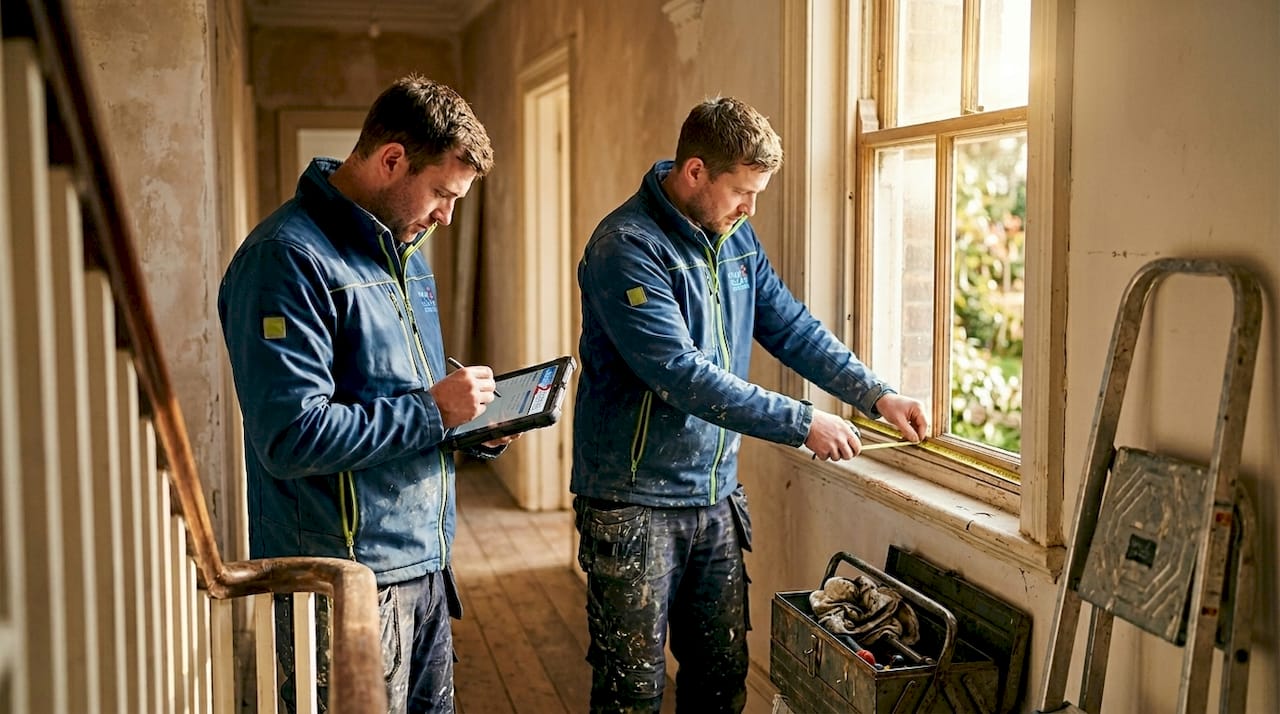
Our qualified surveyors assess your windows’ current condition, discuss your efficiency goals and budget parameters, then recommend solutions that balance performance with practicality. We handle everything from failed sealed unit replacement to complete window upgrades, ensuring installations meet building regulations and deliver the thermal improvements you expect. For heritage properties, we work within conservation constraints to achieve meaningful efficiency gains without compromising architectural integrity.
Frequently asked questions
What is the difference between primary and secondary glazing?
Primary glazing refers to your original window panes fixed within the main frame, whether single or double glazed. Secondary glazing is an additional internal window layer installed separately to create an insulating air gap. Primary glazing forms the weather barrier, whilst secondary glazing supplements it for improved thermal and acoustic performance.
Can secondary glazing be installed on listed buildings in England and Scotland?
Yes, secondary glazing proves ideal for listed buildings because it’s completely reversible and preserves the original window’s external appearance. The Energy Saving Trust confirms it usually doesn’t require planning permission, though checking with your local conservation officer remains advisable. Historic England and Historic Scotland both recognise it as an appropriate heritage property solution.
How do the costs of primary and secondary glazing compare?
Secondary glazing costs £300-£800 per window, typically 40-60% cheaper than replacing primary glazing with double glazed units at £500-£1,500 per window. The lower initial investment and reduced installation disruption make secondary glazing particularly cost-effective for heritage properties or budget-conscious homeowners. However, primary replacement may prove more economical over 20+ years due to longer lifespan and lower maintenance requirements.
Which glazing option offers better energy savings?
Replacing single glazing with A-rated double glazing saves around £140 annually on heating bills for typical homes, delivering maximum thermal efficiency. Secondary glazing reduces heat loss by 30-60% depending on air gap width and seal quality, offering substantial savings when full replacement isn’t feasible. For listed buildings where primary replacement faces restrictions, secondary glazing provides the best available thermal improvement without compromising heritage features.
Does secondary glazing require regular maintenance?
Secondary glazing needs more attention than sealed double glazing units. You’ll need to clean both the primary window and secondary pane surfaces regularly, inspect and replace seals periodically, and lubricate opening mechanisms annually. With proper maintenance, secondary glazing lasts 10-15 years, compared to 20-25 years for factory-sealed primary double glazing. The additional maintenance represents a trade-off for the lower initial cost and installation flexibility secondary glazing provides.