If you have been browsing window quotes and stumbled across terms like “A-rated” or “WER B,” you are not alone in feeling unclear about what they actually mean. Understanding what is an A-rated window matters because it directly affects your heating bills, home comfort, and even your property’s energy certificate. The British Fenestration Rating Council (BFRC) operates a window rating scale that runs from G all the way to A++, and knowing where A sits on that scale, and whether it is right for your home, can save you both money and frustration.
What is an A-rated window and how is it measured?
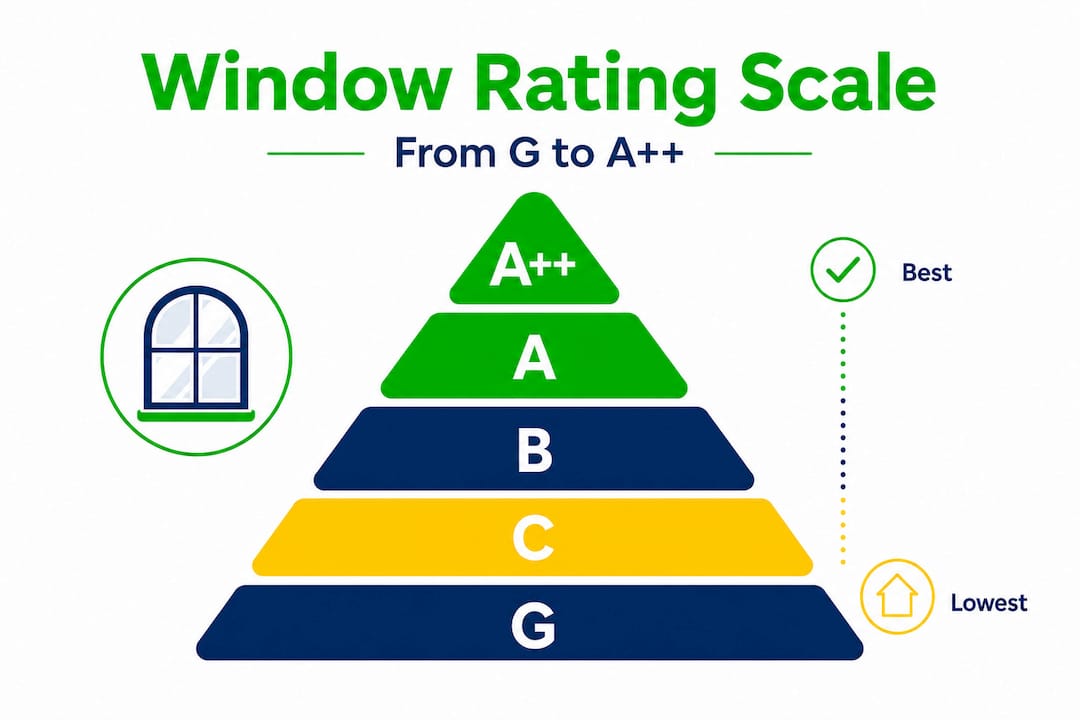
Window energy ratings in the UK are governed by the BFRC, which independently certifies and labels windows based on their overall thermal performance. The BFRC rating scale runs from G to A++, with G being the least efficient and A++ the highest performing. An A-rated window sits near the top of this scale. It is considered excellent, but it is worth knowing that A+ and A++ options do exist for those who want to go further.
The rating is not based on a single measurement. It combines three factors:
- U-value: How much heat passes through the window. Lower is better. A-rated windows typically achieve around 1.0 to 1.2 W/m²K.
- Solar gain: How much warmth from sunlight the window captures and lets into the room, which can offset heating costs.
- Air leakage: How much cold air infiltrates around the frame and seals.
One common misconception is that the rating refers only to the glass. The BFRC certification covers the complete window unit, including the frame, seals, and spacer bars. This is why two windows using the same glass but different frames can end up with different ratings.
| Rating band | Typical U-value (W/m²K) | Performance level |
|---|---|---|
| G | 5.0+ | Very poor |
| D | 2.8–3.5 | Below average |
| B | 1.4–1.6 | Meets legal minimum |
| A | 1.0–1.2 | Excellent |
| A+ | 0.8–1.0 | Superior |
| A++ | ~0.8 or below | Highest available |
UK building regulations and A-rated windows
Understanding the legal minimum is just as useful as understanding the top of the scale. Under Part L 2022 building regulations, replacement windows in England must meet at least a WER band B or a maximum U-value of 1.4 W/m²K. This applies to most domestic window replacements.
A-rated windows exceed this minimum by a meaningful margin. Where B-rated windows barely satisfy the rules, A-rated products offer noticeably better insulation and lower running costs. For property managers overseeing multiple units, this distinction can add up to significant savings across a portfolio.
Here is what you need to know about compliance:
- Replacement windows must meet Part L 2022 as a legal baseline.
- Using a FENSA or CERTASS registered installer ensures your installation is signed off and compliant.
- Installations not certified by a registered body may require a local authority building control application, which adds time and cost.
- A better energy rating can improve your property’s Energy Performance Certificate (EPC) score, which matters for lettings compliance and resale value.
Pro Tip: If you are a landlord, check whether your property currently meets the Minimum Energy Efficiency Standards (MEES). Upgrading to A-rated windows can contribute meaningfully to raising an EPC band.
Benefits of A-rated windows for homeowners
Moving from a lower-rated window to an A-rated one brings real, everyday improvements. The most immediate is warmth. Rooms feel more comfortable because there are fewer cold spots near the glass and less draughty air creeping through the frame.
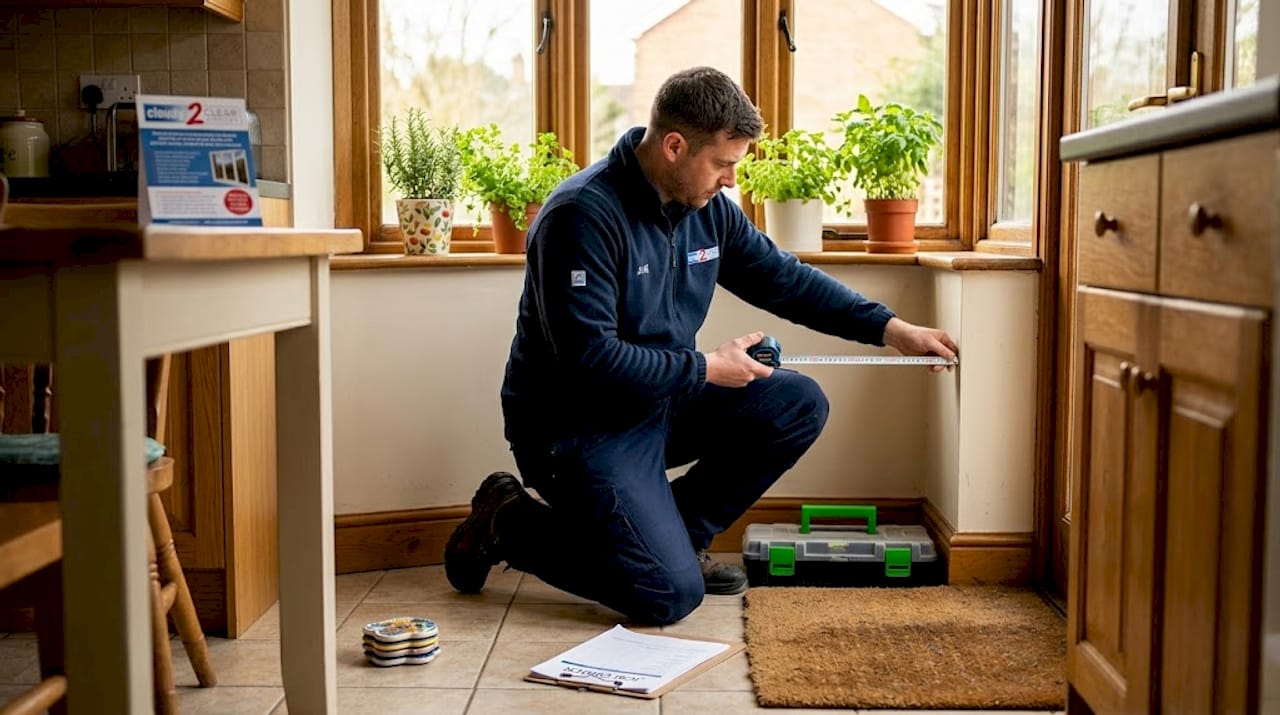
On the cost side, upgrading to A-rated windows typically costs around £50 to £150 more per unit compared to lower-rated alternatives. Over time, the reduction in heat loss offsets this through lower heating bills. For context, A++ triple glazing, which sits above A-rated, costs significantly more at around £800 to £1,200 per window installed, but can save up to £420 per year on heating in the right property.
Key benefits at a glance:
- Reduced heat loss through the glass and frame, lowering the demand on your boiler.
- Fewer draughts and cold spots, making living spaces more consistently comfortable.
- Lower carbon footprint over the product’s lifetime.
- Improved acoustic performance in many products, as thicker glass units reduce outside noise.
- Better property value and EPC rating, which helps with sales and rental compliance.
It is worth noting that your home’s orientation and heating patterns affect how much you benefit. A north-facing room will gain less from solar gain than a south-facing one, so the best window for your home depends on more than just the letter on the label.
Pro Tip: Ask your installer to consider room orientation when specifying windows. A window with a higher solar gain factor may suit south-facing rooms more than a slightly lower U-value.
Common misconceptions about A-rated windows
A lot of the confusion around window ratings comes down to misunderstanding the difference between U-value and WER. The U-value measures heat loss alone. The Window Energy Rating combines heat loss, solar gain, and air leakage into one overall score. This means a window with a better U-value does not automatically have a better WER, because solar gain and air tightness also count.
Here are the most important things to get right when choosing A-rated windows:
- Verify the BFRC label. Do not rely on a manufacturer’s marketing claims. Ask to see the BFRC certificate, which enables a genuine like-for-like comparison between products.
- Check the spacer bars. Aluminium spacer bars can add 0.2 to 0.4 W/m²K to the effective U-value of a window. Warm-edge spacers reduce this thermal bridging and are specified in most quality A-rated products.
- Do not assume A++ is always worth the premium. A++ windows use triple glazing, low-emissivity coatings, and insulated frames to achieve U-values of around 0.8 W/m²K or lower. These are excellent products, but the additional cost is only justified if your property’s heat loss profile makes that extra performance worthwhile.
- Prioritise installation quality. Poor sealing around the frame can introduce air leakage that negates much of the thermal benefit, even in a top-rated window.
- Use registered installers. FENSA or CERTASS registration is not just a bureaucratic tick. It means the installation has been checked against Building Regulations.
“The rating on the sticker is only half the story. What happens during installation, from frame sealing to spacer bar choice, determines whether you actually get the performance you paid for.”
How windows impact insulation is a broader topic than most buyers realise, and it starts long before the glass arrives on site.
How to choose A-rated windows with confidence
Once you understand the basics, buying A-rated windows becomes a straightforward process if you ask the right questions. Here is a practical checklist to take into any conversation with a supplier or installer:
- Ask for the BFRC label and certificate for the specific window model you are being quoted on, not a generic product brochure.
- Compare whole-window ratings, not just glass specifications. Two windows can use the same double-glazed unit but perform very differently depending on the frame material and construction.
- Ask about spacer bar type. Confirm warm-edge spacers are included as standard, particularly if you are targeting an A-rating or above.
- Request the U-value and solar gain factor separately, not just the overall rating letter. This helps you match the window to your specific rooms.
- Confirm the installer’s registration. Ask whether they are FENSA or CERTASS registered before signing any contract.
You can learn more about selecting glazing for efficiency and what frame materials work best alongside high-energy-rated glass. For a step-by-step approach to the full process, Cloudy2Clear Windows has published a guide to energy efficient window upgrades that walks you through every stage.
Pro Tip: When comparing quotes, always check whether VAT is included and whether building regulation compliance certification is provided as part of the service. Some cheaper quotes exclude both.
My honest take on A-rated windows
I have seen a lot of homeowners make the same two mistakes. The first is buying on rating letter alone without verifying the BFRC certificate or asking about installation quality. The second is going straight for A++ when an A-rated product would have given them virtually the same comfort improvement at a fraction of the extra cost.
In my experience, A-rated windows represent the right balance for most UK homes. They deliver genuine, measurable thermal performance, they exceed legal minimums by enough to be worthwhile, and they sit at a price point where the payback period is realistic. Not every property needs triple glazing. A well-installed A-rated window with warm-edge spacers and a quality frame will outperform a poorly fitted A++ product every time.
What I always say is this: prioritise the certification, the installer’s registration, and the quality of the components. The letter on the label matters, but it only tells you what the window can do. A registered, experienced installer is what determines what it will do in your home.
— Cloudy2Clear Windows
Ready to upgrade to A-rated windows?
Cloudy2Clear Windows has been supplying and installing energy-efficient glazing across the UK since 2005. Whether you need advice on which rating suits your property, a quote for A-rated replacements, or a repair to an existing double glazed unit, the team is ready to help.

With branches covering a wide range of regions, you can access expert advice and certified installation locally. If you are in the Milton Keynes area, the Cloudy2Clear Milton Keynes branch can discuss your glazing options and provide BFRC-certified products installed by registered professionals. For those further afield, explore the full double glazing replacement service to find the right solution for your home or commercial property.
FAQ
What does A-rated mean for a window?
An A-rated window has been independently certified by the BFRC and scores near the top of the energy rating scale, which runs from G to A++. It combines strong heat retention, useful solar gain, and low air leakage into a single performance score.
Are A-rated windows a legal requirement in the UK?
No. UK building regulations under Part L 2022 require replacement windows to achieve at least a WER band B or a U-value of no more than 1.4 W/m²K. A-rated windows exceed this minimum and are recommended for better long-term energy savings.
How much more do A-rated windows cost?
Upgrading to A-rated windows typically costs around £50 to £150 more per window compared to lower-rated options. This additional upfront cost is generally recovered over time through reduced heating bills.
Is A++ always better than A-rated?
A++ windows offer superior insulation, particularly through triple glazing, but they cost significantly more. For many UK homes, A-rated windows deliver excellent performance at a more realistic budget, and the extra cost of A++ is not always justified by the energy savings achieved.
How do I verify that a window is genuinely A-rated?
Ask the supplier or installer for the BFRC certificate specific to the window model. The BFRC label covers the complete unit, including frame and seals, so it gives you a reliable and standardised basis for comparison.