Choosing the right glazing for your home or business can feel overwhelming with so many options available. The decision affects your energy bills, comfort levels, and property value for years to come. Whether you’re upgrading old single glazing or selecting windows for a new build, understanding the key factors helps you make a confident, informed choice. This guide walks you through glazing types, frame materials, building regulations, and how to find reliable installers so you can balance energy efficiency with aesthetic appeal.
Understanding glazing types and energy efficiency
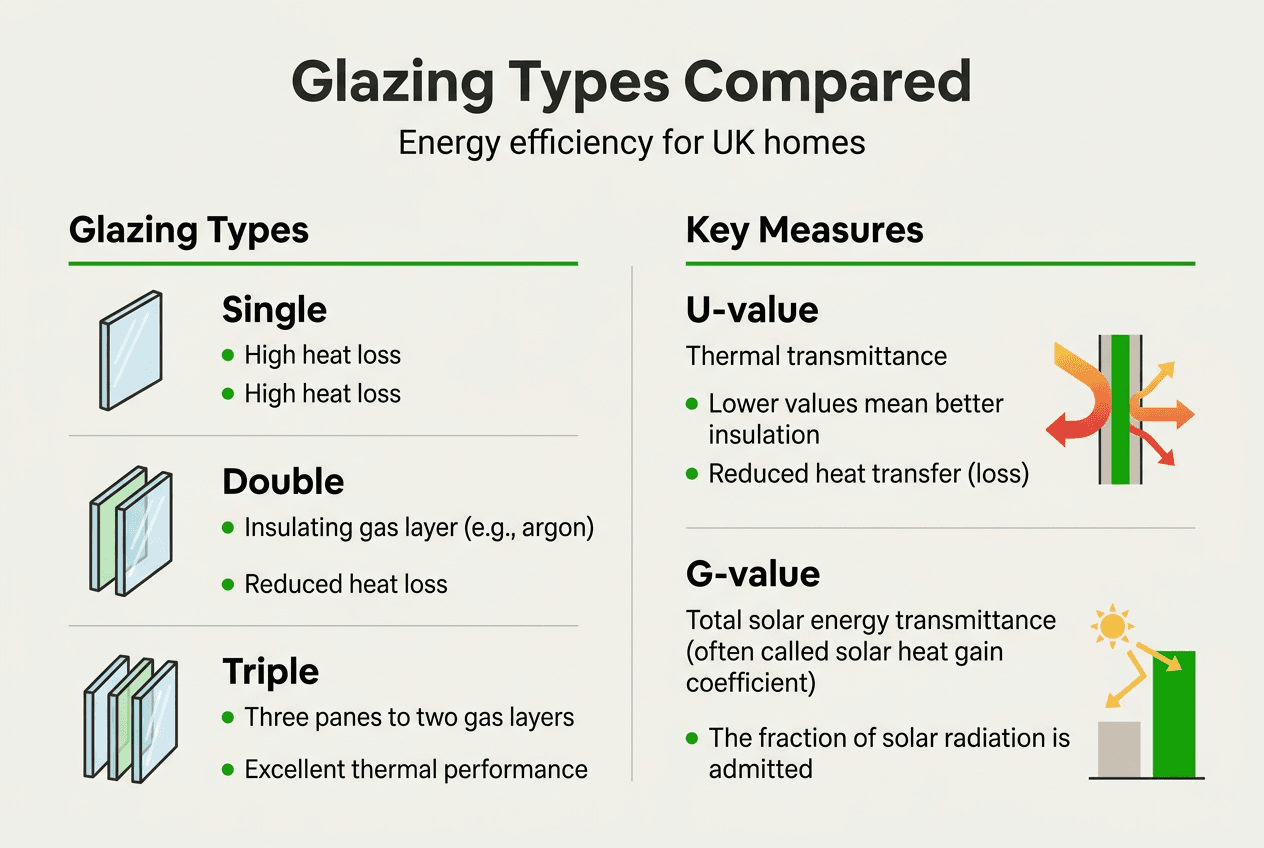
The type of glazing you choose directly impacts how much heat escapes through your windows. Single glazing, common in older properties, offers minimal insulation and allows substantial heat loss. Double glazing uses two panes of glass with a sealed gap between them, typically filled with inert gas. Upgrading from single to high-performance triple glazing can reduce heat loss through windows by a significant margin, making it ideal for colder climates or properties facing busy roads.

U-values measure how well a window prevents heat from escaping. Lower U-values mean better insulation. Current building regulations in England and Scotland typically require replacement windows to achieve a maximum U-value of 1.6 W/m²K, though new builds may have stricter requirements. Double glazing significantly reduces heat loss compared to single glazing, leading to lower energy bills and reduced carbon emissions. Argon or Krypton gas fills further improve insulation by reducing heat transfer between the panes.
The G-value indicates how much solar heat gain passes through the glass. While a low U-value prevents heat loss, a balanced G-value allows beneficial solar warmth in winter whilst avoiding overheating in summer. Understanding both measurements helps you select glazing suited to your property’s orientation and local climate. For comprehensive information on advanced options, explore our triple glazing guide.
| Glazing type | Typical U-value | Heat loss reduction vs single glazing |
|---|---|---|
| Single glazing | 5.0-5.8 W/m²K | Baseline (0%) |
| Double glazing (air gap) | 2.8-3.0 W/m²K | Approximately 50% |
| Double glazing (Argon fill) | 1.4-1.6 W/m²K | Approximately 70-75% |
| Triple glazing (Argon fill) | 0.8-1.2 W/m²K | Approximately 80-85% |
Key factors affecting glazing efficiency include:
- Gap width between panes (typically 16-20mm for optimal performance)
- Type of inert gas fill (Argon is standard, Krypton offers superior insulation)
- Low-emissivity (Low-E) coatings on glass surfaces to reflect heat back into the room
- Spacer bar material (warm edge spacers reduce thermal bridging)
- Overall window frame quality and seal integrity
Pro Tip: Consider triple glazing for very cold or noisy locations for maximum efficiency and comfort. The additional pane provides superior sound insulation alongside thermal benefits, making it worthwhile in exposed or urban settings.
Choosing the right frame materials and styles
Frame material plays a crucial role in your window’s overall thermal performance and longevity. uPVC is cost-effective and low-maintenance, whilst timber offers better insulation but requires more upkeep. Aluminium frames are durable but can have higher thermal conductivity unless fitted with thermal breaks. Each material brings distinct advantages depending on your priorities for aesthetics, maintenance, and energy efficiency.
uPVC frames dominate the UK market due to their affordability and minimal maintenance requirements. They resist rot, don’t need painting, and provide good thermal insulation when properly manufactured. Timber frames suit period properties and conservation areas where maintaining architectural character matters. Modern timber windows receive factory treatments that improve durability, though they still need periodic painting or staining. Aluminium frames offer slim sightlines and contemporary styling, increasingly popular for large glazed areas and commercial applications.
Frame style affects both appearance and performance. Casement windows open outward on hinges, providing excellent ventilation and easy cleaning. Sash windows slide vertically, preserving traditional aesthetics whilst modern versions incorporate double glazing and draught-proofing. Tilt and turn windows offer versatile opening options, particularly useful for upper floors. Your choice should balance your property’s architectural style with practical considerations like ease of use and ventilation needs.
Benefits and drawbacks of common frame materials:
- uPVC: Excellent value, virtually maintenance-free, good insulation, wide colour range, but less authentic for period properties
- Timber: Superior insulation, natural appearance, renewable material, repairable, but requires regular maintenance and higher initial cost
- Aluminium: Very durable, slim profiles, modern aesthetic, recyclable, but can be more expensive and needs thermal breaks for efficiency
- Composite: Combines materials (often timber interior with aluminium exterior) for balanced performance, durability, and appearance
Pro Tip: Choose frame materials suited to your property’s character and climate for balanced performance and appearance. A Victorian terrace benefits from timber or heritage uPVC, whilst a modern extension might suit sleek aluminium frames with minimal sightlines.
For detailed comparisons of frame options, visit our window frame materials guide and window materials types explained to understand which solution fits your specific requirements.
Navigating building regulations and energy standards in England and Scotland
Building regulations govern window energy performance to ensure new installations contribute to reducing carbon emissions. U-values are critical for energy efficiency, with lower values indicating better insulation. Building regulations in England and Scotland mandate specific U-value thresholds for new and replacement windows. Understanding these requirements helps you select compliant products and avoid costly retrofitting.
For replacement windows in existing properties, minimum U-value requirements stand at 1.6 W/m²K for windows and 1.8 W/m²K for doors in residential properties across the UK. New build properties face stricter whole-building energy performance standards under Part L of the Building Regulations. Your installer should demonstrate compliance through certification schemes like FENSA, CERTASS, or local authority building control approval.
| Element | Minimum U-value (W/m²K) | Application |
|---|---|---|
| Replacement windows | 1.6 | Existing residential properties |
| Replacement doors | 1.8 | Existing residential properties |
| New build windows | Varies | Part of whole-building calculation |
| Roof windows | 1.6 | Replacement installations |
Compliance requirements and certification essentials:
- All replacement windows must achieve minimum U-value thresholds or better
- Installations require certification from approved schemes (FENSA, CERTASS) or building control approval
- Energy Performance Certificate (EPC) ratings should reach ‘C’ or above for replacement windows where practical
- Installers must provide a certificate of compliance within 30 days of completion
- Conservation areas and listed buildings may have additional planning requirements
Properly installed windows and doors that comply with regulations can significantly reduce energy consumption whilst enhancing property value and occupant comfort. Exceeding minimum standards often proves worthwhile, as the marginal cost difference between standard and high-performance glazing delivers long-term savings through reduced heating bills.
Our window building regulations guide and window installation compliance guide provide comprehensive information on meeting current standards whilst maximising energy savings.
Getting reliable quotes and choosing a certified installer
Selecting the right installer matters as much as choosing quality glazing. Homeowners should obtain multiple quotes, ideally three, from different double-glazing companies to establish a reasonable price and identify potentially dishonest practices. A transparent, detailed quote protects you from unexpected costs and helps compare like-for-like offerings.
Steps for obtaining and comparing quotes effectively:
- Request written quotes from at least three certified installers with detailed breakdowns
- Ensure the quoted price includes all costs, such as installation and labour, to prevent unexpected charges
- Verify each company’s certification status through FENSA or equivalent scheme websites
- Ask for references from recent customers and check online reviews independently
- Compare warranty terms, including glass unit guarantees and installation workmanship coverage
- Clarify payment terms, deposit requirements, and any cooling-off period provisions
Red flags that suggest unreliable installers:
- High-pressure sales tactics or “today only” discount offers that expire immediately
- Reluctance to provide written quotes or detailed specifications
- Requests for large upfront deposits (typically no more than 25% is reasonable)
- Inability to provide proof of insurance, certification, or recent references
- Vague answers about U-values, guarantees, or compliance with building regulations
- Prices significantly below market rate, which may indicate substandard materials or workmanship
Check if the company is approved by FENSA to ensure the installer meets government standards. Certification provides recourse through independent dispute resolution if problems arise and guarantees compliance documentation.
Pro Tip: Ask about insurance-backed guarantees and deposit protection for peace of mind. These safeguards protect your investment if the company ceases trading before completing the work or during the guarantee period.
For practical advice on managing costs without compromising quality, explore our guides on double glazing cost reduction tips, double glazing pricing, and cutting installation costs.
Explore double glazing repairs and window glass replacement with Cloudy2Clear
Choosing the right glazing partner makes all the difference in achieving energy efficiency and lasting quality. Cloudy2Clear Windows brings over two decades of expertise in double glazing repairs and window replacement across England and Scotland. We understand that your property deserves solutions that balance performance, aesthetics, and value.

Our certified installers ensure every project complies with current UK building regulations whilst delivering competitive pricing and comprehensive guarantees. Whether you need replacement windows for your home or commercial glazing solutions for your business, we provide transparent quotes and expert guidance throughout the process. Visit Cloudy2Clear Windows to explore how our experience since 2005 can help you make confident decisions about your glazing needs.
Frequently asked questions
What is the difference between double and triple glazing?
Triple glazing features three panes of glass with two sealed gaps, typically filled with inert gas, offering superior insulation compared to double glazing’s two panes and single gap. The additional layer reduces heat loss further and provides enhanced sound insulation, making it ideal for very cold climates or noisy locations. However, triple glazing costs more and adds weight to frames, requiring robust hinges and supports. For most UK properties, high-quality double glazing with Argon fill and Low-E coatings delivers excellent performance at better value. Learn more about advanced options in our triple glazing benefits guide.
How do building regulations affect my choice of glazing?
Building regulations set minimum energy performance standards that your windows must meet, typically requiring replacement windows to achieve U-values of 1.6 W/m²K or better. Certified installers handle compliance documentation, but you should verify that quoted products meet or exceed these thresholds. Conservation areas and listed buildings may have additional planning requirements that restrict glazing choices to preserve architectural character. Working with FENSA-approved installers ensures your installation complies with regulations and receives proper certification. Our window energy regulations guide explains current requirements in detail.
What should I look for when comparing quotes for glazing?
Ensure each quote includes complete cost breakdowns covering materials, labour, installation, disposal of old windows, and any necessary structural work. Verify that specifications match across quotes, including U-values, glass types, frame materials, and hardware quality. Check warranty terms carefully, as longer guarantees on glass units and installation workmanship indicate installer confidence. Request three or more quotes to establish fair market pricing and identify outliers. Avoid companies using high-pressure tactics or offering steep discounts that expire immediately. Visit our double glazing cost advice page for practical tips on managing expenses.
Why is frame material important for my window glazing choice?
Frame material affects thermal performance, maintenance requirements, durability, and aesthetic compatibility with your property. Timber frames offer excellent natural insulation and suit period properties but need regular painting or staining. uPVC provides low-maintenance convenience and good thermal performance at competitive prices. Aluminium delivers slim profiles and modern styling but requires thermal breaks to prevent heat loss. The frame accounts for a significant portion of the window area, so its insulation properties directly impact overall energy efficiency. Selecting the right material complements your glazing choice to optimise energy savings and longevity. Explore detailed comparisons in our window frame materials guide.
Recommended
- Benefits of commercial glazing for energy efficiency 2026
- How Energy Efficient Are Your Windows? Double Glazing Guide – Cloudy2Clear Windows
- Glazing Bars: Impact on Window Style and Efficiency
- How Energy Efficient are Your Windows? – Cloudy2Clear Windows
- Dakisolatie uitgelegd: Comfort, besparing en opties