Most people assume all glass is broadly the same. It lets light in, keeps the weather out, and breaks when something hits it hard enough. But if you are a homeowner or business owner weighing up glazing options, that assumption could cost you in safety, comfort, and compliance. Understanding why use laminated glass matters is not just a technical exercise. It is a practical decision that affects how secure your property is, how quiet it feels inside, and whether your installation meets UK building regulations.
What is laminated glass and how is it made
To fully appreciate why laminated glass is favoured, it helps to understand how it is made and what makes it structurally different from a standard pane.
Laminated glass is made from two or more sheets of glass bonded together with a polymer interlayer, most commonly PVB (polyvinyl butyral). That thin layer sits between the glass plies and does something ordinary glass simply cannot. As laminated glass is constructed, the interlayer transfers forces between the plies and keeps fragments adhered after fracture, rather than allowing shards to scatter freely.
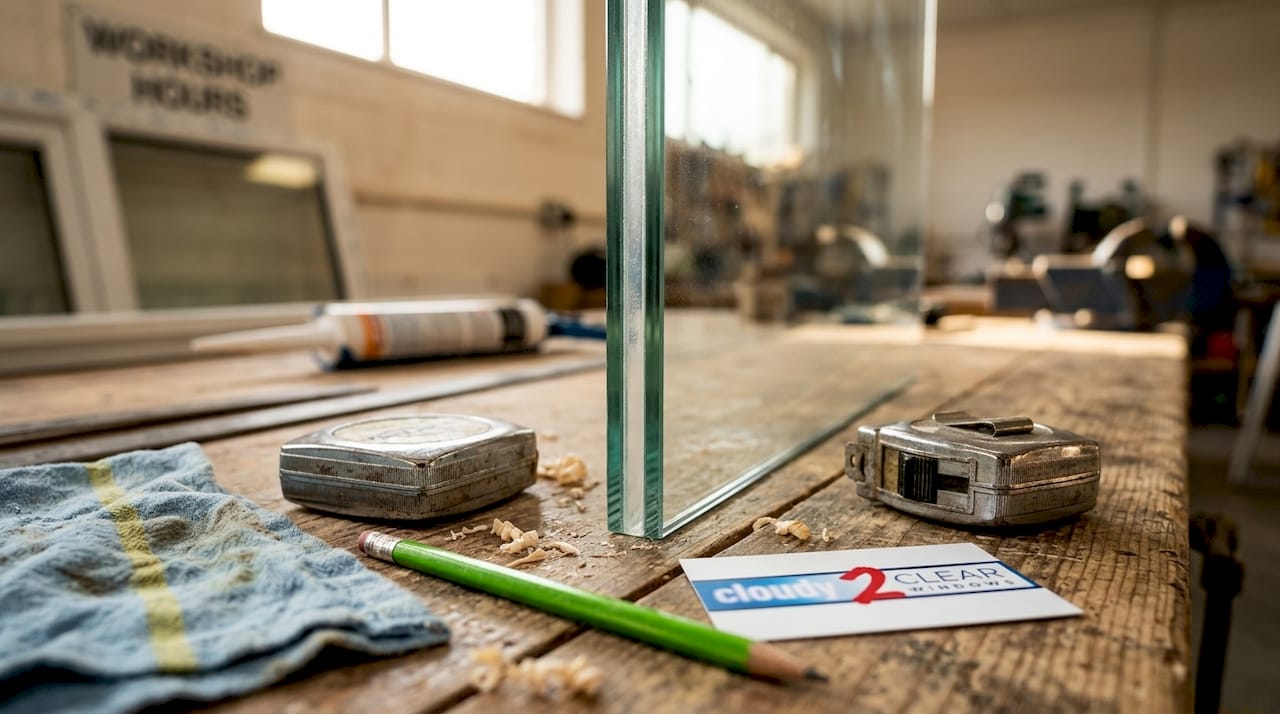
This construction changes how the glass behaves under stress. Instead of shattering into dangerous pieces, it holds together in a web pattern. The result is a product that is meaningfully stronger and safer than single-pane glass.
Key structural properties of laminated glass include:
- Fragment retention: Broken pieces stay bonded to the interlayer, not the floor or a person nearby.
- Impact resistance: The bonded construction resists penetration better than a single pane of equivalent thickness.
- Structural integrity: Even after breakage, the panel often stays in place, maintaining a barrier.
- Versatility: Interlayer type, thickness, and glass combinations can be adjusted for specific performance needs.
How laminated glass improves safety and security in UK properties
Now that we know its structure, let us explore how laminated glass delivers superior safety and meets UK legal requirements.
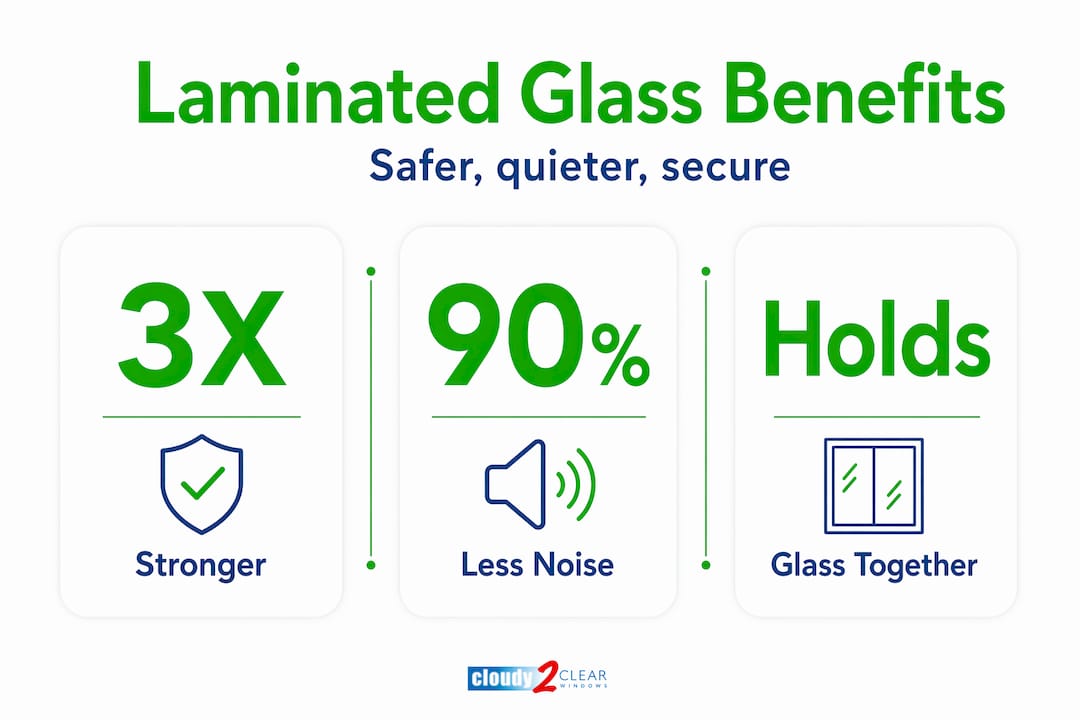
The most important safety feature is straightforward. When the interlayer holds fragments together instead of letting shards fall away, the risk of laceration injuries drops significantly. This matters most in locations where people are close to glass, such as doors, low-level windows, staircases, and overhead glazing.
UK building regulations, specifically Part K, take this seriously. Laminated glass is required in critical locations where falling or impact could cause injury. These include:
- Overhead glazing where breakage could drop glass onto people below.
- Doors and side panels within 300mm of a door edge.
- Low-level glazing below 800mm from floor level.
- Balustrades and guarding where falls are a risk.
For security purposes, laminated glass also outperforms standard glazing. It resists forced entry more effectively because breaking through it takes significantly more effort and time. Even if the outer pane cracks, the interlayer holds everything together, buying time and often deterring intruders entirely.
Laminated glass is not just a safety upgrade. For businesses handling cash, sensitive stock, or operating in high-footfall areas, it is a practical security measure that standard glass cannot replicate.
For a broader look at your options, our types of safety glass guide covers how laminated glass compares with toughened and other safety glazing products.
Acoustic insulation benefits of laminated glass for homes and businesses
Beyond safety, laminated glass also plays a key role in enhancing acoustic comfort for property owners.
Sound travels through glass by vibrating the pane. The polymer interlayer in laminated glass dampens those vibrations, interrupting the path sound takes through the glass. The result is noticeably less noise reaching the inside of your property. Purpose-designed acoustic laminates with appropriate pane thicknesses and asymmetric constructions can significantly reduce sound transmission, often outperforming standard double glazing.
This is worth unpacking. Many people assume double glazing automatically provides strong noise reduction. It does help, but a standard double-glazed unit with two equal-thickness panes can actually create a resonance effect at certain frequencies. Acoustic laminated glass, especially when used with panes of different thicknesses, avoids this by breaking up the resonance pattern.
The benefits are most pronounced in:
- Urban homes near busy roads, rail lines, or flight paths.
- Commercial properties in town centres or near industrial areas.
- Home offices where concentration and quiet are essential.
- Hotels and hospitality venues where guest comfort depends on low ambient noise.
Proper frame installation matters too. Even the best acoustic glass underperforms if the frames are draughty or poorly sealed. You can read more about reducing noise with double glazing and explore our dedicated soundproofing services for a complete picture.
Pro Tip: If noise reduction is your primary goal, ask your glazing specialist specifically about acoustic laminated glass rather than standard laminated glass. The interlayer formulation makes a real difference to performance. Our acoustic glazing guide explains what to look for.
Regulatory considerations and limitations for laminated glass in the UK
While laminated glass offers many advantages, it is important to consider UK-specific regulatory constraints before installation.
Not every application is straightforward. UK regulations have limited the use of laminated glass for certain balcony balustrades, particularly where fire spread risk is a concern. This is a nuance many property owners miss until they are mid-project.
Here is a practical checklist to work through before specifying laminated glass:
- Identify the application. Is it a window, door, balustrade, overhead panel, or spandrel? Each carries different regulatory requirements.
- Check Part K compliance. Confirm whether your location qualifies as a critical location under UK building regulations.
- Assess fire safety implications. For balconies and external applications, review Regulation 7(3) exemptions and fire spread guidance.
- Confirm energy efficiency compliance. Laminated glass must still meet thermal performance requirements under Part L of building regulations.
- Consult a qualified installer. Regulatory requirements change, and a specialist will flag issues before they become problems.
Specification should always be driven by the application, not a generic benefit list. Getting this wrong can mean costly retrofitting or planning delays.
Pro Tip: Review our building regulations guide and window installation standards before committing to any laminated glass project. Understanding the regulatory landscape early saves time and money.
Choosing laminated glass for your property: practical applications and aesthetics
Understanding regulations and technical performance helps you make informed choices to match your property’s needs and style.
Laminated glass is not a single product. It comes in a wide range of constructions, thicknesses, and finishes. Choosing the right type depends on what you need it to do and where it will be installed.
| Application | Recommended type | Key benefit |
|---|---|---|
| Ground-floor windows | Standard laminated or acoustic laminated | Safety and noise reduction |
| Front doors and side panels | Laminated safety glass | Fragment retention, security |
| Overhead glazing / rooflights | Laminated (mandatory in many cases) | Prevents falling shards |
| Balustrades (internal) | Laminated toughened combination | Strength and safety |
| Commercial shopfronts | Thicker laminated or laminated toughened | Security and impact resistance |
| Acoustic priority areas | Acoustic laminated with asymmetric panes | Maximum noise reduction |
Beyond performance, laminated glass also offers genuine design flexibility. Tinted interlayers can reduce glare and solar gain. Patterned or frosted options provide privacy without sacrificing light. Coloured interlayers are popular in commercial settings for branding or aesthetic reasons.
Key considerations when choosing laminated glass:
- Location and exposure: Properties near busy roads, airports, or high-crime areas benefit most from acoustic and security-rated laminated glass.
- Regulatory triggers: Always confirm which regulations apply to your specific installation location.
- Frame compatibility: Your existing frames may need upgrading to accommodate thicker laminated units.
- Budget vs. long-term value: Laminated glass costs more upfront than standard glass, but the combined safety, acoustic, and security benefits often make it the more cost-effective choice over time.
Pro Tip: Do not choose glass type in isolation. Our guide on upgrading security with the right glass and our safety glass guide can help you compare options side by side before speaking to an installer.
Why laminated glass is an overlooked solution for modern UK properties
Having covered the practical and regulatory landscape, it is worth asking a more direct question: why do so many UK property owners still default to standard or toughened glass when laminated glass offers so much more?
In our experience, the answer comes down to three things: misconception, habit, and incomplete advice.
The misconception is that laminated glass is fragile or unnecessarily expensive. Neither is accurate. It is actually more resistant to penetration than toughened glass of the same thickness, and while it costs more than single-pane glass, it replaces the need for separate acoustic treatment, additional security measures, and in some cases, planning complications that arise from using the wrong product.
The habit problem is subtler. Many builders and developers specify toughened glass because it is familiar and straightforward to source. Laminated glass requires a more considered specification process, so it gets passed over even when it is clearly the better choice.
The incomplete advice issue is perhaps the most important. If you are not told early in a project that your balcony, rooflight, or ground-floor window might legally require laminated glass, you may find out only when a surveyor or building inspector raises it. That is an expensive moment to learn.
Our types of safety glass guide is a good starting point for understanding the full picture. But the real lesson is this: always assess your property’s specific needs rather than defaulting to whatever is most common. Laminated glass is not a premium add-on. For many applications, it is simply the right tool for the job.
Discover laminated glass solutions with Cloudy2Clear Windows
If you are weighing up your glazing options, getting the right advice early makes all the difference. At Cloudy2Clear Windows, we have been helping homeowners and businesses across the UK make informed glazing decisions since 2005.
We offer a wide range of laminated glass options suited to homes, commercial properties, and specialist applications. Whether you need double glazing replacement that meets current safety standards, expert commercial fenestration services, or local repairs and installations through our Milton Keynes branch and beyond, our team will guide you through the options and ensure full compliance with UK regulations. Speak to us before you specify, not after.
Frequently asked questions
What makes laminated glass safer than regular glass?
Laminated glass includes a polymer interlayer that keeps broken shards adhered, preventing dangerous falling fragments and significantly reducing the risk of injury compared to standard glass.
Can laminated glass help reduce noise in my home or business?
Yes. Laminated glass with acoustic interlayers reduces sound transmission effectively, particularly when combined with asymmetric pane thicknesses and properly sealed frames.
Are there any restrictions for using laminated glass in balconies in the UK?
UK regulations have limited laminated glass use in certain balcony balustrades due to fire safety concerns, so checking specific rules before installation is essential.
How do I ensure my laminated glass installation complies with UK building regulations?
Consult a qualified installer and reference Part K critical location requirements alongside fire safety guidance, confirming your glass type and installation location meet all applicable rules. For balcony applications, also check fire safety balcony regulations before proceeding.
Is laminated glass more expensive than other types of safety glass?
Laminated glass typically costs more upfront than single-pane glass, but its combined safety, acoustic, and security benefits often deliver better long-term value than purchasing separate solutions for each need.