
• USP Logo Icon
    25 Year Guarantee
  • USP Leaf Icon
    Latest ECO Friendly Technology
  • USP Pointer Icon
    National Coverage
Get a FREE quote

Don’t Ignore a Cracked Window – Repair and Upgrade

cracked single pane


If you have a crack in your window, it can be tempting to try to ignore it. Cracked windows aren’t a rare occurrence, so it can be easy to overlook or forget about those more minor cracks. However, it’s important that you don’t ignore a crack in your window. Cracks can quickly spread and cause further damage, even compromising the security and safety of your home and family.

Here’s our guide to what causes cracked windows and why they should never be ignored. We’ll also explain how you can get a crack in your window repaired, and why you may want to consider upgrading.

What Causes Cracked Windows?

While we sometimes wish they were, windows are unfortunately not indestructible. There are a few things that can cause cracked windows, from natural forces to damaging impact. Here are just a few of the different things that can cause cracked windows.

Temperature Changes

Thermal stress cracks can, and do, happen in windows. While windows in the UK are designed to withstand temperature changes, we are currently experiencing more intense temperature shifts. This has resulted in an increase in the number of cracked windows we’re being called out to repair. When the glass in a window is heated, certain areas in the pane can become hotter than others. The centre of the glass may become hotter than the rest of the window, resulting in extra pressure and a thermal stress crack.

Seasonal Exposure and Location

Depending on the location of your window and the direction it faces, some windows will naturally face more exposure to the above temperature changes. If your window faces the sun, it may be more likely to crack. This may not seem like such a problem in the winter months, or even in the UK!

However, once your window has faced repeated exposure to those warmer temperatures in the summer, it’s gone through that expanding and shrinking process multiple times. When an extremely cold winter hits following an unusually warm summer, these exposed windows are most at risk of cracking due to the stress involved. It’s these more exposed windows that we’d be most likely to advise you to upgrade.

Impact

As with anything, windows can crack or break due to impact. Cracked windows are most often done without malicious intent and are mainly accidental, though you may want to check security cameras if you’re unsure.

Children playing ball games nearby, or even birds dropping stones on your windows, can cause them to crack. Mowing the lawn can

Some types of windows might be more likely to crack, again due to their position on the house and increased risk of impact. Skylights or velux lights – especially if they’re older – are more prone to cracking due to how easy it is to have things dropped or fall on them.

If you have a window that is repeatedly cracking, you may want to reconsider its location or have it upgraded. A single-pane skylight just underneath a tree, for example, might not be the best idea if you have birds nesting overhead.

Why a Cracked Window Needs Repairing

It doesn’t matter how small or insignificant a crack in your window looks – it needs repairing. The sooner you can have your cracked window repaired, the better. Here’s why a cracked window needs repairing.

Cracks Can Spread

The first thing you’re likely to have noticed with your cracked window is that it looks unsightly. Nobody wants to see a crack in their window, particularly if it’s one they like to enjoy the view from on a daily basis. Having a cracked window can make your home look unappealing, though there is much more to worry about than it being an eyesore.

A crack in your window leaves it vulnerable to further cracking and damage. This is especially important in summer or winter if you are still facing those more extreme temperature changes that can increase pressure on the pane. To avoid the crack spreading and becoming an even more expensive problem to fix, have it dealt with as soon as possible.

Security Risk

For some, a cracked window is not an unappealing sight. In fact for burglars, cracked windows are attractive invitations that demonstrate there’s a window in your home that could be very easily broken into. Burglars are experienced in breaking in to homes, but anything that will make it even slightly easier for them could encourage them to target your home first. Even those that aren’t currently searching for somewhere to burgle may see your cracked window as an opportunity and pinpoint your home to target later.

Poor Insulation

Modern windows are designed to effectively insulate the home, and they cannot do that if there is a crack in the pane. Any opening, no matter how insignificant it may seem, can let in cold air from outside while allowing warm air from the home to escape. Cracks in your window can also bring moisture inside, causing extra damage and even health concerns if this leads to damp.

Safety

Once a window has a crack in it – no matter how small – the entire structural integrity of that pane of glass is compromised. The entire pane of glass could smash at any time, impact or no impact. This is not only a security issue, but a health and safety problem, too. Consider the safety of your family first when debating whether to have your cracked window fixed. Another issue to think about is the location of the cracked window and any potential harm or damage it could cause if the whole pane did shatter.

What to do About a Window Crack

The best thing to do if you notice a window crack is to have it fixed as soon as possible. If you have a cracked window and would like us to repair or replace the pane for you, call our team now on 0800 056 1631 or contact us online. We’ll try to book a suitable time to get an engineer out to you as soon as possible.

While you wait for a repair, there are a few temporary measures you can take to minimise damage and keep your home warm:

  • If you have building or home insurance, take a photo of the damage as it has happened. They may want to send an inspector to take a look at the broken glass exactly as it was found. You can ask them for advice on what you can do next to avoid further damage.
  • If there are any shards of glass that fell from the window causing a hazard, clear them up safely. Do not try to remove broken shards of glass from the window yourself as this can be dangerous.
  • If the crack is bigger, you may want to cover it up to insulate the home. Avoid using cardboard to do this, as it can quickly become moist and let damp in too. Using plastic tarpaulin material is a better option.
  • You can also hang thick curtains to reduce the amount of cold entering the home. Carefully covering the window and clearing the area can also protect you and your family against more glass if it does fall from the pane.

Repair a Cracked Window with Cloudy2Clear

At Cloudy2Clear, we are dedicated to finding the most cost-effective and environmentally friendly repair options possible for our clients. This is why we replace only the double glazed unit that requires repair. This reduces the costs for you, while also limiting the amount of unnecessary resources that go to waste as many companies try to increase their profits.

In some cases, it may be more cost-effective for you to choose to upgrade your window as we replace it. Double glazing is now the standard for modern homes and windows. It provides much better insulation than single pane glass, reducing your heating expenses and soundproofing your house. Double glazing provides an additional layer of security and safety for your home, and our 25 year guarantee means we’ll fix any cracked or broken windows we replace. You may also want to consider additional options on cracked windows that are more exposed to the elements, such as insulated, coated, or reflective glass.

Call us on 0800 61 21 119 to book your free quote for cracked window repair.

Condensation In Your Conservatory Double Glazing? Here’s What To Do Next

Conservatories can feel like a luxurious addition to any home, but that doesn’t mean they don’t come without the occasional concern. If you notice your conservatory double glazing misting up, there may be a problem with your windows or frames.
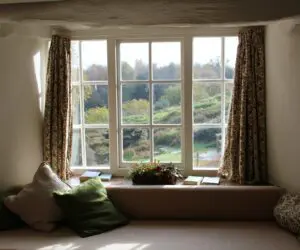
Condensation on the outside of your windows is normal – and it means your windows are working. Some condensation on the inside of your windows can be expected if you have poor ventilation around your conservatory, especially if you’re cooking or drying clothes in the area. The main issue we’re covering here is when you find condensation building up in that gap between your window panes. This needs fixing, and should be dealt with as soon as possible to avoid further damage.

Here’s our guide on what condensation in your conservatory double glazing means, and how you can fix it.

Why Windows Mist Up

First of all, we’ll look into why windows mist up. In most windows (in England, at least!) the outdoor air is colder than the air inside your home. This means the surface temperature of your windows is also colder. You then have this contrast between the room temperature air inside the home, and the cold temperature of the surface of your windows. Because conservatories are primarily made up of windows, they can be prone to condensation.

Condensation looks like a misted or cloudy window, and can obscure your view of the outside world whilst also making your home look less appealing. If you notice you do have misted windows, this may mean your double glazing has ‘failed’.

Any gaps in the sealant around your double glazed conservatory windows can allow this warm air from inside your room to enter that gap in between your window panes. Usually, there is an insulating gas inside there, but if the sealant isn’t holding it in, you will lose this additional layer of insulation. As the warm air enters this space instead, it forms water vapour as it comes into contact with the cold air of the surface of the window. This is the main reason double glazed conservatory windows mist up.

What Condensation in Your Window Means

If your conservatory windows do have condensation, this means your double glazing has likely failed. You may not have condensation on all your windows, so there may just be a few that need fixing.

It’s easy to brush aside the issue of condensation on your conservatory windows; especially if it doesn’t bother you that much. However, as condensation grows, so does the potential for damp and mould to form in your conservatory.

As we mentioned earlier, conservatories usually add that extra something to your home – but if it’s covered in mould and damp, it can essentially become inhabitable. This happens to a lot of conservatories, when owners don’t realise the extent of the lasting damage that can be caused by failed double glazing.

In the colder months especially, you want to be making sure your double glazing is properly insulating your home – and your conservatory! Make a point of checking your windows are in full working order every few months. Condensation can seep in slowly, and before you know it, you’re in need of a full de-moulding session. One of the most irritating things about damp and mould is that it does easily spread to surfaces beyond your windows.

Any soft furnishings, damp walls, and even your family members using your conservatory, can be harmed by these mouldy conditions. This moisture can also spread to the window frames, which over time can lead to more repair work being necessary in order to have your windows fixed. It’s best to check your double glazing is working regularly and avoid the often-disastrous impact of mould further down the line.

How to Avoid Condensation in Your Windows

To avoid condensation in your windows in the first place, there are a few things you can try. Sometimes, failed double glazing is inevitable. Nothing lasts forever, and you may have had your conservatory for a while. As weather, age, and other factors beyond your control all have an impact on the quality of your conservatory windows, sometimes they do just need replacing. To try to avoid condensation, you can have a go at these tips:

  • Open your windows every day.
    This improves circulation throughout your conservatory, so warm or moist air isn’t so stagnant and can flow around.
  • Use an extractor fan or dehumidifier to remove warm, moist air.
    This is especially useful if your conservatory is next to a kitchen, as is often the case. Cooking creates a lot of warm and damp air that we often don’t realise can really contribute to condensation in other areas of the home. Try to also cover your pans and pots with their lids to reduce the moisture in the air.
  • Vent your tumble dryer properly.
    Again, moist and warm are are often the culprits when it comes to condensation and failed double glazing. Make sure your tumble dryer’s vent is properly secured to flow out of the home. Check things are sealed correctly and ensure repairs are done before you use it.
  • Avoid drying damp clothes in the conservatory.
    It may be tempting, as that warm sunlight seems like it will help dry clothes faster when the weather is a bit temperamental outside! However, the damp moisture from clothes needs to go somewhere as your laundry is drying. This is often evaporated into the air, and if you have failed double glazing, it will add to the level of condensation in your windows.

The most effective way to rid your conservatory of condensation is to have your double glazing properly checked and fixed.

What You Should Do

Finally, here’s what you should do if you find condensation in your conservatory windows! There are the few tips above that can help you avoid getting that condensation in the first place, but often you will need a proper fix in order to make sure your double glazing remains working on top form.

While the issues with condensation and double glazing may sound like a pain, it’s important to recognise that condensation does happen much more frequently on single window panes. Double glazing is still your best bet if you’re looking to keep your home warm, insulated, more secure, and even sound-proofed!

Call Cloudy2Clear now on 0800 61 21 119 for a free, no obligation quote. We work to fix conservatory windows all over the UK, operating in over 35 areas across the nation. We use the most eco-friendly methods to restore windows to their former glory; only using the materials necessary to fix your double glazing. This has that added benefit of making your repairs cheaper, too.

You can also contact us via our online form. Ask any questions you may have about how we can help deal with your condensated conservatory, and we’ll get back to you as soon as we can.

What Happens if you Don’t Repair Double Glazing?

Double glazing has numerous benefits for both you and your home – not to mention your bank balance. Some of these include insulation, energy savings, noise prevention, and a condensation-free appearance; but what happens when double glazing fails?

If you’re starting to see condensation or “misting” between two double-glazed glass panes, then it is likely that your double glazing has failed and therefore the unit can no longer keep moisture or cold air out as it’s designed to. The ideal solution would be to have your failed glazing repaired as soon as you can. However, we know this isn’t always possible. With the rising cost of living there can be other priorities that come into play, and the idea of fixing your double glazing can swiftly become pushed down your list of things to get done.

However, it’s important to remember that when you don’t repair failed double glazing, it can quickly become an even more expensive problem. While it may not have as much of a noticeable an effect on your home in the warmer summer months, as we head into winter it is important to check for (and repair if necessary) your double-glazing windows and doors.

Failure to do so can not only worsen the damage to your windows, sealants, and the area surrounding them; but can also have a major financial impact later down the line. This could be due to an increase in your energy bills due to the loss of heat in the home, or on the damage caused by rot, mould and damp when outdoor moisture enters the home.

Mould and Damp

Moisture that enters the home through damage to your double glazing can cause a host of problems, most significantly mould and dampness. The inside of your home tends to be a lot warmer than outside during the colder months, especially if you use your heating frequently. The warmer air in the home can hold more moisture than cool air outside. So, the difference in temperature outside means that on single-glazed windows, or damaged double-glazing, condensation will form on the inside of your windows – the cooler surfaces in the home that any damp can easily settle onto.

This doesn’t happen on double-glazing that isn’t compromised, as the gas-filled gap between the two panes of glass acts as a barrier. This gas barrier balances out the heat difference between your home and the outdoors, so the inner pane of glass remains at a temperature closer to room temperature. This limits the level of condensation that can form; if any at all.

Any of the additional water and moisture that does enter the home when you don’t fix double glazing can cause walls and ceilings to fall victim to dampness. Furniture and fabrics nearby can also grow mould, or even rot. This can add up to a considerable expense if you have to replace furniture or repair damages, especially if the contents damaged have further sentimental value!

As an additional concern, moulds can produce allergens, irritants and even toxic substances that can affect your respiratory health. This can be especially harmful to those suffering from asthma and can also cause allergic reactions alongside more severe consequences. We are sadly seeing an increase of the drastic consequences caused by ill maintained homes that leads to damp, as children and the elderly fall victim to harsher respiratory illnesses as a result. Fixing these concerns as soon as they are noticed may reduce the chances of contracting even life-threatening symptoms that may not seem so much of a threat to begin with. Such is the severity of not dealing with any areas of the home that are prone to damp or mould.

Higher Energy Bills

The home loses a shocking 20% of its heat as it escapes through windows and doors. Failing to keep heat in by following basic maintenance routines and repairing your double glazing as soon as you notice an issue can further increase your energy bills.

With energy prices skyrocketing currently, every penny helps when it comes to keeping those gas and electricity bills down. Quality double glazing that hasn’t failed is impressively energy efficient and environmentally beneficial. Without it, you’re unable to trap heat and prevent draughts – so you’ll end up using much more energy when trying to heat your home this winter.

Rotting Frames

Rotting window frames are a common cause for failed double glazing and are especially common in older homes. As mentioned earlier, much like mould, rot forms from exposure to water and moisture. Wood is an absorbent material and over time can soak up and hold quantities of water. The longer the wood is exposed to the increase in moisture, the bigger the risk of damage – as rot is a type of fungus which loves damp conditions.

This increase in moisture can come from condensation or even long-term exposure to severe weather conditions, which explains why rotting frames can be more common in older homes. It’s important to perform regular checks on your window frames and even the sealant, to ensure rot and other damages are caught early. Discoloured paint or crumbling and softened woods are the earliest signs that your window frames have begun to rot. It’s important to tackle these problems quickly to avoid further damage to your home.

Call Cloudy2Clear for a Free Quote

To avoid the above and to have your failed double glazing fixed, get in touch with our experienced team at Cloudy2Clear. We focus on repairing only the areas of your double glazed units that really need working on. This means our prices are much lower than those companies that will replace entire frames unnecessarily! To save costs while maintaining the health of both your home and your family, we can help.

Call us now on 0800 61 21 119 – or fill out our online contact form to find out more about our double glazing repair services. Operating across the UK, our friendly engineers will provide a free quote before coming out to check the condition of your double glazing. They will then be able to calculate the most cost-effective way of repairing or replacing any compromised units.

How to Stop Condensation on Windows

Condensation isn’t rare. Many homeowners therefore tend to overlook it when it appears on their windows. Condensation can form on any cool surface, and we see it every day. You probably notice water droplets forming on other surfaces in your bathroom after you have a hot shower – like mirrors, tiles, and shower panels.
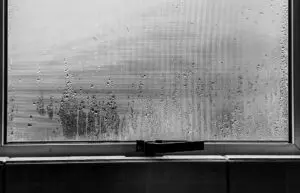
The truth is, excess condensation on your windows is a bad sign. It can encourage the growth of mould in the home. With the risk of damage that this damp and mould can pose to our homes – and our health – it’s best to try to limit the occurrence of condensation in the first place.

The best way to prevent condensation is to consider what causes condensation in the first place. Condensation happens in humid environments, where the water in the air becomes so dense it settles on cold surfaces. There are many things that can be done to prevent this happening on our windows, such as improving ventilation and maintaining a steady temperature in the house.

For more tips, read on for our full guide on how to stop condensation forming on windows. Following these steps should reduce condensation, making you more comfortable and limiting any further damage to your home.

Ventilate Your Home

Increasing airflow through the home reduces the amount of moisture in the air, which can help prevent condensation from forming.

It’s easy to overlook how some activities can increase humidity in the home. Condensation inevitably gets worse when we’re doing things that release water vapour. Focus more on ventilating the home – or restricting the flow of moist air – when you are:

  • Cooking. Turn on your cooker hood while boiling or frying food. Depending on what you’re cooking, try to keep the lids on pans. This has the added benefit of helping some foods cook faster, retaining more heat energy.
  • Drying clothes inside. Your tumble dryer can be exposing your home to high levels of heat and humidity. Make sure your dryer is properly vented so the air generated can flow outside of the home. You should check the vent is clear on a regular basis. Dry clothes outside in the summer months, and ventilate properly when drying clothes on radiators inside.
  • Having a bath or shower. Bathrooms are often the smallest spaces in the house, and they’re also the rooms we expose to the most humidity. These two factors combined will increase the likelihood of condensation and damp forming. Any warm, moist air while you wash has to go somewhere. Turn on your extractor fan, or have one professionally installed in your bathroom. Consider taking a colder shower if condensation is a big issue. Close the bathroom door and make sure the window is open to ensure adequate ventilation.
  • Using certain appliances, like the dishwasher or washing machine. Leaving appliances open after use can release more moisture into the air. Only open them when necessary if condensation is an issue.

Ventilating the home is easier in the summer months, when inviting outdoor air inside doesn’t leave you shivering or reaching for the hot water bottle! This is why condensation on windows tends to be worse in autumn and winter.

Improve Your Insulation

Having double glazing installed is one of the best ways to improve insulation in your house. This can be a worthy investment, especially with winter approaching and energy bills on the rise.
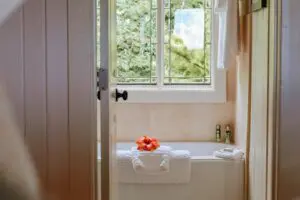

Double glazing reduces the potential for condensation to build up, as the 2 layers of glass insulate the home against draughts and more variable temperatures. Double glazing keeps the glass a bit warmer than single panel glass, so moist air doesn’t settle so easily on your windows.

Many more modern or updated homes will already have double glazing installed. If you already have double glazing installed, check the seals are intact on a regular basis. If condensation is becoming a bigger issue for you despite your double glazed windows, there may be a problem with them that needs fixing. We’ll explain a bit more about this below.

Keep Your Home Warm

Maintaining a steady temperature within the home can reduce condensation, especially in winter. This isn’t the most affordable way to manage damp, but keeping your home consistently at a low, warm temperature will reduce moisture in the air with its drying effect. While it’s an effective solution, it’s not a viable option for many at the moment. There are many other tips in this guide that can be more cost-effective.

Use a Dehumidifier

Some older homes are unfortunately more prone to condensation and damp. Dehumidifiers are great if you can afford one. You don’t have to go all out on a high-end or industrial one. Quality dehumidifiers can be bought from just £40, and will make a difference.

It’s recently been stated that dehumidifiers cost just £1 per day to run, as they’re relatively energy efficient. If you can’t afford the electric ones or don’t want to use more energy, crystal dehumidifiers can still help. Just place them around any spaces exposed to moisture – your bathroom, kitchen, and bedroom. They’ll be more efficient in smaller spaces like your wardrobe, or even stood on a windowsill with a blackout curtain to reduce condensation in specific areas.

Fixing the Root Cause of Condensation on Windows

As the winter months are approaching after an extremely hot summer, our PVC windows and doors are more prone to becoming misshapen. This is because repeated exposure to quickly fluctuating temperatures can distort certain materials. Our windows and doors are exposed to more extreme heat in the daytime – and then cooler autumn nights – which can expand and then shrink the seals of the double glazed units, causing some damage to the quality of the seals over time.

We call this failed double glazing. A broken seal or faulty hardware can let air into the home, introducing more moisture to the air and creating condensation. In winter, this accidental airflow into the home increases draughts and can lead to higher energy bills as you ramp up the thermostat to compensate.

With some window repair experts, you’ll find you’re charged higher fees as they figure it’s easier to simply replace entire window frames and panes, rather than undertaking a detailed analysis and fixing the specific issue at hand.

Stop Condensation on Windows with Cloudy2Clear

Any condensation should be dealt with to avoid further problems before the moisture continues to spread. Condensation can cause plenty of issues. These issues are not only limited to your windows and doors, but can have an impact on your walls and furniture in nearby areas too.

At Cloudy2Clear, we’ve dedicated our years of expertise in industry to fixing issues that can cause condensation on your windows – such as failed double glazing. If you’d like help with your condensation problem, call our team now on 0800 61 21 119. You can also get in touch via our online contact form to arrange a free consultation with our specialist engineers.

How to Prevent Damp in Your Bathroom

Bathrooms are often a problem area for those struggling with damp in the home. They’re usually the smallest rooms in the house, yet they’re equipped with plenty of utilities that create steam and lead to condensation on a daily basis.

The moisture and humidity levels in your bathroom are naturally much higher than the rooms in the rest of the house. Having a damp bathroom is a bigger issue than it may seem. Damp can cause the sealants in bathroom fixtures to warp, leaving your walls and floor exposed to any leaks. You may notice this happening around the bath, toilet, and sink. Once this happens, your entire room is prone to developing mould – causing further deterioration.

Ventilating your bathroom properly is important, and can help reduce the spread of mould and damp. Here’s our guide on how to prevent damp in your bathroom.

Looking through door into bathroom


Install a Bathroom Fan

A bathroom extractor fan can help limit the amount of moisture that builds up in the air. Many bathrooms will already be equipped with a fan, but it’s easy enough to forget it’s there and neglect it! Extractor fans help the warm, moist air that’s generated in your bathroom to escape. This is especially important if you don’t have a bathroom window to open while bathing or showering.

  • Turn it on!

To make the most of your extractor fan, turn it on before you wash. The thing most people forget is that they should also leave it on for a period of time after they’ve used the bathroom. The moisture remains in the air after we shower, so your extractor fan should be kept on afterwards. Leave it on for around 20 minutes to air out the room and remove steam.

  • Cleaning

Make sure you also clean your bathroom extractor fan on a regular basis. They can easily collect dust, reducing the fan’s ability to function properly. If you don’t have an extractor fan, consider having one installed.

  • Cubic Feet Per Minute – CFM

Think about the size of your bathroom. In a larger bathroom, you will have more air that needs extracting. Extractor fans have ratings based on the amount of air they can shift. This rating considers the ‘cubic feet per minute’ (also known as CFM). For each square foot of space in your bathroom, you need 1 CFM – as a minimum. Fan sizes begin at 50 CFM. Work out the size of your bathroom in square feet by multiplying the measurements – length x width. If your bathroom is 10 x 8 feet, that makes it 80 square feet. You then need an 80 CFM extractor fan.

  • Placement

The placement of your extractor fan will determine how well it works to remove moisture. Some bathrooms have areas that may need an additional fan. Consider any alcoves and corners that need covering so that steam can be extracted from every space in the room.

If you’re worried about your extractor fans looking unsightly in your bathroom, there are newer designs available. Some modern extractor fans feature LED lights and discreet flat surfaces, while others are available in dark grey.

Check Your Bathroom Windows

Many of the first signs of condensation and damp within a bathroom begin with the windows. You might start to notice puddles of water forming around the windowsill or mould starting to grow.

If you see condensation building up on your windows, you need to check they are working properly. If the sealant around the window is broken or warped, then it’s not insulating your bathroom. If this is the case, you might need your windows repairing. If you don’t already have double glazing, this is an ideal time to consider upgrading! At Cloudy2Clear, we’re experts in fixing and installing double glazed windows. We can repair any failed double glazing that’s causing condensation, fixing the issue and preventing damp in your bathroom.

Open Your Windows

You might be tempted to leave your bathroom door open to reduce the humidity in there. However, this isn’t recommended as it means the moist air only spreads to the spaces beyond your bathroom. Keep it contained. Let it out by opening the bathroom window and using the fan before you shower instead.


Heating the Home

If you’ve tried all of the above, there are other ways you can prevent condensation in the bathroom. Warm air is able to hold more moisture than cold air – without it settling to form droplets of water on your surfaces.

Keeping your home at a steady temperature throughout can therefore prevent condensation. Increasing the ambient temperature within the home is an effective way to combat condensation and damp. However, with the rising cost of energy, we understand it’s not always an affordable option.

Prevention is Best

The best way to stop damp in your bathroom is to prevent it from happening in the first place. If you follow all the tips above, you should be able to limit the amount of damp and condensation:

  • Install bathroom extractor fans – remember to consider placement, use them properly, and clean them regularly.
  • Check your bathroom windows – double glazing reduces condensation when fully functioning. If your double glazing has failed, seek a repair specialist like Cloudy2Clear.
  • Open your windows while showering or bathing – don’t rely on leaving the bathroom door open, as the humid air is then simply redirected to other areas of the house.
  • Heat the home consistently – not the most affordable option, but warmer air does prevent condensation.

While the above tips should help, preventing condensation becomes easier when you take a couple of additional measures:

  • Wipe Wet Surfaces

After you’ve used the bathroom, try to mop up any water or condensation that’s formed on your surfaces, walls, and floors. This will reduce the level of moisture in the room and means that water isn’t sitting around and contributing to damp. To prevent your windows from failing or contributing to further damp, focus on ensuring your windows are dry.

  • Invest in a ‘Demistable’ Mirror

‘Fog free’, or ‘steam free’ mirrors are a great way to prevent condensation from forming. Some feature heating elements or store hot water behind the mirror to stop condensation. Others have an anti-mist, polyester film over the top that stops moisture from settling.

  • Try a Dehumidifier

A dehumidifier will work to reduce the humidity of your bathroom. You don’t have to spend too much on an electric dehumidifier; these will only add to your energy bills too. Small, tech-free dehumidifiers often use crystals to absorb any damp. These smaller dehumidifiers (or moisture absorbers) work well in small rooms, and you could place a couple around the bathroom for maximum effect.

Others use aerodynamic absorption techniques and refillable tabs. Complement your dehumidifying efforts by using the extractor fan and leaving your window open.

  • Use Anti-Condensation Paint for Bathrooms

Anti-condensation paints are a great way to prevent the buildup of moisture in bathrooms (and kitchens). These paints have insulating properties that means they level out the temperature, so moisture doesn’t settle. Due to their insulating impact, they can keep your home feeling warmer and reduce your energy bills. Many anti-condensation paints also prevent mould, with fungicides used within the paint to stop it growing at its source.

  • Take Cooler Showers & Baths

A fairly obvious condensation prevention method, but understandably not one that everybody wants to do! Turning down the temperature when you take a bath or a shower reduces the heat and moisture in the air, therefore helping to prevent condensation and damp from forming over time.

Prevent Damp in Your Bathroom with Cloudy2Clear

At Cloudy2Clear, we’re specialists in optimising the impact of double glazed windows. When it comes to bathrooms, we find they’re a problem area for many of our customers. The good news is, we can replace the sections of your bathroom windows that need fixing – without replacing the entire window unit. This reduces the cost of your repair, while minimising material wastage.

Replacing or having your double glazed windows repaired is a great way to reduce condensation in the home.

To discover more about our bathroom window repair services, get in touch with us. Call our team on 0800 61 21 119 for a free quote now. You can also fill out online contact form and we’ll get back to you.