
• USP Logo Icon
    25 Year Guarantee
  • USP Leaf Icon
    Latest ECO Friendly Technology
  • USP Pointer Icon
    National Coverage
Get a FREE quote

What Is Energy Efficient Glass and How Does It Work?

With heating costs on the rise, plenty of homeowners are seeking ways to cut down on their monthly bill and save money in the long run.

There are hundreds of ways you can boost the energy efficiency of your house. One of the most effective ways to enhance the efficiency of your home is by opting for energy efficient glass.

What is Energy Efficient Glass?

Energy efficient glass is specially designed to reflect heat back into the home, optimising the money you spend on energy bills. Instead of escaping through windows and doors, the reflected warm air can be recirculated around the house.

Double glazed windows are considered a form of energy efficient glazing, as their insulating properties also stop warm air from escaping. The most energy efficient glass, however, is called low emissivity, or ‘low-E’ glass. The emissivity of a glass refers to how well it can radiate heat energy.

Normal glass has a relatively high emissivity rating, allowing 90% of thermal energy to escape through your windows and doors.

Low-E glass features a microscopically thin coating applied to one side. This coating is made from low emissivity materials that improve the thermal performance of the glass, such as silver and other metallic oxides. These coatings are so thin and transparent that they don’t impact the amount of light that can enter the home – maintaining the original function of windows as intended while keeping heat energy in.

Double glazed windows are often made with low-E glass, leading to more efficient fixtures that reap the benefits of both energy saving designs.

How Does Energy Efficient Glass Work?

The nature of heat energy means it will always flow towards colder areas. This is because warmer molecules move faster and collide with cooler atoms, transferring heat energy. This means any heat in your home will naturally move towards the coldest point – which is usually the glass within your windows and doors, since they are in direct contact with the cooler air outside.

Glass without a coating will absorb this heat energy, cooling your home down faster. The reflective coating on low-E glass does the opposite, reflecting most of the heat trying to escape back into the home.

Low-E glass isn’t just for keeping your home warm. Since it also reflects solar heat energy away from your windows, low-E glass can help keep your surroundings cool in the summer months too.

What are the Benefits of Energy Efficient Glass?

Having energy efficient glass installed in your home offers a range of benefits. Low-E glass is not expensive to install, especially if you already have windows you’d like to make more energy efficient. Low-E films are available if you don’t want to splash out on an entire new window, so you can quickly upgrade your own windows if you’re looking to improve the energy efficiency of your home.

Keep Your House Comfortable

In the UK, low-E glass combined with double glazing is best recommended for keeping your house warm. When we do get into those (far and few between!) summer months, energy efficient glass can help cool down your house too. This keeps your home at a more comfortable temperature year-round.

Reduce Your Energy Bills

The insulating effect of low-E glass can reduce your energy bills each year. Preventing the heat transfer through your windows, low-E coatings can reduce heat loss from the home by up to 50%.

Protect Against UV Rays

We know UV rays are harmful to our health – but they can also damage our homes and furniture. UV radiation can break down the elements that hold paint together, which is why spaces exposed to too much sunlight often have peeling paint or cracked walls. It can also lead to a sun-bleached effect, making the furniture and walls exposed to UV light look more faded than they should. Since low-E glass is made with coatings that reflect UV rays away from the home, energy efficient glass can limit the damage otherwise caused by UV light.

Keep Condensation at Bay

Low-E glass keeps the inside of your glass warmer, reducing the chance you’ll find condensation on the inside of your windows. Any condensation on the inside of your home can quickly spread, as damp environments are the perfect conditions for mould to grow in. Mould and damp also pose a variety of health risks, so low-E glass can even keep your home safer.

Less Maintenance & Upkeep

Low-E glass keeps your windows, doors, and their surroundings safer from external weather conditions. The coating on the glass is also highly durable, and more resistant to scratches than normal glass alone.

More Environmentally Friendly

Energy efficient glass is more eco-friendly as it means less fuel is used to heat the home. It can be combined with other energy efficient designs throughout your house to reduce your carbon footprint (and the costs involved) on an even greater scale.

Other energy efficient home upgrades include:

  • Renewable Energy Sources – Solar Panels, Wind Turbines
  • Quality Insulation
  • Installing a Smart Meter
  • Energy Storage Systems
  • Draught Proof Materials
  • Updated Heating Systems

Keep Your Home Energy Efficient with Cloudy2Clear

There’s no use investing in energy efficient glass if your windows and doors are letting heat out of your home anyway. Most fixtures are now double glazed as standard within the UK, which boosts the energy efficiency of your glass with an additional window pane that insulates your surroundings.

Despite its effectiveness, double glazing can fail over time. Failed double glazing, also known as a ‘blown window’, lets warm air escape the home through gaps in the sealant that attaches your windowpane to its frame. Windows and doors account for up to 30% of heat loss within a home, so keeping your energy efficient glass well maintained is key to maximizing savings on your energy bills.

At Cloudy2Clear, our dedicated team of double glazing repair specialists can restore your doors and windows at minimal cost. Make the most of your energy efficient glass by keeping your double glazing in check.

Call our team on 0800 61 21 119 for a free consultation. Alternatively, fill out our easy online contact form and we’ll get back to you with more information as soon as possible.

How to Ventilate Your House and Prevent Damp

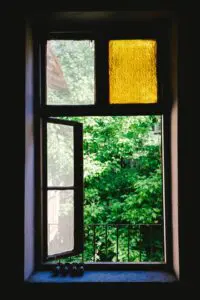
old window with yellow pane and trees in background


Damp can be a common problem in homes throughout the UK, which may be due to our relatively wet climate. In 2021, the English Housing Survey discovered that over 900,000 homes had issues with damp and mould. This survey found that 11% of the homes with damp issues were in the private rental sector. In comparison to this, only 2% of homes occupied by their owners had similar problems.

This comparison sparks an interesting debate. Under the Homes Act, set out in 2018, landlords do have a responsibility to ensure rental homes are ‘fit for human habitation’. This includes making repairs to the structure of the house, drains, and exterior windows.

Whether you are a homeowner or a landlord, it goes without saying that preventing damp should be a priority. Damp and mould issues can quickly spread, causing a deterioration of surrounding structures and furnishings – as well as posing dangerous health hazards. However, when you do not live in the home yourself, how can you ensure the property remains free from damp and mould?

One of the main ways to prevent damp is to make sure the home is properly insulated with quality double glazed windows and doors. Here is our guide on how to ventilate your property and prevent damp.

Why Ventilate Your Home?

Ventilation is essential in controlling the moisture levels within your home. Everyday activities such as cooking, showering, and even breathing release moisture into the air.

The science behind the need for ventilation is simple. When moisture-heavy air is not adequately vented out, it increases the relative humidity levels inside the home. This moisture needs somewhere to settle, so it begins to infiltrate any porous surfaces within your space.

When you notice the tiles in your bathroom are wet after a shower, this is because the droplets have settled on the cold tiles. The same thing happens when moist air settles on other surfaces – but it penetrates porous surfaces such as walls, furniture, and carpets. This leads to damp and mould in the home.

Signs You Need to Ventilate Your Home

High humidity creates an ideal environment for the growth of mould. Humid spaces are also one of the reasons dust mites can become so problematic. Healthwise, damp and mould can trigger allergic reactions, respiratory problems, and worsen asthma symptoms.

Although this is worrying enough, damp conditions and excess moisture within your home can cause more than health symptoms. Damp can lead to several further problems that can become expensive to fix. It can cause structural damage to your property, including rotting wood, peeling paint, and crumbling plaster.

One of the early signs of poor ventilation is condensation appearing on your windows. This often looks like mist or fog that has somehow entered the gap between your windowpanes.

These signs indicate a high level of humidity inside your house. If they are not addressed quickly, condensation can lead to damp conditions. You may also notice a musty smell, or a feeling of stuffiness in your rooms. If this sounds familiar, the humidity levels in your house may be higher than the recommended 40-60%. If these signs are not addressed as soon as possible, they can lead to damp and mould.

How to Ventilate Your Home

Improving ventilation in your home is easier than you might think. Following these tips can help prevent damp from forming in the first place. The tricky part is getting everyone in the house to stick to the same routines.

Here are some practical tips for ventilating the home:

  • Fresh Air – You should regularly open doors and windows – weather permitting – to allow fresh air to circulate within your home.
  • Effective Airflow – You can create a cross breeze to ventilate the home naturally. This works if you open windows and doors on opposite sides of your house, promoting better airflow through the home.
  • Exhaust Fans and Vents – Use exhaust fans in the bathroom and kitchen to extract humid air. Make sure everyone in your home is doing this.
  • Keep it Clean – Clean these fans regularly for optimal functioning. Any dust that builds up on fans and vents means the unit cannot work as efficiently as it should.
  • Use Dehumidifiers – Dehumidifiers can effectively reduce moisture levels in areas that are prone to damp. These include rooms like bathrooms, utility rooms and kitchens.

READ MORE: 5 Tricks You Hadn’t Thought of to Keep Cool at Home This Summer

Avoiding Sources of Damp

Prevention is better than a cure, and this principle certainly applies to damp. Once damp begins to spread, it can be very difficult to eliminate.

Here’s how you can avoid contributing to damp conditions:

  • Laundry – Try not to dry clothes indoors. This can release a significant amount of moisture into your home.
  • Showering – Limit shower times and use cold water when possible. This will reduce the amount of steam produced, which means less condensation in the bathroom.
  • Cooking – Try to reduce the amount of steam in the kitchen by covering pots and pans on the hob with lids where you can. This can also lead to faster cooking!
  • Check for Signs of Damp – Regularly inspect your home for signs of failed double glazing, leaky pipes and ineffective ventilation units. Seek professional repairs if you notice any signs of water infiltration, such as mould or damp around a window, a leaky roof, or cracks in walls.

Repair Faulty Double Glazing to Prevent Damp

If you’ve taken all these precautions, but still find condensation on your double glazed windows, it may be a sign that the sealant on your windows has failed. When this happens, moisture can get trapped between the windowpanes, leading to unsightly condensation.

At Cloudy2Clear, we specialise in replacing failed double glazing, preventing damp and ensuring your windows are as energy efficient as possible. Wherever possible, we replace the windowpane and not the frame. This keeps our services affordable and efficient, with minimal disruption to your home.

Contact us on 0800 61 21 119 today for a free, no obligation quotation.

Is window insulating film worth it?

If you’re looking for an affordable way to improve energy efficiency in your home, window insulating film might seem like an attractive option to prevent heat loss.

While double glazing is definitely a more expensive option, how does the effectiveness of window insulating film compare? In this guide, we’ll explore the benefits and drawbacks of window film, and share practical installation tips.

What is insulating film for windows?

Insulating window film is a thin, transparent or tinted layer of polyester, combined with an adhesive layer.

It sticks to the interior side of your windows and is designed to improve thermal insulation by reducing heat loss in the winter. In the summer months, thermal insulation film blocks solar heat, reducing indoor temperature and minimising the need for air conditioning.

Some films for insulating windows also offer UV protection and glare reduction, making them a versatile option for home improvement.

How much does window insulating film cost?

The cost of installing window film to improve energy efficiency will vary on:

  • The size of your windows
  • How many windows are in your home or business premises
  • The quality of the window film you purchase

Some brands sell window insulation kits for single-pane windows for approximately £4-£4.50.

Brands that offer ‘secondary’ glazing films that claim to boost the energy efficiency of windows that are already double glazed, typically retail between £1.50-£2 per square metre.

You can buy cheap insulating film for under £1-£1.50 per square metre. These secondary insulating films are often applied during winter months to optimise the thermal retention properties of existing double glazing.

Does window insulating film work?

If you have single-pane windows, insulating window film is likely to improve the energy efficiency of your windows. Applying this additional layer of thermal protection within the home can be a cheaper alternative to investing in double glazing.

Here are the benefits:

  • It improves energy efficiency – According to Energy Saving Trust, insulating film can help reduce heat loss by up to 70%, leading to lower energy bills in winter and improved indoor comfort in summer.
  • Some offer UV protection – Many films block up to 99% of harmful UV rays, which prevents the fading of furniture, flooring, and curtains.
  • It’s a cost-effective alternative to double glazing – If you have single-glazed windows, insulating film can be a budget-friendly way to improve thermal efficiency without the high cost of replacing windows.
  • It’s easy to install – Unlike replacing windows, applying insulating film is a simple DIY project.
  • It reduces glare – Some window films can help reduce glare, making rooms more comfortable, especially in bright sunlight.

What are the drawbacks?

  • It offers limited insulation compared to double glazing – While insulating window film does improve energy efficiency to some extent, it won’t achieve the same level of insulation as double or triple glazing.
  • It has a shorter lifespan – Typically, insulating window film lasts for approximately 5 years. Over time, window films degrade, bubble, or peel, especially if exposed to moisture or direct sunlight for long periods of time. This means you will have to remove and replace the film.
  • It can be difficult to remove – If window film is not installed properly, removing the film later can be tricky and leave a sticky adhesive residue. As mentioned above, you’ll need to replace your window film every 5 years or so.
  • It alters window appearance – Depending on the type of film, it can slightly alter the appearance of your windows, which some homeowners may not like

How to install insulating window film

Installing insulating film is a straightforward process, but following these steps will ensure the best results:

  1. Step 1: Prepare the window surface

    Clean your window thoroughly to remove dust, dirt, and grease. Any dirt or particles left behind on the surface can cause air bubbles. Clean your windows with a mixture of water and mild dish soap. Avoid ammonia-based cleaning products, as they can affect the adhesive quality of the film. Dry the window completely with a lint-free cloth or paper towel.

  2. Step 2: Measure and cut the window film

    Measure your window precisely but cut the film slightly larger than the glass area so you have room for adjustments. Use a sharp, straightedge utility knife or scissors for a clean, precise cut. And, if you’re applying film to multiple windows, be sure to label each piece so they don’t get mixed up during installation.

  3. Step 3: Apply a soapy water solution

    Top tip - if you lightly spray the window with a mixture of water and a small amount of dish soap, it stops the window film from sticking too soon. This gives you more time to position the film.

  4. Step 4: Apply the window film

    Peel off the backing and gently place the film on the window, smoothing it out with a squeegee to remove any air bubbles. Work from the centre outward to avoid trapping air. If you don’t have a squeegee, use a plastic card (such as a credit card) wrapped in a soft cloth. Be careful not to press too hard as this can potentially tear the window film.

  5. Step 5: Trim any excess film

    Use a sharp utility knife to carefully trim any left over window film along the edges of the window frame. Be sure to hold the blade at a slight angle for a clean cut. Apply gentle, consistent pressure to avoid damaging the film or scratching the glass. Wipe away any loose trimmings with a lint-free cloth.

  6. Step 6: Let the window film cure

    Leave the window film to set for at least 24-48 hours before touching it so it sticks to the glass properly. During this period, don’t touch the film and reduce any exposure to extreme temperatures and humidity. If you notice bubbles start to appear, gently smooth them out with a squeegee or soft cloth before the adhesive fully sets.

Applying insulating window film can help reduce cold draughts, but it’s not the only solution. For more ways to keep your home warm, check out our guide on draught proofing windows with easy DIY fixes.

Is insulating window film the best option?

Feature Insulating window film Double glazing Thermal curtains
Cost Low High Medium
Installation DIY Professional DIY
Energy Efficiency Moderate High Moderate
Durability 5-10 years 20+ years 5-10 years
UV Protection Yes Yes No
Appearance Impact Minimal None High


If you are here to weigh up the pros and cons between insulating film and double glazing for energy efficiency purposes, your best option is always going to be double glazing. After all, a thin sheet of plastic will never offer the same insulating benefits as double glazing.

While window film offers some insulation, it doesn’t compare to the long-term benefits of double glazing, which provides superior heat retention and energy savings.

However, the cost of insulating window film is significantly cheaper. And, if you have single panes, you may notice some impact.

If you do already have double glazed windows and want to ‘top up’ their efficiency for winter, the effectiveness of ‘secondary’ glazing films is still debatable.

For a more effective long-term solution that can help you save thousands on your energy bills whilst adding value to your home, go for double glazing instead of insulating film!

Get in touch

With Cloudy2Clear, we offer quality double glazing replacements and window repairs you can rely on. Our 25-year guarantee ensures you are spending your money wisely, as we’ll repair any of our double glazing installations or upgrades that may fail within this time. We offer this guarantee as we know our double glazing experts get it right the first time, every time.

If you would like to book a consultation, call us now on 0800 880 7012. Our engineers will provide a non-obligation quote so you can decide the best way to insulate your home throughout the year.


How to Spot a Cowboy Double Glazing Firm: 5 Signs

Choosing the right double glazing company can make a vast difference to the quality and efficiency of your home’s doors, windows and insulation levels. Double glazing is one of the most effective ways to boost the energy efficiency of your home, so there are plenty of trustworthy traders out there that offer honest, quality installations and repairs.

Unfortunately, the double glazing industry is not immune to ‘cowboy’ traders. These dishonest firms or individuals can leave you with substandard work, unexpected costs, or even legal issues.

To help you choose a trustworthy double glazing company to work with, we have put together this guide. Here are five tell-tale signs of a cowboy double glazing firm that should help you steer clear.

cowboy double glazing firms

What is a Cowboy Trader?

First, let’s explain what a cowboy trader is. A ‘cowboy’ trader is a person or firm that may appear to be a reputable tradesperson; but does not have the skills, qualifications, or insurance required to complete the projects they offer.

Many cowboy traders operate by creating the illusion they are doing the work. They will wear high vis jackets, drive a van, and have all the tools required to hand. Despite this, they either do not complete work to an acceptable quality or leave jobs completely unfinished.

They avoid accountability by taking ‘cash in hand’ and failing to provide proof of services. Here’s how to spot (and avoid) them if you’re looking to upgrade your double glazing.

Approaching you for Work

In the home improvement industry, reputable traders are in high demand and have enough work on their books. They don’t have time, or the need, to go hunting for jobs!

If anyone from a double glazing company – or any home-improvement firm – knocks on your door unsolicited to offer services, it’s a red flag. They may even take advantage by offering to repair damage caused by severe weather events, or offer their services immediately in an emergency. These types of traders may also pressure more vulnerable individuals such as the elderly or those that live alone.

While not all cold callers are disreputable, it’s better to be cautious. If they seem too readily available to offer work, check their credentials. Choose a company based on referrals, customer testimonials, or professional accreditation. Take the time to read customer reviews from a range of companies. See if there are any photographs added by previous clients that can prove a quality standard of work.

Poor Service

Customer service is often a reflection of a company’s professionalism. Cowboy traders might display a lack of respect for their clients, whether through rudeness, not keeping their word, or repeatedly missing appointments.

Professional companies, however, will present themselves and the traders that work for them as best they can. Look for firms that value your time and respect your property. Legitimate companies will ensure their workers communicate effectively and stick to their commitments.

Avoiding a Paper Trail

If any double glazing company seems like they are avoiding a paper trail, be cautious. Cowboy traders often avoid written contracts or insist on cash payments upfront.

A dishonest trader may be vague about the scope of work, failing to adequately explain the tasks they will complete and when this will be done. In comparison, a professional firm will provide a detailed written quotation before any work begins.

This quotation should clearly outline any work that be undertaken, materials used, timelines, and costs. They’ll also offer various payment options and give you a receipt. An absence of such transparency could suggest you are dealing with a company that has something to hide.

Too Cheap to be True

That age-old adage, “if it seems too good to be true, it probably is” should be remembered throughout your search for home improvement companies.

If a quote for double glazing work comes in significantly lower than others, it may be tempting to see it as a great deal. However, this could indicate substandard materials, poor workmanship, or hidden charges. In the worst-case scenario, a cowboy trader might vanish midway through the job or leave you with incomplete or poor-quality work.

Reputable firms understand the value of their expertise and don’t compete solely on price. They calculate costs based on the materials required, the complexity of the work, and the time it will take to complete the job to a high standard. Always get at least three quotes to gauge the average cost for the job, and remember… If a quote seems too good to be true, it probably is. It’s wise to invest in quality double glazing now, rather than having to face potential costly repairs or replacements later.

Lack of Licensing

Cowboy double glazing fitters might lack necessary licenses or insurance to carry out their work. This can leave their customers exposed to potential issues, and they won’t be covered if anything does go wrong – or if they drop a project and leave halfway through.

A credible double glazing company will be happy to provide proof of relevant licensing, insurance, and memberships with trade bodies like FENSA or the GGF (Glass and Glazing Federation).

These credentials not only provide reassurance of quality, but will also protect you if any problems arise.

Invest in Quality Double Glazing by Cloudy2Clear

Navigating the sea of double glazing firms doesn’t have to be daunting. At Cloudy2Clear, we pride ourselves on our professionalism, transparency, and commitment to providing exceptional service. We hold all necessary licenses, are fully insured, and our double glazing services come with a 25-year guarantee. Our positive reputation and customer satisfaction levels speak for us, as we work across over 35 areas nationwide. With over 2,000 reviews on Trustpilot, you can rest assured our engineers will provide the best possible service and expertise.

Don’t let anyone cut corners when it comes to taking care of your home. Instead, contact Cloudy2Clear for our trusted and reliable double glazing services. Get in touch with us today by calling 0800 61 21 119.

Does Your Velux Window Need Replacing or Repairing?

Different styles of windows can completely transform the look and feel of any room, with some allowing more natural lighting to enter than others. With certain spaces in the home, various types of windows are also specially designed to offer the most effective solution.

Velux windows are also known as roof windows. They are popular options for making spaces feel more airy and welcoming, and can even add a spacious feel to your home. Over time, these types of windows experience even more exposure to the natural elements than standard windows. While they are built with lasting quality in mind, time can take its toll and lead to issues with any Velux window. Here’s our guide on how to know whether your Velux window needs replacing or repairing, and what you can do about it.


What is a Velux window?

Now synonymous with the style of window they provide, Velux is actually the name of the leading brand that manufactures roof windows, skylight systems, and sun tunnels.

Velux windows come in a range of styles, each designed to suit different spaces in the home. The addition of a Velux window can brighten up any room, letting in sunlight from the top down.

  • Roof Windows
  • Flat Roof Windows
  • Skylight Systems
  • Roof Terraces
  • Balconies

Due to the positioning of roof windows, Velux windows use laminated safety glass as standard. This avoids any glass from entering the home if your Velux window ends up smashed or broken, enhancing the safety of your roof window. Velux windows can also be configured to include additional features and finishings that can further boost the value of your property.

  • Smoke ventilation windows
  • Burglary resistant features
  • Sound insulation roof windows
  • Weather protective glazing
  • Easy-to-clean coatings
  • 3-layer UV defense

Which Faults can Occur with a Velux Window?

All Velux windows are double glazed at a minimum. This means any of the issues that can happen with double glazed windows can happen to your Velux windows.

Draughts

If your double glazing has failed, you might notice your home feels colder. Draughts coming through your Velux window can signify that the seal around your roof window has failed somewhere. This allows air from outside to enter the home, increasing your energy bills. It will also potentially expose your windows to further damage from too much condensation build up.

Mist & Condensation

A small amount of condensation on your Velux windows is normal, though excess condensation can build up over time. Velux windows are fitted with air filters that should regularly be cleaned to avoid this. Cleaning your Velux air filter helps air to circulate around your windows, reducing the ‘foggy’ appearance that can happen when it’s cold outside.

Damp & Mould

All Velux frames are specially treated to prevent the growth of mould in the first place, but any prolonged damp conditions can lead to a problem. Keeping the air filter on your roof windows clean should avoid the growth of damp and mould that can be caused by too much condensation. You can also clean your Velux frames with mould spray.

Other problems with your roof window could include:

Leaks

Finding any water entering the home from outside is a concern, especially with a roof window! Problems with the installation process can lead to leaking Velux windows. When installed, your roof window should have had roofing felt placed in between the window frame and the roof opening, as well as insulation. If your installer has skipped these steps, any excess water is likely to leak down into your window.

Broken Lock Mechanisms & Hinges

The handles and locks of any window can wear down over time, especially with daily use. Separate Velux parts including hinges and handles can be ordered direct from the Velux website.

Cracked or Broken Glass

As with any window, the glass within a Velux window can chip or break entirely. Due to the position of roof windows, it’s perhaps even easier for them to sustain damage. Anything from the branch falling off a tree, to weather, to a bird dropping something on your window can be enough to have an impact on those made from low quality glass.

Luckily, Velux windows are designed to withstand these events. They’re each tested vigorously to avoid broken glass – the company’s strict testing regime even involves hitting the glass with a 50kg pendulum to ensure strength.

Can a Velux Window be Repaired?

If you have issues with your Velux window, it’s worth arranging a free consultation to first identify the cause of the problem. A damaged Velux window isn’t necessarily in need of a full replacement. As windows age, they withstand plenty of weather conditions and natural wear-and-tear.

When to Repair a Failed Double Glazing on a Roof Window

Over time, natural wear-and-tear often leads to failed double glazing, which is not uncommon in Velux windows. Since many failed double glazing cases are caused by issues with the seal, these can be repaired by a specialist. It’s certainly worth having your failed double glazing repaired. This will restore the original energy efficiency of your windows, limiting the cost you’ll spend on heating in the long run. Repairs will also stop any of that excess mould or condensation spreading to the space around your window, which could cause even more costly damage to your walls and furniture.

When to Replace a Faulty or Broken Roof Window

If the initial installation of your Velux window wasn’t done properly, you might need a bit of extra work done. This might involve the replacement of certain components of your window, from the frames, to the insulation and panes. Similarly, if one of your window panes is broken, that pane will have to be replaced.

It’s worth finding a roof window repair service that will provide you with a quality repair or replacement.

Velux Window Repairs & Replacements by Cloudy2Clear

At Cloudy2Clear, our experts in repairing and replacing windows can fix your roof windows should any of the above issues happen. Our Velux window repair specialists work to recover the full quality of your roof windows with minimal cost. We know that not all Velux windows need replacing entirely if something goes wrong!

Many companies will have you replace the entire unit surrounding your Velux window, even if there’s nothing damaged with the window frame itself. This leads to a much more expensive service where you’re paying unnecessary fees. Plenty of issues with Velux windows develop due to problems with just one window pane or the sealing. We work to repair and replace only the faulty part of your Velux window, keeping costs down.

If your Velux window needs repairing, call us on 0800 61 21 119 for a free, no-obligation quote.