
• USP Logo Icon
    25 Year Guarantee
  • USP Leaf Icon
    Latest ECO Friendly Technology
  • USP Pointer Icon
    National Coverage
Get a FREE quote

The Best Ways to Keep Your Double Glazing Clean

Keeping your double glazed windows clean helps you maintain a clean and appealing home. In some ways, keeping your windows clean can even enhance their energy efficiency, whilst maintaining their longevity and minimising damage. Sometimes, however, harsh cleaning materials and chemicals can have the opposite effect. Accidentally damaging areas of your windows by cleaning can lead to irreversible faults that can mean your double glazing is no longer in working order, and it does happen!

Some quick key tips for an effective double glazing cleaning routine include:

  • Avoiding abrasive materials and tools.
    Any rough textures used on your windows can lead to damage, which may leave you with less effective double glazing. They can also have an unwanted impact on the appearance of your windows.
  • Avoiding the use of harsh chemicals.
    Cleaning products can contain very strong chemicals that may break down the finish and integrity of almost every surface in your home, and this also applies to windows. To get the most out of your double glazing, clean using natural chemicals. Avoid products containing bleach and ammonia.
  • Not using pressure washers.
    It might seem like a good idea to use a pressure washer to remove more stubborn marks or dirt around your windows. However, it is difficult to predict exactly which level of pressure could damage your windows or seals, especially over time. We wouldn’t recommend using them. Instead, opt for a normal garden hose on a low pressure if you do need to rinse larger areas at a time.

It’s also important to recognise you may want to take a slightly different approach when it comes to cleaning the different areas of your double glazed windows, too. For example, it’s often recommended that you use different cleaning products and tools on your window panes than you would use on your frames.

Here is our guide on how to keep your double glazing clean, with a few tips on how you can take care of your windows to keep them in top condition for longer.

Cleaning Double Glazed Window Panes

Cleaning window panes can be tricky, as you have to be careful not to scratch or damage the glass. This can lead to unsightly marks on your windows (often even worse than the marks you were trying to remove in the first place) and can even reduce the security of your windows. As well as this, any damage to the panes will also reduce the effectiveness of your double glazing, and you may end up with condensated windows or higher energy bills as a result.

To clean double glazed window panes properly, follow this guide.

  • Wipe down the glass – Gently wipe away any loose dirt from the window using a soft, clean cloth or a very soft-bristled brush.
  • Make sure anything abrasive is removed – Dirt can be made up of a mixture of abrasive materials, such as small stones and sand. Even bird droppings can also include hard seeds; so make sure your windows are brushed clean first. It’s important to avoid spreading these across the glass so you don’t end up accidentally scratching the surface.
  • Apply window cleaner – Apply your own mixture of window cleaner made from warm water and detergent, or spray on a shop-bought brand. Read the label first to avoid using harsher chemicals that may drip down to the seal. Each product or brand can offer slightly different qualities you might prefer. For example, Method is great for eco-friendly, plant-based cleaning products with no harsh chemicals. Their products are also non-toxic; another benefit if you have pets or children in the house.
  • Wipe your window panes, focusing on stubborn marks – You can apply more cleaner to the more difficult to clean areas. Again, don’t use any abrasive materials to wipe the surface – a soft cloth should work.
  • Dry and squeegee – Dry your windows using a soft dry cloth or a squeegee.

Cleaning Double Glazing Frames

While the most common type of window frames in the UK are made from uPVC, there are a range of other materials that can be used. Each type of frame material can have even slightly different cleaning recommendations when it comes to avoiding damage to your double glazing. Ultimately, it’s important to follow the recommendations offered by your window frame manufacturers – though we will offer a few of our own general tips for cleaning different frame materials below.

Wooden window frames are often found in older homes, but have become more popular recently for their aesthetic impact. If you have wooden frames, you likely already know they need a bit of extra TLC. The same applies when you are cleaning them. To prevent damage to the wood, follow these tips:

  • Keep your frames as dry as possible – Avoid excess water, as this can warp the wood or lead to mould growth. Do not soak the frames using a hose – stick to using a damp cloth. Make sure frames are completely dry after cleaning.
  • Apply a protective finish – Look into applying a wooden frame protector or preservative for further maintenance. These can come in the form of wax oils, wood stains, or varnish-based finishes. Many of these offer UV-resistant qualities that can also enhance the appearance of your windows. They can also protect against insects and wood rot, keeping your wooden frames healthier for longer.
  • Exterior finishes – Make sure you use finishes designed for exterior use and consider the drying time before applying any protection, as you will want to avoid rainy weather!

uPVC window frames are a popular choice in the UK due to their durability and relatively easy-to-maintain qualities. They are easy to clean, so shouldn’t need any additional care. Wipe away debris before cleaning with a sponge or cloth, then apply a mixture of water and detergent or soap to clean.

You can also buy special uPVC restorers, made from cleaning materials that are designed to maintain the appearance of your frames without compromising the materials. Note that any ‘whitening’ uPVC cleaners will likely include hydrogen peroxide. If you do use these cleaners, avoid getting them anywhere near the window seals. You can mark off areas using tape to make sure the cleaner is only applied to the specific areas needed.

Aluminium window frames are an increasingly popular option as they are durable and can enhance the appearance of modern homes. Most frames will come with a protective powder coating applied to protect against corrosion and rust. Don’t use abrasive cloths or tools, as this can rub away the special coating. Aluminium frames can easily be cleaned with a soft cloth, some washing-up liquid, and warm water.

Cleaning the Seals on Double Glazed Windows

While cleaning the seals on your double glazed windows, you should take extra care not to damage the material. Cleaning the seals is important, as dirt and dust can collect around these areas. When a lot of dirt or grime builds up, it can begin to seep into the seal – compromising quality and letting unwanted air in through your double glazing. You might be tempted to use something a bit more abrasive to clean your seals effectively, such as a toothbrush. Don’t! Even minor friction against a rougher surface can reduce the integrity of your window seals, as they are most likely made from rubber or silicone.

Cleaning your window seals is a great opportunity to check for any potential areas in your double glazing that need repairing. Look for:

Each of these are a sign that the double glazing seal on your windows needs replacing or repairing. If you also notice mould or damp on your window seals, there are a few things to consider. Mould is a clear sign your double glazing is compromised. This may be due to ineffective seals, or other areas of your windows that need repairing. It may seem like an easy fix to spray some mould or damp remover on any seals that have mildew on them. Many of these cleaners, however, are made using very harsh chemicals such as hydrogen peroxide. Make your own natural cleaner instead, using a mixture of white vinegar and warm water. You can also use a mixture of warm water and disinfecting or sterilising fluid, such as Milton. Rub with a soft cloth until the mould is removed. Rinse with clean water and make sure the seals are completely dry after cleaning.

If you have noticed any problems in your double glazing or window seals while cleaning, get in touch with a specialist to discuss having your windows repaired. It’s best to do this as soon as you can to avoid further damage to your windows and home.

Keep Your Double Glazing in Top Condition with Cloudy2Clear

If you have accidentally damaged your double glazing by cleaning your windows, or noticed something is amiss whilst you have been cleaning, we can help. At Cloudy2Clear, we’re proud to work throughout over 35 areas in the UK, helping homeowners keep their windows and doors in top working order for longer.

We are experts in dealing with all kinds of damage to double glazed windows and will advise you on the best possible way to repair or replace while minimising the costs involved. Our 25-year double glazing guarantee ensures our clients that our work is of the best quality possible, as we replace or repair any faults that occur after we’ve worked on your windows!

To book a free, no-obligation consultation with our specialist engineers, call us now on 0800 61 21 119. You can also complete our handy online contact form if you’d like us to arrange for your local Cloudy2Clear team to call you back.

Reduce Double Glazing Installation and Repair Costs

When it comes to our homes, we all strive to create a comfortable living space. For many of us at the moment, that means more than simply achieving a great looking home. We also need our spaces to be increasingly energy-efficient, with the ability to offer significant savings on our energy bills. One of the most effective ways to achieve this is through double glazed windows.

Double glazing is an essential addition to the modern home for a number of reasons. Double glazing insulates the home to protect against heat loss – a key consideration here, as the majority of heat escapes through windows and doors. This means it contributes to sustainability efforts, reducing your home’s carbon footprint. By reducing heat loss through windows, you can also lower your heating bills and conserve energy within the home. In the long run, double glazing also enhances your home’s value and appearance – making it a smart investment for both your current comfort levels and future resale value!

C2C Van through window


Ensuring your double glazing is fully functioning (and repaired if it isn’t) is just as vital as having it installed in the first place. Condensation between your windows is a sign your double glazing may have failed, meaning heat can escape the home while damp air can enter. Damaged or misted windows can lead to damp, mould, and further damage to your property. Ignoring these issues can result in security concerns and additional costs down the line.

In this article, we’ll explore the importance of double glazing, how it can enhance your home, and how you can reduce the cost of installation and repair with our expert guidance!

Replace the Pane, Not the Frame

Many double glazing fitters on the market may suggest replacing the entire frame if you’re in need of a repair. Our approach is a little different. We focus on carefully replacing just the glass or damaged areas, conserving materials that aren’t in need of replacement. This saves you money and time, while even causing less mess and disruption as we install! Our method has a more positive impact on the environment by reducing material waste. This is a key motivator for our team, as we are continuously working to adopt more eco-friendly approaches and technology.

Shop Around for Fitters

When it comes to searching for a double glazing expert, we have a few tips under our belt that may help you get the best deal.

  1. Get at least two or three quotes from different suppliers.
  2. Prioritise quality over the cheapest price.
  3. Ask questions!

As double glazing experts ourselves at Cloudy2Clear, we receive plenty of questions about our services and processes each day. Here are some of the most important questions you should present a potential double glazing installer before confirming that you’d like to work with them.

  • How long have you been in the double glazing industry?
  • Can you provide references or examples of previous double glazing work?
  • What types of materials do you use?
  • I have a specific material in mind for the frame. Can you work with it?
  • What is your installation process like?
  • How long will the installation take?
  • When could I have my double glazing repaired?

As well as being diligent in finding out information from the providers of the service themselves, remember you can’t always rely on their word. Be sure to check reviews from real customers by exploring websites like Google Reviews and TrustPilot. This is a great way to gather first-hand experiences from those who have used their services, while some will also leave images.

Look for Guarantees!

A guarantee ensures the work lasts and won’t need to be replaced in a few years. Even if your double glazing does fail in the meantime, you can rest assured it will be professionally repaired or replaced if necessary.

While professionally installed double glazing can last for decades, there are a few reasons it’s worth making sure you get a guarantee.

  • Accidental damage. Accidents do happen, and they can cause your double glazed windows to fail. A crack or chip in one of the panes can compromise the insulative benefits of double glazing, and it often doesn’t take an extensive amount of damage for this to occur.
  • Manufacturing defects or faulty materials. We only work with the most highly trusted materials and manufacturing component providers within the UK, so it’s very unlikely you’ll have to claim on a defective window installed or repaired by our team. However, it’s worth having that guarantee against faults if they do happen.
  • Poor installation. While we can guarantee poor installation won’t be an issue with our experienced engineers, some companies do take advantage and fail to do the job correctly.
  • Broken, worn or torn seals. This is one of the leading issues leading to double glazing repairs. The seals on double glazed windows are there to hold everything in place, securing the panes and the gas suspended between them for maximum insulation. If these seals are damaged, they aren’t able to insulate properly and will need repairing.
  • Natural wear and tear. No matter how well you maintain and care for your windows, repeated opening and closing action and the effects of weather will mean a replacement is eventually needed

At Cloudy2Clear, the guarantee we offer lasts 25 years. We offer this as we are confident about the quality of work we do, as well as ensuring our customers get the service they deserve when it comes to something as essential as their windows.

Space the Work Out

One of the main things keeping people from having double glazing installed or repaired is the cost. We take a flexible approach with our customers, allowing you to spread the cost by spacing out the work over a series of visits to your home. Often we install double glazing on just one or two windows at a time for our clients; so they can budget effectively and save in the meantime. We do recommend always having repairs done as soon as possible to reduce further damage, though we know this isn’t always a realistic piece of advice! If you are in need of repairs to your double glazing, we can also help you prioritise which windows to get fixed first. Again, you can take advantage of our ‘repairs-not-replacement’ approach in saving money on your double glazing needs.

Remember It’s an Investment

While installation can involve a noticeable fee at first, it’s worth remembering double glazing is an investment in itself. Here, we’ll delve into a few of the ways double glazing is well worth the initial fee.

  • Energy Savings. Back in September 2022 before energy prices increased further, the Energy Saving Trust explained A++ rated double glazing could save you up to £235 a year on your energy costs! This involves also reducing the carbon emissions of your household by up to 405kg on an annual basis.
  • Increased Home Value. With the ability to increase your home value by around 10%, it’s certainly worth having your single pane windows upgraded to double glazing. This added value comes from the additional comfort, reduced energy bills and superior security protection offered by double glazing. Energy-efficient features are now key when it comes to boosting house prices, and prospective buyers often pay a premium for quality, eco-friendly fixtures and fittings throughout.
  • Security and Insurance. It’s often overlooked just how much double glazing can benefit your home from a security perspective. Single pane windows are now a target for thieves, as they’re considerably easier to break into. When looking at home and contents insurance, providers may consider the improved security benefits offered by double glazing when calculating your insurance premiums. Remember that if your double glazing needs repairing, this can also pose weakness to your windows and therefore be a security risk – so you should get any problems fixed as they arise.

Double Glazing Installation and Repair by Cloudy2Clear

Investing in double glazing installation and repair offers a range of benefits, from increased energy efficiency and home value to improved comfort and noise reduction. By following our tips, you can reduce the cost of double glazing installation and repair without sacrificing on the level of quality you and your family deserve.

At Cloudy2Clear, our 25-year guarantee, lasting expertise, and dedicated team of engineers ensure all our clients receive the best service possible. If you are considering having double glazing installed or repaired, work with us! We ensure quality materials and installation, alongside our commitment to providing affordable double glazing services that last. Don’t hesitate – give us a call today at 0800 61 21 119 to discuss your double glazing needs and discover how we can help you create the perfect living environment!

Don’t Ignore a Cracked Window – Repair and Upgrade

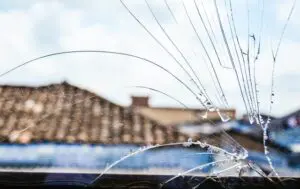
cracked single pane


If you have a crack in your window, it can be tempting to try to ignore it. Cracked windows aren’t a rare occurrence, so it can be easy to overlook or forget about those more minor cracks. However, it’s important that you don’t ignore a crack in your window. Cracks can quickly spread and cause further damage, even compromising the security and safety of your home and family.

Here’s our guide to what causes cracked windows and why they should never be ignored. We’ll also explain how you can get a crack in your window repaired, and why you may want to consider upgrading.

What Causes Cracked Windows?

While we sometimes wish they were, windows are unfortunately not indestructible. There are a few things that can cause cracked windows, from natural forces to damaging impact. Here are just a few of the different things that can cause cracked windows.

Temperature Changes

Thermal stress cracks can, and do, happen in windows. While windows in the UK are designed to withstand temperature changes, we are currently experiencing more intense temperature shifts. This has resulted in an increase in the number of cracked windows we’re being called out to repair. When the glass in a window is heated, certain areas in the pane can become hotter than others. The centre of the glass may become hotter than the rest of the window, resulting in extra pressure and a thermal stress crack.

Seasonal Exposure and Location

Depending on the location of your window and the direction it faces, some windows will naturally face more exposure to the above temperature changes. If your window faces the sun, it may be more likely to crack. This may not seem like such a problem in the winter months, or even in the UK!

However, once your window has faced repeated exposure to those warmer temperatures in the summer, it’s gone through that expanding and shrinking process multiple times. When an extremely cold winter hits following an unusually warm summer, these exposed windows are most at risk of cracking due to the stress involved. It’s these more exposed windows that we’d be most likely to advise you to upgrade.

Impact

As with anything, windows can crack or break due to impact. Cracked windows are most often done without malicious intent and are mainly accidental, though you may want to check security cameras if you’re unsure.

Children playing ball games nearby, or even birds dropping stones on your windows, can cause them to crack. Mowing the lawn can

Some types of windows might be more likely to crack, again due to their position on the house and increased risk of impact. Skylights or velux lights – especially if they’re older – are more prone to cracking due to how easy it is to have things dropped or fall on them.

If you have a window that is repeatedly cracking, you may want to reconsider its location or have it upgraded. A single-pane skylight just underneath a tree, for example, might not be the best idea if you have birds nesting overhead.

Why a Cracked Window Needs Repairing

It doesn’t matter how small or insignificant a crack in your window looks – it needs repairing. The sooner you can have your cracked window repaired, the better. Here’s why a cracked window needs repairing.

Cracks Can Spread

The first thing you’re likely to have noticed with your cracked window is that it looks unsightly. Nobody wants to see a crack in their window, particularly if it’s one they like to enjoy the view from on a daily basis. Having a cracked window can make your home look unappealing, though there is much more to worry about than it being an eyesore.

A crack in your window leaves it vulnerable to further cracking and damage. This is especially important in summer or winter if you are still facing those more extreme temperature changes that can increase pressure on the pane. To avoid the crack spreading and becoming an even more expensive problem to fix, have it dealt with as soon as possible.

Security Risk

For some, a cracked window is not an unappealing sight. In fact for burglars, cracked windows are attractive invitations that demonstrate there’s a window in your home that could be very easily broken into. Burglars are experienced in breaking in to homes, but anything that will make it even slightly easier for them could encourage them to target your home first. Even those that aren’t currently searching for somewhere to burgle may see your cracked window as an opportunity and pinpoint your home to target later.

Poor Insulation

Modern windows are designed to effectively insulate the home, and they cannot do that if there is a crack in the pane. Any opening, no matter how insignificant it may seem, can let in cold air from outside while allowing warm air from the home to escape. Cracks in your window can also bring moisture inside, causing extra damage and even health concerns if this leads to damp.

Safety

Once a window has a crack in it – no matter how small – the entire structural integrity of that pane of glass is compromised. The entire pane of glass could smash at any time, impact or no impact. This is not only a security issue, but a health and safety problem, too. Consider the safety of your family first when debating whether to have your cracked window fixed. Another issue to think about is the location of the cracked window and any potential harm or damage it could cause if the whole pane did shatter.

What to do About a Window Crack

The best thing to do if you notice a window crack is to have it fixed as soon as possible. If you have a cracked window and would like us to repair or replace the pane for you, call our team now on 0800 056 1631 or contact us online. We’ll try to book a suitable time to get an engineer out to you as soon as possible.

While you wait for a repair, there are a few temporary measures you can take to minimise damage and keep your home warm:

  • If you have building or home insurance, take a photo of the damage as it has happened. They may want to send an inspector to take a look at the broken glass exactly as it was found. You can ask them for advice on what you can do next to avoid further damage.
  • If there are any shards of glass that fell from the window causing a hazard, clear them up safely. Do not try to remove broken shards of glass from the window yourself as this can be dangerous.
  • If the crack is bigger, you may want to cover it up to insulate the home. Avoid using cardboard to do this, as it can quickly become moist and let damp in too. Using plastic tarpaulin material is a better option.
  • You can also hang thick curtains to reduce the amount of cold entering the home. Carefully covering the window and clearing the area can also protect you and your family against more glass if it does fall from the pane.

Repair a Cracked Window with Cloudy2Clear

At Cloudy2Clear, we are dedicated to finding the most cost-effective and environmentally friendly repair options possible for our clients. This is why we replace only the double glazed unit that requires repair. This reduces the costs for you, while also limiting the amount of unnecessary resources that go to waste as many companies try to increase their profits.

In some cases, it may be more cost-effective for you to choose to upgrade your window as we replace it. Double glazing is now the standard for modern homes and windows. It provides much better insulation than single pane glass, reducing your heating expenses and soundproofing your house. Double glazing provides an additional layer of security and safety for your home, and our 25 year guarantee means we’ll fix any cracked or broken windows we replace. You may also want to consider additional options on cracked windows that are more exposed to the elements, such as insulated, coated, or reflective glass.

Call us on 0800 61 21 119 to book your free quote for cracked window repair.

How to Stop Condensation on Windows

Condensation isn’t rare. Many homeowners therefore tend to overlook it when it appears on their windows. Condensation can form on any cool surface, and we see it every day. You probably notice water droplets forming on other surfaces in your bathroom after you have a hot shower – like mirrors, tiles, and shower panels.
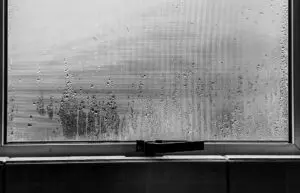
The truth is, excess condensation on your windows is a bad sign. It can encourage the growth of mould in the home. With the risk of damage that this damp and mould can pose to our homes – and our health – it’s best to try to limit the occurrence of condensation in the first place.

The best way to prevent condensation is to consider what causes condensation in the first place. Condensation happens in humid environments, where the water in the air becomes so dense it settles on cold surfaces. There are many things that can be done to prevent this happening on our windows, such as improving ventilation and maintaining a steady temperature in the house.

For more tips, read on for our full guide on how to stop condensation forming on windows. Following these steps should reduce condensation, making you more comfortable and limiting any further damage to your home.

Ventilate Your Home

Increasing airflow through the home reduces the amount of moisture in the air, which can help prevent condensation from forming.

It’s easy to overlook how some activities can increase humidity in the home. Condensation inevitably gets worse when we’re doing things that release water vapour. Focus more on ventilating the home – or restricting the flow of moist air – when you are:

  • Cooking. Turn on your cooker hood while boiling or frying food. Depending on what you’re cooking, try to keep the lids on pans. This has the added benefit of helping some foods cook faster, retaining more heat energy.
  • Drying clothes inside. Your tumble dryer can be exposing your home to high levels of heat and humidity. Make sure your dryer is properly vented so the air generated can flow outside of the home. You should check the vent is clear on a regular basis. Dry clothes outside in the summer months, and ventilate properly when drying clothes on radiators inside.
  • Having a bath or shower. Bathrooms are often the smallest spaces in the house, and they’re also the rooms we expose to the most humidity. These two factors combined will increase the likelihood of condensation and damp forming. Any warm, moist air while you wash has to go somewhere. Turn on your extractor fan, or have one professionally installed in your bathroom. Consider taking a colder shower if condensation is a big issue. Close the bathroom door and make sure the window is open to ensure adequate ventilation.
  • Using certain appliances, like the dishwasher or washing machine. Leaving appliances open after use can release more moisture into the air. Only open them when necessary if condensation is an issue.

Ventilating the home is easier in the summer months, when inviting outdoor air inside doesn’t leave you shivering or reaching for the hot water bottle! This is why condensation on windows tends to be worse in autumn and winter.

Improve Your Insulation

Having double glazing installed is one of the best ways to improve insulation in your house. This can be a worthy investment, especially with winter approaching and energy bills on the rise.

Double glazing reduces the potential for condensation to build up, as the 2 layers of glass insulate the home against draughts and more variable temperatures. Double glazing keeps the glass a bit warmer than single panel glass, so moist air doesn’t settle so easily on your windows.

Many more modern or updated homes will already have double glazing installed. If you already have double glazing installed, check the seals are intact on a regular basis. If condensation is becoming a bigger issue for you despite your double glazed windows, there may be a problem with them that needs fixing. We’ll explain a bit more about this below.

Keep Your Home Warm

Maintaining a steady temperature within the home can reduce condensation, especially in winter. This isn’t the most affordable way to manage damp, but keeping your home consistently at a low, warm temperature will reduce moisture in the air with its drying effect. While it’s an effective solution, it’s not a viable option for many at the moment. There are many other tips in this guide that can be more cost-effective.

Use a Dehumidifier

Some older homes are unfortunately more prone to condensation and damp. Dehumidifiers are great if you can afford one. You don’t have to go all out on a high-end or industrial one. Quality dehumidifiers can be bought from just £40, and will make a difference.

It’s recently been stated that dehumidifiers cost just £1 per day to run, as they’re relatively energy efficient. If you can’t afford the electric ones or don’t want to use more energy, crystal dehumidifiers can still help. Just place them around any spaces exposed to moisture – your bathroom, kitchen, and bedroom. They’ll be more efficient in smaller spaces like your wardrobe, or even stood on a windowsill with a blackout curtain to reduce condensation in specific areas.

Fixing the Root Cause of Condensation on Windows

As the winter months are approaching after an extremely hot summer, our PVC windows and doors are more prone to becoming misshapen. This is because repeated exposure to quickly fluctuating temperatures can distort certain materials. Our windows and doors are exposed to more extreme heat in the daytime – and then cooler autumn nights – which can expand and then shrink the seals of the double glazed units, causing some damage to the quality of the seals over time.

We call this failed double glazing. A broken seal or faulty hardware can let air into the home, introducing more moisture to the air and creating condensation. In winter, this accidental airflow into the home increases draughts and can lead to higher energy bills as you ramp up the thermostat to compensate.

With some window repair experts, you’ll find you’re charged higher fees as they figure it’s easier to simply replace entire window frames and panes, rather than undertaking a detailed analysis and fixing the specific issue at hand.

Stop Condensation on Windows with Cloudy2Clear

Any condensation should be dealt with to avoid further problems before the moisture continues to spread. Condensation can cause plenty of issues. These issues are not only limited to your windows and doors, but can have an impact on your walls and furniture in nearby areas too.

At Cloudy2Clear, we’ve dedicated our years of expertise in industry to fixing issues that can cause condensation on your windows – such as failed double glazing. If you’d like help with your condensation problem, call our team now on 0800 61 21 119. You can also get in touch via our online contact form to arrange a free consultation with our specialist engineers.

5 Tricks You Hadn’t Thought of to Keep Cool at Home This Summer

As the temperatures are set to soar even higher across the country in the coming weeks, people are preparing for what could be a sweltering heatwave.

One of the best places to find some refuge from the summer heat is your home. However, most UK homes aren’t equipped to deal with excessively warm weather. This has led to many of us wondering how to keep a house cool in summer. To help, here’s our guide on how to cool a house down.

Close the Windows

Should you have windows open or closed when it’s hot? If your house feels too warm, it’s tempting to open the windows to try and cool things down. This works in the colder months, but in summer you’re just letting that warm air into the home. Keeping windows closed in the daytime helps maintain the cooler temperature in the house. At night, the weather often dips in temperature – this is the time to open up the windows and let some cooler air in.

If you do want to get some fresh air in the house, open your windows wisely. By opening windows on opposing sides of the house, you’re creating the ideal pathway for air to flow through. This helps provide a breeze and freshen air circulation throughout the home.

Stop Sunlight Entering the Home

Think about how you can limit the ways the sun can enter your home. In the UK, we generally favour having south-facing gardens and homes. This is where the sun shines most, and many of us want to take advantage of those (often rare) warm, sunny days. Plenty of homeowners actually install the biggest windows, doors, and even conservatories on these south-facing walls, to maximise the amount of sunlight that can enter the home. In colder months, this can be beneficial.

In the summer, however, our tendency to optimise the amount of sunlight in the home is almost a design flaw. The hot sunlight filters into the home through the windows, heating up entire rooms.

To minimise this effect, close the curtains or pull the blinds on your south-facing windows. You might also want to think about whether it’s worth replacing your glass with solar control glass.

Strategically Place Bowls of Cold Water

This one sounds strange, but it works. Placing bowls of ice cold water around the home helps to absorb heat. The warm air will move towards the cold air, cooling as the two balance one another out.

Placing the bowl of cold water in front of a fan is even better for cooling the home. This leads to an air conditioning effect, as the fan circulates the colder air. The ice will melt, so keep replacing it to maintain the effect.

Remember: If it’s really hot outside and you’re feeling the heat, you might be tempted to have a drink of ice cold water yourself. This could be dangerous. If your body is too hot, the freezing water may send you into shock.

Instead, take small sips of cold (not ice cold) water. Room temperature water can actually rehydrate you faster, so if you’re feeling very dehydrated, sipping on some room temperature water is your best option.

Turn Off Appliances

It’s easy to overlook how household appliances can have such an impact on our home environment. They’re everywhere in the home – from toasters and kettles, to smart speakers and computers. The issue is, leaving these on can contribute to how warm your house is. Any electrical equipment emits small amounts of heat, as the electrons move rapidly when devices and appliances are plugged in.

If you’re not using them, turn off any appliances to minimise the amount of heat generated. Think about your TV left on standby, phone chargers, lights, dishwashers, washing machines… Each one of these will be generating some degree of heat if they’re not turned off. Unplugging these appliances is even better. Making this a habit whenever things aren’t in use can also reduce your electricity bills over time.

Invest in Energy-Efficient Windows

Energy efficient windows are ideal for sustaining comfortable temperatures in the home. In the UK, many people install them to keep warmth inside during the cold winter months. But – they do work the other way around, too.

Energy efficient windows such as solar control glass or low-e glass work by reflecting heat to help balance the temperature. In winter, the glass reflects the warmer air back into the home. In summer, it will reflect hot air away from the home.

Double glazing can also keep heat out, so it’s considered an energy efficient form of window.

Dine Al Fresco

Using the oven and managing a stuffy kitchen when it’s too hot doesn’t sound very tempting. Instead of turning on heating appliances and adding to the rising temperature, why not make the most of the weather and eat outside?

Eating fresh, colder foods tends to feel more appealing in the summer anyway. Set up the garden for a summer of al fresco dining. This is the ideal time to get creative with making salads – mix things up with grilled halloumi or fish. Lay out a spread of picnic foods instead of cooking a Sunday dinner. Set up a charcuterie board, or sandwiches, pastries, hummus, and dips – appetisers you can graze on rather than indulging in a heavy meal. Have a barbeque while the weather is cooperating!

Check Your Windows and Doors

At Cloudy2Clear, we’re specialists in repairing failed double glazing throughout the home. If your windows and doors aren’t in top working condition, they might be letting the hot summer air into your house – even if your windows are closed.

Checking your windows regularly to see if there are any signs of damage to the seal, condensation, damp, and air flow, will enable you to keep your house cool this summer. If you do notice any signs suggesting your double glazing has failed, we can help.

We repair failed double glazing, worn out seals, chipped windows and everything in between. In doing this, we do our best to keep costs down. This is why we replace only the faulty or damaged section, so there’s no unnecessary waste – and no unnecessary costs. To discuss how we could help keep your home cool this summer, get in touch via our contact page. You can also call our team on 0800 61 21 119 for a free quote.