• USP Logo Icon
    25 Year Guarantee
  • USP Leaf Icon
    Latest ECO Friendly Technology
  • USP Pointer Icon
    National Coverage
Get a FREE quote

25 DIY Home Improvement Ideas

Whether you’re tired of the decor in your house or need some low-cost ideas to make it feel more homely, we’ve got some home improvement DIY ideas to help you out. From free and simple fixes like clearing out to converting attic space and updating security systems, there’s plenty you can do to give your home the refresh it deserves.

Cheap home improvement hacks if you can’t afford to redecorate

Home modernisation doesn’t have to cost a fortune. In fact, there are lots of low-cost ways to improve your home without taking on huge renovation work, so start by giving it a deep clean.

1. Have a good old-fashioned clean-out

Set aside a weekend to declutter your home, tackling each room by deciding what to keep, donate, upcycle, or throw away. Letting go of unnecessary items will reduce stress and make cleaning quicker and more enjoyable. With less clutter, your home will be easier to maintain, giving you more time to relax and appreciate your space.

2. Clean up any paths or paving

Use a pressure washer to clean large areas and remove dirt and moss to quickly and easily improve your home’s exterior. In smaller spaces, a scrubbing brush with a specially formulated outdoor paving cleaner will help make the surface sparkling clean and prevent mould growth. Use weed killer on any plants growing up through paving cracks or dig them up by the root.

3. Tidy up greenery

A neat and tidy garden can be a lovely place to relax in the warmer months. Make sure to trim any shrubbery or bushes, mow long grass and pull weeds. Sure, you can hire a gardener — but with a pair of shears, some gardening gloves and determination, it’ll be much cheaper.

4. Clean the gutters

Over time, gutters can fill with debris like leaves, shingle granules, bird feathers and more, so it’s important to make sure that you regularly clean your gutters — once at the end of spring and once towards the end of autumn as a minimum. Once you’ve dislodged all of the debris from your gutters, use a garden hose to expel the remaining waste.

5. Get your glass gleaming

Ensure your windows are gleaming by giving them a proper clean. Clean windows look attractive outside and flood your home with natural light. A sponge and fairy cleaning liquid is the easiest way to clean the windows you can reach. For more effective cleaning on higher-up windows, professional tools will be able to get the job done and leave a sparkling finish.

6.Use walnuts to remove scratches on wooden furniture

An ingenious hack for those looking to freshen up their furniture. The natural oils of a walnut penetrate the wood and restore the blemishes so use the innards to gently remove marks and scratches.

Image of walnuts on a table, in and out of their shells.

7. Repair any annoying snags

How many times have you said you would get around to fixing that dripping tap or repairing the broken drawer? Getting these seemingly small repairs sorted can ease your mind of extra worry. If you have repairs that need an expert touch, such as cloudy or misty windows, or a toilet that’s flush isn’t as powerful as it used to be, there’s no harm in calling in the experts.

8. Try your hand at upcycling

Upcycling is a great way to put a creative spin on your home. Think about whether the furniture can be sanded down and painted, perhaps even add new knobs or handles, and maybe even think about utilising them as outdoor furniture. An old side table can make a great drinks holder for those summer barbecues, and bookcases can be used as planters.

9. Accessorise, if redecorating isn’t an option

Accessorising is a budget-friendly way to enhance your home’s charm without a full makeover. Simple additions like rugs can add colour and depth, fairy lights create a peaceful ambience, scatter cushions bring pops of colour and house plants can improve our wellbeing which makes a big difference.
Outside, potted plants, a fun doormat, or a small sculpture can boost curb appeal, while unique artwork from new artists can add personality to your walls without costing a fortune.

10. Paint your front door in a new colour

If you have a wooden door, a lick of paint can brighten up the space. Complement the style of the building with a colour that enhances the colour of the bricks. For a more coordinated look, match your garage door, front porch and gate.

For homes with uPVC doors, give your front door a new lease of life with a specialist cleaner to remove stubborn stains and improve wear and tear from weather damage.

11. Dress your windows properly

Updating worn window dressings can be a great way to refresh an old, outdated style. Light or natural-toned curtains let natural light shine through and have a chic appearance from the outside. You can also add some simple decor, like photo frames, ornaments, plants and flowers, onto your sills for a touch of warmth.
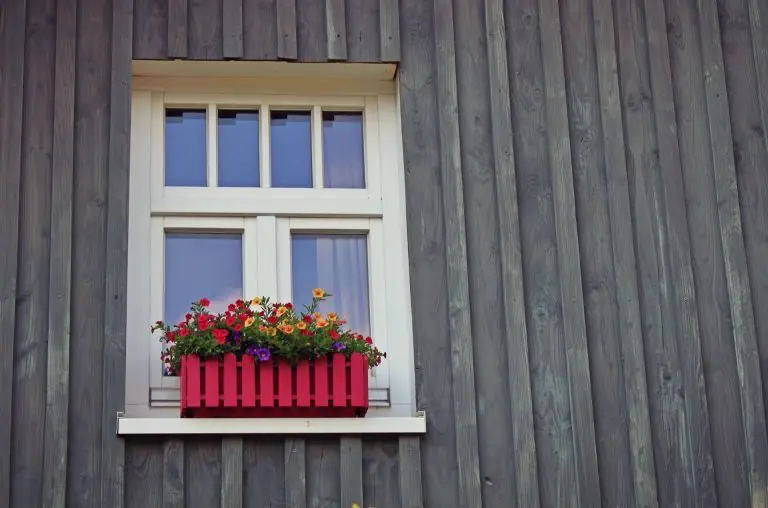
Image of a window with a flowerbox on the window ledge.

12. Update your hardware

Updating small items can lift a room and improve the look of your home from the outside. Using vintage knobs, such as ceramic, glass, or wood, can instantly transform an older piece of furniture. Meanwhile, a new door number, knocker or letter box can instantly update your home and reflect your personality.

13. Half paint walls to create height

Painting half your walls is cheap and creates the illusion of height which is perfect for those smaller rooms. Keep darker colours to the bottom of the walls and use a magnolia or white to blend in with the ceiling.

14. Add towel rails to your bathroom door

If you’re struggling for space in your bathroom or want to keep damp towels out of the way, install towel rails to the back of the door. This is a cost-effective and space-saving way to hang and dry towels, instead of fitting a heated towel rail.

15. Use felt pads on your furniture legs to stop scrapes

Simple, but effective. To preserve the life span of both your flooring and your furniture, use felt pads on the feet of your chairs or tables to stop any unnecessary damage.

16. Install shelves towards the top of your walls

Cupboards and bookcases can often take up unnecessary space, so why not fix sturdy shelving towards the top of your walls? This allows you to store books, without taking up floor space.

17. Use drawer organisers

Instead of bundling everything into a drawer, use dividers and organisers to separate your possessions. You will save on space and time because your items are easy to locate.

Home modernisation projects if you’ve got a bit more to spend

Sometimes a fresh coat of paint isn’t enough, so it might be time to take on a room or house renovation project. This could include anything from updating your security system to seeking planning permission and renovating entire rooms. Whatever it is, these DIY projects can bring a new lease of life to your home.

18. Change or upgrade your furniture

Once you’ve decluttered, you can have some fun with your home. Simply moving a side table or repositioning your sofa can change the whole look of a room while moving a lamp can add depth and size.

If you do have more budget, think about investing in fitted wardrobes. This can free up space you didn’t know you had, and provide more storage for those decluttered items. Choosing furniture with clean lines and minimalistic designs can also contribute to a more contemporary look.

 

C2C Lovely grey couch in front of clear window

19. Make eco-friendly upgrades

Curating an eco-friendly home is the first step towards modernisation. Replacing traditional light bulbs with energy-saving LED alternatives and opting for energy-efficient appliances can save money whilst reducing your carbon footprint. For bigger, eco-friendly changes to your home, effective insulation can make a more noticeable impact.

20. Choose ‘Smart’ appliances

Introduce a smart home system that integrates devices and appliances, allowing you to control them from your smartphone. Smart home appliances and apps can manage and optimise your home by setting timers around your daily routines. Automated lighting, heating, and security make everyday tasks seamless whilst conserving energy.

21. Let there be light

Create an illusion of space and breathe life into otherwise dull areas by ensuring your windows are clean and clutter-free. Consider installing larger Velux windows to allow more light in. Or, install fixtures that allow greater control over how much sunlight enters the home.

A light fixture by your front door adds extra security and gives your home a welcome glow in the evenings. Choose a design that complements your building. Classic, vintage styles look stunning on older properties, while more modern designs like solar lights or lanterns are a nice touch for newer homes.

22. Utilise your stairs effectively for storage

Staircases can take up a lot of space, but that doesn’t mean you can’t benefit from them. Install an under-stair cubby for coats and shoes, a modern under-stair storage solution to maximise space or even create a hideaway for reading.

23. Turn your garden shed into a practical space

Is your house getting too small for your family? Utilise garden space to create another room. Whether you want an outdoor office or a kids’ playroom, it’s a quick and easy way to produce more space.

24. Convert your attic into a guest room

Not so much of a hack, but converting your loft can create more space in your home without having to move. Adding an extra bedroom or chill-out area could even increase the price of your home.

25. Upgrade security

Enhance security by ensuring your windows and doors are stable before adding gadgets like motion sensor lights, video doorbells, and alarms. Robust external doors and double-glazed windows can protect against intruders and provide insulation. However, even double glazing isn’t foolproof, so regularly check for damaged seals, cracks, or weak spots, and ensure locks, handles, and hinges are in good condition to prevent easy tampering.

Image of smart speaker next to a smartphone on the floor.


As well as making your home more secure, double-glazing windows can be a game-changer. Saving on heating costs by reducing heat loss in winter and keeping your home cooler in the summer. Quality double glazing also insulates against noise pollution, making your space quieter and more peaceful.

If you have failed double glazing that’s ruining your home, whether in a standalone window, double glazed door or conservatory, contact your local Cloudy2Clear branch today for a free quote.

What is Triple Glazing, and is it Right for You?

black-white-shop-windows


After the double glazing boom of the 1970s, double glazed windows quickly became a commonplace feature within modern homes. Today, it’s only natural that the homeowners that can afford to do so are looking to upgrade their windows beyond standard. The next logical step in upgrading from double glazing is to have triple glazed windows.

However, adding extra layers to your windows can only offer so many benefits. The performance of your windows also depends on climate. Rather than jumping straight in and investing in triple glazing without weighing up the pros and cons, this guide to whether triple glazing would work for you can help you decide.

What is Triple Glazing?

If you know what double glazing is already, the term ‘triple glazing’ speaks for itself. Triple glazing features an additional pane of glass alongside the two found within double glazed windows. This creates two gas-filled spaces within the window, rather than one.

Triple glazed windows can offer more insulating impact than double glazed windows can, since the amount of heat that can pass through the window is reduced with each additional layer of glass.

How Does it Compare to Double Glazing?

Cost

When considering the benefits of triple glazing vs. double glazing, cost becomes a significant factor. The cost of any window can vary drastically depending on frame material, size, treatments, and any additional features. The price of standard uPVC double glazed windows is relatively affordable, with the manufacture and installation of a classic casement window costing about £450 on average (as of April 2022). If we imagine an average semi-detached 3-bed home has 9 windows, this will come to £4,050 per home.

Investing in double glazing can end up being cost-effective in the long term. The energy efficient properties of A-rated double glazing windows can save homeowners up to £175 per year on their heating bills.

Taking into account the rising cost of fuel, triple glazed windows may be more cost effective than they once were. The average cost of a triple glazed window is around £550, so for a 9-window house this would be £4,950. Triple glazing is 20% more expensive than double glazing, but is it 20% more efficient?

Climate

The more energy efficient windows are in certain climates, the more money they will save homeowners. So, climate and cost go hand in hand when considering whether triple glazed windows are worth it. Those countries that have adopted triple glazed windows as standard are also more likely to have more affordable installation options. Scandinavia now uses triple glazing as standard, as consistently cold weather conditions justify the cost of installation and can save more money.

While it can help retain heat inside, triple glazing also blocks more sunlight and heat from entering the house. This can make your home feel noticeably darker and even chillier than it otherwise would on warmer days.

Security

Triple glazed windows naturally add an extra layer of security to your home than double glazed windows – though double glazed windows are already sufficient to stop most burglaries.

Sound Insulation

The most compelling benefit to installing triple glazing is the extra level of sound insulation it can offer. For those living in high traffic and built-up areas or main roads, that extra layer of sound protection can make all the difference. At a time when many people are working from home, it’s worth considering whether the sound insulating properties of triple glazing would ramp up your productivity levels in your office.

How Much Heat Can It Retain?

The U value of a window can be found on its energy label. Simply put, the u value explains how much heat can pass through a window with ease. The higher the U value, the more heat can escape your home through the windowpanes.

The U value of standard double glazing is ~1.4W/m²k. The U value of triple glazing is ~0.8W/m²k, so less heat can pass through a triple glazed window. Triple glazed windows therefore offer a 5% improvement in energy performance.

The energy performance of your windows alone doesn’t add up to all that much if you’re not investing in retaining heat in the rest of the house. If you are installing triple glazed windows, you might only noticeably benefit from their heat retaining impact if you subsequently insulate the rest of your home to such a high standard. This would incur more costs, further increasing the amount you’ll have to spend to see any returns on your investment.

Do I Need Triple Glazing?

Triple glazing has become a tempting upgrade for those who want to go all out on their property. For example, self-built homes are increasingly using triple glazed windows, as the option to install them from the beginning is there, with no replacement fees involved.

From an energy efficiency point of view, having all your double glazed windows replaced with triple glazed ones won’t make too much of a difference. Having single pane windows replaced with triple glazing is worth it, as triple glazing offers up to 50% more energy efficiency in comparison. In this scenario you could still opt for double glazing, which is almost as effective and quite a bit more affordable.

If tempted by the promise of extra comfort, you don’t have to have a whole house replaced with triple glazing. If you do opt for some triple glazed windows, you can choose to insulate only the rooms that would benefit you most.

What is Quadruple Glazing?

The innovations in double glazing don’t stop at three layers. Quadruple glazing – again, as its name suggests – features four layers of glass with three gas-filled gaps in between them.

The use of quadruple glazing is typically only found within very cold climates that remain at freezing temperatures or in the dark throughout most of the year. This is because the additional layer of glass and gas block the heat from sunlight from penetrating the window, as well as the cold. This can lead to those with quadruple glazing turning on the heating despite an otherwise warm day – reducing the energy efficiency of these windows for plenty of climates.

Windows with up to 6 panes are now available, though whether the benefits of using them will ever justify ever the cost is up for debate.

Verdict: Double Glazing vs. Triple Glazing

Considering climate, energy efficiency, and cost – double glazing remains the most efficient option for those living in the UK. They still allow the heat from sunlight to warm the home, while impressively reducing the loss of heat from within the home on cold winter days.

That’s not to say innovations in triple glazing won’t outshine its predecessor with time. US-based researchers at the Lawrence Berkeley National Laboratory developed what they called the “super window” back in 2018. Their design is a low-E triple glazed invention featuring a super-thin layer of glass as the third pane. They replaced the argon gas between the panes with highly insulating krypton.

It sounds just like a standard triple glazed window – however, these windows weigh almost the same, and are virtually the same dimensions, as their popular double-glazed counterparts in the US. This means only the windowpanes need to be replaced, while the frames can remain, cutting a significant portion from the cost of having triple glazed windows installed. When a great deal of the comparison between double glazing vs. triple glazing concentrates on cost, there is potential for further, more cost-efficient inventions to promote the uptake of triple glazing in the future.

Until then, we’re saving our money and sticking with double glazed! Well-maintained double glazed windows are highly energy efficient, whereas a failed double glazing window can cause up to 30% of heat loss within your home. If your double glazed windows need repairing, get in touch with us at Cloudy2Clear for a free, no-obligation quote. Call our expert team on 0800 61 21 119 to get started.


How to Ventilate Your House and Prevent Damp

old window with yellow pane and trees in background


Damp can be a common problem in homes throughout the UK, which may be due to our relatively wet climate. In 2021, the English Housing Survey discovered that over 900,000 homes had issues with damp and mould. This survey found that 11% of the homes with damp issues were in the private rental sector. In comparison to this, only 2% of homes occupied by their owners had similar problems.

This comparison sparks an interesting debate. Under the Homes Act, set out in 2018, landlords do have a responsibility to ensure rental homes are ‘fit for human habitation’. This includes making repairs to the structure of the house, drains, and exterior windows.

Whether you are a homeowner or a landlord, it goes without saying that preventing damp should be a priority. Damp and mould issues can quickly spread, causing a deterioration of surrounding structures and furnishings – as well as posing dangerous health hazards. However, when you do not live in the home yourself, how can you ensure the property remains free from damp and mould?

One of the main ways to prevent damp is to make sure the home is properly insulated with quality double glazed windows and doors. Here is our guide on how to ventilate your property and prevent damp.

Why Ventilate Your Home?

Ventilation is essential in controlling the moisture levels within your home. Everyday activities such as cooking, showering, and even breathing release moisture into the air.

The science behind the need for ventilation is simple. When moisture-heavy air is not adequately vented out, it increases the relative humidity levels inside the home. This moisture needs somewhere to settle, so it begins to infiltrate any porous surfaces within your space.

When you notice the tiles in your bathroom are wet after a shower, this is because the droplets have settled on the cold tiles. The same thing happens when moist air settles on other surfaces – but it penetrates porous surfaces such as walls, furniture, and carpets. This leads to damp and mould in the home.

Signs You Need to Ventilate Your Home

High humidity creates an ideal environment for the growth of mould. Humid spaces are also one of the reasons dust mites can become so problematic. Healthwise, damp and mould can trigger allergic reactions, respiratory problems, and worsen asthma symptoms.

Although this is worrying enough, damp conditions and excess moisture within your home can cause more than health symptoms. Damp can lead to several further problems that can become expensive to fix. It can cause structural damage to your property, including rotting wood, peeling paint, and crumbling plaster.

One of the early signs of poor ventilation is condensation appearing on your windows. This often looks like mist or fog that has somehow entered the gap between your windowpanes.

These signs indicate a high level of humidity inside your house. If they are not addressed quickly, condensation can lead to damp conditions. You may also notice a musty smell, or a feeling of stuffiness in your rooms. If this sounds familiar, the humidity levels in your house may be higher than the recommended 40-60%. If these signs are not addressed as soon as possible, they can lead to damp and mould.

How to Ventilate Your Home

Improving ventilation in your home is easier than you might think. Following these tips can help prevent damp from forming in the first place. The tricky part is getting everyone in the house to stick to the same routines.

Here are some practical tips for ventilating the home:

  • Fresh Air – You should regularly open doors and windows – weather permitting – to allow fresh air to circulate within your home.
  • Effective Airflow – You can create a cross breeze to ventilate the home naturally. This works if you open windows and doors on opposite sides of your house, promoting better airflow through the home.
  • Exhaust Fans and Vents – Use exhaust fans in the bathroom and kitchen to extract humid air. Make sure everyone in your home is doing this.
  • Keep it Clean – Clean these fans regularly for optimal functioning. Any dust that builds up on fans and vents means the unit cannot work as efficiently as it should.
  • Use Dehumidifiers – Dehumidifiers can effectively reduce moisture levels in areas that are prone to damp. These include rooms like bathrooms, utility rooms and kitchens.

READ MORE: 5 Tricks You Hadn’t Thought of to Keep Cool at Home This Summer

Avoiding Sources of Damp

Prevention is better than a cure, and this principle certainly applies to damp. Once damp begins to spread, it can be very difficult to eliminate.

Here’s how you can avoid contributing to damp conditions:

  • Laundry – Try not to dry clothes indoors. This can release a significant amount of moisture into your home.
  • Showering – Limit shower times and use cold water when possible. This will reduce the amount of steam produced, which means less condensation in the bathroom.
  • Cooking – Try to reduce the amount of steam in the kitchen by covering pots and pans on the hob with lids where you can. This can also lead to faster cooking!
  • Check for Signs of Damp – Regularly inspect your home for signs of failed double glazing, leaky pipes and ineffective ventilation units. Seek professional repairs if you notice any signs of water infiltration, such as mould or damp around a window, a leaky roof, or cracks in walls.

Repair Faulty Double Glazing to Prevent Damp

If you’ve taken all these precautions, but still find condensation on your double glazed windows, it may be a sign that the sealant on your windows has failed. When this happens, moisture can get trapped between the windowpanes, leading to unsightly condensation.

At Cloudy2Clear, we specialise in replacing failed double glazing, preventing damp and ensuring your windows are as energy efficient as possible. Wherever possible, we replace the windowpane and not the frame. This keeps our services affordable and efficient, with minimal disruption to your home.

Contact us on 0800 61 21 119 today for a free, no obligation quotation.

How to Spot a Cowboy Double Glazing Firm: 5 Signs

Choosing the right double glazing company can make a vast difference to the quality and efficiency of your home’s doors, windows and insulation levels. Double glazing is one of the most effective ways to boost the energy efficiency of your home, so there are plenty of trustworthy traders out there that offer honest, quality installations and repairs.

Unfortunately, the double glazing industry is not immune to ‘cowboy’ traders. These dishonest firms or individuals can leave you with substandard work, unexpected costs, or even legal issues.

To help you choose a trustworthy double glazing company to work with, we have put together this guide. Here are five tell-tale signs of a cowboy double glazing firm that should help you steer clear.

cowboy double glazing firms

What is a Cowboy Trader?

First, let’s explain what a cowboy trader is. A ‘cowboy’ trader is a person or firm that may appear to be a reputable tradesperson; but does not have the skills, qualifications, or insurance required to complete the projects they offer.

Many cowboy traders operate by creating the illusion they are doing the work. They will wear high vis jackets, drive a van, and have all the tools required to hand. Despite this, they either do not complete work to an acceptable quality or leave jobs completely unfinished.

They avoid accountability by taking ‘cash in hand’ and failing to provide proof of services. Here’s how to spot (and avoid) them if you’re looking to upgrade your double glazing.

Approaching you for Work

In the home improvement industry, reputable traders are in high demand and have enough work on their books. They don’t have time, or the need, to go hunting for jobs!

If anyone from a double glazing company – or any home-improvement firm – knocks on your door unsolicited to offer services, it’s a red flag. They may even take advantage by offering to repair damage caused by severe weather events, or offer their services immediately in an emergency. These types of traders may also pressure more vulnerable individuals such as the elderly or those that live alone.

While not all cold callers are disreputable, it’s better to be cautious. If they seem too readily available to offer work, check their credentials. Choose a company based on referrals, customer testimonials, or professional accreditation. Take the time to read customer reviews from a range of companies. See if there are any photographs added by previous clients that can prove a quality standard of work.

Poor Service

Customer service is often a reflection of a company’s professionalism. Cowboy traders might display a lack of respect for their clients, whether through rudeness, not keeping their word, or repeatedly missing appointments.

Professional companies, however, will present themselves and the traders that work for them as best they can. Look for firms that value your time and respect your property. Legitimate companies will ensure their workers communicate effectively and stick to their commitments.

Avoiding a Paper Trail

If any double glazing company seems like they are avoiding a paper trail, be cautious. Cowboy traders often avoid written contracts or insist on cash payments upfront.

A dishonest trader may be vague about the scope of work, failing to adequately explain the tasks they will complete and when this will be done. In comparison, a professional firm will provide a detailed written quotation before any work begins.

This quotation should clearly outline any work that be undertaken, materials used, timelines, and costs. They’ll also offer various payment options and give you a receipt. An absence of such transparency could suggest you are dealing with a company that has something to hide.

Too Cheap to be True

That age-old adage, “if it seems too good to be true, it probably is” should be remembered throughout your search for home improvement companies.

If a quote for double glazing work comes in significantly lower than others, it may be tempting to see it as a great deal. However, this could indicate substandard materials, poor workmanship, or hidden charges. In the worst-case scenario, a cowboy trader might vanish midway through the job or leave you with incomplete or poor-quality work.

Reputable firms understand the value of their expertise and don’t compete solely on price. They calculate costs based on the materials required, the complexity of the work, and the time it will take to complete the job to a high standard. Always get at least three quotes to gauge the average cost for the job, and remember… If a quote seems too good to be true, it probably is. It’s wise to invest in quality double glazing now, rather than having to face potential costly repairs or replacements later.

Lack of Licensing

Cowboy double glazing fitters might lack necessary licenses or insurance to carry out their work. This can leave their customers exposed to potential issues, and they won’t be covered if anything does go wrong – or if they drop a project and leave halfway through.

A credible double glazing company will be happy to provide proof of relevant licensing, insurance, and memberships with trade bodies like FENSA or the GGF (Glass and Glazing Federation).

These credentials not only provide reassurance of quality, but will also protect you if any problems arise.

Invest in Quality Double Glazing by Cloudy2Clear

Navigating the sea of double glazing firms doesn’t have to be daunting. At Cloudy2Clear, we pride ourselves on our professionalism, transparency, and commitment to providing exceptional service. We hold all necessary licenses, are fully insured, and our double glazing services come with a 25-year guarantee. Our positive reputation and customer satisfaction levels speak for us, as we work across over 35 areas nationwide. With over 2,000 reviews on Trustpilot, you can rest assured our engineers will provide the best possible service and expertise.

Don’t let anyone cut corners when it comes to taking care of your home. Instead, contact Cloudy2Clear for our trusted and reliable double glazing services. Get in touch with us today by calling 0800 61 21 119.

Why Are My Windows Steamed Up?

Before - misted window

Before

Steamed up windows happen due to condensation, where moisture from the air collects and settles as water on a cooler surface. Any moisture within the air needs somewhere to go, even indoors. When there is extra moisture in the air, this will become visible in the form of tiny droplets on surfaces – leading to a steamed up appearance. As your windows are exposed to the cooler air outside, they can be one of the coldest surfaces within your home. Water vapour settles on the coldest surface in any room, where the surface temperature is cooler than the air itself.

Despite steamed up windows being a relatively common issue, it is important to understand when condensation on your windows is normal and what is a cause for concern. Condensation on the inside of your windows, for example, may be something you frequently notice in a bathroom or kitchen. It may just be a sign you need better ventilation in these rooms, which are exposed to higher levels of humidity in general. In comparison to this, windows steaming up on the outside is perfectly safe and is actually a sign your windows are doing their job.

The location of condensation can be essential in determining the how well your single pane and double glazed windows are functioning. It’s important to check for condensation regularly and to try to figure out the source of the issue. This is because any condensation left to build up can cause excess moisture and lead to mould, while also weakening the infrastructure of spaces like windowsills and surrounding walls.

Here’s our guide to why your double glazed windows might be steamed up due to condensation, and what you can to do fix it.

Steaming on the Outside

Condensation found on the outside of your windows is perfectly normal. In fact, if you have double glazing, it’s actually a really good sign. If your windows are steaming up on the outside it means they’re keeping the cold air out, preventing the temperature indoors from dropping to the same as it is outside. You’ll commonly find this sort of outer window condensation in the winter months, as the air is moister and the temperature drops. It’s a sign that your double glazed windows are highly energy efficient, as they are successfully keeping heat in and maintaining the temperature; allowing you to stay comfortably warm and use less energy on heating your home.

Steaming on the Inside

On the other hand, condensated windows on the inside panes within your home can be a cause for concern in the long run. It can be common to find condensation in your kitchen or bathroom, especially when you’re cooking or taking a hot shower or a bath. These activities release extra moisture into the air, increasing the overall humidity of these spaces. While some condensation is to be expected in these cases, it’s still important to minimise potential moisture build up in your home – as repeated or constant condensation can lead to damp and mould. Where possible, you should try to ventilate your kitchen and bathroom so condensation is reduced. Opening a window can be a quick fix, but making use of an extractor fan (such as those found in your cooker hood) is another good way to improve ventilation.

Indoor condensation isn’t limited to your kitchen or bathroom. Hanging your washing up indoors – especially without using radiators – or even just hosting a large gathering of people, can cause steam to form on your windows too. You may even have excess condensation as a result of poor insulation in the rest of your fixtures, such as the roof and walls of your home.

It’s important to ensure your home is well ventilated in general, to prevent the possibility of excess moisture buildup and condensation. In the colder months where opening all your windows obviously isn’t an ideal solution, you might want to invest in a dehumidifier to help reduce the moisture levels in the air.

Steam Between the Panes

There is one place you should always be concerned about finding condensation, however, and that’s between the inner panes of your double glazed windows. If condensation is appearing inside of your double glazing, it’s often an indication that the seal around your windows has failed. This may have happened due to even a seemingly minor crack in the frame, or the impact of the weather and resulting damage over time that can happen to the sealing itself.

There are a number of other reasons this kind of damage could occur.

  • Cleaning – Window sealants may break down due to excessive use of harsh cleaning chemicals wearing down the silicone material, so it’s a good idea to stick to natural cleaners.
  • Time and Weather – General wear and tear over time is normal, and exposure to harsher weather conditions may facilitate damage that leads to steamed up inner panes.
  • Installation Issues – If your windows are very new but they are steaming up, this may be a sign your windows have not been installed properly.

While the condensation itself may initially appear minor, it should not be happening on the gap between your window panes. Ignoring this can lead to further problems with your windows, and greatly impair the effectiveness of your double glazing. With air entering the gap between the panes (as indicated by the moisture in the air condensing on the panes) the windows will no longer be as effective for thermal insulation. This shows the insulating argon gas will have escaped the gap, and that your double glazed windows are not fully protected. This can result in draughts entering your home, cooling down your house. In colder months, you may see an increase in your energy bills as you try to combat the additional cold air.

As previously mentioned, additional moisture can cause damp and mould which can negatively impact your home and family. Condensation could also be an early indicator of a fault related to the security of your windows. This is because condensation can be caused by damage to the frames, while also having the potential to cause further damage to frames and mechanisms too. It’s therefore vital to perform frequent checks on your windows and frames for any signs of disrepair – such as condensation within the glass. If you do notice condensation inside the panes, it’s important you contact a specialist to help repair the problem. They may even advise a replacement window if absolutely necessary.

Fix Steamed Up Windows with Cloudy2Clear

At Cloudy2Clear, we have experienced teams of double glazing engineers that work to replace and repair windows across the UK. If you don’t already have double glazing and you are experiencing condensation, we would highly recommend you do have it installed.

Keep your home in top condition, and your family healthy and safe by reducing the amount of condensation in your home. We offer free, no-obligation quotes to help you manage this. Arranging a time that works around your schedule, we’ll send out an engineer to assess the quality of your windows and make recommend the best route you can take to fix any issues.

We can carry out all types of window repairs and improvements; and we only repair the essential elements that need it – rather than replacing entire window frames where it is not necessary to do so! This makes us a much more economical option, while the eco-friendly benefits in making the most of the materials you do have is a more sustainable way to manage your double glazing.

For more information about how Cloudy2Clear can repair, replace, or upgrade your windows to reduce condensation, call our team on 0800 61 21 119. You can also fill out our online contact form and we’ll get back in touch.