Foggy windows frustrate thousands of UK property owners every winter. Many misdiagnose the problem, wasting money on ineffective fixes that leave condensation unchanged. Understanding whether moisture sits inside your room, outside on the glass, or trapped between panes determines which solution actually works. This guide walks you through identifying your specific condensation type and choosing the right fix to restore clarity and cut energy waste.
How to choose which window condensation issue to address
Accurate diagnosis starts with understanding what you’re looking at. Interior condensation forms on the room-facing surface when warm, humid air contacts cold glass. Exterior condensation appears on the outside pane during cold, calm nights when the glass cools below the dew point. Inter-pane condensation becomes trapped between double glazing layers after seal failure.
Location tells you everything. Wipe the glass with your finger. If moisture disappears, it’s interior or exterior. If you can’t touch the dampness, it’s inter-pane. Timing matters too. Interior condensation typically appears during cooking or showering. Exterior forms overnight in specific weather conditions. Inter-pane moisture persists regardless of indoor activities or weather changes.
Indoor humidity drives interior condensation. UK homes often reach 60-70% relative humidity in winter, especially in kitchens and bathrooms. When this moist air meets glass surfaces cooled by outside temperatures, water droplets form. Temperature differences between inside and outside create the conditions for condensation. Larger gaps increase the likelihood of moisture formation.
Energy efficiency implications vary dramatically. Inter-pane condensation signals complete seal failure, destroying the insulating gas layer between panes. This increases heating costs significantly as heat escapes through compromised glazing. Interior condensation affects comfort and air quality but doesn’t damage insulation. Exterior condensation proves your windows insulate well, keeping inner panes warmer than outside air.
Building age heavily influences condensation patterns. Older properties with single glazing or deteriorated seals experience far more problems than newer builds. Properties constructed before 2000 often need seal replacement or unit upgrades. Modern homes benefit from improved ventilation standards but can still face humidity issues without proper air circulation.
Key identification factors include:
- Accessibility: Can you wipe away the moisture?
- Persistence: Does condensation disappear with weather or activity changes?
- Pattern: Does moisture appear uniformly or in specific areas?
- Timing: Morning only, all day, or weather dependent?
Pro Tip: Photograph your windows at different times over several days. Patterns emerge that reveal whether condensation correlates with indoor activities, outdoor temperature, or persists constantly regardless of conditions.
Understanding these criteria saves time and money. You’ll avoid purchasing dehumidifiers for inter-pane problems or calling repair services for normal exterior condensation. Check related common window and door faults to spot additional issues affecting your windows.
Types of window condensation explained: interior, exterior, and inter-pane
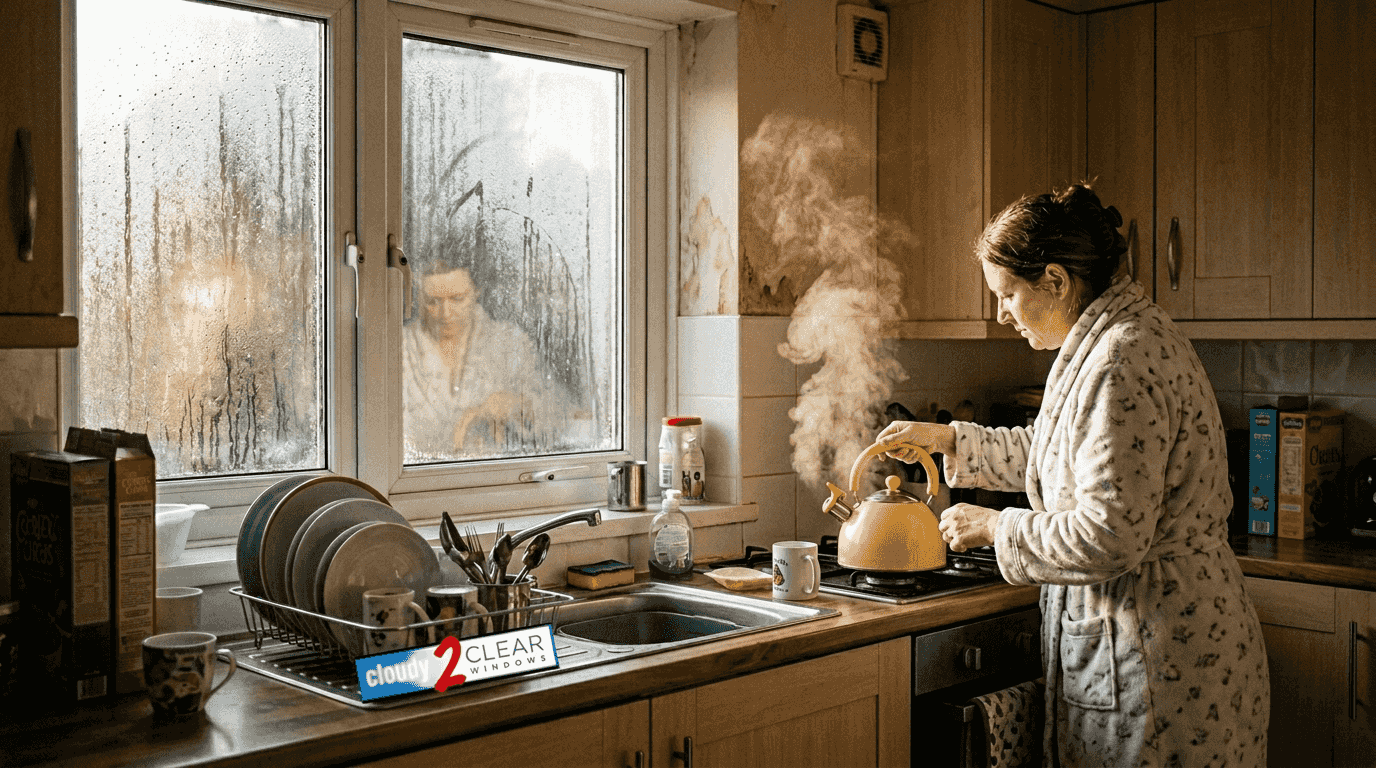
Interior condensation happens when indoor moisture meets cold glass surfaces. Cooking, showering, drying clothes indoors, and even breathing release water vapour into your home. Poor ventilation traps this humidity. When warm, moist air contacts window glass cooled by outdoor temperatures, water droplets form on the inside surface. You’ll notice this most on winter mornings in bedrooms and bathrooms.
Exterior condensation forms on the outer glass surface during specific weather conditions. Clear, cold nights with high outdoor humidity create ideal conditions. Your well-insulated windows keep the inner pane warm, whilst the outer pane cools below the dew point. Moisture from outside air condenses on the external surface. This actually indicates good window performance, showing effective insulation preventing indoor heat from warming the outer pane.
Inter-pane condensation appears trapped between double glazing layers. Seal failure causes over 80% of these cases in UK windows. The hermetic seal around double glazed units eventually degrades from thermal cycling, UV exposure, or manufacturing defects. Once compromised, outside moisture infiltrates the cavity, contaminating or replacing the insulating gas. You cannot wipe this condensation away.
Recognising each type requires specific observation:
- Interior: Forms during high-humidity activities, wipes away easily, often appears in patches near frame edges
- Exterior: Appears on calm, cold mornings, disappears as sun warms glass, covers outer surface uniformly
- Inter-pane: Visible but untouchable, persists constantly, often shows watermarks or mineral deposits, may appear cloudy or milky
Tactile testing provides immediate answers. Run your finger across affected glass. Interior moisture smears and transfers to your skin. Exterior condensation requires checking from outside. Inter-pane condensation remains frustratingly visible but physically unreachable. Some homeowners mistakenly attempt cleaning inside surfaces repeatedly before realising moisture sits between panes.
Visual clues help differentiate types. Interior condensation often streams down glass in rivulets, pooling at the bottom frame. Exterior moisture creates uniform coverage resembling morning dew. Inter-pane condensation frequently leaves permanent etching or staining on inner glass surfaces, visible even after moisture temporarily evaporates during hot weather.
Understanding these distinctions prevents misdiagnosis. Check related guidance on conservatory condensation prevention and common window faults for additional identification support.
Impact of each condensation type on energy efficiency and window performance
Inter-pane condensation destroys window insulation. Failed seals allow moisture into the cavity, displacing argon or krypton gas that provides thermal resistance. Thermal efficiency drops up to 30% once seals fail, forcing heating systems to work harder maintaining comfortable temperatures. Your energy bills climb whilst rooms feel colder near windows.
Financial impacts vary significantly. A typical UK home losing 30% window efficiency might see heating costs rise £200-400 annually depending on property size and insulation levels. Business premises with extensive glazing face proportionally larger increases. These costs compound over years until you address the seal failure.
Interior condensation affects indoor air quality more than thermal performance. Persistent moisture promotes mould growth on frames, walls, and soft furnishings. Health implications include respiratory irritation and allergic reactions. However, the window itself retains insulating properties. Addressing humidity sources resolves the issue without replacing glazing.
“Interior condensation signals excessive indoor humidity that affects your entire home, not just windows. Controlling moisture at the source protects furnishings, decorations, and structural timbers whilst eliminating window fogging.”
Exterior condensation indicates effective insulation. When outer panes stay cold enough for dew formation, it proves inner panes retain indoor heat rather than conducting it outside. This condensation causes no energy loss. Some homeowners unnecessarily worry about exterior moisture, not realising it demonstrates good thermal performance. The moisture evaporates naturally as temperatures rise.
Performance degradation follows predictable patterns:
- Inter-pane: Immediate and severe efficiency loss, progressive glass staining, eventual complete insulation failure
- Interior: No direct efficiency impact, but indicates humidity levels that increase heating demand
- Exterior: Zero efficiency impact, purely cosmetic and temporary
Understanding these differences helps prioritise action. Inter-pane condensation demands urgent attention to stop energy waste. Interior moisture requires ventilation improvements and humidity control. Exterior condensation needs no intervention. Learn more about maximising window energy efficiency across your property.
Solutions and prevention strategies for different condensation types
Interior condensation responds to ventilation and humidity control. Open windows briefly each morning to exchange humid indoor air with fresh outside air. Use extractor fans in bathrooms and kitchens during moisture-generating activities. Consider installing trickle vents in window frames for continuous background ventilation. Dehumidifiers effectively reduce moisture levels in problematic rooms.
Heating patterns influence interior condensation. Maintaining consistent temperatures prevents cold surfaces where moisture condenses. Avoid drying clothes indoors without ventilation. Keep furniture away from external walls to allow air circulation. These simple adjustments typically resolve interior condensation without professional intervention.
Exterior condensation rarely requires treatment. The phenomenon proves your windows work efficiently. If visibility concerns arise, apply hydrophobic coatings or anti-condensation films to outer surfaces. These products encourage water to sheet off rather than forming droplets. Most property owners accept exterior condensation as harmless and temporary.
Inter-pane condensation demands professional repair. 100% of cases require specialist intervention because you cannot access the sealed cavity. DIY attempts risk further damage and void warranties. Failed units need complete glass replacement or specialised repair techniques that restore the hermetic seal and replace contaminated gas.
DIY fixes often worsen inter-pane problems:
- Drilling holes to “release moisture” destroys remaining insulation completely
- Applying sealants externally cannot reach failed internal seals
- Waiting hoping moisture will evaporate allows progressive glass staining
- Ignoring the issue compounds energy losses over months and years
Professional repairs involve removing affected glass units, installing new sealed units with fresh insulating gas, and ensuring proper frame sealing. Reputable services offer guarantees covering workmanship and seal integrity. This investment restores full thermal performance and eliminates unsightly moisture.
Pro Tip: Schedule professional assessment at first signs of inter-pane condensation. Early intervention often allows glass unit replacement without replacing entire window frames, significantly reducing costs compared to waiting until frames deteriorate.
Preventive maintenance extends window lifespan. Regular frame cleaning removes debris that degrades seals. Check weatherstripping annually. Monitor indoor humidity with hygrometers, maintaining levels between 40-50% to prevent interior condensation whilst avoiding excessively dry air. Review detailed prevention strategies for double glazed windows for comprehensive guidance.
Summary comparison table and decision guide
Understanding differences at a glance helps you act decisively. This comparison synthesises key characteristics, impacts, and solutions for each condensation type.
| Feature | Interior | Exterior | Inter-pane |
|---|---|---|---|
| Location | Room-facing surface | Outside surface | Between glass layers |
| Cause | Indoor humidity meeting cold glass | Outer pane cooling below dew point | Seal failure allowing moisture infiltration |
| Timing | During/after moisture-generating activities | Cold, calm nights with high outdoor humidity | Constant regardless of conditions |
| Accessibility | Wipe away easily | Wipe from outside | Completely inaccessible |
| Energy impact | None directly (indicates high humidity) | None (proves good insulation) | Severe (up to 30% efficiency loss) |
| Health concerns | Promotes mould growth if persistent | None | None (purely performance issue) |
| Solution | Ventilation and humidity control | Optional anti-fog coatings | Professional glass unit replacement |
| Cost to fix | Low (behaviour changes, ventilation) | Minimal (usually unnecessary) | Moderate to high (unit replacement) |
| Urgency | Medium (affects air quality) | Very low (cosmetic only) | High (ongoing energy waste) |
| DIY feasible | Yes (highly effective) | Yes (rarely needed) | No (professional only) |
Your decision path depends on condensation location and persistence. Wipe the glass first. If moisture disappears and reappears with indoor activities, address ventilation and humidity. If it appears outside overnight but clears during the day, ignore it or apply coatings purely for aesthetics. If moisture sits untouchably between panes, schedule professional repair immediately.
Property characteristics influence appropriate responses. Homeowners can implement ventilation improvements and humidity control independently. Business owners should prioritise professional solutions maintaining warranties and ensuring building regulations compliance. Rental properties require landlord involvement for structural modifications or unit replacements.
Severity guides urgency. Light morning condensation clearing by midday suggests minor humidity issues manageable with ventilation. Heavy condensation causing streaming water pooling on sills demands immediate humidity reduction. Inter-pane moisture visible constantly indicates complete seal failure requiring prompt professional attention preventing further efficiency degradation.
Situational recommendations: choosing the right approach for your property
Older buildings frequently need professional intervention. Properties built before 2000 commonly have original double glazing approaching end of life. Seal failure prevalence increases significantly in windows over 15 years old. If you own a period property experiencing inter-pane condensation, budget for glass unit replacement rather than attempting temporary fixes.
New builds benefit most from proactive humidity management. Modern homes are tightly sealed for energy efficiency, but this traps moisture without adequate ventilation. Install trickle vents, use extractor fans consistently, and maintain background ventilation. These practices prevent interior condensation becoming chronic. New double glazing should not show inter-pane moisture within warranty periods.
Business premises should prioritise energy savings. Commercial property managers face scrutiny over operating costs and sustainability metrics. Addressing inter-pane condensation delivers measurable efficiency improvements and demonstrates environmental responsibility. Certified repairs ensure building regulations compliance and maintain property value.
Consider these property-specific recommendations:
- Single glazed windows: Upgrade to double glazing for dramatic condensation reduction and energy savings
- Failed double glazing under 10 years old: Check warranties before paying for repairs, as manufacturers often cover seal failures
- Listed buildings: Consult conservation officers about approved repair methods preserving historical character
- Rental properties: Document condensation patterns, notify landlords promptly, and understand tenant responsibilities versus landlord obligations
- Commercial premises: Schedule professional energy audits identifying all efficiency opportunities beyond just window repairs
Severity thresholds indicate when professional help becomes essential. Light interior condensation responds well to DIY ventilation improvements. Moderate condensation persisting despite ventilation changes warrants professional assessment ruling out structural moisture issues. Inter-pane condensation always requires specialists regardless of severity.
Recognising limitations saves money and frustration. Homeowners successfully manage interior condensation through behaviour changes. However, attempting inter-pane repairs without proper equipment and expertise typically fails, wasting time whilst energy losses continue. Professional services provide guarantees, correct diagnosis, and lasting solutions.
Explore comprehensive resources on repairing failed double glazing, replacing glass in double glazed windows, preventing condensation in double glazed windows, and choosing double glazing options for deeper guidance tailored to your situation.
Improve your windows with expert double glazing repairs
Struggling with persistent window condensation that won’t respond to ventilation improvements? Cloudy2Clear Windows specialises in diagnosing and resolving all condensation types affecting homes and businesses across England and Scotland. Our professional double glazing repair services restore window clarity whilst dramatically improving energy efficiency.

Since 2005, we’ve helped thousands of property owners eliminate inter-pane condensation through expert glass unit replacement. Our certified technicians assess your specific situation, recommend cost-effective solutions, and complete repairs backed by comprehensive guarantees. Whether you need single unit replacement or full property window upgrades, we deliver lasting results that reduce heating costs and enhance comfort.
Stop wasting money on ineffective DIY fixes. Contact Cloudy2Clear Windows today for professional consultation. We’ll accurately identify your condensation type, explain your options clearly, and provide transparent pricing. Discover how our double glazing repairs and window glass replacement services can transform your property’s performance and appearance.
Frequently asked questions
What causes window condensation?
Condensation forms when water vapour in air contacts surfaces cooler than the dew point temperature. Indoor activities like cooking, showering, and breathing release moisture that condenses on cold glass. Temperature differences between inside and outside create conditions for condensation formation.
How do interior, exterior, and inter-pane condensation differ?
Interior condensation appears on room-facing surfaces and wipes away easily. Exterior condensation forms outside overnight during specific weather conditions. Inter-pane condensation becomes trapped between double glazing layers after seal failure and cannot be accessed or wiped away.
Can I prevent condensation without replacing windows?
Interior condensation responds effectively to improved ventilation, humidity control, and consistent heating. Open windows briefly daily, use extractor fans, and maintain indoor humidity between 40-50%. Exterior condensation requires no intervention as it indicates good insulation. Only inter-pane condensation demands window unit replacement.
When should I call professionals for condensation problems?
Schedule professional assessment immediately upon detecting inter-pane condensation. This moisture signals complete seal failure requiring specialist repair. Also contact professionals if interior condensation persists despite ventilation improvements, as underlying moisture issues may need investigation.
Does condensation damage window energy efficiency?
Inter-pane condensation severely impacts thermal performance, reducing efficiency up to 30% and increasing heating costs significantly. Interior condensation doesn’t directly affect window insulation but indicates high indoor humidity forcing heating systems to work harder. Exterior condensation has zero energy impact and actually proves effective insulation.