Replacing original sash windows can boost property value by up to 15%, yet many homeowners hesitate. If you’re struggling to balance heritage aesthetics with rising energy bills and constant maintenance, you’re not alone. Modern double-glazed sash windows reduce heat loss by up to 70% whilst preserving period character. This guide explains why replacing original sash windows improves energy savings, cuts maintenance costs, and raises your home’s market appeal.
Introduction to original sash windows
Original sash windows are single-glazed timber framed sliding windows common throughout UK period properties. These vertical sliding units typically feature two moveable panels operating within a box frame, with weighted cords allowing smooth movement. They became the standard design in Georgian, Victorian, and Edwardian architecture across England and Scotland.
Their characteristics define period property appeal:
- Timber construction, usually painted or stained softwood
- Single glazing with thin glass panes separated by glazing bars
- Counterweight pulley systems concealed within side frames
- Proportional design matching architectural styles of each era
- Authentic period detailing including astragal bars and horns
These windows hold significant architectural value. Conservation officers and heritage bodies recognise them as defining features of period streetscapes. Original sash windows establish authenticity in listed buildings and conservation areas, where their presence contributes to neighbourhood character.
However, originality doesn’t guarantee quality. Many homeowners conflate historic charm with practical performance, assuming all original features add value regardless of condition. The reality is more nuanced, and understanding the distinction between original sash windows and modern replacements helps inform better decisions.
Energy efficiency challenges of original sash windows
Original sash windows struggle dramatically with thermal performance. Single glazing allows heat to escape directly through the glass, whilst aged timber frames create gaps that permit cold air infiltration. The multiple moving parts in sash mechanisms develop tolerances over decades, creating additional draught pathways.
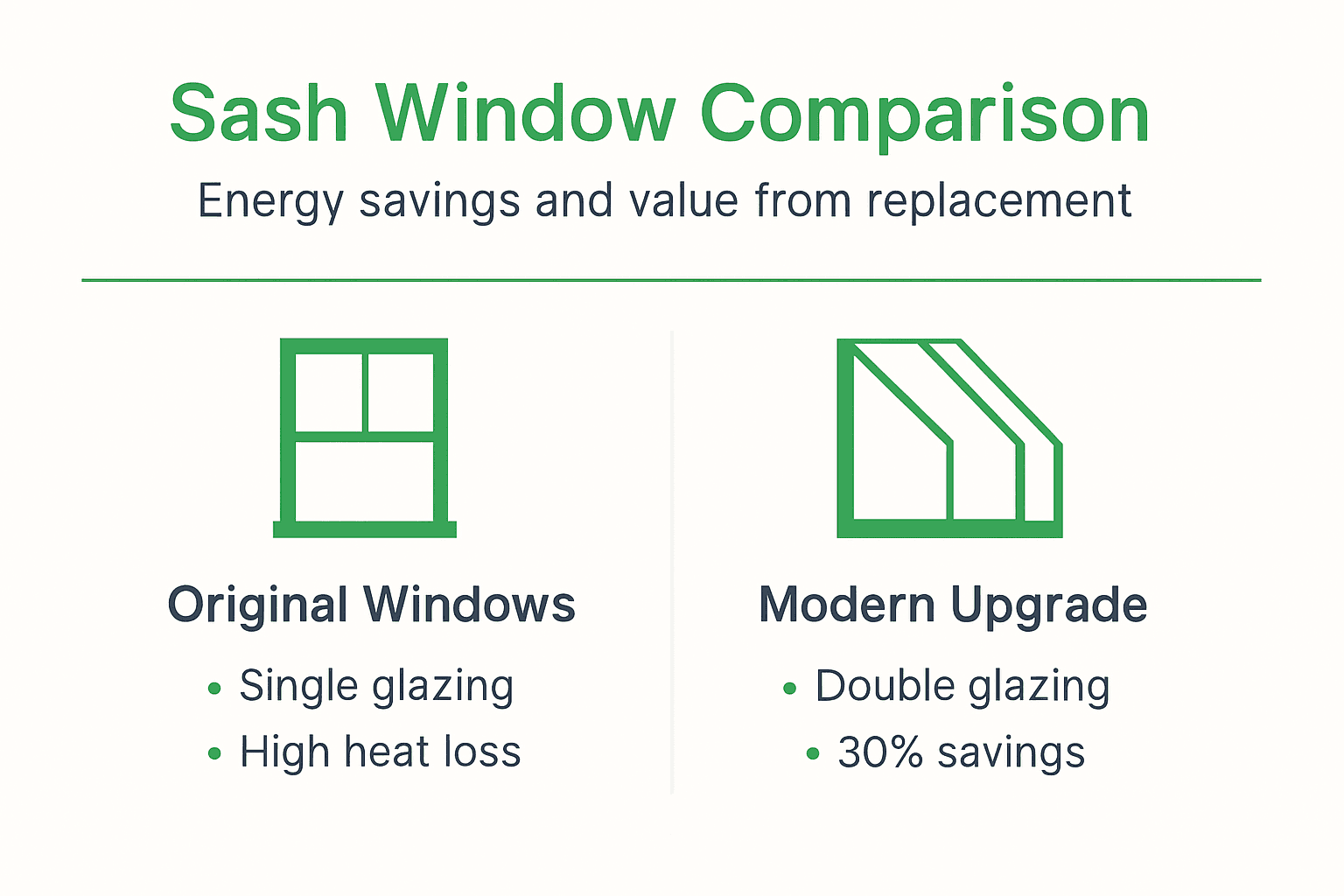
Modern double-glazed sash windows reduce heat loss by 50-70% compared to single glazing. This isn’t a marginal improvement. In practical terms, a typical three-bedroom Victorian terrace with original sash windows loses 25-35% of heating energy through those windows alone.
Key energy efficiency problems include:
- Single glazing provides minimal insulation, with U-values around 5.0 W/m²K versus 1.4-1.8 for modern double glazing
- Perimeter gaps around opening sashes increase as timber shrinks and swells
- Worn weatherstripping or complete absence of seals permits air leakage
- Rattling sashes indicate loose fits causing continual heat loss
- Poor fitting meeting rails create draughts at the centre junction
Homeowners replacing original single-glazed sash windows can reduce energy bills up to 30%. In 2026 UK climate conditions, this translates to £300-£600 annual savings for average properties. Over a decade, that’s £3,000-£6,000 recovered, substantially offsetting replacement investment.
Improved double glazing and energy efficiency also elevates EPC ratings. Properties moving from F or E ratings to C or B become more attractive to buyers and meet evolving rental standards. The combination of lower running costs and better comfort makes modern replacements compelling for many homeowners.
Maintenance and durability issues with original sash windows
Timber sash windows demand relentless upkeep. Paint protects the wood from moisture penetration, requiring repainting every 5-7 years. Skipping this schedule invites rot, particularly in bottom rails exposed to standing water. Once rot establishes, repairs escalate quickly from minor fills to full frame replacement.
Common maintenance challenges:
- External painting requires scaffolding or access equipment, adding significant labour costs
- Timber swells in damp conditions, causing sashes to stick and jam
- Sash cords fray and break, requiring dismantling to replace weighted mechanisms
- Glazing putty deteriorates, allowing water ingress and glass loosening
- Historic paint layers may contain lead, complicating removal and disposal
Each maintenance cycle costs £150-£300 per window for professional work. Multiply this across eight to twelve windows in a typical property, and the expense accumulates rapidly. Over twenty years, maintenance spending often exceeds the cost of quality replacements.
Pro Tip: If you choose to maintain original sash windows, schedule timber treatment every three years and address paint blistering immediately to prevent moisture penetration and extend frame lifespan.
Long-term durability remains questionable without constant intervention. Softwood frames rarely last beyond 60-80 years before requiring complete reconstruction. Reducing maintenance costs for windows through modern alternatives frees your time and budget whilst improving performance.
Heritage and conservation considerations
Replacing sash windows in conservation areas or listed buildings requires careful navigation of planning regulations. Local authorities in England and Scotland enforce strict controls to preserve architectural heritage. These rules exist to protect streetscape character and prevent inappropriate alterations that diminish historical value.
Planning permission requirements vary by location and designation. Listed building consent is mandatory for any alterations to listed structures. Conservation area regulations often require planning approval even for unlisted properties if changes affect external appearance. Unauthorised replacements risk enforcement action and costly reversals.
Key regulatory factors:
- Replacements must typically replicate original design, including glazing bar patterns and proportions
- Material specifications often mandate timber over uPVC in sensitive locations
- Like-for-like replacements matching original details generally gain approval more readily
- Some authorities permit modern materials if they convincingly replicate traditional appearance
- Early consultation with conservation officers prevents expensive specification errors
Balancing energy efficiency with heritage compliance requires specialist knowledge. Bespoke timber double-glazed sash windows offer the optimal solution, combining authentic aesthetics with modern thermal performance. Slimline double glazing units fit within traditional frame dimensions whilst delivering substantial efficiency gains.
Understanding your local authority guidelines protects your investment. Request pre-application advice before committing to specifications. This small upfront effort prevents the frustration and expense of rejected applications or enforcement notices requiring remedial work.
Energy efficiency benefits of modern sash window replacements
Modern sash window technology transforms thermal performance without compromising traditional aesthetics. Double or triple glazing creates insulating air gaps that dramatically reduce heat transfer. Low-emissivity coatings reflect interior heat back into rooms, whilst argon or krypton gas fills enhance insulation further.
Double or triple glazing reduces heat loss by 50-70% compared to single glazing. This improvement stems from multiple performance enhancements working together. Modern sealed units eliminate convection currents between panes, reducing conductive heat loss through the glass assembly.
Key performance improvements:
- U-values drop from 5.0 W/m²K to 1.4-1.8 W/m²K with quality double glazing
- Warm edge spacer bars minimise cold bridging around glass perimeters
- Compression seals and weatherstripping eliminate draught infiltration
- Precision manufacturing ensures consistent gaps and smooth operation
- Trickle ventilators provide controlled ventilation without compromising thermal performance
Homeowners report energy bill reductions up to 30% after replacement with modern double-glazed sash windows. These savings compound annually, making replacements financially attractive beyond comfort improvements. Reduced heating demand also lowers your carbon footprint, contributing to environmental goals.
Improved comfort extends throughout your home. Eliminating cold draughts and reducing window surface condensation creates healthier living conditions. Enhanced EPC ratings make properties more attractive to buyers and tenants, particularly as energy efficiency becomes increasingly prioritised in property decisions. Understanding modern sash window energy efficiency helps you maximise these benefits.
Aesthetic and property value impact of replacement
Well-executed sash window replacements enhance kerb appeal whilst delivering measurable property value increases. Estate agents consistently report that buyers in heritage-rich areas prioritise well-maintained period features. Windows establish first impressions, and quality replacements signal overall property care.
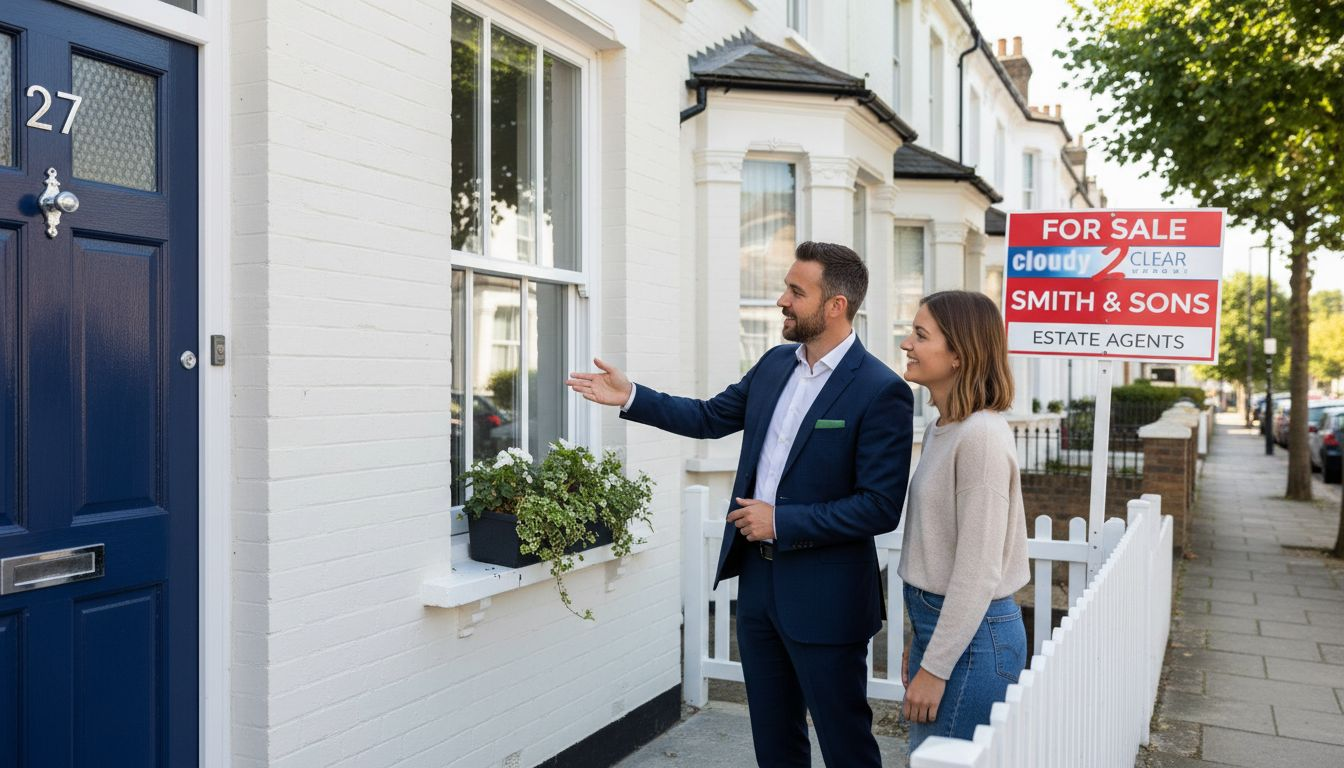
Replacing sash windows can raise property values by 5-15%, especially in conservation areas where period authenticity commands premiums. This increase reflects both aesthetic appeal and practical performance improvements. Buyers recognise reduced future maintenance commitments and lower running costs as tangible benefits worth paying for.
Modern bespoke sash windows faithfully replicate period designs. Manufacturers offer extensive customisation including:
- Accurate glazing bar patterns matching original configurations
- Period-appropriate hardware including traditional sash lifts and fasteners
- Authentic colour finishes replicating historic paint schemes
- Proportional detailing maintaining architectural harmony
- Slim sightlines preserving elegant appearance
| Feature | Original (Poor Condition) | Restored Original | Modern Replacement |
|---|---|---|---|
| Visual appeal | Peeling paint, damaged frames | Authentic period look | Authentic appearance, pristine condition |
| Value impact | Reduces value 5-10% | Maintains value | Increases value 5-15% |
| Maintenance | Immediate work needed | Ongoing high maintenance | Minimal maintenance |
| Energy efficiency | Very poor | Improved but limited | Excellent performance |
Visual harmony matters enormously. Mismatched window styles or inappropriate proportions damage property character more than age-appropriate replacements. Quality modern sash windows maintain architectural integrity whilst resolving practical shortcomings. The property value impact of sash window replacement extends beyond immediate resale considerations, improving your daily living experience.
Common misconceptions about original and replacement sash windows
Several persistent myths confuse homeowners evaluating sash window options. Separating fact from fiction helps you make informed decisions based on actual performance rather than assumptions. These misconceptions often delay necessary improvements, costing money and comfort.
Myth: All sash windows are inherently draughty and inefficient. Modern double-glazed sash windows rival casement window efficiency. Advanced sealing systems and insulated glazing eliminate the draughts associated with deteriorated original windows.
Myth: Original timber sash windows always add property value regardless of condition. Poor condition reduces value significantly and causes ongoing issues. Buyers deduct estimated repair costs from offers, often exceeding replacement investment. Rotten frames and broken mechanisms signal neglect, deterring serious purchasers.
Myth: uPVC replacements always reduce heritage value. High-quality uPVC sash windows can convincingly mimic timber appearance and gain heritage compliance in many locations. Modern manufacturing produces realistic woodgrain finishes and authentic profiles that satisfy conservation requirements in appropriate contexts.
Myth: Maintaining original windows is always cheaper long-term. Frequent upkeep costs often exceed replacement investment over 15-20 years. Factor in painting, repairs, draught-proofing, and eventual reconstruction when comparing lifetime costs. Energy waste adds further hidden expenses.
Pro Tip: Evaluate your current window condition realistically by checking for rot in bottom rails, testing sash movement, and measuring draught levels with a smoke pencil before deciding between repair and replacement.
Understanding these realities helps you assess options objectively. Neither preserving originals nor replacing them is automatically correct. Your specific circumstances, including window condition, property designation, budget, and priorities, determine the optimal approach.
Making the decision: repair vs replace and next steps
Choosing between repairing and replacing original sash windows requires systematic evaluation. This framework helps you weigh heritage preservation, energy efficiency, cost, and compliance factors objectively. Your decision impacts comfort, finances, and property value for decades.
Follow these assessment steps:
- Inspect window condition thoroughly, checking for rot, broken mechanisms, and glazing damage
- Verify planning requirements with your local authority’s conservation officer
- Obtain energy assessments quantifying potential savings from replacement
- Request detailed quotes for both repair and replacement options
- Calculate lifetime costs including maintenance, energy waste, and eventual reconstruction
- Evaluate heritage compliance requirements and approved specifications
- Make your decision based on balanced analysis rather than assumptions
| Factor | Repair Original | Replace with Modern |
|---|---|---|
| Initial cost | £800-£1,500 per window | £1,200-£2,500 per window |
| Lifespan expectation | 10-15 years before next intervention | 25-30 years with minimal maintenance |
| Energy efficiency | Limited improvement possible | 50-70% heat loss reduction |
| Ongoing maintenance | High, requiring regular painting | Low, occasional cleaning |
| Heritage compliance | Usually acceptable if executed properly | Requires approval, must match design |
| Property value impact | Maintains value if well executed | Increases value 5-15% |
Pro Tip: Use experienced heritage-compliant installers who understand conservation requirements and can guide you through approval processes, ensuring quality installation and regulatory compliance.
Budget realistically for whichever option you choose. Repair costs often escalate once work begins and hidden damage emerges. Replacement provides cost certainty and eliminates ongoing maintenance expenses. Understanding window repair vs replacement economics helps you plan confidently.
Explore modern sash window solutions with Cloudy2Clear
Cloudy2Clear Windows specialises in bespoke sash window replacements that meet heritage standards whilst delivering modern energy efficiency. Our expertise spans both traditional timber and high-quality uPVC options, ensuring you achieve the perfect balance between authenticity and performance.

Since 2005, we’ve helped homeowners throughout England and Scotland navigate conservation requirements and specification choices. Our double glazing options provide substantial efficiency gains without compromising period character. We understand that your home’s appearance and comfort matter equally.
Explore our comprehensive double glazing options to understand available technologies and styles. Learn how quality installation impacts window installation savings and value over your home’s lifetime. Contact us for personalised quotes and expert consultation tailored to your property’s specific requirements.
FAQ
Can I replace original sash windows in a conservation area?
Replacing sash windows in conservation areas requires planning permission in most cases. Your local authority will assess whether proposed replacements preserve the area’s character. Replacements must usually match original design, materials, and proportions to gain approval. Consultation with conservation officers before specifying windows prevents costly rejections.
How much can I save on heating bills by replacing original sash windows?
Replacing original single-glazed sash windows with modern double-glazed versions can cut heating bills by up to 30%. Actual savings depend on your property size, insulation levels, and heating system efficiency. Most homeowners in average three-bedroom properties save £300-£600 annually.
Are modern uPVC sash windows suitable for period properties?
High-quality uPVC sash windows can replicate timber appearance and suit period homes when properly specified. Modern manufacturing produces realistic woodgrain finishes and authentic profiles. However, approval from local authorities is essential for conservation areas. Some locations require timber construction regardless of appearance quality.
Is it cheaper to repair or replace original sash windows?
Repairs typically cost less initially but require frequent maintenance, often making them more expensive long-term. Replacement offers better value over 20-25 years by eliminating ongoing painting, draught-proofing, and reconstruction costs. Factor in repair versus replacement costs including energy waste when comparing options.