Window beading, also known as a glazing bead, is the narrow strip of material that holds window glass securely within its frame while creating an airtight and watertight seal. These small structural strips are typically made from wood, vinyl, or aluminium and sit along the inner edges of the glass pane. Without them, your glass would have no mechanical retention and your window would lose its thermal and weather performance. Whether you are replacing a cracked bead or simply trying to understand your windows better, knowing what glazing beads do makes all the difference.
What is window beading and how does it work?
Window beading is defined as a narrow retaining strip, typically between 3/8 and 3/4 inch wide, that mechanically retains glass within a window frame. It works alongside sealants, gaskets, and setting blocks to create a complete seal around the glass unit. The bead presses against the edge of the glass and locks it in place, preventing movement, rattling, and water ingress.
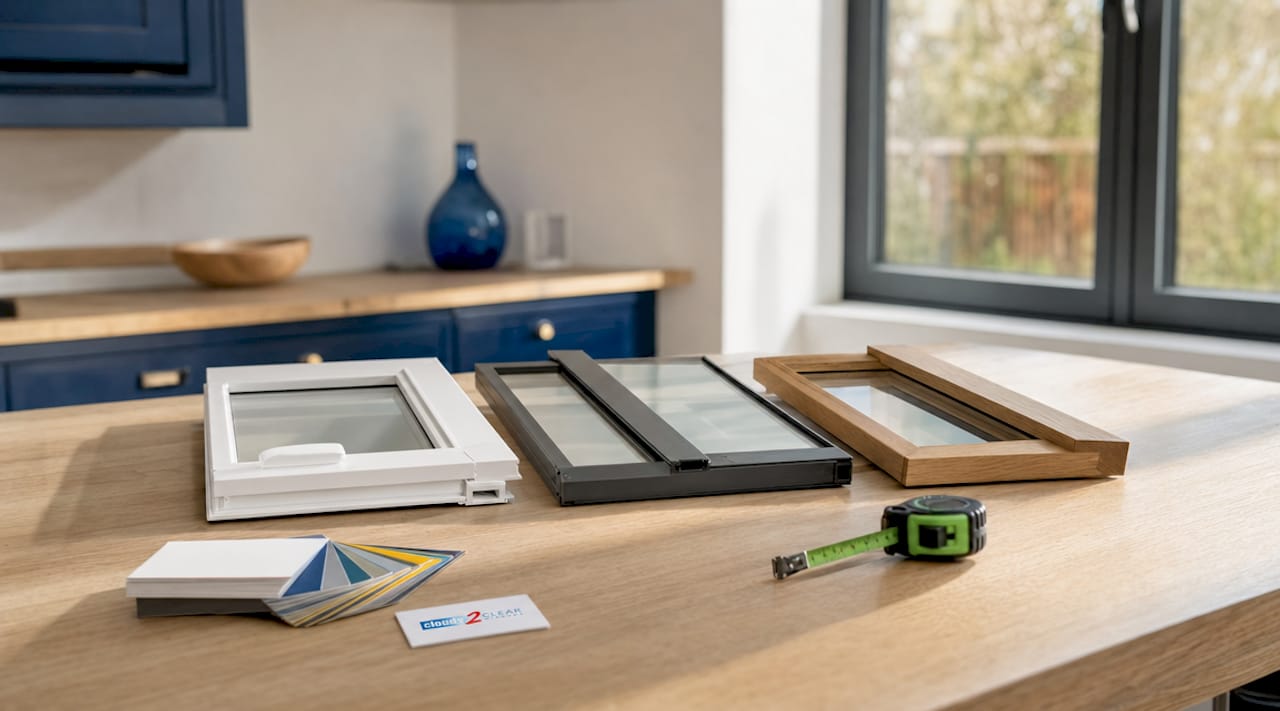
It is worth distinguishing glazing beads from general window trim or casing. Beads are structural strips that hold the glass edges directly, while casing is the decorative surround covering the whole window frame. Confusing the two leads homeowners to order the wrong parts or neglect the component that actually keeps their glass in place.
Modern windows use two main fixing methods:
- Snap-in beads: Common in vinyl and aluminium systems, these click into a groove in the frame and allow glass replacement without removing the sash. They are fast to fit but must not be forced, as this can permanently damage the frame profile.
- Nailed or screwed beads: More common in timber frames, these are fixed mechanically and require careful removal with a chisel or flat bar.
Loose or damaged beads compromise the entire window seal, allowing air and moisture to penetrate. This directly affects your home’s energy efficiency and can lead to condensation, draughts, and higher heating bills. Properly fitted beads are a key factor in window thermal performance.
Pro Tip: Run your finger along the bead line on a cold day. If you feel a draught, the bead seal has likely failed and replacement should be considered sooner rather than later.
What types of window beading are there?
Glazing beads vary by location, material, and profile shape. Choosing the right type matters both for function and for matching your existing window system.
Internal vs external beading
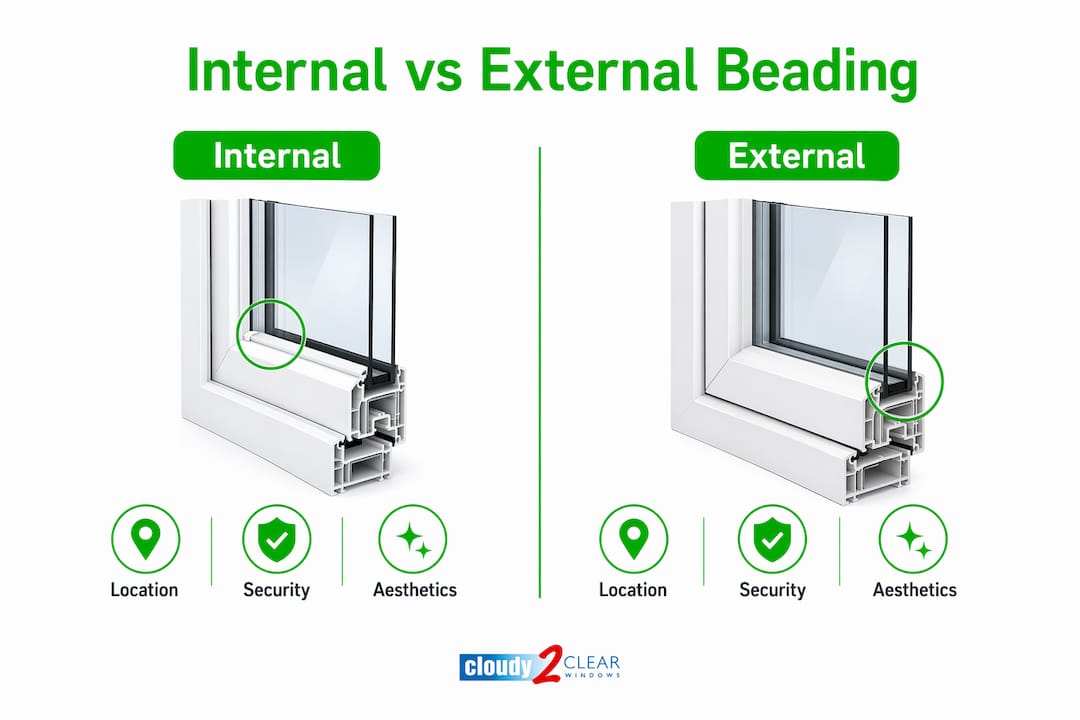
The most important distinction is whether the bead sits on the inside or outside of the glass.
| Feature | Internal beading | External beading |
|---|---|---|
| Location | Inside the property | Outside the property |
| Security level | High | Lower |
| Accessibility | Not reachable from outside | Can be accessed externally |
| Common use | Modern double glazing | Traditional and heritage windows |
| Aesthetic style | Clean, minimal | More visible, traditional look |
Material options
The three most common materials each have distinct properties:
- Timber: Used in traditional and heritage windows. Timber beads offer a classic appearance and can be painted or stained, but they require more maintenance and are prone to swelling or rotting over time. If you own older timber windows, protecting them from moisture is critical to preserving bead integrity.
- PVC (uPVC): The most common material in modern double glazing. PVC beads are low maintenance, weather resistant, and available in a wide range of colours. They are typically snap-in designs.
- Aluminium: Used in commercial and contemporary residential windows. Aluminium beads are strong, slim, and durable, making them suited to large glass units.
Profile shapes and manufacturer matching
Bead profiles vary between manufacturers. Many companies use proprietary designs, meaning a bead from one supplier will not fit a frame made by another. Generic replacement beads frequently fail to provide airtight seals and can cause rattles or leaks. Always identify your window manufacturer before ordering replacement beads, and take a sample of the old bead to a glazing supplier for profile matching.
How does window beading affect security and aesthetics?
The position of your glazing bead has a direct impact on how secure your window is against forced entry. According to the Glass and Glazing Federation, external glazing beads are not designed to resist forced entry and can be pried off from outside without breaking the glass. Internal beads, by contrast, cannot be removed without breaking the glass from the outside, making them significantly more secure.
“External glazing beads can be removed with basic tools from outside the property, giving intruders access to the glass unit without triggering an alarm or breaking a pane. Internal beads eliminate this vulnerability entirely.” — Glass and Glazing Federation, 2026
This does not mean external beads are always the wrong choice. Many homeowners with period properties or traditional-style windows prefer the visual character that external beading provides. The security versus aesthetics trade-off is a genuine consideration, and the right answer depends on your property type, location, and priorities.
For most modern homes, internal beading is the recommended choice. It delivers better security without sacrificing the clean appearance of contemporary double glazing. If you are replacing windows or upgrading older units, specifying internal beads is a straightforward way to improve your home’s resistance to break-ins.
How to install or replace window beading
Glazing beads typically last between 10 and 20 years before they become cracked, brittle, or loose enough to require replacement. When that point arrives, matching the original bead profile is the single most important step to maintaining structural integrity and the thermal seal.
Follow these steps for a safe and effective replacement:
- Assess the damage. Check whether the bead is cracked, warped, or has pulled away from the frame. If the glass itself is also damaged or the seal has failed, consider a full glass replacement rather than just the bead.
- Source the correct profile. Take a section of the old bead to a glazing supplier or contact your window manufacturer. Do not assume a standard size will fit.
- Gather your tools. You will need a flat pry bar or glazing tool, a rubber mallet, a utility knife, silicone sealant, and the replacement bead cut to length.
- Support the glass. Before removing any bead, place setting blocks under the glass to hold it firmly. Glass must be fully supported before you remove or fit beads to prevent the pane from shifting or breaking.
- Remove the old bead. Work carefully along the bead with your pry bar, releasing it gradually rather than forcing one section. For snap-in types, a glazing tool or flat screwdriver inserted at the corner is usually sufficient.
- Clean the rebate. Remove any old sealant or debris from the groove where the bead sits. A clean surface ensures the new bead seats correctly.
- Fit the new bead. Press or tap the new bead into place, starting at the corners. For snap-in types, apply firm, even pressure along the length. For nailed beads, pre-drill to avoid splitting.
- Seal if required. Apply a thin bead of silicone sealant along the outer edge if your window design requires it, and smooth it flush with a wet finger.
Pro Tip: For large windows, this is a two-person job. One person should hold the glass steady while the other fits the bead. Attempting it alone on a large pane significantly increases the risk of breakage or injury.
If the frame itself is damaged, the profile is no longer available, or you are unsure about working with glass, contact a professional glazier. Incorrect fitting can void any remaining window warranty and create new seal failures.
Our view on window beading: what most homeowners miss
At Cloudy2Clear Windows, we have been repairing and replacing double glazed windows since 2005, and glazing beads are one of the most overlooked components we encounter. Homeowners often call us about draughts, condensation, or rattling glass, and in many cases the root cause is a failed or incorrectly fitted bead rather than the glass unit itself.
The confusion between glazing beads and decorative window trim is genuinely common. We regularly speak to homeowners who have ordered casing or architrave when they needed a glazing bead. These are entirely different components with different functions, and ordering the wrong one wastes time and money.
On security, we have seen a clear shift in recent years. More homeowners are specifying internal beads when upgrading their windows, and rightly so. The difference in forced-entry resistance is significant, and it costs nothing extra to specify internal beading at the point of installation.
Our advice on DIY replacement is straightforward: if the profile is available and the frame is in good condition, a careful homeowner can replace a bead successfully. But do not underestimate the importance of glass support and profile matching. These are the two steps most often skipped, and they are the two most likely to cause problems. If you are in any doubt, the cost of a professional repair is far less than the cost of a broken glass unit.
— Cloudy2Clear Windows
Need help with your windows? Cloudy2Clear Windows can assist
If your glazing beads are cracked, loose, or no longer sealing correctly, Cloudy2Clear Windows offers professional double glazing repair and replacement services across the UK. Our experienced teams carry out glazing bead replacement, glass unit repairs, and full window refurbishments to the highest standard.

We cover a wide range of locations, including Oxford, Milton Keynes, and Watford, with local teams who understand the specific window types common in each area. Whether you need a single bead replaced or a full window overhaul, Cloudy2Clear Windows has the expertise to get it right first time. Get in touch today to arrange a free assessment.
FAQ
What is the difference between a glazing bead and window trim?
A glazing bead is a small structural strip that holds the glass directly within the window frame, while window trim or casing is the decorative surround covering the outer edge of the frame. They serve entirely different purposes and are not interchangeable.
How do I know if my window beading needs replacing?
Signs include visible cracking or brittleness, glass that rattles in the frame, draughts around the glass edge, or water ingress at the bead line. Glazing beads typically last between 10 and 20 years before replacement is needed.
Are internal or external glazing beads more secure?
Internal glazing beads are significantly more secure. External beads can be removed from outside the property without breaking the glass, whereas internal beads cannot be accessed without breaking the pane first.
Can I replace window beading myself?
Yes, in many cases a careful DIYer can replace glazing beads, provided the correct profile is sourced and the glass is fully supported throughout the process. For large panes or damaged frames, professional help is recommended.
Does window beading affect energy efficiency?
Yes. Even minor gaps caused by loose or damaged beads allow air and moisture to enter, reducing the window’s thermal performance. Well-fitted beads are a key part of maintaining an energy-efficient glazing system.