For any window replacement in England and Wales right now, the legal whole-window U-value limit is 1.4 W/m²K for existing homes and 1.2 W/m²K for new builds, as set by Approved Document L. The Window Energy Rating (WER) scheme, run by the British Fenestration Rating Council (BFRC), summarises performance on a coloured band from A++ to E. Your single most useful next step when evaluating any quote: ask for the whole-window U-value certificate and the BFRC licence number before you sign anything.
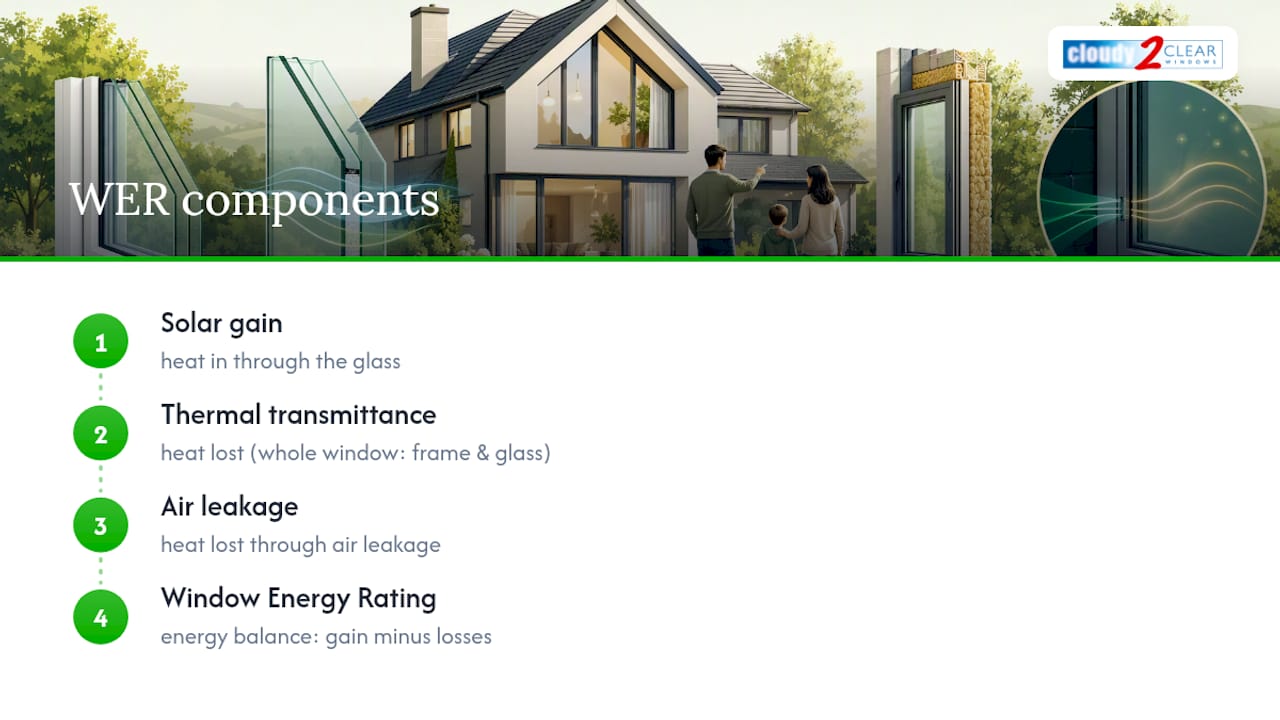
The three components that feed into a WER are:
- Whole-window U-value (thermal transmittance, measured in W/m²K): how much heat the window loses
- Solar heat gain coefficient (g-value): how much useful solar energy passes through the glass
- Air leakage (L50): how much air escapes under pressure, measured in m³/(h·m²)
What is a Window Energy Rating and who issues it?
A Window Energy Rating is a verified, consumer-facing score that tells you how energy-efficient a window is as a complete unit. The BFRC designed it to work like an appliance energy label: one clear band that protects buyers from unverified manufacturer claims by combining heat loss, solar gain, and air leakage into a single checked figure.
The BFRC is the UK’s official issuing body. It licences manufacturers to use the WER label only after their products have been assessed using BFRC-approved simulation software. Every licensed product must carry a permanent mark inside the frame, and the licence is subject to audit. The rating is not a marketing claim; it is a scheme-backed certification.
What you will see on a genuine WER label:
- The rating band (A++, A+, A, B, C, D, or E) displayed on a colour-coded scale
- The whole-window U-value in W/m²K
- The g-value (solar heat gain coefficient), where shown
- The BFRC licence number and certificate reference
The key distinction for trade professionals: WER is the consumer-facing summary, but the regulatory metric for Building Regulations compliance is the whole-window U-value. Both matter, and you need both documents on file.
How WERs are calculated: the three components you need to understand
A WER is an energy balance: solar gain through the glass, minus heat lost through thermal transmittance and air leakage. The Energy Saving Trust confirms the scheme assesses the whole window, frame and glass together, not just the centre pane.
Whole-window U-value
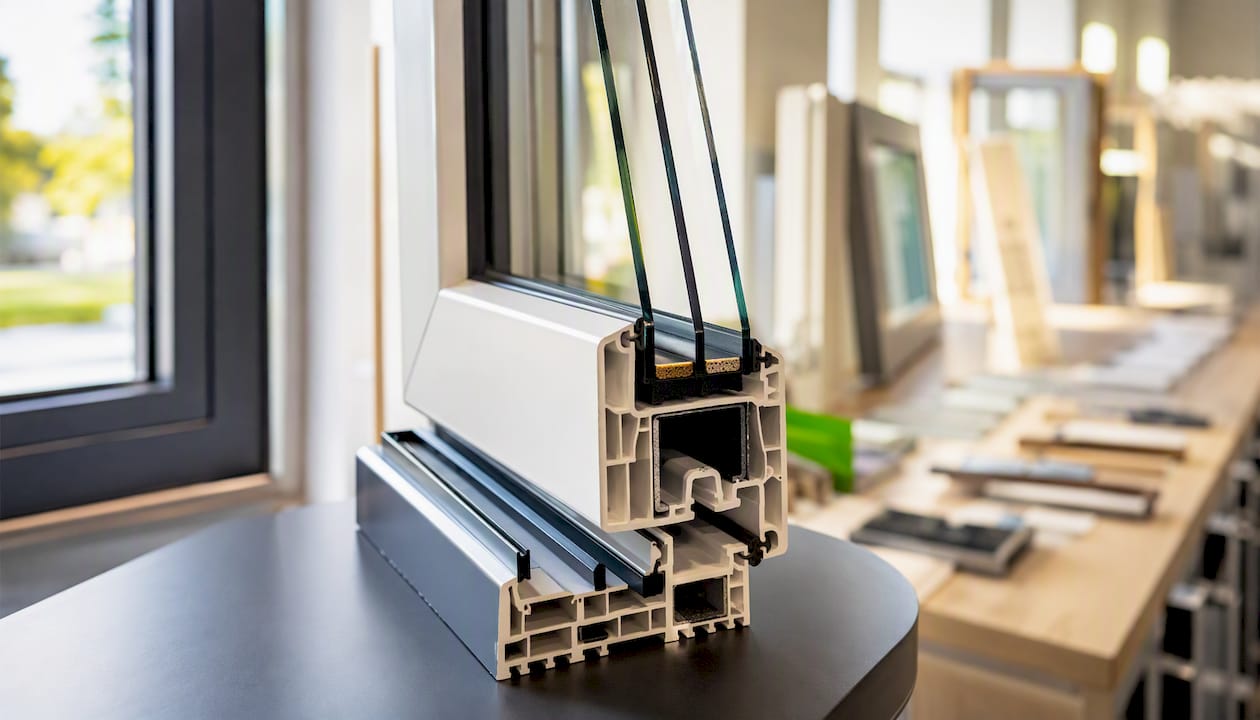
The U-value measures how quickly heat passes through the entire window assembly, including the frame, glazing unit, and edge seals. Centre-pane U-values are always lower (better) than whole-window figures because frames conduct more heat than the glass itself. When a supplier quotes a U-value, always confirm it is the whole-window figure. A centre-pane-only figure will not satisfy a Building Control inspector and will not match what appears on a BFRC certificate. You can read more about this distinction in our window U-value guide.
Solar heat gain (g-value)
The g-value expresses how much solar energy passes through the glazing as a fraction between 0 and 1. A higher g-value means more free solar warmth in winter, which can push a window up a WER band. That is useful context for homeowners, but it does not substitute for a low U-value when it comes to Part L compliance. Building inspectors check the U-value, not the WER band.
Air leakage (L50)
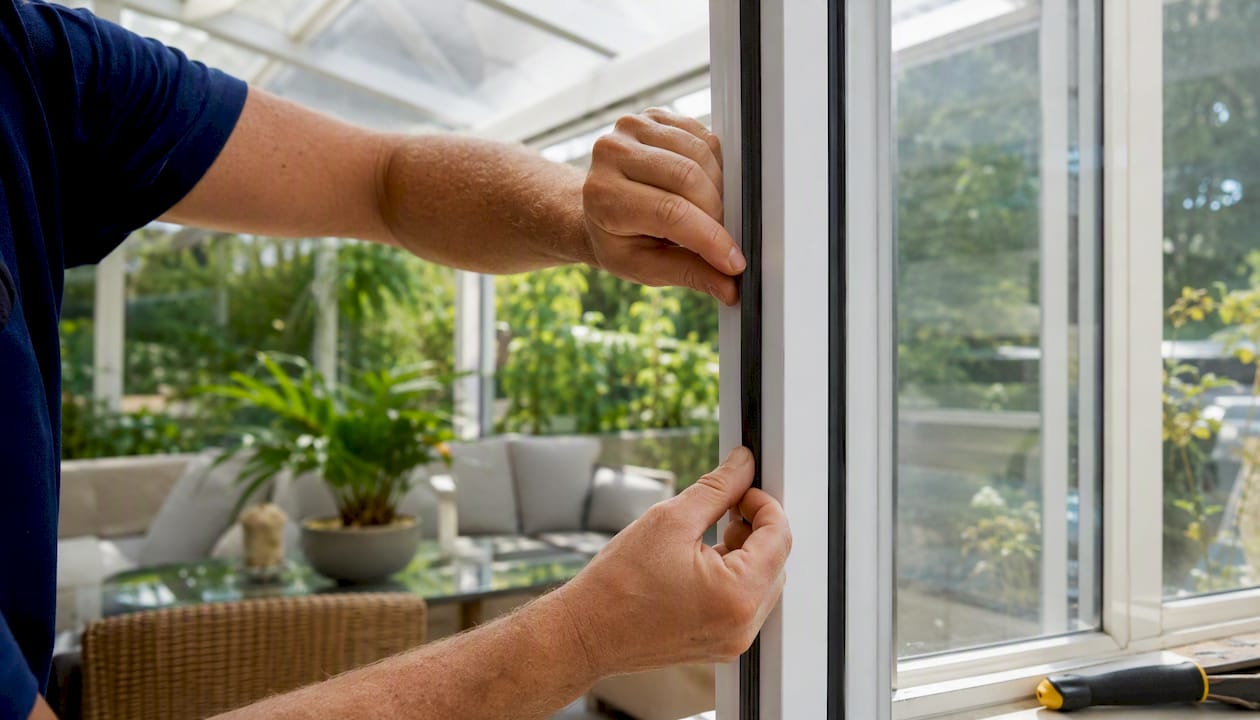
L50 is the air leakage rate measured at 50 Pascals of pressure, expressed in m³/(h·m²). Poorly fitted or low-quality windows lose significant heat through draughts, which reduces the WER band. Installers should supply L50 test evidence or the manufacturer’s declared value alongside the U-value certificate.
Pro Tip: On south-facing elevations with large glazing areas, a high g-value can lift a product into a better WER band than its U-value alone would justify. Building inspectors still check the whole-window U-value for Part L compliance, so always present both pieces of evidence, not just the WER band.
How to read a WER label and the permanent mark
Answer first: check five things on any window label or certificate before accepting delivery or signing off an installation.
- Rating band: A++ is the best; E is the worst. For 2025 compliance, you want B or better for replacements, A or better for new builds.
- Whole-window U-value: stated in W/m²K. Confirm it matches the certificate.
- BFRC licence number: a unique identifier you can cross-reference on the BFRC website.
- Permanent mark inside the frame: a small, indelible sticker or engraving showing the rating, company name, and BFRC membership number. Per BFRC scheme rules, this mark is mandatory on every licensed product.
- Certificate or simulator report reference: ties the physical product to the rating calculation.
On-site checklist for surveys and delivery checks:
- Locate the permanent mark inside the frame before the window is fitted.
- Match the licence number on the mark to the paperwork supplied.
- Confirm the whole-window U-value on the certificate, not the marketing brochure.
- Check the rating band is B or above for a replacement, A or above for a new build.
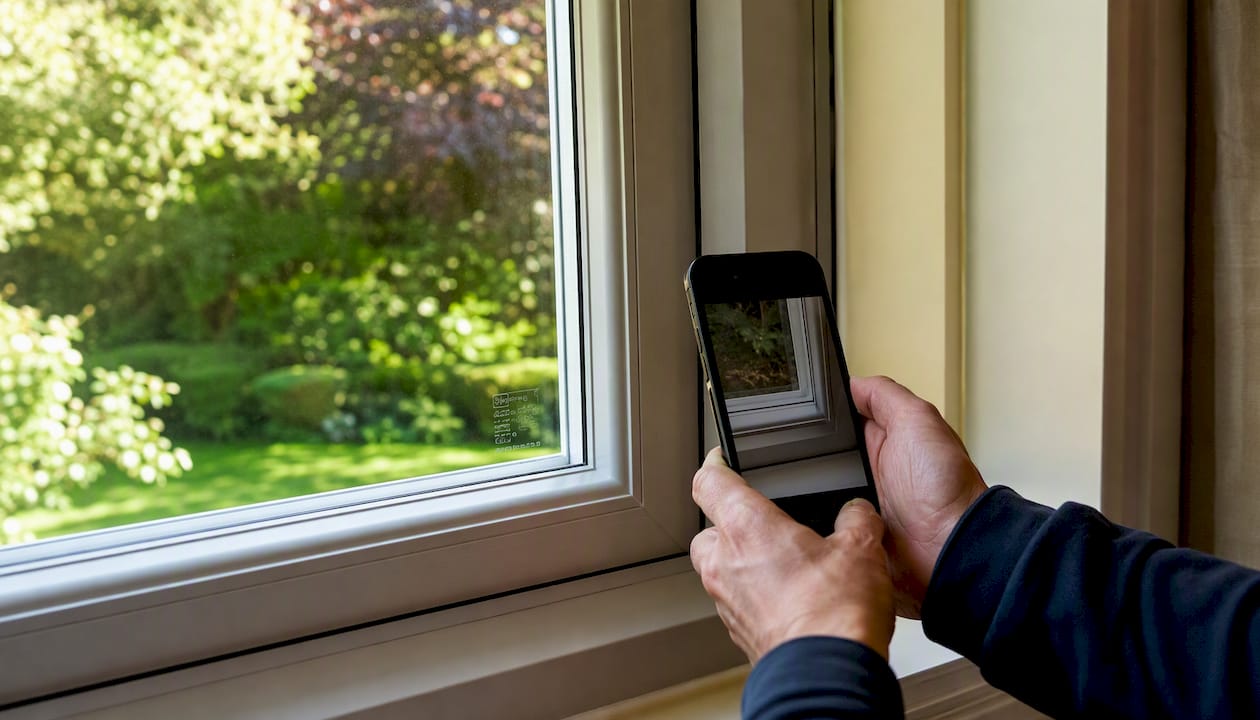
- Photograph the permanent mark and certificate for your records.
2025 thresholds and UK Building Regulations (Part L)
The Approved Document L sets the legal limits: replacement windows in existing homes must achieve a whole-window U-value of 1.4 W/m²K or better; new-build windows must reach 1.2 W/m²K or better. These thresholds apply to installations in England and Wales.
The table below maps WER bands to approximate whole-window U-value ranges, drawn from trade planning guidance. These are indicative figures; the BFRC is the authoritative source for any certified product’s exact values.
What ‘good’ looks like in 2025: For a replacement window, B-rated (≈1.4 W/m²K) is the legal minimum. Aiming for A-rated (≈1.2 W/m²K) gives you headroom, better energy performance, and stronger appeal to future buyers. For new builds, A-rated or better is the starting point, not the aspiration.
The practical difference between centre-pane and whole-window U-values matters here. A triple-glazed unit might show a centre-pane U-value of 0.6 W/m²K, but the whole-window figure once the frame is included could be 0.9–1.0 W/m²K. Always verify which figure appears on the compliance certificate. Our Building Regulations guide covers this in more detail.
How BFRC certification and audits keep ratings trustworthy
BFRC licences and labels are the standard UK verification method. Genuine products are permanently marked and supported by a simulator report, not just a brochure claim.
To verify a rating, follow these steps:
- Ask the supplier for the BFRC licence number and check it against the BFRC’s online listings.
- Request the simulator report that underpins the rating; this is the calculation document produced by a BFRC-approved simulator.
- Inspect the permanent mark inside the frame on delivery; it must show the rating band, company name, and BFRC membership number.
- Confirm the whole-window U-value on the certificate matches the mark and the quote.
Only BFRC-approved simulators may produce the calculations used for a rating licence, and licensed products are audited annually to confirm ongoing compliance. That audit trail is what separates a genuine BFRC rating from an unverified manufacturer claim.
Pro Tip: Keep a scanned copy of the simulator report, BFRC licence reference, and permanent-mark photograph in a single job folder. If Building Control requests evidence, or a future buyer’s solicitor asks for compliance documentation, you can respond within minutes rather than hunting through paperwork.
Practical checklist: documents, costs, timelines, and questions to ask
This checklist covers everything an installer or homeowner needs to secure a compliant, verifiable installation.
Documents to request before or on completion:
- BFRC licence number and rating report (simulator output)
- Whole-window U-value certificate (not centre-pane only)
- L50 air leakage data or manufacturer’s declared value
- Written installation guarantee
- FENSA or CERTASS installer registration proof
Typical timeline: Survey to completion for a standard double-glazed replacement usually runs two to four weeks, depending on the manufacturer’s lead time for the specific unit specification.
Cost and savings context: Costs for a single standard double-glazed unit replacement vary by size, specification, and location. The Energy Saving Trust provides typical savings examples for homeowners upgrading from single glazing to A-rated double glazing, which illustrate the relative benefit of moving up the WER scale. Upgrading to A-rated or better also supports a stronger Energy Performance Certificate (EPC) rating, which can positively affect a property’s resale value.
Questions to ask at quotation stage:
- Is the U-value quoted the whole-window figure or the centre-pane figure?
- Can you supply the BFRC licence number and simulator report?
- Are you FENSA or CERTASS registered?
- What documentation will you provide on completion?
Red flags to watch for: no BFRC permanent mark on the frame, a U-value quoted without specifying whole-window, no simulator report available, or an installer who cannot confirm their FENSA or CERTASS registration.
Pro Tip: Ask your installer to photograph the permanent mark inside the frame before fitting and to include that image in your completion pack. It takes thirty seconds on site and removes any doubt about product authenticity for Building Control or future conveyancing.
What Cloudy2Clear Windows sees on site: practical lessons
Since 2005, Cloudy2Clear Windows has been replacing and repairing double-glazed units across residential and commercial properties, and the same issues appear repeatedly on site. The most common problem is a missing or illegible permanent BFRC mark, usually because the unit was sourced from a supplier who did not hold a current licence. The second most frequent issue is a quote that cites only a centre-pane U-value, which overstates performance and will not satisfy a Building Control inspection.
Unverified online calculators are another source of confusion. A planning estimate from a WER calculator is useful for scoping a project, but it is not a certified figure and cannot substitute for a manufacturer’s simulator report.
The trust signals you should expect from any reputable installer are straightforward: a permanent BFRC mark on the frame, a simulator report or rating certificate, a written installation guarantee, and evidence of FENSA or CERTASS registration. If any of those are missing, ask why before the work begins.
How Cloudy2Clear Windows can help you meet the 2025 standards
Glass-only replacement and compliance documentation are at the core of what Cloudy2Clear Windows does. Whether your existing unit has failed, misted, or simply no longer meets the current U-value threshold, the team can supply and fit a replacement unit with the right energy performance credentials.
Relevant services include:
- Glass-only double-glazed unit replacement, including upgrades to energy-efficient units that meet or exceed the 1.4 W/m²K replacement threshold
- Full window replacement for properties where the frame as well as the glass needs updating
- Compliance documentation supply on completion, including U-value information and BFRC licence reference where applicable
- Commercial and housing association inspections, with written reports suitable for Building Control
On completion of any replacement, Cloudy2Clear Windows provides a written installation guarantee and the relevant energy performance documentation. If you are in the Milton Keynes area, you can book a double glazing repair or replacement directly. For a full double-glazed unit replacement anywhere in the service area, get in touch for a no-obligation quote.
Sources
Regulatory requirements and scheme rules do change. Always verify the current position with primary sources before specifying or installing.
- Gov
- Energy Ratings – BFRC
- BFRC scheme rules (product certification / BFRC rules.pdf)
- Energy efficient windows and doors – Energy Saving Trust
Always verify a BFRC licence number on the BFRC website and confirm the whole-window U-value on the seller’s certification before accepting any installation.
FAQ
What are good energy performance ratings for a window in 2026?
For a replacement window, B-rated (approximately 1.4 W/m²K whole-window U-value) is the legal minimum under Part L. A-rated or better (≈1.2 W/m²K) is the stronger choice for energy savings and future resale value.
What are the new window regulations for 2026?
Approved Document L requires replacement windows in existing English and Welsh homes to achieve a whole-window U-value of 1.4 W/m²K or better; new-build windows must reach 1.2 W/m²K or better.
What is the difference between A-rated and A±rated windows?
Both exceed the 2025 Part L thresholds, but A±rated windows have a lower whole-window U-value (approximately 0.9–1.0 W/m²K) than standard A-rated units (approximately 1.0–1.2 W/m²K), meaning less heat loss and marginally better energy performance.
Is a U-value of 1.4 W/m²K good enough for a replacement window?
Yes, 1.4 W/m²K is the current legal maximum for replacement windows under Part L, so it meets the minimum requirement. Choosing a lower U-value, such as 1.2 W/m²K or below, gives better thermal performance and greater compliance headroom.
How do I check that a window’s energy rating is genuine?
Ask for the BFRC licence number, request the simulator report, and inspect the permanent mark inside the frame on delivery. You can cross-reference the licence number on the BFRC website to confirm it is current and valid.