Upgrading windows in urban England often brings a blend of excitement and concern about maintaining the distinct style of your property while improving efficiency. Choosing glazing bars can transform a window’s appearance, but myths still linger about their effect on energy performance and period authenticity. This guide clarifies how glazing bars shape heritage character and energy efficiency and helps you navigate common misconceptions and regulations for a smooth, satisfying renovation.
Defining Glazing Bars and Common Misconceptions
Glazing bars are the wooden or metal strips that divide window panes into smaller sections. They’re sometimes called muntins or glazing beads, and they’ve been a feature of windows for centuries. If you’re looking at Victorian or period properties across England, you’ll see them everywhere.
These bars serve more than just an aesthetic purpose. When exploring double glazing options, it’s helpful to understand how glazing bars contribute to both the visual character and performance of your windows.
What Glazing Bars Actually Are
Glazing bars sit between the glass panes or on the surface of the window frame. They create a grid pattern that divides the window into smaller rectangular sections. The bars themselves are typically thin strips made from timber, aluminium, or composite materials.
The main types you’ll encounter include:
- Horizontal bars running left to right across the window
- Vertical bars running top to bottom
- Decorative grilles with more intricate crossing patterns
- Through-bars that run between glass panes inside the sealed unit
Each type affects both how your window looks and performs in terms of insulation and maintenance.
Common Misconceptions About Glazing Bars
Most homeowners believe glazing bars dramatically reduce energy efficiency. This isn’t entirely accurate. Modern bars made from low-conductivity materials have minimal impact on thermal performance.
Another widespread myth is that all glazing bars are the same. They’re not. The material, design, and installation method vary significantly between options.
Many people also think glazing bars must be authentic wood to suit period homes. Actually, high-quality uPVC or aluminium bars can replicate the appearance perfectly whilst offering superior durability and lower maintenance.
Modern glazing bars need not sacrifice efficiency for aesthetics—the right design delivers both.
Some homeowners worry that removing glazing bars permanently damages their property value. In reality, the choice depends on your home’s character and your personal preference. A Georgian townhouse benefits from traditional bars, but a modern extension might not.
One final misconception: that glazing bars are impossible to keep clean. Modern through-bars sit inside sealed units, meaning no dirt accumulates between panes. This makes them far easier to maintain than older designs.
Pro tip: When considering glazing bar options, request samples installed in a test window on your home first—you’ll see exactly how they change your property’s appearance in real light conditions before committing.
Types of Glazing Bars in UK Windows
Glazing bars come in several distinct varieties, each suited to different home styles and requirements. Understanding the options helps you make an informed choice that balances aesthetics with performance. The type you select will define how your windows look and function for decades to come.
Traditional Glazing Bars
Timber glazing bars are the classic choice found on period properties throughout the UK. They sit on the surface of the glass, creating authentic divisions that suit Georgian, Victorian, and Edwardian homes perfectly.
The appeal of timber is obvious: they look genuinely period-correct and age beautifully. However, they require regular maintenance, including repainting every 5-7 years to prevent rot and weathering.
Timber bars work best on heritage properties where authenticity matters. If you live in a conservation area, your local authority might require wooden bars for listed buildings.
Modern Alternatives
uPVC glazing bars replicate the timber appearance without the maintenance burden. They’re factory-finished, moisture-resistant, and rarely need attention beyond occasional cleaning.
Aluminium bars offer a sleek, contemporary look suitable for modern extensions and new builds. They’re incredibly durable and conduct heat slightly more than other materials, though modern thermal breaks minimise this impact.
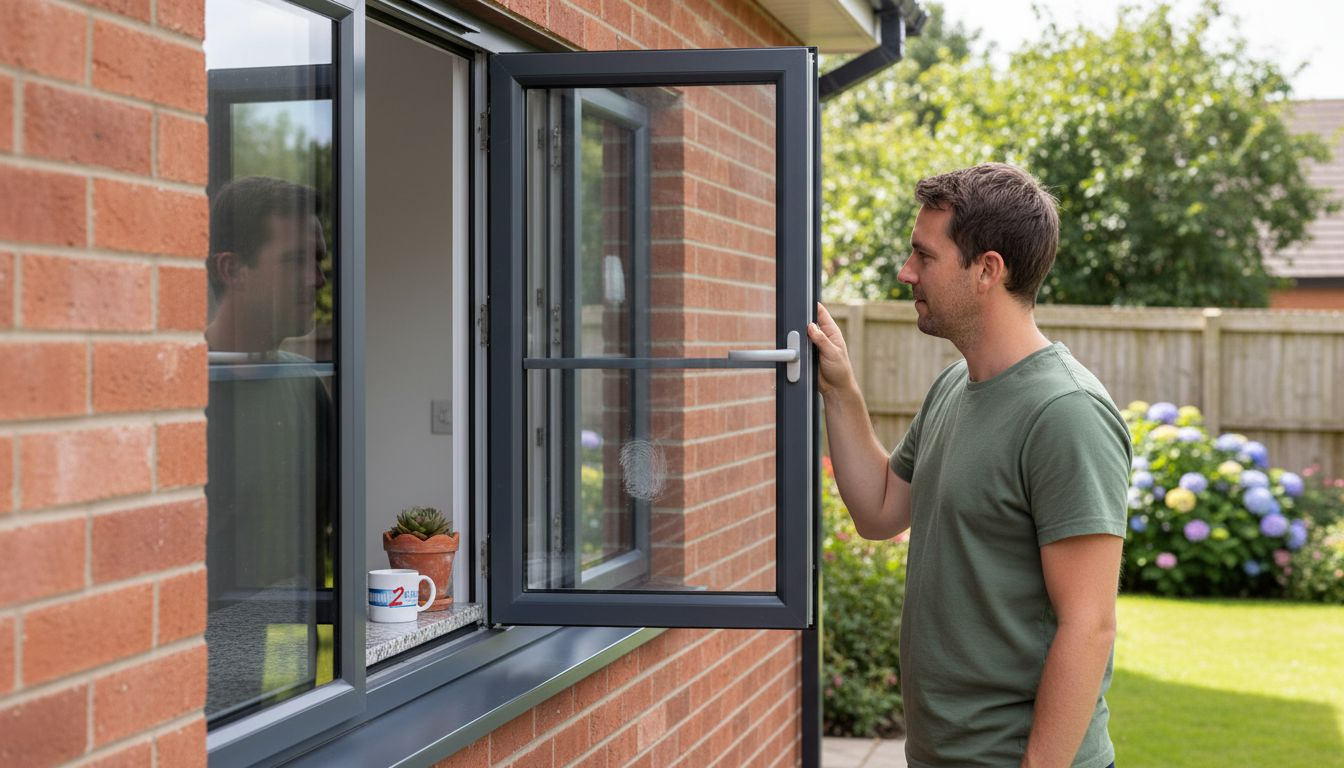
Composite bars blend the best features of both timber and synthetic materials. They provide authentic wood appearance with low-maintenance synthetic durability.
Here’s how the main types compare:
Here’s a comparison of the main glazing bar materials and their typical applications:
| Material | Maintenance Level | Typical Use Case | Visual Authenticity |
|---|---|---|---|
| Timber | High (regular painting) | Heritage and listed properties | Excellent, period-accurate |
| uPVC | Low (easy cleaning) | Modern homes, low upkeep | Very good imitation |
| Aluminium | Very low (wipe clean) | Contemporary builds, extensions | Sleek, modern look |
| Composite | Very low (minimal attention) | Versatile, both period and new builds | Realistic, wood-like finish |
- Timber: Authentic, beautiful ageing, high maintenance, requires regular repainting
- uPVC: Low maintenance, realistic wood finishes available, durable in UK weather
- Aluminium: Contemporary styling, excellent durability, minimal thermal conductivity impact
- Composite: Hybrid approach, wood-like appearance, easy care
Through-Bars vs Surface-Mounted Bars
The placement method matters as much as the material. Through-bars sit between the glass panes inside the sealed unit, eliminating cleaning challenges and improving thermal performance.
Surface-mounted bars sit on the outside of the glass, creating authentic period appearance but trapping dust between glass and bars. Understanding different window materials helps you assess how each type performs with various glazing systems.
Through-bars offer practical advantages for modern living whilst maintaining period aesthetics when designed correctly.
Surface bars suit heritage properties where internal appearance matters less than external authenticity. Through-bars work better for everyday homes where maintenance and cleaning convenience take priority.
Pro tip: Request samples of different bar styles installed temporarily on your home before deciding—viewing them in natural light and from different angles reveals how they’ll look permanently rather than relying on small showroom samples.
How Glazing Bars Enhance Aesthetics and Heritage
Glazing bars are far more than functional window dividers—they define the visual character of period properties. The right glazing bar style can transform your home’s appearance, enhance its heritage value, and ensure it fits seamlessly within its architectural context. For homeowners in conservation areas, choosing appropriate bars often becomes a planning requirement rather than optional.
The Visual Impact of Glazing Bars
Glazing bars create distinctive patterns that immediately signal architectural period. A Georgian townhouse with slim, evenly-spaced bars looks entirely different from a Victorian villa with bolder proportions. These patterns aren’t accidental—they reflect authentic design choices made centuries ago.
The grid pattern created by bars draws the eye vertically and horizontally, affecting how light and shadow play across your façade. When sunlight hits the bars at different angles, they create dynamic visual interest that plain glass simply cannot achieve.
Here’s what glazing bars contribute visually:
- Create authentic period character matching your home’s age
- Add depth and shadow play to window openings
- Define proportion and scale of the building façade
- Enhance curb appeal and street presence
- Break up large glass areas into manageable visual sections
Heritage Authenticity Matters
Glazing bar styles evolved across different architectural eras. Georgian properties typically feature slim Lambs Tongue bars, whilst Victorian and Edwardian homes use more substantial Ovolo styles. Using the wrong bar style on a period property can undermine its historical authenticity.
In listed buildings and conservation areas, local authorities often specify which glazing bar styles are acceptable. Getting this wrong risks planning enforcement action or refusal of window replacement applications. Selecting period-correct glazing bars isn’t just about aesthetics—it’s about preserving your home’s architectural integrity and heritage value.
Authentic bars also tell a property’s story. Visitors immediately recognise the architectural period through these visual markers, reinforcing your home’s historical significance.
Enhancing Curb Appeal
Glazing bars significantly impact how neighbours and potential buyers perceive your property. Homes with appropriate traditional bars appear more established, characterful, and valuable than those with plain modern glass.
When you renovate windows with quality glazing bars, you’re investing in lasting visual appeal. This investment protects your home’s street presence and contributes positively to your neighbourhood’s character.
UPVC and composite bars now replicate timber authenticity perfectly, allowing you to enhance heritage appeal without high maintenance demands.
Pro tip: Before committing to glazing bar styles, photograph neighbouring period properties to understand what’s authentic for your street—this research prevents costly mistakes and ensures your windows harmonise with local architectural character.
Energy Efficiency and Performance Factors
Glazing bars affect window performance more subtly than most homeowners realise. They don’t dramatically reduce efficiency, but they do influence how heat moves through your windows. Understanding this relationship helps you make choices that balance aesthetics with thermal performance.
How Glazing Bars Impact Thermal Performance
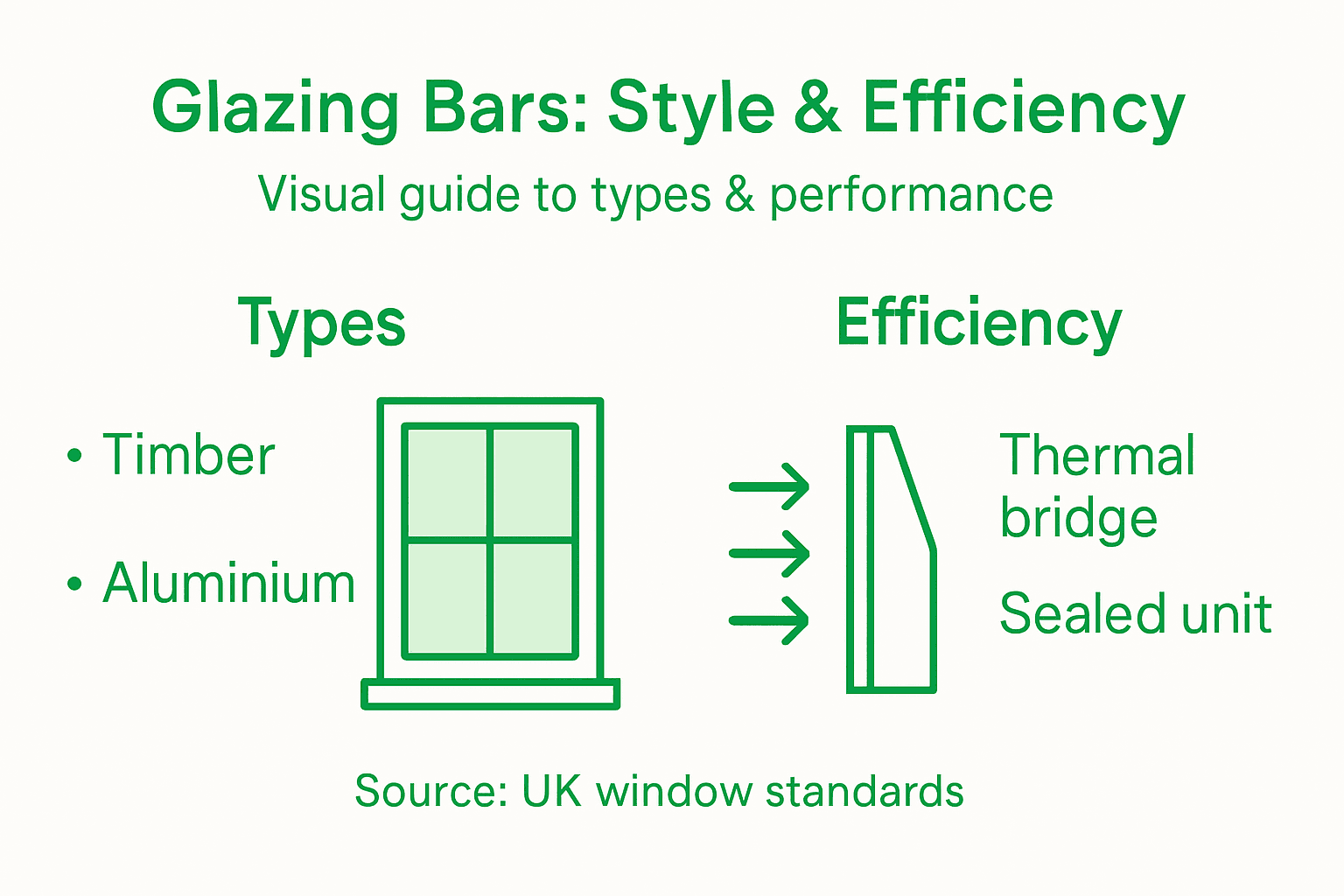
Traditional surface-mounted glazing bars create small thermal bridges where materials connect to the glass. Heat flows slightly more readily along metal or timber bars than through glass, though the effect is minimal on modern windows.
Through-bars sit inside the sealed unit between glass panes, eliminating this thermal bridge problem entirely. They allow heat to flow uniformly across the window without material interruption.
The real thermal performance comes from what surrounds the bars, not the bars themselves. Modern window energy ratings incorporate low-emissivity glass coatings, argon gas fills, and insulated spacer bars that vastly outweigh the minimal impact of glazing bar material.
Key Efficiency Features That Matter More
When evaluating window efficiency, focus on these primary factors:
- Low-emissivity coatings on glass reduce radiative heat loss
- Argon or krypton gas fills between panes provide superior insulation
- Insulated spacer bars prevent heat loss at the glass edge
- Quality frame construction maintains airtightness around the entire window
- Proper installation sealing prevents air infiltration
Glazing bars rank below all these elements in terms of thermal impact. A window with basic bars but excellent glass coatings outperforms one with no bars and poor glazing specs.
This summary shows how bars and glass features impact energy efficiency:
| Feature | Effect on Energy Efficiency | Practical Importance |
|---|---|---|
| Glazing Bar Material | Minimal impact if modern | Secondary to glass spec |
| Low-Emissivity Coating | Greatly improves performance | Most important glass factor |
| Gas Fill (Argon/Krypton) | Enhances insulation | Major efficiency influence |
| Sealed Unit (Through-Bar) | Prevents thermal bridging | Strong positive effect |
Window Energy Ratings and Glazing Bars
Window Energy Ratings (WER) in the UK assess overall window performance on a scale from A++ (best) to E (poorest). These ratings account for heat retention, solar heat transmittance, and air infiltration across the entire window assembly.
Your rating depends primarily on glass quality and frame insulation, not glazing bar choice. Two windows with identical frames and glass but different bar styles will receive the same WER rating.
This means you can achieve excellent energy efficiency whilst maintaining period authenticity through glazing bars. The two goals aren’t mutually exclusive. Glazing bars have negligible impact on overall window efficiency when combined with modern glass technology and proper installation.
Making the Right Choice
Select glazing bars based on your home’s aesthetic requirements first. Then ensure your window supplier uses high-performance glass and framing to meet your energy targets.
Through-bars in sealed units offer the best combination: authentic appearance with eliminated thermal bridging concerns and easier maintenance.
Pro tip: Request full Window Energy Rating details for any window with glazing bars before purchase—compare the WER rating to simpler windows to verify that bar style hasn’t compromised efficiency, and confirm your chosen option meets current Building Regulations standards.
Regulations, Costs, and Installation Mistakes to Avoid
Window installation isn’t a free-for-all. UK Building Regulations govern thermal performance, safety, and structural requirements. Getting this wrong creates legal headaches, failed property inspections, and difficulty selling your home. Understanding the rules and common pitfalls protects your investment.
UK Building Regulations and Compliance
All window replacements must meet strict Building Regulations standards. These focus on thermal performance, safety glazing, ventilation, and structural integrity. Properties built before recent updates must be brought up to current U-value standards during replacement.
Building Regulations window installations require Competent Person certification through schemes like FENSA. Accredited installers can self-certify compliance, providing certificates essential for legal assurance and property sales.
Skipping proper certification creates serious consequences:
- Enforcement actions from local authorities
- Rejection of glazing bar designs in conservation areas
- Inability to sell your property without costly remediation
- Void warranties on non-compliant installations
- Increased insurance liability
Always verify your installer holds current FENSA or equivalent accreditation before work begins. Request full certification documents before final payment.
Cost Factors and Budget Planning
Glazing bars add cost to window replacement, but less than many homeowners expect. Costs vary based on bar material, placement method, and number of windows.
Typical cost additions:
- uPVC through-bars: £50–£150 per window
- Aluminium bars: £100–£200 per window
- Timber bars: £200–£400 per window (heritage work)
Through-bars cost slightly more than surface-mounted versions but offer better long-term value through reduced maintenance and superior thermal bridging elimination. The cost of authentic glazing bars is minimal compared to the aesthetic and heritage value they provide to period properties.
Obtain detailed quotes specifying bar type, material, and placement method. Compare quotes from multiple FENSA-accredited installers to ensure competitive pricing for comparable specifications.
Common Installation Mistakes
Most glazing bar problems stem from poor installation rather than design flaws. Watch for these frequent errors:
Inadequate sealing around bar attachment points allows water infiltration and thermal bridging. Proper installation requires silicone sealant and backing rods throughout.
Incorrect bar proportions for your property’s age destroy authenticity. Installing thick modern bars on a Georgian townhouse creates jarring visual discord.
Moisture trapped between panes indicates failed sealed unit installation. Through-bars must sit perfectly sealed within the unit without condensation.
Poor ventilation consideration during installation blocks air flow your home requires. Modern windows need adequate background ventilation to prevent damp.
Pro tip: Before signing an installation contract, request references from at least three previous glazing bar projects, verify FENSA accreditation directly with the scheme, and confirm the installer provides Building Regulations certification as standard—not as an expensive add-on.
Enhance Your Home’s Style and Efficiency with Expert Glazing Bar Solutions
Choosing the right glazing bars is essential for balancing authentic period style with modern energy efficiency. If you want to preserve your home’s architectural character while benefiting from advanced window technology, trusted expertise makes all the difference. At Cloudy2Clear Windows, we understand the challenges of maintaining heritage appeal alongside thermal performance and low maintenance.

Discover our tailored window solutions that offer:
- Authentic timber, uPVC, aluminium, or composite glazing bars
- Expert installation meeting UK Building Regulations for safety and energy
- Superior double glazing options designed to enhance efficiency without compromising style
Do not leave your home’s comfort and curb appeal to chance. Visit Cloudy2Clear Windows today to explore how we can help you achieve the perfect combination of tradition and innovation. Learn more about our double glazing options and how to choose the right window materials to suit your property. Take the first step towards smarter, stylish windows—contact us now for expert advice and a free consultation.
Frequently Asked Questions
What are glazing bars and what purpose do they serve?
Glazing bars are the wooden or metal strips that divide window panes into smaller sections. They serve both aesthetic and functional purposes, impacting the visual character of windows while also influencing insulation performance.
How do traditional timber glazing bars compare to modern materials like uPVC and aluminium?
Traditional timber glazing bars offer authentic aesthetics and period accuracy but require high maintenance, including regular painting. Modern uPVC and aluminium options replicate the appearance of wood with lower maintenance needs, providing durability and moisture resistance.
Do glazing bars significantly affect the energy efficiency of my windows?
Glazing bars do not significantly reduce energy efficiency when modern materials and technologies are used. The primary factors impacting thermal performance are the overall window construction, including the type of glass and frame, rather than the glazing bars themselves.
What are the differences between through-bars and surface-mounted bars?
Through-bars are located between the glass panes in a sealed unit, offering advantages like easier cleaning and improved thermal performance. Surface-mounted bars sit on the outside of the glass, providing authentic aesthetics but may trap dust and dirt between the glass and the bars.