Neglecting your double-glazed windows costs far more than most homeowners realise. Beyond the visual decline, poorly maintained windows quietly drain your energy budget and chip away at your property’s value. Proper care can extend window lifespan by up to seven years and cut energy bills by 15 to 30%. For homeowners and property managers across England and Scotland, that is a meaningful saving. This guide walks you through seven researched, practical steps to protect your investment, improve comfort, and avoid expensive surprises.
Inspect seals biannually to prevent costly problems
Seal inspections are the foundation of any solid window maintenance routine. Most people only notice a problem when condensation has already formed between the panes, and by that point, the seal has already failed. Catching issues early is the difference between a modest repair bill and a full window replacement.
During each inspection, look out for these warning signs:
- Fogging or condensation trapped between the two panes of glass
- Visible cracks, splits, or gaps along the rubber seal
- Draught felt around the frame edges when windows are closed
- Discolouration or soft spots on the frame near the seal
According to double glazing care guidance for 2026, early detection of seal issues can reduce replacement costs by up to 80% and prevents a 20 to 30% drop in energy efficiency. That is a compelling reason to take 10 minutes twice a year.
Understanding the window seal failure signs before they worsen helps you act quickly. If you do find damage, replacing window seals promptly restores thermal performance without the cost of a full unit.
Pro Tip: Set calendar reminders every spring and autumn to carry out your seal inspections. Consistent timing means you catch seasonal damage before it escalates.
Clean windows regularly to maintain clarity and longevity
After inspecting seals, keeping the glass and frames clean is the next vital step for performance and aesthetic appeal. Dirt, grime, and mould spores accumulate over time, particularly in areas with high rainfall or pollution. Left unchecked, they can degrade uPVC frames and obscure the clarity of the glass.
Follow this simple cleaning routine to protect your windows:
- Mix a small amount of washing-up liquid with warm water.
- Use a soft microfibre cloth to wipe down the glass in circular motions.
- Rinse with clean water to remove any soapy residue.
- Dry thoroughly with a separate dry microfibre cloth to prevent streaking.
- Wipe frames with a damp cloth, avoiding abrasive pads that scratch uPVC.
Not all cleaning products are equal. Here is a quick comparison:
| Cleaning method | Suitable for double glazing | Risk level |
|---|---|---|
| Warm soapy water | Yes | Low |
| Specialist uPVC spray | Yes | Low |
| Ammonia-based cleaners | No | High (degrades seals) |
| Abrasive cloths or pads | No | High (scratches glass) |
Well-maintained uPVC windows last 20 to 35 years, and proper cleaning alone can add up to seven years to that lifespan. For a thorough walkthrough, the double glazing cleaning steps guide covers every detail. You can also find broader advice in this window maintenance guide.
Pro Tip: Always use a microfibre cloth rather than paper towels or standard cloths. Microfibre lifts dirt without scratching and leaves a streak-free finish.
Ventilate while draught-proofing for health and efficiency
With glass clarity assured, the next concern is internal air quality and thermal performance. Many homeowners seal their windows tightly in winter to keep warmth in, but blocking all airflow creates its own problems. Trapped moisture leads to condensation, and condensation leads to mould.
Here is how to strike the right balance:
- Use trickle vents (small openings built into the window frame) to allow a controlled flow of fresh air without losing significant heat.
- Run extractor fans in kitchens and bathrooms to remove moisture at the source.
- Open windows briefly in the morning and evening to refresh indoor air without a major temperature drop.
- Fit draught-proofing strips to close gaps around frames, but ensure they do not compress so tightly that the window cannot open and close freely.
The table below shows common ventilation and draught-proofing combinations:
| Strategy | Benefit | Watch out for |
|---|---|---|
| Trickle vents | Continuous fresh air | Blocking with paint or dust |
| Extractor fans | Removes moisture quickly | Running costs if overused |
| Draught-proofing strips | Reduces heat loss | Over-tightening hindering operation |
| Brief window opening | Low-cost air refresh | Forgetting to close in cold weather |
Ensuring ventilation via trickle vents or brief window opening prevents internal condensation and mould while complementing draught-proofing. You will find practical ventilation tips and detailed draught-proofing advice to guide your choices.
Pro Tip: Open windows briefly each morning, even in winter. Just five minutes refreshes the air and reduces moisture build-up without noticeably cooling your home.
Lubricate moving parts to prevent misalignment and corrosion
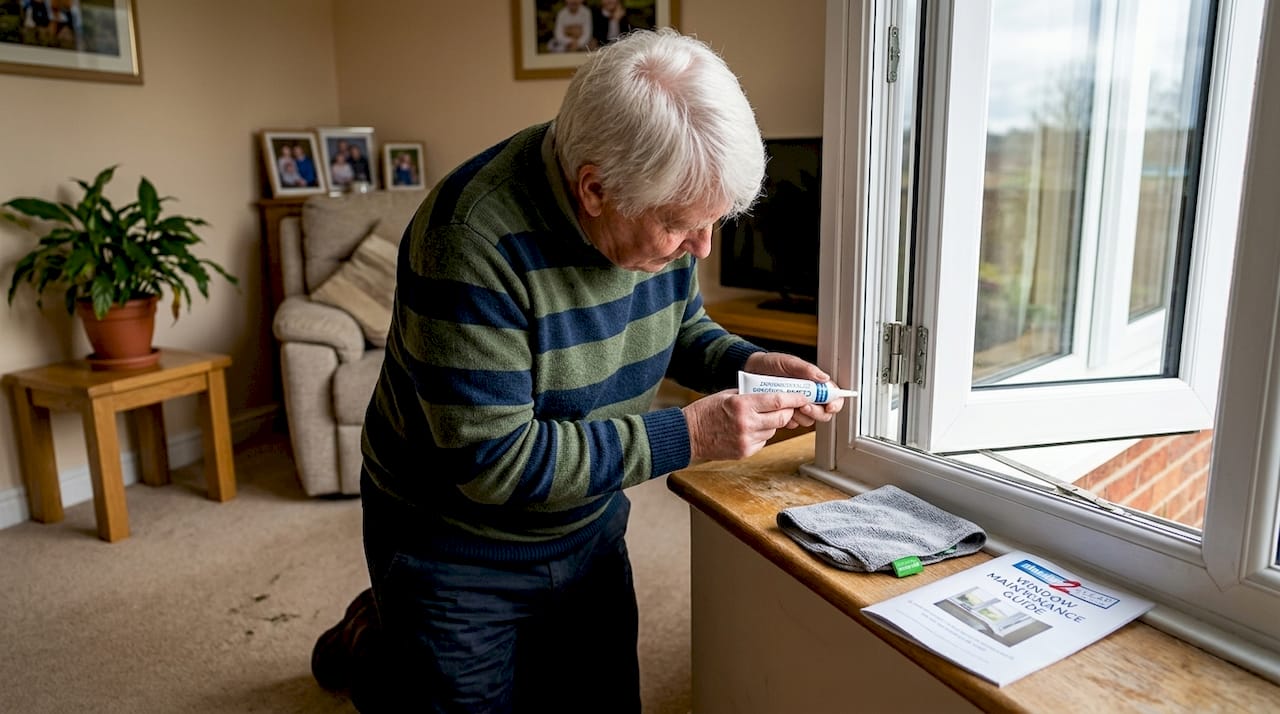
Maintaining clear air and efficient seals is important, but attention must also shift to window hardware, the cornerstone of smooth operation. Hinges, handles, and locking mechanisms take daily wear. Without regular lubrication, they stiffen, corrode, and eventually misalign, causing windows to close improperly and compromising security.
Follow these steps to lubricate your window hardware correctly:
- Open the window fully to access all hinge points and moving parts.
- Wipe away any old grease, dirt, or rust with a dry cloth.
- Apply a silicone-based lubricant sparingly to hinges, handles, and lock mechanisms.
- Open and close the window several times to distribute the lubricant evenly.
- Wipe away any excess to prevent residue build-up.
Why silicone-based lubricant? WD40 is a water displacer, not a long-term lubricant. It can actually attract dirt over time and degrade rubber seals. Silicone-based products are safe for uPVC, rubber, and metal components alike.
Lubricating hinges and locks annually with silicone-based lubricant prevents stiffness, misalignment, and corrosion, especially in coastal areas where salt air accelerates wear. If you live near the sea, consider lubricating every six months rather than once a year. For broader guidance, this double-glazed window maintenance resource covers hardware care in full.
Prioritise repairs over replacement for failed seals and panes
Proper care minimises risk but, when faults occur, knowing your options for repair or replacement is essential. The most common fault you will encounter is condensation forming between the panes. This means the inert gas (usually argon) that provides insulation has escaped through a failed seal. Once this happens, the insulating layer is gone and cannot be restored by cleaning.
Repairing a failed seal costs £150 to £300, which is significantly less than replacing an entire window unit. Here is a straightforward comparison:
| Option | Approximate cost | Best suited for |
|---|---|---|
| Seal repair | £150 to £300 | Early-stage seal failure |
| Sealed unit replacement | £200 to £500 | Persistent condensation |
| Full window replacement | £500 to £1,500+ | Structural damage or outdated frames |
Repair pros and cons at a glance:
- Repair pros: Lower cost, quicker turnaround, preserves existing frame
- Repair cons: Not always possible for severe damage, may need repeating
- Replacement pros: Fresh warranty, improved energy ratings
- Replacement cons: Higher cost, longer installation time
‘Attempting repairs yourself may void window warranties or worsen problems.’
For a clear breakdown of what goes wrong and when, the seal failure guide is an excellent reference. If you suspect water ingress, the fixing window leaks guide will help you identify the source.
What most window care advice misses: the DIY vs. professional divide
Most window care guides present every task as something you can handle yourself with a cloth and a tube of lubricant. That is not entirely wrong, but it glosses over a genuinely important divide. Some tasks are perfectly suited to DIY. Others, if done incorrectly, can void your warranty, worsen the damage, or create safety risks.
DIY is reliable for cleaning, lubricating hardware, and carrying out visual checks. These are low-risk, repeatable tasks that any homeowner can manage safely. But the moment you notice condensation between panes, visible seal damage, or a window that no longer closes flush, you are in professional territory.
Professionals are needed for repairs and seal replacements to avoid misalignment or voiding warranties. Draught-proofing strips must also fit gaps precisely to avoid hindering window operation, and getting that wrong is easier than it sounds.
One practical step that most guides overlook entirely: keep a maintenance log. Record every inspection, cleaning session, and repair with dates and observations. This log is not just for your own reference.
‘A good maintenance log can help prove eligibility for repairs and uphold your rights if something goes wrong.’
For anything beyond routine upkeep, explore draught-free solutions and consider calling a specialist before the problem grows.
Pro Tip: Store photos alongside your written log. Visual evidence of a window’s condition over time is invaluable when discussing warranty claims or repair options with a professional.
Trust expert repairs for lasting value
For those tasks beyond routine cleaning and checks, professional support can save time and ensure lasting results. When seals fail or condensation takes hold, the right repair restores your window’s insulating performance and protects your warranty.

At Cloudy2Clear Windows, we have been repairing and replacing double-glazed windows across England and Scotland since 2005. Whether you need a sealed unit replacement or support for a larger property, our specialists are ready to help. We also offer commercial window support for property managers overseeing multiple sites. If you are based in the Midlands, our team in Milton Keynes is on hand for fast, expert assistance. Get in touch today to protect your investment.
Frequently asked questions
How often should I inspect double-glazed window seals?
Check seals and frames every six months, ideally in spring and autumn, for signs of fogging, cracks, or gaps to prevent costly repairs before they escalate.
What should I use to lubricate window hinges?
A silicone-based lubricant is safest for uPVC windows; avoid using WD40, as it attracts dirt over time and can degrade rubber seals.
How can I balance draught-proofing with ventilation?
Use trickle vents and extractor fans alongside brief window openings to prevent condensation and mould without sacrificing warmth or comfort.
Is it better to repair or replace a failed window seal?
Repairing a failed seal is usually cheaper and restores efficiency; full replacement is only necessary when structural damage or irreparable failure makes repair impractical.