Your double glazing could be working against you right now. A small, failed window seal is enough to raise energy bills by a significant margin, turning what should be an insulating barrier into little more than a draught channel. Many homeowners and business operators in England and Scotland overlook window seals entirely, focusing instead on boiler upgrades or loft insulation. Yet the seals around your windows control heat retention, moisture ingress, and air quality every single day. This article explains how seals work, what happens when they fail, and what you can do to protect your property and your pocket.
What is a window seal and why does it matter?
To understand the significance, it is essential to look at what window seals do behind the scenes. A window seal is the material that bonds and insulates the edges of a double glazed unit, keeping the two panes of glass locked together as an airtight system. You will find seals in two main locations: around the perimeter of the glass unit itself, and along the frame where the window meets the wall or sash.
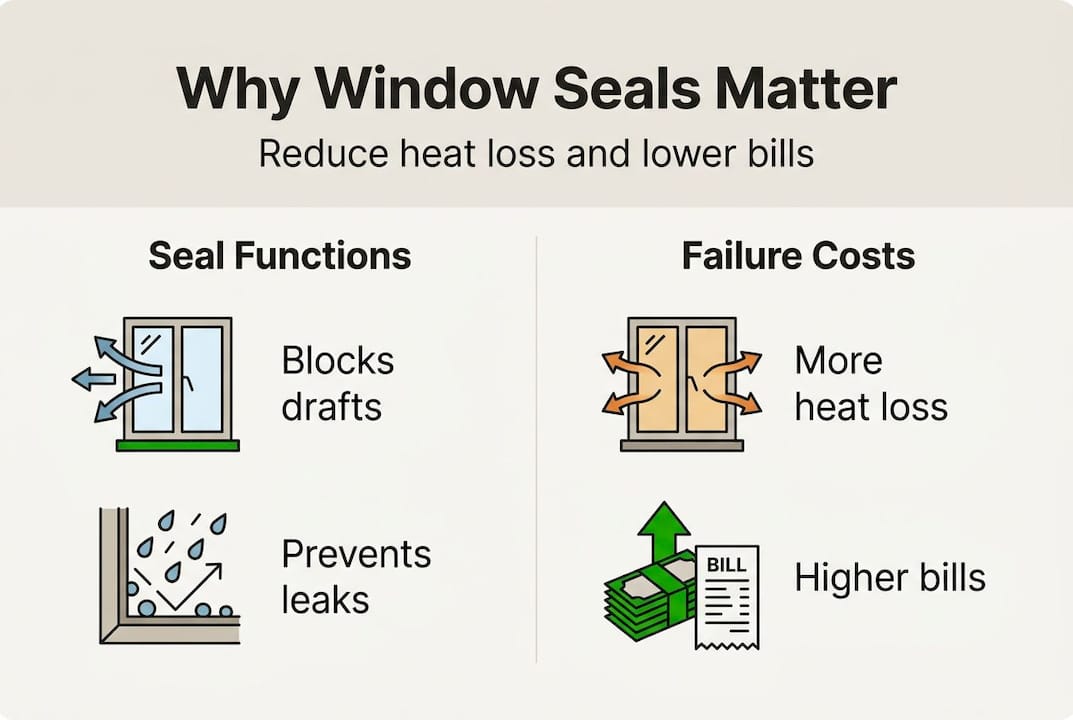
In double glazed windows, the space between the two panes is typically filled with argon gas. Argon is denser than air and slows the transfer of heat, which is what gives double glazing its insulating advantage. The seal is what keeps that gas inside. Window seals maintain airtightness and insulation in double glazed units by preventing gas escape and moisture ingress, both of which are critical to thermal performance.
When the seal holds, your windows do exactly what they should:
- Retain warm air inside your property
- Block cold outdoor air from seeping through gaps
- Prevent condensation from forming between the panes
- Keep rain and moisture from penetrating the frame
- Maintain the integrity of the argon gas fill
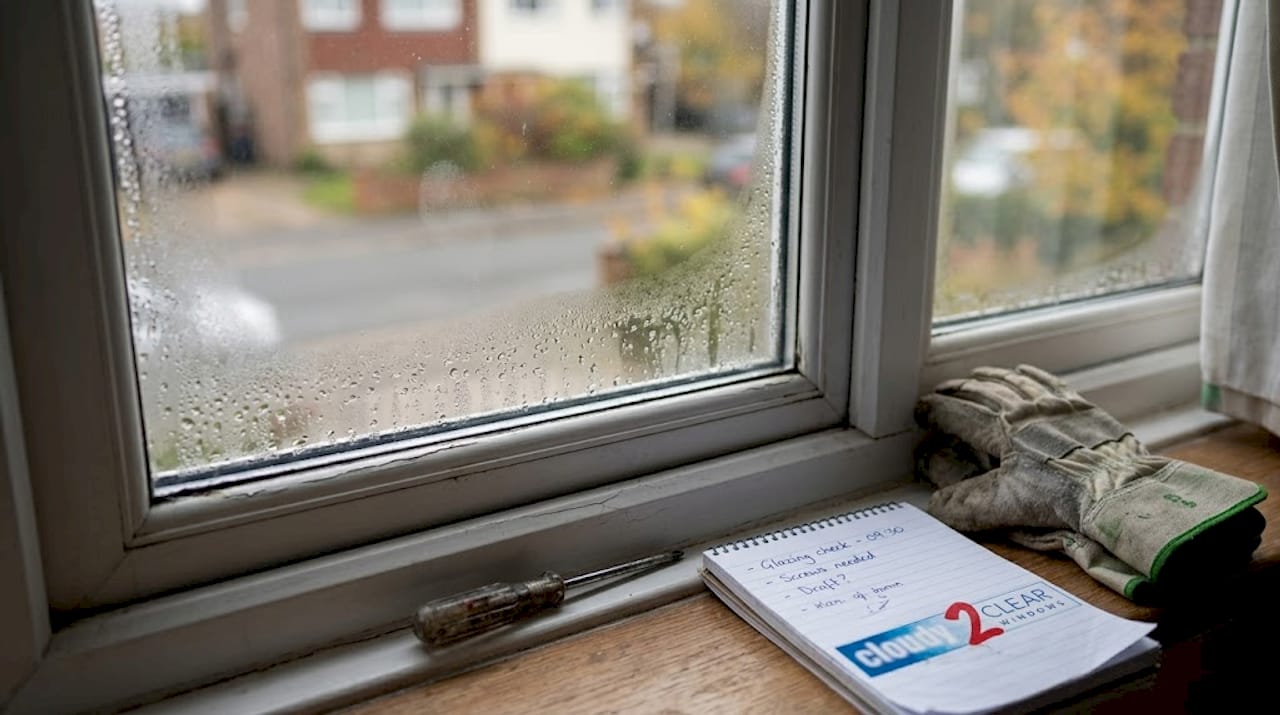
When the seal fails, every one of those functions is compromised. You might notice a milky or foggy appearance between the panes. That is moisture that has crept in because the seal can no longer keep it out. It is a clear sign the unit is no longer performing as it should.
Poor window seals do not just affect comfort. Airtightness research from DESNZ confirms that increased air infiltration through gaps and failed seals directly affects energy modelling outcomes, meaning your property becomes harder and more expensive to heat efficiently.
For a closer look at how seals and gaskets work together, the window gasket guide on our website is a useful starting point.
How much do failed window seals really cost you?
Knowing the job they do helps explain why ignoring window seals could hit your wallet. The financial impact of a failed seal is more significant than most people realise. A double glazed window with a broken seal can perform no better than a single pane of glass, and that comparison matters enormously when it comes to your heating bills.
Failed seals cause roughly a 30% increase in heat loss, effectively reducing your double glazing to single glazing performance. Over a full heating season, that adds up fast.
| Seal condition | Heat loss level | Estimated annual cost impact |
|---|---|---|
| Fully intact seal | Low | Baseline heating costs |
| Partially degraded seal | Moderate | Up to 15% increase in bills |
| Fully failed seal | High | Up to 30% increase in bills |
Beyond the headline figure, draught-proofing and seal replacement saves £60 to £85 per year on average, with air leakage reduced by 15 to 20%. For a business premises with multiple windows, those savings multiply quickly.
It is also worth considering comfort, not just cost. Cold spots near windows, condensation on interior glass surfaces, and the persistent feeling of a draught all point to seal problems. These are not minor inconveniences. They affect how your space feels and how much energy you consume trying to compensate.
Pro Tip: Build a simple annual energy review into your property maintenance calendar. Walk around each window on a cold day with a lit candle or incense stick held near the frame. Any flickering near the edge indicates air movement, which is a reliable sign your seals need attention. Catching this early can save you considerably more than the cost of a repair.
The energy savings from new seals are well documented, and the investment in repair or replacement is typically recovered within a single heating season for most UK properties.
When and why do window seals fail?
Understanding what can go wrong is key to preventing major surprises. Window seals do not last forever, and several factors can shorten their working life considerably. Knowing the causes helps you stay one step ahead.
Seals typically last 10 to 20 years but degrade faster in the UK climate, where temperature fluctuations and persistent moisture put seals under constant stress. Annual inspection is strongly recommended.
The most common causes of seal failure include:
- Age and natural wear — All sealant materials become brittle and lose flexibility over time.
- UV exposure — Prolonged sunlight breaks down rubber and foam compounds, causing cracking.
- Poor original installation — If the seal was not applied correctly from the start, it will fail prematurely.
- Harsh weather cycles — Repeated freezing and thawing causes expansion and contraction that weakens the seal bond.
- Cleaning with harsh chemicals — Abrasive or solvent-based cleaners strip protective coatings and accelerate deterioration.
- Physical damage — Knocks, scrapes, or pressure on the frame can compromise the seal at specific points.
The warning signs to watch for are straightforward. Condensation trapped between the panes is the most obvious indicator. Visible gaps, cracks, or discolouration around the seal perimeter are also red flags. Rising heating bills without an obvious cause, or persistent cold draughts near windows, both suggest the seal is no longer doing its job.
Pro Tip: Once a year, run your hand slowly around the inside edge of each window frame on a cold morning. Any sensation of cool air moving across your skin indicates a gap that needs addressing. This takes less than five minutes per room and could save you hundreds over the winter.
For a detailed breakdown of the different ways seals can deteriorate, the guide to seal failure types is worth reading alongside this article on causes and prevention.
Sealing solutions: Materials, maintenance, and upgrades
Once you can spot a failing seal, the next step is knowing your options for repair or improvement. The good news is that there is a range of practical solutions available, from quick DIY fixes to professional replacements.
Draught-proofing seals reduce air leakage by 15 to 20%, saving between £60 and £85 per year on heating costs. The three main materials used are brush seals, foam seals, and EPDM rubber seals.
| Material | Best use | Durability | Cost |
|---|---|---|---|
| Foam seal | Casement windows, irregular gaps | Low to medium | Low |
| Brush seal | Sash windows, sliding frames | Medium to high | Medium |
| EPDM rubber | All window types, exposed locations | High | Medium to high |
EPDM (ethylene propylene diene monomer) rubber is particularly well suited to the UK climate because it resists UV degradation and handles temperature extremes without cracking. For most residential and commercial properties, it offers the best balance of performance and longevity.
For ongoing maintenance, these steps will help extend the life of your seals:
- Clean window frames and seals with mild soapy water, never solvent-based products
- Inspect seals visually each spring and autumn for cracks, shrinkage, or gaps
- Apply a silicone-based conditioner to rubber seals annually to keep them supple
- Check that drainage channels in the frame are clear to prevent water pooling near the seal
Repair is a reasonable option when damage is localised and the frame itself is sound. However, if the glazed unit is fogged, the seal has failed internally and the entire unit needs replacing rather than patching. Our guides on draught-proofing tips, window leak fixes, and double glazing lifespan cover each scenario in more detail.
Professional help is the right call when you notice multiple failed units, structural movement in the frame, or when DIY repairs have not resolved the problem after one heating season.
A new mindset: Window seals as your first line of defence
After nearly two decades working with homeowners and commercial clients across England and Scotland, we have noticed a consistent pattern. Window seals are almost always treated as an afterthought. People invest in new boilers, insulate their lofts, and switch energy tariffs, yet they walk past draughty windows every day without connecting the two.
The uncomfortable truth is that no amount of boiler efficiency compensates for heat escaping through a failed seal. You are essentially heating the outdoors. The mindset shift we encourage is simple: treat your window seals the same way you treat your boiler service. Annual attention, not reactive repair.
Small issues caught early cost a fraction of what a full unit replacement demands. We have seen properties where ignored seals led to frame rot, damp ingress, and mould, problems that cost thousands to put right. None of that starts dramatically. It starts with a seal that nobody checked.
Our double glazing care tips outline a straightforward annual routine that takes very little time but makes a real difference to the long-term performance of your windows.
Expert help for lasting comfort and savings
If your windows are showing signs of seal failure, professional advice makes a real difference. At Cloudy2Clear Windows, we have been helping homeowners and businesses across England and Scotland since 2005, and we understand that every property has different needs.

Whether you need a single unit replaced or a full double glazing replacement programme across your property, our accredited team can assess your situation and recommend the most cost-effective solution. We also work extensively in the commercial fenestration sector, helping businesses reduce energy overheads and maintain comfortable working environments. Get in touch today for tailored advice or a no-obligation quote from a team that genuinely knows windows.
Frequently asked questions
How do I know if my window seals have failed?
Look for condensation between panes, visible cracks or gaps around the frame edge, and persistent draughts near the window. These are the clearest indicators that the seal is no longer working.
How long should window seals last in the UK?
Most seals last 10 to 20 years under normal conditions, but the UK climate can shorten that lifespan. Annual inspection helps you catch deterioration before it becomes a costly problem.
Will replacing seals really cut my heating bills?
Yes. Replacing a failed seal can reduce heat loss by 30%, which translates directly into lower heating costs over the course of a year.
What materials work best for draught-proofing window seals?
Brush, foam, and EPDM rubber seals are the most effective options for reducing air leakage. EPDM rubber offers the best durability for UK weather conditions.