Most people assume that more glass panes automatically means a greener window. It is an easy assumption to make, but it misses the bigger picture entirely. True eco-friendly performance comes from the combination of glazing, frame material, installation quality, and long-term durability. A-rated double glazing saves £140 per year and reduces CO2 by 380kg compared to single glazing in a typical semi-detached home. That is a significant saving, and it does not always require the most expensive option on the market. This guide will walk you through everything you need to know to make a genuinely sustainable choice for your home or business in England or Scotland.
What makes a window eco-friendly?
An eco-friendly window is one that minimises heat loss, reduces energy demand, and ideally has a low environmental impact across its entire lifespan. Understanding a few key terms will help you compare products with confidence.
The most important measure is the U-value, which tells you how much heat passes through a window. The lower the U-value, the better the insulation. Alongside this, the British Fenestration Rating Council (BFRC) provides an energy rating from A++ down to E, similar to the labels you see on household appliances. A-rated windows and above represent a strong baseline for most UK properties.
Several technologies work together to improve the energy efficiency of windows:
- Low-E coatings: A near-invisible metallic layer on the glass that reflects heat back into the room
- Gas fills: Argon or krypton gas between panes slows heat transfer far better than air alone
- Warm-edge spacers: Insulating strips around the glass edge that reduce cold bridging
- Double and triple glazing: Low-E coatings and gas fills reduce heat loss by improving U-values significantly
There is also the concept of embodied carbon, which refers to the CO2 produced during manufacturing, transport, and installation of the window itself. A window with a low U-value but made from energy-intensive materials may not be as green as it first appears.
| Feature | Benefit | Impact on U-value |
|---|---|---|
| Low-E coating | Reflects internal heat | Reduces by up to 0.5 W/m²K |
| Argon gas fill | Slows heat transfer | Reduces by 0.1–0.2 W/m²K |
| Warm-edge spacer | Cuts cold bridging | Marginal but consistent gain |
| Triple glazing | Extra insulation layer | Can reach below 0.8 W/m²K |
Pro Tip: Always ask for the whole-system BFRC rating rather than just the glazing specification. A high-spec pane in a poorly insulated frame will underperform every time.
Double vs triple glazing: Which is right for you?
Now that you know what makes a window eco-friendly, let us explore how double and triple glazing compare in practice.
Double glazing remains the most widely fitted option across UK homes and businesses, and for good reason. When specified correctly with low-E coatings and argon fills, it delivers excellent thermal performance at a reasonable cost. Triple glazing adds a third pane and a second gas-filled cavity, pushing U-values lower still. However, the gains are not always proportional to the extra investment.
Heat loss reduction sits at 60–70% for double glazing and 70–80% for triple glazing compared to single glazing. That 10% difference matters more in some situations than others.
| Glazing type | Typical U-value | Annual bill saving | CO2 reduction |
|---|---|---|---|
| Single glazing | 4.8–5.8 W/m²K | Baseline | Baseline |
| A-rated double | 1.2–1.6 W/m²K | Up to £140/year | Up to 380kg/year |
| Triple glazing | 0.6–1.0 W/m²K | Marginal extra gain | Marginal extra gain |
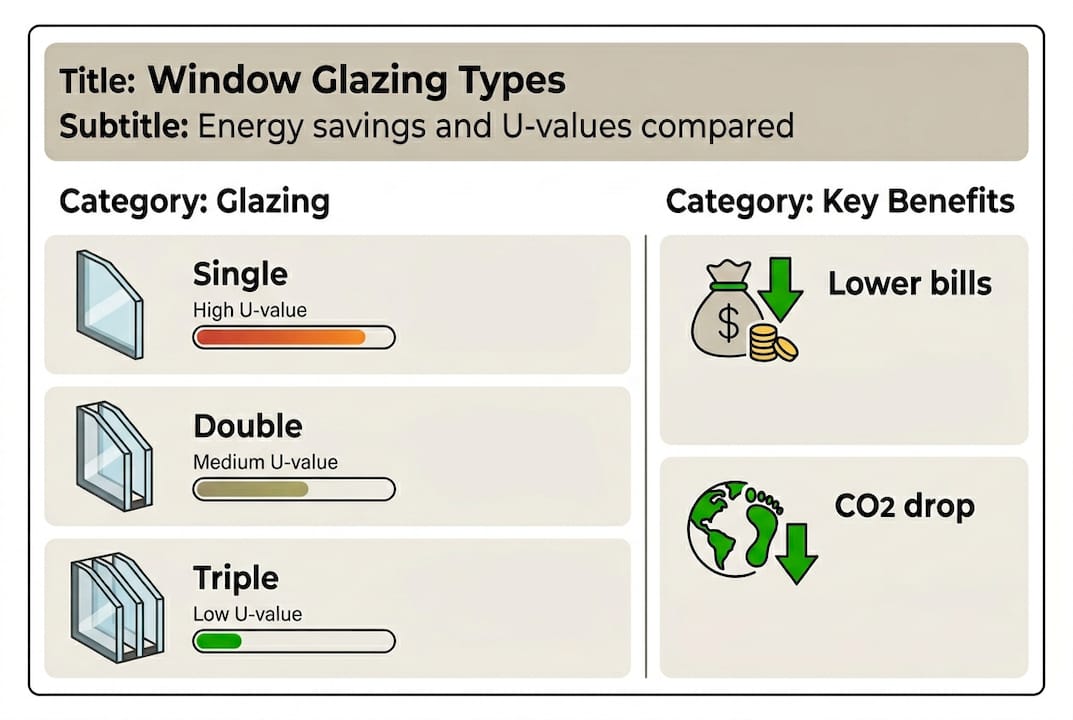
A-rated double glazing typically reduces energy bills by 15–20% compared to older single-glazed units. Triple glazing can go further, but the returns diminish quickly unless your home already has excellent wall and roof insulation.
Here is how to decide which option suits you:
- Check your existing insulation first. Triple glazing in a poorly insulated home will not deliver its full potential.
- Consider your location. Colder, more exposed areas of Scotland may benefit more from triple glazing than milder southern regions.
- Set a realistic budget. Triple glazing typically costs 20–30% more than equivalent double glazing.
- Prioritise carbon if that is your goal. If reducing your carbon footprint is the priority, high-quality double glazing options often deliver the best value per kilogram of CO2 saved.
- Read our triple glazing guide if you are seriously considering the upgrade and want a full breakdown.
Sustainable window frame materials
Glazing is only one part of the story. The frame material you choose has a significant effect on the overall sustainability of your windows.
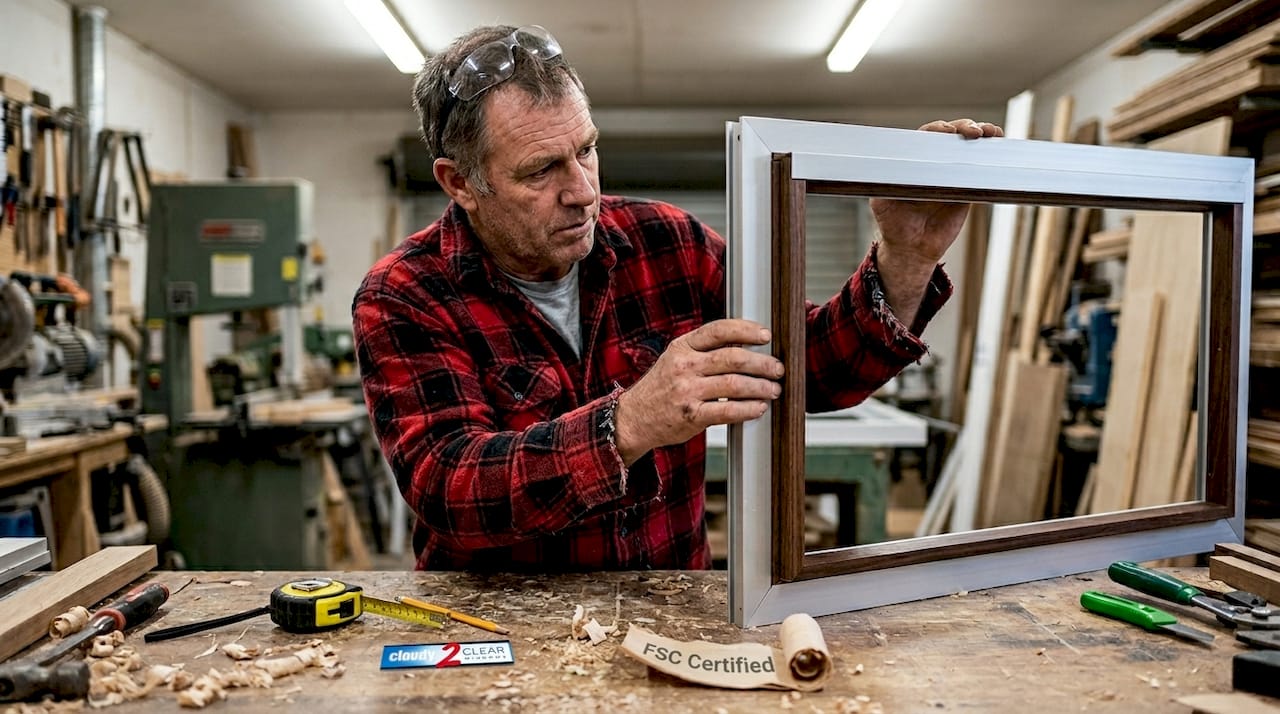
Timber and aluminium-clad frames are generally preferred for eco-focused projects because they balance low embodied carbon, longevity, and aesthetics. uPVC remains a popular choice for budget-conscious buyers who want low maintenance. Each material has genuine strengths and real trade-offs.
| Frame material | Embodied carbon | Lifespan | Recyclability |
|---|---|---|---|
| Timber (FSC-certified) | Low | 30–60 years | Biodegradable |
| Aluminium-clad timber | Low to medium | 40–60 years | Highly recyclable |
| uPVC | Medium | 20–35 years | Partially recyclable |
| Aluminium | Medium to high | 40+ years | Highly recyclable |
Here is a quick summary of each:
- Timber: Excellent environmental credentials when sourced from FSC-certified forests. Requires regular maintenance but offers warmth and character. Ideal for period properties.
- Aluminium-clad timber: Combines a timber interior with an aluminium exterior for weather resistance. A strong performer for eco-conscious builds.
- uPVC: Affordable, low-maintenance, and widely available. Less sustainable to produce but long-lasting and increasingly recyclable.
- Aluminium: Slim profiles and very long lifespan. High embodied carbon at manufacture, but the material is almost infinitely recyclable.
Pro Tip: If sustainability is your priority, look for FSC certification on timber frames and ask your installer about end-of-life recycling options. Sourcing from UK or European suppliers also reduces transport emissions meaningfully.
Practical tips for choosing and maintaining eco-friendly windows
Having covered design and materials, it is crucial to understand how installation and upkeep affect lasting results.
Even the best window will underperform if it is poorly fitted. Draughts around the frame, inadequate sealing, and missing ventilation features can all undo the benefits of premium glazing. Here is a straightforward checklist to guide your decision:
- Check the BFRC rating. Aim for A or above for the whole window unit, not just the glass.
- Choose the right frame material for your budget, maintenance appetite, and environmental priorities.
- Verify your installer’s credentials. FENSA or CERTASS registration means the installation meets building regulations automatically.
- Specify trickle vents. Airtight windows need trickle vents to prevent condensation and maintain healthy indoor air quality.
- Ask about guarantees. A reputable installer will back both the product and the window installation with a meaningful warranty.
Once installed, maintaining your windows properly extends their lifespan and keeps them performing at their best. Clean frames and drainage channels regularly, check seals annually, and address any fogging between panes promptly as it signals a broken seal and reduced thermal performance.
Common mistakes that undermine eco-friendly windows include:
- Ignoring installation quality and focusing only on the product spec
- Omitting trickle vents, which leads to condensation and mould
- Skimping on frame quality while investing heavily in premium glazing
- Failing to maintain seals, which allows heat to escape over time
Upgrading to A-rated windows can reduce your energy bills by 15–20% and cut CO2 emissions by 380–680kg per year, depending on your home’s size and existing glazing. That is a meaningful contribution to both your finances and the environment.
Why whole-system thinking is the real eco win
After years of working with homeowners and businesses across England and Scotland, we have noticed a pattern. People focus intensely on glazing specifications while overlooking the factors that often matter more: how the window is fitted, what the frame is made from, and how long the whole unit will last before needing replacement.
A triple-glazed unit with a poorly sealed frame and a short lifespan can have a worse lifetime carbon footprint than a well-fitted, whole-system window using quality A-rated double glazing. The whole-system approach that accounts for frame, glazing, installation, and end-of-life recyclability consistently outperforms a fixation on pane count alone.
For most UK properties, the sweet spot is high-quality A-rated double glazing in a durable, responsibly sourced frame, installed by a qualified professional. Triple glazing is genuinely worthwhile in specific circumstances, particularly in exposed locations or highly insulated new builds. But do not let the pursuit of the highest specification distract you from getting the fundamentals right. A well-fitted, well-maintained window will always outperform a poorly installed premium one.
Upgrade to modern, eco-friendly windows with trusted experts
If you are ready to improve your home or business with windows that genuinely deliver on energy efficiency and sustainability, we are here to help. At Cloudy2Clear Windows, we have been installing, repairing, and replacing double glazed windows since 2005, working with both homeowners and commercial clients across England and Scotland.

Whether you need a full replacement, a repair to a failed unit, or advice on the most sustainable option for your property, our local teams are ready to assist. Our Milton Keynes glazing experts are just one example of the regional support we provide. We also offer dedicated commercial window solutions for businesses looking to reduce running costs and meet sustainability commitments. Get in touch today for a no-obligation assessment.
Frequently asked questions
Do eco-friendly windows really lower energy bills?
Yes. Replacing old single glazing with A-rated windows saves £140/year and can reduce energy bills by 15–20%, making the investment worthwhile for most UK properties.
Is triple glazing always better than double glazing?
Not always. Triple glazing offers lower U-values, but diminishing returns are common beyond A-rated double glazing for most UK homes, especially where wall and roof insulation is not already excellent.
Which window frame materials are considered most sustainable?
Timber and aluminium-clad frames have the lowest embodied carbon when responsibly sourced, though uPVC offers practical advantages for those prioritising budget and low maintenance.
What certifications should I look for when choosing eco-friendly windows?
Look for BFRC ratings of A or above, FSC certification on any timber frames, and FENSA or CERTASS registration from your installer to ensure the work meets building regulations.
Recommended
- Top sustainable window options for UK homes and businesses
- Cost of Replacing Misted Double Glazed Units | Cloudy2Clear
- How Energy Efficient are Your Windows? – Cloudy2Clear Windows
- How Energy Efficient Are Your Windows? Double Glazing Guide – Cloudy2Clear Windows
- Energy-Efficient Cooling Solutions for Your Home – Ultra Air Heating and Cooling