• USP Logo Icon
    25 Year Guarantee
  • USP Leaf Icon
    Latest ECO Friendly Technology
  • USP Pointer Icon
    National Coverage
Get a FREE quote

25 DIY Home Improvement Ideas

Whether you’re tired of the decor in your house or need some low-cost ideas to make it feel more homely, we’ve got some home improvement DIY ideas to help you out. From free and simple fixes like clearing out to converting attic space and updating security systems, there’s plenty you can do to give your home the refresh it deserves.

Cheap home improvement hacks if you can’t afford to redecorate

Home modernisation doesn’t have to cost a fortune. In fact, there are lots of low-cost ways to improve your home without taking on huge renovation work, so start by giving it a deep clean.

1. Have a good old-fashioned clean-out

Set aside a weekend to declutter your home, tackling each room by deciding what to keep, donate, upcycle, or throw away. Letting go of unnecessary items will reduce stress and make cleaning quicker and more enjoyable. With less clutter, your home will be easier to maintain, giving you more time to relax and appreciate your space.

2. Clean up any paths or paving

Use a pressure washer to clean large areas and remove dirt and moss to quickly and easily improve your home’s exterior. In smaller spaces, a scrubbing brush with a specially formulated outdoor paving cleaner will help make the surface sparkling clean and prevent mould growth. Use weed killer on any plants growing up through paving cracks or dig them up by the root.

3. Tidy up greenery

A neat and tidy garden can be a lovely place to relax in the warmer months. Make sure to trim any shrubbery or bushes, mow long grass and pull weeds. Sure, you can hire a gardener — but with a pair of shears, some gardening gloves and determination, it’ll be much cheaper.

4. Clean the gutters

Over time, gutters can fill with debris like leaves, shingle granules, bird feathers and more, so it’s important to make sure that you regularly clean your gutters — once at the end of spring and once towards the end of autumn as a minimum. Once you’ve dislodged all of the debris from your gutters, use a garden hose to expel the remaining waste.

5. Get your glass gleaming

Ensure your windows are gleaming by giving them a proper clean. Clean windows look attractive outside and flood your home with natural light. A sponge and fairy cleaning liquid is the easiest way to clean the windows you can reach. For more effective cleaning on higher-up windows, professional tools will be able to get the job done and leave a sparkling finish.

6.Use walnuts to remove scratches on wooden furniture

An ingenious hack for those looking to freshen up their furniture. The natural oils of a walnut penetrate the wood and restore the blemishes so use the innards to gently remove marks and scratches.

Image of walnuts on a table, in and out of their shells.

7. Repair any annoying snags

How many times have you said you would get around to fixing that dripping tap or repairing the broken drawer? Getting these seemingly small repairs sorted can ease your mind of extra worry. If you have repairs that need an expert touch, such as cloudy or misty windows, or a toilet that’s flush isn’t as powerful as it used to be, there’s no harm in calling in the experts.

8. Try your hand at upcycling

Upcycling is a great way to put a creative spin on your home. Think about whether the furniture can be sanded down and painted, perhaps even add new knobs or handles, and maybe even think about utilising them as outdoor furniture. An old side table can make a great drinks holder for those summer barbecues, and bookcases can be used as planters.

9. Accessorise, if redecorating isn’t an option

Accessorising is a budget-friendly way to enhance your home’s charm without a full makeover. Simple additions like rugs can add colour and depth, fairy lights create a peaceful ambience, scatter cushions bring pops of colour and house plants can improve our wellbeing which makes a big difference.
Outside, potted plants, a fun doormat, or a small sculpture can boost curb appeal, while unique artwork from new artists can add personality to your walls without costing a fortune.

10. Paint your front door in a new colour

If you have a wooden door, a lick of paint can brighten up the space. Complement the style of the building with a colour that enhances the colour of the bricks. For a more coordinated look, match your garage door, front porch and gate.

For homes with uPVC doors, give your front door a new lease of life with a specialist cleaner to remove stubborn stains and improve wear and tear from weather damage.

11. Dress your windows properly

Updating worn window dressings can be a great way to refresh an old, outdated style. Light or natural-toned curtains let natural light shine through and have a chic appearance from the outside. You can also add some simple decor, like photo frames, ornaments, plants and flowers, onto your sills for a touch of warmth.
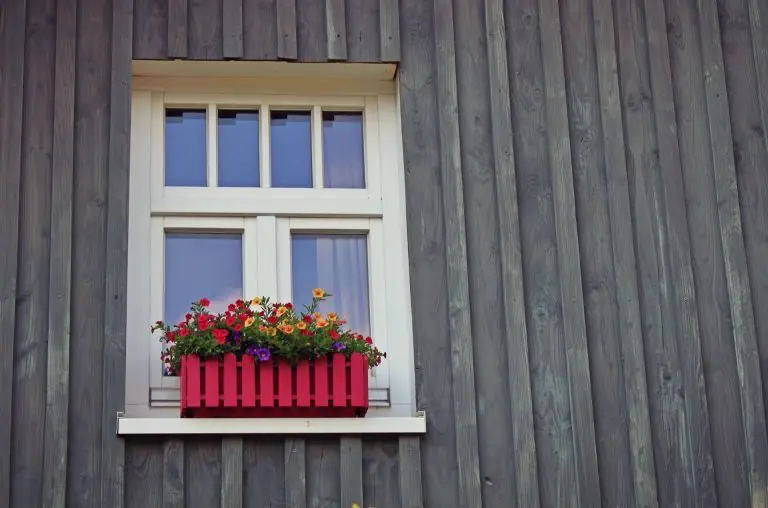
Image of a window with a flowerbox on the window ledge.

12. Update your hardware

Updating small items can lift a room and improve the look of your home from the outside. Using vintage knobs, such as ceramic, glass, or wood, can instantly transform an older piece of furniture. Meanwhile, a new door number, knocker or letter box can instantly update your home and reflect your personality.

13. Half paint walls to create height

Painting half your walls is cheap and creates the illusion of height which is perfect for those smaller rooms. Keep darker colours to the bottom of the walls and use a magnolia or white to blend in with the ceiling.

14. Add towel rails to your bathroom door

If you’re struggling for space in your bathroom or want to keep damp towels out of the way, install towel rails to the back of the door. This is a cost-effective and space-saving way to hang and dry towels, instead of fitting a heated towel rail.

15. Use felt pads on your furniture legs to stop scrapes

Simple, but effective. To preserve the life span of both your flooring and your furniture, use felt pads on the feet of your chairs or tables to stop any unnecessary damage.

16. Install shelves towards the top of your walls

Cupboards and bookcases can often take up unnecessary space, so why not fix sturdy shelving towards the top of your walls? This allows you to store books, without taking up floor space.

17. Use drawer organisers

Instead of bundling everything into a drawer, use dividers and organisers to separate your possessions. You will save on space and time because your items are easy to locate.

Home modernisation projects if you’ve got a bit more to spend

Sometimes a fresh coat of paint isn’t enough, so it might be time to take on a room or house renovation project. This could include anything from updating your security system to seeking planning permission and renovating entire rooms. Whatever it is, these DIY projects can bring a new lease of life to your home.

18. Change or upgrade your furniture

Once you’ve decluttered, you can have some fun with your home. Simply moving a side table or repositioning your sofa can change the whole look of a room while moving a lamp can add depth and size.

If you do have more budget, think about investing in fitted wardrobes. This can free up space you didn’t know you had, and provide more storage for those decluttered items. Choosing furniture with clean lines and minimalistic designs can also contribute to a more contemporary look.

 

C2C Lovely grey couch in front of clear window

19. Make eco-friendly upgrades

Curating an eco-friendly home is the first step towards modernisation. Replacing traditional light bulbs with energy-saving LED alternatives and opting for energy-efficient appliances can save money whilst reducing your carbon footprint. For bigger, eco-friendly changes to your home, effective insulation can make a more noticeable impact.

20. Choose ‘Smart’ appliances

Introduce a smart home system that integrates devices and appliances, allowing you to control them from your smartphone. Smart home appliances and apps can manage and optimise your home by setting timers around your daily routines. Automated lighting, heating, and security make everyday tasks seamless whilst conserving energy.

21. Let there be light

Create an illusion of space and breathe life into otherwise dull areas by ensuring your windows are clean and clutter-free. Consider installing larger Velux windows to allow more light in. Or, install fixtures that allow greater control over how much sunlight enters the home.

A light fixture by your front door adds extra security and gives your home a welcome glow in the evenings. Choose a design that complements your building. Classic, vintage styles look stunning on older properties, while more modern designs like solar lights or lanterns are a nice touch for newer homes.

22. Utilise your stairs effectively for storage

Staircases can take up a lot of space, but that doesn’t mean you can’t benefit from them. Install an under-stair cubby for coats and shoes, a modern under-stair storage solution to maximise space or even create a hideaway for reading.

23. Turn your garden shed into a practical space

Is your house getting too small for your family? Utilise garden space to create another room. Whether you want an outdoor office or a kids’ playroom, it’s a quick and easy way to produce more space.

24. Convert your attic into a guest room

Not so much of a hack, but converting your loft can create more space in your home without having to move. Adding an extra bedroom or chill-out area could even increase the price of your home.

25. Upgrade security

Enhance security by ensuring your windows and doors are stable before adding gadgets like motion sensor lights, video doorbells, and alarms. Robust external doors and double-glazed windows can protect against intruders and provide insulation. However, even double glazing isn’t foolproof, so regularly check for damaged seals, cracks, or weak spots, and ensure locks, handles, and hinges are in good condition to prevent easy tampering.

Image of smart speaker next to a smartphone on the floor.


As well as making your home more secure, double-glazing windows can be a game-changer. Saving on heating costs by reducing heat loss in winter and keeping your home cooler in the summer. Quality double glazing also insulates against noise pollution, making your space quieter and more peaceful.

If you have failed double glazing that’s ruining your home, whether in a standalone window, double glazed door or conservatory, contact your local Cloudy2Clear branch today for a free quote.

Window Materials Guide: Wood, uPVC & Aluminium

It might be time to upgrade your windows due general damages and wear or tear, or a lack of maintenance. Damp and mould in surrounding areas, cracked or broken glazing seals, and draughts within the home could be a sign your double glazing needs looking at. Replacing your windows can help cut down on your energy bills by ensuring effective insulation, while this can also stop the growth and spread of damp. If you’ve noticed your double glazing isn’t working like it used to, it’s worth discovering which other types of materials you can opt for while getting them replaced.

While aesthetics will undoubtedly play a key role when it comes to deciding which type of window material you will choose for your home, there are more factors to consider than looks alone. Whether you’re choosing between a traditional wooden frame or a sleek, modern aluminium look; it’s important to research the practical advantages and disadvantages of each window material before deciding which will work best for you.

In this guide to understanding the different types of window materials for double glazing, we’ll explore a few of the options available – and how they can benefit your home.

cup on books in window


Wooden Windows

Wooden frames are a great choice if you are looking for a more authentic or traditional look throughout the home. They are also the best option when it comes to eco-friendly window materials. Timber production uses less fossil fuels in its manufacturing, significantly decreasing your carbon footprint in comparison with other options such as aluminium or steel. However, that’s not to say wooden windows are an easy choice – they may need more maintenance over time to remain in quality condition.

Timber for wooden frames can vary from softwood such as pine, to hardwoods such as oak. While these differences may seem minimal, your choice of timbers can influence the level of maintenance required, as well as the longevity of your frames.

Hardwood, for example, is better at withstanding damage as it is heavier and denser than softwood. For this reason, it is often more expensive; however, it’s a worthwhile investment for its strength and resilience. Softwood, on the other hand, is a lighter and less dense wood. This is because the material grows quicker, it cheaper to replace and install. Softwoods are also much easier to cut, so they’re a popular option due to ease of installation and manufacture. Despite being a lighter wood, softwoods can be a great insulator as a window frame, making them a reliable yet affordable choice.

It’s important to note that wood can change with the weather, expanding and contracting as humidity and temperatures fluctuate. To prevent warping, window frame wood used is often finished with a preservative that protects against weather and rotting from moisture damage – which are all risks that come with poorly maintained wooden frames. Oiling or waxing the wood regularly and examining for any damages can aid in preventing this.

Wooden frames are best suited to those who want to add a more authentic look to their home, or for those looking toward more eco-friendly options for their window frames. Don’t forget they do require a little extra maintenance, with regular oiling and careful cleaning recommended to maximise the longevity of the materials.

uPVC Windows

uPVC (Unplasticised Polyvinyl Chloride) is a synthetic plastic material, and is one of most common frame materials used in the UK. It’s cheaper and easier to install than other materials and is highly customisable, available in a range of colours and able to be shaped to fit the space it is being used in.

Unlike wooden frames, uPVC is incredibly easy to clean due to its plastic-based surface. uPVC is more durable with less maintenance, being unlikely to bend or rot in fluctuating weather conditions. Whilst longevity is not an issue with uPVC frames, they are not as easy to repair as other options. Minor scratches and dents are easy enough to fix, however larger damages may require a full replacement of the window in order to maintain waterproofing and the integrity of the seal. uPVC can also gradually become discoloured over time if the material becomes sun bleached. You may prefer a wooden or aluminium alternative if you prioritise the aesthetics of your home, or if you’re looking for a more unique or modern look.

Overall, uPVC is an ideal choice if you’re looking for low maintenance window materials that are cost effective and equally as insulative as your other options.

Aluminium Windows

Aluminium frames are ideal for the sleek and modern home. Both lightweight and strong, it offers extreme durability and efficiency which is only improved upon when you pair it with double glazing. Once thought to be a poor choice for insulation due to the threat of moisture build up within the frames, design improvements in modern aluminium framing and double glazing such as the insertion of a non-conductive material between the window panes has changed this.

This makes aluminium windows a great choice for maintaining a comfortable temperature in your home all year round. It’s also an excellent choice for the environment (and your wallet!) with enhanced insulation cutting down on your heating and therefore energy usage. While this makes aluminium frames a worthwhile investment in the long run, given the amount of money you would save on your household energy bills, the initial price of these frames can be quite costly in comparison to significantly cheaper uPVC or timber materials.

Despite their durability, these windows can fall victim to discoloration from the sun just like uPVC. This means the aluminium gradually grows darker depending on exposure to sunlight. However, if the sleek and slimline look is for you and you’re willing to spend now to save later; aluminium windows may be an ideal choice for your home.

Upgrade Your Window Materials with Cloudy2Clear

At Cloudy2Clear, we specialise in double glazing window repairs and replacements. Having worked across over 35 areas within the UK to install the latest developments in window materials and eco-friendly technology, we’re best placed to advise you on your double glazing upgrades or installations. We’re so dedicated to delivering quality service and products that we offer a 25-year guarantee on all our windows – ensuring lasting quality and a comfortable, well-maintained home.

Give our team a call today on 0800 61 21 119 to book a free, no obligation quote with our expert engineers. Alternatively, fill out our online contact form and we’ll get back to you at a time that works for you.

Is window insulating film worth it?

If you’re looking for an affordable way to improve energy efficiency in your home, window insulating film might seem like an attractive option to prevent heat loss.

While double glazing is definitely a more expensive option, how does the effectiveness of window insulating film compare? In this guide, we’ll explore the benefits and drawbacks of window film, and share practical installation tips.

What is insulating film for windows?

Insulating window film is a thin, transparent or tinted layer of polyester, combined with an adhesive layer.

It sticks to the interior side of your windows and is designed to improve thermal insulation by reducing heat loss in the winter. In the summer months, thermal insulation film blocks solar heat, reducing indoor temperature and minimising the need for air conditioning.

Some films for insulating windows also offer UV protection and glare reduction, making them a versatile option for home improvement.

How much does window insulating film cost?

The cost of installing window film to improve energy efficiency will vary on:

  • The size of your windows
  • How many windows are in your home or business premises
  • The quality of the window film you purchase

Some brands sell window insulation kits for single-pane windows for approximately £4-£4.50.

Brands that offer ‘secondary’ glazing films that claim to boost the energy efficiency of windows that are already double glazed, typically retail between £1.50-£2 per square metre.

You can buy cheap insulating film for under £1-£1.50 per square metre. These secondary insulating films are often applied during winter months to optimise the thermal retention properties of existing double glazing.

Does window insulating film work?

If you have single-pane windows, insulating window film is likely to improve the energy efficiency of your windows. Applying this additional layer of thermal protection within the home can be a cheaper alternative to investing in double glazing.

Here are the benefits:

  • It improves energy efficiency – According to Energy Saving Trust, insulating film can help reduce heat loss by up to 70%, leading to lower energy bills in winter and improved indoor comfort in summer.
  • Some offer UV protection – Many films block up to 99% of harmful UV rays, which prevents the fading of furniture, flooring, and curtains.
  • It’s a cost-effective alternative to double glazing – If you have single-glazed windows, insulating film can be a budget-friendly way to improve thermal efficiency without the high cost of replacing windows.
  • It’s easy to install – Unlike replacing windows, applying insulating film is a simple DIY project.
  • It reduces glare – Some window films can help reduce glare, making rooms more comfortable, especially in bright sunlight.

What are the drawbacks?

  • It offers limited insulation compared to double glazing – While insulating window film does improve energy efficiency to some extent, it won’t achieve the same level of insulation as double or triple glazing.
  • It has a shorter lifespan – Typically, insulating window film lasts for approximately 5 years. Over time, window films degrade, bubble, or peel, especially if exposed to moisture or direct sunlight for long periods of time. This means you will have to remove and replace the film.
  • It can be difficult to remove – If window film is not installed properly, removing the film later can be tricky and leave a sticky adhesive residue. As mentioned above, you’ll need to replace your window film every 5 years or so.
  • It alters window appearance – Depending on the type of film, it can slightly alter the appearance of your windows, which some homeowners may not like

How to install insulating window film

Installing insulating film is a straightforward process, but following these steps will ensure the best results:

  1. Step 1: Prepare the window surface

    Clean your window thoroughly to remove dust, dirt, and grease. Any dirt or particles left behind on the surface can cause air bubbles. Clean your windows with a mixture of water and mild dish soap. Avoid ammonia-based cleaning products, as they can affect the adhesive quality of the film. Dry the window completely with a lint-free cloth or paper towel.

  2. Step 2: Measure and cut the window film

    Measure your window precisely but cut the film slightly larger than the glass area so you have room for adjustments. Use a sharp, straightedge utility knife or scissors for a clean, precise cut. And, if you’re applying film to multiple windows, be sure to label each piece so they don’t get mixed up during installation.

  3. Step 3: Apply a soapy water solution

    Top tip - if you lightly spray the window with a mixture of water and a small amount of dish soap, it stops the window film from sticking too soon. This gives you more time to position the film.

  4. Step 4: Apply the window film

    Peel off the backing and gently place the film on the window, smoothing it out with a squeegee to remove any air bubbles. Work from the centre outward to avoid trapping air. If you don’t have a squeegee, use a plastic card (such as a credit card) wrapped in a soft cloth. Be careful not to press too hard as this can potentially tear the window film.

  5. Step 5: Trim any excess film

    Use a sharp utility knife to carefully trim any left over window film along the edges of the window frame. Be sure to hold the blade at a slight angle for a clean cut. Apply gentle, consistent pressure to avoid damaging the film or scratching the glass. Wipe away any loose trimmings with a lint-free cloth.

  6. Step 6: Let the window film cure

    Leave the window film to set for at least 24-48 hours before touching it so it sticks to the glass properly. During this period, don’t touch the film and reduce any exposure to extreme temperatures and humidity. If you notice bubbles start to appear, gently smooth them out with a squeegee or soft cloth before the adhesive fully sets.

Applying insulating window film can help reduce cold draughts, but it’s not the only solution. For more ways to keep your home warm, check out our guide on draught proofing windows with easy DIY fixes.

Is insulating window film the best option?

Feature Insulating window film Double glazing Thermal curtains
Cost Low High Medium
Installation DIY Professional DIY
Energy Efficiency Moderate High Moderate
Durability 5-10 years 20+ years 5-10 years
UV Protection Yes Yes No
Appearance Impact Minimal None High


If you are here to weigh up the pros and cons between insulating film and double glazing for energy efficiency purposes, your best option is always going to be double glazing. After all, a thin sheet of plastic will never offer the same insulating benefits as double glazing.

While window film offers some insulation, it doesn’t compare to the long-term benefits of double glazing, which provides superior heat retention and energy savings.

However, the cost of insulating window film is significantly cheaper. And, if you have single panes, you may notice some impact.

If you do already have double glazed windows and want to ‘top up’ their efficiency for winter, the effectiveness of ‘secondary’ glazing films is still debatable.

For a more effective long-term solution that can help you save thousands on your energy bills whilst adding value to your home, go for double glazing instead of insulating film!

Get in touch

With Cloudy2Clear, we offer quality double glazing replacements and window repairs you can rely on. Our 25-year guarantee ensures you are spending your money wisely, as we’ll repair any of our double glazing installations or upgrades that may fail within this time. We offer this guarantee as we know our double glazing experts get it right the first time, every time.

If you would like to book a consultation, call us now on 0800 880 7012. Our engineers will provide a non-obligation quote so you can decide the best way to insulate your home throughout the year.


Does Your Velux Window Need Replacing or Repairing?

Different styles of windows can completely transform the look and feel of any room, with some allowing more natural lighting to enter than others. With certain spaces in the home, various types of windows are also specially designed to offer the most effective solution.

Velux windows are also known as roof windows. They are popular options for making spaces feel more airy and welcoming, and can even add a spacious feel to your home. Over time, these types of windows experience even more exposure to the natural elements than standard windows. While they are built with lasting quality in mind, time can take its toll and lead to issues with any Velux window. Here’s our guide on how to know whether your Velux window needs replacing or repairing, and what you can do about it.


What is a Velux window?

Now synonymous with the style of window they provide, Velux is actually the name of the leading brand that manufactures roof windows, skylight systems, and sun tunnels.

Velux windows come in a range of styles, each designed to suit different spaces in the home. The addition of a Velux window can brighten up any room, letting in sunlight from the top down.

  • Roof Windows
  • Flat Roof Windows
  • Skylight Systems
  • Roof Terraces
  • Balconies

Due to the positioning of roof windows, Velux windows use laminated safety glass as standard. This avoids any glass from entering the home if your Velux window ends up smashed or broken, enhancing the safety of your roof window. Velux windows can also be configured to include additional features and finishings that can further boost the value of your property.

  • Smoke ventilation windows
  • Burglary resistant features
  • Sound insulation roof windows
  • Weather protective glazing
  • Easy-to-clean coatings
  • 3-layer UV defense

Which Faults can Occur with a Velux Window?

All Velux windows are double glazed at a minimum. This means any of the issues that can happen with double glazed windows can happen to your Velux windows.

Draughts

If your double glazing has failed, you might notice your home feels colder. Draughts coming through your Velux window can signify that the seal around your roof window has failed somewhere. This allows air from outside to enter the home, increasing your energy bills. It will also potentially expose your windows to further damage from too much condensation build up.

Mist & Condensation

A small amount of condensation on your Velux windows is normal, though excess condensation can build up over time. Velux windows are fitted with air filters that should regularly be cleaned to avoid this. Cleaning your Velux air filter helps air to circulate around your windows, reducing the ‘foggy’ appearance that can happen when it’s cold outside.

Damp & Mould

All Velux frames are specially treated to prevent the growth of mould in the first place, but any prolonged damp conditions can lead to a problem. Keeping the air filter on your roof windows clean should avoid the growth of damp and mould that can be caused by too much condensation. You can also clean your Velux frames with mould spray.

Other problems with your roof window could include:

Leaks

Finding any water entering the home from outside is a concern, especially with a roof window! Problems with the installation process can lead to leaking Velux windows. When installed, your roof window should have had roofing felt placed in between the window frame and the roof opening, as well as insulation. If your installer has skipped these steps, any excess water is likely to leak down into your window.

Broken Lock Mechanisms & Hinges

The handles and locks of any window can wear down over time, especially with daily use. Separate Velux parts including hinges and handles can be ordered direct from the Velux website.

Cracked or Broken Glass

As with any window, the glass within a Velux window can chip or break entirely. Due to the position of roof windows, it’s perhaps even easier for them to sustain damage. Anything from the branch falling off a tree, to weather, to a bird dropping something on your window can be enough to have an impact on those made from low quality glass.

Luckily, Velux windows are designed to withstand these events. They’re each tested vigorously to avoid broken glass – the company’s strict testing regime even involves hitting the glass with a 50kg pendulum to ensure strength.

Can a Velux Window be Repaired?

If you have issues with your Velux window, it’s worth arranging a free consultation to first identify the cause of the problem. A damaged Velux window isn’t necessarily in need of a full replacement. As windows age, they withstand plenty of weather conditions and natural wear-and-tear.

When to Repair a Failed Double Glazing on a Roof Window

Over time, natural wear-and-tear often leads to failed double glazing, which is not uncommon in Velux windows. Since many failed double glazing cases are caused by issues with the seal, these can be repaired by a specialist. It’s certainly worth having your failed double glazing repaired. This will restore the original energy efficiency of your windows, limiting the cost you’ll spend on heating in the long run. Repairs will also stop any of that excess mould or condensation spreading to the space around your window, which could cause even more costly damage to your walls and furniture.

When to Replace a Faulty or Broken Roof Window

If the initial installation of your Velux window wasn’t done properly, you might need a bit of extra work done. This might involve the replacement of certain components of your window, from the frames, to the insulation and panes. Similarly, if one of your window panes is broken, that pane will have to be replaced.

It’s worth finding a roof window repair service that will provide you with a quality repair or replacement.

Velux Window Repairs & Replacements by Cloudy2Clear

At Cloudy2Clear, our experts in repairing and replacing windows can fix your roof windows should any of the above issues happen. Our Velux window repair specialists work to recover the full quality of your roof windows with minimal cost. We know that not all Velux windows need replacing entirely if something goes wrong!

Many companies will have you replace the entire unit surrounding your Velux window, even if there’s nothing damaged with the window frame itself. This leads to a much more expensive service where you’re paying unnecessary fees. Plenty of issues with Velux windows develop due to problems with just one window pane or the sealing. We work to repair and replace only the faulty part of your Velux window, keeping costs down.

If your Velux window needs repairing, call us on 0800 61 21 119 for a free, no-obligation quote.

Double Glazing for Listed Buildings

a manor, listed building, with double glazingIf you are the owner of a listed building, you’ll know just how difficult it can be to make even the smallest of changes for your property. While considering upgrades to your listed building, there are plenty of questions that may spring to mind, most importantly – Can you install double glazing in a listed building?

Technically, the answer is yes – you can install double glazing in a listed building. But you will have to jump through some hoops and have everything confirmed beforehand. It definitely won’t be as easy as installing double glazing on a standard home, but you’ll find it’s well worth it when you reap the rewards.

Read on for our guide on how to install double glazing in a listed building, and how to justify your application for planning permission.

What is a Listed Building?

Listed buildings are protected for a reason. If they’re of historical, local cultural, or aesthetic value to your area, planning authorities and heritage groups set out these guidelines to maintain the original features of buildings. They want to set certain rules regarding the design and look of your listed building, helping to maintain the original character of your home and the surrounding areas.

It’s worth noting here that not every part of your building may be listed. The protected features may only be a portion of your building, or a historical statue or attachment. Consider whether your upgrades need planning permission in the first place. And remember – not obtaining this permission before you begin any work on a listed building is a criminal offence.

So, if your home is a listed building, this means you’ll need planning permission from these authorities. You don’t have as much freedom and flexibility as others do when it comes to enhancing your home – though you do have the benefit of living in a protected property that’s likely of significant value to your local area!

Can I Put Double Glazing in a Listed Building?

Yes, you can. It will just take some planning beforehand. Listed buildings are protected, so there are some strict rules and regulations you will have to stick to if you plan on adding double glazing to your listed building. While the heritage and planning organisations and councils’ aims are to protect the building’s original features, windows, and doors – there does come a time where older buildings begin to show signs of wear and tear.

There’s no use owning a listed building if it’s not fit for purpose. Whether you’re living there, operating a business, or working there… These authorities understand and appreciate how times change and your listed building can need some upgrades.

With the invention and soaring popularity of of double glazing, single glazed windows are now more of a rarity in homes. Double glazing can significantly reduce your heating costs, offering more insulation and even security with the double panes of glass.

Many older buildings and homes will show signs of wear and tear that do justify the use of more modern upgrades. You may have single-glazed glass, or old timber frames that have warped and twisted to let cold air into the building.

What Are the Guidelines?

One of the rules that can limit your abilities to install double glazing is that you will likely struggle to install modern double glazing. uPVC or plastic windows can drastically alter the classic look of listed buildings. While there are other designs of double glazing that can be used, for example, wooden window fittings, these aren’t ideal in the long run due to timber not being weatherproof and thus can rot or contort as mentioned above.

Your best bet is to try and persuade the planning authorities even tempt them by selecting heritage-style windows and doors that maintain the classic look. You will still experience the benefits of modern window technology, and your building will keep its character.

Should I Upgrade My Listed Building to Double Glazing?

In light of all this planning and paperwork, you may be wondering if installing double glazing in a listed building is even worth the hassle.

In any case, we would recommend going for the upgrade – if only to save money on your heating bills this winter. Read on for just a few of the justifications for taking this essential modernising step.

How Do I Get Planning Permission for a Listed Building?

You can apply for planning permission from the local authorities and heritage organisations. This can be a long process due to how careful they are in weighing up the pros and cons of upgrading listed buildings. To apply, you must justify exactly why you need to replace your windows and doors with double glazed glass. One common reason given is due to damage and decay, letting colder air into the building and making it uncomfortable to live or work in.

The first step is to check up on the guidelines for getting planning permission for your listed building. You can find out more about how to apply on the Planning Portal.

Key Tips: Getting Planning Permission for a Listed Building

While writing your planning permission application, you should consider how to justify your double glazing upgrade. Some examples of points in favour of replacing the double glazing that you could make are:

Increased insulation

Double glazing is better for insulating your home, making it more comfortable in the winter months by reducing heat loss from the building. Mentioning the skyrocketing costs of living and heating here would be beneficial.

More environmentally friendly

As above, double glazing reduces heat loss and can help reduce energy use as it traps heat. This works to keep your home warmer for longer, so less energy is needed to heat the home. Heritage authorities should be morally invested in protecting the wider environment as well as local buildings – so this is a key point to make in your application.

Prevents damage from moisture and dampness

Double glazing reduces condensation and moisture build-up on your window panes, while single-pane windows can allow condensation. This increase in moisture from single-pane windows can lead to the growth of mould and dampness which if unnoticed, can cause long-term damage. Damp and mould can damage not only the area around the window and its frame, but also the walls and interior of the home. Installing double glazing can prolong the maintenance of the home and keep it in better condition for longer – which is ultimately one of these authorities’ aims.

Better Security

Most double glazing is harder to break and is sealed tighter than other windows and doors. Installing it throughout your home can increase the security and safety of your home and its contents. Reducing the potential for vandalism and crime around listed buildings should be a consideration the authorities will take into account.

At Cloudy2Clear, we are dedicated to finding the most cost-effective and environmentally friendly repair options possible for our clients, and importantly, within the restrictions relating to work on listed buildings. This is why we replace only the double glazed unit that requires repair. This reduces the costs for you, while also limiting the amount of unnecessary resources that go to waste as many companies try to increase their profits.

Call us on 0800 880 7016 to book your free quote double glazing repair and replacement for your building, whether listed or not!