Clear your weep holes twice a year, inspect seals and gaskets each spring and autumn, and book a professional if you spot misting between panes or soft timber frames. Those four actions cover the majority of double glazing failures before they become expensive. A structured annual check takes around 30 minutes per floor and costs almost nothing in materials.
Quick-action list for this season:
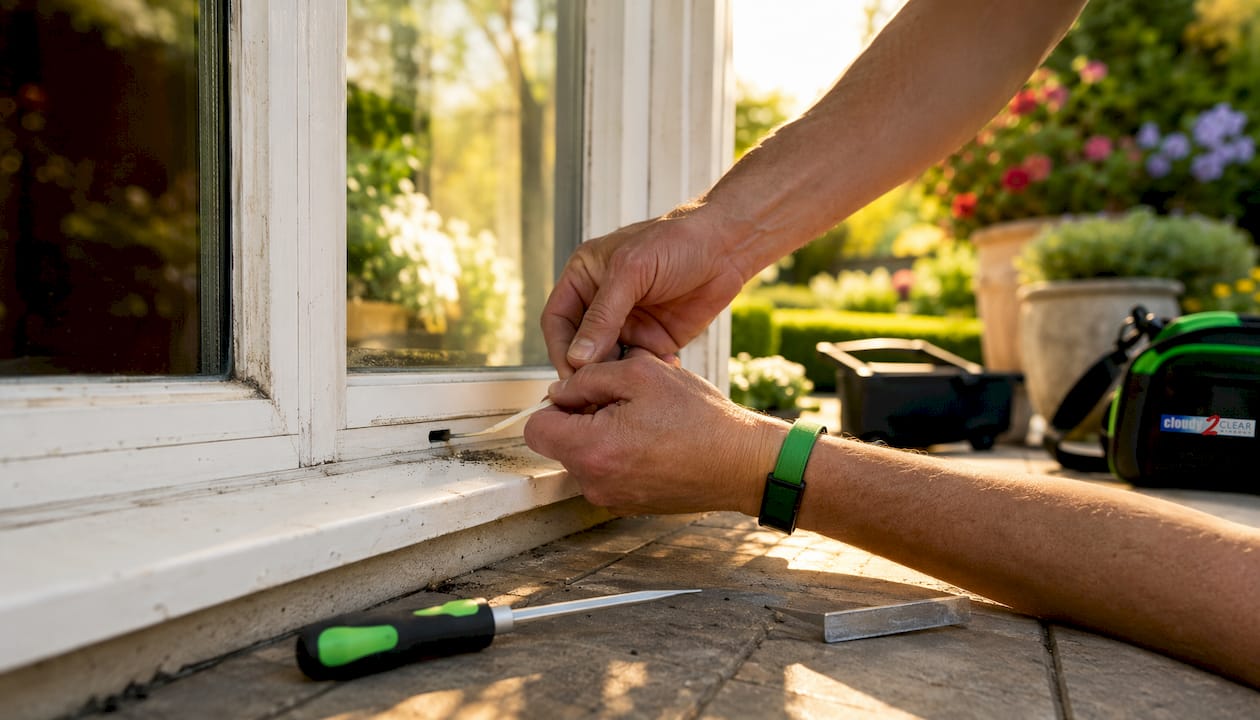
- Clear weep holes (the small slots at the bottom of the frame) with a cocktail stick or soft brush
- Check perimeter gaskets for cracks, shrinkage, or gaps
- Lubricate hinges and handles with silicone spray
- Look for misting or condensation between the panes of glass
- Note any rattling, sticking, or draught and photograph it
Pro Tip: Never use a pressure washer to clear weep holes. The force pushes debris further in and can dislodge the gasket. A dry brush or cocktail stick does the job safely.
What are the best seasonal window care tips for each season?
A season-by-season routine keeps double glazing performing well year-round. The tasks below are split by season and by frame material where the approach differs.
Spring
Spring is the most important season for window maintenance. Winter rain and freeze-thaw cycles stress seals and frames, so a thorough check now prevents summer problems.
- Clear weep holes: this is the single most critical task and should happen every spring and autumn
- Inspect gaskets for perishing or shrinkage along the full perimeter
- Wash uPVC frames with warm soapy water; use a pH-neutral cleaner on aluminium
- Lubricate all hinges, handles, and locking points with silicone spray
- Photograph any chips, cracks, or discolouration for your maintenance log
Summer
Heat causes uPVC to expand slightly, which can make sashes sticky or cause seal edges to lift. Check that every window opens and closes smoothly, and wipe down frames with a damp cloth to remove UV-degraded residue. Avoid dark-coloured cleaning cloths on light uPVC frames in direct sun; they can transfer heat and cause localised warping.
Autumn
Autumn is your second weep-hole clearance of the year. Leaf debris and wind-blown grit block drainage channels quickly. For timber frames, inspect for flaking paint or exposed wood and recoat before the wet season arrives. Timber frames need recoating every 3–6 years; catching bare patches in autumn prevents rot taking hold over winter.
Winter
Condensation on the interior glass surface is a ventilation issue, not a seal failure. Open trickle vents, run extractor fans in kitchens and bathrooms, and keep indoor humidity below 60%. If condensation appears between the panes, that is a failed sealed unit and requires professional attention. Apply temporary draught-proofing strips to draughty frames, but avoid covering weep holes or trickle vents.
| Season | Priority task | Frame material note |
|---|---|---|
| Spring | Clear weep holes, inspect gaskets | uPVC: soapy water; aluminium: pH-neutral only |
| Summer | Check operation, clean finishes | Avoid heat transfer on light uPVC |
| Autumn | Second weep-hole clearance, recoat timber | Timber: repaint bare patches before rain |
| Winter | Manage condensation, draught-proof | Keep trickle vents unobstructed |
How often should you inspect windows, and when do you need a professional?
A monthly visual check takes two minutes: look for obvious misting, cracks, or hardware that has stopped working. Twice a year, in spring and autumn, carry out a hands-on check that includes operating every window, pressing the frame for softness, and running a finger along the gasket.
Red flags that require a professional:
- Misting or condensation between the panes: this indicates a failed sealed unit and cannot be fixed by cleaning
- Cracked or loose glass in any pane
- Timber that gives under thumb pressure (internal rot)
- Pitting or structural corrosion on aluminium joints
- Broken handles, locks, or hinges that prevent secure closing
- Persistent rattling or audible draughts after draught-proofing
- Yellowing or cracked welds on uPVC corners
Which? identifies draughts, leaks, excessive noise, yellowing uPVC, and condensation between panes as clear signals to contact your installer or a qualified repairer.
Delaying professional attention when a seal has failed can reduce the window’s thermal efficiency by up to 50%, raising your heating costs and allowing moisture to reach the frame. The longer a failed seal is left, the wider the damage spreads.
Documenting faults for warranty or insurance:
- Photograph the fault from two angles, with a ruler for scale where relevant
- Note the date, weather conditions, and which window is affected
- Record any previous repairs or maintenance carried out on that unit
- Keep all receipts and correspondence with installers
Pro Tip: Date-stamped photos on your phone are accepted as evidence by most insurers and speed up professional triage during a site visit.
What cleaning methods and minor repairs can you safely do yourself?
Most homeowners can handle cleaning, lubrication, and simple gasket replacement without specialist tools. The key is knowing which materials to use and which actions to avoid.
DIY-safe tasks and correct materials:
- uPVC frames: warm water and a small amount of washing-up liquid; rinse thoroughly
- Aluminium frames: pH-neutral cleaner only; acidic or alkaline products cause pitting
- Timber frames: mild soap and water for cleaning; microporous paint for recoating bare patches
- Glass: a squeegee and clean water, or a proprietary glass cleaner without ammonia
Clearing weep holes (step by step):
- Locate the small slots along the bottom of the outer frame
- Insert a cocktail stick or soft-bristle brush and work debris loose gently
- Blow or brush the loosened material clear; do not push it inward
- Check the channel runs clear by pouring a small cup of water along the sill
Lubricating hinges:
Apply silicone spray to all moving parts, including hinges, locking points, and handle mechanisms. Oil-based lubricants attract dirt and cause mechanisms to seize over time; silicone spray is the correct product.
Perimeter gasket replacement is feasible on most uPVC windows: pull the old gasket from its channel, measure the profile, purchase matching rubber gasket from a glazing supplier, and press the new gasket in from one corner around the full perimeter.
Never attempt: pressure washing frames or weep holes, solvent-based cleaners on uPVC, drilling into sealed units, or adjusting the glazing beads without professional guidance.
Pro Tip: Photograph the gasket profile before removing it. The photo makes matching the replacement profile at a glazing supplier straightforward and avoids a wasted trip.
How do you winterproof windows and reduce condensation in the UK?
The UK’s damp winters make condensation management the most practical energy-saving step you can take. Ventilation control — using trickle vents and extractor fans consistently — reduces internal humidity and slows seal degradation.
Practical winterproofing steps:
- Keep trickle vents open, even in cold weather; they are sized to ventilate without significant heat loss
- Run kitchen and bathroom extractor fans during and for 15 minutes after cooking or bathing
- Apply self-adhesive foam draught-proofing strips to draughty casement edges; avoid covering weep holes
- Use a condensation prevention workflow to identify whether moisture is on the surface or between panes
- Consider internal shutters as an additional insulation layer; they also help with condensation control on cold nights
A failed window seal can reduce thermal efficiency by up to 50%, so replacing a blown unit before winter is one of the most cost-effective energy upgrades available. When a full replacement is due, A-rated or better double glazing units with improved U-values (1.6 W/m²K or lower for replacements under Part L) deliver measurable reductions in heat loss.
Pro Tip: Temporary draught-proofing strips cost under £10 and buy you a winter season while you arrange a professional quote. They are not a substitute for a failed seal, but they reduce discomfort while you plan.
What do window repairs and replacements cost in the UK?
Repair costs vary by fault type, frame material, and access. As a general guide:
- Hinge or handle replacement: around £80–£150 per pair
- Failed sealed unit (re-glazing): approximately £120–£250 per unit
- Gasket replacement: approximately £80–£150 per window
- Locking mechanism: approximately £100–£200 per window
- Full window replacement: typically £500–£1,200 per window depending on size and material
These figures are indicative; always obtain a written, itemised quote before committing. Lead times for minor repairs are typically 1–2 weeks; full replacement units may take 3–6 weeks depending on specification and supplier.
A useful decision rule: if the repair cost is less than 40% of the replacement cost and the frame is structurally sound, repair. If multiple units have failed, the frame is rotten, or the window is over 20 years old with recurring faults, replacement is the stronger long-term choice.
Pro Tip: Request at least two written quotes and ask each repairer to specify whether the price includes VAT, disposal of the old unit, and a guarantee on parts and labour.
Why trust this guidance, and where does Cloudy2Clear Windows fit in?
Cloudy2Clear Windows has been repairing and replacing double glazed windows across residential and commercial properties since 2005. The team carries out glass-only sealed-unit replacements, hinge and lock repairs, conservatory and Velux glass work, and compliance inspections for commercial and housing association properties.
Cloudy2Clear Windows has completed thousands of sealed-unit replacements and hardware repairs across the UK since 2005, working with homeowners, businesses, and housing associations to restore window performance without unnecessary full-frame replacement.
When you contact Cloudy2Clear Windows, you can request a written quote, a site visit, and documentation of the work carried out, including any warranty details. For further reading on spotting damage early, the guide on signs of window damage covers the most common indicators that seasonal wear has become a repair job.
Pro Tip: Ask any repairer whether they are FENSA-registered or work to equivalent standards. FENSA registration means replacement work is self-certified for Building Regulations compliance, saving you the cost of a separate inspection.
What Cloudy2Clear Windows technicians actually look for on a site visit
When a Cloudy2Clear Windows technician arrives, the first check is always the glass: is there misting between the panes, and is the sealed unit intact? From there, the frame is assessed for structural soundness, hardware is tested under load, and drainage channels are inspected. Health and safety on-site means no work is carried out on cracked or loose glass without securing the area first. Every job is documented with before-and-after photographs, and the customer receives a clear explanation of what was found, what was done, and what, if anything, needs monitoring.
Cloudy2Clear Windows: book a survey or request a quote
Cloudy2Clear Windows offers glass-only sealed-unit replacements, hinge and lock repairs, and commercial window repair services across the UK. Whether you need a single misted pane replaced or a full survey of a commercial property, the team provides written, itemised quotes with no obligation.

Branches cover Milton Keynes, Watford, Oxford, Leicester, Loughborough, Norwich, Bury St Edmunds, and surrounding areas. Operating hours are Monday to Friday, 8:30 AM to 6:30 PM. To book a site visit or request a quote for double glazing replacement or repair, contact your nearest branch directly. All completed work is documented and warranted, giving you a clear paper trail for insurance or future sale.
FAQ
How often should you clear window weep holes?
Clear weep holes at least twice a year, in spring and autumn. Blocked weep holes are one of the two most common preventable causes of seal failure and water ingress.
What does misting between window panes mean?
Misting between the panes means the sealed unit has failed. Surface cleaning will not fix it; the unit needs professional replacement, typically costing £120–£250 per unit.
Can you repair double glazing yourself, or do you need a professional?
Cleaning, lubrication, and simple gasket replacement are safe DIY tasks. Cracked glass, failed sealed units, rotten frames, and broken locking mechanisms all require a qualified professional.
How do you reduce condensation on windows in winter?
Keep trickle vents open, run extractor fans during and after cooking or bathing, and maintain indoor humidity below 60%. If condensation appears between the panes rather than on the surface, the sealed unit has failed and needs replacing.
When is it better to replace a window than repair it?
Replace when the repair cost exceeds 40% of the replacement cost, when multiple sealed units have failed, or when the frame is structurally unsound. A single failed hinge or seal on a sound frame is nearly always worth repairing first.