When most people think about home or business security, their minds jump straight to deadbolts, alarm systems, and CCTV cameras. Yet the most accessible entry point for an intruder is often a simple pane of glass. Whether it is a ground-floor window, a glazed back door, or a shop front, the glass you choose can be the difference between a foiled break-in and a costly intrusion. This guide walks you through exactly how modern glass technology and double glazing work together to significantly strengthen the security of properties across England and Scotland.
Understanding the vulnerabilities: Why standard glass falls short
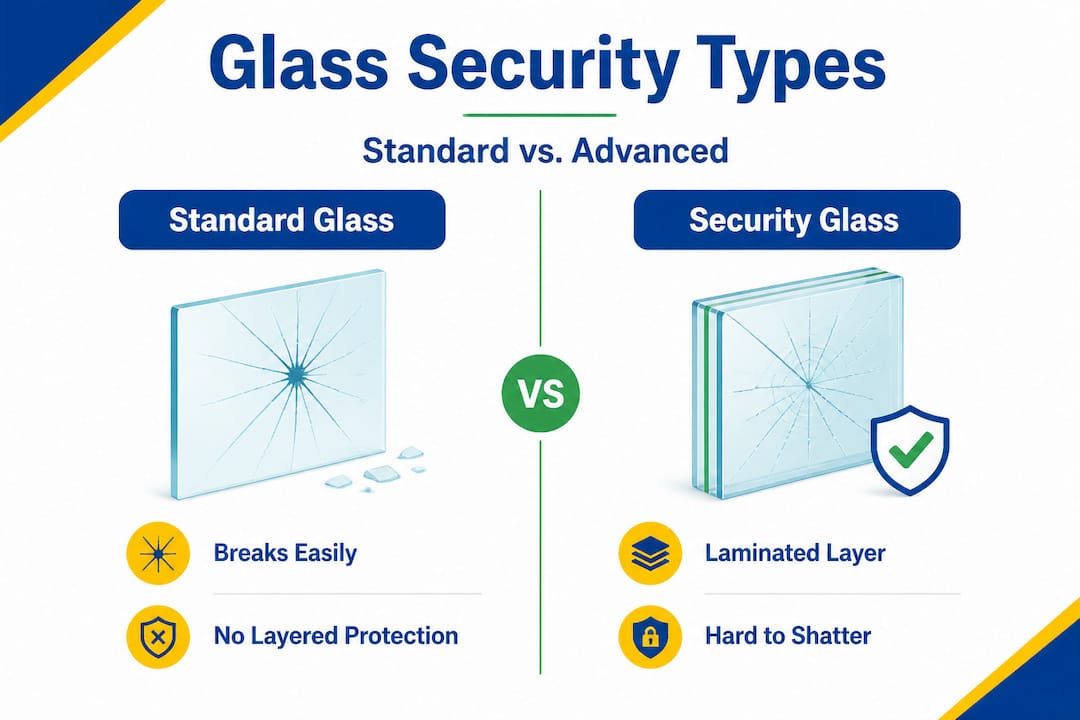
Standard glass, known in the industry as annealed glass, is surprisingly fragile. It is the most basic form of flat glass, produced without any additional tempering or treatment, and it shatters on impact with very little force. A single strike with a common tool is often enough to create a gap large enough for entry.
Many break-ins occur by simply shattering a window pane, with standard glass offering little resistance. This is not a rare edge case. It is one of the most frequently exploited vulnerabilities in residential and commercial properties alike. Opportunistic intruders do not need specialist skills or equipment. They rely on the weakness of the glass itself.
There are several common tactics that exploit standard glass:
- Smash and grab: A quick blow to a single pane creates immediate access, particularly through doors and sliding windows.
- Glazing attacks on door panels: Many composite or timber doors include a narrow glass panel beside the lock. Break the glass, reach in, and turn the handle from the inside.
- Corner strikes: Striking the corner of a pane requires even less force than a centre hit, and most homeowners are unaware of this.
- Silent tape techniques: Tape applied before striking reduces shattering noise and the mess that might attract attention.
“The glass in your windows and doors is not just a cosmetic feature — it is a critical part of your security layer. Treating it as an afterthought leaves a significant gap in your defences.”
The problem is that most property owners only realise this after an incident has occurred. When a window is newly fitted or recently repaired, people understandably assume it is secure. But unless you specifically request types of safety glass designed to resist impact, you are likely getting standard annealed glass that provides little more than a weather barrier.
Advanced security glass: Types and technology explained
Once you understand why standard glass poses a risk, the next step is to explore the options available to you. Modern security glass comes in several forms, and each works in a different way to resist attack.
Here is a comparison of the main types:
| Glass type | How it works | Best used for |
|---|---|---|
| Toughened (tempered) glass | Heat-treated to be 4 to 5 times stronger; shatters into small blunt pieces | Doors, shower screens, roof glazing |
| Laminated glass | Layers of glass bonded with a plastic interlayer (PVB resin); stays intact when broken | Ground-floor windows, shop fronts, overhead glazing |
| Wired glass | Steel wire mesh embedded within the pane; holds together on impact | Fire-rated applications, older commercial buildings |
| Double glazed security units | Two panes (toughened or laminated) with an air or gas gap in between | Residential windows, commercial premises |
Laminated and toughened glass, alongside double glazing, significantly improve resistance to forced entry. Here is how each option performs in a real security scenario:
- Toughened glass resists the initial strike far better than annealed glass. If it does break, the granular fragments it produces are far less likely to injure someone and do not leave large, jagged shards that allow easy access.
- Laminated glass is arguably the strongest option for sustained attacks. Even when cracked or struck repeatedly, the interlayer holds the pieces in place. An intruder cannot simply reach through. They have to work at it, and that takes time.
- Double glazed units with security glass combine the physical strength of either toughened or laminated glass with the added depth and resistance of a multi-pane construction.
- Acoustic and security film overlays can be applied to existing glass to improve resistance without full replacement. This is a lower-cost option for adding a basic layer of protection.
Pro Tip: If you are upgrading windows near door locks or accessible ground-floor entry points, always specify laminated glass rather than toughened. Toughened glass resists the initial strike, but laminated glass holds firm even after repeated impacts, giving you a much better chance of delaying entry.
Reviewing safety glass types and uses before making any purchase decisions is well worth your time. The right specification depends on your property’s layout, exposure to risk, and budget.
Double glazing for security: More than just insulation
Most people think of double glazing as an energy-saving upgrade. Warmer rooms, lower energy bills, less condensation. All of that is true. But double glazing also delivers meaningful security benefits that are frequently overlooked.
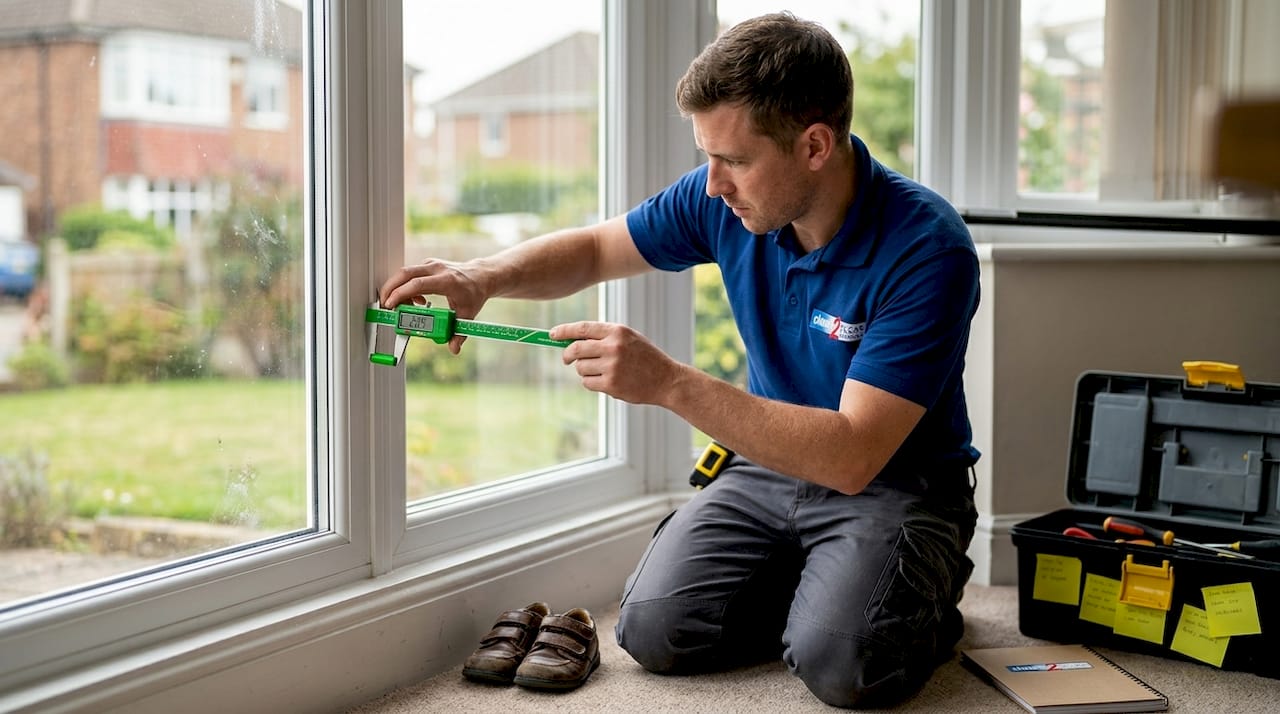
Properly installed double glazing can delay forced entry, making it far harder for would-be burglars. The reason comes down to the physical structure of a double glazed unit. You have two separate panes of glass, each of which must be overcome independently. Between them sits a gap, typically filled with argon gas or dry air, which adds further resistance by absorbing and distributing the force of an impact.
Consider how this compares to a single pane:
| Feature | Single glazed | Double glazed with standard glass | Double glazed with laminated glass |
|---|---|---|---|
| Panes to breach | 1 | 2 | 2 |
| Interlayer protection | None | Gas/air gap | Gas/air gap plus PVB resin |
| Time to breach (approximate) | Seconds | 30 to 60 seconds | Several minutes or more |
| Noise generated | Minimal | Moderate | High (deters intruders) |
| Post-break access | Immediate | Delayed | Significantly delayed |
The importance of glazing thickness cannot be understated here. Thicker individual panes within a double glazed unit require considerably more force to compromise. A standard double glazed unit uses 4mm glass on each pane. Upgrading to 6mm toughened glass on each side makes an enormous practical difference to how long a break-in attempt takes, and time is the greatest deterrent of all.
Practical security benefits of double glazing for homes and businesses include:
- Noise deterrence: Breaking a double glazed unit creates significantly more noise than breaking a single pane. Criminals rely on speed and silence, and a noisy attempt draws attention.
- Visible credibility: Double glazed frames are physically deeper and more substantial, giving the impression of a well-secured property.
- Lock integration: Modern double glazed frames are designed to work alongside multi-point locking systems, so the frame and glass work together as a unified barrier.
- Reduced thermal sighting: Solid, insulated windows make it harder for someone outside to identify occupants’ routines and patterns.
If your property has older single-glazed windows, this is likely your most impactful and cost-effective security upgrade. Even a standard double glazing repairs or full replacement project delivers immediate, tangible improvements to your protection.
Choosing the best glass for your security needs
Understanding the technical side of glass security is useful. Knowing how to apply that knowledge to your specific situation is even more valuable. Not all windows and doors need the same type of security glass — choices can be tailored for cost and risk. Here is a practical framework for working through your options.
Step 1: Identify your highest-risk entry points
Start by walking around your property and noting every glazed entry point. Then rank them by accessibility and vulnerability:
- Ground-floor windows, particularly those hidden from the street or neighbours
- Glazed panels in doors, especially those close to locks or handles
- Side returns, conservatory doors, and garage windows
- First-floor windows accessible via a flat roof, extension, or drainpipe
Step 2: Match glass type to threat level
- High-risk points (door panels, accessible ground-floor windows): laminated glass or double glazed units with laminated inner panes
- Medium-risk points (visible ground-floor windows, rear elevation): toughened glass in double glazed units
- Lower-risk points (upper floors, non-accessible windows): standard double glazing as a minimum, with toughened glass as a sensible upgrade
Step 3: Consider your budget strategically
You do not need to replace everything at once. Prioritise by risk and work through upgrades systematically. Replacing the glass in a door panel or fitting a laminated inner pane in your most exposed window costs relatively little compared to the cost of dealing with a break-in.
Step 4: Review your existing window and door hardware
Pro Tip: Glass and locks work as a system. If you upgrade your glass but leave worn or poorly aligned locks in place, you are still leaving a gap. Review your window lock and handle repairs at the same time as any glass upgrade to make sure every component is working correctly together.
Step 5: Consult a professional installer
Some glass upgrades are straightforward, but others require precise measurement, specialist cutting, and correct sealing to maintain both security and thermal performance. An experienced glazier can assess your frames, recommend the right specification, and confirm whether the existing frame can accept the new glass safely.
Key questions to ask when consulting a professional:
- Is my existing frame suitable for thicker security glass?
- Should I specify toughened or laminated glass for this particular window?
- Does the double glazed unit include a full perimeter seal to prevent frame attacks?
- What is the security rating of the unit being installed?
The overlooked power of glass: An industry perspective
After nearly two decades of working with homeowners and businesses across England and Scotland, we have seen a consistent pattern. People invest in sophisticated alarm systems and premium door locks, then leave their ground-floor windows fitted with single glazing from the 1980s. The alarm goes off after the break-in. The lock held firm. But the window did not.
Locks and alarms are only as effective as the glass they are installed behind. A five-lever mortice lock on a door with a thin glazed panel beside the handle is not a secure door. It is a secure lock on an insecure opening. This distinction matters enormously, and it is one that traditional security advice rarely addresses head-on.
The industry is beginning to shift. Security experts increasingly recommend starting risk assessments with an inspection of existing glazing rather than hardware. The logic is simple. If you can breach the glass faster than the alarm triggers, the alarm is irrelevant for that entry event.
We have seen cases where straightforward glass upgrades made a decisive difference. A commercial premises in the north of England replaced its shop front single glazing with laminated double glazed units. Within months, an attempted smash-and-grab was foiled simply because the glass refused to give way quickly enough. The intruders abandoned the attempt. No alarm was needed. No police intervention was required. The glass did the work.
The case for reviewing your glazing first, before spending money on any other security retrofit, is compelling. Reviewing expert advice on safety glass is a useful starting point for understanding what your property currently has and what it genuinely needs.
How Cloudy2Clear can help protect your property
Taking the right steps to secure your home or business through better glazing does not need to be complicated, and you do not need to navigate it alone.
At Cloudy2Clear Windows, we have been helping homeowners and business owners across England and Scotland improve their properties since 2005. Our experienced local teams can assess your existing glazing, advise on the right security glass specification for your situation, and carry out repairs or full replacements to a high standard. Whether you need a single door panel replacing with laminated glass or a complete commercial reglaze, we work across both residential and commercial premises with the same care and attention to detail. Get in touch with your nearest Cloudy2Clear team to arrange a consultation and take the first practical step toward genuinely stronger security.
Frequently asked questions
What is the difference between laminated and toughened glass for security?
Laminated glass provides a safety layer that remains intact even when cracked, whereas toughened glass shatters into small blunt pieces. For sustained resistance to forced entry, laminated glass is the stronger choice.
Does double glazing always use safety glass?
Different types of double glazed units use different glasses, so double glazing does not automatically mean safety glass. Always check the specification and request toughened or laminated glass if security is your priority.
How does glazing thickness affect security?
Proper thickness improves both insulation and intrusion protection by requiring greater force to breach the glass and extending the time it takes for an intruder to gain access.
Can old windows be upgraded for better glass security?
Upgrading glass in existing frames is a viable option for many properties, provided the frame is structurally sound. A professional assessment will confirm whether your current frames can accommodate modern security glass.
Recommended
- 5x stronger: toughened glass benefits for UK properties
- Why glazing thickness matters for energy and security
- Types of safety glass: a clear guide for homes and businesses 2026
- How to secure your home against burglars – Cloudy2Clear Windows How To Secure Your Home Against Burglars
- rénovation fenêtre avec pose d’un double vitrage