Solar control glazing is float glass with a microscopically thin coating that reflects and absorbs solar heat while allowing natural light to pass through, reducing overheating and cutting energy consumption in homes and offices. With the UK recording temperatures of 40.3°C in 2022 and building regulations tightening under Part O and Part L, demand for this technology has risen sharply. Manufacturers such as Guardian Glass and Pilkington have developed coatings that manage solar heat gain without sacrificing the bright, open feel that large windows provide. Whether you are upgrading a south-facing living room or specifying glazing for a commercial building, understanding how this technology works will help you make a better decision.
What is solar control glazing and how does it work?
Solar control glazing works by applying a selective coating to the glass surface that reflects and absorbs infrared solar radiation while transmitting visible light. The coating is made from metal oxides and is applied using one of two processes. Magnetron sputtering produces a soft coat with superior heat rejection properties, while pyrolytic deposition produces a hard coat that is more robust but slightly less precise in its performance. Both methods create a coating measured in nanometres, invisible to the naked eye.
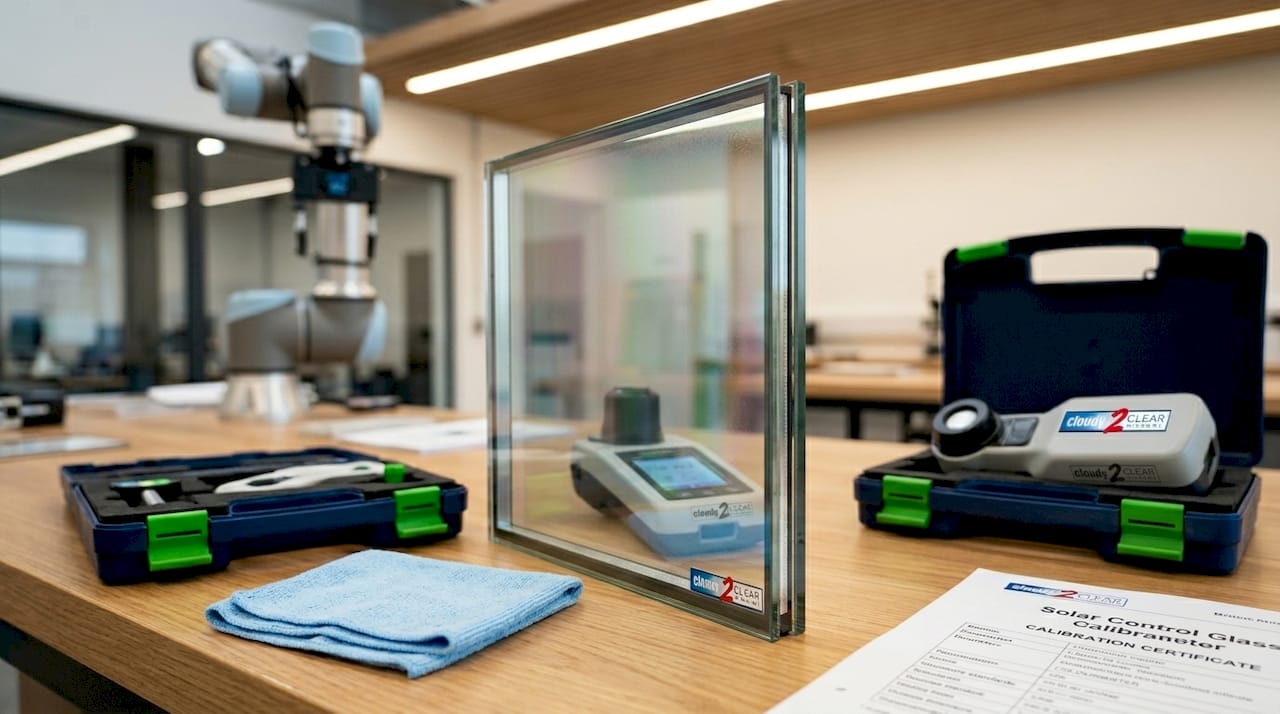
The key performance measure is the g-value, also called the solar heat gain coefficient. A lower g-value means less solar heat enters the building. A typical coating such as SN 70/35 offers around 70% visible light transmission alongside a g-value of approximately 0.35. That means 70% of daylight enters while 65% of solar heat is rejected. This balance is what separates solar control glass from older tinted glass, which simply darkened the room without meaningfully reducing heat.
Solar control glazing is also distinct from low-e glass. Low-e coatings are designed primarily to retain internal heat during winter, whereas solar control coatings are engineered to reject external solar heat in summer. Many modern units combine both technologies in a single double-glazed unit to deliver year-round thermal performance.
- Soft coat (magnetron sputtered): Better solar control, requires protection inside a sealed unit
- Hard coat (pyrolytic): More durable and easier to handle, slightly less precise heat rejection
- Combined solar control and low-e units: Best of both worlds for year-round efficiency
Pro Tip: Match your coating choice to your building’s orientation before ordering. A high-performance low-g coating is ideal for south and west-facing facades, but the same glass on a north-facing wall can make a room feel cold and dim.
What are the main benefits of solar control glazing?
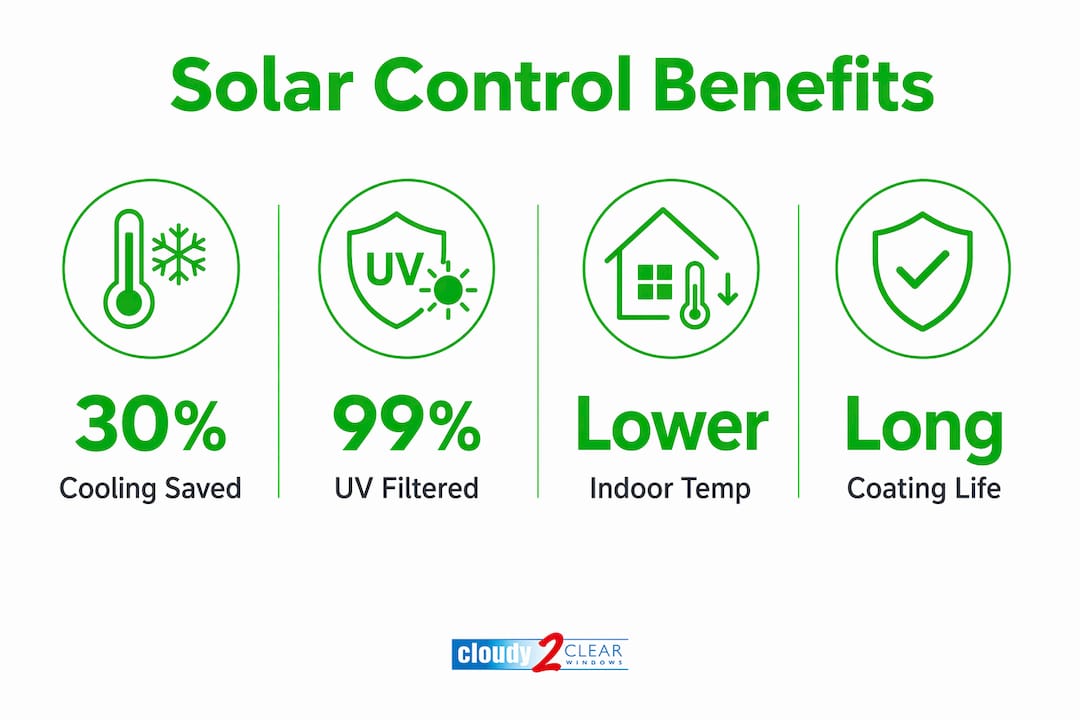
The most immediate benefit is a measurable reduction in indoor temperature. Solar control glass can reduce peak indoor temperatures by 3 to 5°C during summer. That is the difference between a comfortable office and one where staff are unproductive, or a living room you actually want to sit in during July.
The energy savings are equally significant. In highly glazed buildings, solar control glazing can cut cooling energy consumption by 15 to 30% and reduce total primary energy use by 7 to 16% in office environments. Lower cooling loads mean smaller air conditioning systems, which reduces both capital expenditure and running costs over the building’s lifetime.
UV protection is another major advantage, particularly for homeowners. Solar control glass filters out up to 99% of UV radiation, which reduces furniture, flooring, and artwork fading by 50 to 70%. If you have invested in quality fitted furniture or bespoke interiors, protecting them from UV damage is a genuine financial consideration. Pairing solar control glazing with UV-sensitive home interiors makes particular sense for rooms with large south-facing windows.
Beyond comfort and cost, solar control glazing supports compliance with UK building regulations. Part O addresses overheating risk in new residential buildings, and Part L covers energy efficiency. Specifying solar control glass from the design stage helps satisfy both requirements without relying entirely on mechanical ventilation or air conditioning.
Key benefits at a glance:
- Reduces peak indoor temperatures by 3 to 5°C in summer
- Cuts mechanical cooling energy use by 15 to 30%
- Filters up to 99% of UV radiation, protecting interiors
- Reduces furniture and flooring fading by 50 to 70%
- Supports compliance with Part O and Part L building regulations
- Lowers carbon emissions and long-term energy bills
- Increases property value by improving comfort and protecting interiors
What types of solar control glazing are available?
Choosing the right type of solar control glass depends on your priorities: how much light you want, how much heat you need to reject, and the aesthetic you are aiming for. The table below summarises the main options.
| Type | G-value (approx.) | Visible light transmission | Best use |
|---|---|---|---|
| Neutral coating | 0.35 to 0.50 | 60 to 75% | Residential, offices, balanced performance |
| Reflective coating | 0.20 to 0.35 | 40 to 60% | High-solar facades, commercial buildings |
| Tinted glass | 0.45 to 0.60 | 50 to 70% | Aesthetic preference, moderate heat control |
| Combined solar control and low-e | 0.30 to 0.45 | 60 to 72% | Year-round efficiency, UK climate |
| High-performance rooflights (e.g. SN 70/35) | ~0.35 | ~70% | Rooflights, large glazed areas |
Neutral coatings are the most popular choice for UK homes and offices because they deliver strong heat rejection without significantly altering the colour of the glass. Reflective coatings offer the highest solar heat rejection but can create a mirror-like exterior appearance that does not suit every architectural style. Tinted glass is the oldest form of solar control and the least effective. It absorbs heat into the glass itself, which then radiates inward, rather than reflecting it away from the building.
The coating process also matters for longevity. Factory-applied coatings last for the lifetime of the glass unit, whereas retrofit window films typically degrade within 5 to 10 years. If you are replacing glazing rather than adding a film to existing windows, you are making a significantly more durable investment.
Pro Tip: For south and west-facing windows, prioritise a low g-value even if it means slightly less visible light. For north-facing rooms, choose a coating with a higher visible light transmission to avoid losing daylight without gaining any meaningful heat benefit.
How to choose and maintain solar control glazing
Selecting the right solar control glass starts with three questions: which direction does the window face, how large is the glazed area, and how is the room used? A large south-facing office with full-height glazing needs a very different specification to a small north-facing bedroom. Building orientation is the single most important factor in coating selection, yet it is the one most commonly overlooked.
Glazing area matters because the larger the window, the greater the solar heat gain. Rooms with floor-to-ceiling glazing on multiple elevations will need a lower g-value coating than a room with a single standard window. Your glazing installer should calculate the total solar heat gain for each room before recommending a specification.
Integration with other building elements also affects performance. Solar control glass works best as part of a system that includes well-insulated frames, appropriate ventilation, and shading where needed. Specifying solar control glazing as a strategic building asset from the design stage allows you to size HVAC systems smaller, which offsets the higher upfront cost of the glazing itself.
Maintenance is straightforward. Factory-applied coatings require no special treatment beyond regular cleaning. Avoid abrasive cleaners or harsh chemicals, which can damage the coating on soft coat units. A mild detergent and a soft cloth are sufficient. Unlike window films, which can bubble, peel, and discolour over time, coated glass units need no reapplication or replacement due to coating wear. For businesses managing multiple windows, following commercial window maintenance best practice will keep your glazing performing at its best for decades.
The cost-benefit case is clear. Higher upfront glazing costs are offset by reduced air conditioning expenditure, lower energy bills, and the avoided cost of replacing faded furnishings. For commercial properties, the energy efficiency gains also contribute to improved EPC ratings, which increasingly influence rental values and asset valuations.
What we have learned from two decades of glazing installations
At Cloudy2Clear Windows, the most consistent mistake we see is treating solar control glass as an afterthought. Clients who specify it at the design stage get the full benefit: smaller HVAC systems, lower construction costs, and a building that performs well from day one. Clients who retrofit it later still benefit, but they have already paid for oversized cooling equipment they did not need.
The second most common mistake is ignoring orientation. We have seen south-facing conservatories become unusable in summer because the glazing specification was chosen for its appearance rather than its performance. Equally, we have seen north-facing rooms fitted with high-performance low-g glass that left occupants feeling they were sitting in a cave. The coating must match the elevation.
Modern selective coatings are genuinely impressive compared to the tinted glass of 20 years ago. They reject heat without darkening the room, and they do it for the lifetime of the unit without any maintenance. If you are weighing up whether solar control glass is worth the premium, the answer for south and west-facing glazing in the UK is almost always yes. The comfort improvement alone justifies the cost, before you account for energy savings or interior protection.
— Cloudy2Clear
Upgrade your glazing with Cloudy2Clear Windows

Cloudy2Clear Windows has been installing and replacing double glazed units across residential and commercial properties since 2005. If you are considering solar control glass for your home or business, our team can assess your building’s orientation, glazing area, and usage to recommend the right specification. We supply and install energy-efficient glazing solutions that meet current UK building regulations, including Part O and Part L. Whether you need a single replacement unit or a full commercial window replacement programme, we provide honest advice and quality installation you can rely on. Get in touch with Cloudy2Clear Windows to discuss your requirements.
FAQ
What is solar control glazing in simple terms?
Solar control glazing is glass with a thin metal oxide coating that reflects and absorbs solar heat while allowing natural light through, keeping buildings cooler without blocking the view.
How much energy can solar control glass save?
Solar control glazing can reduce cooling energy use by 15 to 30% in highly glazed buildings and cut total primary energy consumption by 7 to 16% in office environments.
Does solar control glass need special maintenance?
No. Factory-applied coatings last for the lifetime of the glass unit and require only standard cleaning with a mild detergent. Unlike window films, they do not peel, bubble, or need replacing.
Is solar control glazing the same as low-e glass?
No. Low-e glass retains internal heat in winter, while solar control glass rejects external solar heat in summer. Many modern double-glazed units combine both coatings for year-round performance.
Which direction should solar control glazing face?
South and west-facing windows benefit most from high-performance low-g coatings. North-facing windows need a coating with higher visible light transmission to avoid losing daylight without any meaningful heat reduction.