Every winter, heat pours silently out of your property through windows that were never designed to meet modern standards. Up to 25–30% of heat loss in a typical home escapes through glazing alone, pushing your energy bills far higher than they need to be. For homeowners and businesses across England and Scotland, upgrading to energy efficient windows is one of the most impactful improvements you can make, potentially saving hundreds of pounds annually while transforming comfort year-round. This guide walks you through every stage, from first assessment to final verification, so you can approach your upgrade with confidence.
Assessing your existing windows: where to start
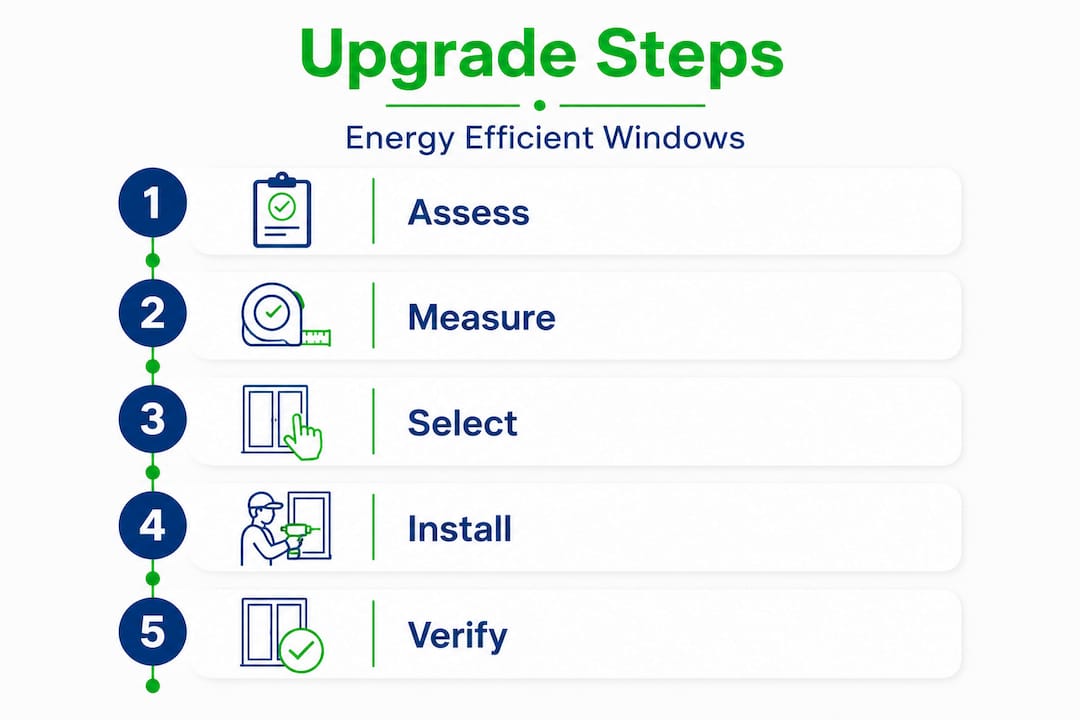
With the need for energy savings clear, your first step is to evaluate whether your existing windows are up to standard. Before you commit to any product or installer, you need to understand what you currently have and what it is costing you.
Older windows lose heat primarily because of poor insulation in the glass and frame. The key measure here is the U-value, which expresses how quickly heat passes through a material. A lower U-value means better insulation. Single glazed windows typically carry U-values above 5.0 W/m²K, meaning heat passes through them almost freely. Modern high-performance double glazing sits between 1.2 and 1.6 W/m²K, a dramatic improvement.
Signs your windows need upgrading:
- Draughts around the frame or sill, even with windows closed
- Condensation forming between the panes (indicating seal failure)
- Noticeably cold glass during winter months
- Rattling frames in light wind
- Rising energy bills with no obvious explanation
- Visible gaps, rot, or warping in timber frames
Before calling anyone, take a moment to carry out some basic checks yourself. Start measuring your windows carefully, noting the width and height of each opening. Record the frame material (uPVC, timber, aluminium), approximate age, and note whether any existing glazing carries a Window Energy Rating label. Understanding window energy ratings gives you a clear baseline for comparison when you begin reviewing replacements.
| Window type | Typical U-value (W/m²K) | Energy rating band |
|---|---|---|
| Single glazed | 5.0+ | G (very poor) |
| Older double glazed | 2.8–3.2 | D–E |
| Standard double glazed | 1.6–2.0 | C |
| A-rated double glazed | 1.2–1.6 | A |
| Triple glazed | 0.6–1.0 | A+ |
The assessment and measurement process is the foundation of any successful upgrade. Rushing this stage leads to mis-sized orders, compliance issues, and wasted money.
Pro Tip: Photograph each window, including any existing rating labels, condensation, or damage. This visual record saves time when speaking to installers and helps you track improvements after the upgrade.
Preparing for the upgrade: rules, requirements and funding
Once you have assessed your windows, it is crucial to check regulations and financial options before choosing your glazing. This is the stage most people skip, and it is the stage most likely to cause problems later.
Who can install your windows?
In England and Scotland, you should always use an installer registered with FENSA or CERTASS. These schemes allow approved companies to self-certify that their work complies with Building Regulations, saving you the cost and effort of applying for local authority approval separately. If you use an unregistered installer, the responsibility for obtaining building control approval falls on you as the property owner.
Key regulations to understand:
- Part L (energy efficiency): Sets minimum U-value requirements for replacement windows. In England, the maximum permitted U-value is 1.6 W/m²K; in Scotland, the limit is stricter at 1.4 W/m²K.
- Part F (ventilation): Requires trickle vents to be fitted in habitable rooms when windows are replaced, even if the original windows did not have them.
- Part B (fire safety): Certain windows, particularly those used as escape routes, must open to a minimum size and height from the floor.
- Part Q (security): Replacement windows must meet minimum standards for resistance to forced entry.
For properties in Scotland, additional requirements apply. Some work may require a building warrant from your local authority, particularly in older or listed buildings. Always confirm with your council before work begins.
If your property is in a conservation area or is listed, you face additional planning restrictions. Full replacement double glazing may not be permitted at all. Speak to your local planning office before proceeding, as unauthorised work can result in enforcement notices requiring you to reinstate original windows at your own cost.
A good window regulations guide is essential reading before signing any contract.
Financial support available:
Several funding schemes can reduce the upfront cost of upgrading. The table below summarises the main options:
| Scheme | Who it covers | What it offers |
|---|---|---|
| ECO4 | Low income/vulnerable households in England & Scotland | Free or heavily subsidised upgrades |
| Home Energy Scotland Loan | Scottish homeowners | Interest-free loans up to £15,000 |
| Home Energy Scotland Grant | Eligible Scottish households | Grants for energy improvements |
| Warm Homes Local Grant | Eligible households in England | Funding for energy-saving measures |
Eligibility for these schemes varies based on income, property type, and location. It is worth checking before you proceed, as some grants can cover a significant portion of your total project cost.
Choosing your energy efficient glazing: options and performance
With regulations and funding clear, you can match your windows to the most efficient and compliant glazing types. The market offers more options than ever, and choosing correctly makes a real difference to both performance and cost.
The main glazing types:
- Double glazing: Two panes of glass separated by a gap filled with argon gas. This remains the most popular choice for England and Scotland, balancing cost and performance well. U-values typically sit between 1.2 and 1.6 W/m²K.
- Triple glazing: Three panes with two gas-filled gaps, achieving U-values of 0.6 to 1.0 W/m²K. Excellent for north-facing rooms, properties in colder Scottish regions, or anywhere maximum thermal performance is the priority.
- Secondary glazing: A separate inner pane fitted behind your existing window. U-values range from 1.8 to 2.5 W/m²K, making it less thermally efficient than full replacement double glazing, but often the only viable option for listed buildings and properties where the original window must be preserved.
Modern performance features to look for:
- Low-E coatings: A microscopic metallic layer applied to the glass surface that reflects heat back into the room without reducing light. This single feature can drop a window’s U-value by as much as 0.4 W/m²K.
- Argon or krypton gas fill: Denser than air, these inert gases slow heat transfer across the gap between panes significantly.
- Warm edge spacer bars: The bar separating the two panes in a double glazed unit affects heat loss around the edge. Warm edge spacers reduce this “cold edge” effect, which standard aluminium bars cannot.
- Frame material: uPVC remains the most cost-effective option and requires minimal maintenance. Timber frames offer excellent insulation and suit period properties. Aluminium frames are slim and durable but require a thermal break to prevent cold bridging.
| Glazing type | U-value (W/m²K) | Typical cost per window | Best suited for |
|---|---|---|---|
| Double glazed (standard) | 1.4–1.6 | £300–£600 | Most homes and businesses |
| Double glazed (A-rated) | 1.2–1.4 | £450–£800 | High efficiency priority |
| Triple glazed | 0.6–1.0 | £600–£1,200 | Cold climates, north-facing |
| Secondary glazing | 1.8–2.5 | £150–£400 | Listed/conservation buildings |
For listed properties or conservation areas, upgrading listed building windows requires specialist glazing solutions such as ultra-slimline double glazing or sympathetically matched secondary glazing systems.
Pro Tip: When choosing energy efficient glazing, always ask your installer for the Centre Pane U-value and the Whole Window U-value. The whole window figure is what Building Regulations use for compliance, and it accounts for the frame as well as the glass.
The installation process: step-by-step to a perfect fit
Once you know your chosen windows and have the right approvals, the next step is ensuring perfect fitting and maximum efficiency through quality installation. Even the finest window unit will underperform if fitting is rushed or poorly executed.
Here is what a professional installation looks like from start to finish:
- Removal of the old window: The existing frame and glass are carefully extracted without damaging the surrounding masonry or plasterwork.
- Frame preparation: The reveal (the opening in the wall) is cleaned, checked for level, and any damaged sections are repaired before the new frame is offered up.
- New unit fitting: The replacement frame is positioned, levelled, and fixed securely to the structural opening using the correct fixings for the wall type.
- Sealing and insulation: This is arguably the most critical step. Internal and external seals are applied using low-expansion foam and flexible mastic sealant to prevent air infiltration around the frame.
- Trickle vent installation: Compliant vents are fitted to the frame to satisfy Part F ventilation requirements.
- Final testing: The installer checks the window opens, closes, and locks correctly, tests any restrictors, and verifies that seals are continuous with no gaps.
“Poor sealing is one of the most common and costly installation mistakes. Even a small gap around the frame can reduce the thermal performance of a window by 20 to 30%, completely undermining the investment in high-rated glazing.”
The importance of proper sealing cannot be overstated. We have seen properties where premium triple glazing was installed, yet the property remained draughty because the perimeter seal was incomplete. Knowing how to seal draughty windows is useful background knowledge for any property owner.
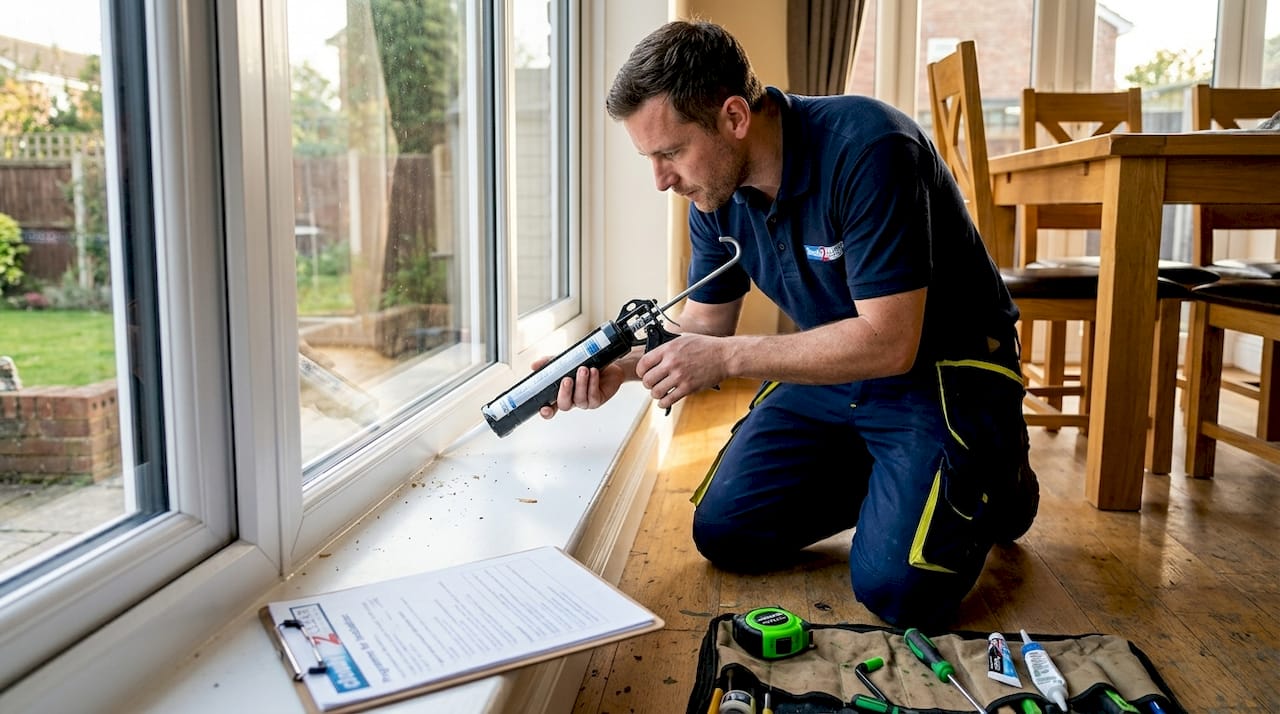
Always choose installers registered with TrustMark or the Glass and Glazing Federation (GGF). These tradespeople follow verified standards and carry appropriate insurance. Professional window installation insights explain why this choice protects both your investment and your legal compliance.
Pro Tip: Ask your installer to provide a FENSA or CERTASS certificate upon completion. This document proves Building Regulations compliance and is required if you sell your property in the future. Keep it with your property deeds.
Verifying results and long-term benefits
With the new windows installed, it is time to ensure the results deliver the comfort and savings you set out to achieve. Verification is not simply a formality. It confirms your money has been well spent.
How to verify compliance and performance:
- Request the completion certificate from your FENSA or CERTASS installer immediately after the job is done.
- Check the Window Energy Rating label on each unit matches what was specified in your contract.
- Walk around each room and hold your hand near the frame edge on a cold day. You should feel no draughts.
- Compare your energy bills in the three months following installation against the same period the previous year. Allow for weather variation, but a meaningful reduction should be visible.
Expected savings and return on investment:
Switching from single glazing to A-rated double glazing saves £140–£250 per year, with triple glazing delivering savings of up to £395 annually. You can also expect a reduction in your household carbon footprint of approximately 0.5 tonnes of CO2 per year. Based on typical installation costs, most properties see a full return on investment within five to nine years, after which the savings are pure financial gain.
Beyond bill savings, the science of heat loss reduction shows additional benefits: reduced noise penetration, improved security from multi-point locking systems, and lower condensation risk, all of which protect the fabric of your building long term.
Pairing your new glazing with other energy-saving solutions such as LED lighting can amplify overall efficiency gains across the property.
| Benefit | Expected outcome |
|---|---|
| Annual energy saving | £140–£395 depending on glazing type |
| CO2 reduction | ~0.5 tonnes per year |
| Return on investment | 5–9 years |
| Noise reduction | 30–40 dB reduction (triple glazing) |
| Property value increase | Typically 5–10% uplift |
Long-term maintenance tips:
- Clean the frame seals annually and reseal any hairline cracks promptly.
- Lubricate hinges and locking mechanisms twice a year to prevent wear.
- Check trickle vents are clear of debris each spring.
- If you notice condensation between panes, the seal has failed and the unit needs replacing.
Why skipping proper installation is a false economy
Here is an uncomfortable truth we have seen play out repeatedly over our many years in this industry: people spend months researching the best glazing, comparing U-values and energy ratings, then hand the job to the cheapest unaccredited installer they can find. And then they wonder why their bills barely moved.
The window itself is only half the equation. Poor sealing diminishes benefits by 20–30% at minimum, and in extreme cases, a badly fitted premium window can actually perform worse than a well-fitted mid-range unit. We have spoken to customers who had work redone within eighteen months of a “cheap” installation, paying effectively double for a job that should have been done correctly the first time.
The issue runs deeper than sealing, too. Non-compliant installation (wrong U-values, missing trickle vents, inadequate fire egress) can create real problems when you remortgage or sell. Buyers’ solicitors now routinely request FENSA certificates. Without one, either the seller funds an indemnity policy or the sale stalls. That is a stressful and avoidable situation.
Why window seals matter for your everyday comfort and long-term savings is something we genuinely believe every homeowner and facilities manager should understand before signing a contract. Our advice is always the same: get at least three quotes from accredited installers, check their FENSA or CERTASS registration on the official databases, and never let a low price override a missing compliance certificate. The savings you think you are making on the installation will almost certainly cost you more in the long run.
Ready for an upgrade? Expert help in your area
If you are ready to move forward with your window upgrade, Cloudy2Clear Windows offers professional, fully compliant installation and repair services across England and Scotland.

Whether you are searching for double glazing repairs in Milton Keynes or need glazing upgrades in Leicester and Loughborough, our local specialists deliver installations that meet all current Building Regulations. We work with both homeowners and commercial clients, offering no-obligation surveys and transparent pricing from the outset. Our window glass replacement services cover everything from single unit replacements to full commercial refurbishments, all completed by accredited professionals you can trust.
Frequently asked questions
What is the required U-value for new windows in England and Scotland?
England requires a maximum U-value of 1.6 W/m²K, while Scotland’s limit is stricter at 1.4 W/m²K for most replacement windows. Always confirm the specific requirement with your installer before ordering.
How much money can I save by upgrading to double or triple glazing?
Switching from single to A-rated double glazing saves £140–£250 per year; triple glazing can save up to £395 annually, depending on your property size and location.
Can I get financial help for window upgrades?
Funding through ECO4, Home Energy Scotland, and the Warm Homes Local Grant is available, but eligibility depends on your income, property type, and location. Contact each scheme directly to check whether you qualify.
Are trickle vents required in all upgraded windows?
Yes. Trickle vents are mandatory in habitable rooms whenever windows are replaced in England and Scotland, regardless of whether your original windows included them.
What are my options if I am renovating a listed or conservation property?
You should consider secondary glazing, ultra-slimline double glazing for listed buildings, or sympathetic draught-proofing of original frames. You must also obtain Listed Building Consent from your local planning authority before any work begins.
Recommended
- How Energy Efficient Are Your Windows? Double Glazing Guide – Cloudy2Clear Windows
- Building Regulations for Windows: 15% Energy Savings Guide
- How Energy Efficient are Your Windows? – Cloudy2Clear Windows
- How to select glazing options for energy efficiency
- Why Upgrade HVAC Systems: Comfort and Cost Benefits