• USP Logo Icon
    25 Year Guarantee
  • USP Leaf Icon
    Latest ECO Friendly Technology
  • USP Pointer Icon
    National Coverage
Get a FREE quote

How to Reduce Energy Bills

With energy bills on the rise, plenty of people are looking for ways to reduce their monthly spend. Energy is one of the biggest annual costs for UK families, so it only makes sense that you wish to find new ways to cut down on these now highly inflated prices.

Here’s our quick guide on how to reduce your energy bills, even by making only small changes to your everyday habits.

Draught-Proof Windows and Doors

The majority of cold air in the home enters the house through even the tiniest of gaps that can allow draught into your living space. Investing in upgrading your windows and doors to draught-proof designs will save you a great deal of money in the long run.

At Cloudy2Clear, we offer a range of high-quality draught-proof windows and doors that are designed exactly for this purpose. To keep your home draught-free, eventually reducing the amount of money you’ll be spending on your energy bills by insulating the home and keeping any warm air where it belongs – inside.

Double-glazed windows are another way to insulate your home effectively. Installing A-rated double glazing – and making sure your double-glazed windows are well-maintained – can save you tons on energy bills each year. With Cloudy2Clear, our leading double-glazed window replacement and installation services go the extra mile in making sure your home remains fully insulated, saving you money each year.

Use Tumble Dryer Alternatives

Tumble dryers are a must for many households, but they’re not energy efficient for the most part. Tumble dryers require a lot of energy since they’re both heating up and spinning your laundry at the same time. The high demands of a tumble dryer mean your laundry can be costing you up to £1.00 per spin – and that’s with a relatively energy efficient model.

Instead of using a tumble dryer for each wash, consider whether the weather would be suitable for drying your clothes outdoors. Doing this can even help keep your clothes smelling fresh, especially in the summer months as the temperature begins to rise. Alternatively, make use of the heat you’re already using in your home and use your radiators to dry your clothing.

Fill Your Dishwasher

Dishwashers are an ideal time saver, but they’re not that great when it comes to considering your energy usage.
Make sure you’re not wasting energy by only filling half a dishwasher. Before you turn it on for a wash, your dishwasher should be full. This is because most dishwashers use the same amount of water no matter how full or empty it is – if it’s full when you turn it on, you’re not using all that water, and even dishwasher tablets, on just half a load.

If you don’t have a dishwasher, there are other ways you can save water on your washing up too. You can save money each month by washing your dishes in a bowl full of hot water and dish soap, rather than using a running tap.

Turn Off Standby Lights

Many of us don’t realise just how much we’re spending on energy wasted by keeping our appliances on standby, instead of turning them off altogether when they’re not in use.

Turning off all your appliances entirely can seem like a bit of extra effort, especially when it’s the last thing you want to be doing right before you go to bed at night. Luckily today, you can purchase plugs that you can turn off straight from your phone via a mobile app. Some of these apps even have self-timers, so after a certain period of not being used, the power will switch off automatically.

Other Tips and Tricks to Save Money on Energy Bills

While the above guide includes a useful checklist of ways you can reduce your energy bills, there are many other things you could consider that would reduce your monthly outgoings.

Invest in Energy Efficient Appliances

The majority of appliances on the market today are using energy efficient technology in order to provide customers with more for their money. The energy efficiency of an appliance is based on a rating of A – G, with A being the rating that will save you the most money – and stop you contributing so much to environmental concerns. The energy efficiency scale previously went by the A+++ to D rating method, though the newer version as of 2020 makes it much easier to assess how efficient your appliances are.

Get a Smart Thermostat

A smart thermostat can drastically reduce the amount you’re spending on energy. Smart thermostats are exactly that – smart. They’ll learn exactly how long it takes to heat up your home, and can therefore be programmed to heat your house for just the right amount of time. No more forgetting to turn off your heating, and watching those bills stack up as a result. What’s more, smart thermostats can actually be controlled right from your phone. This means whether you’re home or not, you can adjust the settings to suit your exact preferences for when you expect to return.

Wash Your Laundry at Lower Temperatures
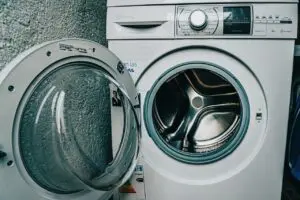
Doing our laundry is a necessity, but the costs involved do add up. Your washing machine requires more energy if you set it to wash clothes at a higher temperature, so it’s no wonder that when you do opt for those higher wash temps, your energy bills will rise too. Even just going from a 40 degree to a 30 degree wash can make a difference in your spending, and if you manage to cut out any washes and make your clothes last just that one extra wear before washing – it all helps reduce your energy bills.

Reduce Your Energy Bills with Cloudy2Clear

At Cloudy2Clear, our eco-friendly technology helps not only your wallet, but the environment too. Making that initial investment in your home, windows, and doors is well worth it when you consider just how much energy you may be wasting with inefficient fixtures that are letting cold air in.

Our double-glazed window and draught-proof solutions make saving money on your energy bills simple. Don’t waste any longer with a home that’s losing money on heat – just because your windows aren’t doing their job. Our forward-thinking window designs also make your home less prone to damp conditions and noise pollution.

Up to 20% of the heat lost in your home is lost through your windows. Get in touch with Cloudy2Clear today HERE to fix this.

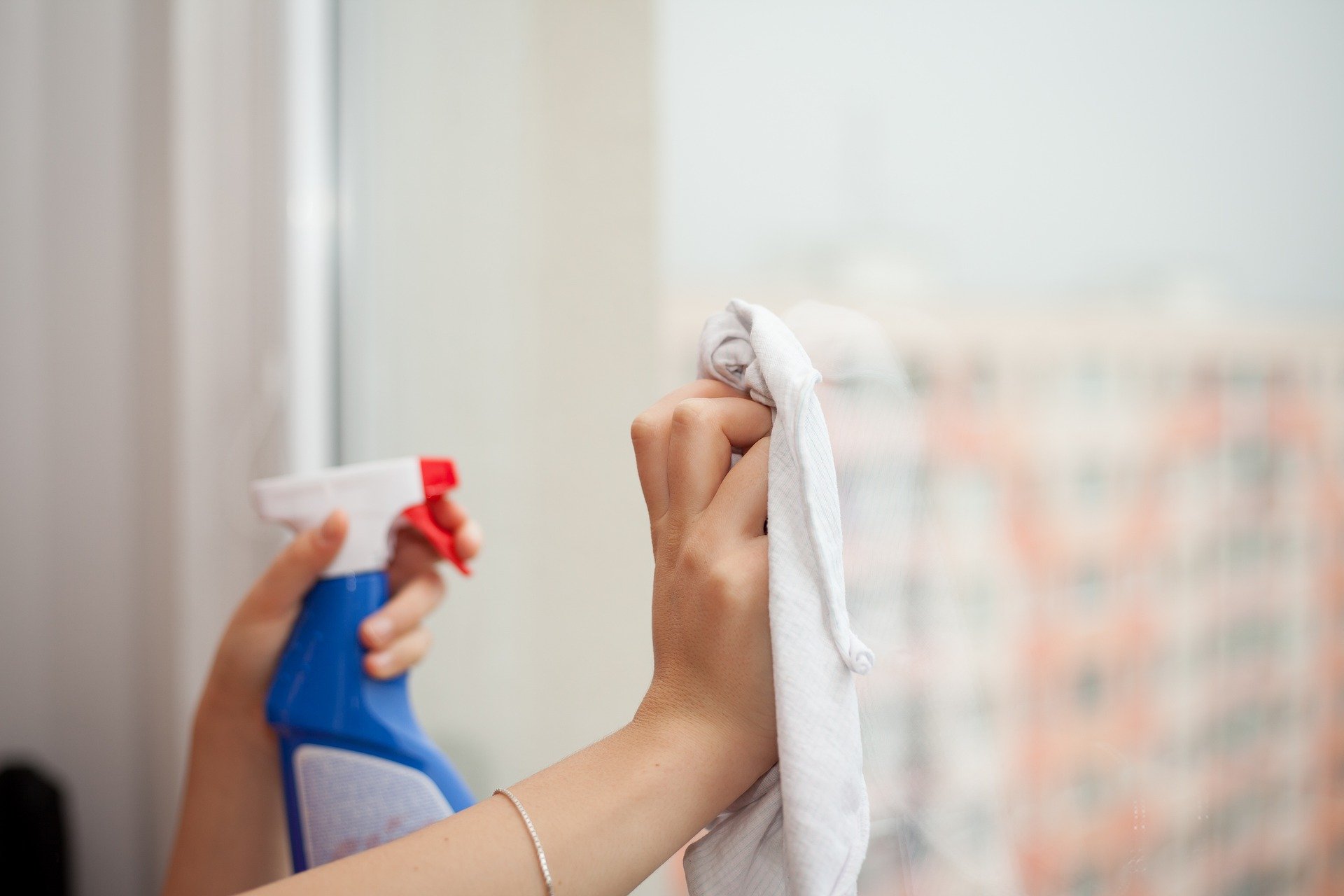


6 household items that can easily clean your windows in a breeze

Over time, grime can build up around your windows. We all want a streak-free finish, but cleaning your windows can be a real chore. Not to mention that specialist cleaning products can be costly and can be made with extremely harsh chemicals that are dangerous to inhale.

If your windows are starting to look dirty, our handy guide is here to help. From lemon juice to cornstarch, there are plenty of common household items that you can use easily to clean your dirty windows.

1. Distilled vinegar and hot water


A true tried and tested method, distilled vinegar and hot water has proven to be one of the most successful methods to clean your windows. Since vinegar has an acidic composition, it’s quick in breaking down the thin film of grime that collects on the glass’ surface. Not only is vinegar completely natural and brings no risks for allergic reactions, but it won’t cause any health problems if it’s accidentally ingested or inhaled. 

For those who are cleaning their windows for the first time or haven’t washed them in a while, it’s best to use a slightly stronger solution. Mix 480ml of water with 60 ml of distilled vinegar and pour into a spray bottle. Spray the entire window with the vinegar mixture — but avoid getting the solution on any wood, vinyl or fibreglass frames as it may discolour its finish.

2. Baking soda

If you want your windows to be shiny and sparkling clean, baking soda is guaranteed to remove any tough scuffs or stains on your glass and panes. With the added bonus of being non-toxic and containing no harmful chemicals or fumes, baking soda is a great cleaning solution, and it’s relatively inexpensive.

First, sprinkle a small amount of baking soda onto a wet cloth and wash the window. As baking soda is soft enough to not scratch your windows, all the dirt should be removed. Take a clean paper towel or cloth and dampen it, applying it to the window to remove any excess baking soda that may be leftover. Fill a spray bottle with 75ml of baking soda and 75ml of vinegar, mix the solution well and spray onto the windows. Finish with a dry cloth to wipe over the window, giving it a fantastic shine.

Be sure to wash your windows on a cloudy day so the direct sun won’t cause any streaks on the glass. And remember, you should never use a baking soda cleaning solution on stained glass or antique windows as it could damage its surface.

3. Lemon juice

Tackling those grimy window panes needn’t be a challenge with a lemon juice cleaning solution. Due to its acidic base, lemon juice can be used on glass and plastic surfaces without the fear of damage. The acid in lemons acts as a natural bleach as it’s antibacterial and antiseptic. Similarly to vinegar, lemons are a terrific cleaning agent and provide a natural cleaning power. 

If you’re sick of pesky greasy fingerprints, lemon juice also works great as a degreaser. 

Shake one tablespoon of white vinegar with 2 tablespoons of lemon juice into an empty spray bottle, pour in one cup of hot water and shake the mixture together.

4. Dishwasher soap


Perfect for a streak-free finish every time, dishwasher soap — and in particular the sodium lauryl sulfate within it — helps to easily remove grease from windows. Almost everyone will have dishwashing soap readily at hand, so simply add a few drops to a bucket of warm water and you’re ready to get those windows looking squeaky clean. Make sure to use a non-scratch scouring sponge too.  

If the weather is a little bit warmer, you can use slighter cooler water to wash the windows. Or if you’re cleaning your windows in the winter, it’s best to apply a windshield cleaning solution to prevent the water from freezing over the window.

5. Cornstarch

Cornstarch can work wonders when it comes to cleaning your windows. Windows aren’t perfectly smooth — in fact, they have small pits across the glass that traps water and causes spots and streaks to run down your window. 

Cornstarch can help break down water bonds, leaving your windows spotless, shiny and streak-free. Fill half a bucket with water and sprinkle in cornstarch, and then mix together until cloudy. Use a sponge if your windows need a deep clean.

6. Rubbing alcohol

To leave your windows glistening clear, rubbing alcohol can do just that. When combined with water and vinegar, rubbing alcohol evaporates fast — easily eliminating spots and streaks. Mix all three ingredients in a spray bottle and shake well. 

The alcohol and vinegar combination will quickly cut through grease and leave your windows looking sparkling. 

Have your windows seen better days? Our top engineers at Cloudy2Clear regularly repair and replace steamed up double glazing. Whether it’s damaged glass or faulty window seals, our double glazing replacement repairs will leave your windows looking as good as new. If you need double glazing repairs, contact your local branch of Cloudy2Clear today HERE for your free, no-obligation quote.


10 Simple Ways To Improve Your Home’s Kerb Appeal

First impressions are everything. The exterior of your home can leave a long-lasting impact on guests, neighbours or even just a passer-by on the street. Improving your home’s kerb appeal can not only make the outside of your home look more appealing and attractive, but it can also increase its resale value.

Often, we don’t think about how the outside of our home could say a lot about what it may look like on the inside but isn’t it time we started to?

Sprucing up the front of your house needn’t be expensive or time-consuming simple tricks like planting bright, colourful flowers or giving your windows and front door a new lick of paint can be easy solutions. 

So, whether you’re looking to sell your property or your outside exterior is in need of some serious TLC, our handy guide will help you improve your home’s kerb appeal.

1. Paint your front door in a new colour

Peeling paint and mouldy doors can turn buyers off immediately if you’re trying to sell your home. If you have a wooden door, why not opt for a new lick of paint to brighten up the space? 

To complement the style of the building, opt for a colour that will beautifully match the colour of the bricks. Bright pops of classic greens, natural wood and pastels look lovely against country houses, while strong steels, slate greys or blacks work wonderfully on more modern homes.

For a more coordinated look, match your garage door, front porch and gate.

For homes with uPVC doors, you can easily give your front door a new lease of life with a specialist cleaner that will remove stubborn stains and improve the look of wear and tear from weather damage.

2. Clean up any paths or paving

Over time, paths and pavings can become increasingly dirty with grime and moss, making your home look outdated and uncared for. 

Use a pressure washer to clean large areas and remove moss to quickly and easily improve your home’s exterior appearance. 

If you’re working with a smaller space, use a scrubbing brush with a specially formulated outdoor paving cleaner that will help to make the surface sparkling clean and aid in preventing mould growth. 

Pesky weeds can be unsightly and ruin the kerb appeal of your home. Use weed killer on any plants growing up through paving cracks or, if possible, dig them up by the root. Digging up weeds is a tried and tested all-natural method and when done properly, can work wonders.

3. Refresh your windows

If your double glazing is dirty or filled with condensation, you can easily replace the glass without having to replace the entire window. Our top engineers at Cloudy2Clear regularly repair and replace steamed up double glazing. Whether it’s damaged glass or faulty window seals, our double glazing replacement repairs will leave your windows looking as good as new. 

Give the window frames and sills a deep clean to remove any mould, dirt or spider webs. This will prevent a build-up of dust and grime when replacing the windows. 

If your wooden windows have seen better days, they may need a coat of paint to add a new lease of life. When picking a new colour for your frames, it’s best to consider matching them to your front door or gate.

If you need double glazing repairs, contact your local branch of Cloudy2Clear today for your free, no-obligation quote.

4. Tidy up greenery

A neat and tidy garden can be a major selling point when it comes to putting your property on the market. 

Make sure to trim any shrubbery or bushes, mow any long grass and pull weeds. Sure, you can hire a gardener — but with a pair of shears, some gardening gloves and determination, it’ll be much cheaper.

5. Dress your windows properly

living-room


Sometimes, a simple swap on the inside can transform the appearance on the outside. 

Updating worn window dressings can be a great way to refresh an old, outdated style. Light or natural-toned curtains work well in letting light shine through and they also offer a neat appearance from the outside, too. 

If you’re looking for something that offers a bit more privacy, wooden shutters or Venetian blinds can have a surprisingly big impact on the way your windows look.

You can also add some simple decor — like photo frames, ornaments or plants and flowers — onto your sills for an added touch of warmth and style.

6. Replace or clean the gutters

Over time, gutters can fill with debris like leaves, shingle granules, bird feathers and more, so it’s important to make sure that you regularly clean your gutters once at the end of spring and once towards the end of autumn as a minimum. 

Once you’ve dislodged all of the debris from your gutters, use a garden hose to expel the remaining waste.

For gutters that are looking worn, snap-fit vinyl gutters are a great alternative that is easily put together with a few tools and requires no painting. If you have a higher budget, copper systems cost a little more, but look incredibly high quality and last much longer on average.

7. Update your hardware

door-handle


Whether you’re in a country cottage or an upscale townhouse, update your front door with some stylish new hardware. 

Adding a new door number or knocker can add extra charm and character to your home. If your handle or letterbox are looking worn out or dated, replace them with an updated style that reflects your personality.

If you just can’t part with some of your home’s original features or simply don’t want to change the look — applying metal polish will help remove rust and can help older doors look rejuvenated.

8. Get your glass gleaming

Ensure that your windows are gleaming by giving them a proper clean. Clean windows not only look attractive from the outside, but they’ll also flood your home with more natural light, allowing your home to look and feel brighter when giving the tour. 

A simple sponge and fairy cleaning liquid is the most traditional way to clean your windows, but, for a more effective clean on higher up windows, professional tools will be able to get the job done and leave a sparkling finish.

9. Let there be light

Light fixtures can be a great way to add kerb appeal to your home. A light fitting not only adds extra security but it also gives your home a welcome glow to guests and neighbours in the evenings. 

The best way to pick a fitting is to choose a design that complements your building classic, vintage styles look stunning on older properties, while more modern designs like solar lights or lanterns are a lovely finishing touch for newer homes.

10. Add accessories

One of the most obvious and impactful ways to boost your kerb appeal is to add accessories to your home. 

Why not try planting some of your favourite greenery and flowers? Potted plants will brighten up an empty-looking front step, with two small shrubs placed on either side of the door creating a stunning welcome to any guests. If you don’t have the room for this, planters on your window sill or hanging baskets are great options for adding bright pops of colour.

Showcase your personality when you accessorise with a new doormat. A stylish pattern, fun shape, slogan or even personalised text can help make guests feel welcome.

If you have the space, a sculpture or water feature — something as simple as a birdbath — can vastly improve the look of your home’s entrance.

Improve your home’s kerb appeal today

Boosting your home’s kerb appeal can be done in no time. Chances are, the exterior of your home just needs some small finishing touches then it can look its best.

If you’re looking to repair or replace steamed up double glazing — whether it be damaged glass or faulty window seals, get in touch with the team at Cloudy2Clear for a free, no-obligation quote.


How Does Double Glazing Work?

Double glazing comes with a whole hoard of benefits that you’ve probably already heard about. From preventing heat escaping your home and reducing your energy bills to blocking out noise pollution and adding extra security to your property — double glazing your windows simply makes sense.

But how does adding a second pane of glass to your window provide so many benefits? If you’ve ever wondered how double glazing works — or want to get to grips with the science behind it before you invest — you’re in the right place.

What exactly is double glazing?

Double-glazed windows consist of two panes of glass. These panes are separated either with a layer of normal air or — for further efficiency — with a layer of argon gas. The panes are then sealed to keep the gas contained.

This gap stays in place due to a spacer bar, which is usually made from aluminium. For those really looking for peak efficiency, spacer bars can also be made from plastic with low heat conductivity properties. Using energy-saving glass also helps to reduce heat loss, although it will bring up the cost of installation.

Triple-glazed windows follow this same concept, using three panes rather than two. Triple glazing traps in more heat than double-glazed windows, however, only those in very cold countries like Norway will see the benefit. 

How do double glazed windows work?

Double glazing is specifically designed to hold many benefits over single glazing (one pane of glass and no layer of air).

Air is a poor heat conductor and trapping it between two glass panes means that this air is then unable to circulate. Therefore, not only does heat have to escape through two panes of glass and a layer of air, but convection in the trapped air is prevented. The result? Greatly reduced levels of heat loss.

Argon gas has around a 34% lower thermal conductivity level than air, meaning when this is used between the panes it’s even harder for heat to escape through double-glazed windows. 

What else do double glazed windows do?

While their heat efficiency is a huge selling point, this isn’t all that double glazed windows are good for. Double glazed windows are also a great way to keep sound out.

When a soundwave reaches a single-window pane it will vibrate the glass and subsequently the air behind it. Double glazing combats this by adding an extra layer of air and glass.

If you’re still experiencing a lot of noise pollution — even with double glazing — chances are you’re suffering from badly fitted windows. Having this repaired will ensure there are no gaps in your window frame, greatly reducing noise levels. For those who live on busy roads or in the city centre, this is highly beneficial. 

Double glazing can even help those who are suffering from mould or damp problems by reducing condensation on the inside of your windows. Condensation occurs when warm air (with high water content) hits the cold glass, so having two layers of glass will help to reduce this as the inner pane should be consistently warmer. 

Double glazing also heightens security for your property. Having two panes of glass to break through makes your home much harder to access than single glazing. Burglars tend to look out for cheaper, less secure looking windows, meaning the addition of double glazing can help to be a deterrent. 

What can stop double glazing from working properly?

When a double or tripled-glazed pane breaks it can quickly become cloudy, steam up, or form moisture in between the panes. Aside from ruining your home’s aesthetic, this also means that the benefits of the double glazing become redundant. Therefore, it’s important to repair failed double-glazing as soon as you notice it, in order to continue to keep your energy bills low and the temperature high!

To help make this as easy as possible, at Cloudy2Clear we offer free consultations and quotes for all double glazing repairs. All you need to do is get in touch with our double glazing experts and you’ll be well on your way to receiving a personalised quote.

If your issue is with anything other than double glazing, that’s not a problem either. We offer repairs for faulty handles, broken windows and other common problems. See our full range of services to learn more. 

How much does double glazing cost?

Whether you’re looking for ways to cut down on energy bills, boost property value or simply keep your home healthy, one extremely effective investment is double glazing.

If you don’t already have double glazing or your old windows could use some TLC, the first question you’re likely to ask is how much does double glazing cost? While the average price for double glazing a whole house stands at £3000-5000, there are a number of factors which can impact this.

In this guide, we help walk you through everything you need to know about double glazing and give you a rough idea of what double glazed window prices you’ll be looking at.

What can impact this cost?

There are a multitude of factors that can affect the cost of your double glazing. From the style of windows you’re interested in, the number of windows you have in your home and the materials of the frame and mechanisms every choice will have an impact. Here are some of the key points to consider.

Window type

insulating glass


One of the biggest deciders in what you’ll be paying for your double glazing is the style of window you’re investing in. Different window types have different performance benefits and, of course, aesthetic properties. Below are some of the most common window types:

Casement windows

The most common window, and therefore the best to use when calculating the average cost of new windows in the UK, are casement windows. Attached by a single hinge at the side, these windows are the cheapest for double glazing repairs, as well as for a first time fitting.

Average cost (based on uPVC frame):
£275 to £420

French casement windows

A slight variation of the above, French casement windows consist of two casements positioned side by side, which open outwards from the centre. These windows are generally slightly more expensive than regular casement windows, but their design does allow for a lot more in terms of light and ventilation. 

Average cost (based on uPVC frame):
£455-£570

Tilt and turn windows

Tilt and turn windows are an incredibly versatile fitting, which is perfect for modern homes. Twisting the handle halfway allows you to tilt the window inwards from the top, providing ventilation without compromising security. However, you can also fully twist the handle to open the window as a classic casement, allowing for full ventilation and easy cleaning. These windows are generally more costly than casement windows.

Average cost (based on uPVC frame):
£445-£625

Sash windows

This type of window is perfect for a property that wants to retain its period aesthetic. While original sash windows are tough to double glaze due to thin glass and the glazing bars used, modern double-glazed sash window options are available. The latest sash windows are created to be thicker and more sturdy but are pricier than the previous window types.

Average cost (based on uPVC frame):
£590-£820

Bay/Bow Windows

Box and bay windows are one of the greatest ways to open up a room and increase the amount of light in your home. Understandably, due to the increased amount of glass panes and materials needed to create these types of windows, they’re much more expensive to install and double glaze. 

However, the benefits can easily outweigh the cost. Bow windows tend to have the higher price of the two, as they typically have more sections but the price of both bay and bow windows rises depending on how many sections it is you want. 

Bay window average cost (based on uPVC frame):
£1,070-£2,205 dependent on window size and amount of sections.

Bow window average cost (based on uPVC frame):

£1,085-£2195 dependent on window size and amount of sections.

Frame materials

double glazing repairs


There are a number of materials that can be used to construct double-glazed window frames. Making your choice will often depend on a number of factors, ranging from your house aesthetic to your overall budget. Some of the most common frame materials are listed below.

uPVC

uPVC is the cheapest material used to model window frames — and by far the lowest maintenance option. With a high resistance to mould and rot, and no need for painting, uPVC frames can simply be wiped clean and look as good as new! They’re also great for insulation and are recyclable, making them brilliant for those wanting to make greener choices.

Average cost (based on 1200 x 1200mm):

£350 – £900

Aluminium

While aluminium is considerably more expensive than uPVC, it also comes with a different set of benefits. Aluminium is the strongest frame material and therefore can be used to create windows with a slimmer frame and a larger glass area — perfect for a modern home or corporate building. It’s also a highly durable material, meaning they’re built to last. 

Average cost (based on 1200 x 1200mm):

£770 – £960

Timber

Wooden frames are full of character and add a real sense of warmth to a property. As a bonus, if treated correctly, they’re a great insulator and can have a long lifetime. Due to this, they are one of the most expensive window frame materials, while also requiring the most maintenance — as without regular upkeep, they can start to deteriorate. 

Average cost (based on 1200 x 1200mm):

£1,370 – £1,500

Spacer bars

Just when you thought there couldn’t possibly be any more options when it comes to your windows, along come the spacer bars. 

Spacer bars (or profiles) are the hollow frame which separates the two panes of glass used in a double-glazed window. The spacer bar is bonded to the two frames to create a cavity, which is then filled with air, or another gas such as argon. 

The spacer bar itself can be one of two types:

Metal bar

The most common type of spacer bar used is a metal edge spacer bar. These are usually formed from aluminium, which is chosen due to the fact it’s lightweight and flexible while still being strong. The bar is then filled with a desiccant, which absorbs moisture and prevents the windows from becoming foggy.

Steel can also be used for spacer bars, however, this is usually a material associated with fire-rated safety glass. Aluminium spacer bars are the most low-cost spacer bar choice but are not the most heat effective option.

Warm edge spacer bar

A warm-edge is exactly what the name suggests. This bar insulates the edges of the sealed window, which is where most heat is lost. In turn, this slows the rate at which heat is lost through your windows.

Warm-edge spacer bars are made from materials with a low heat conductivity, such as specially-designed plastics. This makes them considerably more expensive than the typical aluminium spacer bar, but can save you money on heating costs over time. 

Product Specifications

The above are all general costs associated with double glazing, but if there are unique specifications that you require for your windows then these will also add to the overall cost.

Adding colour, or a texture like a wood grain finish or having a specialist request such as the use of safety glass are factors which can bump up the price of your double glazing. Locks or fastenings, such as child-safe options can also impact your bottom line.

Along with this, prices typically change between different vendors and can fluctuate at different times of the year. Therefore, it is essential that you do your research and ensure that you have a reputable company on your hands to avoid overpaying.

Alternative double glazing options

In some scenarios, getting a whole new set of windows installed will likely be essential. However, if you’re only experiencing minor problems with your existing windows, there are cheaper options available.

If your double glazing is frequently misting up and obstructing your view or you’re beginning to notice a draft coming from any of your windows, chances are that your double glazing is failing. Your first reaction may be to price up a whole new set of windows, but in most cases, it can save you money and be just as effective to fix what you already have.

At Cloudy2Clear we offer free consultations and quotes for double glazing repairs as well as repairs for faulty handles, broken windows and other common problems. Simply get in touch with our experts today and you’ll be well on your way to receiving a personalised quote to bring your double glazing back to life.