• USP Logo Icon
    25 Year Guarantee
  • USP Leaf Icon
    Latest ECO Friendly Technology
  • USP Pointer Icon
    National Coverage
Get a FREE quote

How to prevent condensation in your home

What is condensation?

Condensation occurs when water vapour in the air comes into contact with cold surfaces like window panes and forms water droplets. Essentially, it’s the opposite reaction to evaporation – gas (vapour) turning to liquid (water droplets) instead of liquid (water) turning to gas (steam).

As condensation is caused by differences in temperature, you’re more likely to see the effects on colder days. The most common areas for condensation to form in your home is in the bathroom from the heat of showers and baths, or in the kitchen from cooking.

condensation

What effect can condensation have on your home?

Although water droplets on your windows may not seem like an issue, condensation can lead to some serious problems if it’s a common occurrence in your home..

Common issues caused by condensation include:

– Peeling wallpaper
– Damp furniture and surfaces
– Unpleasant smells
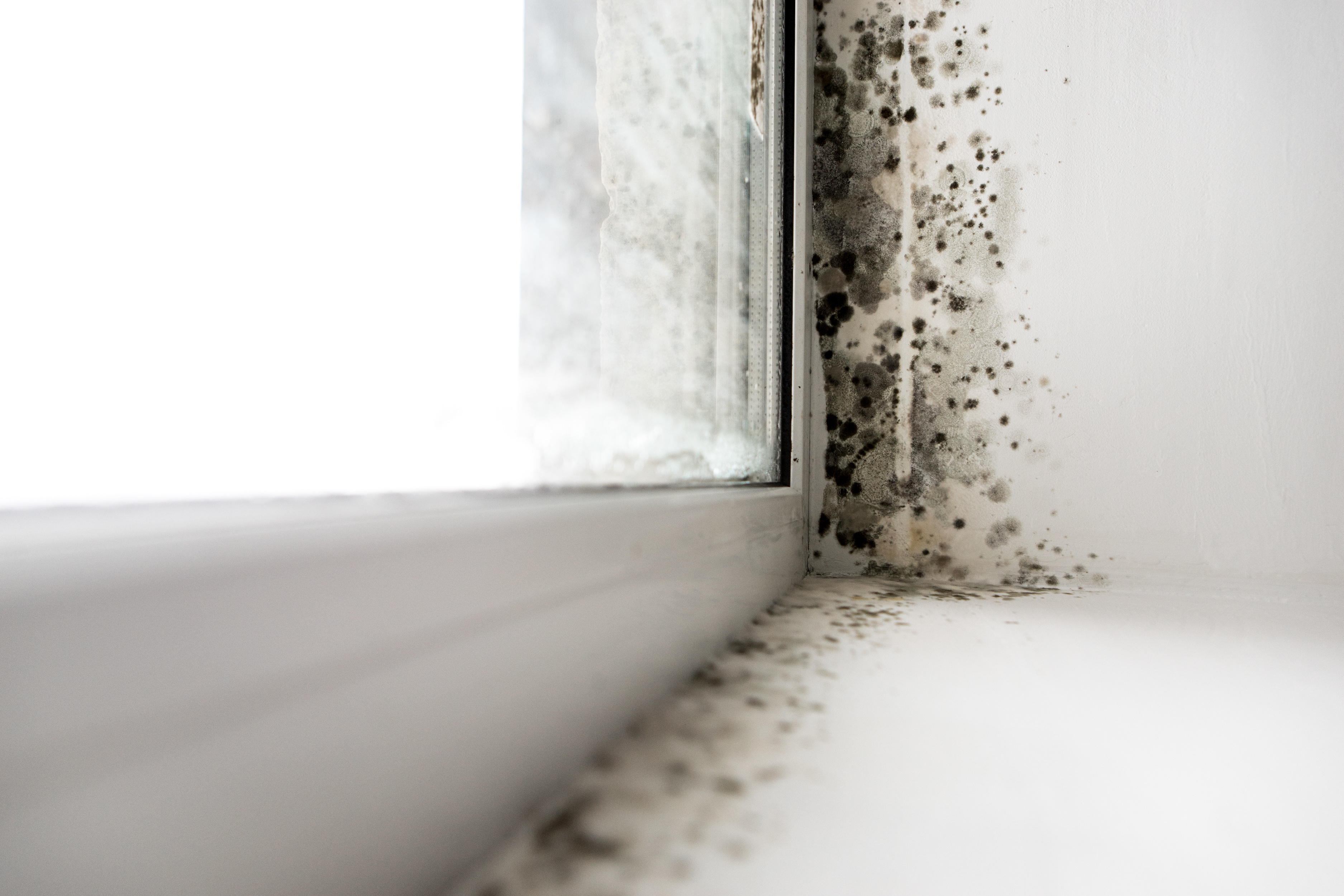
– Mould and damp

How to prevent condensation on windows

Condensation is something that occurs in all homes and although it can lead to problems, there are initiatives you can take to help combat the effects. To stop condensation on windows, there are three main steps to take: ventilation, insulation and clearing moisture.

1. Improving ventilation

By ensuring your home is properly ventilated, you’ll improve the airflow and fight off the issues caused by condensation.

Opening windows is a simple way to implement this, especially in the kitchen and bathroom. If you’ve cooked in the oven or on a hob, or if you’ve had a shower, leave your windows open in that room until the air is clear to prevent moisture build-ups.

It’s also important that you’re using extractor fans in both the kitchen and bathroom to allow steam to escape. Plus, keeping your doors closed helps to isolate steam and moisture, making it easier to dissipate and stops it spreading to other rooms.

2. Heating and insulation

Issues with condensation are intensified by sudden rises and drops in temperature, as each fluctuation causes water to evaporate and condense when your central heating turns on and off.

Rather than allowing your heating to swing between hot and cold, keep your heating on a constant low temperature. This will help to prevent damp from forming in your home.

Ensuring your home has appropriate insulation will reduce the likelihood of condensation forming in cold spots on walls and ceiling. Cavity wall and loft insulation will help to keep your walls a consistent temperature.

3. Clearing moisture

An immediate solution to condensation is to remove any water droplets you come across in your home.

All you need is a soft cloth or paper towels – something that won’t damage your windows – and you can keep on top of any moisture forming. In the short term, cleaning your windows of condensation regularly you can prevent the moisture developing in to damp or mould issues.

Read our full guide to maintaining your double glazing to find out proper cleaning and maintenance tips to keep your windows in great condition.

Tips on how to reduce condensation

how to prevent condensation

As well as the larger preventative steps detailed above, there are also a number of smaller actions you can take to reduce the amount of condensation you produce at home.

1. Vented washer dryers
Many modern washer dryers are condenser models, which collect moisture from the drum which can be emptied later. If you have a vented washer dryer, however, make sure that the vent is properly secured; otherwise, moisture can easily escape and become trapped in your home.

2. Dry your clothes outside
If you have a garden, drying your clothes on a washing line is a really easy method of protecting your home from unnecessary moisture. If you live in an apartment or don’t have your own garden, keep a window open near your drying clothes with the doors closed to help the moisture escape from your home.

3. Cook with pot lids
Another easy way to reduce moisture in your home is to make sure you’re cooking with pot lids. Bubbling pots and pans release a lot of steam and moisture into kitchens, even with an extractor fan, so using a lid while you cook helps to reduce how much steam is released into the room.

4. Don’t overfill wardrobes and cupboards
Both wardrobes and kitchen cupboards are breeding grounds for mould if left overfilled. Any trapped moisture will struggle to escape due to the lack of airflow, so make sure you’re not filling them to the brim to allow air to circulate inside

5. Move furniture away from external walls
Just like with your wardrobes, it’s important to make sure there’s enough room between your walls and your furniture for air to circulate. If sofas and large pieces of furniture are pushed right up against walls, especially exterior walls, they run the risk of becoming damp and mouldy from the cold.

6. Use bath mats
It’s not just bathroom walls that have the potential for damp issues; the floor is at risk too. Invest in a good-sized bath mat to absorb most of the water when you get out of the bath or shower, so you’re not drenching your bathroom floor in water and creating more condensation.

7. Check for leaks
Keep an eye on your roof and ceilings for any drips or leaks that present themselves. They can be easy to miss at first, but if left unchecked, they can leave your ceiling and walls soaked over time.

8. Check guttering and downpipes
Much like leaks, blocked gutters can cause havoc to your exterior walls. Keep all guttering and downpipes free from debris to prevent blockages, which could lead to excess water soaking your homes exterior walls.

Condensation inside your double glazing

If you’ve noticed condensation inside your windows, it means your double glazing has failed. Whether due to faulty seals or poor installation, cloudy windows mean that moisture is getting in between the panes of glass, ruining the aesthetic of your windows and leading to bigger problems like mould and heat loss.

If you’ve noticed cloudy windows in your home, get in touch with your local branch of Cloudy2Clear, where our expert engineers will give you a free, no-obligation quote and will replace your failed double glazing – saving you time and money.



New TV Advert! Cloudy2Clear gets steamy with house proud Susan!

Has your double glazing steamed up? We replace the pane, not the frame saving you money, energy and time! We can also replace your locks, handles and hinges. With over 35 branches nationwide our engineers can provide services throughout the UK.



Click the play button below to see the new advert.


Video transcript

I’m very house proud. Everything in its right place. But there’s no place for misty windows. What will the neighbours think? Calm down, Susan. Click Cloudy to Clear. Free quote, no fuss. They replace the pane, not the frame. Love the new glass. They replace locks, handles and hinges too. That’s money saved for home improvements.

Replace your misty glass from just £90 and get our 25 year guarantee. For a free quote, click cloudytoclear.co.uk Cloudy to Clear.

Fall in love with your property again

The month of love doesn’t have to be limited to just romance or for couples. With spring on the horizon, February is a great time to fall in love with your property again, whether that’s to get it ready for selling or just to enjoy your home to the fullest. We’ve listed some great ideas below on how to show your home some tender loving care, just in time for Valentine’s Day.

fall in love with your property again

Have a good old-fashioned clean-out

Set yourself a weekend aside and work through each room, making sure you are ruthless with what you need to keep and what can either be donated, upcycled (more on this later), or thrown away.

Clutter in your home can make you feel stressed, but you can also be anxious about throwing anything away, in case it’s required again in the future. However, unnecessary items such as old paperwork, ancient furniture that takes up space, clothing you haven’t worn in years, and broken kitchen appliances shouldn’t be keeping you up at night.

You’ll also find that removing this waste will mean that cleaning your home takes less time and is more of a joyful task to complete. Without having to lift up old ornaments to dust under or sifting through piles of paperwork to find that much needed council tax bill, you’ll get the job done quicker and have more time to sit down with a cup of coffee and enjoy your home.

fall in love with your property again

Change your furniture around

Once you’ve decluttered, now you can have a bit of fun with your home. Investing in new furniture and fittings can be expensive, and sometimes all you need is a bit of a reshuffle to get the updated and different feel to your home that you’ve been looking for.

Simply moving a side table to the other side, or repositioning your sofa, can change the whole look of a room. What about lighting? Moving a lamp from one corner to another can instantly add depth and size to a room – and hasn’t cost you a penny.

If you do have more budget to spend, think about investing in fitted wardrobes. This can free up a lot of space that you didn’t know you had, as well as providing you with more storage for those decluttered items.

Repair any annoying snags

steamed up double glazing

How many times have you said you would get around to fixing that dripping tap or repairing the broken drawer? We’re betting it’s countless. Getting these seemingly small and insignificant repairs sorted can ease your mind of extra worry.

If you have repairs that need an expert touch, such as cloudy or misty windows or a toilet that’s flush isn’t as powerful as it used to be, there’s no harm in calling in the experts. Don’t live with problems just because you’re concerned about the cost. Often these repairs won’t break the bank, especially if you contact the likes of Cloudy2Clear.


Invest in some art or ornaments

We’re not talking about Picasso or Banksy. There’s plenty of unique and new artists out there on Instagram, Pinterest, and Etsy that can fill your walls and shelves with beautiful artwork, without breaking the bank. This is a great way to support new talent, as well as making your home look amazing for less.

fall in love with your property again


Try your hand at upcycling

If you’re feeling crafty and creative yourself, then you could always try your hand at creating your own artwork, adding a real personal stamp to your property. Upcycling is a great way to do this, by taking artwork or ornaments that you already have and creating something new and unique from them.

The same goes for furniture, as we mentioned earlier on in this article. Having old, unloved pieces doesn’t mean they automatically have to be donated or sent to the tip. Think about whether they can be sanded down and painted, perhaps even add new knobs or handles, and maybe even think about utilising them as outdoor furniture. An old side table can make a great drinks holder for those summer barbecues, and bookcases can be used as planters. The possibilities are endless.

fall in love with your property again


Accessorise, if redecorating isn’t an option

Falling in love with your property doesn’t have to be expensive and doesn’t mean you have to redecorate and start from scratch. You might also rent your property, which means you’re limited with decorating ideas. The best way to approach both problems is to accessorise.

Adding a mirror into any room can create the illusion that there’s more space; rugs can quickly add depth and colour where needed; fairy lights give a magical, homely feel; scatter cushions provide pops of colour; and a good, sturdy house plant can transform a corner.

If you’re looking to romance your home this Valentine’s, why not contact your local branch of Cloudy2Clear Windows, to repair any failed double glazing, or replace any broken locks, handles, or hinges, without breaking the bank (or your heart).

Top tips for selling your home in the new year

top tips for selling your home in the new year

January is a notoriously long month, with Christmas a distant memory, payday seems like it will never arrive, and the weather postpones numerous activities.

One thing we can rely on in January however, is the fact that people are still selling and buying houses, whether that’s due to high divorce rates this month or just simply because it’s a fresh start to the year.

The new year is also a great time to get your home ready and prepared for selling in the spring, a popular period for buyers, who have managed to get through the winter slump and are excited to view properties in the light of day again.

So what can be done to increase the likelihood of selling your home in the first quarter of the year? Here at Cloudy2Clear, we’ve created a handy guide for ensuring your property is as appealing as possible for buyers.

Aesthetics

As much as we don’t like to admit it, it’s hard for us to see past poor decorating, dirty carpets, and clutter. If a house looks like a home, it’s easier for us to imagine ourselves living, eating, and enjoying life there.

Staging your house for a sale is important if you really want to give buyers as much opportunity as possible to envisage themselves living there. How do you go about doing this?

Declutter rooms by only keeping what you need. Everything else can be thrown away, donated, or put into a self-storage unit. If you have friends/family with spare rooms or garage space, then you could even ask them to save on storage costs.

Clean thoroughly and keep on top of it. You never know when you might have a viewing and if you’re not prepared, you could put people off with dirty dishes in the sink and dog hairs all over the carpet.

Smell is incredibly important. Think about when you’ve viewed properties in the past, or even when you’ve walked into a building and noticed an odd aroma. If there’s an unpleasant greeting when potential buyers open a door or enter a new room, then this an immediately creep into their subconscious. Bad smells equate to something being off.

Keep decoration neutral. Grab a bucket full of magnolia paint and go to town. Remove any gawdy ornaments or artwork, as even though this is your taste, it might not be everyone else’s. Make sure your bed is made well, with a scatter of cushions, and ensure that any damage to walls, such as knocks and children’s scribble, is covered up and repaired.

Sort out any repairs. These include:

  • Repairing failed double glazing – misty or cloudy windows can be instantly off-putting for potential buyers and can also lead people to believe they will have to pay for entirely new double glazing, which is expensive and a big job. Getting the experts in before you start having viewings can potentially save you grief in the long-run.


  • Missing kitchen or bathroom tiles – although insignificant and doesn’t affect the structural elements of a property, missing tiles or broken slabs can add up. If potential buyers notice more than one minor repair, their renovation list becomes longer and they’ll only see the costs mounting up.


  • Broken fence panels – gardens are often forgotten about when it comes to selling your home in the winter, but buyers are still looking at this as an asset. Broken fence panels, dead plants, and broken slabs can put a buyer off immediately due to the amount of work they think they need to complete.


  • Stiff locks, handles, and hinges – if you have a savvy buyer looking around your home, they will be thorough in their viewing, so may open windows and outer doors for security purposes. If you have broken locks or loose hinges, this can deter them from looking any further.

Do you have any handy tips on selling your home successfully in the new year? Let us know via Facebook or Twitter and we might update this guide and include them!

If you do have any failed double glazing or window repairs that need completing before you sell your home, contact the experts at Cloudy2Clear today for more information.


Autumn window maintenance tips

There’s no doubt about it; Britain has some of the most unpredictable weather, as well as some of the most miserable.

It’s so important that we ensure our homes are well looked after and maintained effectively, both from a longevity and security point of view. Below, we’ve outlined some of our top tips for maintaining your windows during autumn, and into winter too.

autumn window maintenance tips


Improve insulation

Invest in some heavy curtains for these colder months as it will be a small change with a big difference. With a proper lining and thick material, curtains can actually provide more than just privacy and darkness, but also warmth and insulation. Think about blinds too; multiple layers of insulation will not only keep draughts out, they’ll contribute to locking in warmth and keeping your heating bills down as the weather gets colder.

Here at Cloudy2Clear, we also provide insulating glass when repairing any failed double glazing or even if you’re just looking for an upgrade.


Repair faulty locks, handles, and hinges

Windows that don’t quite shut properly, or those that can’t open for ventilation to reduce condensation, can be a hinderance throughout October – March. Ensuring that you check each and every window for stiffness, sticking, or broken / faulty locks is an important window maintenance task. This will prevent unnecessary draughts, improve security, and make sure you have that all important ventilation, especially when you start putting the central heating back on.

reparing locks, handles, and hinges


Clean away mould

Mould is an annoyance, as well as potentially affecting yours and your family’s health. Making sure you remove this safely and effectively is important for not only the aesthetics of your windows and home, but also for the ongoing health and well-being of your family. You can prevent mould from growing by removing moisture from your windows regularly; keeping furniture away from windows; and using ventilation techniques, such as extractor fans and keeping a window open when cooking or showering.

mould on windows


Protecting frames and seals

When preventing or removing mould during the autumn, make sure you use the correct cleaning products and techniques to avoid unnecessary damage. Scouring pads may seem like a good idea, but they can break up your seals, potentially causing your double glazing to fail, as well as damaging the look of your uPVC frames.

how to maintain your windows during autumn


Streak-free shine

That watery, autumnal sunshine can magnify the smears and streaks on your windows. For clear glass that will be the envy of all your neighbours, check out our top tips for cleaning your double glazed windows. Cleaning them on regular basis will stop a build-up of residue throughout the autumnal / winter months when the weather becomes more erratic.


Repairing failed double glazing

Although we can repair cloudy or misted up windows any time of year, autumn is particularly popular for our customers as it allows them to get all of those home improvement jobs out of the way before Christmas comes around (only 9 weeks to go!).

steamed up double glazing

If you’ve noticed that your windows are becoming increasingly condensed, or have stiff locks, handles, or hinges, contact your local branch of Cloudy2Clear today for more information. With autumn in full swing and winter just around the corner, it’s the perfect time of year to treat your windows to a bit of TLC.