• USP Logo Icon
    25 Year Guarantee
  • USP Leaf Icon
    Latest ECO Friendly Technology
  • USP Pointer Icon
    National Coverage
Get a FREE quote

How to clean UPVC window frames (without damaging them)

Unplasticized Polyvinyl Chloride (UPVC) is the most popular material for window frames. UPVC is easy to manufacture, long-lasting and relatively easy to maintain.

While it’s resistant to rotting and rusting, UPVC windows can become dirty from build-ups of muck and grime if not properly maintained. Luckily, cleaning UPVC window frames is straightforward, and by following a few simple steps, you can keep your windows looking clean and fresh all year round.

 

Woman cleaning her house windows

How to clean UPVC window frames

Although you can choose the colour and finish of your UPVC frames, most people opt for white. If you have white UPVC, you should be aware that when it comes to cleaning them, there are certain cleaning products to avoid. Generally, UPVC window frames can be cleaned with a few simple products. Here’s what you’ll need: - A bucket of warm water - Mild washing up liquid or a specialist uPVC cleaner - A soft sponge or microfibre cloth - A soft-bristled brush or old toothbrush (to get to those tricky crevices) - White vinegar (for stubborn stains) -A dry cloth or towel Step-by-step cleaning guide

  1. Remove the loose surface dirt

    Wipe down your window frames with a dry cloth or a soft brush to remove any loose dust or debris.

  2. Wash the UPVC frames with warm soapy water

    It may sound simple, but this is all you need to use if you’re cleaning your windows regularly. Giving your UPVC a quick scrub with a sponge and soapy water is enough to remove light dirt and keep your frames looking nice and bright.

  3. Scrub all crevices and seals with a brush

    Use your soft-bristled brush or toothbrush to scrub the hard-to-get-to corners, seals and joints.

  4. Use white vinegar and water on stubborn stains

    If warm soapy water doesn’t do the trick on tougher marks and stains, mix white vinegar and water (1:1 ratio). Wipe the solution onto the window frames and leave it for a few minutes before wiping off.

  5. Rinse and dry your window frames

    Remove any soapy residue with clean water and then dry the frames with a soft cloth to prevent watermarks.

  6. Apply polish (optional)

    If you want your window frames to shine, use a UPVC cleaner to enhance the finish.

What is a UPVC cleaner?

UPVC cleaners are specially formulated to remove dirt and stains from UPVC window frames and doors. Specialist UPVC cleaners usually come in the form of a cream or paste and can help to remove really stubborn muck without posing a risk to your double glazing or window frames.

What to avoid when cleaning UPVC window frames

❌ Avoid harsh chemicals

Don’t use products that contain bleach, white spirits, methylated spirits, nail varnish remover or any other harsh chemicals. Ignore any old wives tales that recommend such cleaners as this type of product will damage your UPVC frames, window sills and potentially the surrounding paintwork or wallpaper.

❌ Avoid cleaning products that contain dyes

Check your cleaning products thoroughly before using them on your windows. Even harmless dish soap can contain dyes to give them a bright colour. Although they’re fine for their intended purpose, if used on UPVC, they could end up staining your lovely bright frames, which will be very difficult to remedy.

❌ Avoid using rough sponges

A soft cloth is the ideal material for wiping down your windows. If you don’t have one to hand, don’t be tempted to use a scourer or abrasive sponge, as you’ll risk scratching your UPVC frames.

For more information on how to keep your windows looking their best, read our guide to maintaining your double-glazed windows.

If you’ve noticed your double glazing has become cloudy, get in touch with your local branch of Cloudy2Clear and our expert engineers will give you a free, no-obligation quote.


How to maintain your double-glazed windows: A complete guide

Whether you’re improving your home’s energy efficiency or replacing old, misted units, investing in double-glazed windows is a smart move. But if you want to keep your windows performing at their best and get the most from your money, regular window maintenance is non-negotiable.

In this guide, we’ll share our top tips for maintaining double-glazed windows, from cleaning your glass and frames to protecting your seals and fittings.

Cleaning double-glazed windows: Essential tips

how to maintain your windows during autumn


Nobody wants dirty windows, which is why it’s important to clean them. But keeping up appearances isn’t the only reason to give your double-glazed windows a wash. Cleaning your windows can also help you spot issues before they become serious.

Here’s our advice for when and how to clean your windows:

1. Use gentle, homemade cleaners

Stay clear of harsh chemical cleaners, as they can damage your windows and frames over time. Instead:

  • Combine one part white vinegar with four parts water.
  • Apply the solution with a soft microfibre cloth using circular motions.
  • For tight corners or hard-to-reach areas, use cotton buds or a soft toothbrush.

Of course, shop-bought cleaners are also fine, but choose eco-friendly products to protect your windows from any damage.

2. Choose the right day to clean

Cleaning your windows on a bright sunny day may seem like the ideal scenario. However, the sun causes cleaners to dry too quickly, which leaves you with those dreaded window streaks. Instead, clean your windows on a cloudy day for streak-free results.

3. Buff your windows with newspaper

Here’s an old trick that never gets old: Use scrunched-up newspaper to buff your windows and achieve a lovely streak-free finish. This tip gets bonus points because it’s both budget-friendly and environmentally friendly.

4. Don’t use abrasive materials

Using abrasive materials such as rough sponges or brushes on your windows is a big no no, as these can scratch your window glass and frames.

5. Be gentle with debris removal

Before cleaning, gently remove abrasive debris like sand, stones, or bird droppings with water to prevent scratching the glass surface.

6. Be wary of pressure washers

Pressure washers can damage window seals and frames. If you need to rinse your windows, use a garden hose instead and set it to low pressure.

Top Tip: Not sure how to avoid harsh chemicals? Make your windows sparkle using these household items:

  • Baking soda: Ideal for removing stubborn marks without scratching the glass.
  • Lemon juice: A natural degreaser perfect for tackling greasy fingerprints and grime.
  • Dishwasher soap: Mix a few drops of mild dishwasher soap with warm water for an easy, streak-free clean.
  • Cornstarch: Combine a teaspoon of cornstarch with vinegar and water to create a solution that breaks down water bonds for spotless, streak-free windows.

Caring for UPVC frames and rubber seals

It’s not just window glass that needs your attention. Proper care of UPVC frames and rubber seals is just as important for extending the lifespan and efficiency of your windows.

Inspect and maintain window seals

Rubber seals help keep moisture out and warmth in. Here’s how to care for them:

  • Regular inspection: Check seals regularly for gaps, lumps, or damage. Gently push minor issues back into place.
  • Gentle cleaning: Use warm, soapy water and a soft brush (like an old toothbrush) to remove dirt or mould without damaging the rubber.

If you’re experiencing reoccurring issues with your window seals, they may need expert repair.

Keeping UPVC frames clean

Regularly cleaning UPVC frames prevents discoloration and maintains their appearance. For a step-by-step guide, see our complete guide to cleaning UPVC window frames.

Prevent mould and condensation

Condensation buildup on double glazing can lead to mould growth and potential health concerns if left untreated.

Follow these tips to manage and prevent condensation:

  • Regularly wipe any moisture away with a sponge or squeegee.
  • Position furniture so it’s spaced away from walls to improve airflow.
  • Open windows or use extractor fans when you’re cooking, showering, or drying clothes.
  • Review your home’s insulation and consider using a dehumidifier if necessary.

For more detailed tips, check out our guide to reducing condensation in double-glazed windows.

Maintain window locks, hinges and handles

Your window hardware is vital for both security and effective insulation. Regular checks and simple maintenance will keep them functioning smoothly.

Regularly clean and lubricate locks hinges and handles

  • Wipe locks, hinges, and handles regularly with a soft, damp cloth.
  • Apply silicone-based lubricant or a small amount of light machine oil (such as WD-40) every six months to stop stiffness and corrosion.

Signs your hardware needs attention:

  • You find it difficult to open or close your windows
  • Your locks and handles are stiff or stick
  • Your window hinges are looser than they should be and cause draughts

Routine maintenance will help to keep your windows going for longer, but be mindful that some issues will need professional intervention. If you’re experiencing persistent condensation between panes, damaged seals, or problems with locks and handles, our team is ready to help.

Book a free, no-obligation assessment today and discover how we can restore your double glazing.

Your essential guide to static caravan window maintenance

The upshot of caravan ownership is having a home away from home to relax, make memories and enjoy a much-needed break. The not-so-easy side is maintaining it. But to keep your caravan comfortable, safe and looking its best, regular maintenance – particularly of your windows – is a necessity.

Windows have a bigger part to play than just your caravan’s appearance; they have the power to make or break your comfort levels and energy efficiency.

In this guide, we’ll share practical tips and advice to help you maintain your caravan windows, spot potential issues early, and understand when it’s time to call in the professionals.

static caravan

Why does caravan window maintenance matter?

Your static caravan is exposed to the elements all year round, from the harsh cold of winter to the heat of the summer. Alongside other aspects of your caravan (such as the roof), your caravan windows need proper care and attention to make sure they’re doing their job.

When maintenance schedules are forgotten, it’s easy for common issues to go unnoticed. If you’re able to catch these issues early, you can prevent them from becoming bigger problems. If issues go unresolved for too long, it can have a bigger hit on your wallet in the long run.

Let’s explore some of the most common problems you need to look out for.

3 caravan window problems to look out for

Problem 1: Your windows are frequently misty or suffer from condensation

When moisture gets trapped between panes, it causes condensation. If you spot that your windows are frequently misty, or notice condensation is becoming a common occurrence, it could be a sign that your window seals need replacing.

Problem 2: You notice draughts and leaks

Can you feel a cold draught around your windows? Perhaps you’re beginning to notice water seeping inside after a heavy downpour? If this is the case, damaged window seals or cracked frames might be the culprit, which makes for a chilly stay and higher energy costs.

Problem 3: You spot damaged or broken glass

Stormy weather, accidental knocks, and general wear can lead to cracked or broken glass. If you notice cracks in your glass, it’s important to address it as soon as possible for your safety and security.

Not all of the issues listed above can be prevented, but regular caravan window maintenance can reduce the impact of the problem by catching it early.

Practical tips for maintaining caravan windows

While it’s important to keep your eyes open for any issues concerning the windows of your caravan, there are things you can do to prevent them. Here are some easy, practical tips you can do to keep your static caravan windows in great shape:

✅ Do regular inspections: Every few months, inspect seals, hinges, frames, and locks for any signs of wear or damage.

✅ Use the right cleaning products: Use gentle, non-abrasive cleaning products and a soft cloth to maintain sparkling windows without damaging surfaces.

✅ Take steps to reduce condensation: Good ventilation is key for preventing condensation. Regularly air your caravan, and consider using moisture absorbers to keep humidity under control.

✅ Seasonal checks: Before winter storage and again in spring, check windows thoroughly to catch potential issues early.

Repair or replace caravan windows: How to decide

Sometimes, regular maintenance isn’t enough, and you’ll encounter a problem with your windows. You’ll need to decide whether your caravan windows require repairs or a complete replacement.

Here are some pointers to help you make the right decision:

When to choose repair When to choose replacement
Your windows have small leaks or draughts that can be fixed by replacing seals or hinges. Your windows show persistent condensation or heavy misting, indicating severely compromised seals.
Condensation or misting is low-level and occasional, indicating early-stage seal failure. Glass panes are cracked, broken, or significantly damaged, creating safety and security risks.
The frames and glass panes are intact, and the overall condition of the window is generally good. Windows are outdated or no longer energy-efficient, resulting in high heating costs and reduced comfort.


TOP TIP: Keeping your caravan windows in good condition is key to maintaining comfort, efficiency, and security. For more advice on how to boost insulation and protect your caravan, check out our static caravan insulation and security guide.

At Cloudy2Clear, we specialise in hassle-free static caravan window repairs and replacements. Our experts are experienced in resolving issues quickly, with minimal disruption to your relaxation time. We offer:

  • Free, no-obligation quotes
  • Specialist knowledge of caravan window systems
  • Convenient, cost-effective solutions tailored to your needs

So, if you’re having trouble with your caravan double-glazing, book your free assessment today and see how we can help.

Why does double glazing become cloudy?

condensation failed double glazing cloudy2clearIf your home is fitted with double glazed windows, you may have noticed mist forming in between the panes.

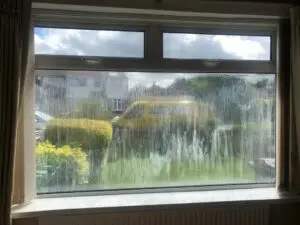
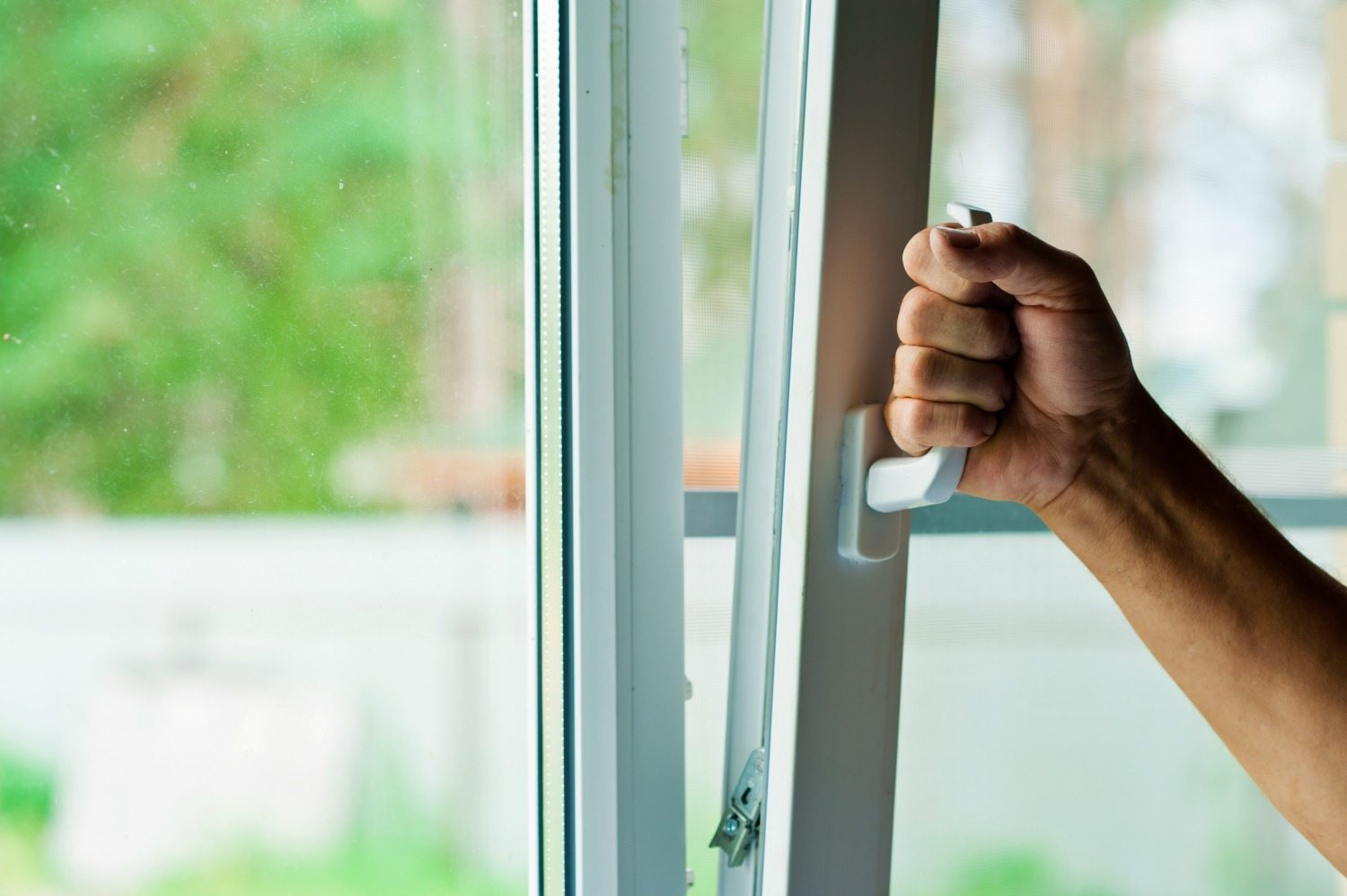
This problem is more common than you might think — and it can lead to more serious issues. Not only do cloudy windows obscure your view, but they can even cause your home to lose heat and pose a security risk.

Thankfully, double glazing is like bread and butter to our crack team of engineers. They’re always looking for new ways to understand how double glazing becomes ineffective and identify innovative solutions to solve the problem.

To help you understand why double glazing can fail, we asked our operations manager, Kirk, for his expert opinion. Below, he explains what causes double glazing to become cloudy or misted and what you can do to make sure your windows are always in the best condition.

How to tell if double glazing has failed

If you have cloudy or blown double glazing, there are a few telltale signs that you can look out for.

The most obvious way of knowing that your double glazing has failed is that your windows become cloudy or foggy between the panes of glass. Take a look at a comparison:

You can spot earlier signs, too. Water leaking through the window frame of draughts is also an indicator that there is an issue with your double glazing.

What causes cloudy double glazing?

1. Poorly fitted windows

If your windows were improperly installed, they’ll deteriorate quickly. In extreme cases, they could become cloudy in less than a year. But why does this happen?

When double glazing is fitted incorrectly, your window panes and frames won’t be suitably aligned. This means your seals won’t last and gaps will form, allowing air and moisture into your panes.

It’s important to do your research and make sure you choose a highly recommended window fitting company with a proven track record for quality.

2. Using the wrong products

You’d be surprised at how often double glazing can be damaged by human error alone. Many people use harsh chemical products to clean their windows, which is not only unnecessary but can reduce the effectiveness of your windows.

A simple mixture of warm water and white vinegar is the perfect combination to care for your windows and leave them sparkling for longer. Take a look at our full guide to window maintenance to ensure you’re doing everything you can to preserve the life of your double glazing.

3. Damaged seals

Whether it’s due to poor installation or simply wear and tear, broken or faulty seals are one of the most common causes of cloudy and blown double glazing.

Windows are affected by weather conditions and will therefore expand and contract when temperatures rise and fall. Although not visible to homeowners, this movement takes its toll on window seals, made worse by poor materials or shoddy craftsmanship.

Damaged seals allow moisture to find its way between the window panes, which is notoriously difficult to remove. Once inside, the moisture causes condensation and means windows will become misted.

4. Window age

Time is another factor that plays a part in the health of your double glazing. The date that your double glazing was first installed impacts how well they will perform. Not only because the seals will become less effective over time, but also due to modern fitting methods being more reliable than those in previous years.

How to clear misted double glazed windows

Fixing cloudy double glazing is usually a case of replacing your windows altogether. This can be an expensive endeavour, especially if only one misted window needs replacing, as most window fitters will require that you buy an entirely new unit.

This is where we come in.

At Cloudy2Clear, we’ve perfected the technique of repairing faulty double glazing by removing just the pane, not the frame. This method, which we’ve honed over years of service and thousands of happy customers, is not only cheaper but a reliable way to replace faulty double glazing. You can see exactly how much money you could save here.

Our double glazing replacement service is carried out by trained professionals and comes with a 25-year guarantee, so you know you’re in safe hands. Contact your local branch of Cloudy2Clear today for your free, no-obligation quote.


A Brief History of Double Glazing

Double glazing has been around for decades and is the norm for the majority of UK homes. With 93% of homeowners having double-glazed windows installed, it’s become a part of everyday life for most of us. 

But where did it all begin and how did double glazing become so popular?

insulating glass

Who invented double glazing?

The exact origin of double glazing is a debated subject. Some believe that it was created by American inventor C.D Haven in the 1930s, whereas others claim it goes back as far as Victorian Scotland.

As people used to rely on fires to keep warm, heat retention was notoriously difficult, especially in large houses. C.D Haven sought to fix this problem and invented an early version of double glazing called ‘thermopane’. Haven’s invention was a revolution that transformed homes across America, becoming widely adopted during the 40s and 50s. 

When did double glazing start to become popular in the UK?

After its popularisation in the USA, the UK followed suit and began to widely produce double glazing in the 1970s and 80s. There were of course window companies in the UK before this point, but they only produced single-glazed windows previously. 

Window specialists began with a ‘second window’ system in the mid-60s, which involved removing rotting timbers and replacing the original window with a second layer of glass.

Although this was a popular product for the time, aluminium double glazing was the next big breakthrough in the late 70s. 

From the 1980s onwards, double glazing became standard for new UK homes. Although only about 8% of UK homes featured double glazing in the 70s, the concept quickly took off and now 93% of homes in the UK are fitted with double-glazed windows.

How are double-glazed windows made?

The manufacturing process for double glazing is actually very straightforward. In fact, it’s part of the reason why double-glazed windows became such a hit. 

Essentially, double glazing is two panes of glass separated by a spacer, creating a hermetically-sealed gap. This gap will then be filled with inert gas, such as argon, under vacuum conditions. 

This process is what stops moisture entering between your window panes and prevents your windows from becoming cloudy with condensation.

Why are they so effective?

As well as preventing water from getting in, the layer of gas within the seal makes it more difficult for heat to escape. Windows are the biggest cause of heat loss in homes, which makes double glazing very desirable to environmentally conscious homeowners.

In fact, if you live in an entirely single-glazed home, you could save the following on your energy bills each year by upgrading to double glazing:

Energy Rating Detached Semi   Mid terrace Bungalow Mid-floor flat
A-rated £120-155 £80-110 £65-85 £55-75 £40-55
B-rated £110-140 £75-100 £60-80 £50-70 £35-55
C-rated £105-135 £75-95 £60-75 £50-65 £35-50


In truth, the popularity of double glazing is that they offer a number of advantages that single-glazed windows can’t compete with, including:

Noise reduction

Increased security

Temperature control

Adds value to your home


What does the future of double glazing look like? 

There was once talk within the industry of triple glazing becoming the norm across the UK. However, it’s unlikely to take off anytime soon.

Triple-glazed windows work in the same way as double glazing, with an extra pane of glass to create two hermetically-sealed layers of gas. Although this does offer more insulation, it’s not a significant amount when compared to traditional double glazing. This means that the minimal insulation gain isn’t enough to offset the much higher production costs.

Triple glazing is more popular in colder regions such as Norway and Sweden, where the insulation benefits have more of an impact on homes. In the UK, however, it’s unlikely that we’ll see an overhaul of traditional double glazing.

If you would like to learn more about double glazing or if you’re concerned that your windows have begun to fail, get in touch with your local branch of Cloudy2Clear today for a free, no-obligation quote.