Most property owners think about insulation, boilers, or solar panels when they want to cut energy bills and improve comfort. Yet the windows themselves, and specifically the decisions made about their arrangement, size, glazing, and framing, often deliver the most immediate and visible impact. This is the world of window fenestration, and it remains one of the most underestimated factors in both energy performance and property aesthetics. Whether you own a Victorian terrace in Edinburgh or manage a commercial office block in Oxford, understanding fenestration gives you a genuine advantage when planning any window upgrade.
What is window fenestration?
Fenestration is simply the term used to describe the arrangement, design, and specification of windows, doors, and other openings in a building. It covers everything from how many windows a wall has, to where they sit, how large they are, what type of glazing fills them, and what materials frame them. It is a word that architects and building professionals use daily, but one that most homeowners and business managers rarely encounter until they start planning a renovation.
Understanding fenestration matters because every choice you make about your windows affects several things at once:
- Natural light: The size and position of windows determines how much daylight reaches your interior, which affects mood, productivity, and the need for artificial lighting.
- Ventilation: Opening types, such as casement, tilt-and-turn, or sash, control airflow and help manage indoor air quality.
- Energy use: Glazing specification and frame materials directly influence how much heat escapes in winter and how much solar warmth enters in summer.
- Building character: The style, proportion, and finish of your windows define the external appearance of your property as much as any other feature.
- Regulatory compliance: UK building regulations set specific performance thresholds for windows, meaning your fenestration choices must meet legal standards.
The importance of window frames is often overlooked in favour of focusing purely on the glass, but frames contribute significantly to both thermal performance and visual appeal. A poorly specified frame can undermine even the best glazing unit.
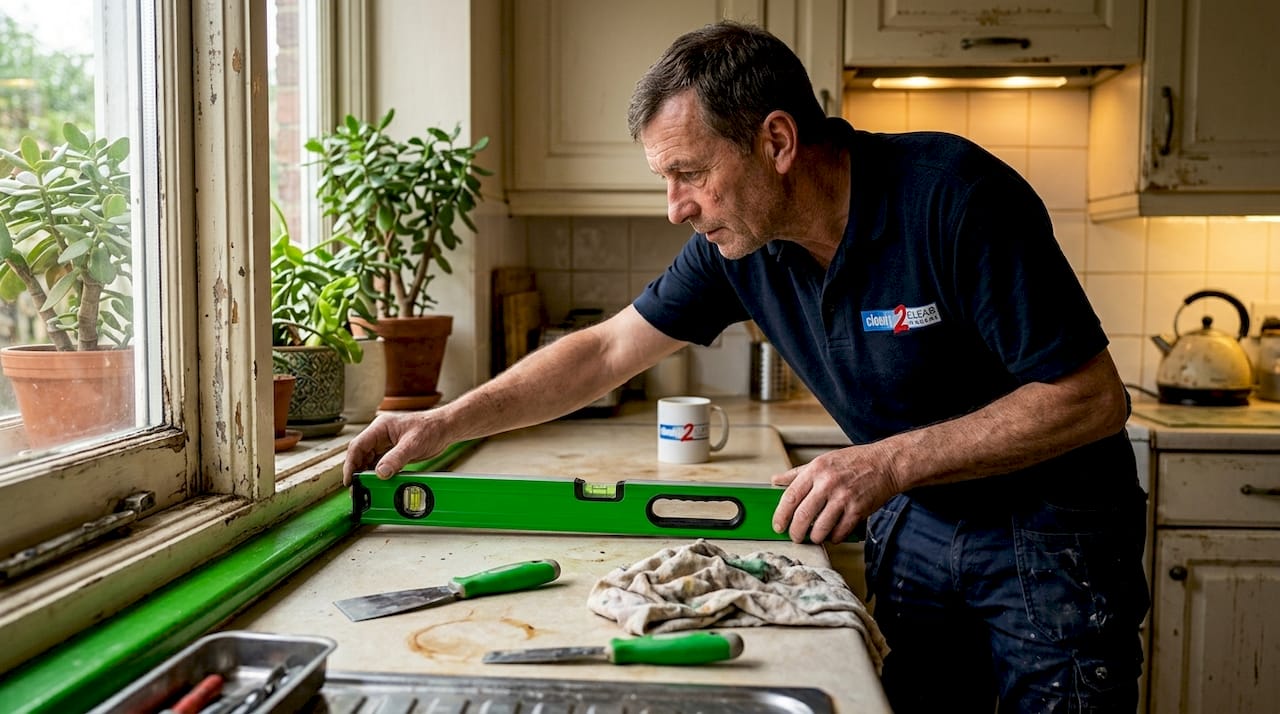
Pro Tip: When planning any window upgrade, sketch out the orientation of each wall before choosing your glazing. South-facing windows benefit from solar gain in winter, while north-facing ones need stronger thermal performance to compensate for the lack of direct sunlight.
As the British Woodworking Federation notes, window energy performance is assessed using specific ratings and measurements that apply to the whole fenestration unit, not just the glass alone.
The energy performance of windows: U-value and WER explained
Once you understand what fenestration means, the next step is knowing how its performance is measured. Two key metrics govern this in the UK: the U-value and the Window Energy Rating (WER).
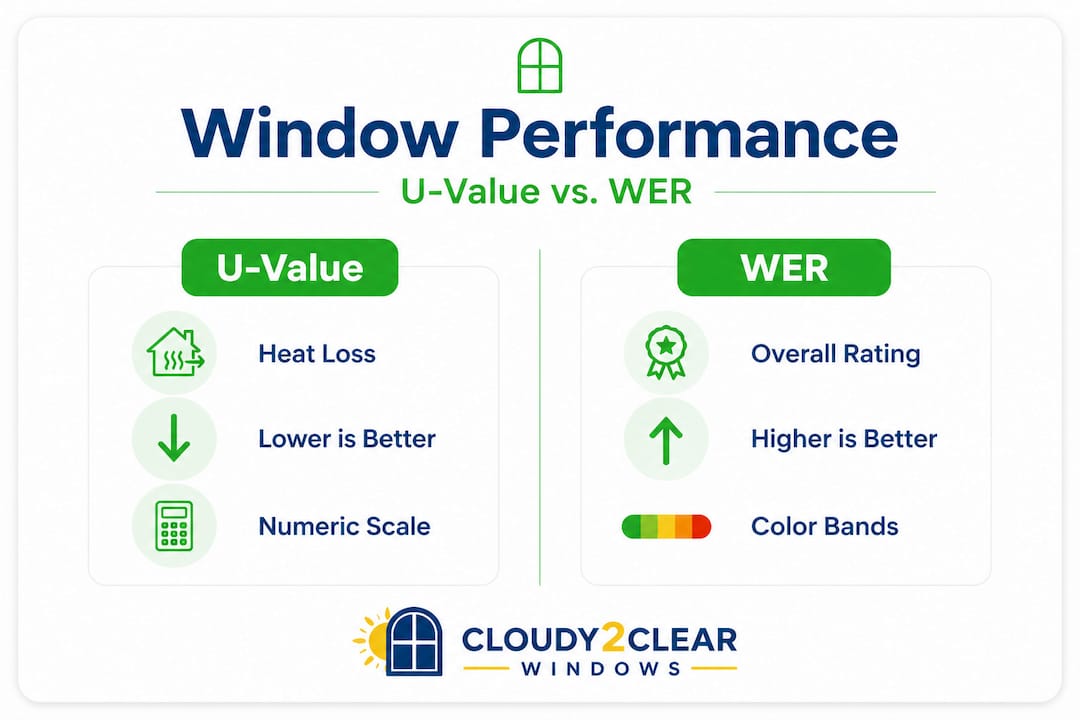
U-value measures the rate at which heat passes through a material. For windows, a lower U-value means less heat escapes, so your property stays warmer for less energy. Think of it like a score for how well your window holds heat inside. A single-glazed window might have a U-value of around 5.0 W/m²K, while a quality double-glazed unit can achieve 1.2 W/m²K or better.
WER takes a broader view. Rather than measuring heat loss alone, it combines three factors: the U-value, solar gain (how much useful warmth from sunlight enters through the glass), and air leakage (how much draughty air passes around the frame). The result is a single letter grade, similar to an energy label on a fridge or washing machine.
“The BFRC WER scale ranges from A++ (best) to G (worst), combining U-value, solar gain, and air leakage into one accessible rating.” Product Energy Performance
Here is how the regulatory requirements compare across the UK:
| Location | Minimum U-value | Minimum WER band |
|---|---|---|
| England and Wales | 1.6 W/m²K | Band C |
| Scotland | 1.4 W/m²K | Band B |
These are not suggestions. They are legal requirements for replacement windows under UK Building Regulations. Scotland applies stricter standards than England and Wales, reflecting its colder climate and the greater need for thermal retention.
For a thorough breakdown of what these figures mean in practice, our energy efficient window guide walks you through real-world performance differences. You can also review our window regulations overview for a clear summary of what applies to your property.
Pro Tip: Always ask your window supplier for the WER label before agreeing to any installation. A reputable installer will provide this documentation without hesitation, and it protects you legally as well as financially.
Choosing the right window fenestration for efficiency and style
Now that you understand how performance is measured, you can make informed choices about the specific glazing and framing options available to you. Not all windows are equal, and the right combination depends on your property type, location, and goals.
Here is a comparison of the most common glazing options:
| Glazing type | Typical U-value | Best suited for | Key benefit |
|---|---|---|---|
| Standard double glazing | 1.4 to 1.8 W/m²K | Most homes and offices | Cost-effective compliance |
| Low-e double glazing | 1.0 to 1.4 W/m²K | Energy-conscious upgrades | Reflects heat back inside |
| Triple glazing | 0.6 to 1.0 W/m²K | Scotland, exposed locations | Superior thermal retention |
| Secondary glazing | Variable | Listed buildings, heritage | Minimal visual alteration |
Frame materials also play a significant role. uPVC frames are low maintenance and thermally efficient. Timber frames offer a traditional aesthetic and good insulation properties when properly maintained. Aluminium frames are slim and durable, making them popular in commercial settings, though they require a thermal break to prevent heat loss through the metal itself.
When selecting your fenestration, consider these points:
- Property orientation: South-facing glazing can usefully capture solar gain; north-facing windows should prioritise low U-values.
- Building age and style: A Georgian townhouse needs windows that respect its proportions, while a modern office block can accommodate larger, more contemporary panes.
- Occupancy patterns: A home occupied during the day benefits differently from solar gain than a business premises that is empty at weekends.
- Local planning rules: Conservation areas and listed buildings restrict the types of windows you can install, regardless of energy performance.
Windows meeting WER Band C or better comply with UK regulations for England and Wales, while Scotland requires Band B or above. Choosing a product that exceeds the minimum is always wise, as it future-proofs your investment against tightening standards.
For those considering greener choices, our guide to sustainable window options covers materials and manufacturing considerations in detail. If you are weighing up whether triple glazing is worth the additional cost for your situation, our article on triple glazing explained provides a balanced assessment.
Pro Tip: Do not automatically choose the highest-rated glazing available. Triple glazing adds weight to frames and may require structural adjustments. For most properties in England, a quality low-e double glazed unit achieves excellent results at a more practical cost and weight.
Window fenestration and UK regulations: What you must know
Understanding the regulatory landscape is essential before you commit to any window project. Getting it wrong can mean having to redo work at your own expense, or complications when you sell your property.
“FENSA certification is required for replacement windows in England and Wales; regulations differ in Scotland, where Building Control notification applies.” Product Energy Performance
FENSA (the Fenestration Self-Assessment Scheme) allows registered installers to self-certify that their work complies with Building Regulations in England and Wales. When you use a FENSA-registered company, they handle the compliance paperwork on your behalf and issue you a certificate. This certificate is important when you sell your property, as solicitors routinely request it.
In Scotland, the process works differently. Installers must notify the local Building Control authority, and the standards are stricter, as outlined in the table above. Always confirm which scheme applies to your location before work begins.
Here is a clear summary of the steps for a compliant window replacement:
- Confirm your location’s regulations: England, Wales, and Scotland each have specific requirements. Check which apply to your property.
- Choose a registered installer: In England and Wales, look for FENSA or CERTASS registration. In Scotland, confirm the installer will notify Building Control.
- Specify compliant products: Ensure the windows you order meet or exceed the minimum U-value and WER band for your region.
- Obtain documentation: Receive your compliance certificate on completion and keep it with your property records.
- Check planning restrictions: If your property is in a conservation area or is listed, obtain any necessary planning consent before installation begins.
Our detailed guide to window building regulations covers each of these steps with additional detail for both residential and commercial properties.
Applying fenestration knowledge: Real-world scenarios
Theory is useful, but seeing how fenestration decisions play out in practice makes the choices much clearer.
Upgrading a Victorian terrace in Manchester: The owner wants to improve energy efficiency without losing the sash window character that defines the street. The solution is slim-profile double glazed sash windows with a low-e coating, achieving a U-value of around 1.4 W/m²K. The frames are painted timber, matching the original look. The result complies with regulations and cuts heating costs noticeably.
Refurbishing a modern office block in Glasgow: The building manager needs to meet Scotland’s stricter 1.4 W/m²K requirement across a large glazed facade. Aluminium-framed double glazing with a thermal break and low-e glass is specified. The slim frames maintain the contemporary appearance while achieving Band B WER performance. BREEAM (Building Research Establishment Environmental Assessment Method) credits are also gained for the energy improvement.
Balancing heritage look with efficiency in a conservation area: A business in a listed building cannot change the external appearance of its windows. Secondary glazing is fitted internally, adding a second pane without altering the original frames. While U-values do not reach the same level as full replacement, the improvement is significant and fully compliant with heritage restrictions.
Common mistakes to avoid during planning or retrofitting:
- Ignoring orientation: Fitting the same glazing specification on all elevations wastes money and misses efficiency opportunities.
- Overlooking air leakage: A window with an excellent U-value but poor frame seals will still allow draughts and heat loss.
- Skipping the compliance certificate: Without documentation, you may face problems when selling or remortgaging.
- Choosing style over performance: A beautiful window that fails to meet regulations will need replacing again sooner than expected.
As the BWF confirms, matching fenestration decisions to current regulations guarantees compliance and maximises the long-term benefits of your investment. For inspiration on contemporary options, our guide to modern window styles shows how efficiency and aesthetics can work together effectively.
Pro Tip: Always request a U-value calculation for the whole window unit, not just the glazing panel. The frame and edge spacer contribute to the overall figure, and some suppliers quote centre-pane values that look better than the real-world performance.
Why most window upgrades miss the mark: Our perspective
After nearly two decades of installing, replacing, and repairing windows across England and Scotland, we have noticed a consistent pattern. Most property owners focus almost entirely on the glazing specification and overlook everything else. They choose a window with an impressive WER label, then wonder why their energy bills do not fall as expected.
The truth is that the specification on paper and the performance in practice can be very different things. A window rated at Band A will underperform if it is installed without proper attention to the reveals, the sealing around the frame, and the thermal bridging at the edges. Installation quality matters as much as product quality, and this is something the industry does not discuss loudly enough.
There is also a widespread assumption that any upgrade is automatically an improvement. We have seen properties where replacing old but well-fitted timber windows with cheaper uPVC units actually increased draughts, because the new frames were not installed with the same care as the originals. The glass was better; the overall result was worse.
Context matters enormously. A window that performs brilliantly in a modern detached house in the Midlands may be entirely wrong for a stone-built cottage in the Scottish Highlands, where wind exposure, moisture, and temperature extremes demand a completely different approach. Orientation, local climate, building fabric, and occupancy patterns all shape what the right fenestration decision looks like for your specific property.
Our view is that the conversation should start with your building, not with a product catalogue. Understanding window installation value means looking at the whole picture: the right product, correctly specified, properly installed, and matched to the building it serves. That is what delivers lasting efficiency and genuine value.
Discover expert window solutions with Cloudy2Clear
Understanding fenestration is the first step. Putting that knowledge into practice with the right team behind you is what makes the real difference to your property.

At Cloudy2Clear Windows, we have been helping homeowners and businesses across England and Scotland make better window decisions since 2005. Whether you need a straightforward repair, a full replacement programme, or specialist advice on meeting Scotland’s stricter regulations, our experienced team is ready to help. We cover a wide range of locations, including window repairs in Oxford, and we offer dedicated support for commercial fenestration projects of any scale. Get in touch today for a free, no-obligation consultation and find out how the right fenestration choices can transform your property’s performance and appearance.
Frequently asked questions
What is the difference between U-value and WER in window ratings?
U-value measures how much heat a window loses, while WER offers an overall performance grade that also considers solar gain and air leakage, making it a more complete picture of real-world efficiency. The BFRC WER scale combines all three factors into a single A++ to G rating.
Do I need FENSA certification for window replacement in Scotland?
FENSA certification applies to England and Wales only. In Scotland, a different regulatory scheme applies, requiring direct notification to Building Control and compliance with stricter performance standards.
How can I tell if my windows meet current UK regulations?
Check for a U-value of 1.6 W/m²K or less and WER Band C or above for England and Wales. In Scotland, current regulations require a U-value of 1.4 W/m²K or less and WER Band B or above.
Are modern window styles compatible with older homes?
Yes, you can select styles and glazing that maintain a heritage appearance while delivering modern energy efficiency, provided the installation is carried out correctly and any planning restrictions are respected.
Will upgrading my window fenestration increase property value?
Quality window upgrades improve energy efficiency, comfort, and kerb appeal, all of which typically contribute positively to both residential and commercial property values over time.