Not all glass is created equal, and if you are still assuming it is, you could be missing out on a meaningful upgrade to your property. Toughened glass has quietly become one of the most practical and popular choices for UK homeowners and business owners who want both safety and style. Whether you are renovating a bathroom, upgrading a shopfront, or replacing a damaged window, understanding what toughened glass offers can genuinely change how you approach the project. This guide covers what toughened glass is, how it compares to alternatives, where it works best, and why more UK properties are making the switch.
What is toughened glass?
Toughened glass, sometimes called tempered glass, is ordinary glass that has been put through a controlled thermal process to dramatically increase its strength and safety performance. The manufacturing process involves heating the glass to around 620 degrees Celsius, then cooling it rapidly using jets of cold air. This rapid cooling creates a state of compression on the outer surfaces and tension in the core, which is what gives toughened glass its remarkable resilience.
The result is a product that is up to five times stronger than standard glass of the same thickness. That is not a marginal improvement. It means toughened glass can withstand significantly greater impact before it gives way.
Here is a quick overview of its key physical properties:
| Property | Toughened glass | Standard glass |
|---|---|---|
| Relative strength | Up to 5x stronger | Baseline |
| Break pattern | Small, blunt fragments | Sharp, jagged shards |
| Thermal resistance | High | Low |
| Scratch resistance | Good | Moderate |
| Repairability | Must be replaced | Sometimes repairable |
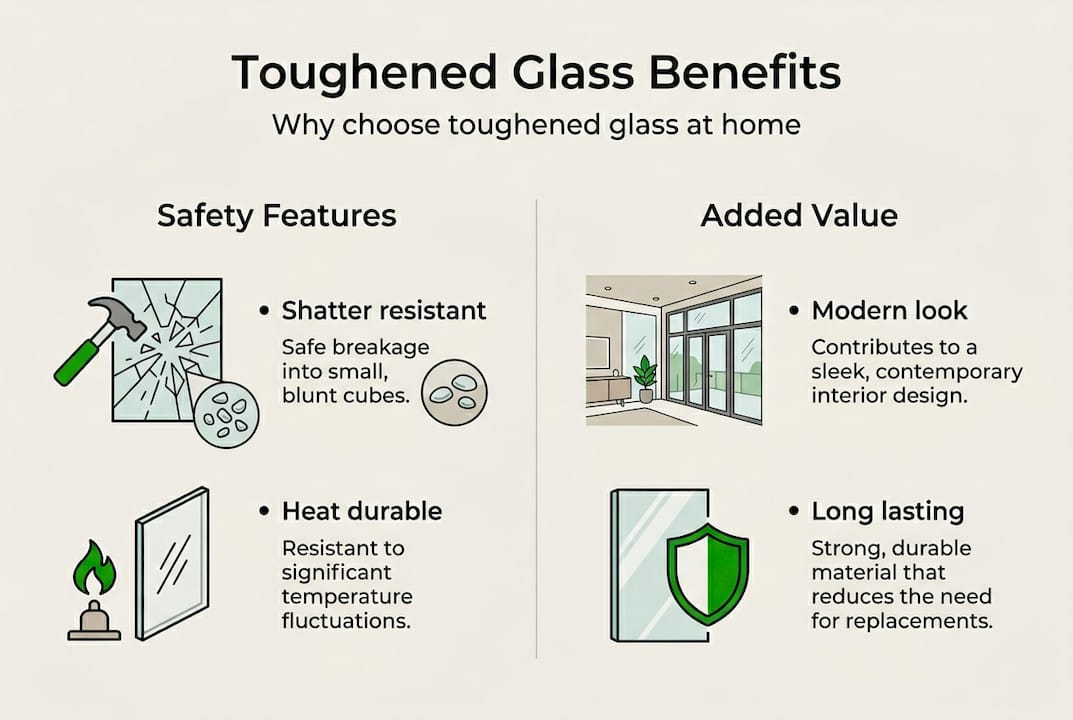
When toughened glass does break, it does not shatter into long, sharp shards the way ordinary glass does. Instead, it breaks into small, relatively blunt pieces that are far less likely to cause serious injury. This is the defining safety feature that sets it apart from standard glazing.
Key characteristics of toughened glass include:
- Strength: Significantly higher resistance to physical impact
- Safety: Breaks into small, blunt fragments rather than dangerous shards
- Thermal performance: Handles temperature fluctuations far better than ordinary glass
- Versatility: Available in a range of thicknesses and finishes
- Compliance: Meets UK building regulations for safety-critical glazing areas
Pro Tip: Toughened glass must be cut and shaped before the toughening process, not after. Once it has been tempered, it cannot be altered. Always confirm your measurements and specifications with a professional before ordering.
For a broader look at how toughened glass fits within the wider category of protective glazing products, our safety glass guide covers the full picture in plain language.
Comparing toughened glass with other types
Once you understand what toughened glass is, the natural next question is: how does it compare to the alternatives? The two main contenders are laminated glass and standard annealed glass. Each has its place, but they are not interchangeable.
| Feature | Toughened glass | Laminated glass | Standard glass |
|---|---|---|---|
| Strength | Very high | High | Low |
| Break behaviour | Shatters into small pieces | Holds together in pane | Sharp, dangerous shards |
| Noise reduction | Moderate | Good | Poor |
| Security | Good | Excellent | Poor |
| Cost | Moderate | Higher | Lowest |
| Typical use | Doors, showers, partitions | Skylights, security glazing | Interior non-safety areas |
Here is how to decide which type suits your project:
- Choose toughened glass when impact resistance and occupant safety are the priority, particularly in doors, low-level windows, and high-traffic areas.
- Choose laminated glass when you need the pane to stay intact after breakage, such as in overhead glazing, skylights, or high-security installations.
- Choose standard glass only in low-risk interior applications where safety glazing is not required by regulation.
UK building regulations, specifically Approved Document N, require safety glazing in critical locations such as doors, side panels, and low-level glazing. Toughened glass is one of the approved solutions for meeting these requirements.
Toughened glass is preferred for impact resistance and safety in the majority of domestic and commercial scenarios. It offers a strong balance of performance, aesthetics, and cost, making it the go-to choice for most standard upgrades.
If you are considering a broader property refresh, our double glazing replacement service can help you assess which glass type fits each area of your property.
From a practical standpoint, toughened glass also tends to look cleaner and more contemporary than laminated alternatives, which can have a slightly visible interlayer. For homeowners focused on aesthetics as much as safety, that distinction matters.
Benefits of toughened glass for UK properties
Now that you have a clear picture of how toughened glass compares, it is worth looking at the specific advantages it brings to UK homes and businesses.
Safety for occupants and visitors
Toughened glass enhances safety in doors and high-traffic areas, which is why it is often a regulatory requirement rather than just a recommendation. For families with young children, or businesses with heavy footfall, this is not a minor consideration. It is a genuine risk reduction.
Aesthetic appeal
Toughened glass has a clean, modern appearance that suits both traditional and contemporary property styles. It is available in clear, tinted, frosted, and patterned finishes, giving you real design flexibility without compromising on performance.
Benefits at a glance:
- Reduces injury risk significantly if breakage occurs
- Meets UK building regulation requirements for safety-critical glazing
- Resistant to thermal stress, reducing the risk of spontaneous cracking
- Available in a wide range of finishes to complement any interior or exterior
- Longer lifespan compared to standard glass when properly maintained
- Adds perceived value to a property
Durability and resistance
Toughened glass handles everyday wear far better than ordinary glass. It resists scratches, handles temperature changes without cracking, and holds up well against the kind of accidental knocks that are common in busy households or commercial environments.
Regulatory compliance
For business owners especially, using the correct glass type is not optional. Installing toughened glass in required locations protects you from liability and keeps your premises compliant with health and safety legislation.
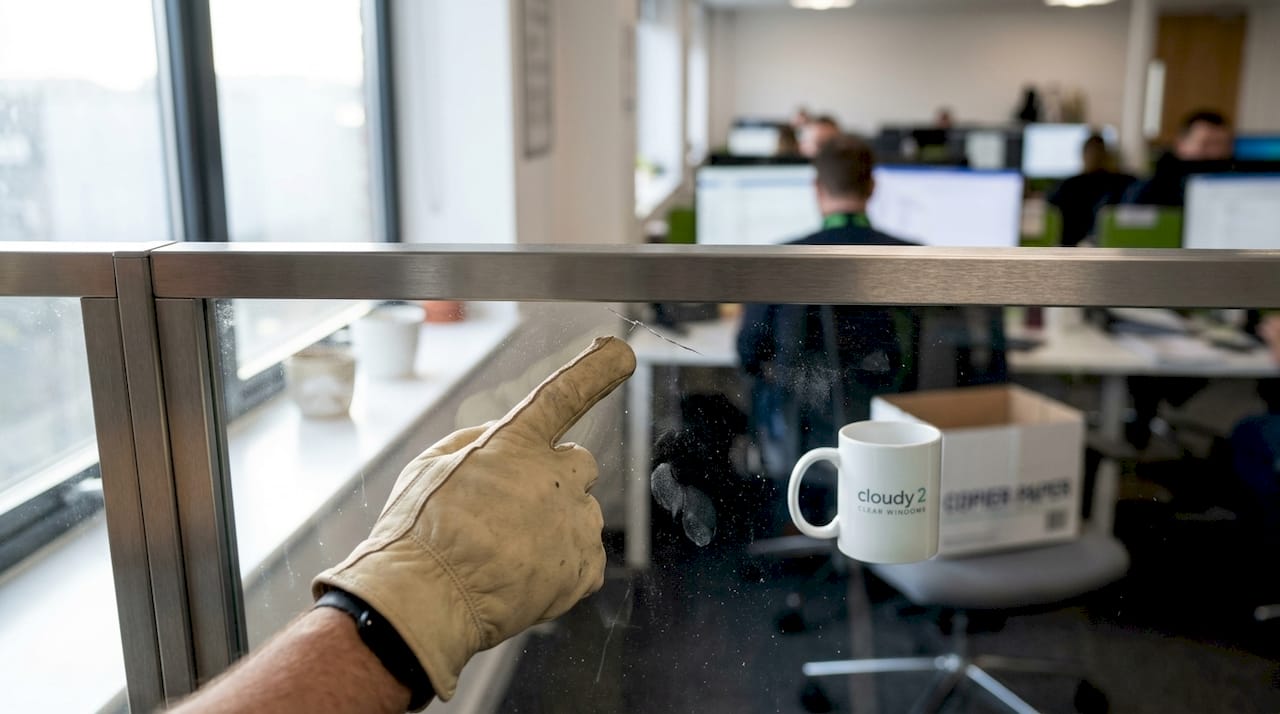
Pro Tip: Even toughened glass benefits from periodic inspection. Check for chips or cracks around the edges, as edge damage can compromise the integrity of the pane over time. If you spot anything concerning, contact a glazing specialist promptly rather than waiting. Our broken window repair team can assess whether a replacement is needed.
Practical applications: Where toughened glass excels
Knowing the theory is one thing. Seeing where toughened glass actually performs best in real properties is where it becomes genuinely useful.
Common domestic and commercial uses:
- Shower screens and bathroom enclosures
- Patio doors and bi-fold doors
- Low-level window glazing
- Internal glass partitions
- Shopfronts and retail displays
- Office partitions and meeting room walls
- Balustrades and stair balconies
- Roof lights and conservatory panels
As noted in our safety glass guide, toughened glass is commonly used in shower screens, doors, shopfronts, and office partitions, covering the full range of both residential and commercial settings.
How a typical property upgrade project works:
- Assessment: A glazing specialist visits to evaluate existing glass, identify safety-critical areas, and recommend appropriate solutions.
- Specification: The correct glass type, thickness, and finish are confirmed based on location and use.
- Ordering: Toughened glass is manufactured to your exact measurements, as it cannot be cut after tempering.
- Installation: Panes are fitted by a qualified installer, ensuring correct sealing, framing, and compliance.
- Sign-off: The installation is checked against relevant building regulations before completion.
Recognising when replacement is needed:
Look out for visible chips or cracks, condensation between double glazed panes, draughts around frames, or any glass that has already shattered. These are clear signals that action is needed sooner rather than later.
Pro Tip: Always consult a qualified glazing professional before installing toughened glass in high-risk areas such as overhead glazing or structural partitions. Getting it right the first time is far less costly than correcting a poor installation.
For commercial properties, our commercial window repair service handles everything from single pane replacements to full shopfront upgrades. For door-specific work, our double glazed door repairs team can advise on the best toughened glass options for your situation.
A fresh perspective: Why toughened glass is the smart investment
Here is something we have noticed over our two decades in the glazing industry: toughened glass is still widely seen as a commercial product. Many homeowners assume it is only relevant for shopfronts or office buildings. That assumption is costing them.
The reality is that increasing numbers of UK homeowners are choosing toughened glass for its practicality and contemporary look, and the ones who make that choice rarely regret it. The upfront cost is slightly higher than standard glass, but the long-term returns are clear: fewer replacements, lower injury risk, better aesthetics, and stronger compliance with regulations.
We would also argue that the emotional value is underestimated. Knowing that your shower screen, patio door, or ground-floor window is genuinely safer changes how you feel in your own home. That peace of mind is worth something real.
Treat toughened glass as a property investment rather than a box-ticking exercise. The glass safety insights are clear: it performs better, lasts longer, and looks sharper. For both homeowners and business owners, that is a combination worth prioritising.
Ready to upgrade? Connect with UK glass experts
If this guide has helped you see toughened glass in a new light, the next step is straightforward. Whether you need a single pane replaced or a full property assessment, getting the right advice early saves time, money, and stress.
At Cloudy2Clear Windows, we have been helping UK homeowners and businesses make smart glazing decisions since 2005. Our team can advise on everything from broken window repairs to complete glass replacement services. For businesses, our commercial fenestration expertise covers shopfronts, partitions, and everything in between. Get in touch today and let us help you make the right choice for your property.
Frequently asked questions
What makes toughened glass safer than regular glass?
Toughened glass is engineered to be significantly stronger than standard glass and, when it does break, it shatters into small blunt fragments rather than sharp shards, greatly reducing the risk of serious injury.
Where should toughened glass be used in UK properties?
It is best suited for doors, low-level windows, shower screens, shopfronts, and any area where UK regulations require safety glazing, particularly under Approved Document N of the building regulations.
How long does toughened glass last?
With proper care and regular inspection, toughened glass is renowned for its longevity and can last for several decades, outlasting standard glass in most practical applications.
Can toughened glass be repaired if it breaks?
Broken toughened glass cannot be repaired and must be fully replaced, as the tempering process means the entire pane fractures into multiple pieces when compromised.