Noise is one of those things you stop noticing until it becomes impossible to ignore. Traffic outside your bedroom window at midnight, a neighbour’s music bleeding through the walls, or the constant hum of city life disrupting a business meeting. For many property owners across England and Scotland, noise pollution has become a daily frustration rather than an occasional inconvenience. The good news is that this is not something you simply have to live with. Acoustic glazing offers a proven, practical way to reclaim the quiet you deserve, and this guide will walk you through everything you need to know.
Understanding acoustic glazing and how it works
Acoustic glazing is a specialist type of glazing designed specifically to reduce the amount of sound that passes through your windows. Unlike standard double glazing, which primarily targets heat retention, acoustic glazing is engineered with sound reduction as its central purpose.
At its core, soundproofing double glazing uses a combination of laminated glass, varied pane thicknesses, and carefully calculated air or gas gaps between the panes. Each of these elements plays a specific role. Laminated glass contains a thin plastic interlayer, usually made from polyvinyl butyral (PVB), which absorbs sound vibrations rather than allowing them to pass straight through. Using panes of different thicknesses prevents sound waves from resonating at the same frequency across both panes, which would otherwise amplify rather than dampen noise.
The gap between the panes also matters more than many people realise. A wider gap, often filled with argon gas, disrupts sound transmission more effectively than a narrow one. Standard double glazing typically uses uniform pane thicknesses and a narrower gap, which makes it a reasonable thermal barrier but a modest acoustic performer.
Here is a quick comparison to put this into context:
| Feature | Standard double glazing | Acoustic glazing |
|---|---|---|
| Glass layers | Two equal panes | Two panes of different thicknesses |
| Interlayer | None | PVB laminate |
| Gap width | Typically 12 to 16 mm | Often 16 mm or wider |
| Primary purpose | Thermal insulation | Sound and thermal insulation |
| Noise reduction | Moderate | Significantly higher |
The key advantages of acoustic glazing structure include:
- Laminated glass that absorbs vibration before it travels indoors
- Asymmetric pane thicknesses that prevent resonance between the two panes
- Wider gas-filled gaps that interrupt sound wave transmission
- Specialist frame seals that eliminate gaps where noise can sneak through
When choosing acoustic glass options for your property, it is worth understanding that the combination of all these features working together is what delivers real results, not any single element on its own.
Measuring noise reduction: the science behind acoustic glazing
Understanding the mechanics is just part of the story. Let us look at how the benefits of acoustic glazing are actually measured, so you can make sense of the claims you will encounter when shopping around.
Sound reduction is measured in decibels (dB). The higher the dB reduction, the quieter your indoor environment will be. The key rating to look for is the Rw rating, which stands for weighted sound reduction index. This is the industry-standard measure of how much sound a window can block across a range of frequencies. A higher Rw number means better acoustic performance.
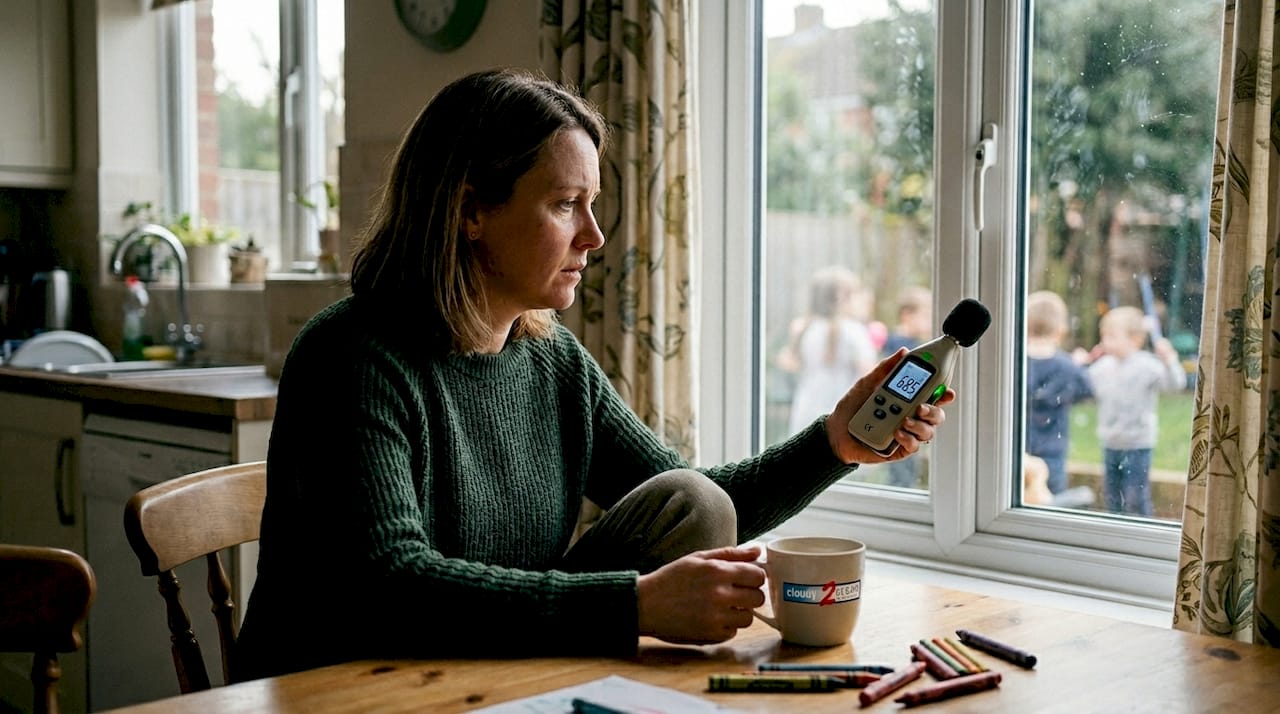
To give you a sense of what these numbers mean in real life, consider this:
| Noise source | Approximate dB level |
|---|---|
| Busy urban traffic | 70 to 85 dB |
| Normal conversation | 60 dB |
| Comfortable indoor level | 30 to 40 dB |
| Whisper | 30 dB |
Most experts recommend keeping indoor noise levels below 40 dB for comfortable living and working. Standard double glazing typically achieves a reduction of around 20 to 25 dB. High-performance acoustic glazing can reduce noise by up to 40 dB, which is the difference between hearing every car that passes and barely noticing the street outside.
It is worth noting that a 10 dB reduction is perceived by the human ear as roughly halving the loudness of a sound. So a 40 dB reduction does not just feel slightly quieter. It feels dramatically different.
When you are evaluating glazing products, always ask for the Rw rating rather than relying on vague marketing language. A product that claims to be “soundproof” without a specific rating is difficult to assess. Reputable suppliers will always be able to provide this figure.
The wellbeing case for reducing noise pollution is strong. Research consistently links chronic noise exposure to poor sleep, elevated stress levels, and reduced concentration. Addressing it through acoustic glazing is not a luxury. It is a practical investment in your health and quality of life.
Benefits of acoustic glazing for homes and businesses
With the science established, let us uncover the main benefits that make acoustic glazing a worthwhile investment for both residential and commercial properties.
For homeowners, the impact is felt most immediately in the rooms where you rest and recharge. Quieter bedrooms mean better sleep, which has a knock-on effect on mood, energy, and overall health. Living rooms become genuinely relaxing spaces rather than places where you have to raise your voice over background noise. Home offices, which have become a permanent fixture for many people, benefit enormously from reduced external distraction.
For businesses, the advantages are equally compelling:
- Staff concentration improves when background noise is reduced, leading to better productivity
- Client-facing spaces feel more professional and private
- Hospitality and retail environments become more pleasant for customers, encouraging longer visits
- Healthcare and therapy settings gain the confidentiality they require
Beyond comfort, adding acoustic glazing does not just cut noise. It also significantly improves comfort and can boost property value. Buyers and tenants increasingly prioritise quiet, well-insulated properties, particularly in urban areas where noise is a known issue.
Acoustic glazing also delivers energy-saving benefits alongside its acoustic performance. The same laminated layers and gas-filled gaps that block sound also reduce heat loss, which can lower your energy bills and improve your property’s energy rating.
Pro Tip: If you are upgrading your windows, consider combining acoustic and thermal performance in a single installation. This approach maximises your return on investment and avoids the disruption of two separate projects.
The full list of benefits for most property owners includes:
- Noticeably quieter indoor environments day and night
- Improved sleep quality and reduced stress
- Better focus in home offices and commercial workspaces
- Lower heating bills through improved thermal insulation
- Increased property value and kerb appeal
- Enhanced privacy in sensitive or client-facing spaces
Is acoustic glazing worth it? Cost, installation and what to consider
After seeing the benefits, you may be wondering about the practicalities and cost. Here is what to expect when considering acoustic glazing for your property.
Acoustic glazing does cost more than standard double glazing, typically by around 20 to 30 per cent depending on the specification. However, the price difference is often smaller than people expect, particularly when you factor in the dual benefits of noise reduction and improved thermal performance. The exact cost will depend on several variables:
- Window size and number — larger windows and higher quantities naturally increase the overall cost
- Frame type and condition — existing frames may be suitable for glass-only replacement, which reduces cost significantly
- Glass specification — higher Rw ratings and thicker laminates carry a premium
- Installation complexity — upper-floor windows or unusual shapes may require additional labour
- Location — regional pricing varies across England and Scotland
The installation process is straightforward when carried out by experienced professionals, and it can deliver excellent value when targeted to the most affected rooms. In many cases, the glass units can be replaced within existing frames, which keeps costs down and minimises disruption to your daily routine.
Common pitfalls to avoid include:
- Choosing a product based on price alone without checking the Rw rating
- Ignoring window regulation guidance that may apply to listed buildings or conservation areas
- Assuming all windows need upgrading when targeting specific rooms delivers better value
- Selecting a supplier without verifiable experience in acoustic installations
Pro Tip: Start with the rooms that cause you the most frustration, typically bedrooms and front-facing offices. You will notice the greatest improvement for the least outlay, and you can always extend the upgrade later.
For most homeowners and business operators, acoustic glazing is not a blanket solution for every window. It is a targeted upgrade that pays back in comfort, wellbeing, and long-term value.
Our take: what most advice misses about acoustic glazing
Most guides on acoustic glazing focus heavily on dB numbers and Rw ratings. These figures matter, but in our experience, they are not the whole story.
Every property is different. A terraced house on a busy road in Edinburgh has very different needs from a ground-floor office in central Manchester. Chasing the highest possible rating for every window in a building is rarely the most sensible approach. What actually makes a difference to people’s lives is targeted, well-planned installation that addresses the specific noise problems they face.
The real prize is not a number on a spec sheet. It is sleeping through the night without waking to traffic. It is finishing a working day without a headache from background noise. It is your customers feeling at ease in your business rather than distracted by the street outside.
We would always encourage you to think about lifestyle outcomes first and technical specifications second. Ask yourself which rooms genuinely need improvement, and seek advice tailored to your situation rather than a one-size-fits-all solution. Our combat noise pollution strategies page is a good starting point if you want to think through the options before committing to anything.
How we can help with your acoustic glazing needs
At Cloudy2Clear Windows, we have been helping homeowners and businesses across England and Scotland improve their properties since 2005. Acoustic glazing is one of the most impactful upgrades we install, and we bring the same care and expertise to every project.

Whether you need a double glazing replacement for a noisy bedroom, a full acoustic upgrade for a commercial space, or specialist commercial fenestration services for your business premises, we are here to help. Our team provides honest, tailored advice based on your specific setting and budget. If you are based locally, our Milton Keynes window repairs team is ready to assist. Get in touch today for a no-obligation conversation about what acoustic glazing could do for your property.
Frequently asked questions
How much noise can acoustic glazing actually block?
Up to 40 dB noise reduction is achievable with high-quality acoustic glazing products, which makes a substantial and noticeable difference to everyday comfort indoors.
Will acoustic glazing also insulate my home?
Yes, most acoustic glazing provides excellent thermal insulation alongside noise reduction, meaning dual sound and heat benefits come as standard with a well-specified product.
Is it necessary to install acoustic glazing in every window?
Not at all. Strategic window location selection maximises your noise reduction benefit, so targeting bedrooms and front-facing offices typically delivers the greatest improvement for your investment.
Can acoustic glazing be added to existing windows?
In many cases, acoustic glass can replace panes within your current frames, though this depends on your window design. Flexible upgrade options allow retrofitting in many scenarios, making it worth asking a specialist to assess your existing setup.