When most people think about upgrading their windows, they focus almost entirely on the glass. Triple glazing, gas fills, low-emissivity coatings — the glazing gets all the attention. But here is what often goes unnoticed: your window frames are doing just as much work. They hold everything together, seal out the cold, and shape how your property looks from the street. Choose the wrong frame material or let an old one deteriorate, and even the most advanced glass unit will underperform. This guide cuts through the confusion and gives you a clear, practical understanding of window frames — what they do, which materials suit your needs, and how to keep them in top condition.
The underrated impact of window frames
It is easy to treat window frames as a purely cosmetic detail. In reality, they are far more than a border around your glass. As frames form the structural backbone of any glazed unit, affecting insulation, durability, and appearance, the frame you choose has a direct bearing on how comfortable and efficient your property is.
Think about what a frame actually does. It holds the glass pane securely in place, provides the seal between the glazing unit and your wall, and acts as a barrier against wind, rain, and noise. A poorly fitted or degraded frame can undo every benefit that quality glass provides.
“A window is only as good as the frame that holds it. Gaps, warping, or poor seals in the frame allow heat to escape and cold air to enter, regardless of the glass specification.”
Here is what frames directly influence:
- Thermal performance: Frames conduct heat at different rates depending on the material. A frame with poor insulation creates what is known as a cold edge, where heat escapes around the perimeter of the glass.
- Draught resistance: Even small gaps between the frame and the wall or between the frame and the sash can let cold air in. Exploring draught-proofing windows is often the fastest way to improve comfort without a full replacement.
- Noise reduction: Dense, well-fitted frames contribute to acoustic insulation. Thin or damaged frames allow sound to travel through more easily.
- Moisture control: Frames that are cracked, rotting, or poorly sealed allow moisture ingress, which leads to condensation, mould, and structural damage over time.
- Property value: Kerb appeal matters. Frames that look tired or mismatched with the building’s style can reduce perceived value, while well-chosen frames enhance it.
Your window frame choices are not just a background decision — they are central to the performance and appearance of the whole window system.
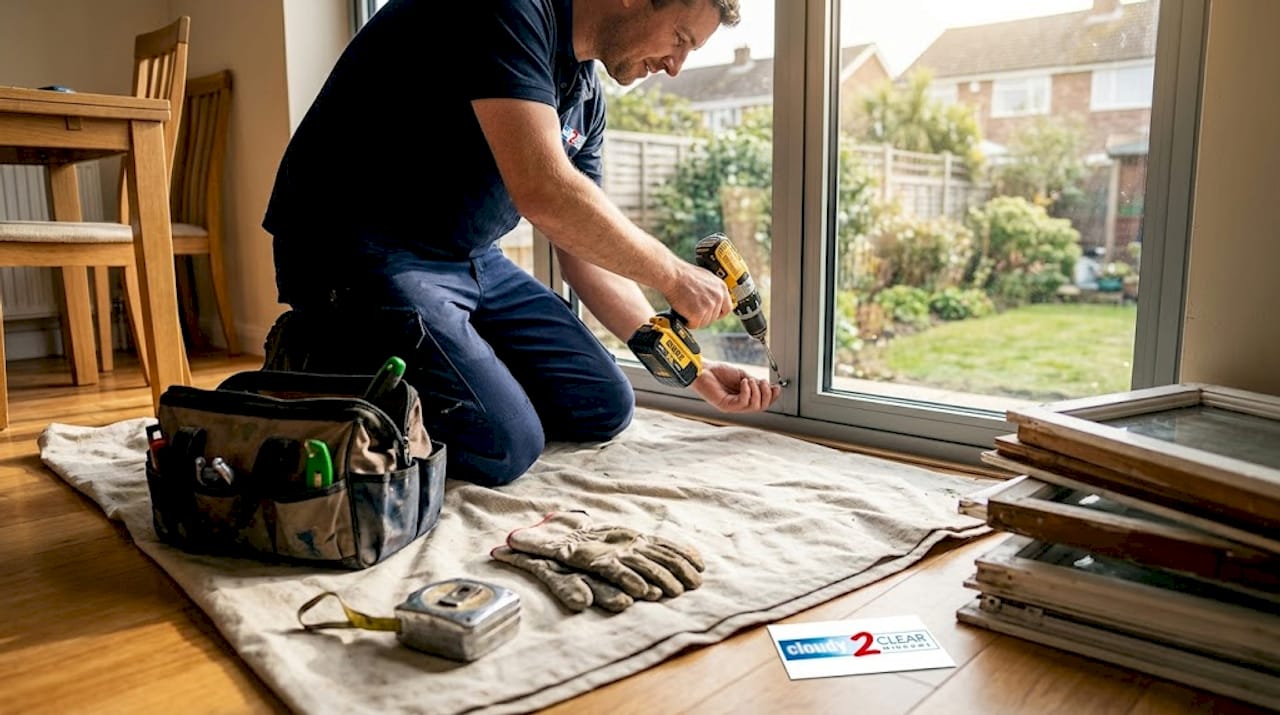
Frame materials explained: Wood, uPVC, aluminium and more
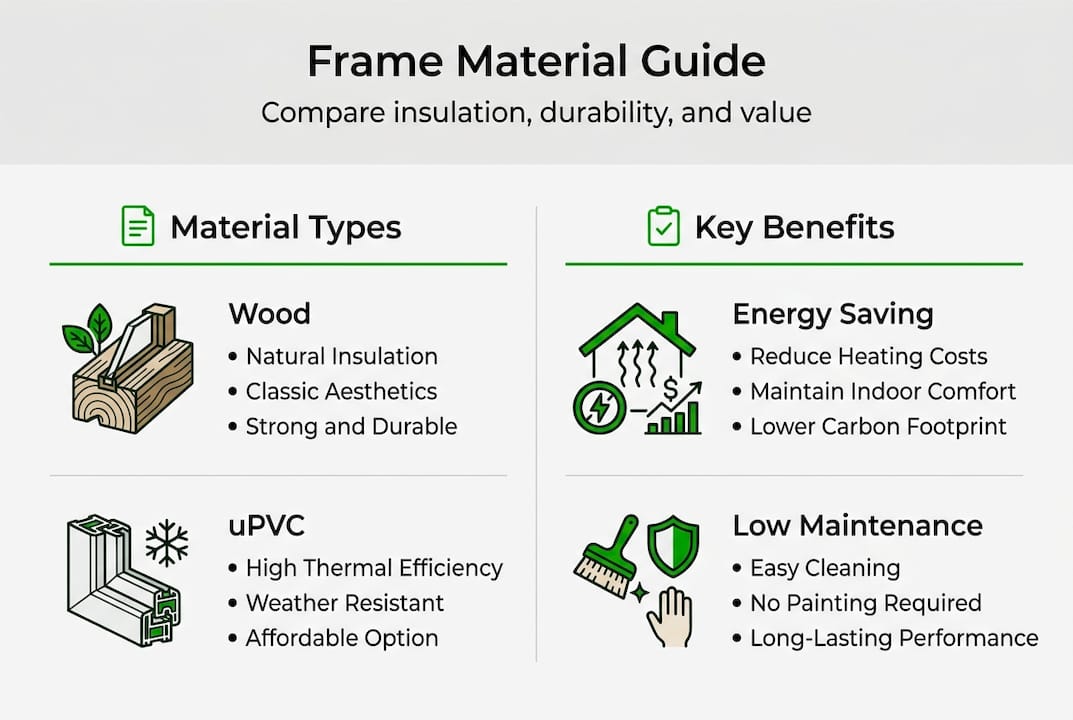
Now that we have covered why frames matter, let us compare the most popular frame options available to homeowners and commercial property owners in the UK today. As different materials significantly affect the thermal efficiency, maintenance, and cost of your glazing, it pays to understand what you are choosing between.
| Frame material | Thermal efficiency | Maintenance | Lifespan | Best suited for |
|---|---|---|---|---|
| Timber | Good (with treatment) | High | 20-60 years | Period and heritage properties |
| uPVC | Excellent | Low | 20-35 years | Modern homes and budget-conscious buyers |
| Aluminium | Good (with thermal break) | Very low | 30-45 years | Contemporary and commercial buildings |
| Composite | Excellent | Low to medium | 30-50 years | Premium residential and mixed-use properties |
Here is a quick summary of what each material brings to the table:
- Timber: Naturally attractive and well-suited to older properties. It requires regular painting or staining to prevent rot and warping. When properly maintained, timber frames perform well thermally and can last for decades.
- uPVC: The most widely installed frame material in the UK. It is affordable, low maintenance, and offers strong thermal performance. It does not suit every architectural style, but for modern homes it is hard to beat on value.
- Aluminium: Slim, strong, and very durable. Standard aluminium conducts heat readily, but frames fitted with a thermal break (an insulating barrier inside the frame) perform much better. Widely used in commercial settings.
- Composite: Usually timber on the inside and aluminium or uPVC on the outside. You get the warmth of wood indoors and weather resistance outdoors. A premium option with excellent all-round performance.
For a deeper look at each option, the frame material guide covers the trade-offs in more detail.
Pro Tip: Match your frame material to your glazing specification. A high-performance triple-glazed unit fitted into a standard aluminium frame without a thermal break will lose much of its efficiency benefit at the edges. The frame and glass need to work together.
How frame choice affects energy efficiency and bills
Understanding your material options is important, but how do frames really affect your bottom line? The answer comes down to a concept called thermal bridging. This is where heat travels through a material that conducts energy more readily than the surrounding insulation. In windows, the frame is often the weakest point thermally, particularly with older or poorly specified materials.
High-quality frames combined with good glazing can reduce household heat loss by up to 30%. That is a significant figure when you consider how much of your heating bill goes towards compensating for heat that simply escapes through your walls, roof, and windows.
Here is how to check whether your frames may be costing you money:
- Run your hand around the frame edge on a cold day. If you feel cold air or a noticeable chill, the seal or the frame itself is failing.
- Look for condensation on the inside of the glass near the frame. This often indicates a cold edge caused by a poorly insulating frame.
- Check for visible gaps or cracks between the frame and the surrounding wall. Even small openings allow significant heat loss.
- Inspect the seals and beading around the glass unit. Perished or missing seals are a common cause of draught and moisture ingress.
- Consider the age of your frames. Frames installed more than 20 years ago are likely to fall short of current energy efficiency standards.
For landlords and commercial property managers, this is not just a comfort issue. UK building regulations and energy performance requirements are tightening. Properties with poor energy ratings face increasing pressure at the point of sale or lease renewal. Addressing fixing window leaks and upgrading ageing frames is a practical step towards compliance. Pairing frame upgrades with draught-proofing tips can also deliver quick wins without a full replacement programme.
Frame maintenance, repairs, and longevity tips
Protecting your investment means looking after your frames as well as your glazing panes. As proper maintenance and timely repairs extend the lifespan of both frames and glazing, a little routine attention goes a long way.
Here are the five warning signs that a frame needs attention or replacement:
- Visible rot or warping in timber frames, or cracking and discolouration in uPVC.
- Draughts around the frame even after you have checked and replaced the draught seals.
- Difficulty opening or closing windows, which suggests the frame has shifted or warped out of shape.
- Misting or condensation trapped inside the double-glazed unit, which often points to seal failure compounded by frame movement.
- Water stains or damp patches on the wall or sill beneath the window, indicating moisture is getting in through the frame.
For routine care, keep frames clean using a mild detergent and warm water. Avoid abrasive cleaners on uPVC, as they can dull the surface. Lubricate hinges and locking mechanisms once a year. For timber frames, check the paintwork annually and touch up any bare patches before moisture gets in.
Pro Tip: Before deciding between repair and replacement, consider the frame material. uPVC and aluminium frames are generally not repairable once they warp or crack significantly, so replacement is usually the right call. Timber frames, on the other hand, can often be repaired by a skilled joiner if the damage is caught early. Knowing which you have helps you make a cost-effective decision.
For guidance on choosing the best frames for a replacement project, or to understand what double-glazing window maintenance involves across different frame types, these resources will help you plan ahead.
Why frame selection is the best glazing investment most owners overlook
Here is something we have observed over two decades in the glazing industry: property owners routinely spend more on upgraded glass specifications and then fit them into frames that are already past their best. The result is a window system that never delivers its full potential.
We have spoken with homeowners who invested in premium triple-glazed units only to find their heating bills barely shifted. In almost every case, the frames were the culprit — old, poorly sealed, or simply the wrong material for the application. The glass was doing its job; the frame was not.
The uncomfortable truth is that a modest glass unit in an excellent, well-fitted frame will often outperform a high-specification glass unit in a mediocre frame. The seal, the fit, and the thermal properties of the frame determine how much of the glass’s performance actually reaches your living space.
With UK energy efficiency standards set to become more stringent over the coming years, frame selection myths are worth addressing now rather than later. Buyers, tenants, and surveyors are paying closer attention to window specifications. Choosing the right frame today is not just about comfort — it is about future-proofing your property.
Expert help for glazing and frame upgrades
If this guide has prompted you to take a closer look at your own windows, you are in the right place. At Cloudy2Clear Windows, we have been helping homeowners and commercial property managers across England and Scotland make confident glazing decisions since 2005.
Whether you need window frame repairs in Oxford, are exploring double glazing repairs in Milton Keynes, or are managing a portfolio that requires commercial glazing solutions, our team is ready to help. We offer honest assessments, clear recommendations, and installations carried out to a high standard. Get in touch today for a free, no-obligation quote and find out what the right frames can do for your property.
Frequently asked questions
What is the most energy-efficient window frame material?
uPVC and thermally broken aluminium are the most energy-efficient options for UK homes. As uPVC and aluminium with thermal breaks minimise heat loss more effectively than standard timber frames, they are the go-to choice for properties where energy performance is a priority.
How do I know if my window frames need replacing?
Visible damage, draughts, hard-to-open sashes, and condensation trapped inside double glazing are clear signs replacement is needed. Rotting timber, warped uPVC, or persistent misting inside glazing all signal that new frames are the right next step.
Can old frames cause condensation problems?
Yes, poorly insulated or damaged frames often lead to window condensation by allowing heat or moisture transfer. Frame condition is linked to internal condensation risk and energy efficiency, so ageing frames should be inspected regularly.
Are there maintenance tips to extend uPVC window frame lifespan?
Regular cleaning with mild detergent, prompt attention to seal failure, and annual checks on hinges and locks will help your uPVC frames last longer. Proper care and timely repairs extend the life of all window frame types, keeping performance high and replacement costs down.