Many homes and businesses across England and Scotland lose significant heat through their windows every single day, yet the owners assume their glazing is doing its job. The uncomfortable reality is that not all energy saving windows perform equally, and the wrong combination of glass and frame can silently drain your heating budget for years. Heat loss through windows accounts for a substantial portion of a building’s total energy waste, yet upgrading with the right knowledge can prevent 60 to 70% of that loss compared with single glazing. This guide walks you through exactly what makes windows truly energy efficient, which types suit different properties, and how to act on that knowledge today.
How energy saving windows work: the science and impact
Understanding what sits behind the term “energy efficient” helps you make smarter purchasing decisions. Windows lose heat in three main ways: conduction (heat passing directly through the glass and frame), convection (warm air circulating inside the sealed unit and transferring heat outward), and radiation (heat energy escaping through the glass surface). The U-value of a window measures how quickly heat passes through it. A lower U-value means better insulation. Single glazed windows typically carry a U-value of around 5.0 W/m²K, while modern A-rated double glazed units can achieve 1.2 W/m²K or below.
The glass itself is only part of the story. The space between panes, usually filled with argon or krypton gas, acts as an insulating barrier. Low-emissivity (low-e) coatings applied to the glass surface reflect heat back into the room rather than allowing it to escape. These two features together, combined with the frame material and seals, determine whether a window genuinely performs or simply looks like it does.
The impact is significant. Upgrading to energy efficient windows delivers multiple benefits at once:
- Lower heating bills, as your boiler works less to maintain a comfortable temperature
- Reduced draughts and cold spots, improving the feeling of warmth throughout the room
- A higher Energy Performance Certificate (EPC) rating, which directly affects property value and mortgage options
- Less condensation, which protects walls and window frames from moisture damage
- Quieter interiors, as energy efficient glazing also reduces external noise
The heat loss reduction science behind modern double glazing is well established. According to the Energy Saving Trust, double glazing reduces heat loss by 60 to 70% compared with single glazing, triple glazing achieves a further 20 to 30% reduction beyond double, and secondary glazing achieves 50 to 65%. These are meaningful figures for your energy bills. Our window energy efficiency guide goes into further detail on how performance is measured and rated.
“For most UK properties, well-installed A-rated double glazing provides outstanding thermal performance at a realistic price point. Chasing the finest glass specification without considering frame quality and installation airtightness is one of the most common and costly mistakes homeowners make.” — Cloudy2Clear Windows, glazing specialists since 2005.
Comparing window options: double, triple, secondary, and advanced glazing
Now that we know why glazing matters, let’s see how the main window types stack up for different needs and budgets. The market offers several distinct options, each with real strengths and genuine limitations.
| Window type | Typical U-value (W/m²K) | Heat loss reduction | Noise reduction | Best use case |
|---|---|---|---|---|
| Single glazing | 4.5 to 5.0 | Baseline | Low | Heritage or listed only |
| A-rated double glazing | 1.0 to 1.6 | 60 to 70% | Good | Most UK homes and businesses |
| Triple glazing | 0.6 to 0.8 | 80 to 90% | Very good | Exposed, very cold, or noisy sites |
| Secondary glazing | 1.8 to 2.8 | 50 to 65% | Excellent | Listed buildings, flats |
| Vacuum glazing | As low as 0.1 | Up to 95% | Good | Specialist or heritage projects |
The triple glazing suitability question comes up regularly, and the honest answer is that the extra cost rarely pays back quickly in most parts of England and Scotland. The Energy Saving Trust confirms that upgrading from single to A-rated double glazing saves between £140 and £285 per year in a typical semi-detached house, while triple glazing adds only around £20 to £40 extra annual saving at significantly higher upfront cost.
Secondary glazing deserves more attention than it gets. If you live in a listed building or a conservation area where replacing original frames is restricted, secondary glazing savings can be impressive, reducing heat loss by more than half while also delivering exceptional noise insulation. It works by fitting a secondary frame and panel inside the existing window, creating a large air gap that insulates well.
Vacuum glazing is worth a mention for specialist situations. Vacuum glazing U-values can reach as low as 0.1 W/m²K, making it the most thermally efficient glass available, but it remains a niche product with a price to match.
Key takeaways when comparing your options:
- Double glazing is the right choice for most homes and commercial properties
- Triple glazing makes sense for properties in very exposed positions, properties near motorways or airports, or new builds targeting very low energy standards
- Secondary glazing is the best solution for listed buildings and flats where exterior changes are not permitted
Pro Tip: Investing in high-quality double glazing with a good frame and professional installation consistently delivers better value than spending more on triple glazing in a standard UK climate. The payback period on triple is simply too long for most properties.
Choosing window frames: materials and their energy efficiency
Glazing is not everything. Frames can make or break your investment in energy saving windows. A beautifully specified glass unit fitted in a poor-quality frame with inadequate seals will perform well below its potential.
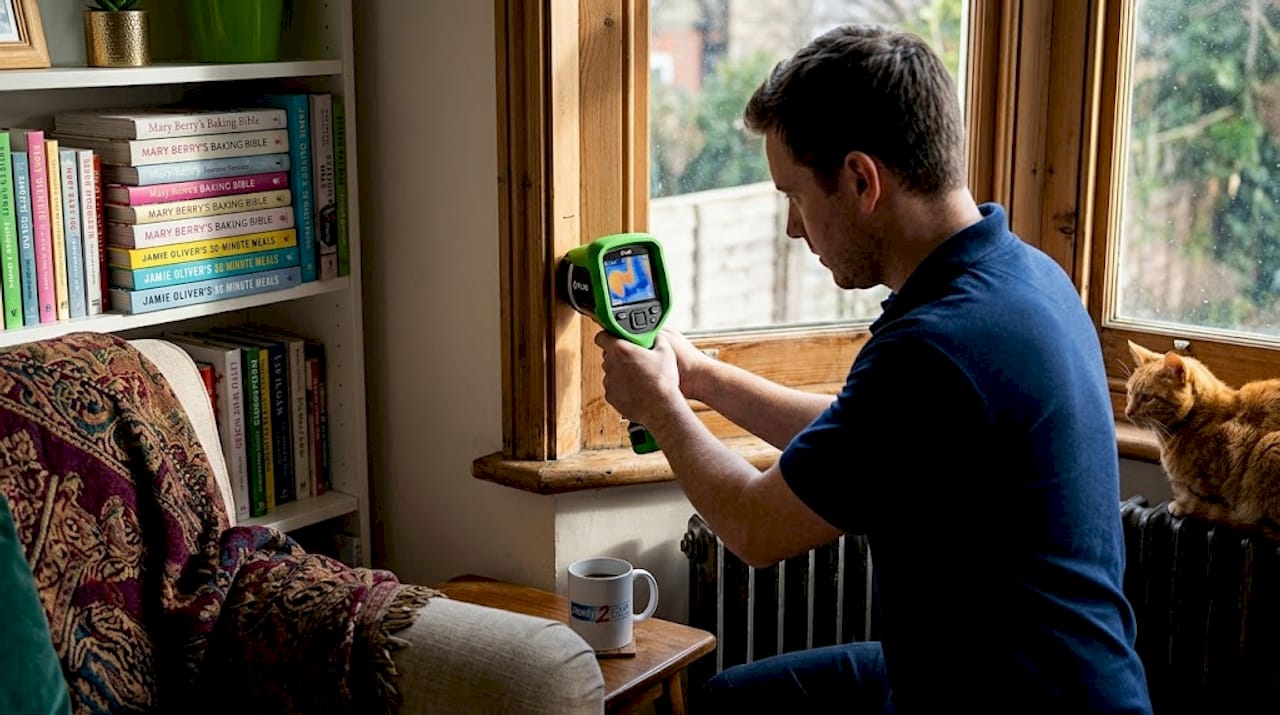
Frames contribute to the overall U-value of the window unit, and they also determine long-term airtightness. Draughts around poorly sealed or warped frames are one of the most overlooked causes of heat loss in older properties. Understanding which frame materials deliver the best results helps you spend wisely.
| Frame material | Typical U-value contribution | Thermal performance | Maintenance | Cost |
|---|---|---|---|---|
| uPVC multi-chamber | Excellent | Very high | Low | Good value |
| Timber (certified) | Very good | High | Moderate | Moderate to high |
| Aluminium with thermal break | Good | High | Very low | High |
| Aluminium without thermal break | Poor | Low | Very low | Moderate |
The frame materials efficiency article on our website explores this in detail, but here is a practical summary:
- uPVC multi-chamber frames are the most popular choice across England and Scotland for good reason. The hollow chambers inside the profile trap air and insulate effectively. They require virtually no maintenance and last for decades.
- Timber frames are naturally insulating and carry a lower carbon footprint when sourced from certified sustainable forests. They suit traditional and period properties particularly well and, when properly maintained, perform exceptionally over long periods.
- Aluminium frames are slim, strong, and modern in appearance, which suits contemporary commercial buildings and extensions. However, they must include a thermal break (an insulating barrier within the frame profile) to prevent them from conducting cold directly into the building.
The Energy Saving Trust is clear that uPVC multi-chamber frames deliver the best value for cost and insulation, timber is naturally insulating, and aluminium must have thermal breaks to perform adequately. Choosing the best frame types for UK homes depends on your property type, planning constraints, and priorities.
If environmental impact matters to you, sustainable window frames made from certified timber or recycled uPVC offer a lower-footprint route to energy efficiency.
Pro Tip: Insisting on multi-chamber uPVC or FSC-certified timber frames, rather than accepting the cheapest available frame, ensures you do not lose the energy savings you have paid for through the very structure holding the glass in place.
Upgrading windows: installation, compliance, and grants for England and Scotland
Once you have chosen the right glass and frame combination, upgrading involves some practical steps. Getting those steps right protects both your investment and your legal compliance.
Here is how to approach a window upgrade effectively:
- Assess your current windows. Note which rooms feel coldest, where condensation appears, and whether frames are draughty or visibly deteriorating. This helps you prioritise replacements rather than replacing everything at once unnecessarily.
- Compare suppliers and specifications. Request window energy ratings (WERs) from suppliers. A-rated windows are the minimum worth considering. Ask for U-values for the whole window unit, not just the centre-pane glass.
- Select an accredited installer. This is critical for legal compliance. FENSA or CERTASS accredited installers self-certify that replacement windows meet current building regulations, saving you the cost and effort of applying for separate planning consent. Choosing an unaccredited installer could leave you with a compliance problem when you come to sell the property.
- Check available grants and funding. Several schemes currently support window upgrades in England and Scotland. ECO4 (Energy Company Obligation 4) assists low-income households and those with EPC ratings of D to G. The Warm Homes Local Grant supports eligible households in England. Home Energy Scotland offers grants and interest-free loans for Scottish homeowners, sometimes covering up to £15,000 of improvement costs. Eligibility depends on income, property type, and current energy performance.
- Plan installation and certification. A good installer will manage the whole process, from removing old frames cleanly to ensuring new units are airtight and correctly finished. Always receive your FENSA or CERTASS certificate on completion.
Regarding costs, a window installation for energy savings project covering a full semi-detached house typically costs around £12,000 before grants. Savings of up to £285 per year mean a payback period of roughly 30 to 40 years on the pure energy saving alone. However, when you factor in improved comfort, higher property value, and reduced maintenance on ageing frames, the real-world return is considerably better than the headline payback figure suggests.
Businesses should also consider the commercial benefits. Lower energy overheads, a more comfortable working environment, and improved building EPC ratings all contribute to operational savings and can satisfy increasingly strict sustainability requirements from clients and landlords alike.
The truth most experts won’t tell you about energy saving windows
The glazing industry often defaults to a simple message: more panes equals better performance. In reality, this is an oversimplification that leads many property owners to overspend on specifications they do not need while underinvesting in the factors that genuinely make the biggest difference.
Research published in MDPI Sustainability is clear that airtight installation and SHGC balance matter far more than simply adding extra panes of glass. SHGC stands for Solar Heat Gain Coefficient, which measures how much of the sun’s heat passes through the window. In the UK, where passive solar gain during winter is genuinely valuable, windows facing south should ideally allow more solar heat in rather than blocking it entirely. Choosing maximum insulation specification without considering orientation can actually increase heating costs in certain situations.
The uncomfortable truth is this: a perfectly installed A-rated double glazed unit with a quality multi-chamber frame will outperform a shoddily installed triple glazed unit every single time. Gaps, poor seals, and inadequate frame quality create air infiltration that no glass specification can compensate for.
For properties with complex needs such as listed buildings, properties near airports, or exposed rural homes in Scotland, the calculation changes. Secondary glazing for listed properties, or triple glazing for genuinely exposed sites, makes real sense. But for the majority of homes and businesses across England and Scotland, modern double glazing with quality frames, installed by a commercial glazing efficiency specialist or domestic professional, is the optimal solution.
Our advice, built on nearly two decades of experience, is straightforward. Do not let a salesperson convince you to pay a premium for triple glazing if your property is a standard suburban home in the Midlands or central Scotland. Focus your budget on quality glass units, quality frames, and a genuinely skilled and accredited installation. That combination delivers results you will feel immediately and measure clearly on your energy bills.
Upgrade your windows with trusted local specialists
If you are ready to stop losing heat through underperforming windows, the next step is getting expert advice tailored to your specific property and location.

At Cloudy2Clear Windows, we have been helping homeowners and businesses across England and Scotland improve their glazing since 2005. Whether you need a double glazing replacement service for your home or a commercial window repair for your business premises, our local specialists provide honest advice, quality products, and fully accredited installation. If you are in the Milton Keynes area, our Milton Keynes double glazing repairs team is ready to help. Contact your nearest Cloudy2Clear branch for a no-obligation assessment and find out exactly which upgrade will deliver the best return for your property.
Frequently asked questions
How much will I save by upgrading to energy saving windows?
You could save between £140 and £285 per year on your heating bills by replacing single glazing with A-rated double glazing in a typical semi-detached house, depending on your heating fuel and property size.
Do I need triple glazing or is high-quality double glazing enough?
For most properties in England and Scotland, high-quality double glazing is sufficient. Triple glazing provides only marginal extra saving at considerably higher cost and is best reserved for very cold, exposed, or particularly noisy sites.
Are there grants for window upgrades in England and Scotland?
Eligible households may access schemes including ECO4, the Warm Homes Local Grant, or Home Energy Scotland, with support potentially reaching £15,000 depending on your circumstances, property type, and current EPC rating.
How do I ensure my window installation meets current regulations?
Choose installers accredited by FENSA or CERTASS, who self-certify that your replacement windows comply with current building regulations, removing the need for separate local authority approval.
What’s the typical cost to upgrade to energy saving windows?
A full set of A-rated double glazed windows for a semi-detached house costs around £12,000 before any grants, though funding schemes may significantly reduce what you pay out of pocket.
Recommended
- Building Regulations for Windows: 15% Energy Savings Guide
- How Energy Efficient are Your Windows? – Cloudy2Clear Windows
- Why window seals matter: boost comfort and energy savings
- Why Window Maintenance Saves 15% Energy & Prevents Repairs
- Het effect van gordijnen: meer comfort en energiebesparing – RDT-concept