Windows are responsible for up to 25% of heat loss in a typical British home, yet most energy efficiency conversations focus almost entirely on loft insulation and wall cavities. This creates a significant blind spot. If you are trying to make your home or business more sustainable, overlooking your glazing is like sealing every gap in a boat except the largest hole. This guide cuts through the confusion around glazing choices, explains what the research actually shows, and gives you clear, practical steps to make informed decisions that benefit your property, your energy bills, and the environment.
Why glazing matters for sustainable properties
Most homeowners who invest in insulation and boiler upgrades are surprised to learn how much heat their windows are still letting escape. The glazing in your property acts as the boundary between your carefully heated interior and the cold outside world. How well it performs makes a real difference to your energy bills and your carbon footprint.
To put it in context, a poorly glazed property can lose roughly a quarter of its heat through windows alone. Walls, floors, and roofs all matter, but windows present a unique challenge because glass, by nature, conducts heat more readily than insulated cavity walls or well-lagged roofs. This is why your Energy Performance Certificate (EPC) rating, which scores your property’s energy efficiency from A to G, pays particular attention to glazing type when calculating your overall score.
The science behind this comes down to something called the U-value. A U-value measures how quickly heat passes through a material. The lower the U-value, the better the insulation. Single-pane windows typically have U-values between 4.8 and 5.8 W/m²K, which is extremely poor by modern standards. Standard double glazing brings this down to around 1.2 to 1.6 W/m²K, a dramatic improvement. Advanced glazing with low-emissivity (low-e) coatings can push U-values below 1.0 W/m²K, which approaches the performance of a well-insulated wall.
“Modern glazing solutions represent one of the most accessible and impactful upgrades available to property owners seeking genuine improvements in energy efficiency.” Research published in 2023 found that slim double and secondary glazing can reduce heat loss by 35 to 73%, depending on the installation method and frame quality.
Understanding the double glazing science behind heat retention helps you make smarter choices. Here are the key factors that influence how well your glazing performs:
- Number of panes: Double glazing traps an insulating layer of gas (usually argon) between two panes, slowing heat transfer significantly.
- Low-e coatings: A microscopic metallic coating reflects heat back into the room, reducing radiant heat loss.
- Frame quality: Even the best glass underperforms in a poorly insulated frame. PVCu and thermally broken aluminium frames outperform older timber or single-skin metal frames.
- Gas fill: Argon gas between panes is standard, but krypton gas offers better performance in thinner units, which matters for heritage or slim-profile installations.
- Edge seals: Warm-edge spacer bars around the perimeter of double-glazed units reduce the thermal bridging that causes cold edges and condensation.
Each of these elements contributes to the overall thermal performance of your windows. When combined effectively, they can transform a draughty, inefficient property into one that holds its warmth and reduces heating demand significantly.
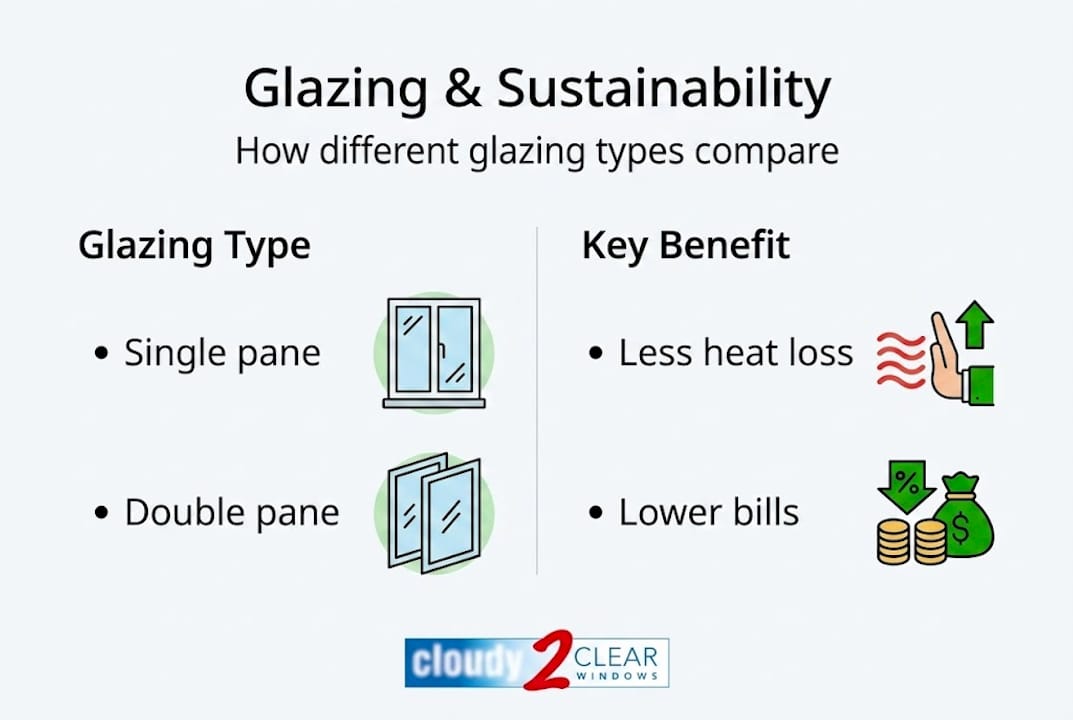
Comparing glazing types: choosing sustainable solutions
After understanding why glazing matters, it is time to assess your options and what they mean for sustainability. Not every glazing solution suits every property, and making the wrong choice can mean spending money without achieving the energy savings you expect.
Here is a clear comparison of the main glazing types available to homeowners and businesses in England and Scotland:
| Glazing type | Typical U-value (W/m²K) | Best suited for | Key sustainability benefit |
|---|---|---|---|
| Single glazing | 4.8 to 5.8 | Heritage where no change permitted | None on its own |
| Secondary glazing | 1.0 to 1.8 | Listed buildings, period properties | Up to 70% heat loss reduction |
| Slim double glazing | 1.0 to 1.4 | Heritage, conservation areas | Matches single-pane profiles |
| Standard double glazing | 1.0 to 1.6 | Most homes and commercial properties | Strong all-round performance |
| Triple glazing | 0.6 to 0.9 | New builds, very cold climates | Best U-values but at a cost |
Research confirms that slim double and secondary glazing can cut U-values by up to 70% compared to the single panes they replace. This is significant because it shows that even properties with strict planning restrictions can achieve meaningful sustainability improvements.
When deciding which option suits you, work through these steps:
- Check your planning status. If your property is listed or sits within a conservation area, standard double glazing may not be permitted. Slim double glazing or secondary glazing are usually the approved routes, and our guide on glazing for listed buildings explains this in detail.
- Assess your current EPC rating. Properties rated D or below have the most to gain from glazing upgrades. Improving from E to C, for example, can add measurable value and reduce energy costs considerably.
- Consider your climate. Scottish homeowners face colder winters and typically benefit more from the jump to triple glazing, though the cost premium is still a factor worth weighing carefully.
- Think about solar gain. Windows facing south can capture free solar heat during winter. Choosing the wrong glazing can block this passive solar benefit, which is a common mistake we will return to shortly.
- Review frame performance alongside glass. As the section above explained, the glazing thickness impact matters, but so does the frame.
Pro Tip: If you are unsure whether triple glazing is worth the additional investment for your property, ask for a detailed U-value comparison alongside an estimated payback period. In most British climates, the difference between high-quality double glazing and triple glazing is smaller than many people expect, and the payback period for triple glazing is often longer.
Pairing glazing with other energy-saving measures
Glazing upgrades are a major step, but their impact grows when paired with other sustainability measures. Many property owners install new windows and then feel disappointed that their energy bills have not fallen as much as expected. The reason is usually straightforward: glazing is one piece of a larger puzzle.
Think of your building as a system. Heat escapes through windows, but also through walls, roofs, floors, and poorly sealed gaps around doors and pipework. If you address only the windows, heat simply finds the next weakest point. The Future Homes and Buildings Standards 2023 Consultation is explicit on this point, stressing that EPC improvements and net-zero readiness depend on balancing glazing performance with insulation and ventilation working together.
Follow these steps to make the most of your glazing investment:
- Insulate before or alongside glazing upgrades. Wall cavity insulation and loft insulation work in tandem with improved windows. Doing one without the other limits your results.
- Improve ventilation strategically. Airtight buildings need controlled ventilation to avoid damp and poor air quality. Trickle vents integrated into window frames, or a whole-house mechanical ventilation with heat recovery (MVHR) system, prevent moisture problems without sacrificing energy savings.
- Maximise solar gain on south-facing elevations. Choose glazing with a higher solar heat gain coefficient (SHGC) for south-facing windows to harvest free winter warmth. Reserve lower SHGC glass for north-facing windows where solar gain is minimal.
- Add smart controls. Programmable thermostats and smart heating systems work more efficiently when paired with better-performing windows because your heating system can cycle less frequently.
- Address thermal bridging. Even excellent glazing loses some of its benefit if cold bridges exist around window frames, window sills, or poorly detailed reveals. Ask your installer about warm-edge spacers and thermally broken frames.
Our guide on choosing glazing for efficiency goes into further detail on matching glass specification to building type and orientation.
Pro Tip: One of the most common mistakes we see is specifying highly solar-reflective glass on all elevations to reduce summer heat gain, without realising this also eliminates useful winter solar gain. Always consider seasonal performance, not just peak summer conditions.
The goal for most properties in England and Scotland is not just comfort today. It is preparing for tightening regulations and rising energy costs over the next decade. Getting your glazing right now, as part of a planned approach, avoids costly retrofits later.
Sustainable glazing for special cases: heritage, commercial, and future-proofing
Different properties have unique needs, and here is how glazing fits special cases and the regulations heading your way.
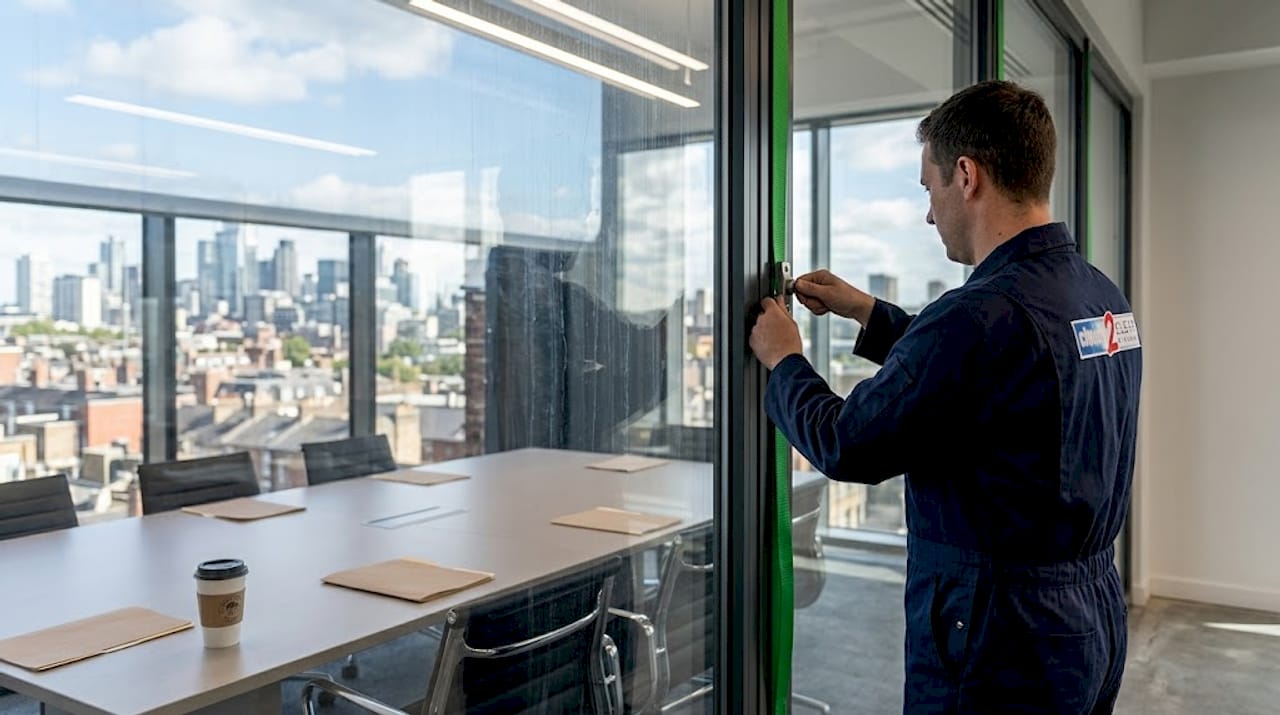
Heritage and listed buildings represent a particular challenge. Planning authorities rightly want to protect the visual character of historic buildings, which means standard double glazing units are often refused permission. The good news is that slim double and secondary glazing can massively cut heat loss in historic buildings without compromising appearance or conflicting with listed building consent conditions.
Secondary glazing, fitted to the inside of existing windows, is invisible from the street and requires no planning permission in most cases. It can reduce heat loss by up to 70% and also delivers excellent acoustic performance, which is a bonus for buildings in busy urban areas. Slim double glazing, engineered to fit within narrow traditional profiles, achieves similar thermal results while maintaining the external appearance of the original windows.
Commercial properties face different priorities. For business owners, the calculation around glazing is often framed in terms of return on investment (ROI), operational savings, and energy ratings that affect lease values and regulatory compliance. Here is a quick summary of how glazing affects commercial properties:
| Factor | Impact of upgraded glazing |
|---|---|
| EPC rating | Improved ratings support compliance and property value |
| Operational energy costs | Reduced heating and cooling loads lower utility bills |
| Staff comfort | Better thermal and acoustic performance improves productivity |
| Carbon reporting | Lower consumption supports corporate sustainability targets |
| Future regulations | Upgrades now reduce risk of costly forced compliance later |
For businesses looking at their energy use and commercial glazing efficiency, the operational savings from reduced heating and cooling can make glazing upgrades financially attractive even without grants.
Future-proofing is relevant for all property types. Regulations in England and Scotland are tightening. The Future Homes Standard, planned for introduction from 2025 onwards, requires new homes to produce 75 to 80% lower carbon emissions than those built to 2013 standards. Existing properties face evolving EPC minimum requirements, particularly for rental properties. Understanding window regulations compliance now helps you plan ahead rather than react under pressure.
Key steps for future-proofing your glazing:
- Aim for an EPC rating of C or above as a minimum target, since this is the direction regulations are heading for rental and commercial properties.
- Choose glazing that meets or exceeds current Part L requirements for thermal performance to avoid needing replacement within ten to fifteen years.
- Keep records of all glazing installations, including U-values, gas fill type, and installer certifications, as these will support future compliance checks.
Pro Tip: In Scotland, building regulations for energy efficiency have historically moved faster than in England. If you own property north of the border, it is worth checking current Scottish Building Standards requirements before specifying glazing, as they may already exceed the standards required in England.
What most guides miss about glazing and long-term sustainability
After two decades working in the glazing industry, we have noticed a pattern in how sustainability conversations around windows tend to go. Most guides focus on U-values, EPC ratings, and payback periods. These things matter, but they do not tell the whole story.
The real risk we see is property owners chasing specifications without considering how a building actually performs in practice. A window with an outstanding U-value fitted into a frame with poor thermal bridging details will underperform against a well-installed, moderately specified unit every time. Specification without quality installation is a false economy.
We also believe strongly in the value of repair and maintenance before replacement. Many older double-glazed units that appear failed or cloudy can be restored at far lower cost and environmental impact than full replacement. The most sustainable window is often the one already in place, properly maintained and sealed. Exploring your glazing and property value honestly means recognising that long-term maintenance can be as valuable as a brand-new installation.
True sustainability in glazing is about balanced thinking: right product, right installation, right timing, and ongoing care.
Take the next step towards sustainable glazing
Knowing what to look for in sustainable glazing is the first step. Taking action is where the real difference gets made.

At Cloudy2Clear Windows, we have been helping homeowners and businesses improve their glazing since 2005, and we understand that every property is different. Whether you need a straightforward repair, a full replacement, or specialist advice on heritage or commercial glazing, our local teams are ready to help. If you are based in the Milton Keynes area, you can find out more about our local glazing services near you. For businesses, our commercial window solutions cover everything from single-site repairs to multi-building refurbishment programmes. Get in touch today for a no-obligation assessment.
Frequently asked questions
How much energy can double or secondary glazing really save?
Secondary glazing can reduce heat loss by up to 70% compared to single panes, which translates into a genuinely significant reduction in heating demand and energy bills over time.
Is triple glazing always better for sustainability?
Triple glazing delivers better U-values, but Future Homes EPC reforms caution that excessive panes can reduce solar gain, and the higher cost means the payback period is often longer than standard double glazing in most British climates.
Can listed or historic buildings in England or Scotland upgrade to energy-efficient glazing?
Yes. Slim double and secondary glazing deliver major efficiency gains in historic buildings without altering their appearance or conflicting with listed building consent conditions in most cases.
Does new glazing help meet upcoming rules in Scotland and England?
Yes. The Future Homes Standard and EPC reforms place glazing performance at the centre of compliance, alongside insulation and ventilation, making upgraded windows an essential part of meeting tightening requirements.