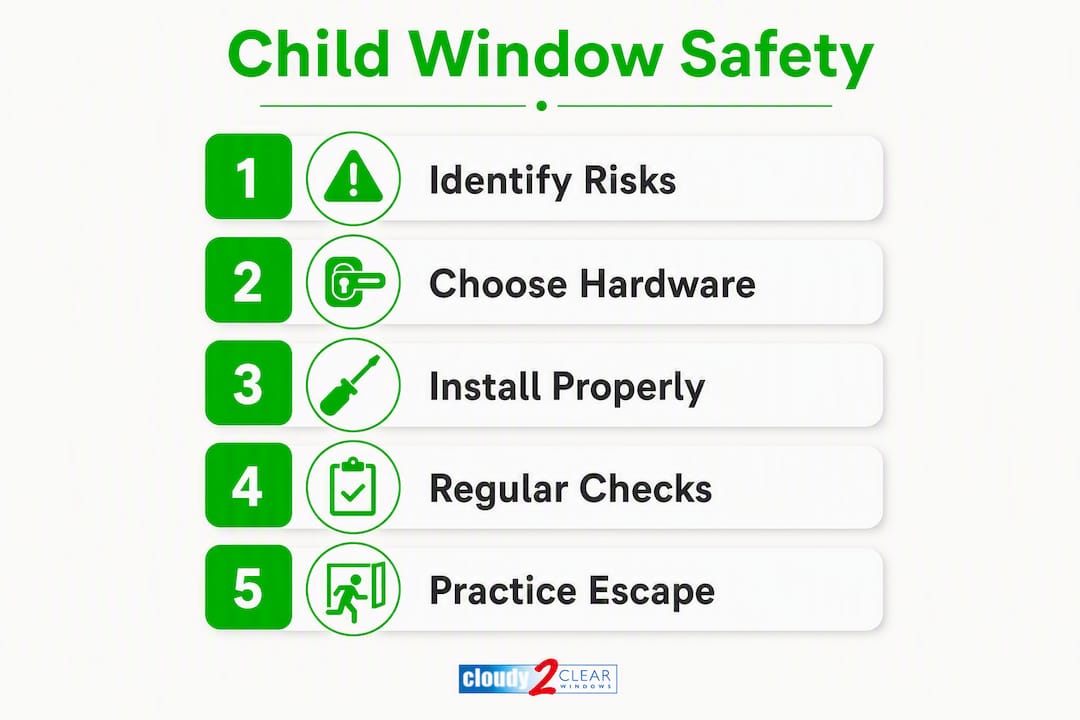
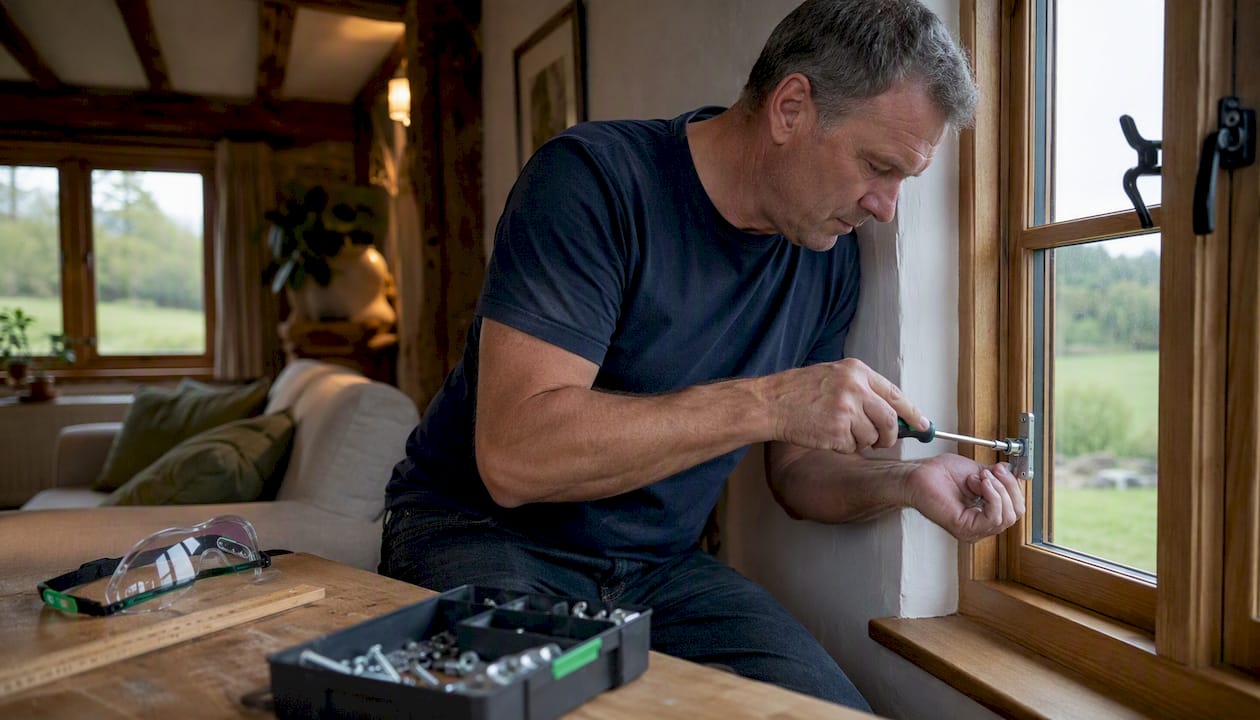
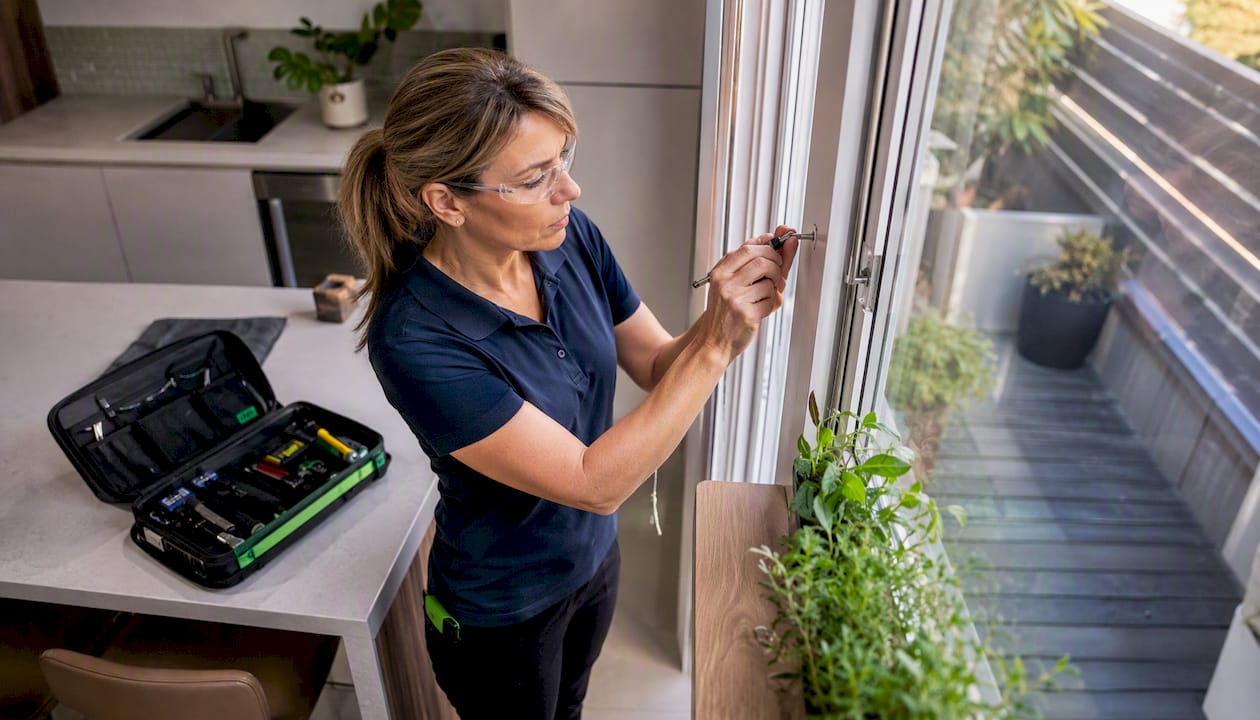
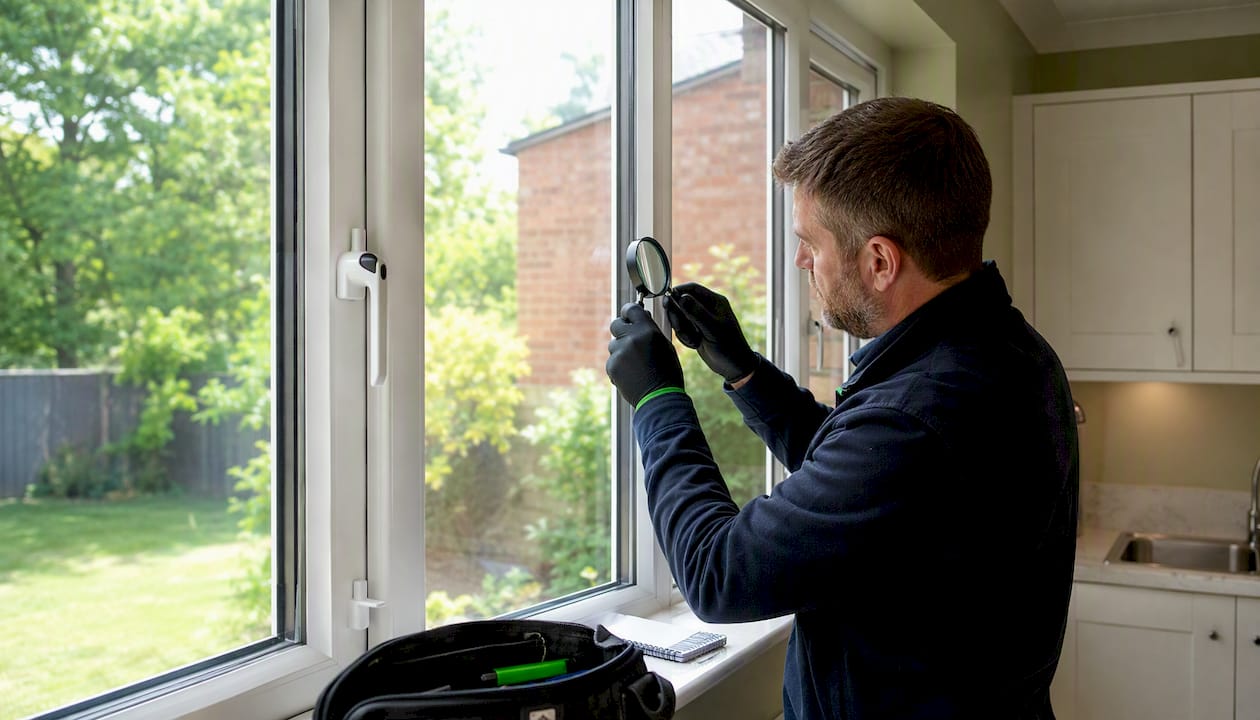
• USP Logo Icon
    25 Year Guarantee
  • USP Leaf Icon
    Latest ECO Friendly Technology
  • USP Pointer Icon
    National Coverage
Get a FREE quote

Home window security steps for UK homeowners

Windows are one of the most exploited entry points in residential burglaries, yet they rarely receive the same attention as front door locks or alarm systems. Following clear home window security steps can close that gap and significantly reduce your risk. This guide walks you through a structured approach: assessing your vulnerabilities, upgrading your hardware and glass, adding smart detection, and keeping everything in working order. Whether you live in a Victorian terrace or a modern new-build, these steps apply directly to your home.

Assessing your windows for security weaknesses

Before you spend a penny on upgrades, you need to know exactly what you are working with. A thorough home security assessment of your windows takes less than an hour and will tell you where to focus your efforts first.

Work through these steps methodically:

  1. Walk the perimeter of your home. Look at every window from outside. Which ones are hidden by hedges, fences, or poor lighting? These are your highest-risk windows because a burglar can work at them without being seen.
  2. Test every lock by hand. Push and rattle each window. A surprising number of window latches offer very little resistance. If you can create movement in a locked window, so can someone with a screwdriver.
  3. Inspect the glass. Single glazing, older double glazing with seal failure (the cloudy or misted look), and any cracked panes all present weak points. Standard glass can be broken completely in under two seconds, so condition matters.
  4. Check the frames. Wooden frames with rot, warped uPVC, or loose aluminium sections are a problem. Even the best lock fails if the frame around it gives way under pressure. Learning why window frames matter to overall security is often the step homeowners skip.
  5. Prioritise your list. Ground-floor windows, basement windows, and any window hidden from the street or neighbouring properties should sit at the top of your upgrade list. Prioritising vulnerable windows and reassessing every six months is good practice to keep your security current.

Pro Tip: Do your walk-around after dark with a torch. Shadows and blind spots become immediately obvious, and you will often spot lighting gaps you never noticed in daylight.

Step-by-step window security upgrades

Once you know your weak points, it is time to act. Effective window security requires addressing four layers: the glass, the locks, the frame, and the detection. Skipping any one of them leaves a gap that a determined burglar can exploit.

Infographic of four essential window security steps

Upgrading your locks

The standard latch fitted to most windows is not enough on its own. These additional lock types make a real difference:

  • Pin locks. You drill a downward-angled hole through the inner sash into the outer frame and drop a steel pin in. They are cheap, simple, and highly effective. Pin locks prevent opening even after the original latch has been defeated.
  • Keyed sash locks. These bolt-style locks require a key to release and are far more resistant to forced entry than push-button latches.
  • Track bars for sliding windows. A length of steel bar placed in the track physically prevents the window from sliding open, even if the latch is bypassed.

Pro Tip: Drill a second hole at a partial-open position so the pin can sit there. This ventilation-position lock allows airflow while keeping the window secure, which matters on warmer nights when you need air but still want protection.

Strengthening the glass

Replacing glass is not always necessary, but reinforcing it is often a smart move. Security film holds shattered glass together after impact, making it noisier and significantly slower to breach. It is applied directly to existing panes and costs far less than replacement. For windows you are already planning to upgrade, look at the right glass options for your property. Laminated glass bonds two panes with an interlayer and is considered a strong choice for ground-floor windows.

Woman applies security film to window glass

Reinforcing frames and adding physical barriers

Frame integrity is the foundation. Glass or lock upgrades are genuinely ineffective if the surrounding frame can be forced away from the wall. Check for rot, gaps, or loose fixings and repair or replace problem frames before adding other security measures.

Where appropriate, window bars or security grilles add a physical barrier that no amount of lock-picking can bypass. However, bars must be anchored into structural wall studs or masonry, not just the window frame itself, otherwise they pull out under load. On any window in a sleeping room, fit bars with a quick-release mechanism for emergency egress. This is not optional. It is a basic safety requirement.

Here is a quick comparison of the main upgrade options:

Upgrade Cost level Best suited for Key consideration
Pin locks Low Sash and casement windows Easy DIY installation
Keyed sash locks Low-medium Timber sash windows Requires key management
Security film Medium Any existing pane Does not replace damaged glass
Laminated glass Medium-high Ground-floor windows Professional fitting advised
Window bars Medium-high High-risk or hidden windows Must have egress release


Community break-in reports back this up. Reinforcing aluminium frames and adding burglar bars are among the most consistently recommended responses when organised break-in patterns emerge in a neighbourhood.

Integrating technology: sensors and deterrents

Physical upgrades are the foundation, but technology adds a layer of early detection that changes the outcome of an attempted break-in. A window alarm system does not just alert you; it creates noise and commotion that most burglars are not willing to risk.

The main sensor types worth knowing about are:

  • Magnetic contact sensors. These are the most common window sensors. One part sits on the frame, the other on the moving sash. Contact sensors detect open, close, and tilt movements by measuring the separation and orientation of the magnet. When the window moves unexpectedly, the alarm triggers.
  • Glass-break sensors. Placed on walls or ceilings near windows, these pick up the specific acoustic frequency of breaking glass. They work even if an intruder cuts through a pane rather than forcing the frame open.
  • Smart lighting. Motion-activated lights around ground-floor and hidden windows are one of the most cost-effective deterrents you can add. A burglar working in sudden bright light is a visible burglar.
  • Cameras. Position cameras to cover the approach to vulnerable windows, not just the window itself. Footage of someone scoping out a window is far more useful than footage of a hand already inside.

Wireless magnetic sensors trigger alerts when the gap between sensor parts exceeds roughly 6mm, sending notifications to a control panel or monitoring station. Make sure any sensors you buy are compatible with your existing alarm system before purchasing.

Pro Tip: Sensor placement matters as much as sensor quality. A poorly aligned sensor causes nuisance alarms from normal vibration, which leads homeowners to disable them entirely. Follow the manufacturer’s alignment guide carefully and test before relying on it.

Integrating your sensors into a monitored alarm system, rather than a standalone sounder, means that even if you are asleep or away from home, a response is triggered. That distinction is worth paying for.

Verifying and maintaining your window security

Security measures degrade over time. Locks seize up, film peels at the edges, sensor batteries drain, and the bush you planted last year has now grown tall enough to hide a window you thought was visible from the street. Regular checks keep your protection real rather than just theoretical.

Follow this schedule to stay on top of things:

  1. Monthly. Test all window sensors by opening each protected window and confirming the alarm triggers. Replace any batteries showing a low-power warning on your control panel.
  2. Every three months. Work through every window lock by hand. Apply a small amount of lubricant to any that feel stiff. A stiff lock is one that might not fully engage next time you close the window in a hurry.
  3. Every six months. Reassess your windows and the surrounding landscape with fresh eyes. Check security film edges for peeling or bubbling. Trim back any vegetation that has grown to shield a window from view. Check external lighting is still angled correctly.
  4. After any property work. If you have had building work, a new extension, or changes to fencing and gates, reassess your window security from scratch. New blind spots or structural changes can invalidate your previous security setup.

Pro Tip: Keep a simple written checklist on your phone or pinned inside a kitchen cupboard. Noting the date of each check takes ten seconds and means you will always know when something was last tested, rather than guessing.

Reviewing our how to secure your home guide alongside your regular checks gives you a broader perspective on where windows fit within your overall home security solutions.

What experience has taught me about window security

After years of working on windows across the UK, I have seen the same pattern repeat itself. Homeowners invest in a new lock after a scare, feel reassured, and assume the job is done. What they often miss is that the lock is only as good as the frame holding it and the glass beside it.

I have walked into properties where a perfectly good multi-point lock was fitted into a rotting wooden frame. One firm shoulder and the whole thing would have given way. The lock was never the weak point. The frame was.

My honest view is that most homeowners underestimate glass reinforcement and overestimate the deterrent value of locks that are visible from outside. A burglar does not pick your lock. They break the glass beside it or force the frame. Applying security film to existing panes is one of the highest-value, lowest-cost steps I consistently recommend, and it is the one most people skip because it is not as obvious as fitting a new lock.

Layering physical upgrades with sensors and smart lighting is where you get real protection. Neither alone is as effective as both together. And none of it matters if you are not checking it regularly.

— Cloudy2Clear Windows

How Cloudy2Clear Windows can help

https://www.cloudy2clearwindows.co.uk

If your window assessment has turned up damaged frames, failed double glazing seals, or locks that need replacing, professional repair is the most reliable way to address those vulnerabilities. Cloudy2Clear Windows has been repairing and upgrading double-glazed windows across the UK since 2005, with local teams who understand the window types common to homes in your area.

Whether you need broken glass repaired, frames reinforced, or locks replaced, our teams in Milton Keynes, Watford, Bury St Edmunds, and Oxford are ready to help. We work around your schedule and always aim to leave your windows more secure than we found them.

FAQ

What are the most effective home window security steps?

The most effective approach combines strong locks, reinforced glass or security film, sound frame integrity, and window sensors connected to a monitored alarm. Addressing all four layers together provides significantly better protection than any single measure alone.

How do window contact sensors work?

Magnetic contact sensors work by detecting the separation between two parts: one fixed to the frame, one to the moving window. When the window opens unexpectedly, the gap triggers an alert to your alarm panel or monitoring service.

Can security film really prevent a break-in?

Security film will not stop a determined attacker indefinitely, but it holds broken glass together and slows forced entry considerably. The added noise and time required to breach a filmed window deters most opportunistic burglars who want a quick, quiet entry.

How often should I test my window locks and sensors?

Test sensors monthly and inspect locks every three months. Reassess your full setup every six months or after any changes to your property or surrounding landscape that may create new blind spots.

Do window bars need a quick-release mechanism?

Yes. Bars over sleeping rooms must have a quick-release mechanism to allow emergency exit in the event of a fire. Anchoring must go into wall studs or masonry, not just the window frame, to withstand sustained force.

Risks of old windows: what every homeowner should know

Most people think of old windows as merely draughty or unsightly. The truth is the risks of old windows extend far beyond a chilly room in winter. From falls and frame decay to mould, fire hazards, and even legal trouble, aging windows can quietly undermine the safety, health, and comfort of your home. Whether you own an older property or rent one, understanding these dangers gives you the knowledge to act before a minor issue becomes a serious problem.

Physical safety risks of old windows

When windows age, their ability to protect your household drops significantly. Faulty latches, brittle glass, swollen frames, and weakened hinges all combine to create real dangers for the people living in your home.

Children are among the most vulnerable. Around 3,300 children are injured from window falls every year, with children under the age of five at the highest risk. Old windows often lack the modern restrictors that limit how far a sash can open. Safety guidelines recommend restricting any opening to no more than 10 cm to prevent falls, yet many older window locks simply cannot achieve this reliably.

Older adults face a different but equally serious set of dangers. Windows that are stiff, heavy, or difficult to operate can throw someone off balance while attempting to open or close them, contributing to falls. Condensation and water ingress around aging frames can also make windowsills wet and slippery, adding another hazard underfoot.

There are several key physical safety concerns to watch for:

  • Faulty or worn latches that no longer close or lock securely
  • Brittle or cracked glass panes that can shatter under minimal pressure
  • Warped or swollen frames that make windows hard to open in an emergency
  • Corroded hinges that fail to hold a window open safely
  • Missing or broken window restrictors, especially in upstairs rooms

Pro Tip: Walk through your home once a season and test every window latch and restrictor. If any feel loose, stiff, or unreliable, arrange a repair before the warmer months when windows are opened more frequently.

Regular safety checks take less than 20 minutes and can prevent an incident that no one wants to think about.

Energy efficiency and the true cost of old windows

Draughty windows are not just uncomfortable. They create a chain of problems that affect your energy bills, your health, and surprisingly, your physical safety too.

Woman notices foggy, drafty window in lounge


When window seals fail, the inert gas between double-glazed panes leaks out and moisture enters, causing the familiar foggy or permanently condensated glass. At this point, failed window seals mean your double glazing performs worse than single-pane glass for heat retention, driving up your heating costs considerably.

The knock-on effects are easy to underestimate. Cold rooms caused by drafty windows raise fall risk because occupants respond by adding portable heaters, extension cords, and extra rugs. Each of these is a potential trip or fire hazard, particularly for older adults and young children.

Here is a quick comparison of what you are likely dealing with:

Feature Old single or failed double glazing Modern double glazing
Heat retention Poor, high heat loss Good, significantly lower heat loss
Condensation Frequent on inner pane Rare with intact seals
Heating bills Higher Lower
Draught risk High Minimal
Mould risk Elevated Low


Common signs that your windows are costing you more than they should:

  • Visible condensation between the panes that never clears
  • Cold spots near windows even when heating is on
  • Noticeably higher energy bills in winter
  • Draughts you can feel when standing near the frame

If you are not ready for full replacement, draught-proofing your windows is a practical and affordable first step that reduces heat loss and lowers reliance on portable heaters.

Pro Tip: Hold a lit candle near the edge of a closed window on a windy day. If the flame flickers, you have a draught worth addressing.

Structural and maintenance issues with aging frames

The structural risks of old windows are often the least visible and therefore the most dangerous. Wood rot, in particular, develops from the inside out. By the time you see peeling paint or softened timber on the surface, decay has often been progressing unseen for years.

Research suggests that around two-thirds of pre-1995 homes have some degree of rot damage in their window frames. This is not just a cosmetic concern. Rotted frames lose their structural integrity, which means glass panes are less securely held and water ingress accelerates into the surrounding wall.

Watch for these warning signs of frame deterioration:

  • Soft or spongy areas when you press the frame with a finger
  • Peeling or bubbling paint on timber frames
  • Water stains on the internal wall directly below or beside a window
  • Visible gaps between the frame and the surrounding brickwork
  • Mould or damp patches on internal plasterwork near windows

Moisture that penetrates behind window frames can travel through wall cavities and cause damage that is expensive to repair. A small gap in the sealant today can become a saturated wall and a significant repair bill within a couple of seasons.

There is also a legal dimension to consider, particularly if you live in a listed building or a conservation area. Unauthorised window replacements can result in enforcement orders, fines, and the requirement to reinstate the original windows at your own cost. Before making any changes to windows in a historic property, always check with your local planning authority. Guidance on building regulations compliance is worth reviewing before you commit to any work.

Health risks linked to old windows

Infographic highlights injuries, energy loss, mold, legal risks


The health risks old windows present are often dismissed or misunderstood. Two of the most common issues are mould and lead paint, and both deserve a clear-eyed look.

Damp and mould around old windows aggravate breathing conditions such as asthma, disrupt sleep, and can cause persistent respiratory problems over time. Mould thrives where condensation collects on cold window frames and glass, and it spreads quickly if the underlying moisture issue is not resolved.

Lead paint is a more nuanced hazard. Many older windows, particularly in homes built before the 1980s, were painted with lead-based paint. The key fact here is that intact lead paint poses little risk. The danger arises from abrasion, sanding, or aggressive removal that creates fine dust particles. Ironically, heavy-handed remediation often spreads lead dust far more widely than leaving the paint undisturbed.

Safe practice when working on old painted windows includes:

  • Avoiding dry sanding on any pre-1980s painted surface
  • Using damp methods to minimise dust when rubbing down paintwork
  • Wearing appropriate respiratory protection during any paint removal
  • Disposing of paint debris carefully and in line with local guidance
  • Consulting a specialist before undertaking work on heavily painted historic windows

If you are unsure whether your windows contain lead paint and you are planning any maintenance or repair work, seek professional advice before you begin. The risk is manageable with the right approach, but it should not be ignored.

How to assess your windows and manage the risks

Knowing the risks is only useful if you act on them. Here is a practical approach to assessing the condition of your windows and deciding what to do next.

  1. Carry out a visual inspection of every window frame, seal, and latch. Look for the warning signs covered in this article: rot, condensation, cracks, and failing locks.
  2. Test functionality by opening and closing each window fully. Any that stick, jam, or feel unstable need attention.
  3. Check the glazing for permanent fogging between panes, which signals seal failure.
  4. Look for draughts using the candle method and note any gaps around frames or sills.
  5. Assess the age and condition together. A window that is 20 years old with minor seal failure may need repair rather than full replacement. One that is 40 years old with rot, failed seals, and a broken latch may have reached the end of its serviceable life.
  6. Check planning restrictions before arranging any replacement work, particularly if your home is listed or in a conservation area.
  7. Get a professional assessment for anything beyond straightforward draught-proofing or minor repairs.

Our guide to spotting signs you need new windows can help you interpret what you find and make an informed decision. For a broader picture of what different materials mean for longevity and maintenance, the window materials guide is also worth a read.

Pro Tip: Schedule a brief window inspection every spring and autumn. Catching problems early almost always results in a lower repair cost and a safer home.

Our view on managing the risks of old windows

Over nearly two decades working with homeowners across the UK, I have seen one pattern repeat itself more than any other. People either ignore their old windows entirely or panic and replace everything at once. Both extremes cause unnecessary problems.

The instinct to rush a full replacement is understandable. Once you learn about the dangers of aging windows, the temptation is to act decisively. But wholesale replacement without proper assessment can disturb lead paint, create compliance issues in historic properties, and cost significantly more than targeted repairs would have done. I have seen homeowners face enforcement orders because they replaced windows in a conservation area without checking the rules first.

On the other hand, ignoring visible rot, failed seals, or broken latches in the hope that they will hold out a bit longer is genuinely risky. Water ingress compounds quickly. A frame that looks borderline in October can be structurally compromised by spring.

My honest view is that most old windows benefit from a professional inspection before any decision is made. In many cases, repairing seals, refreshing draught-proofing, and upgrading locks costs a fraction of full replacement and resolves the majority of risks. When replacement is genuinely the right answer, a reputable professional will tell you clearly and explain why.

The goal is not to preserve old windows for their own sake, nor to replace them for the sake of it. The goal is a home that is safe, warm, and efficient. Those outcomes are entirely achievable with the right information and the right help.

— Cloudy2Clear Windows

How Cloudy2Clear Windows can help

Understanding the risks is the first step. Getting them properly addressed is the next.

https://www.cloudy2clearwindows.co.uk


Cloudy2Clear Windows has been repairing and replacing double glazed windows across the UK since 2005. Whether you have a failed seal causing foggy glass, a rotting frame letting in moisture, or a latch that no longer locks securely, our local teams can assess the problem and recommend the most cost-effective solution. We cover a wide range of areas including Oxford, Leicester and Loughborough, Milton Keynes, and Watford, among many others. Our double glazing replacement service covers everything from individual pane repairs to full window refurbishments, helping you improve safety, energy efficiency, and comfort without unnecessary cost. Contact your nearest branch for a free, no-obligation assessment.

Common questions

How do I know if my old windows are a safety risk?

Check for faulty latches, cracked or brittle glass, warped frames, and any window that cannot be securely restricted to 10 cm or less when open. If you notice any of these issues, arrange a professional inspection promptly.

Can old double glazing be worse than single glazing?

Yes. When seals fail and the inert gas escapes, permanently fogged double glazing insulates worse than intact single-pane glass, leading to increased heat loss and higher energy bills.

Are old windows a health risk?

Old windows with persistent condensation encourage mould growth, which aggravates respiratory conditions. Windows in pre-1980s homes may also have lead-based paint that poses a risk if disturbed through sanding or aggressive repair work.

Do I need planning permission to replace old windows?

In most standard properties you do not, but if your home is listed or in a conservation area, unauthorised replacements can result in enforcement action. Always check with your local planning authority before proceeding.

Is it better to repair or replace old windows?

It depends on the extent of the damage. Minor seal failure, draughts, and lock issues are usually repairable at a fraction of replacement cost. Severe rot, structural failure, or repeated seal problems in very old frames often make full replacement the more practical and cost-effective choice.

Common window myths UK homeowners should stop believing

There are quite a few common window myths circulating among UK homeowners and business owners, and believing them can cost you real money. From leaving windows ajar during storms to assuming more glass panes always means better insulation, these misconceptions shape poor decisions about maintenance, repairs, and replacements. Getting the facts straight protects your property, lowers your energy bills, and helps you spend wisely on window care. This article sets the record straight on the myths about windows that cause the most harm.

1. Cracking windows during storms equalises pressure

This is one of the most persistent window replacement myths in circulation. The idea is that opening a window slightly during a storm relieves air pressure inside your home, preventing structural damage. Meteorologists confirm that opening windows during storms actually lets in high winds and debris, making internal damage significantly worse.

Keeping your windows firmly closed during severe weather is the correct approach. Closed windows maintain the structural integrity of your home by preventing wind from getting underneath roof structures and lifting them. The real protection comes from:

  • Checking that window locks and handles are fully functional before storm season
  • Inspecting frames for gaps or weakness that could let in wind-driven rain
  • Fitting external shutters if your property is in a particularly exposed location

Fact: Tape across glass panes offers no meaningful protection either. Over 50% of people mistakenly believe taping windows helps during storms. Experts recommend shutters or plywood boards as the only reliable physical barriers.

The bottom line is that keeping windows shut and well maintained before bad weather arrives is far safer than any pressure equalisation strategy.

2. Cleaning windows in direct sunlight gives better results

Many homeowners assume that bright sunshine is ideal for window cleaning. In reality, cleaning windows in direct sun causes cleaning fluid to dry too quickly on the glass, leaving spots and streaks rather than a clear finish. Window cleaning experts consistently recommend overcast days or early mornings for the best results.

Follow these steps for cleaning that actually works:

  1. Choose a cloudy day or work in the shade when the glass is cool to the touch.
  2. Use a soft squeegee or microfibre cloth rather than newspaper, which can scratch modern coatings.
  3. Mix a small amount of washing-up liquid with warm water rather than using harsh chemical sprays.
  4. Work from the top of the window downward to avoid dripping onto already-cleaned areas.
  5. Dry the edges of the frame with a separate cloth to stop moisture sitting against the seal.

This matters beyond appearance. Harsh cleaning products or abrasive materials can degrade the coatings on modern double glazed units, reducing their UV protection and thermal performance over time.

Pro Tip: If you notice a milky or hazy appearance between your glass panes that cleaning does not shift, this is condensation inside a failed sealed unit. No amount of cleaning will fix it. You need a glass replacement, not a different cleaning product.

3. Repair is always cheaper than replacement

This is one of the most common misconceptions about windows that costs property owners money in the long run. The truth is more nuanced. Sometimes repair is the right call. Other times, repeated repairs on the same window add up to more than a straightforward replacement would have cost.

Handyman inspecting cracked bedroom window pane


Situation Recommended action
Single cracked pane, frame intact Repair or replace pane only
Foggy glass between panes Replace sealed unit
Rotting or warped frame Full window replacement
Multiple failed windows in one area Replacement likely more cost-effective
Failed hardware (handles, hinges) Repair


Specialists identify subtle failure points such as rot and persistent leaks that, if left unaddressed through repair-only approaches, lead to costly wall damage. The key is an honest cost assessment rather than a default assumption either way.

Key warning signs that point toward replacement rather than repair:

  • Daylight visible around the edges of a closed window frame
  • Condensation consistently forming between the panes of a double glazed unit
  • Multiple windows on the same side of the building failing at once, which can signal a manufacturing batch fault
  • Frames that have been repaired more than twice in a short period

Pro Tip: If you have had the same window repaired two or more times within a few years, replacement is almost certainly the more cost-effective path. Repeated patchwork rarely addresses the underlying structural issue.

4. More glass panes always means better insulation

Triple glazing sounds like it must outperform double glazing in every situation. This is one of the most widely believed window insulation myths, and the reality is more layered. The number of panes is just one factor in a window’s thermal performance. Frame condition, the quality of seals, and any low-emissivity (low-e) coating on the glass all contribute significantly.

Windows account for 25 to 30% of a home’s heat loss and gain. That makes window efficiency a serious concern for UK property owners dealing with cold winters and rising energy costs.

Factor Impact on insulation
Number of panes Moderate improvement with each additional pane
Low-e coating Reflects heat back into the room in winter
Gas fill between panes (argon) Reduces heat transfer between panes
Frame material and condition Poor frames undermine even the best glass units
Seal integrity Broken seals allow moisture and heat loss


Replacing damaged seals and addressing frame deterioration can restore a significant portion of a window’s insulating performance without needing to replace the entire unit. Modern glazing technologies also offer soundproofing and UV protection that many homeowners are unaware of, making upgrades worthwhile beyond purely thermal benefits.

5. Minor leaks and cosmetic damage are not urgent problems

This is one of the overlooked window care misconceptions that tends to cause the most expensive damage. A small drip around a frame or a hairline crack in external paintwork can look trivial. Left unattended, both can allow water to penetrate behind window sidings and into wall cavities, causing structural deterioration that is far costlier to address than the original window fault.

Water leaking behind sidings causes serious structural damage that is often invisible until it has progressed considerably. By the time dampness appears on interior walls, the problem has usually been building for months.

Watch for these early warning signs around your windows:

  • Paint peeling or bubbling on the external frame or surrounding wall
  • A musty smell near windows, particularly after rain
  • Soft or discoloured spots on the internal wall directly below or beside a window
  • Stiffness or draught around the frame when the window is closed

Pro Tip: Run your hand around the inside edge of a closed window on a cold or windy day. Any draught you feel means the seal or frame is compromised. Catching this early can prevent costly water damage to your walls and insulation.

The UK climate, with its frequent rain and freeze-thaw cycles through autumn and winter, accelerates seal and caulk deterioration. Windows that might last longer in a drier climate need more regular inspection here. Cyclic freeze-thaw conditions degrade seals and caulk faster, making region-specific maintenance checks a practical necessity rather than optional advice.

Staying ahead of common window and door faults with regular checks costs very little. Fixing structural water damage costs a great deal more.

6. Old windows are always better than modern replacements

There is a nostalgic attachment to original timber-framed windows in older UK properties. Some homeowners believe that original windows are inherently superior or that listed building constraints make replacement impossible. Neither is entirely accurate.

Original timber frames can be beautiful and historically significant, but age alone does not make a window perform well. Single glazed units in Victorian or Edwardian frames offer virtually no thermal or acoustic insulation by modern standards. Spotting signs of window damage early in older frames is particularly important, as deterioration in timber can hide behind paint for years before becoming visible.

Where listed building consent does apply, there are now sympathetic double glazed replacement options that match original profiles closely. The assumption that nothing can be done is itself a popular window myth worth dispelling.

My perspective on window myths and what they really cost

I have seen firsthand what happens when misconceptions delay proper window care. A homeowner who holds off on replacement because they believe repair will always be cheaper ends up spending more across multiple call-outs. A business owner who assumes a fogged-up window unit just needs cleaning loses months of energy efficiency while the problem worsens.

What I have learned after years in this industry is that most window myths are rooted in outdated information or a natural reluctance to face a larger upfront cost. The reality is that timely repairs and replacements almost always cost less than reactive fixes once damage has spread.

My honest advice is this: trust what you can see and feel around your windows. Draughts, condensation between panes, stiff handles, and peeling paint are not cosmetic issues. They are signals. Responding to those signals early, with the right professional assessment, is what separates a manageable repair bill from a significant structural problem.

Debunking window myths is not just about knowledge. It is about protecting the value of your property and avoiding preventable costs.

— Cloudy2Clear Windows

How Cloudy2Clear Windows can help you

If reading through these myths has made you think about the windows in your own property, that is exactly the right response.

https://www.cloudy2clearwindows.co.uk


Cloudy2Clear Windows has been repairing and replacing double glazed windows across the UK since 2005, working with both homeowners and commercial clients. Whether you have noticed condensation between your panes, a draught around a frame, or windows that are simply well past their best, the team can assess what you actually need rather than pushing a one-size-fits-all solution. For businesses, the commercial window repair service covers everything from single unit replacements to full-site assessments. For homeowners, local branches such as Milton Keynes double glazing repairs and Leicester and Loughborough repairs offer fast, reliable service close to home. Get in touch to find your nearest branch.

FAQ

Should you open windows during a storm?

No. Opening windows during a storm increases the risk of structural damage by letting in high winds and debris. Keep all windows firmly closed and ensure locks and seals are in good condition before severe weather arrives.

How often should you clean your windows?

Most window cleaning experts recommend cleaning exterior windows every two to three months, and always on a cloudy day or in the shade to avoid streaking from rapid drying.

Is double glazing more energy efficient than triple glazing?

Not necessarily. Energy efficiency depends on the quality of seals, frame condition, and any low-e coatings. A well-maintained double glazed unit can outperform a triple glazed window with deteriorated seals or a poor-quality frame.

When should you replace rather than repair a window?

Replacement is usually the better option when frames are rotting, condensation appears consistently between panes, daylight is visible around the closed frame, or the same window has needed multiple repairs in a short period.

Can a foggy window be fixed by cleaning?

No. Fogging between the panes of a double glazed unit means the sealed unit has failed and moisture has entered. Cleaning the glass surface will not resolve it. The sealed unit or entire window needs replacing.

Commercial property window tips for UK managers

Your windows are doing more work than you probably realise. They shape how tenants, clients, and passers-by perceive your building, directly influencing lease rates and occupancy. Yet for many commercial property owners, windows sit at the bottom of the maintenance list until something goes visibly wrong. These practical commercial property window tips will help you stay ahead of compliance requirements, reduce long-term repair costs, and make your building genuinely more attractive to the tenants who matter.

1. Understand your compliance obligations first

Before you clean, upgrade, or replace a single pane, you need to know where you stand legally. UK Building Regulations require safety glazing in critical locations, including low-level glazing below 800mm from floor level and panels within 300mm of a door. These zones mandate BS EN 12600 Class 1 or Class 2 glass as a minimum.

Many property managers confuse toughened and laminated glass, assuming they are interchangeable. They are not. Toughened glass shatters into small granules on impact, while laminated glass holds together thanks to an interlayer. Each has its correct application depending on location and risk. Misunderstanding these differences leads to non-compliance and potential liability.

Two other compliance points that often get overlooked:

  • Critical location mapping. Before ordering replacement glass during any refurbishment, audit every window and door surround against Part K and Part N thresholds. Ordering standard glass for a critical location is a costly mistake.
  • Manifestation requirements. Large glazed areas in commercial buildings must have manifestation marks at 850–1000mm and 1400–1600mm above floor level to prevent people walking into them. The marks must meet minimum size and contrast standards.

Pro Tip: Commission a glazing compliance audit before any refurbishment project, not during it. Identifying critical locations in advance saves both money and programme time.

2. Set up a planned commercial window cleaning schedule

Reactive cleaning, waiting until windows look dirty before doing anything, costs you more in the long run. Scheduled cleaning reduces chemical and sealant damage by preventing long-term dirt bonding, and predictive maintenance programmes can deliver up to 40% cost savings compared to reactive approaches.

For upper-floor windows, the method matters enormously. Here is what a sound cleaning programme looks like:

  1. Assess access requirements. Determine which floors require water-fed pole equipment and which can be safely cleaned at ground level.
  2. Schedule by season. Ground-floor retail and office windows typically need cleaning every four to six weeks. Upper floors may be quarterly, depending on location and pollution levels.
  3. Use purified water systems. Water-fed pole cleaning from ground level eliminates ladder risks and delivers a streak-free finish by removing minerals that cause residue.
  4. Avoid harsh chemicals. Abrasive cleaners and strong solvents degrade frame finishes and can void manufacturers’ warranties. Use non-abrasive, pH-neutral solutions.
  5. Document each visit. A cleaning log creates accountability and provides a paper trail that supports insurance claims if water ingress or damage is later disputed.

Pro Tip: Ask your cleaning contractor to report any visible defects, cracked seals, or drainage issues during each visit. The real saving comes from spotting defects early before they turn into water ingress or mould problems.

3. Build routine inspections into your maintenance budget

Cleaning keeps windows looking good. Inspection keeps them functioning correctly. The two are not the same, and confusing them is one of the most common mistakes commercial property managers make.

Annual inspections should cover:

  • Seals and gaskets. Sealant failure is a leading cause of water ingress in commercial buildings. Check for shrinkage, cracking, or adhesion loss around every frame perimeter.
  • Drainage channels. Blocked drainage allows water to pool at the sill and forces its way into the structure. Clear channels take minutes to inspect but prevent expensive envelope repairs.
  • Frame condition. Look for micro-fractures, paint or powder-coat failure, and any signs of corrosion on metal frames.
  • Glass integrity. Edge chips and hairline cracks in the glass unit can develop over time and compromise thermal and structural performance.

Preventative re-caulking should be treated as a budgeted line item, not an emergency expense. Early detection of seal failures and drainage blockages reduces mould risk and avoids the kind of structural water damage that runs into thousands of pounds to fix. Pair your inspection schedule with your cleaning visits where possible, since a contractor already on site can triage visible issues at no extra mobilisation cost.

For selecting inspection contractors, look for those with experience in commercial glazing specifically. Domestic window companies and commercial glazing specialists operate in quite different territory. Cloudy2Clear Windows, for example, has been working across the commercial sector since 2005 and understands the compliance and performance requirements that come with it.

Technician checking window seals in office

4. Upgrade glazing to improve energy efficiency and tenant appeal

Modern glazing technology offers genuine returns for commercial landlords, and it does not always require a full window replacement to benefit. The options worth knowing about fall into two categories: upgrades to the glass unit itself, and upgrades to the frame.

Upgrade type What it does Best suited for
Low-emissivity (low-e) coating Reflects heat back into the building in winter, reducing heating bills Offices and retail units with high glazing ratios
Inert gas fill (argon or krypton) Improves thermal insulation between panes Any double or triple glazed unit due for replacement
Thermally broken frames Breaks the conductive path through metal frames, preventing heat loss Aluminium-framed commercial buildings
Window film Reduces glare, adds privacy or branding, improves shatter resistance Offices, retail fronts, reception areas
Anti-shatter security film Holds glass together on impact without full replacement Ground-floor or high-risk glazed areas


Thermally broken frames are particularly important in aluminium-framed buildings. Without a thermal break, the aluminium itself conducts cold directly through the frame, undermining even the best glass specification. This is a detail that catches many property owners off guard.

Pristine, energy-efficient facades with advanced glazing command higher lease rates and attract quality tenants. Window film, in particular, offers a cost-effective way to refresh a building’s appearance and add functionality without the disruption of a full glazing replacement. You can explore the benefits of commercial glazing in more detail to understand which upgrades give the best return for your building type.

5. Compare your maintenance and upgrade options

Not every commercial property has the same needs or budget. The table below gives you a practical overview of the main approaches, so you can prioritise where your spend goes.

Approach Typical cost Compliance impact Lifespan benefit Best for
Planned cleaning programme Low (ongoing) Maintains existing compliance Extends seal and frame life All property types
Annual inspection and re-caulking Low to medium Identifies non-compliance early Prevents costly repairs All property types
Window film application Medium (one-off) Can improve manifestation compliance 10+ years with care Retail, offices
Double glazed unit replacement Medium to high Full compliance opportunity 20+ years Units with failed seals or old glass
Full window replacement with upgrades High Full compliance achieved 25+ years Ageing or non-compliant buildings


A few points worth highlighting from this comparison:

  • Window film is often the most overlooked low-cost win. It improves aesthetics, adds privacy or branding, and can help meet manifestation requirements simultaneously.
  • Phased upgrades, replacing windows floor by floor or zone by zone, spread capital expenditure while delivering compliance and performance improvements progressively.
  • Regular professional cleaning protects manufacturers’ warranties and preserves curb appeal year-round, making it one of the highest-return ongoing investments you can make.

For a more detailed look at commercial window maintenance strategies, including how to structure a full maintenance plan, the Cloudy2Clear Windows resource covers the practical steps in depth.

Our perspective on commercial window maintenance

In my experience working with commercial properties across the UK, the most common mistake is treating window maintenance as a reactive task. A frame looks tired, a seal fails, a tenant complains about condensation, and then work gets commissioned. By that point, the cost is always higher than it needed to be.

What I have seen work consistently well is integrating cleaning and inspection into a single scheduled programme. When the same contractor cleans and inspects, small issues get flagged before they become expensive. It sounds straightforward, but the majority of commercial landlords I encounter still separate the two entirely.

I would also challenge the assumption that full window replacement is the only way to meaningfully improve a building’s performance or appearance. Window films, re-caulking, and unit-level replacements, where just the sealed glass unit is swapped rather than the entire frame, can deliver significant gains at a fraction of the cost. The key is understanding why window seals matter and addressing them before they fail completely.

My advice on contractors: ask specifically about their commercial glazing experience and their familiarity with Part K and Part N. A contractor who cannot speak fluently about critical locations and BS EN classifications is not the right choice for a commercial property, regardless of how competitive their price is.

— Cloudy2Clear Windows

How Cloudy2Clear Windows can help with your commercial glazing

Whether you manage a single commercial unit or a portfolio of properties, getting the right support makes the difference between proactive, cost-controlled maintenance and expensive reactive repairs.

https://www.cloudy2clearwindows.co.uk


Cloudy2Clear Windows has been working with commercial property owners across the UK since 2005, offering expert commercial window repair and replacement services that cover everything from compliance assessments to full glazing upgrades. If you have failed sealed units, ageing frames, or glazing that no longer meets current regulations, the team can advise on the most cost-effective route forward. For properties requiring full unit renewal, the double glazing replacement service covers both compliance and performance in a single installation. Get in touch to discuss a maintenance plan tailored to your property.

FAQ

UK Building Regulations require safety glass in critical locations, including low-level glazing below 800mm and panels near doors, using BS EN 12600 Class 1 or 2 glass. Large glazed areas also require manifestation marks at specified heights to prevent accidents.

How often should commercial windows be professionally cleaned?

Ground-floor commercial windows typically need cleaning every four to six weeks, while upper floors may require quarterly visits. Planned cleaning schedules extend window lifespan and protect sealant integrity more effectively than reactive cleaning.

What is the most cost-effective upgrade for commercial windows?

Window film is one of the most cost-effective upgrades, improving aesthetics, adding glare control or privacy, and contributing to manifestation compliance, all without requiring full glazing replacement.

How do I know if my commercial window seals need replacing?

Visible condensation between panes, water staining on frames, or draughts near closed windows are clear signs of seal failure. Annual inspections with preventative re-caulking are the most reliable way to catch seal deterioration before it causes water ingress.

What is a thermally broken frame and why does it matter?

A thermally broken frame includes a non-conductive barrier within the frame profile to prevent heat transfer. In aluminium-framed commercial buildings, frames without this break act as thermal bridges, significantly undermining the energy performance of even high-specification glazing.

How to maintain window seals effectively

Knowing how to maintain window seals is one of the most cost-effective things you can do for your home. A neglected seal does more damage than most homeowners realise. Research shows that a tiny 1/16-inch gap around a window frame allows as much cold air in as a 3-inch open window. That translates directly into higher energy bills, persistent draughts, and the kind of condensation that quietly encourages mould. The good news is that most seal maintenance is straightforward, predictable, and well within the reach of any motivated homeowner or property manager.

How to maintain window seals: know what you are working with

Before you pick up a caulk gun, you need to understand which type of seal you are dealing with. Each one fails differently and needs a different approach.

Seal type Location Function Maintenance method
Caulk seal Frame meets wall Fills stationary gaps Remove and reapply sealant
Weatherstripping Moving sashes and tracks Seals operable window parts Clean and replace strips
Insulated glass unit (IGU) seal Between double or triple glazed panes Prevents moisture ingress between panes Professional replacement required


The golden rule here is straightforward: use caulk for stationary gaps and weatherstripping for any part of the window that moves. Getting this wrong causes real problems. Caulk applied to a moving sash will bind the window shut or crack almost immediately. Weatherstripping on a fixed frame will leave gaps because it is not designed to fill static joints.

The third type, the IGU seal, is the one most homeowners overlook entirely. This is the factory-sealed bond between the panes of glass in a double glazed unit. You cannot repair it yourself. When it fails, professional replacement is the only lasting fix, and understanding that distinction saves you from wasting time and money on DIY attempts that will not work.

Finger points to failed window glass seal


Knowing the five types of seal failures and their typical lifespans helps you prioritise where to focus your efforts first.

Hierarchy infographic of window seal failure types

Tools and preparation: getting it right before you start

Good preparation separates a seal that lasts five years from one that peels off within a season. The right timing matters as much as the right materials.

What you will need

  • Caulk gun and silicone or siliconised latex caulk (exterior grade)
  • Utility knife and putty knife for removing old sealant
  • Weatherstripping material suited to your window type (foam, V-strip, or rubber)
  • Isopropyl alcohol or a dedicated surface cleaner
  • Painter’s tape for neat lines
  • Foam backer rod for gaps larger than 6mm
  • Gloves and safety glasses
Item Purpose Approx. cost
Silicone caulk (exterior) Sealing fixed frame gaps £4 to £10 per tube
Weatherstripping (self-adhesive foam) Sealing moving window parts £5 to £15 per roll
Caulk gun Even application of sealant £6 to £20
Foam backer rod Filling large gaps before caulking £3 to £8 per pack
Putty/utility knife Removing old sealant cleanly £3 to £10


Timing is genuinely important. Schedule your inspection and any re-caulking every 18 to 24 months, ideally in early autumn before the heating season begins. Spring works well too, once temperatures are reliably mild.

Temperature is not a trivial detail. Most exterior caulks need temperatures above 4°C to bond correctly. Applying sealant in freezing or damp conditions leads to poor adhesion and early failure. Check the weather forecast and pick a dry day with stable mild temperatures.

Pro Tip: Run your hand along each window frame on a cold, windy day. You will feel any draught far more clearly than you would in still conditions, making it much easier to pinpoint exactly where the seal has broken down.

Step-by-step maintenance guide

This is where the practical work happens. Follow these steps in order and you will get a clean, durable result.

  1. Inspect every seal carefully. Look for cracked, shrinking, or missing caulk along the frame where it meets the wall. Check weatherstripping for compression, tears, or sections that have pulled away from the frame. Understanding common signs of failure early prevents small problems from becoming large ones.
  2. Remove all old caulk. Use your utility knife to score along the edges of the old sealant, then work the putty knife underneath to lift it free. Do not rush this stage. Applying new caulk over old residue without full removal leads to quick failure. The new sealant simply cannot bond through the degraded layer beneath it.
  3. Clean the surface thoroughly. Wipe the area with isopropyl alcohol or a surface cleaner and allow it to dry completely. Any moisture, grease, or dust will prevent the new caulk from adhering properly. This step is where many DIY repairs go wrong because it feels like preparation rather than the actual job. It is just as important as the caulk itself. For guidance on keeping frames clean as part of your ongoing routine, professional window cleaning advice is worth reviewing.
  4. Apply painter’s tape on both sides. This keeps your bead neat and protects the frame and wall finish. A tidy line is not just cosmetic. It tells you the caulk has been applied consistently, which matters for performance.
  5. Load and apply caulk in a single continuous bead. Hold the gun at a 45-degree angle and maintain steady pressure as you move along the joint. Aim for a bead roughly 6mm wide. Do not stop and restart mid-run if you can avoid it, as joins in the bead are weak points.
  6. Tool the bead smooth. Use a damp fingertip or a caulk smoothing tool to press the sealant into the joint and create a slightly concave profile. This improves both adhesion and water runoff. Remove the painter’s tape before the caulk skins over.
  7. Replace weatherstripping on moving parts. Remove the old strip, clean the channel or surface, and cut your new weatherstripping to length. Press it firmly into place, working from one end to the other without stretching it. Choosing the right material depends on your window style, the size of the gap, and how frequently the window is used.

Pro Tip: Never block weep holes when caulking. These small slots at the bottom of the frame are designed to drain any water that enters the frame channel. Sealing them traps moisture inside and leads to rot and structural damage over time.

Troubleshooting: condensation, large gaps, and seasonal fixes

Not every problem you encounter will be a simple caulk replacement. Some issues need a slightly different approach.

Condensation: surface or between the panes?

This distinction matters enormously. Condensation on the inside or outside surface of your glass is a ventilation and humidity issue, not a seal failure. Maintaining indoor humidity between 30 and 50% during the heating season prevents most surface condensation. A basic hygrometer costs under £20 and gives you a clear reading.

Condensation appearing between the panes is a completely different matter. That foggy appearance between panes means the IGU seal has failed and the inert gas fill has been replaced by moist air. You cannot fix this with caulk or weatherstripping. The glass unit needs professional replacement.

“Surface condensation is a home environment problem. Inter-pane condensation is a glazing problem. Treating them the same way wastes time and money.”

Large gaps and supplementary fixes

  • For gaps larger than 6mm, fit a foam backer rod into the gap before caulking. Backer rod creates a flexible backing that supports the caulk and prevents it from cracking under movement.
  • Low-expansion spray foam applied carefully behind internal trim can fill rough structural gaps without affecting window operation. This works well around older frames where the original installation left large voids.
  • Seasonal window insulation film kits add a secondary barrier in winter. They are not a substitute for proper seal maintenance but they make a noticeable difference to comfort in older properties.
  • Thermal curtains with a close fit to the wall reduce heat loss significantly during cold months.

For a complete guide to sealing against draughts, the fix window leaks guide covers both DIY and professional approaches in detail.

My honest take on window seal maintenance

Having worked with homeowners across the country for nearly two decades, I have seen the same pattern repeat itself. People wait until there is visible damage, a mould patch, or an energy bill that genuinely shocks them. By that point, what could have been a £15 tube of caulk and an afternoon becomes a much more involved repair.

The most common mistake I see is treating all seals as identical. Someone applies exterior caulk to the moving sash of a casement window, the window binds within weeks, and they conclude that caulk “does not work.” It works perfectly. It was just used in the wrong place.

What I have found genuinely effective is a layered approach. Sort the caulk and weatherstripping first. Then address humidity with ventilation or a dehumidifier. Then consider supplementary measures like insulation film for north-facing windows in winter. Each layer compounds the benefit of the one before it.

The benefits of timely seal replacement are not abstract. Homeowners who maintain seals proactively report more consistent room temperatures, less condensation, and noticeably lower heating costs. That is a straightforward return on a small, regular investment of time.

— Cloudy2Clear

When to call Cloudy2Clear Windows

https://www.cloudy2clearwindows.co.uk


Some seal problems genuinely exceed DIY scope. Failed IGU seals, frames with significant rot or movement, and double glazing units with persistent inter-pane fogging all need professional attention to resolve properly.

Cloudy2Clear Windows has been repairing and replacing double glazed units since 2005, with local branches across England serving both homeowners and property managers. Whether you need a double glazing repair in Oxford, a glazing repair in Leicester or Loughborough, or expert help in Milton Keynes, the team can assess the condition of your seals, replace failed glass units, and advise on the most cost-effective route forward. Homeowners in Watford and surrounding areas can also access the same professional service. Contact your nearest branch for a no-obligation assessment.

FAQ

How often should window seals be inspected?

Inspect and re-caulk window seals every 18 to 24 months, ideally in early autumn before the heating season starts or in spring once temperatures are consistently above 4°C.

What is the difference between caulk and weatherstripping?

Caulk is used to seal fixed, stationary gaps where the window frame meets the wall. Weatherstripping seals the moving parts of a window, such as the sash or casement edge, and must allow the window to open and close freely.

Can I fix inter-pane condensation myself?

No. Condensation between the panes of a double glazed unit means the IGU seal has failed. This requires professional replacement of the glass unit and cannot be resolved with DIY caulking or resealing.

What temperature do I need to apply exterior caulk?

Most exterior caulks require temperatures above 4°C to bond correctly. Applying sealant in cold or wet conditions prevents proper adhesion and leads to early failure.

How do I stop condensation on the inside of my windows?

Surface condensation on the inside of glass is usually caused by high indoor humidity rather than a seal failure. Maintaining indoor humidity between 30 and 50% through ventilation or a dehumidifier resolves most cases.