• USP Logo Icon
    25 Year Guarantee
  • USP Leaf Icon
    Latest ECO Friendly Technology
  • USP Pointer Icon
    National Coverage
Get a FREE quote

The best home security window features for safer properties

Windows are one of the most commonly exploited entry points in residential and commercial break-ins across England and Scotland. Yet many homeowners and business owners spend thousands on alarm systems and reinforced doors while leaving their windows with outdated locks and standard glazing. The right security window features do not just deter opportunist intruders — they can physically delay forced entry long enough to make an attempt not worth the effort. This guide walks you through the key criteria, certified standards, and practical features that genuinely make a difference.

How to evaluate home security window features

Now that you understand why secure windows are vital, it is important to know what sets apart a truly robust security feature from superficial add-ons. Not all security windows are created equal, and marketing language can make it hard to separate genuine protection from products that simply look the part.

The most important principle is to treat your window as a complete system. A weak point anywhere in that system — whether it is the frame, the glazing, the hardware, or the installation — can undermine the entire assembly. Here is what to assess:

  • Frame integrity: Frames made from reinforced uPVC, thermally broken aluminium, or treated timber should resist twisting, prying, and impact without deforming.
  • Glazing specification: Best security glass choices include laminated, toughened, or combined units that resist both manual attacks and thermal shock.
  • Hardware quality: Locks, hinges, and restrictors must all meet recognised standards and work together as a unit.
  • Attack delay time: How long does the window resist a forced-entry attempt? Even a delay of one to three minutes significantly reduces the chance of a successful break-in.
  • Ventilation security: A window that is secure when shut but insecure in the night-vent position offers only partial protection. Look for locking restrictors that hold the window open at a limited position without being easily defeated.
  • Certification: As a baseline, look for compliance standards for windows that confirm the entire system has been tested, not just individual components. PAS 24 is the mandatory minimum; SBD is a higher police-preferred standard.

Pro Tip: Always ask for full system certification documents rather than accepting assurances about individual parts. A certified frame with uncertified locks is not a certified window.

Certified security: PAS 24 and Secured by Design

Once you have identified the main evaluation criteria, the next logical step is to understand the differences between recognised security ratings and what they guarantee. Two standards dominate the UK market: PAS 24 and Secured by Design (SBD).

PAS 24 (Publicly Available Specification 24) is a British Standard that tests window and door sets against a defined series of forced-entry attacks. These include physical assaults using tools, manipulation of hardware, and attempts to defeat glazing. Any window sold for use in a new build or replacement in England and Wales must meet PAS 24 as a minimum under Building Regulations Part Q.

Secured by Design goes considerably further. This police-backed initiative, run by the UK Police Service, specifies enhanced performance levels that exceed the PAS 24 baseline. SBD-certified products undergo additional testing and must also meet aesthetic and functional requirements that make them suitable for real-world, long-term use. The standard is particularly relevant for ground-floor windows, commercial premises, and any property in a higher-crime area.

“Compliance with Secured by Design is regarded by police as best practice, particularly for ground-floor windows and high-risk premises, offering a level of assurance that goes beyond the legal minimum.”

The table below summarises the key differences:

Feature PAS 24 Secured by Design
Legal requirement Yes (Building Regs Part Q) No (voluntary, but recommended)
Forced-entry testing Standard suite of attacks Extended and more rigorous suite
Police endorsement No Yes
Suitable for high-risk settings Adequate Preferred
Whole-system assessment Required Required and more detailed
Additional performance criteria Basic Enhanced (hardware, glazing, install)


If you are renovating a home, fitting new commercial windows, or upgrading a property in a high-footfall area, SBD certification is worth the investment. Read the full window regulations guide to understand how these standards interact with broader building compliance.

Top physical window features for real-world security

With your understanding of rating systems established, it is time to consider which physical components of a window most contribute to true break-in resistance. Certification tells you a product has been tested; the features below tell you what does the actual work.

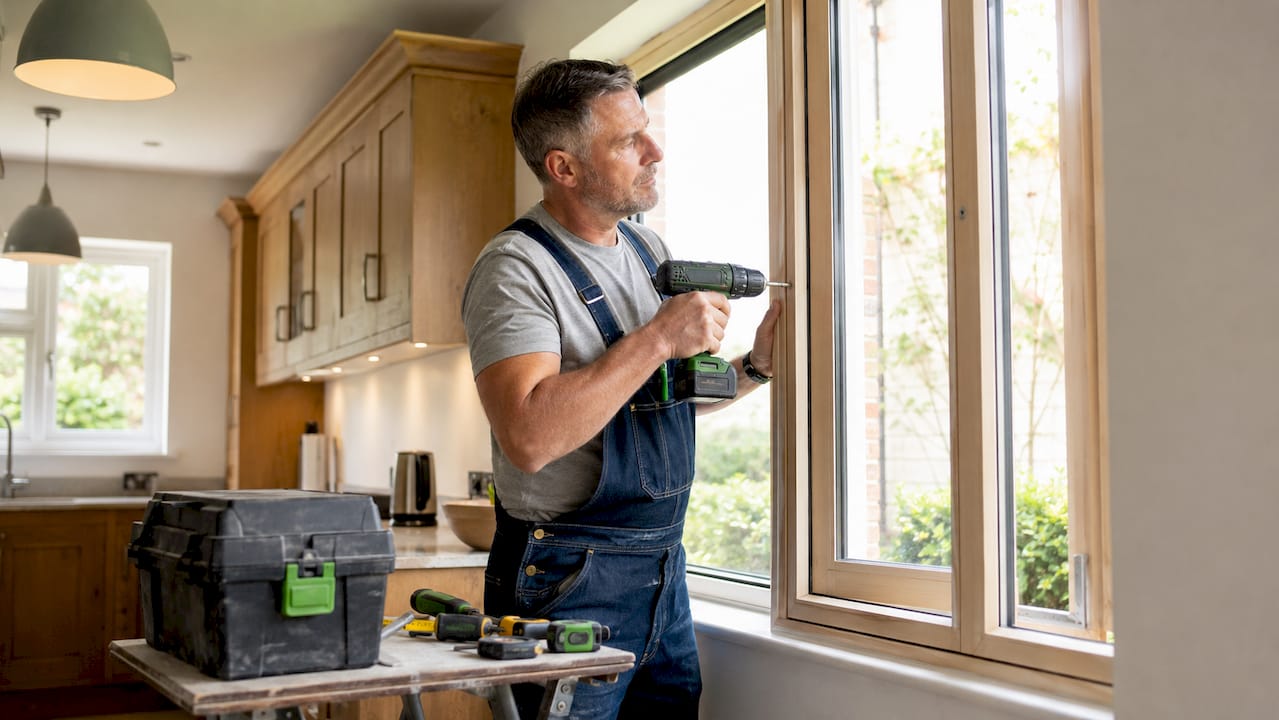
Homeowner checking window lock in kitchen


Multi-point locking mechanisms are one of the most impactful upgrades you can make. Traditional single-point locks leave most of the window frame unsecured and can be levered open with relatively little force. Multi-point locks engage at several points along the frame simultaneously, distributing resistance across the whole unit. For all accessible windows, police advice is to fit key-operated locks to every ground-floor and accessible window, including those on upper floors reachable via a drainpipe or flat roof.

Reinforced frames and reveals prevent attackers from exploiting the gap between the window and the wall. Steel reinforcement within uPVC profiles, or solid hardwood cores in timber frames, makes it far harder to spread or collapse the frame under pressure.

Laminated glazing (two or more glass panes bonded with a plastic interlayer) holds together when struck rather than shattering into fragments. This means a smash-and-grab attempt takes far longer and makes considerably more noise. Toughened glass breaks into small, rounded pieces but does not hold together the way laminated glass does, making laminated the better option for security purposes.

Here is a quick summary of physical security features worth prioritising:

  • Multi-point, key-operated locks on all accessible windows
  • Steel-reinforced uPVC or solid aluminium frames
  • Laminated or laminated-toughened glazing units
  • Shoot-bolt hinges that prevent the window being lifted off
  • Locking night-vent restrictors for safe ventilation
  • Security film applied internally for older single-glazed windows in lower-risk settings
  • Internal security bars or grilles for very high-risk commercial premises

For modern secure window styles that combine all these features with contemporary aesthetics, there are options across every frame material and opening type.

Pro Tip: Even a high-specification window is only as secure as its installation. If the frame is not correctly anchored to the reveal or the sealant is poorly applied, the structural integrity is compromised regardless of the product’s certification.

See our dedicated window lock advice for detailed guidance on upgrading existing hardware.

Smart and sensor technologies: electronic window enhancements

Physical upgrades form the backbone of window security, but adding smart sensors can significantly boost both detection and deterrence. Electronic window security has become increasingly accessible and reliable in recent years, making it a practical addition for homes and businesses alike.

Glass-break sensors are among the most useful electronic tools available. They detect the specific acoustic signature produced when glass fractures, triggering an alert or alarm within milliseconds. This gives you early warning even if an intruder does not fully breach the window. Modern sensors like Honeywell’s FG1625, which uses multi-signal analysis and adjustable sensitivity, significantly reduce false alarms while maintaining reliable response. Getting this balance right is critical, as overly sensitive sensors quickly become ignored.

How and where to install sensors correctly:

  1. Mount glass-break sensors on the ceiling or wall opposite the window, within the manufacturer’s specified detection range (typically four to six metres).
  2. Avoid placing sensors in areas with high background noise such as kitchens near appliances or rooms with heavy traffic.
  3. Test each sensor after installation using the manufacturer’s test tool, not by actually breaking glass.
  4. Integrate sensors with your main alarm panel so that activation triggers both a local siren and a remote notification.
  5. Review sensor placement if you add new windows or change the room’s layout.

The table below outlines the main types of smart window sensors and what they offer:

Sensor type How it works Key advantage
Glass-break detector Detects acoustic frequency of glass fracturing Early alert before full breach
Magnetic contact sensor Detects when window opens unexpectedly Simple, reliable, low cost
Vibration sensor Detects impact or tampering on frame or glass Catches early attempts before breakage
PIR window sensor Detects movement close to a window Useful for monitoring unoccupied spaces
Smart window sensor Combines contact detection with app notification Real-time alerts on your phone


It is worth being clear that sensors do not physically stop an intruder. They work best as a second layer of defence behind strong physical features, not as a replacement for them.

Retrofit versus replacement: choosing the right security upgrade

After considering your options for new features, the choice between retrofitting and full replacement depends on the age and vulnerability of your existing window systems.

Retrofitting means adding security enhancements to windows you already have. This is a cost-effective approach when the core frame and glazing are in reasonable condition and the main weakness is outdated hardware or missing sensors. Retrofit options include:

  • Upgrading to multi-point locks
  • Adding locking restrictors for night-vent security
  • Applying internal security film to existing glazing
  • Installing glass-break and magnetic contact sensors
  • Fitting external window bars or grilles to high-risk openings

Full replacement is necessary when the existing frame is structurally weak, the design is non-compliant with current standards, or the glazing is single-pane or badly degraded. Replacing old windows with units certified to PAS 24 or SBD not only improves security but also brings thermal performance and Building Regulations compliance up to modern requirements.

As NPSA guidance advises, where possible use products that have achieved LPS 1673, and if retrofitting is not sufficient, consider fitting new windows designed and installed to meet an appropriate forced-entry standard. The goal of any certified window is to delay or deter rather than offer an absolute guarantee. A window meeting forced-entry standards can buy you the vital minutes needed for an alarm to be raised or for an intruder to abandon the attempt.

Use this quick guide to decide which approach suits your situation:

  • Choose retrofit if: Your frames are structurally sound, the window is less than fifteen years old, and the primary gaps are in hardware or sensors.
  • Choose replacement if: Frames are warped, cracked, or single-glazed, the window fails current Building Regulations, or you need SBD certification for insurance or planning purposes.

For properties considering sustainable window upgrades, full replacement often delivers combined security and energy efficiency benefits that far outweigh the initial cost.

A security expert’s take: don’t underestimate ‘everyday’ vulnerabilities

Here is something that rarely appears in product brochures or certification documents: the majority of residential break-ins in the UK do not involve smashing glass or defeating sophisticated locks. They involve windows that were simply left unlocked, propped open in an insecure position, or fitted with locks that were never actually used. Advanced hardware is genuinely valuable, but its value is zero if the window is not engaged properly.

We have seen properties with SBD-certified windows, laminated glazing, and multi-point locks that were nonetheless vulnerable because the occupant routinely left the night-vent position unsecured. As highlighted in police guidance on window operating states, burglary may occur without any glass breakage at all because the real vulnerability is the window’s operating state, not its specification.

The practical message is this: your security is only as strong as your least consistent habit. A window that is sometimes locked is an unlocked window from a risk perspective.

Pro Tip: Do a window audit of your property. Walk around every room, check every window, and note which ones have functioning locks that are actually used. You may be surprised by what you find, and the fixes are often very simple.

Attention to the ordinary details, such as using locking restrictors every time you open a window for ventilation, checking older fixing window locks before relying on them, and replacing any hardware that feels loose or difficult to operate, consistently delivers more real-world security value than any single product upgrade. Awareness and consistency are security features too.

Enhance your property’s window security with professional solutions

If you are ready to upgrade your physical and practical security, tailored professional services can help you find the right solution for your specific property.

https://www.cloudy2clearwindows.co.uk


At Cloudy2Clear Windows, we have been helping homeowners and businesses across England and Scotland improve their glazing since 2005. Whether you need to repair broken windows to restore security functionality, explore replacement glazing options that bring your windows up to current standards, or arrange commercial security window repairs for your business premises, our experienced team is ready to help. We ensure every installation and repair meets the security, compliance, and performance standards your property deserves.

Frequently asked questions

What is the difference between PAS 24 and Secured by Design for windows?

PAS 24 is the mandatory minimum required by UK Building Regulations, while Secured by Design is a higher police-preferred standard with more rigorous forced-entry testing and police endorsement, making it the better choice for higher-risk properties.

How effective are glass-break sensors as window security features?

Modern sensors such as the Honeywell FG1625, which uses multi-signal analysis and adjustable sensitivity, provide reliable early alerts and are most effective when used as a second layer of protection alongside strong physical window security.

UK police recommend key-operated locks on all ground-floor and accessible windows, as these significantly increase resistance to both opportunist and planned break-in attempts.

Should I retrofit or replace old windows to improve home security?

If existing frames are structurally sound and hardware is the main weakness, targeted retrofits can boost security cost-effectively. However, NPSA guidance advises replacing windows entirely when the core design is weak or non-compliant with current forced-entry standards.

Why use laminated glass: the UK homeowner’s guide

Most people assume all glass is broadly the same. It lets light in, keeps the weather out, and breaks when something hits it hard enough. But if you are a homeowner or business owner weighing up glazing options, that assumption could cost you in safety, comfort, and compliance. Understanding why use laminated glass matters is not just a technical exercise. It is a practical decision that affects how secure your property is, how quiet it feels inside, and whether your installation meets UK building regulations.

What is laminated glass and how is it made

To fully appreciate why laminated glass is favoured, it helps to understand how it is made and what makes it structurally different from a standard pane.

Laminated glass is made from two or more sheets of glass bonded together with a polymer interlayer, most commonly PVB (polyvinyl butyral). That thin layer sits between the glass plies and does something ordinary glass simply cannot. As laminated glass is constructed, the interlayer transfers forces between the plies and keeps fragments adhered after fracture, rather than allowing shards to scatter freely.

Close-up edge of laminated glass on workbench


This construction changes how the glass behaves under stress. Instead of shattering into dangerous pieces, it holds together in a web pattern. The result is a product that is meaningfully stronger and safer than single-pane glass.

Key structural properties of laminated glass include:

  • Fragment retention: Broken pieces stay bonded to the interlayer, not the floor or a person nearby.
  • Impact resistance: The bonded construction resists penetration better than a single pane of equivalent thickness.
  • Structural integrity: Even after breakage, the panel often stays in place, maintaining a barrier.
  • Versatility: Interlayer type, thickness, and glass combinations can be adjusted for specific performance needs.

How laminated glass improves safety and security in UK properties

Now that we know its structure, let us explore how laminated glass delivers superior safety and meets UK legal requirements.

Infographic comparing laminated glass benefits in strength, noise, and safety


The most important safety feature is straightforward. When the interlayer holds fragments together instead of letting shards fall away, the risk of laceration injuries drops significantly. This matters most in locations where people are close to glass, such as doors, low-level windows, staircases, and overhead glazing.

UK building regulations, specifically Part K, take this seriously. Laminated glass is required in critical locations where falling or impact could cause injury. These include:

  • Overhead glazing where breakage could drop glass onto people below.
  • Doors and side panels within 300mm of a door edge.
  • Low-level glazing below 800mm from floor level.
  • Balustrades and guarding where falls are a risk.

For security purposes, laminated glass also outperforms standard glazing. It resists forced entry more effectively because breaking through it takes significantly more effort and time. Even if the outer pane cracks, the interlayer holds everything together, buying time and often deterring intruders entirely.

Laminated glass is not just a safety upgrade. For businesses handling cash, sensitive stock, or operating in high-footfall areas, it is a practical security measure that standard glass cannot replicate.

For a broader look at your options, our types of safety glass guide covers how laminated glass compares with toughened and other safety glazing products.

Acoustic insulation benefits of laminated glass for homes and businesses

Beyond safety, laminated glass also plays a key role in enhancing acoustic comfort for property owners.

Sound travels through glass by vibrating the pane. The polymer interlayer in laminated glass dampens those vibrations, interrupting the path sound takes through the glass. The result is noticeably less noise reaching the inside of your property. Purpose-designed acoustic laminates with appropriate pane thicknesses and asymmetric constructions can significantly reduce sound transmission, often outperforming standard double glazing.

This is worth unpacking. Many people assume double glazing automatically provides strong noise reduction. It does help, but a standard double-glazed unit with two equal-thickness panes can actually create a resonance effect at certain frequencies. Acoustic laminated glass, especially when used with panes of different thicknesses, avoids this by breaking up the resonance pattern.

The benefits are most pronounced in:

  • Urban homes near busy roads, rail lines, or flight paths.
  • Commercial properties in town centres or near industrial areas.
  • Home offices where concentration and quiet are essential.
  • Hotels and hospitality venues where guest comfort depends on low ambient noise.

Proper frame installation matters too. Even the best acoustic glass underperforms if the frames are draughty or poorly sealed. You can read more about reducing noise with double glazing and explore our dedicated soundproofing services for a complete picture.

Pro Tip: If noise reduction is your primary goal, ask your glazing specialist specifically about acoustic laminated glass rather than standard laminated glass. The interlayer formulation makes a real difference to performance. Our acoustic glazing guide explains what to look for.

Regulatory considerations and limitations for laminated glass in the UK

While laminated glass offers many advantages, it is important to consider UK-specific regulatory constraints before installation.

Not every application is straightforward. UK regulations have limited the use of laminated glass for certain balcony balustrades, particularly where fire spread risk is a concern. This is a nuance many property owners miss until they are mid-project.

Here is a practical checklist to work through before specifying laminated glass:

  1. Identify the application. Is it a window, door, balustrade, overhead panel, or spandrel? Each carries different regulatory requirements.
  2. Check Part K compliance. Confirm whether your location qualifies as a critical location under UK building regulations.
  3. Assess fire safety implications. For balconies and external applications, review Regulation 7(3) exemptions and fire spread guidance.
  4. Confirm energy efficiency compliance. Laminated glass must still meet thermal performance requirements under Part L of building regulations.
  5. Consult a qualified installer. Regulatory requirements change, and a specialist will flag issues before they become problems.

Specification should always be driven by the application, not a generic benefit list. Getting this wrong can mean costly retrofitting or planning delays.

Pro Tip: Review our building regulations guide and window installation standards before committing to any laminated glass project. Understanding the regulatory landscape early saves time and money.

Choosing laminated glass for your property: practical applications and aesthetics

Understanding regulations and technical performance helps you make informed choices to match your property’s needs and style.

Laminated glass is not a single product. It comes in a wide range of constructions, thicknesses, and finishes. Choosing the right type depends on what you need it to do and where it will be installed.


Application Recommended type Key benefit
Ground-floor windows Standard laminated or acoustic laminated Safety and noise reduction
Front doors and side panels Laminated safety glass Fragment retention, security
Overhead glazing / rooflights Laminated (mandatory in many cases) Prevents falling shards
Balustrades (internal) Laminated toughened combination Strength and safety
Commercial shopfronts Thicker laminated or laminated toughened Security and impact resistance
Acoustic priority areas Acoustic laminated with asymmetric panes Maximum noise reduction


Beyond performance, laminated glass also offers genuine design flexibility. Tinted interlayers can reduce glare and solar gain. Patterned or frosted options provide privacy without sacrificing light. Coloured interlayers are popular in commercial settings for branding or aesthetic reasons.

Key considerations when choosing laminated glass:

  • Location and exposure: Properties near busy roads, airports, or high-crime areas benefit most from acoustic and security-rated laminated glass.
  • Regulatory triggers: Always confirm which regulations apply to your specific installation location.
  • Frame compatibility: Your existing frames may need upgrading to accommodate thicker laminated units.
  • Budget vs. long-term value: Laminated glass costs more upfront than standard glass, but the combined safety, acoustic, and security benefits often make it the more cost-effective choice over time.

Pro Tip: Do not choose glass type in isolation. Our guide on upgrading security with the right glass and our safety glass guide can help you compare options side by side before speaking to an installer.

Why laminated glass is an overlooked solution for modern UK properties

Having covered the practical and regulatory landscape, it is worth asking a more direct question: why do so many UK property owners still default to standard or toughened glass when laminated glass offers so much more?

In our experience, the answer comes down to three things: misconception, habit, and incomplete advice.

The misconception is that laminated glass is fragile or unnecessarily expensive. Neither is accurate. It is actually more resistant to penetration than toughened glass of the same thickness, and while it costs more than single-pane glass, it replaces the need for separate acoustic treatment, additional security measures, and in some cases, planning complications that arise from using the wrong product.

The habit problem is subtler. Many builders and developers specify toughened glass because it is familiar and straightforward to source. Laminated glass requires a more considered specification process, so it gets passed over even when it is clearly the better choice.

The incomplete advice issue is perhaps the most important. If you are not told early in a project that your balcony, rooflight, or ground-floor window might legally require laminated glass, you may find out only when a surveyor or building inspector raises it. That is an expensive moment to learn.

Our types of safety glass guide is a good starting point for understanding the full picture. But the real lesson is this: always assess your property’s specific needs rather than defaulting to whatever is most common. Laminated glass is not a premium add-on. For many applications, it is simply the right tool for the job.

Discover laminated glass solutions with Cloudy2Clear Windows

If you are weighing up your glazing options, getting the right advice early makes all the difference. At Cloudy2Clear Windows, we have been helping homeowners and businesses across the UK make informed glazing decisions since 2005.

https://www.cloudy2clearwindows.co.uk


We offer a wide range of laminated glass options suited to homes, commercial properties, and specialist applications. Whether you need double glazing replacement that meets current safety standards, expert commercial fenestration services, or local repairs and installations through our Milton Keynes branch and beyond, our team will guide you through the options and ensure full compliance with UK regulations. Speak to us before you specify, not after.

Frequently asked questions

What makes laminated glass safer than regular glass?

Laminated glass includes a polymer interlayer that keeps broken shards adhered, preventing dangerous falling fragments and significantly reducing the risk of injury compared to standard glass.

Can laminated glass help reduce noise in my home or business?

Yes. Laminated glass with acoustic interlayers reduces sound transmission effectively, particularly when combined with asymmetric pane thicknesses and properly sealed frames.

Are there any restrictions for using laminated glass in balconies in the UK?

UK regulations have limited laminated glass use in certain balcony balustrades due to fire safety concerns, so checking specific rules before installation is essential.

How do I ensure my laminated glass installation complies with UK building regulations?

Consult a qualified installer and reference Part K critical location requirements alongside fire safety guidance, confirming your glass type and installation location meet all applicable rules. For balcony applications, also check fire safety balcony regulations before proceeding.

Is laminated glass more expensive than other types of safety glass?

Laminated glass typically costs more upfront than single-pane glass, but its combined safety, acoustic, and security benefits often deliver better long-term value than purchasing separate solutions for each need.

What affects window efficiency? Your guide to saving energy

Window efficiency is one of those topics where it’s easy to think you understand it until you actually try to make sense of the choices. Most people assume it’s simply about how well a window keeps heat in. In reality, window efficiency depends on the balance between heat loss and solar gain, expressed through ratings like the Window Energy Ratings scheme used across the UK. Get just one of these factors wrong and you could end up spending more on heating and cooling than you did before upgrading. This guide explains exactly what drives performance, in plain language you can actually use.

Understanding window efficiency: The basics every homeowner should know

With misconceptions addressed, let’s demystify what actually goes into measuring window efficiency.

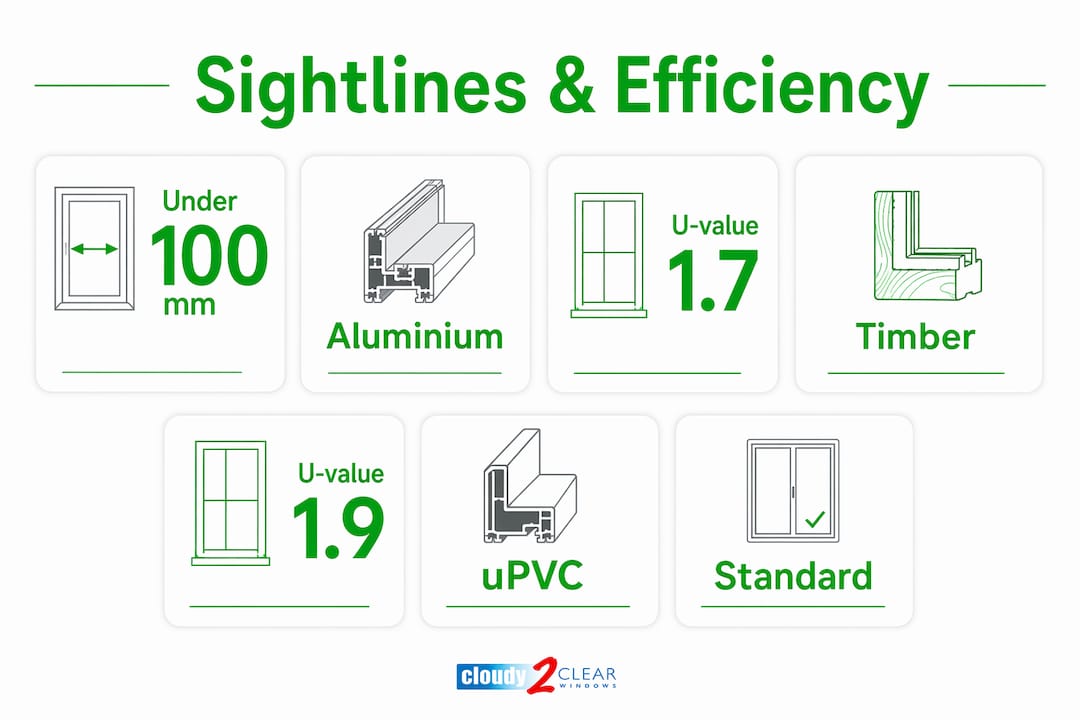
There are two core numbers you need to understand before you do anything else. The first is the U-value, which measures how much heat escapes through a window. Lower is better. A U-value of 1.0 W/m²K is more efficient than a U-value of 2.0 W/m²K. The second is the G-value, which measures how much solar energy passes through the glass. A higher G-value means more solar heat enters your room, which can warm your home in winter but may cause overheating in summer.

Neither number works in isolation. This is why the UK uses a combined scoring system called the Window Energy Rating (WER), which runs from band A (most efficient) to band G (least efficient). The WER accounts for both heat loss and solar gain together, giving you a single, easy-to-read label when you’re shopping for new windows. You can start assessing window efficiency for your own property by looking at the WER band on any window you’re considering.

Here is a quick comparison of WER bands and what they typically mean in practice:


WER band Typical U-value (W/m²K) Typical G-value Practical meaning
A+ Below 0.8 0.5 or above Outstanding efficiency, lowest energy bills
A 0.8 to 1.2 0.4 to 0.5 Excellent, recommended for most UK homes
B 1.2 to 1.4 0.3 to 0.4 Good, meets current UK regulations
C 1.4 to 1.6 0.2 to 0.3 Average, may fall below current standards
D to G 1.6 and above Below 0.2 Poor, likely to increase energy bills


Key facts to keep in mind when reading these ratings:

  • A lower U-value always means better heat retention
  • A higher G-value brings in more solar warmth, useful in cooler months
  • WER band B is the current minimum standard for replacement windows in England
  • Focusing only on U-value can mislead you if G-value and air leakage are ignored

When you look at double glazing efficiency in more detail, you will see just how much variance exists between products that might look identical on the shelf.

Pro Tip: Always ask your supplier for both the U-value and G-value data, not just the WER band. Two windows with the same WER band can have very different performance profiles depending on how they balance heat loss and solar gain.

The science behind U-value, G-value and air leakage

Now that you know what each metric means, let’s see how they interact in practice, because not every home or business is the same.

U-value is measured by calculating how much heat flows through one square metre of the window for every degree of temperature difference between inside and outside. In simple terms, a cold Scottish winter night with a 10°C difference between inside and outside will drive more heat out through a poor-performing window than through a well-insulated one. Reducing your U-value from 2.8 (old single glazing) to 1.2 (modern double glazing) can cut the heat loss through that window dramatically.

G-value tells a slightly different story. A south-facing window with a high G-value (say 0.6) will allow significant solar heat into your living room on a sunny February day, effectively acting like passive solar heating and reducing the load on your boiler. The same window in a west-facing office, however, might create uncomfortable overheating on summer afternoons. This is why the solar gains G-value definition matters when you are selecting glazing for different rooms or orientations.

Air leakage is the third factor that many guides simply skip over. It refers to the uncontrolled flow of air through gaps in the window frame, seals, or opening mechanisms. Even a window with an excellent U-value and a well-chosen G-value will underperform if cold air is seeping in around the edges. Air leakage is measured in cubic metres of air per hour per square metre of window area (m³/h.m²). The lower the figure, the better.

Here is how the three factors work together across different property situations:

  1. North-facing windows in Scotland: Prioritise a low U-value and moderate G-value to retain heat. Air leakage is critical here as cold winds are common.
  2. South-facing conservatories in England: A lower G-value helps prevent summer overheating, even if it slightly reduces winter solar gain.
  3. Commercial office buildings: Both U-value and air leakage matter for consistent internal temperatures and lower HVAC costs.
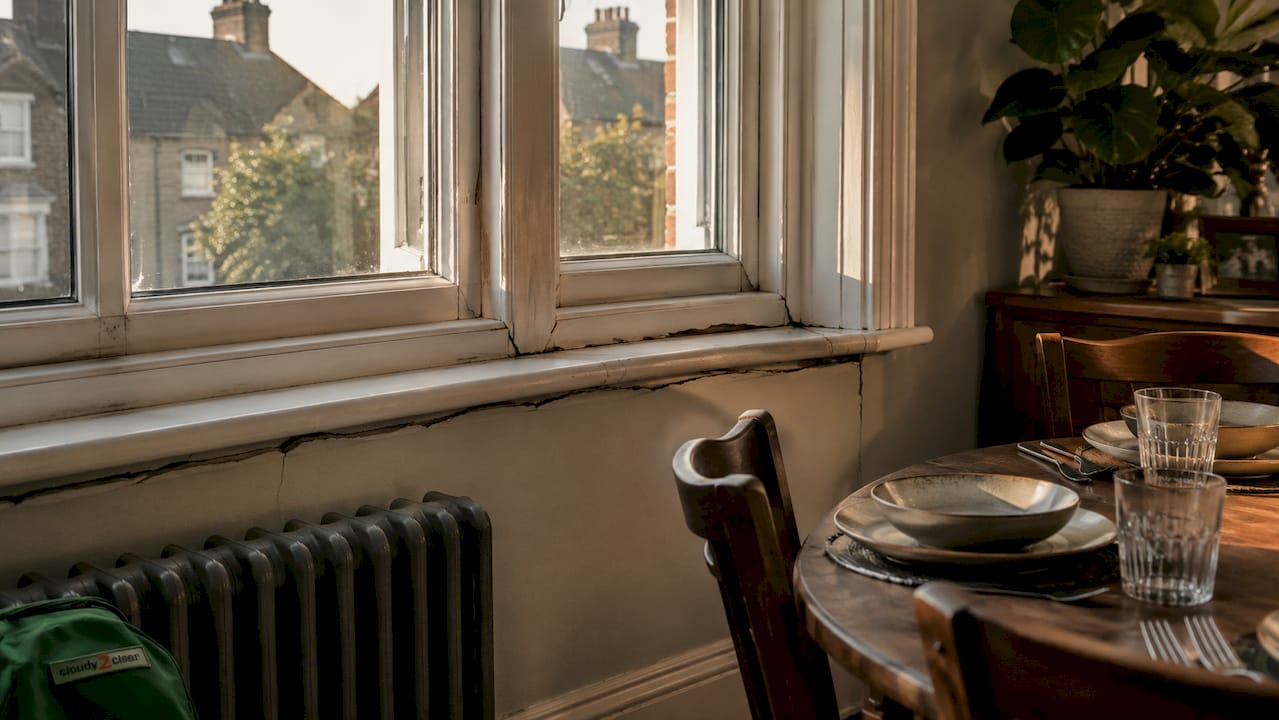
  4. Older Victorian terraces: Focus first on air leakage by sealing frames before investing in full replacement.
  5. New build properties: Must comply with regulated performance benchmarks, currently a maximum U-value of 1.4 W/m²K or the specified WER band under Building Regulations introduced in England in June 2023.

“Even if you improve insulation by lowering your U-value, you may not achieve the expected savings if solar gain and air leakage are not aligned with your property’s orientation, heating strategy, and summer overheating risk.” This is the single most important nuance that homeowners in the UK need to understand before committing to an upgrade.

Your choice of window frame material also plays a role in air leakage performance, as different materials expand and contract at different rates, affecting how well seals hold over time. When selecting glazing options, consider all three metrics together rather than treating them as separate decisions. It is also worth noting that window locking mechanisms and frame integrity go hand in hand, as explored in this UPVC vs wooden windows comparison from a security perspective.

Window design, material, and installation: Do they really matter?

Technical numbers only tell part of the story. Discover how design and build choices affect window efficiency in real homes and offices.

The short answer is yes, they matter enormously. A window with excellent ratings on paper can still fail to deliver if the frame material is poorly suited to your property, or if the installation is rushed or imprecise.

Here is a straightforward comparison of common frame materials used in UK properties:


Frame material Typical U-value contribution Maintenance needs Expected lifespan
uPVC Low (good insulation) Minimal 20 to 35 years
Timber Moderate (varies by treatment) Moderate to high 30 to 60 years with care
Aluminium Higher (can cause thermal bridging) Low 30 to 45 years
Composite Low to moderate Low 25 to 40 years


Thermal bridging is a term worth understanding. It refers to areas where heat bypasses the insulation because the frame conducts it directly from inside to outside. Aluminium frames are particularly prone to this unless they include a thermal break, which is an insulating barrier built into the frame profile. Without it, even the best glazing unit loses efficiency at the edges.

Key factors in glazing type and specification:

  • Single glazing: U-value typically around 5.0 W/m²K, far below current standards
  • Standard double glazing: U-value typically 2.8 W/m²K, acceptable for older properties but not compliant for replacement today
  • Double glazing with low-emissivity (low-E) coating and argon gas fill: U-value typically 1.0 to 1.4 W/m²K, meets current regulations
  • Triple glazing: U-value can reach below 0.8 W/m²K, but higher cost and weight must be justified by your property’s needs

Low-E coatings are thin metallic layers applied to the glass surface. They reflect heat back into the room rather than letting it escape, which significantly improves the U-value without affecting visible light transmission. Argon gas is used between the panes because it conducts heat less readily than air, further reducing heat loss.

Installation quality is where many otherwise good products fail in the real world. Poor sealing around the frame, inadequate fixings, or frames that are not perfectly level will create air leakage points that undermine everything else. Always check that your installer holds relevant credentials and carries out a post-installation inspection. Compliance with Building Regulations for replacement windows must be notified to your local authority or handled through a registered competent person scheme.

The importance of frame material and fenestration design (fenestration simply means the arrangement and sizing of windows in a building) can make a significant difference to both the look and efficiency of your property.

Pro Tip: Always require your installer to show their relevant certification and ask for a written confirmation that the installation meets Building Regulations. A reputable installer will have no hesitation providing this.

Maximising efficiency: Practical tips for the UK climate

Once you grasp what is driving efficiency, you can take concrete steps to optimise your property for the local climate.

Infographic comparing insulation and solar gain factors


The UK climate varies considerably from the south of England to the north of Scotland. Coastal areas bring persistent damp and wind exposure. Urban areas trap heat. Rural Scottish properties can experience temperatures well below freezing for extended periods. A one-size-fits-all approach to window efficiency simply does not work across this range of conditions.

Practical steps you can take right now:

  • Check orientation before choosing G-value: North-facing windows benefit from higher G-values to maximise whatever solar gain is available. South-facing windows, especially in England, may need a lower G-value to prevent summer overheating.
  • Target U-value of 1.4 W/m²K or better for any replacement window to meet current Building Regulations and avoid future compliance issues when selling your property.
  • Inspect seals annually: Run your hand around window frames on a cold, windy day. If you feel cold air, your seals need attention. This is one of the most cost-effective maintenance checks you can carry out.
  • Look for condensation between panes: This is a sign that the sealed unit has failed and the gas fill has been compromised. The insulating properties of the unit will have deteriorated significantly.
  • Use thermal curtains or blinds: These add a secondary layer of insulation during cold nights and can reduce heat loss through even moderately efficient windows.
  • Check for draught gaps around frames: Expanding foam or flexible sealant can address minor gaps without requiring full replacement.

A step-by-step approach to improving efficiency without full replacement:

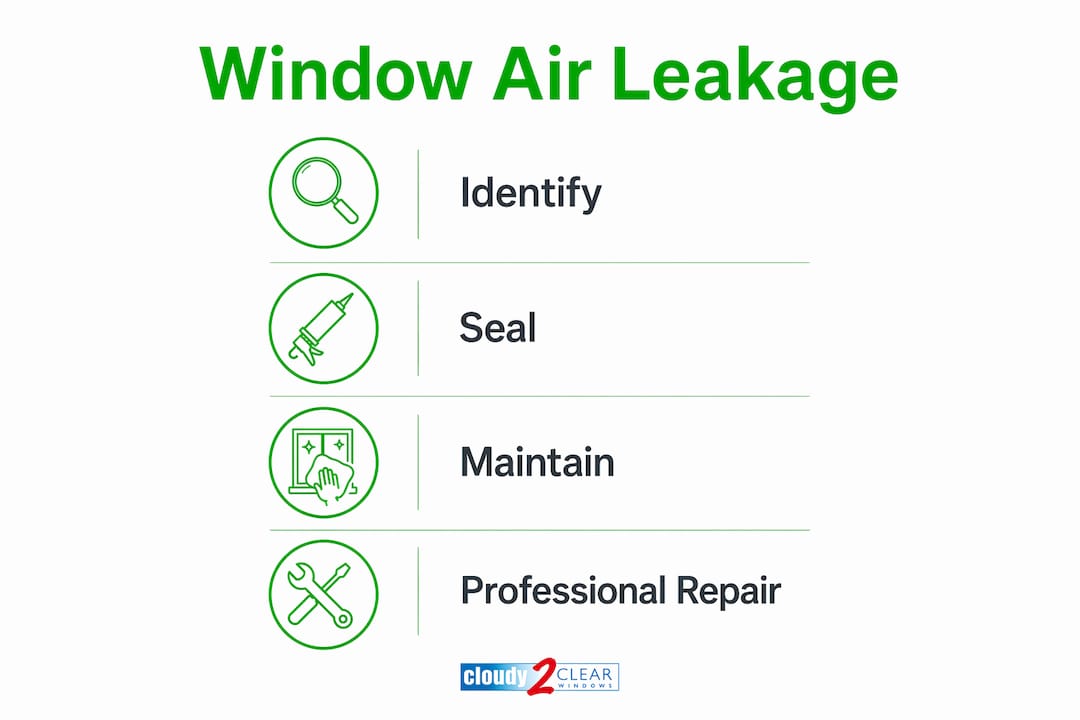
  1. Identify problem windows using a thermal imaging check or a simple hand test on cold days
  2. Seal any gaps around frames with appropriate weather-stripping or sealant
  3. Add secondary glazing film as a budget retrofit option for single-glazed windows
  4. Install thermal blinds or heavy curtains to supplement existing glazing performance
  5. Schedule a professional inspection if fogging, draughts, or condensation between panes are present

For more detailed guidance, our energy saving tips cover a wide range of practical approaches, and our energy-efficient upgrade guide walks you through the full replacement process step by step. For wider home protection, it is also worth reviewing these window security tips alongside your efficiency improvements.

As a reminder, improving solar gain alignment alongside U-value improvements delivers genuinely better results than chasing either metric alone.

Pro Tip: When shopping for replacement windows, use the WER label as your quick-reference guide. A band A or A+ label tells you instantly that the product has been independently assessed as meeting a strong combined standard for both insulation and solar gain.

Why most window efficiency advice oversimplifies the problem

We have spent nearly two decades at Cloudy2Clear helping homeowners and businesses across England and Scotland make better decisions about their windows. And in that time, one pattern keeps repeating itself: people come to us having read advice that told them simply to “get the best U-value you can afford.” They have done exactly that and still find their energy bills are stubbornly high, or that certain rooms are uncomfortable year-round.

The reason is almost always the same. Good advice on window efficiency cannot ignore G-value, air leakage, or property orientation. It is not enough to fit a window with a U-value of 0.8 W/m²K if the installation is poorly sealed, or if the G-value is mismatched to the room’s exposure. A north-facing bedroom with a low-G glazing unit will feel cold and dim all winter. A south-facing kitchen with a high-G unit will be unbearable in July.

What genuinely works is treating your property as a system. Which direction does each window face? What is your primary concern, keeping heat in during winter or preventing overheating in summer? Do you rely heavily on solar gain as passive heating, or do you have a well-insulated building that does not need it? These are the questions that determine the right specification.

The building regulations guide provides the regulatory framework, but compliance should be your floor, not your ceiling. The best results come from understanding your specific property and making informed choices based on real data, not just the minimum required standard. That combination of regulatory knowledge, climate awareness, and tailored specification is what separates a genuinely efficient window from one that simply ticks a box.

Find the right window upgrade for your property

Making the right choice for your property becomes far easier when you have experienced professionals guiding you through the options.

https://www.cloudy2clearwindows.co.uk


At Cloudy2Clear Windows, we have been helping homeowners and businesses across England and Scotland since 2005. Whether you need a straightforward double glazing replacement or a more complex commercial window repair, our team will assess your property’s specific needs and recommend the right specification for your orientation, climate, and budget. We cover a wide range of locations, including our team in Milton Keynes and many other branches across the country. Get in touch with us today to arrange an assessment and start making your property genuinely more efficient.

Frequently asked questions

What is the most important factor affecting window efficiency?

Both the U-value and G-value together determine overall window efficiency, as the Window Energy Ratings scheme combines both metrics into a single band to reflect real-world performance.

Do triple glazed windows always mean the best energy savings?

Not always. Orientation, G-value, frame type, and installation quality must all suit your climate and property, as improving insulation alone will not deliver expected savings if solar gain and air leakage are not aligned.

What do U-value and G-value actually mean?

U-value shows how much heat escapes through the window, while G-value tells you how much solar energy passes through. The Window Energy Ratings scheme uses both figures together to produce a single efficiency rating.

How do I know if my current windows meet UK regulations?

Most replacement windows must achieve a U-value of 1.4 W/m²K or lower, or reach the necessary WER band under Building Regulations. The regulated performance benchmark is the practical compliance standard for any replacement window installed in England today.

Prevent window leaks: the essential checklist for UK homes

Double glazing offers excellent insulation and weather protection, but it is not immune to leaks. Many UK homeowners and business owners are caught off guard when water finds its way inside during a heavy downpour, despite having relatively modern windows installed. The truth is that most window leaks are not sudden failures; they are the result of gradual neglect and small issues that compound over time. This guide gives you a practical, expert-backed checklist to help you stay ahead of leaks, protect your property, and avoid the costly consequences of water damage working its way silently through your building.

Core checklist for preventing window leaks

After introducing the need for a preventative mindset, let’s break down the essential steps into a practical checklist you can follow regularly. These steps are straightforward, require no specialist tools for the most part, and can genuinely save you hundreds or even thousands of pounds in repairs if followed consistently.

  1. Inspect your window seals twice a year. Regularly inspect seals for cracks, gaps, shrinkage, or brittleness every spring and autumn. Run your finger along the perimeter seal where the frame meets the wall and where the glass meets the frame. Any seal that feels hard, cracked, or has visible gaps needs attention. Soft, pliable, unbroken sealant is your first line of defence against rainwater entry.
  2. Clean drainage channels and weep holes. Weep holes are small openings built into uPVC and aluminium frames that allow rainwater to drain away rather than pool and seep inside. Clean drainage channels and weep holes one to two times per year. Use a thin tool such as a matchstick or cotton bud to clear compacted dirt. Pay particular attention after winter when debris can build up or after any exterior painting work, as paint is a common culprit for blocked weep holes.
  3. Lubricate moving parts annually. Hinges, locks, and handles that stiffen over time can stop your window from closing fully and creating a proper seal. Lubricate hinges and locks annually using a silicone-based lubricant rather than oil-based products, which can attract dirt and damage rubber seals. A few minutes with a can of silicone spray keeps everything moving smoothly and ensures your window closes snugly every time.
  4. Check frames for warping, paint failure, and loose hardware. Check for frame warping and peeling paint, and tighten any loose screws in hinges or handles. A warped frame, even slightly, can create a gap through which wind-driven rain enters. Wooden frames in particular can expand and contract with seasonal changes, making this check especially important for older properties.
  5. Test your windows for draughts. On a windy day, hold your hand around the window frame edge. Any cool air movement indicates a gap in the seal. You can also use a lit incense stick; if the smoke wavers near the frame, air is getting through. Where air gets in, water will follow.
  6. Examine the external mastic or silicone bead. The external bead is the thin line of sealant applied where the frame meets the brickwork or render. Over time, UV exposure and thermal movement cause this to crack or shrink away from the surface. Reapplying external sealant is a straightforward DIY task if the gap is small, but for larger failures, professional fixing window leaks may be necessary.
  7. Inspect for signs of water ingress internally. Look at walls and window boards below and around your windows for water staining, bubbling paint, or soft plasterboard. These are indicators that detecting water leaks may already be happening behind the surface, even if no puddle is visible.

Pro Tip: Add these checks to your spring cleaning and autumn maintenance routines so they become habits. Setting a recurring reminder on your phone takes seconds and could save you a significant repair bill down the line.

Recognising the warning signs of leaks

Once you know what to check, it is equally important to spot the symptoms of trouble in time. Many leaks give clear signals well before they become serious problems, and catching them early makes all the difference.

  • Puddles or water trails near windows after rain. Even small amounts of water collecting on an internal window sill after heavy rain are not normal and warrant investigation.
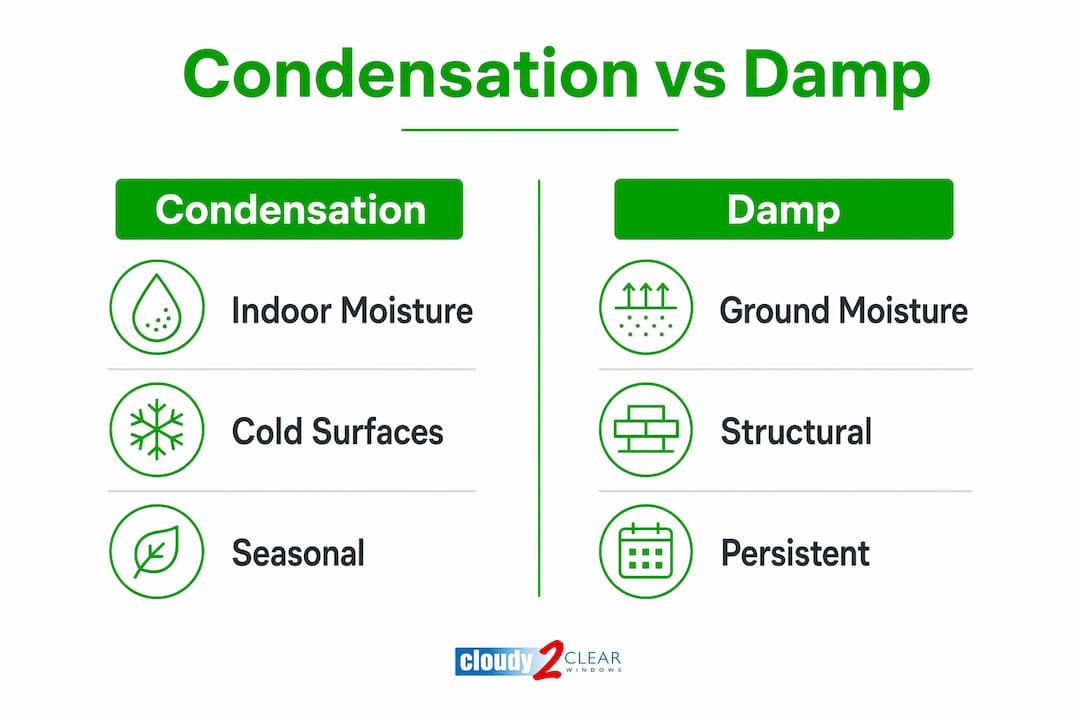
  • Condensation between the two panes of glass. This is a very specific symptom. If you see misting or droplets between the panes rather than on the surface, the sealed unit’s internal seal has failed. Read more about condensation and double glazing to understand what this means for your windows.
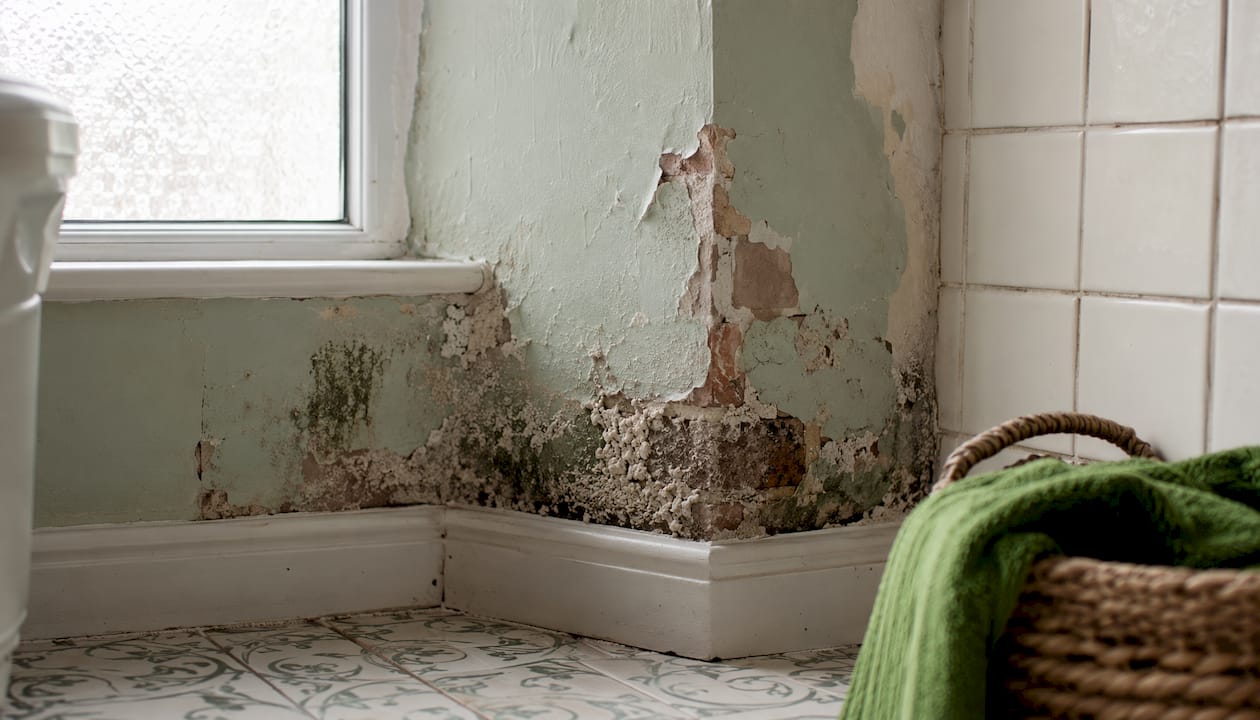
  • Black mould, musty smells, or peeling paint around frames. These are signs of persistent moisture sitting in or around the frame. Mould is a health concern as well as a structural one.
  • Whistling or draughts near windows during strong wind. A draught is essentially a seal failure. If your window whistles in the wind, it is not closing properly and is vulnerable to water entry.
  • Apparent leaks that appear only after painting. This is a specific issue with uPVC and aluminium windows. Decorators sometimes inadvertently block weep holes with paint, causing water to back up and enter the frame. Blocked weep holes are common in the UK, and condensation between panes indicates a failed IGU (insulated glass unit) seal, not something you can fix with a tube of sealant.

Worth remembering: Many symptoms of window leaks look like general damp problems. Before spending money on damp-proofing treatments, always rule out window faults first. Addressing spotting window damage early is nearly always less expensive than treating the downstream effects.

Comparing maintenance priorities: what matters most?

Now that you know how to spot problems, you may wonder where to focus your efforts depending on the windows you have. The type of frame material and the age of your windows both affect how much maintenance attention they need. This table gives you a clear, practical guide.


Window type Seal inspection Drainage cleaning Paint or frame care Lubrication Inspection frequency
uPVC High priority Very high priority Low (no paint needed) Annual Twice yearly
Aluminium High priority Very high priority Low Annual Twice yearly
Timber High priority Medium priority Very high priority Annual Three times yearly
Windows over 10 years old Critical Critical High Every 6 months Three times yearly
Previously leaking units Critical Critical High Every 6 months Quarterly


Proper installation prevents leaks from poor sealing, but even well-installed windows need consistent upkeep to remain effective. uPVC and aluminium frames are low-maintenance in many respects, but their drainage channels collect debris efficiently and need clearing regularly. Timber frames require a more hands-on approach: paint or preservative must be kept intact to prevent moisture absorption into the wood, which leads to swelling, warping, and eventual seal breakdown.

Window maintenance tools and checklist on table


Understanding window seal lifespan is also key. Most sealed glass units are designed to last between 10 and 25 years, but exposure to UV, temperature swings, and poor installation can significantly shorten this. If your windows are approaching or past the 10-year mark without any professional inspection, it is worth booking one. Similarly, learning about window seal failure causes helps you identify risks before they become repair jobs.

Pro Tip: If you have windows over 10 years old, or if you have had previous leaks, double up your inspection frequency. The cost of time spent checking is infinitely smaller than the cost of replacing a water-damaged window frame, subframe, or internal wall.

Maintenance checklist for businesses vs. homes

For business owners and managers, taking a commercial approach means considering a few additions to the core checklist. The fundamental principles of seal inspection, drainage cleaning, and lubrication apply equally, but commercial properties often present added complexity.

Commercial windows may have more complex hardware and cleaning regimes, but the fundamentals of seals and drainage remain the same. Here is how the priorities shift in a commercial context:


Task Residential Commercial
Seal inspection Twice yearly, owner-led Twice yearly, assign to facilities staff
Drainage and weep hole cleaning DIY with basic tools May require professional cleaning for high or large windows
Lubrication of hardware Annual, DIY Annual, may need specialist hardware knowledge
Scheduled professional inspection As needed Annually or per compliance requirements
Record-keeping Not essential Strongly recommended for liability and insurance
Locking mechanism checks Basic May involve complex multi-point or access-control systems


Key considerations for business owners:

  • Assign responsibility clearly. Designate a member of building or facilities staff to carry out and log routine checks. Consistency matters far more than perfection.
  • Consider your compliance obligations. Some commercial leases and insurance policies require evidence of regular maintenance. Keeping a simple log of inspections protects you in the event of a dispute.
  • Arrange professional cleaning for inaccessible windows. High-level windows in commercial buildings often require specialist access equipment for proper cleaning and inspection.
  • Do not delay repairs. A leaking window in a commercial premises can lead to stock damage, slip hazards, and reputational issues with customers or clients.

Protecting your commercial property from water damage is not just about windows. Reviewing guidance on preventing water damage gives useful broader context for how window maintenance fits into an overall property protection strategy. For tailored advice on keeping your business premises in good shape, our commercial maintenance tips cover the topic in detail.

Reviewing common window and door faults is also a useful habit for facility managers, as many faults that lead to leaks start as minor, easily corrected issues.

Why most window leaks go unnoticed — and what actually works long-term

We have covered the practical steps. But what do most people actually get wrong, and what is the honest picture of keeping windows dry year-round?

In our experience, the biggest mistake people make is waiting for a visible puddle before taking action. By the time water is sitting on your window sill, it has likely been travelling through a gap or degraded seal for weeks, possibly months. Water follows the path of least resistance, which means it moves slowly through gaps, along surfaces, and into cavities. The damage it causes in the meantime is silent: softening timber, corroding metal fixings, feeding mould, and degrading insulation.

The UK’s climate makes this worse. We do not have weeks of heavy, consistent rain that makes leaks immediately obvious. Instead, we have wind-driven drizzle, intermittent downpours, and freeze-thaw cycles in winter. This combination is particularly brutal on window seals and frames. A weep hole blocked by a summer’s worth of dust and pollen becomes a serious liability by November. And yet, clearing weep holes takes less than five minutes per window.

One misconception we encounter frequently is the idea that condensation between panes can be fixed by resealing the outside of the frame. It cannot. Condensation between panes means the full glass unit needs replacement, not just resealing. The sealed cavity between the panes has been compromised, and no amount of external sealant will restore its integrity. Recognising this distinction saves you from spending money on a repair that will not solve the problem. Understanding why window seals matter goes beyond just leak prevention; it connects directly to your heating costs and overall comfort.

The most effective approach is always the same: small, regular actions consistently applied. A twice-yearly inspection, annual lubrication, and keeping drainage clear will prevent the vast majority of leaks. This is not complicated advice, but it is the kind that makes a measurable difference over the life of your windows.

Get help with persistent leaks or repairs

If your own checks reveal deeper problems, or if you simply want peace of mind, professional assistance can make a significant difference. Preventative maintenance handles most issues, but there are times when a seal has failed completely, a unit has fogged internally, or a frame has warped beyond adjustment. In those cases, a professional repair or replacement is the right step.

https://www.cloudy2clearwindows.co.uk


At Cloudy2Clear Windows, we have been helping homeowners and business owners across England and Scotland resolve window problems since 2005. Whether you need a single failed glass unit replaced, a full seal repair, or a professional assessment of your entire property’s windows, our experienced team is ready to help. We specialise in replacing just the glass within existing frames where possible, saving you the cost and disruption of a full window replacement. Visit our website to find your nearest team and get the support your windows need before a small issue becomes an expensive problem.

Frequently asked questions

How often should I check window seals and drainage to prevent leaks?

You should inspect seals twice a year, ideally every spring and autumn, and clear drainage channels at the same time to prevent blockages from causing water ingress.

What does condensation inside double glazing mean?

Condensation between the panes indicates that the internal IGU seal has failed, meaning the sealed glass unit requires full replacement rather than external resealing.

Can blocked weep holes cause window leaks?

Yes, blocked weep holes from paint or accumulated dirt are a common cause of apparent leaks in the UK; clearing them regularly prevents water from pooling and backing up into the frame.

Do commercial windows require a different leak prevention approach?

The core steps are the same, but commercial windows may involve more complex hardware and benefit from scheduled professional inspections alongside assigned staff responsibility for routine checks.

Is annual lubrication necessary for all window types?

Yes, lubricating hinges and locks annually with a silicone-based product keeps all moving parts functioning correctly and ensures windows close fully to maintain a proper weather seal.

Window ironmongery explained: enhance your windows

Window ironmongery is one of those terms that trips people up. Most homeowners and business owners think of window hardware as just locks, maybe handles if they’re being thorough. But the reality is far broader, and those gaps in knowledge lead to poor purchasing decisions, avoidable repairs, and missed opportunities to improve how your property looks and performs. This article breaks down exactly what window ironmongery means, which parts matter most, how to choose the right finish, and how to keep everything in good working order for years to come.

What is window ironmongery and why does it matter?

Window ironmongery is the collective term for all the metal fittings and hardware components attached to a window. That includes everything involved in opening, closing, securing, and ventilating a window. Handles, hinges, locks, stays, restrictors, and trickle vents all fall under this category. If it moves, fastens, or seals a window, it’s ironmongery.

“Window fittings are one part of the wider category of metal items used in buildings for decoration and function.”

People often assume ironmongery is just about security. That’s understandable. Locks are the most visible and talked-about component. But ironmongery also shapes ventilation, accessibility, child safety, and even the fire escape compliance of your building. Getting it wrong doesn’t just look bad. It can create real problems with insurance claims, building regulations, and the long-term durability of your windows.

Here’s why window ironmongery matters so much for your property:

  • Security: Locks and multi-point locking systems protect your home or business from forced entry.
  • Weatherproofing: Correctly fitted hinges and seals keep wind and rain out.
  • Ventilation: Trickle vents and stays allow controlled airflow without compromising safety.
  • Accessibility: Lever handles and low-force mechanisms improve usability for all occupants.
  • Compliance: Building regulations in England and Scotland require specific hardware in certain settings, particularly around fire escape windows and child safety.
  • Property value: Quality fittings signal a well-maintained property to buyers and tenants.

If you’ve ever struggled with a window that won’t close properly or a lock that sticks, you’ve already experienced what happens when window ironmongery is worn, mismatched, or low quality. Exploring common window faults can help you identify whether the hardware is the root cause before spending money on the wrong fix.

Now that we’ve cleared up what window ironmongery is, let’s look at the specific types involved and how they work in practice.

Hierarchy infographic of window ironmongery parts Hands fixing window handle and hinge

Types of window ironmongery: parts you need to know

Understanding the individual components helps you make confident decisions when replacing, upgrading, or specifying hardware. Here are the main parts you’ll encounter:

  • Handles: The most visible piece of ironmongery. They come in cockspur, espagnolette, and tilt-and-turn styles depending on window type. Cockspur handles are common on older uPVC casement windows, while espagnolette handles engage multi-point locking systems.
  • Locks: Including surface-mounted sash locks, window restrictors with locks, and key-operated systems. The right lock depends on your window profile and security requirements.
  • Hinges: Hold the window in place and determine how it opens. Friction hinges are standard on modern casement windows and can be adjusted to control how far the window opens.
  • Stays: Also called casement stays or window stays. These bar-shaped fittings prop open a window at a fixed position and can double as a restriction device.
  • Trickle vents: Small, slot-based ventilators built into the frame or glazing bead that allow a controlled flow of fresh air even when the window is closed. They are increasingly required under Part F of the Building Regulations.
  • Restrictors: Limit how far a window opens, typically to 100mm for child safety in upstairs rooms. Some restrictors can be overridden by an adult in a fire emergency.


Component Primary function Compliance note
Handle Operation and locking Should suit window profile
Lock Security and intruder resistance Meets insurance requirements
Hinge Supports sash movement Must match window weight/size
Stay Ventilation control Can restrict opening width
Trickle vent Background ventilation Often required under Building Regs
Restrictor Child safety Required at heights over 2m


Each of these parts interacts with the others. A stiff hinge puts more strain on a handle. A worn restrictor means a stay takes on more load than it should. Thinking of window ironmongery as a system, not a collection of individual parts, is the mindset that leads to better outcomes.

When you’re selecting hardware, it’s essential to match ironmongery to your window material. Timber, uPVC, and aluminium frames all have different profiles, screw spacings, and surface requirements. Getting advice on choosing window frames before committing to hardware can save you from costly mismatches. You’ll also find it useful to review the wider window materials guide to understand how material choice shapes your ironmongery options.

Pro Tip: Before ordering replacement ironmongery, photograph every existing component and note the screw spacing, handle spindle size, and frame thickness. These measurements are often more reliable than visual identification alone.

Having covered the types of window ironmongery you’ll encounter, it’s important to understand how different styles and finishes influence both performance and design.

Function comes first, but finish and style matter more than most people realise. The wrong finish can look out of place on a period property or seem dated in a newly renovated commercial space. The right one ties your windows together with your doors, architraves, and interior hardware.

Popular finishes currently available in the UK include:

  • Polished chrome: Clean, modern, and easy to maintain. Suits contemporary homes and offices particularly well.
  • Satin chrome: A softer, less reflective version of chrome. Versatile and widely used in both residential and commercial settings.
  • Matte black: Very popular right now, especially in modern and industrial style interiors. Works well with grey window frames and minimalist design schemes.
  • Antique brass: A warm, traditional finish that suits Georgian, Victorian, and Edwardian properties. Requires occasional polishing to maintain its appearance.
  • Antique bronze: Darker than brass and highly popular for heritage restorations. More forgiving on maintenance than polished brass.
  • Polished brass: Striking but high maintenance. Better suited to formal or period settings where regular upkeep is feasible.

Statistic callout: Interior design surveys consistently show that matte black hardware finishes have seen a significant rise in demand across UK residential projects over the past five years, driven largely by the growth of contemporary and Scandi-inspired interiors.


Finish Style suitability Maintenance level Corrosion resistance
Polished chrome Modern, contemporary Low High
Satin chrome Modern, transitional Low High
Matte black Industrial, minimalist Medium Medium
Antique brass Period, traditional High Medium
Antique bronze Heritage, rustic Medium Medium
Stainless steel Commercial, coastal Very low Very high


Coastal properties in particular need to prioritise corrosion resistance. Salt air accelerates the deterioration of lower-quality finishes, and you can find yourself replacing ironmongery far sooner than expected if you choose style over suitability. Stainless steel and high-grade chrome are often the wiser choice in those environments.

For period properties, it’s worth researching which styles would have been used originally and selecting reproductions or sympathetic modern alternatives. A Georgian sash window fitted with a sleek chrome cockspur handle loses a great deal of its character. Browsing modern window styles can help you understand which hardware trends fit which architectural contexts. You should also consider how the finish interacts with frame materials by reading about window frame efficiency, and if sustainability matters to you, it’s worth exploring sustainable window hardware options.

Once you’ve chosen the right look and material for your window ironmongery, regular maintenance is key to keeping everything working and looking its best.

Care and maintenance: keeping your window ironmongery working for years

Well-chosen ironmongery can last decades. Poorly maintained ironmongery, regardless of quality, can fail in a handful of years. The good news is that basic upkeep takes very little time and prevents the vast majority of problems.

“Ironmongery that covers both decorative and functional roles in buildings needs regular attention to maintain safe and effective performance.”

Here is a straightforward routine maintenance process you can follow:

  1. Clean all surfaces. Use a damp, soft cloth and mild detergent to remove dirt and grease from handles, locks, and hinges. Avoid abrasive cleaners, which scratch protective coatings.
  2. Lubricate moving parts. Apply a light machine oil or specialist ironmongery lubricant to hinges, lock mechanisms, and any sliding components. Do this every six months at minimum.
  3. Check and tighten fixings. Screws in handles and hinge plates work loose over time with repeated use. A quick check with a screwdriver takes minutes and prevents bigger problems later.
  4. Inspect for corrosion. Look closely at exposed metal surfaces for early signs of rust or pitting, particularly after winter. Catching it early means treating rather than replacing.
  5. Test each component’s operation. Open, close, and lock every window. If anything feels stiff, grates, or doesn’t seat properly, investigate before it worsens.
  6. Check restrictors and stays. Ensure child safety restrictors engage correctly and that stays hold the window open at the intended angle without slipping.

Common issues to watch for include:

  • Sticking handles: Often caused by a worn spindle or a locking mechanism that needs lubrication.
  • Windows that won’t close flush: Usually a hinge alignment problem or a worn keep (the strike plate the lock engages with).
  • Corroding hinges: Frequently a sign that moisture is getting in around the frame, or that the finish was poorly suited to the environment.
  • Rattling windows: Often a stay that’s no longer holding, a worn handle, or a seal problem rather than a glass issue.

Pro Tip: Take a seasonal approach to maintenance. Check everything in autumn before cold weather arrives, and again in spring after winter stress. Two rounds of upkeep per year is far more effective than occasional irregular attention.

For more detailed guidance, our advice on maintaining double-glazed windows covers the broader picture. If your locks specifically need attention, step-by-step advice on repairing window locks is available, and for hands-on repairs covering locks, hinges, and handles together, our lock, hinge and handle repair service is there when you need professional support.

Understanding maintenance leads naturally into expert perspectives. Let’s reveal what most guides miss about window ironmongery choices in the UK.

The truth most guides miss about window ironmongery

Most articles about window ironmongery talk about style and price. That’s where the conversation usually ends. But in our experience at Cloudy2Clear, the properties that end up with the most ironmongery problems are those where the original choices were made based purely on appearance or budget.

Here’s what we see repeatedly: a homeowner fits cheaper handles and hinges to save money during a renovation. Within three years, the hinges are sagging, the locks are stiff, and the handles are pitting. The replacement cost, including labour and repeat disruption, easily exceeds what quality hardware would have cost in the first place.

The more overlooked issue is future-proofing. UK building regulations around ventilation, fire escape windows, and accessibility requirements do evolve. If you install ironmongery today that meets current standards, but choose the bare minimum, you may find it needs replacing sooner than expected when regulations tighten. Insurers are also increasingly scrutinising window security standards, and sub-standard locks can affect your cover.

Our honest advice: look at lifespan and warranty before anything else. A reputable brand offering a ten-year guarantee on ironmongery is almost always a better investment than a cheaper alternative with no warranty. You should also consider certifications such as Secured by Design accreditation for locks and hardware, which is recognised by police forces and insurers across England and Scotland.

Understanding window materials also plays into this. The ironmongery that performs best over the long term is always specified with the frame material in mind. Mismatched combinations cause accelerated wear, galvanic corrosion where dissimilar metals meet, and operational problems that become frustrating daily realities.

Think of ironmongery as an investment in the smooth running of your property, not an afterthought once the glass is fitted.

Get expert help with your window ironmongery

Knowing what you need is a strong start. But matching the right hardware to your specific windows, frames, and compliance requirements takes experience that goes beyond a product catalogue.

https://www.cloudy2clearwindows.co.uk


At Cloudy2Clear Windows, we’ve been helping homeowners and businesses across England and Scotland with window repairs, replacements, and upgrades since 2005. Whether your ironmongery is worn out, non-compliant, or simply not doing its job, our team can assess the situation and recommend the right solution. Our commercial window repairs service handles everything from single handles to full-building hardware upgrades. If you’re based in the Midlands, our Milton Keynes glazing repairs team is ready to help locally. Get in touch with us to talk through your options with someone who knows windows inside and out.

Frequently asked questions

What does window ironmongery include?

Window ironmongery covers all the metal fixtures and fittings on a window, including handles, locks, hinges, stays, trickle vents, and restrictors. Each component plays a role in the window’s function, safety, and appearance.

Why is quality important in window ironmongery?

High quality ironmongery ensures secure operation, long-term durability, and compliance with building regulations, all of which reduce the total cost of ownership. As metal items used in buildings for both function and decoration, the right choice protects your investment.

How often should window ironmongery be maintained?

Check and lubricate your window ironmongery at least twice a year, ideally in spring and autumn, to prevent sticking and extend the lifespan of all moving parts.

Is window ironmongery suitable for all window types?

Yes, but selection must match your window’s material and profile. There are ironmongery options for timber, uPVC, and aluminium windows, each with specific sizing, fixing, and finish requirements.