• USP Logo Icon
    25 Year Guarantee
  • USP Leaf Icon
    Latest ECO Friendly Technology
  • USP Pointer Icon
    National Coverage
Get a FREE quote

Heritage glazing explained: preserve character and efficiency

Many owners of traditional properties believe that improving their windows means choosing between keeping the original look and making the building warmer and more efficient. This assumption stops countless homeowners and business owners from taking action, leaving them with draughty rooms and rising energy bills. Heritage glazing challenges that idea directly. It offers a range of carefully considered solutions that protect the historic character of your property while genuinely improving comfort and performance. This guide covers what heritage glazing is, how it works in practice, which options suit different property types, and what you need to know before starting a project.

What is heritage glazing?

Heritage glazing refers to glass systems designed to replicate or preserve the original appearance of traditional windows in period properties. If your home or business occupies a building constructed before the 1930s, or if it sits within a conservation area or holds listed status, you are likely dealing with windows that cannot simply be swapped out for standard modern units.

Standard double glazing uses chunky frames and thick sealed units that look entirely out of place in a Georgian townhouse or a Victorian warehouse conversion. Heritage glazing is different. It uses slim profiles, high-clarity glass, and installation techniques that minimise any visible change to the window’s appearance. The goal is to preserve what makes the building distinctive while quietly improving its performance.

“Historic England and the Society for the Protection of Ancient Buildings (SPAB) are clear on this: prioritise repair over replacement, apply minimum intervention, and retrofit energy efficiency through slim glazing or secondary glazing without altering the historic fabric of the building.”

This guidance shapes everything about how responsible heritage glazing projects are planned and delivered. Technical advice from Historic England recommends targeting U-values (a measure of heat loss through glass, where lower is better) of approximately 1.6 W/m²K where possible, without compromising the building’s historic character.

Heritage glazing applies across a wide range of window types. Victorian sash windows, Edwardian casements, Georgian small-pane windows, and even church and chapel glazing all fall within its scope. Understanding the different sash window styles available helps you appreciate how repair and retrofitting can serve these windows well without wholesale replacement.

Key principles of heritage glazing include:

  • Repair before replacement: fixing existing frames, sashes, and glass rather than removing them
  • Minimum intervention: making only the changes necessary to achieve the desired improvement
  • Authentic appearance: matching the profile, glass texture, and proportions of original windows
  • Regulatory compliance: working within planning and listed building consent requirements

Types of heritage glazing solutions

Now that the meaning and requirements of heritage glazing are clear, we examine the main types available and how each fits traditional property needs.

There is no single answer to heritage glazing. The right solution depends on your property’s age, its listed or conservation status, the condition of existing frames, and your energy performance goals. Here is a breakdown of the main categories.

Solution Typical use Energy benefit Visual impact
Single glazing repair Grade I listed, ancient fabric Low, but stops draughts None, fully authentic
Slim double glazing Conservation areas, unlisted period homes Moderate to good Minimal if well specified
Secondary glazing All heritage property types Good Visible internally only
Vacuum glazing (VIG) Listed buildings, conservation areas Excellent Very low, near-invisible


Single glazing repair is appropriate where any form of replacement glass would require listed building consent that is unlikely to be granted. Skilled glaziers can re-putty and reseat original crown or cylinder glass, dramatically reducing draughts at minimal cost and with no change to appearance.

Slim double glazing uses sealed units as thin as 12mm overall, compared to the 24mm or more used in standard double glazing. These slimmer units fit within existing rebates (the grooves in frames that hold the glass) in many period windows. The result is a genuine improvement in thermal performance while keeping the outward appearance almost identical to the original.

Glazier fits slim double glazing historic sash


Secondary glazing involves fitting a separate, discreet glazed panel on the inside of an existing window. It is entirely reversible, requires no alteration to the historic window itself, and is widely accepted by conservation officers even for Grade I listed buildings. It can also provide excellent acoustic insulation, which matters greatly if your property sits on a busy road or in a city centre.

Vacuum insulated glazing (VIG) is the most technically advanced option. Two panes of glass are separated by a tiny vacuum gap, achieving thermal performance comparable to standard double glazing in a unit just 6 to 8mm thick. Vacuum glazing is increasingly accepted as “indistinguishable from single glazing” by planning authorities. It represents a significant investment but delivers outstanding results where other options are not viable.

Pro Tip: Always commission a professional survey before deciding which solution suits your property. Conservation officers can indicate their preferred approach before you spend money on specifications. Early consultation avoids costly revisions later.

The energy savings from sash replacement and the growing range of sustainable window options now available mean that heritage properties no longer have to lag behind modern buildings on efficiency grounds.

Infographic heritage glazing types and benefits

Balancing heritage requirements with energy efficiency

With the main types of heritage glazing summarised, we move on to address the practical challenge: combining strict conservation rules with the drive for energy efficiency.

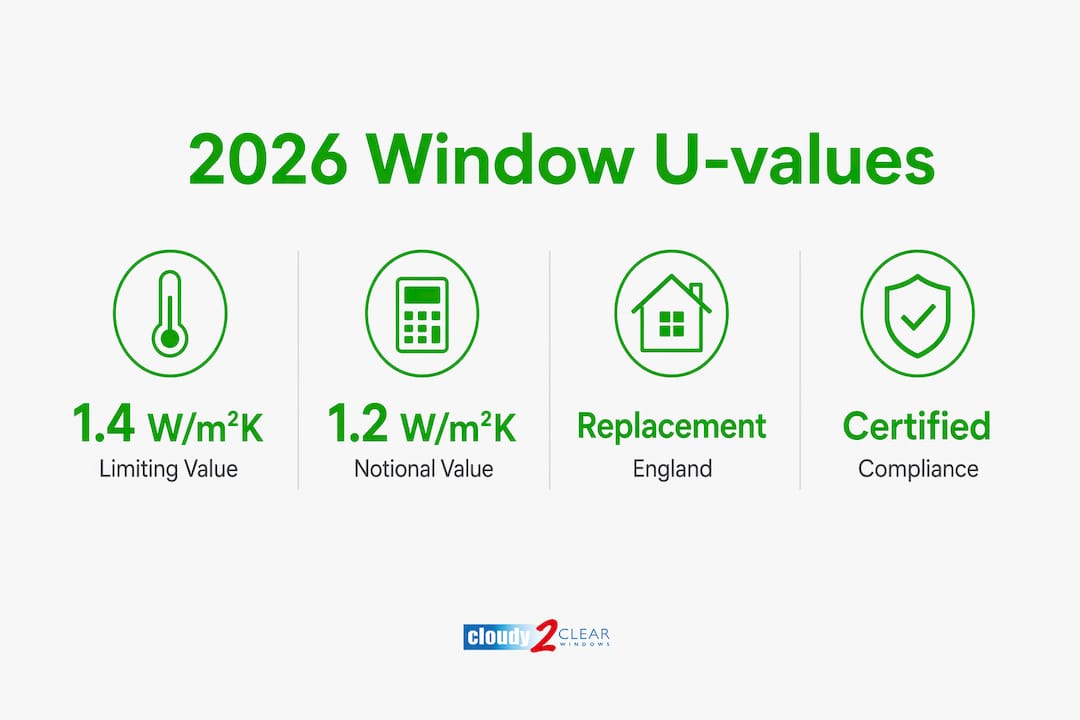
The UK’s Approved Document L sets out the energy performance standards that new and replacement windows must meet. For most replacement glazing in domestic properties, the target centre-pane U-value is 1.4 W/m²K or better. However, heritage properties often benefit from exemptions or relaxed targets where meeting the full standard would require unacceptable changes to historic fabric.

In practice, Part L regulations for windows allow for “reasonable provision” when working on traditional buildings. This means the target shifts to achieving the best energy performance that is practically achievable without harming historic character. A U-value of around 1.6 W/m²K is often cited as a realistic and acceptable target for heritage retrofits.

Intervention Typical U-value achievable Cost range (per window) Planning risk
Draughtproofing only 3.0 to 4.5 W/m²K £100 to £300 Nil
Single glazing repair 4.5 to 5.0 W/m²K £150 to £400 Nil
Secondary glazing 1.8 to 2.2 W/m²K £300 to £900 Very low
Slim double glazing 1.4 to 1.8 W/m²K £500 to £1,200 Low to moderate
Vacuum glazing 1.0 to 1.5 W/m²K £1,000 to £2,500 Low


Even simple draughtproofing, which costs relatively little, can reduce heat loss through a traditional sash or casement window by up to 40%. This is often the first step recommended by conservation specialists before any glazing upgrade is considered.

Understanding why window frames matter is also critical. A well-specified slim double-glazed unit installed into a rotting or poorly fitted frame delivers far less benefit than the same unit properly bedded into a sound, well-maintained timber frame. The frame is part of the thermal envelope, not just a decorative surround.

Practical retrofit strategies that respect historic fabric include:

  • Draughtproofing all opening sashes and casements before considering glazing changes
  • Installing secondary glazing on the inside of original single-glazed windows
  • Replacing cracked or broken single glass with slim double or vacuum units within the same rebate
  • Using thermally broken slim aluminium or timber slim-profile frames where full replacement is approved

Common challenges and expert solutions

Energy efficiency and heritage compliance are only half the equation. Here are the practical obstacles and proven solutions that ensure lasting results.

Heritage glazing projects can throw up unexpected complications. Knowing what to watch for saves time, money, and considerable frustration.

  1. Arched and curved windows: Standard sealed units are rectangular. Arched windows, common in Victorian and Georgian buildings, require custom-made curved or arched units. Vacuum glazing can now be produced in curved formats, though this adds significantly to cost and lead time.
  2. Grade I listed buildings: The highest category of listed protection imposes strict limits on what can be changed. In most cases, repair and secondary glazing are the only realistic options. Replacement glazing, even of the most sympathetic kind, often requires a strong conservation justification.
  3. Coastal and high-wind locations: Windows in exposed coastal positions face accelerated deterioration from salt air and driving rain. Sealed units in these locations may need reinforced glass and enhanced edge sealing. Technical guidance from Historic England recommends reinforced units for high-exposure buildings.
  4. Failed seals and condensation: One of the most common problems in any glazing, heritage or modern, is the failure of the seal between the panes in a double-glazed unit. When the seal breaks down, moist air enters the gap and condenses on the inner surfaces, creating that characteristic cloudy or misty appearance. In heritage properties, this is compounded by the fact that low ventilation rates and thermal bridges in old frames can drive condensation further. Understanding how to prevent window seal failures and identify and solve types of window condensation is essential for long-term success.

“Failed seals are the single most common heritage glazing complaint we encounter. The solution is not always a replacement unit: improving ventilation and addressing cold bridging in the frame often resolves the problem without further cost.”

Pro Tip: If you notice condensation between the panes, do not ignore it. Left untreated, the moisture encourages mould growth in the frame and can cause timber rot. Act early and the repair is almost always straightforward and affordable.

The process: heritage glazing projects step by step

Armed with knowledge about challenges and solutions, you are ready for a breakdown of what a heritage glazing project really involves.

A well-managed heritage glazing project follows a clear sequence. Cutting corners at any stage is the surest way to encounter delays, extra costs, or a refusal from the planning authority.

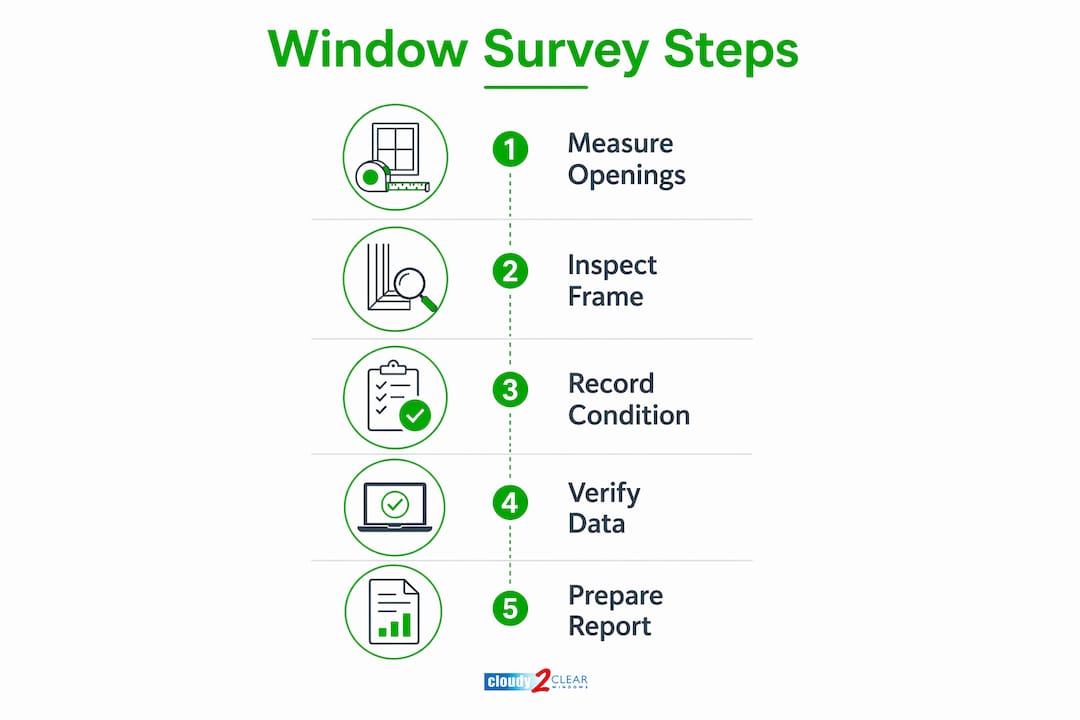
  1. Initial survey: A specialist surveys the property, assessing the condition of existing frames, glass, and ironmongery, and identifying the most appropriate glazing solution for each window.
  2. Conservation officer consultation: Before any specification is finalised, contact your local planning authority’s conservation officer. Their informal guidance, even before a formal application, shapes the entire project. Always consult early and document the advice you receive.
  3. Specification and design: The glazing contractor prepares detailed drawings and specifications showing exactly what will change and what will remain. For listed buildings, this document forms part of the consent application.
  4. Planning approvals: Depending on the building’s status and the scope of work, you may need listed building consent, planning permission, or both. In some cases, a straightforward secondary glazing installation requires no formal approval at all.
  5. Installation: Skilled craftspeople carry out the installation, often working in occupied buildings and in sensitive historic interiors. Quality control at this stage is critical, particularly for the bedding and sealing of units.
  6. Aftercare and maintenance: Heritage glazing requires ongoing maintenance. Annual checks of putty, seals, ironmongery, and drainage channels keep the windows performing well for decades.

Pro Tip: Photograph every stage of the project, including the existing condition before work starts. This record is invaluable if any dispute arises with the planning authority or a future owner of the property.

The detailed process for heritage double glazing projects is worth reviewing in full before you begin planning your own work.

Why minimal intervention is usually best for heritage glazing

Here is a hard-won lesson from years working within conservation regulations and with historic building fabric: the instinct to replace is almost always wrong.

Many property owners approach a heritage glazing project believing that newer, thicker, or more technically sophisticated automatically means better. In reality, the opposite is often true. A well-repaired original sash window, fitted with draughtproofing and a discreet secondary glazing panel, frequently outperforms a poorly specified slim double-glazed replacement in both thermal performance and longevity.

Original timber frames, when maintained properly, last for centuries. The same cannot be said of many modern window systems. The guidance from Historic England is unambiguous on this: repair and minimum intervention are not just regulatory preferences; they are genuinely the most intelligent approach in most situations.

There is also a financial argument. Replacing every window in a listed Victorian terrace can cost tens of thousands of pounds and may still not achieve the energy performance that a carefully executed secondary glazing programme delivers at a fraction of the price. The money saved is better spent on insulating the roof or upgrading the heating system, where the thermal gains are far larger.

The most rewarding heritage glazing projects we see are those where the owner respects the building’s fabric. Working with conservation rules, rather than trying to find ways around them, produces results that improve comfort, reduce bills, and protect the long-term value of the property. Exploring the full range of sash window options often reveals that repair and retrofitting deliver exactly what owners were hoping to achieve with a full replacement, without the cost, disruption, or regulatory risk.

See how Cloudy2Clear brings heritage glazing solutions to the UK

If you own a period property or manage a heritage commercial building, getting the glazing right matters enormously. At Cloudy2Clear Windows, we have been helping homeowners and businesses across the UK with glazing repairs and replacements since 2005. Our experience spans both private and commercial properties, including conservation areas and listed buildings.

https://www.cloudy2clearwindows.co.uk


Whether you need a professional window replacement that meets heritage requirements or specialist commercial window repair for a historic business premises, our local teams are ready to help. We understand how conservation officers think, what specifications work, and how to deliver results that protect both your property’s character and your comfort. Find your local Cloudy2Clear specialist and take the next step with confidence.

Frequently asked questions

Can I install double glazing in a listed building?

You can often install slim or secondary glazing in listed properties, but always consult your local conservation officer and gain proper listed building consent before any work begins.

What is the most energy-efficient heritage glazing solution?

Vacuum glazing and slimline double glazing offer the strongest energy efficiency gains while maintaining a look that is virtually indistinguishable from original single glazing.

How can I prevent condensation in heritage glazing?

Ensure window seals are in good condition and maintain adequate ventilation throughout the property, as failed seals and poor ventilation are the leading causes of condensation and mould in heritage glazing.

Is it better to repair or replace old heritage windows?

Experts recommend repair and retrofit wherever possible, as this preserves the historic fabric of the building, is more likely to satisfy conservation requirements, and often delivers better long-term value than full replacement.

Spot the signs you need new windows: a homeowner’s guide

Your windows do more work than you might realise. They hold in warmth, keep out noise, and protect your home from the elements every single day. But when they start to fail, the signs can be surprisingly easy to miss until your heating bills creep upwards, cold draughts appear from nowhere, or you notice a persistent milky haze between the panes. This guide walks you through the key warning signs, explains what causes windows to deteriorate, and helps you decide whether repair or replacement is the right move for your home.

Recognising the early warning signs

Now that you understand the risks, it is time to identify the actual red flags present in your home. Double glazed windows are designed to last, but they are not immune to wear. The trouble is that many of the signs of failure are gradual. You adjust to a slightly colder room, you stop noticing the faint rattle when the wind picks up, and before long a small problem has quietly grown into a costly one.

Persistent condensation between window panes indicates failed seals. That milky or foggy appearance inside the glass is not just cosmetic. It means the sealed unit has been compromised and the insulating gas inside has escaped. Once that happens, the window loses a significant portion of its thermal performance.

Here are the most common warning signs to look out for:

  • Misting or cloudiness between the panes. This is the most tell-tale sign of a failed seal. The moisture you see trapped inside the glass cannot be wiped away because it is between the two panes.
  • Draughts near closed windows. Run your hand around the frame on a cold day. If you feel cold air coming through, the seal or frame has failed.
  • Difficulty opening, closing, or locking. Stiff handles, windows that drop when opened, or locks that no longer engage properly all point to warped frames or worn mechanisms.
  • Rattling or excessive outside noise. A well-fitted double glazed window should significantly reduce street noise. If it no longer does, the unit may have lost its insulating properties.
  • Visible frame damage. Cracked, rotted, or discoloured frames are a clear signal. uPVC frames that have yellowed or become brittle, or timber frames showing signs of rot, need attention quickly.
  • Rising energy bills. If your heating costs have increased without an obvious reason, your windows could be leaking warmth. Understanding the signs of window damage early can save you considerably on your energy bills.

Understanding why window seals fail is equally useful, as it helps you catch problems before they worsen. There are also a range of window and door faults that homeowners regularly overlook until the damage becomes significant.

Worth knowing: A single failed sealed unit does not always mean you need to replace the entire window. In many cases, just the glass unit itself can be swapped out, preserving the existing frame and saving you money.

How failing windows affect your home and wallet

Spotting the signals is just the first step. Next, understand why acting on them matters for both comfort and costs.

When a window’s thermal performance drops, your home loses heat through the glass and frame much faster than it should. Your boiler works harder to compensate, and your energy bills reflect that. Replacing failed windows cuts heat loss, making homes warmer and saving money over time. The savings can be meaningful, particularly in older homes with multiple failing windows.

Infographic with heat loss, seal life, savings, security stats


Window problems often lead to higher heating bills, and this is one of the most direct financial consequences of delayed action. But the impact goes beyond your energy costs.

Moisture and mould risk. When cold air penetrates through a failing window, it meets warm interior air and creates condensation on the surrounding wall surfaces. Over time, this moisture encourages mould growth, which can damage plasterwork, wallpaper, and even structural timbers. Mould also poses a health risk, particularly for children and those with respiratory conditions.

Condensation and mould forming on window seal


Security concerns. A window that does not lock properly, or one with a cracked pane, is a vulnerability. Faulty mechanisms are not just inconvenient; they can make it easier for opportunists to gain access to your home.

Window condition Estimated annual heat loss Potential energy saving after replacement
Single glazed Very high Up to £200 per year
Double glazed (10+ years, seal failed) High Up to £130 per year
Double glazed (good condition) Moderate Baseline comparison
Modern A-rated double glazing Low Best performance


For a fuller picture of how glazing affects your running costs, the double glazing efficiency guide is a helpful resource. It is also worth checking whether your replacement windows need to meet energy savings compliance standards under current building regulations.

Pro Tip: If your frames are still structurally sound and in good condition, replacing only the failed glass units rather than the entire window can achieve most of the energy savings at a fraction of the cost. Always get a professional assessment before committing to full replacement.

Common causes behind window deterioration

To maintain comfort and protect your investment, it helps to understand what leads to window failure in the first place.

Windows face a tough job. They are exposed to the full force of the British climate, from freezing winter nights to summer heat, and everything in between. Over time, this takes a toll on every component.

Seals often degrade over 10 years, especially in exposed positions such as south-facing elevations or coastal locations where UV exposure and wind-driven rain are more intense. The sealed unit relies on a gas-filled cavity (usually argon) between two panes of glass. When the seal breaks down, that gas escapes, and the insulating effect is lost.

The most common causes of window deterioration include:

  • Age and UV exposure. Ultraviolet light gradually breaks down the polymers in rubber seals and uPVC frames, causing them to harden, crack, and lose their flexibility.
  • Thermal expansion and contraction. Every time temperatures rise and fall, frames and glass expand and contract slightly. Over many years, this repeated movement stresses the seals and fixings.
  • Poor original installation. Windows that were not fitted correctly from the outset tend to fail earlier. Gaps in the sealing, incorrect fixings, or frames that were not properly squared can all accelerate deterioration.
  • Physical damage. Impacts from garden equipment, footballs, or even heavy rain carrying debris can chip or crack panes and frames.
  • Lack of maintenance. Frames and seals benefit from periodic cleaning and inspection. Dirt and grime can trap moisture against seals, speeding up their breakdown.

Understanding the importance of window seals helps you appreciate why even minor damage to them matters. If you are already seeing signs of seal failure, reading about replacing window seals will give you a clearer idea of what the process involves and when it makes sense.

Simple maintenance steps such as cleaning frames with a mild detergent, checking that drainage channels are clear, and lubricating hinges and handles annually can meaningfully extend the life of your windows.

Repair or replace? Making the right decision

Knowing the causes and visible issues, the next step is to decide on the most sensible solution for your situation.

This is where many homeowners feel uncertain. The good news is that not every problem requires a full window replacement. Some issues can be solved with repairs, but severe problems need complete replacement. The key is to assess each window honestly and methodically.

Factor Repair Full replacement
Cost Lower upfront cost Higher upfront, better long-term value
Disruption Minimal Moderate, usually one day per window
Best suited for Isolated seal failure, minor frame damage Widespread failure, structural frame damage
Energy improvement Good if frames are sound Maximum improvement
Lifespan gained Several years 15 to 25 years


Use this checklist to assess whether repair is a viable option for your windows:

  1. Check the frames. Press gently on the frame around the window. If it feels solid and does not flex, the frame is likely still structurally sound.
  2. Identify the type of damage. Is it just the glass that is misted? Or are the frames cracked, rotted, or warped? Glass unit replacement is simpler and cheaper than full frame replacement.
  3. Count how many windows are affected. If only one or two units are misted but the frames are fine, repair makes sense. If most of your windows are failing, replacement may be more cost-effective overall.
  4. Test the locks and handles. Mechanisms can often be replaced independently without touching the frame or glass.
  5. Consider the age of the windows. If your windows are approaching or past 20 years old and showing multiple signs of failure, replacement is likely the better investment. Review the window seal lifespan data to put the age of your windows in context.

Pro Tip: Acting on a failed sealed unit quickly, rather than waiting to see if it worsens, prevents moisture from reaching the frame and causing secondary damage. In many cases, a timely glass unit swap is all that is needed.

What to expect when replacing your windows

Once you have chosen to replace, knowing what comes next helps you plan and avoid surprises.

Professional window replacement is a well-established process, and a reputable installer will guide you through each stage clearly. Here is what typically happens:

  1. Initial assessment. A specialist visits your home to inspect the existing windows, measure openings accurately, and discuss your requirements including style, glazing type, and frame material.
  2. Quotation. You receive a detailed written quote covering all costs. There should be no hidden charges. Use this stage to ask questions about energy ratings, guarantees, and timescales.
  3. Manufacturing and scheduling. Replacement windows are usually made to measure. Lead times vary but are typically two to four weeks from order confirmation.
  4. Removal of old windows. On installation day, the old windows are carefully removed. A good installer will protect your interior and minimise mess throughout.
  5. Professional installation. New windows are fitted, sealed, and adjusted to ensure smooth operation and a weathertight finish. All locks and handles are tested before the installer leaves.
  6. Aftercare and guarantee. Reputable companies provide a guarantee on both the product and the installation. You should receive documentation covering this, along with any relevant building regulations compliance certificates.

Most single-window replacements are completed within a day. Larger projects involving multiple windows across a property may take two to three days. The immediate benefits are usually noticeable straight away: less noise, no draughts, and a warmer feel to the room.

Most homeowners wait too long — here’s why catching early signs pays off

Here is a perspective you might not have considered, and it is one we have seen play out many times since we began working with homeowners in 2005.

Most window problems do not announce themselves dramatically. There is no sudden failure, no obvious moment where you think “right, that needs sorting.” Instead, the deterioration is gradual. A small amount of misting appears in autumn. You notice it, think about it, and then forget about it over winter. By the following year, the misting is worse, the frame is starting to show damp, and what could have been a straightforward glass unit replacement has become a more involved job.

We have seen this pattern repeatedly. A homeowner who acts on early window damage warnings typically spends less overall, experiences less disruption, and avoids the secondary problems that come with prolonged moisture ingress, such as mould, damaged plasterwork, and compromised frames.

The practical takeaway is simple: build a quick window check into your routine home maintenance, ideally twice a year. In autumn, before the cold sets in, and in spring, after the worst of the weather has passed. Look for misting, test the handles and locks, feel for draughts, and inspect the frames for any visible damage. Five minutes of attention twice a year can prevent a much larger bill further down the line.

Pro Tip: Take a photo of any window that shows early signs of misting or damage. Comparing photos over six to twelve months helps you track whether the problem is progressing and gives a specialist useful information when they visit.

Need expert help? Professional window repairs and replacements

If you have spotted these signs or simply want peace of mind, expert help is close by.

At Cloudy2Clear Windows, we have been helping homeowners across England and Scotland assess, repair, and replace their double glazed windows since 2005. Whether you need a single misted unit swapped out or a full window replacement programme across your property, our local specialists can visit, assess, and advise without any obligation.

https://www.cloudy2clearwindows.co.uk


We offer window glass replacement services designed to restore your home’s warmth, security, and appearance efficiently. With branches across the country, including Watford window repairs and Milton Keynes window repairs, there is a local expert ready to help. Get in touch today to book your free assessment and find out exactly what your windows need.

Frequently asked questions

How long do double glazed windows last before needing replacement?

Seals often degrade over 10 years, particularly in exposed or south-facing positions, though well-maintained windows in sheltered locations can perform well for longer.

Will replacing windows really reduce my energy bills?

Yes. Replacing failed windows cuts heat loss noticeably, resulting in a warmer home and lower heating costs, particularly if your current windows are old or have failed seals.

Can I repair a misted double glazed unit or must it be replaced?

Persistent condensation between panes means the sealed unit has failed and cannot be repaired by cleaning. The glass unit itself needs to be replaced, though the frame can often be retained.

How can I tell if my window problem is repairable?

If the frame is structurally sound and the damage is limited to the glass or seals, a repair may be possible rather than a full replacement. A professional assessment will confirm the best course of action.

What’s the process for replacing windows?

Replacement involves a home assessment, a written quote, manufacturing to measure, removal of the old windows, professional installation, and a guarantee covering both product and workmanship.

Window fenestration explained: Boost efficiency and style

Most property owners think about insulation, boilers, or solar panels when they want to cut energy bills and improve comfort. Yet the windows themselves, and specifically the decisions made about their arrangement, size, glazing, and framing, often deliver the most immediate and visible impact. This is the world of window fenestration, and it remains one of the most underestimated factors in both energy performance and property aesthetics. Whether you own a Victorian terrace in Edinburgh or manage a commercial office block in Oxford, understanding fenestration gives you a genuine advantage when planning any window upgrade.

What is window fenestration?

Fenestration is simply the term used to describe the arrangement, design, and specification of windows, doors, and other openings in a building. It covers everything from how many windows a wall has, to where they sit, how large they are, what type of glazing fills them, and what materials frame them. It is a word that architects and building professionals use daily, but one that most homeowners and business managers rarely encounter until they start planning a renovation.

Understanding fenestration matters because every choice you make about your windows affects several things at once:

  • Natural light: The size and position of windows determines how much daylight reaches your interior, which affects mood, productivity, and the need for artificial lighting.
  • Ventilation: Opening types, such as casement, tilt-and-turn, or sash, control airflow and help manage indoor air quality.
  • Energy use: Glazing specification and frame materials directly influence how much heat escapes in winter and how much solar warmth enters in summer.
  • Building character: The style, proportion, and finish of your windows define the external appearance of your property as much as any other feature.
  • Regulatory compliance: UK building regulations set specific performance thresholds for windows, meaning your fenestration choices must meet legal standards.

The importance of window frames is often overlooked in favour of focusing purely on the glass, but frames contribute significantly to both thermal performance and visual appeal. A poorly specified frame can undermine even the best glazing unit.

Close-up of window frame repair with glazier


Pro Tip: When planning any window upgrade, sketch out the orientation of each wall before choosing your glazing. South-facing windows benefit from solar gain in winter, while north-facing ones need stronger thermal performance to compensate for the lack of direct sunlight.

As the British Woodworking Federation notes, window energy performance is assessed using specific ratings and measurements that apply to the whole fenestration unit, not just the glass alone.

The energy performance of windows: U-value and WER explained

Once you understand what fenestration means, the next step is knowing how its performance is measured. Two key metrics govern this in the UK: the U-value and the Window Energy Rating (WER).

Infographic comparing U-Value and WER window ratings


U-value measures the rate at which heat passes through a material. For windows, a lower U-value means less heat escapes, so your property stays warmer for less energy. Think of it like a score for how well your window holds heat inside. A single-glazed window might have a U-value of around 5.0 W/m²K, while a quality double-glazed unit can achieve 1.2 W/m²K or better.

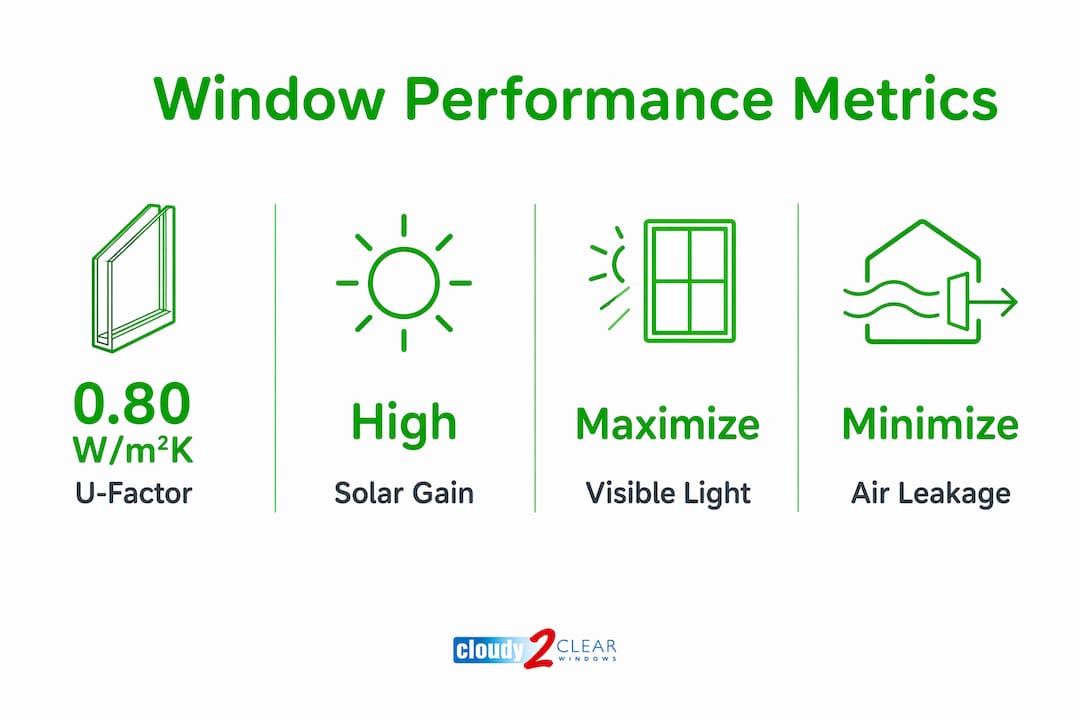
WER takes a broader view. Rather than measuring heat loss alone, it combines three factors: the U-value, solar gain (how much useful warmth from sunlight enters through the glass), and air leakage (how much draughty air passes around the frame). The result is a single letter grade, similar to an energy label on a fridge or washing machine.

“The BFRC WER scale ranges from A++ (best) to G (worst), combining U-value, solar gain, and air leakage into one accessible rating.” Product Energy Performance

Here is how the regulatory requirements compare across the UK:

Location Minimum U-value Minimum WER band
England and Wales 1.6 W/m²K Band C
Scotland 1.4 W/m²K Band B


These are not suggestions. They are legal requirements for replacement windows under UK Building Regulations. Scotland applies stricter standards than England and Wales, reflecting its colder climate and the greater need for thermal retention.

For a thorough breakdown of what these figures mean in practice, our energy efficient window guide walks you through real-world performance differences. You can also review our window regulations overview for a clear summary of what applies to your property.

Pro Tip: Always ask your window supplier for the WER label before agreeing to any installation. A reputable installer will provide this documentation without hesitation, and it protects you legally as well as financially.

Choosing the right window fenestration for efficiency and style

Now that you understand how performance is measured, you can make informed choices about the specific glazing and framing options available to you. Not all windows are equal, and the right combination depends on your property type, location, and goals.

Here is a comparison of the most common glazing options:

Glazing type Typical U-value Best suited for Key benefit
Standard double glazing 1.4 to 1.8 W/m²K Most homes and offices Cost-effective compliance
Low-e double glazing 1.0 to 1.4 W/m²K Energy-conscious upgrades Reflects heat back inside
Triple glazing 0.6 to 1.0 W/m²K Scotland, exposed locations Superior thermal retention
Secondary glazing Variable Listed buildings, heritage Minimal visual alteration


Frame materials also play a significant role. uPVC frames are low maintenance and thermally efficient. Timber frames offer a traditional aesthetic and good insulation properties when properly maintained. Aluminium frames are slim and durable, making them popular in commercial settings, though they require a thermal break to prevent heat loss through the metal itself.

When selecting your fenestration, consider these points:

  • Property orientation: South-facing glazing can usefully capture solar gain; north-facing windows should prioritise low U-values.
  • Building age and style: A Georgian townhouse needs windows that respect its proportions, while a modern office block can accommodate larger, more contemporary panes.
  • Occupancy patterns: A home occupied during the day benefits differently from solar gain than a business premises that is empty at weekends.
  • Local planning rules: Conservation areas and listed buildings restrict the types of windows you can install, regardless of energy performance.

Windows meeting WER Band C or better comply with UK regulations for England and Wales, while Scotland requires Band B or above. Choosing a product that exceeds the minimum is always wise, as it future-proofs your investment against tightening standards.

For those considering greener choices, our guide to sustainable window options covers materials and manufacturing considerations in detail. If you are weighing up whether triple glazing is worth the additional cost for your situation, our article on triple glazing explained provides a balanced assessment.

Pro Tip: Do not automatically choose the highest-rated glazing available. Triple glazing adds weight to frames and may require structural adjustments. For most properties in England, a quality low-e double glazed unit achieves excellent results at a more practical cost and weight.

Window fenestration and UK regulations: What you must know

Understanding the regulatory landscape is essential before you commit to any window project. Getting it wrong can mean having to redo work at your own expense, or complications when you sell your property.

“FENSA certification is required for replacement windows in England and Wales; regulations differ in Scotland, where Building Control notification applies.” Product Energy Performance

FENSA (the Fenestration Self-Assessment Scheme) allows registered installers to self-certify that their work complies with Building Regulations in England and Wales. When you use a FENSA-registered company, they handle the compliance paperwork on your behalf and issue you a certificate. This certificate is important when you sell your property, as solicitors routinely request it.

In Scotland, the process works differently. Installers must notify the local Building Control authority, and the standards are stricter, as outlined in the table above. Always confirm which scheme applies to your location before work begins.

Here is a clear summary of the steps for a compliant window replacement:

  1. Confirm your location’s regulations: England, Wales, and Scotland each have specific requirements. Check which apply to your property.
  2. Choose a registered installer: In England and Wales, look for FENSA or CERTASS registration. In Scotland, confirm the installer will notify Building Control.
  3. Specify compliant products: Ensure the windows you order meet or exceed the minimum U-value and WER band for your region.
  4. Obtain documentation: Receive your compliance certificate on completion and keep it with your property records.
  5. Check planning restrictions: If your property is in a conservation area or is listed, obtain any necessary planning consent before installation begins.

Our detailed guide to window building regulations covers each of these steps with additional detail for both residential and commercial properties.

Applying fenestration knowledge: Real-world scenarios

Theory is useful, but seeing how fenestration decisions play out in practice makes the choices much clearer.

Upgrading a Victorian terrace in Manchester: The owner wants to improve energy efficiency without losing the sash window character that defines the street. The solution is slim-profile double glazed sash windows with a low-e coating, achieving a U-value of around 1.4 W/m²K. The frames are painted timber, matching the original look. The result complies with regulations and cuts heating costs noticeably.

Refurbishing a modern office block in Glasgow: The building manager needs to meet Scotland’s stricter 1.4 W/m²K requirement across a large glazed facade. Aluminium-framed double glazing with a thermal break and low-e glass is specified. The slim frames maintain the contemporary appearance while achieving Band B WER performance. BREEAM (Building Research Establishment Environmental Assessment Method) credits are also gained for the energy improvement.

Balancing heritage look with efficiency in a conservation area: A business in a listed building cannot change the external appearance of its windows. Secondary glazing is fitted internally, adding a second pane without altering the original frames. While U-values do not reach the same level as full replacement, the improvement is significant and fully compliant with heritage restrictions.

Common mistakes to avoid during planning or retrofitting:

  • Ignoring orientation: Fitting the same glazing specification on all elevations wastes money and misses efficiency opportunities.
  • Overlooking air leakage: A window with an excellent U-value but poor frame seals will still allow draughts and heat loss.
  • Skipping the compliance certificate: Without documentation, you may face problems when selling or remortgaging.
  • Choosing style over performance: A beautiful window that fails to meet regulations will need replacing again sooner than expected.

As the BWF confirms, matching fenestration decisions to current regulations guarantees compliance and maximises the long-term benefits of your investment. For inspiration on contemporary options, our guide to modern window styles shows how efficiency and aesthetics can work together effectively.

Pro Tip: Always request a U-value calculation for the whole window unit, not just the glazing panel. The frame and edge spacer contribute to the overall figure, and some suppliers quote centre-pane values that look better than the real-world performance.

Why most window upgrades miss the mark: Our perspective

After nearly two decades of installing, replacing, and repairing windows across England and Scotland, we have noticed a consistent pattern. Most property owners focus almost entirely on the glazing specification and overlook everything else. They choose a window with an impressive WER label, then wonder why their energy bills do not fall as expected.

The truth is that the specification on paper and the performance in practice can be very different things. A window rated at Band A will underperform if it is installed without proper attention to the reveals, the sealing around the frame, and the thermal bridging at the edges. Installation quality matters as much as product quality, and this is something the industry does not discuss loudly enough.

There is also a widespread assumption that any upgrade is automatically an improvement. We have seen properties where replacing old but well-fitted timber windows with cheaper uPVC units actually increased draughts, because the new frames were not installed with the same care as the originals. The glass was better; the overall result was worse.

Context matters enormously. A window that performs brilliantly in a modern detached house in the Midlands may be entirely wrong for a stone-built cottage in the Scottish Highlands, where wind exposure, moisture, and temperature extremes demand a completely different approach. Orientation, local climate, building fabric, and occupancy patterns all shape what the right fenestration decision looks like for your specific property.

Our view is that the conversation should start with your building, not with a product catalogue. Understanding window installation value means looking at the whole picture: the right product, correctly specified, properly installed, and matched to the building it serves. That is what delivers lasting efficiency and genuine value.

Discover expert window solutions with Cloudy2Clear

Understanding fenestration is the first step. Putting that knowledge into practice with the right team behind you is what makes the real difference to your property.

https://www.cloudy2clearwindows.co.uk


At Cloudy2Clear Windows, we have been helping homeowners and businesses across England and Scotland make better window decisions since 2005. Whether you need a straightforward repair, a full replacement programme, or specialist advice on meeting Scotland’s stricter regulations, our experienced team is ready to help. We cover a wide range of locations, including window repairs in Oxford, and we offer dedicated support for commercial fenestration projects of any scale. Get in touch today for a free, no-obligation consultation and find out how the right fenestration choices can transform your property’s performance and appearance.

Frequently asked questions

What is the difference between U-value and WER in window ratings?

U-value measures how much heat a window loses, while WER offers an overall performance grade that also considers solar gain and air leakage, making it a more complete picture of real-world efficiency. The BFRC WER scale combines all three factors into a single A++ to G rating.

Do I need FENSA certification for window replacement in Scotland?

FENSA certification applies to England and Wales only. In Scotland, a different regulatory scheme applies, requiring direct notification to Building Control and compliance with stricter performance standards.

How can I tell if my windows meet current UK regulations?

Check for a U-value of 1.6 W/m²K or less and WER Band C or above for England and Wales. In Scotland, current regulations require a U-value of 1.4 W/m²K or less and WER Band B or above.

Are modern window styles compatible with older homes?

Yes, you can select styles and glazing that maintain a heritage appearance while delivering modern energy efficiency, provided the installation is carried out correctly and any planning restrictions are respected.

Will upgrading my window fenestration increase property value?

Quality window upgrades improve energy efficiency, comfort, and kerb appeal, all of which typically contribute positively to both residential and commercial property values over time.

Effective strategies for commercial window maintenance

Neglecting your commercial double glazed windows is a slow drain on your budget, your building’s appearance, and your energy bills. Water ingress alone, resulting from delayed sealant inspection, can cost businesses between £6,000 and £20,000 to remediate once damage has taken hold. Most of those costs are entirely preventable. This guide walks you through a practical, expert-backed framework for maintaining commercial double glazed windows, covering everything from routine cleaning and inspection to dealing with failed seals and knowing when to bring in professional support.

Understanding double glazed window maintenance needs

Commercial double glazed windows face considerably more wear than their residential counterparts. Higher footfall, greater exposure to the elements, and stricter regulatory expectations all mean your maintenance requirements need to be planned, documented, and consistently executed. Getting a handle on what those requirements look like is the first step.

What standards actually require

In commercial settings, window maintenance is not simply a matter of aesthetics. Recognised standards such as those set by ASTM International and the American Architectural Manufacturers Association (AAMA) define the inspection cycles and materials required to keep glazing systems performing safely. For commercial properties, sealant reapplication every 3 to 5 years in harsher climates is recommended, with more frequent inspections where exposure is particularly severe. These are not optional guidelines; they inform building compliance and can affect insurance terms.

In the UK commercial context, this translates to regular inspection of structural silicone sealants, weather seals, weep holes, and frame integrity. Weep holes, the small drainage channels built into window frames, are easy to overlook but are critical for preventing water from pooling inside the frame cavity. A blocked weep hole can lead to water ingress inside your building fabric within weeks during a wet English winter.

Key risks for commercial buildings

Understanding risk helps you prioritise. Here are the main failure points to monitor:

  • Failed insulating glass unit (IGU) seals: The sealed unit between double glazed panes contains either argon gas or dry air that provides thermal insulation. When the perimeter seal degrades, moisture infiltrates and fogging appears between the panes.
  • Water ingress through sealant joints: Silicone and polyurethane sealants around frames degrade over time. Cracks allow water to track through the building envelope.
  • Damaged or stiff hardware: Hinges, friction stays, and locking mechanisms need to operate freely. Faulty hardware puts stress on frames and seals.
  • Condensation and mould: Persistent moisture on or around frames can lead to mould growth, which creates health risks and can trigger complaints.
Risk factor Likely cause Potential impact
Fogged glass between panes Failed IGU seal Reduced thermal efficiency, poor appearance
Water stains on interior walls Blocked weep holes or failed sealant Structural damage, high remediation cost
Draught from closed windows Worn weather seal Higher heating bills, occupant discomfort
Difficult to open or close Stiff or corroded hardware Security risk, frame stress


If you are already seeing signs of seal deterioration, understanding your options for repairing failed double glazing is an important next step before the problem escalates.

Tools and materials checklist for commercial window maintenance

With an understanding of what is required, it is time to look at the tools and supplies that make commercial maintenance both safe and effective. Having the right equipment on site before you start prevents interruption and ensures you work without causing accidental damage.

Manager checks window maintenance kit contents

Essential tools and cleaning materials

Commercial window maintenance requires a more structured approach than simply grabbing a cloth and some spray cleaner. Here is a summary of what you will need:

Category Recommended items
Cleaning tools Soft microfibre cloths, squeegee with rubber blade, soft-bristled brush
Cleaning agents Warm soapy water (washing-up liquid), specialist uPVC cleaner, white vinegar solution for light mineral deposits
Inspection tools Torch, mirror on an extendable handle, moisture meter
Safety equipment Non-slip footwear, safety harness for high-level work, PPE gloves
Repair and maintenance supplies Silicone lubricant for hinges, spare weather seal tape, masking tape for sealant work


What you should never use on double glazed windows is just as important as what you should use. Avoid these at all costs:

  • Abrasive cloths or scourers: These scratch glass and uPVC frames permanently.
  • Solvent-based cleaners: Products containing acetone, white spirit, or bleach degrade rubber seals and discolour uPVC frames.
  • Pressure washers: The high-pressure jet forces water past seals and into cavities, accelerating failure.
  • Razor blades or sharp scrapers: Though tempting for stubborn residue, these leave micro-scratches that catch dirt and weaken glass surfaces over time.

All reputable commercial cleaning and maintenance sources agree on the same core principles: use mild cleaners and gentle tools, leave seal repairs to qualified professionals, and carry out regular visual checks for efficiency. This consensus is your baseline.

Pro Tip: Keep a maintenance kit stored in an accessible location on each floor of your building. Include spare weather seal tape, silicone spray, and a fresh microfibre cloth so that small issues, like a stiff hinge or a minor draught, can be addressed immediately without waiting for a scheduled visit.

Step-by-step: Routine commercial window inspection and cleaning

With your tools ready, here is how to carry out a robust inspection and cleaning routine for your commercial windows. Whether you manage a single office building or a portfolio of properties, this process should be standardised so that every window is treated consistently.

Your routine inspection process

  1. Start with a visual survey from the exterior. Walk the perimeter of the building and note any visible damage to frames, sealant, or glass. Look for cracks in sealant beads, discolouration of frames, or signs of water tracking down external walls below window openings.
  2. Inspect weep holes. Using a torch if necessary, confirm that each weep hole is clear of debris, dirt, and paint. A fine wire or compressed air can clear minor blockages. Blocked weep holes are among the most common and most avoidable causes of water ingress in commercial buildings.
  3. Check the perimeter sealant. Run a finger along the silicone bead where the frame meets the building fabric. Any cracking, shrinkage, or gaps are early warning signs. The mandatory annual inspection of structural silicone sealants exists precisely because a small gap that costs very little to reseal today can result in water infiltration costing tens of thousands to repair once damage spreads into wall fabric and insulation.
  4. Inspect the glazing unit itself. Look closely at the glass from inside and outside. Fogging, condensation, or a rainbow sheen between the panes signals a failing seal. Record the location and take a photograph.
  5. Test all hardware. Open, close, and lock every window. Friction stays should hold the sash in position. Locks should engage cleanly. Hinges should not squeak or bind. Apply silicone lubricant to hinges and pivot points where needed.
  6. Clean frames and glass. Use warm soapy water and a microfibre cloth for frames. For glass, use a squeegee and a clean rubber blade working from top to bottom. Rinse with clean water and buff with a dry cloth. For issues related to fixing condensation issues inside the unit, cleaning the surface will not resolve the underlying fault.
  7. Document everything. Record your findings in writing. Note the window reference, the condition found, any action taken, and any issues escalated for professional attention.

Good practice: A comparison table helps you track window condition across inspection cycles and spot gradual deterioration before it becomes a costly fault.


Inspection item Pass criteria Fail criteria Action required
Sealant bead Continuous, flexible, no gaps Cracking, shrinkage, gaps Reseal or call specialist
Weep holes Clear, unobstructed Blocked or absent Clear or report
Glass unit Clear, no fogging Condensation, rainbow sheen Log and escalate
Hardware Operates smoothly Stiff, binding, or failing to lock Lubricate or replace
Frame condition Clean, no discolouration Staining, swelling, or cracks Monitor or repair


Infographic with steps for commercial window inspection


Pro Tip: Use a digital maintenance log, either a spreadsheet or a dedicated facilities management app, to record each inspection. A well-maintained log is invaluable during insurance assessments and provides evidence of compliance with your obligations as a property manager.

Dealing with common issues: Failed seals, condensation and damage

Even with strong maintenance habits, issues can and do arise. Knowing how to identify the most common faults quickly, and understanding when they require professional intervention, will save you time and money.

Surface condensation versus seal failure

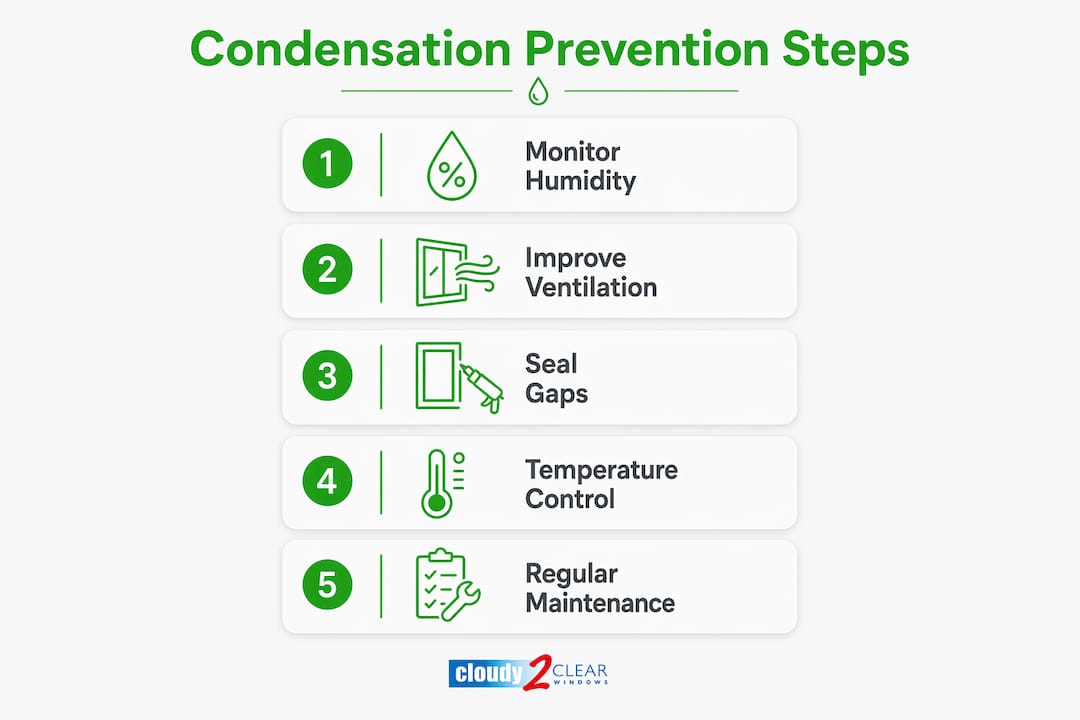
This is a distinction that matters enormously. Surface condensation, which appears on the interior pane of a window, is usually caused by humidity inside the building. It is a ventilation issue, not a window fault. You can often resolve it by improving airflow, reducing humidity sources, or checking that your heating system maintains an even temperature near the window line.

Seal failure is entirely different. Condensation between the panes indicates a failed seal and argon gas loss within the insulating glass unit. This requires professional repair, not a cleaning exercise. Wiping the glass will not remove it because the moisture is trapped inside a sealed cavity that you cannot access without specialist equipment.

Signs that demand professional attention

Be alert to these specific warning signs in your properties:

  • Persistent fogging between panes: Not temporary, not worsening with humidity, but a fixed, cloudy appearance inside the unit.
  • Visible water inside the frame cavity: Water sitting in the frame channel even after dry weather signals a compromised seal or sealant joint.
  • Cracks in the glass itself: Even hairline cracks compromise the unit’s thermal and acoustic performance, and in some positions represent a safety risk.
  • Structural silicone failure on curtain walls: On larger commercial glazing systems, failed structural silicone is a serious matter that needs urgent professional assessment.

Remember: Delaying action on a failed seal does not simply mean living with a cloudy window. The loss of argon gas from a failed IGU significantly reduces your window’s thermal performance, raising heating costs across every affected unit. Over a large commercial building, this adds up to a meaningful increase in energy expenditure month on month.

For repairing commercial window seal failure, professional services can typically replace the failed IGU without replacing the entire frame, which is a far more cost-effective solution than full window replacement in most cases.

Establishing an escalation protocol

Not every issue requires the same response. Build a simple protocol into your maintenance programme:

  • Minor issues (blocked weep holes, stiff hinges, minor sealant cracking): Resolve in-house at the next scheduled maintenance visit.
  • Moderate issues (confirmed seal failure, persistent condensation, hardware breakage): Log, photograph, and schedule a professional inspection within 30 days.
  • Urgent issues (cracked glass, water actively entering the building, structural silicone failure on curtain walls): Contact a specialist within 24 to 48 hours. If you are in the north west of England, local repair specialists can often attend quickly to assess urgent faults before they worsen.

Why proactive commercial window care pays for itself

Here is something that often surprises property managers when they review their maintenance records: the majority of serious window failures did not arrive without warning. There were signs, and those signs were either missed or noted but not acted upon promptly. The “fix it when it breaks” mindset is genuinely costly in the glazing world.

We have seen this pattern repeatedly since Cloudy2Clear Windows was established in 2005. A building manager notices a small patch of fogging in one window, makes a note, and moves on. Twelve months later, half the units on that elevation are showing seal failure, the heating bills have crept up noticeably, and the replacement programme now runs to tens of thousands of pounds.

Proactive maintenance changes that equation. When you inspect annually, reseal at the intervals your climate demands, and address small faults early, you extend the serviceable life of your windows significantly. You also protect your building’s appearance, which matters enormously if your premises are client-facing. A fogged, stained, or draughty window communicates poor upkeep to every visitor who sees it.

There is also a compliance dimension that is easy to overlook until it becomes urgent. Regulators and insurers take a much more favourable view of a property manager who can demonstrate consistent, documented maintenance than one who cannot. A clear record of annual inspections and timely repairs is genuine evidence of duty of care. That is not just good housekeeping; it can influence the outcome of an insurance claim or a building inspection significantly.

Expert commercial window repair and replacement

If your inspections reveal more than you want to handle in-house, specialist support is closer than you might think.

https://www.cloudy2clearwindows.co.uk


At Cloudy2Clear Windows, we have been helping commercial property managers across England keep their windows performing at their best since 2005. From single IGU replacements to full planned maintenance programmes, our commercial window repair services are designed to fit around your building’s schedule and your budget. Whether you need urgent attention for a failed seal or want to put a structured maintenance plan in place, our team of commercial fenestration experts is ready to help. Get in touch today and we will assess your windows and provide straightforward, no-obligation advice on the best route forward.

Frequently asked questions

How often should commercial double glazed windows be inspected?

At minimum, windows should be inspected annually per ASTM standards to prevent costly water ingress and compliance issues, with more frequent checks in harsher or more exposed locations.

What does condensation between panes mean?

Condensation between panes signals a failed seal and argon gas loss within the insulating glass unit, which requires professional repair rather than surface cleaning.

Can you fix failed window seals in-house?

Failed double glazing seals should be handled by qualified professionals to ensure lasting results and maintain compliance; attempting DIY repairs typically worsens the problem and may void any remaining warranty.

What are the most common causes of window leaks in commercial properties?

The most common causes are deteriorated sealants and blocked weep holes, both of which can be identified and addressed through routine annual inspections before they cause significant water damage.

Is regular cleaning enough to prevent window problems?

Regular cleaning supports good window condition, but professional seal inspections and repairs must accompany it to provide effective, long-term protection for commercial double glazed windows.

How glazing transforms sustainability for homes and businesses

Windows are responsible for up to 25% of heat loss in a typical British home, yet most energy efficiency conversations focus almost entirely on loft insulation and wall cavities. This creates a significant blind spot. If you are trying to make your home or business more sustainable, overlooking your glazing is like sealing every gap in a boat except the largest hole. This guide cuts through the confusion around glazing choices, explains what the research actually shows, and gives you clear, practical steps to make informed decisions that benefit your property, your energy bills, and the environment.

Why glazing matters for sustainable properties

Most homeowners who invest in insulation and boiler upgrades are surprised to learn how much heat their windows are still letting escape. The glazing in your property acts as the boundary between your carefully heated interior and the cold outside world. How well it performs makes a real difference to your energy bills and your carbon footprint.

To put it in context, a poorly glazed property can lose roughly a quarter of its heat through windows alone. Walls, floors, and roofs all matter, but windows present a unique challenge because glass, by nature, conducts heat more readily than insulated cavity walls or well-lagged roofs. This is why your Energy Performance Certificate (EPC) rating, which scores your property’s energy efficiency from A to G, pays particular attention to glazing type when calculating your overall score.

The science behind this comes down to something called the U-value. A U-value measures how quickly heat passes through a material. The lower the U-value, the better the insulation. Single-pane windows typically have U-values between 4.8 and 5.8 W/m²K, which is extremely poor by modern standards. Standard double glazing brings this down to around 1.2 to 1.6 W/m²K, a dramatic improvement. Advanced glazing with low-emissivity (low-e) coatings can push U-values below 1.0 W/m²K, which approaches the performance of a well-insulated wall.

“Modern glazing solutions represent one of the most accessible and impactful upgrades available to property owners seeking genuine improvements in energy efficiency.” Research published in 2023 found that slim double and secondary glazing can reduce heat loss by 35 to 73%, depending on the installation method and frame quality.

Understanding the double glazing science behind heat retention helps you make smarter choices. Here are the key factors that influence how well your glazing performs:

  • Number of panes: Double glazing traps an insulating layer of gas (usually argon) between two panes, slowing heat transfer significantly.
  • Low-e coatings: A microscopic metallic coating reflects heat back into the room, reducing radiant heat loss.
  • Frame quality: Even the best glass underperforms in a poorly insulated frame. PVCu and thermally broken aluminium frames outperform older timber or single-skin metal frames.
  • Gas fill: Argon gas between panes is standard, but krypton gas offers better performance in thinner units, which matters for heritage or slim-profile installations.
  • Edge seals: Warm-edge spacer bars around the perimeter of double-glazed units reduce the thermal bridging that causes cold edges and condensation.

Each of these elements contributes to the overall thermal performance of your windows. When combined effectively, they can transform a draughty, inefficient property into one that holds its warmth and reduces heating demand significantly.

Infographic comparing glazing types and sustainability

Comparing glazing types: choosing sustainable solutions

After understanding why glazing matters, it is time to assess your options and what they mean for sustainability. Not every glazing solution suits every property, and making the wrong choice can mean spending money without achieving the energy savings you expect.

Here is a clear comparison of the main glazing types available to homeowners and businesses in England and Scotland:

Glazing type Typical U-value (W/m²K) Best suited for Key sustainability benefit
Single glazing 4.8 to 5.8 Heritage where no change permitted None on its own
Secondary glazing 1.0 to 1.8 Listed buildings, period properties Up to 70% heat loss reduction
Slim double glazing 1.0 to 1.4 Heritage, conservation areas Matches single-pane profiles
Standard double glazing 1.0 to 1.6 Most homes and commercial properties Strong all-round performance
Triple glazing 0.6 to 0.9 New builds, very cold climates Best U-values but at a cost


Research confirms that slim double and secondary glazing can cut U-values by up to 70% compared to the single panes they replace. This is significant because it shows that even properties with strict planning restrictions can achieve meaningful sustainability improvements.

When deciding which option suits you, work through these steps:

  1. Check your planning status. If your property is listed or sits within a conservation area, standard double glazing may not be permitted. Slim double glazing or secondary glazing are usually the approved routes, and our guide on glazing for listed buildings explains this in detail.
  2. Assess your current EPC rating. Properties rated D or below have the most to gain from glazing upgrades. Improving from E to C, for example, can add measurable value and reduce energy costs considerably.
  3. Consider your climate. Scottish homeowners face colder winters and typically benefit more from the jump to triple glazing, though the cost premium is still a factor worth weighing carefully.
  4. Think about solar gain. Windows facing south can capture free solar heat during winter. Choosing the wrong glazing can block this passive solar benefit, which is a common mistake we will return to shortly.
  5. Review frame performance alongside glass. As the section above explained, the glazing thickness impact matters, but so does the frame.

Pro Tip: If you are unsure whether triple glazing is worth the additional investment for your property, ask for a detailed U-value comparison alongside an estimated payback period. In most British climates, the difference between high-quality double glazing and triple glazing is smaller than many people expect, and the payback period for triple glazing is often longer.

Pairing glazing with other energy-saving measures

Glazing upgrades are a major step, but their impact grows when paired with other sustainability measures. Many property owners install new windows and then feel disappointed that their energy bills have not fallen as much as expected. The reason is usually straightforward: glazing is one piece of a larger puzzle.

Think of your building as a system. Heat escapes through windows, but also through walls, roofs, floors, and poorly sealed gaps around doors and pipework. If you address only the windows, heat simply finds the next weakest point. The Future Homes and Buildings Standards 2023 Consultation is explicit on this point, stressing that EPC improvements and net-zero readiness depend on balancing glazing performance with insulation and ventilation working together.

Follow these steps to make the most of your glazing investment:

  1. Insulate before or alongside glazing upgrades. Wall cavity insulation and loft insulation work in tandem with improved windows. Doing one without the other limits your results.
  2. Improve ventilation strategically. Airtight buildings need controlled ventilation to avoid damp and poor air quality. Trickle vents integrated into window frames, or a whole-house mechanical ventilation with heat recovery (MVHR) system, prevent moisture problems without sacrificing energy savings.
  3. Maximise solar gain on south-facing elevations. Choose glazing with a higher solar heat gain coefficient (SHGC) for south-facing windows to harvest free winter warmth. Reserve lower SHGC glass for north-facing windows where solar gain is minimal.
  4. Add smart controls. Programmable thermostats and smart heating systems work more efficiently when paired with better-performing windows because your heating system can cycle less frequently.
  5. Address thermal bridging. Even excellent glazing loses some of its benefit if cold bridges exist around window frames, window sills, or poorly detailed reveals. Ask your installer about warm-edge spacers and thermally broken frames.

Our guide on choosing glazing for efficiency goes into further detail on matching glass specification to building type and orientation.

Pro Tip: One of the most common mistakes we see is specifying highly solar-reflective glass on all elevations to reduce summer heat gain, without realising this also eliminates useful winter solar gain. Always consider seasonal performance, not just peak summer conditions.

The goal for most properties in England and Scotland is not just comfort today. It is preparing for tightening regulations and rising energy costs over the next decade. Getting your glazing right now, as part of a planned approach, avoids costly retrofits later.

Sustainable glazing for special cases: heritage, commercial, and future-proofing

Different properties have unique needs, and here is how glazing fits special cases and the regulations heading your way.

Worker maintaining large office glazed windows


Heritage and listed buildings represent a particular challenge. Planning authorities rightly want to protect the visual character of historic buildings, which means standard double glazing units are often refused permission. The good news is that slim double and secondary glazing can massively cut heat loss in historic buildings without compromising appearance or conflicting with listed building consent conditions.

Secondary glazing, fitted to the inside of existing windows, is invisible from the street and requires no planning permission in most cases. It can reduce heat loss by up to 70% and also delivers excellent acoustic performance, which is a bonus for buildings in busy urban areas. Slim double glazing, engineered to fit within narrow traditional profiles, achieves similar thermal results while maintaining the external appearance of the original windows.

Commercial properties face different priorities. For business owners, the calculation around glazing is often framed in terms of return on investment (ROI), operational savings, and energy ratings that affect lease values and regulatory compliance. Here is a quick summary of how glazing affects commercial properties:

Factor Impact of upgraded glazing
EPC rating Improved ratings support compliance and property value
Operational energy costs Reduced heating and cooling loads lower utility bills
Staff comfort Better thermal and acoustic performance improves productivity
Carbon reporting Lower consumption supports corporate sustainability targets
Future regulations Upgrades now reduce risk of costly forced compliance later


For businesses looking at their energy use and commercial glazing efficiency, the operational savings from reduced heating and cooling can make glazing upgrades financially attractive even without grants.

Future-proofing is relevant for all property types. Regulations in England and Scotland are tightening. The Future Homes Standard, planned for introduction from 2025 onwards, requires new homes to produce 75 to 80% lower carbon emissions than those built to 2013 standards. Existing properties face evolving EPC minimum requirements, particularly for rental properties. Understanding window regulations compliance now helps you plan ahead rather than react under pressure.

Key steps for future-proofing your glazing:

  • Aim for an EPC rating of C or above as a minimum target, since this is the direction regulations are heading for rental and commercial properties.
  • Choose glazing that meets or exceeds current Part L requirements for thermal performance to avoid needing replacement within ten to fifteen years.
  • Keep records of all glazing installations, including U-values, gas fill type, and installer certifications, as these will support future compliance checks.

Pro Tip: In Scotland, building regulations for energy efficiency have historically moved faster than in England. If you own property north of the border, it is worth checking current Scottish Building Standards requirements before specifying glazing, as they may already exceed the standards required in England.

What most guides miss about glazing and long-term sustainability

After two decades working in the glazing industry, we have noticed a pattern in how sustainability conversations around windows tend to go. Most guides focus on U-values, EPC ratings, and payback periods. These things matter, but they do not tell the whole story.

The real risk we see is property owners chasing specifications without considering how a building actually performs in practice. A window with an outstanding U-value fitted into a frame with poor thermal bridging details will underperform against a well-installed, moderately specified unit every time. Specification without quality installation is a false economy.

We also believe strongly in the value of repair and maintenance before replacement. Many older double-glazed units that appear failed or cloudy can be restored at far lower cost and environmental impact than full replacement. The most sustainable window is often the one already in place, properly maintained and sealed. Exploring your glazing and property value honestly means recognising that long-term maintenance can be as valuable as a brand-new installation.

True sustainability in glazing is about balanced thinking: right product, right installation, right timing, and ongoing care.

Take the next step towards sustainable glazing

Knowing what to look for in sustainable glazing is the first step. Taking action is where the real difference gets made.

https://www.cloudy2clearwindows.co.uk


At Cloudy2Clear Windows, we have been helping homeowners and businesses improve their glazing since 2005, and we understand that every property is different. Whether you need a straightforward repair, a full replacement, or specialist advice on heritage or commercial glazing, our local teams are ready to help. If you are based in the Milton Keynes area, you can find out more about our local glazing services near you. For businesses, our commercial window solutions cover everything from single-site repairs to multi-building refurbishment programmes. Get in touch today for a no-obligation assessment.

Frequently asked questions

How much energy can double or secondary glazing really save?

Secondary glazing can reduce heat loss by up to 70% compared to single panes, which translates into a genuinely significant reduction in heating demand and energy bills over time.

Is triple glazing always better for sustainability?

Triple glazing delivers better U-values, but Future Homes EPC reforms caution that excessive panes can reduce solar gain, and the higher cost means the payback period is often longer than standard double glazing in most British climates.

Can listed or historic buildings in England or Scotland upgrade to energy-efficient glazing?

Yes. Slim double and secondary glazing deliver major efficiency gains in historic buildings without altering their appearance or conflicting with listed building consent conditions in most cases.

Does new glazing help meet upcoming rules in Scotland and England?

Yes. The Future Homes Standard and EPC reforms place glazing performance at the centre of compliance, alongside insulation and ventilation, making upgraded windows an essential part of meeting tightening requirements.