• USP Logo Icon
    25 Year Guarantee
  • USP Leaf Icon
    Latest ECO Friendly Technology
  • USP Pointer Icon
    National Coverage
Get a FREE quote

7 best practices for double-glazed window care in 2026

Neglecting your double-glazed windows costs far more than most homeowners realise. Beyond the visual decline, poorly maintained windows quietly drain your energy budget and chip away at your property’s value. Proper care can extend window lifespan by up to seven years and cut energy bills by 15 to 30%. For homeowners and property managers across England and Scotland, that is a meaningful saving. This guide walks you through seven researched, practical steps to protect your investment, improve comfort, and avoid expensive surprises.

Inspect seals biannually to prevent costly problems

Seal inspections are the foundation of any solid window maintenance routine. Most people only notice a problem when condensation has already formed between the panes, and by that point, the seal has already failed. Catching issues early is the difference between a modest repair bill and a full window replacement.

During each inspection, look out for these warning signs:

  • Fogging or condensation trapped between the two panes of glass
  • Visible cracks, splits, or gaps along the rubber seal
  • Draught felt around the frame edges when windows are closed
  • Discolouration or soft spots on the frame near the seal

According to double glazing care guidance for 2026, early detection of seal issues can reduce replacement costs by up to 80% and prevents a 20 to 30% drop in energy efficiency. That is a compelling reason to take 10 minutes twice a year.

Understanding the window seal failure signs before they worsen helps you act quickly. If you do find damage, replacing window seals promptly restores thermal performance without the cost of a full unit.

Pro Tip: Set calendar reminders every spring and autumn to carry out your seal inspections. Consistent timing means you catch seasonal damage before it escalates.

Clean windows regularly to maintain clarity and longevity

After inspecting seals, keeping the glass and frames clean is the next vital step for performance and aesthetic appeal. Dirt, grime, and mould spores accumulate over time, particularly in areas with high rainfall or pollution. Left unchecked, they can degrade uPVC frames and obscure the clarity of the glass.

Follow this simple cleaning routine to protect your windows:

  1. Mix a small amount of washing-up liquid with warm water.
  2. Use a soft microfibre cloth to wipe down the glass in circular motions.
  3. Rinse with clean water to remove any soapy residue.
  4. Dry thoroughly with a separate dry microfibre cloth to prevent streaking.
  5. Wipe frames with a damp cloth, avoiding abrasive pads that scratch uPVC.

Not all cleaning products are equal. Here is a quick comparison:

Cleaning method Suitable for double glazing Risk level
Warm soapy water Yes Low
Specialist uPVC spray Yes Low
Ammonia-based cleaners No High (degrades seals)
Abrasive cloths or pads No High (scratches glass)


Well-maintained uPVC windows last 20 to 35 years, and proper cleaning alone can add up to seven years to that lifespan. For a thorough walkthrough, the double glazing cleaning steps guide covers every detail. You can also find broader advice in this window maintenance guide.

Pro Tip: Always use a microfibre cloth rather than paper towels or standard cloths. Microfibre lifts dirt without scratching and leaves a streak-free finish.

Ventilate while draught-proofing for health and efficiency

With glass clarity assured, the next concern is internal air quality and thermal performance. Many homeowners seal their windows tightly in winter to keep warmth in, but blocking all airflow creates its own problems. Trapped moisture leads to condensation, and condensation leads to mould.

Here is how to strike the right balance:

  • Use trickle vents (small openings built into the window frame) to allow a controlled flow of fresh air without losing significant heat.
  • Run extractor fans in kitchens and bathrooms to remove moisture at the source.
  • Open windows briefly in the morning and evening to refresh indoor air without a major temperature drop.
  • Fit draught-proofing strips to close gaps around frames, but ensure they do not compress so tightly that the window cannot open and close freely.

The table below shows common ventilation and draught-proofing combinations:

Strategy Benefit Watch out for
Trickle vents Continuous fresh air Blocking with paint or dust
Extractor fans Removes moisture quickly Running costs if overused
Draught-proofing strips Reduces heat loss Over-tightening hindering operation
Brief window opening Low-cost air refresh Forgetting to close in cold weather


Ensuring ventilation via trickle vents or brief window opening prevents internal condensation and mould while complementing draught-proofing. You will find practical ventilation tips and detailed draught-proofing advice to guide your choices.

Pro Tip: Open windows briefly each morning, even in winter. Just five minutes refreshes the air and reduces moisture build-up without noticeably cooling your home.

Lubricate moving parts to prevent misalignment and corrosion

Maintaining clear air and efficient seals is important, but attention must also shift to window hardware, the cornerstone of smooth operation. Hinges, handles, and locking mechanisms take daily wear. Without regular lubrication, they stiffen, corrode, and eventually misalign, causing windows to close improperly and compromising security.

Follow these steps to lubricate your window hardware correctly:

  1. Open the window fully to access all hinge points and moving parts.
  2. Wipe away any old grease, dirt, or rust with a dry cloth.
  3. Apply a silicone-based lubricant sparingly to hinges, handles, and lock mechanisms.
  4. Open and close the window several times to distribute the lubricant evenly.
  5. Wipe away any excess to prevent residue build-up.

Why silicone-based lubricant? WD40 is a water displacer, not a long-term lubricant. It can actually attract dirt over time and degrade rubber seals. Silicone-based products are safe for uPVC, rubber, and metal components alike.

Lubricating hinges and locks annually with silicone-based lubricant prevents stiffness, misalignment, and corrosion, especially in coastal areas where salt air accelerates wear. If you live near the sea, consider lubricating every six months rather than once a year. For broader guidance, this double-glazed window maintenance resource covers hardware care in full.

Person lubricating double-glazed window hinges

Prioritise repairs over replacement for failed seals and panes

Proper care minimises risk but, when faults occur, knowing your options for repair or replacement is essential. The most common fault you will encounter is condensation forming between the panes. This means the inert gas (usually argon) that provides insulation has escaped through a failed seal. Once this happens, the insulating layer is gone and cannot be restored by cleaning.

Repairing a failed seal costs £150 to £300, which is significantly less than replacing an entire window unit. Here is a straightforward comparison:

Option Approximate cost Best suited for
Seal repair £150 to £300 Early-stage seal failure
Sealed unit replacement £200 to £500 Persistent condensation
Full window replacement £500 to £1,500+ Structural damage or outdated frames


Repair pros and cons at a glance:

  • Repair pros: Lower cost, quicker turnaround, preserves existing frame
  • Repair cons: Not always possible for severe damage, may need repeating
  • Replacement pros: Fresh warranty, improved energy ratings
  • Replacement cons: Higher cost, longer installation time

‘Attempting repairs yourself may void window warranties or worsen problems.’

For a clear breakdown of what goes wrong and when, the seal failure guide is an excellent reference. If you suspect water ingress, the fixing window leaks guide will help you identify the source.

What most window care advice misses: the DIY vs. professional divide

Most window care guides present every task as something you can handle yourself with a cloth and a tube of lubricant. That is not entirely wrong, but it glosses over a genuinely important divide. Some tasks are perfectly suited to DIY. Others, if done incorrectly, can void your warranty, worsen the damage, or create safety risks.

DIY is reliable for cleaning, lubricating hardware, and carrying out visual checks. These are low-risk, repeatable tasks that any homeowner can manage safely. But the moment you notice condensation between panes, visible seal damage, or a window that no longer closes flush, you are in professional territory.

Professionals are needed for repairs and seal replacements to avoid misalignment or voiding warranties. Draught-proofing strips must also fit gaps precisely to avoid hindering window operation, and getting that wrong is easier than it sounds.

One practical step that most guides overlook entirely: keep a maintenance log. Record every inspection, cleaning session, and repair with dates and observations. This log is not just for your own reference.

‘A good maintenance log can help prove eligibility for repairs and uphold your rights if something goes wrong.’

For anything beyond routine upkeep, explore draught-free solutions and consider calling a specialist before the problem grows.

Pro Tip: Store photos alongside your written log. Visual evidence of a window’s condition over time is invaluable when discussing warranty claims or repair options with a professional.

Trust expert repairs for lasting value

For those tasks beyond routine cleaning and checks, professional support can save time and ensure lasting results. When seals fail or condensation takes hold, the right repair restores your window’s insulating performance and protects your warranty.

https://www.cloudy2clearwindows.co.uk


At Cloudy2Clear Windows, we have been repairing and replacing double-glazed windows across England and Scotland since 2005. Whether you need a sealed unit replacement or support for a larger property, our specialists are ready to help. We also offer commercial window support for property managers overseeing multiple sites. If you are based in the Midlands, our team in Milton Keynes is on hand for fast, expert assistance. Get in touch today to protect your investment.

Frequently asked questions

How often should I inspect double-glazed window seals?

Check seals and frames every six months, ideally in spring and autumn, for signs of fogging, cracks, or gaps to prevent costly repairs before they escalate.

What should I use to lubricate window hinges?

A silicone-based lubricant is safest for uPVC windows; avoid using WD40, as it attracts dirt over time and can degrade rubber seals.

How can I balance draught-proofing with ventilation?

Use trickle vents and extractor fans alongside brief window openings to prevent condensation and mould without sacrificing warmth or comfort.

Is it better to repair or replace a failed window seal?

Repairing a failed seal is usually cheaper and restores efficiency; full replacement is only necessary when structural damage or irreparable failure makes repair impractical.

Best types of window frames for UK homes: 2026 guide

Choosing the right window frame for your home or business in England or Scotland is rarely as simple as picking a colour you like. The wrong choice can leave you with draughty rooms, rising energy bills, and a property that loses kerb appeal. With so many materials on the market, including timber, uPVC, aluminium, and composite, it can feel overwhelming to weigh up thermal performance, style, lifespan, and cost all at once. This guide cuts through the noise, walking you through the key selection criteria and the most important frame types, so you can make a confident, informed decision.

Key criteria for choosing window frames

Before you settle on a material, it helps to understand what you are actually comparing. Window frames are not just decorative borders. They play a direct role in how warm your home stays, how secure it is, and how much time and money you spend keeping it in good shape.

Here are the core criteria every homeowner and business owner in the UK should weigh up:

  • Thermal performance: How well the frame resists heat loss. This is measured by the U-value (lower is better). Energy efficient windows can reduce heating bills and carbon emissions, so this should sit near the top of your list.
  • Style and aesthetics: Does the frame suit your property’s character? A sleek aluminium frame might look out of place on a Victorian terrace, while timber could feel dated in a modern commercial space.
  • Durability: How long will the frame last before it needs significant attention? British weather, with its damp winters and variable temperatures, puts frames under real pressure.
  • Maintenance requirements: Some materials need annual painting or sealing. Others need little more than an occasional wipe-down. Be honest about how much upkeep you are willing to do.
  • Cost: Both upfront and long-term. A cheaper frame that needs replacing in 15 years may cost more than a pricier option that lasts 35.

The Energy Saving Trust notes that windows and doors account for a significant portion of heat lost in UK homes. That makes your frame choice a genuine financial decision, not just an aesthetic one. Poor thermal performance means your boiler works harder, your bills climb, and your comfort suffers.

Pro Tip: Before visiting a showroom, write down your top three priorities. If energy savings matter most, focus on U-values. If you are renovating a listed building, style and planning regulations may take precedence.

Timber, aluminium, and uPVC: The main types explained

Having set the main criteria, let us explore the key window frame materials you can choose from.

Timber frames have been used in British buildings for centuries. They offer a warm, classic look that suits period properties particularly well. Timber is a natural insulator, and when properly maintained, it performs well thermally. The downside is that wood requires regular painting or staining, typically every five to seven years, to prevent rot and warping. Sustainably sourced timber is also an environmentally responsible choice.

Cleaning timber window frame in living room


Aluminium frames are slim, strong, and modern in appearance. They suit contemporary homes and commercial properties where large glazed areas are desirable. Aluminium is extremely durable and resistant to corrosion, requiring very little maintenance. However, metal conducts heat, which means aluminium frames can be less thermally efficient unless they feature a thermal break (an insulating barrier inside the frame).

uPVC frames (unplasticised polyvinyl chloride) are by far the most common choice in the UK. As noted in our guide to wood, uPVC, and aluminium, uPVC is highly popular across the UK for its cost-effectiveness and low maintenance. It insulates well, does not rot or rust, and requires minimal upkeep. The main limitation is colour choice. Traditional uPVC comes in white, and while woodgrain finishes are available, the range is narrower than timber or aluminium.

For a broader look at different window materials and how they compare in real-world settings, it is worth exploring the full range before committing.

You can also find useful window frame advice from Propertymark when buying or selling a property.

Frame type Best for Maintenance Thermal performance
Timber Period and heritage properties High Good (when sealed)
Aluminium Modern homes and commercial Low Moderate (with thermal break)
uPVC Most residential properties Very low Excellent

Composite and alternative frame options

While traditional choices dominate, some homes and businesses can benefit from less conventional frame solutions.

Composite windows combine multiple materials to offer both durability and improved thermal performance. A common configuration pairs a timber interior (for warmth and aesthetics) with an aluminium exterior (for weather resistance). This gives you the best of both worlds: the look of wood inside without the external maintenance burden.

Other alternative materials worth knowing about include:

  • Fibreglass: Extremely strong and dimensionally stable. It does not expand or contract significantly with temperature changes, which matters in Scotland’s colder climate. Fibreglass frames are more expensive but offer an impressive lifespan.
  • Steel: Used mainly in commercial and heritage settings. Steel frames are very slim and strong, allowing maximum glazing area. They are durable but can conduct cold and may require specialist maintenance.
  • Hybrid frames: These combine uPVC and aluminium, offering the insulation benefits of uPVC with the slim profile and strength of aluminium. A growing option for homeowners who want modern aesthetics without sacrificing energy efficiency.

For a detailed composite window comparison, Homebuilding & Renovating offers a thorough breakdown of how these materials stack up in real projects.

Alternative frames tend to suit specific scenarios. If you own a listed building, composite or steel may satisfy planning requirements while still improving performance. For commercial properties where large glazed facades are needed, steel or aluminium hybrids often make more sense than uPVC.

Pro Tip: Do not dismiss composite frames on price alone. When you factor in reduced maintenance costs and a longer lifespan, the total cost of ownership often compares favourably to cheaper alternatives over a 20 to 30 year period.

Comparing window frame performance and cost

With each frame material’s basics covered, it is crucial to weigh them directly. Here is how the main types stack up across the factors that matter most.

Frame type Insulation Security Lifespan Upfront cost Maintenance cost
Timber Good Good 20-30 yrs Medium High
Aluminium Moderate Excellent 30-45 yrs High Low
uPVC Excellent Good 20-35 yrs Low Very low
Composite Excellent Excellent 30-40 yrs High Low
Fibreglass Excellent Excellent 40+ yrs Very high Very low


As our frame material comparison makes clear, window material impacts not just the appearance but also the lifespan and upkeep needed. The energy savings from window materials can be significant over time, particularly in older properties with single glazing or degraded frames.

Here are the scenarios where each frame type tends to perform best:

  1. Heritage look on a budget: Timber frames suit period properties and conservation areas, though you must budget for ongoing maintenance.
  2. Modern, low-upkeep home: uPVC offers the best balance of cost, insulation, and ease of care for most residential properties.
  3. Contemporary commercial space: Aluminium or steel frames allow slim sightlines and large glazed areas suited to offices and retail.
  4. Eco-conscious renovation: Composite or fibreglass frames offer long lifespans and strong thermal performance, reducing your environmental footprint.
  5. Listed building or conservation area: Timber or composite frames are more likely to meet planning requirements while still delivering improved performance.

Weather also plays a role. Properties in northern Scotland face harsher winters and more wind-driven rain than those in the south of England. In those conditions, frames with the best thermal performance and weather sealing, such as composite or uPVC, often make the most practical sense.

How to maintain and upgrade your window frames

To make the most of your window frame choices, proper care and timely upgrades are crucial.

Each material has its own maintenance rhythm. Timber frames need the most attention. Check them annually for signs of rot, peeling paint, or gaps in the sealant. Sand and repaint or re-stain every five to seven years to keep moisture out. uPVC frames are far simpler. Wipe them down with a mild detergent solution twice a year and check the rubber seals for cracking. Aluminium frames benefit from an occasional clean and a check of the drainage holes, which can block and cause water ingress.

Well-maintained windows last much longer and perform better over time. Small issues, if caught early, rarely require full replacement.

Watch out for these warning signs that suggest your frames may need professional attention or replacement:

  • Draughts around the frame edges, even when the window is closed
  • Condensation between the glass panes (a sign of failed double glazing seals)
  • Frames that are visibly warped, cracked, or rotting
  • Difficulty opening or closing the window smoothly
  • Rising energy bills without another obvious cause

If you notice any of these, it is worth consulting a professional window repair specialist before the problem worsens. Sometimes a repair is all that is needed. In other cases, a full upgrade becomes the more cost-effective route. The Federation of Master Builders offers practical guidance on when to repair versus replace.

For ongoing window frame maintenance tips, our detailed guide covers everything from cleaning routines to spotting early damage.

Pro Tip: Preserving your frames is not just about function. Well-kept windows contribute directly to kerb appeal and property value. A tired, peeling frame can knock thousands off a buyer’s first impression.

A practical perspective on choosing window frames

After nearly two decades of helping homeowners and businesses across England and Scotland, we have noticed a pattern. Most people start their search focused on one of two things: how the frame looks, or how much it costs upfront. Both matter, but neither should be the deciding factor on its own.

The homeowners who end up most satisfied are those who think ahead. They ask: what will this cost me in maintenance over the next 20 years? How will it perform in winter? Will it still look right if I extend the property? These are the questions that reveal real value.

We have seen properties where cheap uPVC was fitted without proper specification, leading to condensation problems within a decade. We have also seen timber frames that, with the right care, have outlasted the people who installed them. The material is only part of the story. Specification, installation quality, and ongoing care complete the picture.

If you are unsure where to start, reading about the reasons to upgrade your double glazing can help you see the bigger picture before you commit to a frame type.

Reliable window frame solutions and expert advice

Understanding your options is the first step. Taking action is what protects your home, your energy bills, and your comfort.

https://www.cloudy2clearwindows.co.uk


At Cloudy2Clear Windows, we have been helping homeowners and businesses make smart window decisions since 2005. Whether you need a broken window repair service or a full frame replacement, our network of local specialists is ready to help. If you are based in the Milton Keynes area, our team offering window repairs in Milton Keynes can provide a no-obligation inspection and tailored advice. We cover both residential and commercial properties, so whatever your situation, we can point you in the right direction. Get in touch today for a quote or to arrange a professional assessment of your frames.

Frequently asked questions

What is the best window frame material for energy efficiency?

uPVC and composite frames are known for excellent thermal performance, making them the top choices for energy efficiency in most UK homes and businesses.

How often should window frames be replaced?

Most quality window frames last 20 to 35 years, though durability and expected lifespan vary by material and care level, so some may need attention sooner if poorly maintained.

Which window frame is best for traditional or listed buildings?

Timber frames are usually recommended for heritage and listed properties, as timber remains the preferred choice for heritage buildings due to their authentic appearance and regulatory acceptance.

Can you upgrade frames without replacing the whole window?

In many cases, yes. Upgrades and repairs can extend window lifespan and boost efficiency, though a professional assessment is needed to confirm what is suitable for your specific frames.

Eco-friendly window options: Save energy and cut costs

Most people assume that more glass panes automatically means a greener window. It is an easy assumption to make, but it misses the bigger picture entirely. True eco-friendly performance comes from the combination of glazing, frame material, installation quality, and long-term durability. A-rated double glazing saves £140 per year and reduces CO2 by 380kg compared to single glazing in a typical semi-detached home. That is a significant saving, and it does not always require the most expensive option on the market. This guide will walk you through everything you need to know to make a genuinely sustainable choice for your home or business in England or Scotland.

What makes a window eco-friendly?

An eco-friendly window is one that minimises heat loss, reduces energy demand, and ideally has a low environmental impact across its entire lifespan. Understanding a few key terms will help you compare products with confidence.

The most important measure is the U-value, which tells you how much heat passes through a window. The lower the U-value, the better the insulation. Alongside this, the British Fenestration Rating Council (BFRC) provides an energy rating from A++ down to E, similar to the labels you see on household appliances. A-rated windows and above represent a strong baseline for most UK properties.

Several technologies work together to improve the energy efficiency of windows:

  • Low-E coatings: A near-invisible metallic layer on the glass that reflects heat back into the room
  • Gas fills: Argon or krypton gas between panes slows heat transfer far better than air alone
  • Warm-edge spacers: Insulating strips around the glass edge that reduce cold bridging
  • Double and triple glazing: Low-E coatings and gas fills reduce heat loss by improving U-values significantly

There is also the concept of embodied carbon, which refers to the CO2 produced during manufacturing, transport, and installation of the window itself. A window with a low U-value but made from energy-intensive materials may not be as green as it first appears.

Feature Benefit Impact on U-value
Low-E coating Reflects internal heat Reduces by up to 0.5 W/m²K
Argon gas fill Slows heat transfer Reduces by 0.1–0.2 W/m²K
Warm-edge spacer Cuts cold bridging Marginal but consistent gain
Triple glazing Extra insulation layer Can reach below 0.8 W/m²K


Pro Tip: Always ask for the whole-system BFRC rating rather than just the glazing specification. A high-spec pane in a poorly insulated frame will underperform every time.

Double vs triple glazing: Which is right for you?

Now that you know what makes a window eco-friendly, let us explore how double and triple glazing compare in practice.

Double glazing remains the most widely fitted option across UK homes and businesses, and for good reason. When specified correctly with low-E coatings and argon fills, it delivers excellent thermal performance at a reasonable cost. Triple glazing adds a third pane and a second gas-filled cavity, pushing U-values lower still. However, the gains are not always proportional to the extra investment.

Heat loss reduction sits at 60–70% for double glazing and 70–80% for triple glazing compared to single glazing. That 10% difference matters more in some situations than others.

Glazing type Typical U-value Annual bill saving CO2 reduction
Single glazing 4.8–5.8 W/m²K Baseline Baseline
A-rated double 1.2–1.6 W/m²K Up to £140/year Up to 380kg/year
Triple glazing 0.6–1.0 W/m²K Marginal extra gain Marginal extra gain


Infographic comparing window glazing types and savings


A-rated double glazing typically reduces energy bills by 15–20% compared to older single-glazed units. Triple glazing can go further, but the returns diminish quickly unless your home already has excellent wall and roof insulation.

Here is how to decide which option suits you:

  1. Check your existing insulation first. Triple glazing in a poorly insulated home will not deliver its full potential.
  2. Consider your location. Colder, more exposed areas of Scotland may benefit more from triple glazing than milder southern regions.
  3. Set a realistic budget. Triple glazing typically costs 20–30% more than equivalent double glazing.
  4. Prioritise carbon if that is your goal. If reducing your carbon footprint is the priority, high-quality double glazing options often deliver the best value per kilogram of CO2 saved.
  5. Read our triple glazing guide if you are seriously considering the upgrade and want a full breakdown.

Sustainable window frame materials

Glazing is only one part of the story. The frame material you choose has a significant effect on the overall sustainability of your windows.

Timber and aluminium-clad frames are generally preferred for eco-focused projects because they balance low embodied carbon, longevity, and aesthetics. uPVC remains a popular choice for budget-conscious buyers who want low maintenance. Each material has genuine strengths and real trade-offs.

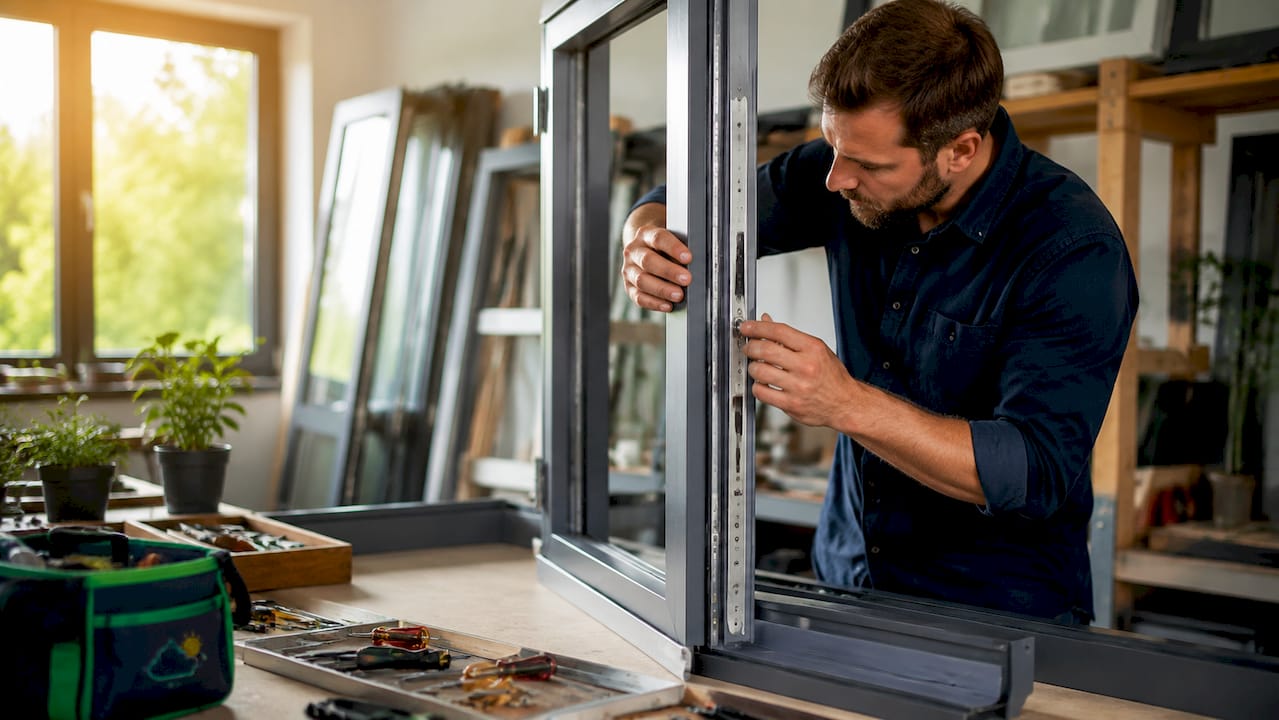
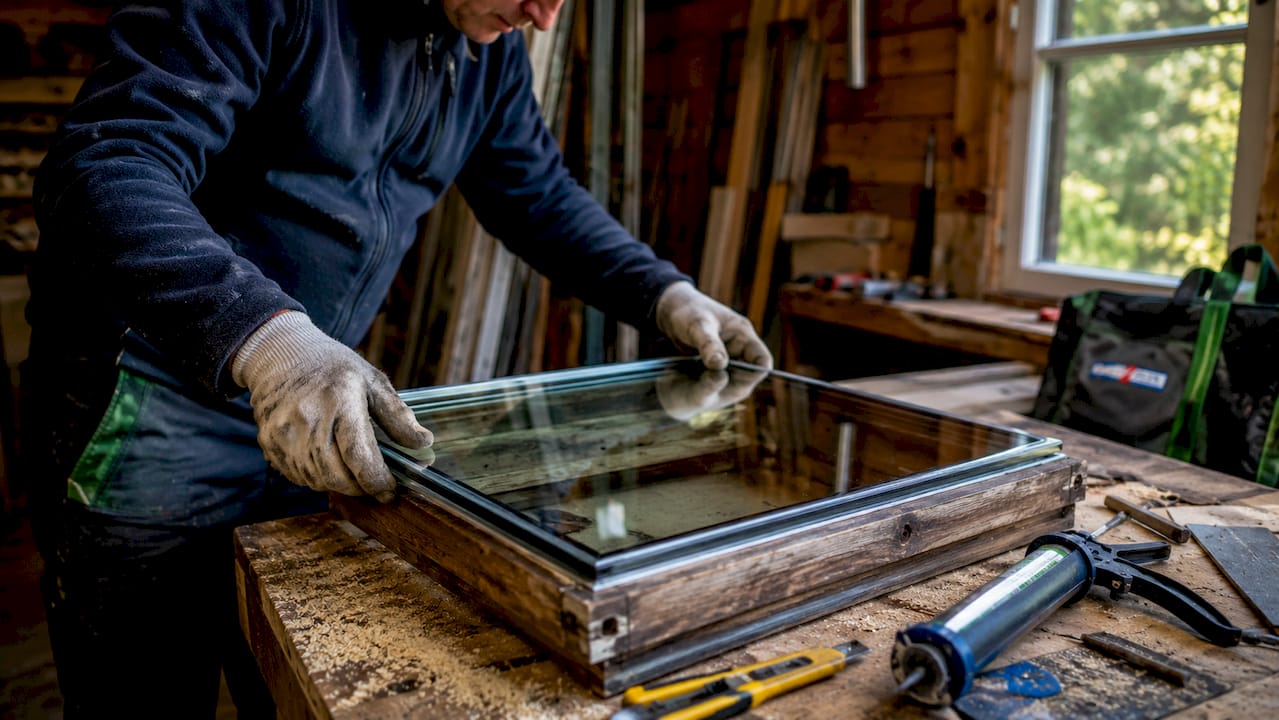
Worker inspecting sustainable window frame in workshop


Frame material Embodied carbon Lifespan Recyclability
Timber (FSC-certified) Low 30–60 years Biodegradable
Aluminium-clad timber Low to medium 40–60 years Highly recyclable
uPVC Medium 20–35 years Partially recyclable
Aluminium Medium to high 40+ years Highly recyclable


Here is a quick summary of each:

  • Timber: Excellent environmental credentials when sourced from FSC-certified forests. Requires regular maintenance but offers warmth and character. Ideal for period properties.
  • Aluminium-clad timber: Combines a timber interior with an aluminium exterior for weather resistance. A strong performer for eco-conscious builds.
  • uPVC: Affordable, low-maintenance, and widely available. Less sustainable to produce but long-lasting and increasingly recyclable.
  • Aluminium: Slim profiles and very long lifespan. High embodied carbon at manufacture, but the material is almost infinitely recyclable.

Pro Tip: If sustainability is your priority, look for FSC certification on timber frames and ask your installer about end-of-life recycling options. Sourcing from UK or European suppliers also reduces transport emissions meaningfully.

Practical tips for choosing and maintaining eco-friendly windows

Having covered design and materials, it is crucial to understand how installation and upkeep affect lasting results.

Even the best window will underperform if it is poorly fitted. Draughts around the frame, inadequate sealing, and missing ventilation features can all undo the benefits of premium glazing. Here is a straightforward checklist to guide your decision:

  1. Check the BFRC rating. Aim for A or above for the whole window unit, not just the glass.
  2. Choose the right frame material for your budget, maintenance appetite, and environmental priorities.
  3. Verify your installer’s credentials. FENSA or CERTASS registration means the installation meets building regulations automatically.
  4. Specify trickle vents. Airtight windows need trickle vents to prevent condensation and maintain healthy indoor air quality.
  5. Ask about guarantees. A reputable installer will back both the product and the window installation with a meaningful warranty.

Once installed, maintaining your windows properly extends their lifespan and keeps them performing at their best. Clean frames and drainage channels regularly, check seals annually, and address any fogging between panes promptly as it signals a broken seal and reduced thermal performance.

Common mistakes that undermine eco-friendly windows include:

  • Ignoring installation quality and focusing only on the product spec
  • Omitting trickle vents, which leads to condensation and mould
  • Skimping on frame quality while investing heavily in premium glazing
  • Failing to maintain seals, which allows heat to escape over time

Upgrading to A-rated windows can reduce your energy bills by 15–20% and cut CO2 emissions by 380–680kg per year, depending on your home’s size and existing glazing. That is a meaningful contribution to both your finances and the environment.

Why whole-system thinking is the real eco win

After years of working with homeowners and businesses across England and Scotland, we have noticed a pattern. People focus intensely on glazing specifications while overlooking the factors that often matter more: how the window is fitted, what the frame is made from, and how long the whole unit will last before needing replacement.

A triple-glazed unit with a poorly sealed frame and a short lifespan can have a worse lifetime carbon footprint than a well-fitted, whole-system window using quality A-rated double glazing. The whole-system approach that accounts for frame, glazing, installation, and end-of-life recyclability consistently outperforms a fixation on pane count alone.

For most UK properties, the sweet spot is high-quality A-rated double glazing in a durable, responsibly sourced frame, installed by a qualified professional. Triple glazing is genuinely worthwhile in specific circumstances, particularly in exposed locations or highly insulated new builds. But do not let the pursuit of the highest specification distract you from getting the fundamentals right. A well-fitted, well-maintained window will always outperform a poorly installed premium one.

Upgrade to modern, eco-friendly windows with trusted experts

If you are ready to improve your home or business with windows that genuinely deliver on energy efficiency and sustainability, we are here to help. At Cloudy2Clear Windows, we have been installing, repairing, and replacing double glazed windows since 2005, working with both homeowners and commercial clients across England and Scotland.

https://www.cloudy2clearwindows.co.uk


Whether you need a full replacement, a repair to a failed unit, or advice on the most sustainable option for your property, our local teams are ready to assist. Our Milton Keynes glazing experts are just one example of the regional support we provide. We also offer dedicated commercial window solutions for businesses looking to reduce running costs and meet sustainability commitments. Get in touch today for a no-obligation assessment.

Frequently asked questions

Do eco-friendly windows really lower energy bills?

Yes. Replacing old single glazing with A-rated windows saves £140/year and can reduce energy bills by 15–20%, making the investment worthwhile for most UK properties.

Is triple glazing always better than double glazing?

Not always. Triple glazing offers lower U-values, but diminishing returns are common beyond A-rated double glazing for most UK homes, especially where wall and roof insulation is not already excellent.

Which window frame materials are considered most sustainable?

Timber and aluminium-clad frames have the lowest embodied carbon when responsibly sourced, though uPVC offers practical advantages for those prioritising budget and low maintenance.

What certifications should I look for when choosing eco-friendly windows?

Look for BFRC ratings of A or above, FSC certification on any timber frames, and FENSA or CERTASS registration from your installer to ensure the work meets building regulations.

Why windows become cloudy and how to restore clarity

Most people assume a cloudy window just needs a good clean. In reality, windows become cloudy primarily due to seal failure in double-glazed units, a problem no amount of scrubbing will fix. Whether you own a home or run a business, cloudy glass does more than look unsightly. It quietly drains warmth from your rooms, pushes up energy bills, and leaves a poor impression on anyone who walks through your door. In this guide, we will walk you through the real causes of window cloudiness, how to spot the signs early, and what your practical options are to restore full clarity.

What makes windows become cloudy: real causes explained

Now that you know cloudy windows are a deeper issue than grime, let us break down exactly why it happens.

Technician inspecting double glazing seal for cloudiness


Double-glazed windows work by trapping a layer of inert gas, usually argon, between two panes of glass. This gas acts as insulation. A rubber or silicone seal around the edge of the unit keeps that gas in and moisture out. When that seal fails, the insulating gas escapes and humid air rushes in. As temperatures change throughout the day, that moisture condenses on the inner surfaces of the glass, creating the familiar foggy or milky appearance that no cloth can reach.

It is important to distinguish inter-pane cloudiness from surface condensation. Surface condensation appears on the outside of the glass on cold mornings or on the inside face during cold spells, and it clears on its own as temperatures rise. Inter-pane misting sits permanently between the two sheets of glass and cannot be wiped away. That is the tell-tale sign of a failed seal.

Here are the key signs to look out for:

  • A persistent foggy or hazy appearance that does not clear throughout the day
  • White or grey mineral deposits (limescale) forming on the inner glass surfaces
  • Areas of the glass that appear darker or streaked, especially in corners
  • Visible water droplets trapped between the panes after rain or temperature changes

Pro Tip: Hold a torch against the glass at night and look for internal streaks or droplet patterns. If you can see marks that are clearly between the panes rather than on the surface, your seal has almost certainly failed. For professional assessment, our team handling window repairs in Gloucester can confirm the diagnosis quickly.

A failed window seal does not just look bad. It means the insulating barrier between you and the outside world is gone, and your heating system is working harder to compensate every single day.


Main factors causing cloudiness and early seal failure

Understanding the different technical causes, let us look at what makes some windows cloud up sooner than others.

Infographic showing main causes and fixes for cloudy windows


Age is the most straightforward factor. Seal lifespan typically ranges from 10 to 25 years, but that figure drops significantly when windows face harsh conditions. In the UK, the combination of wet winters, frosty mornings, and periods of strong summer sun puts seals under constant stress. Each temperature cycle causes the frame and glass to expand and contract slightly, gradually weakening the bond between the seal and the unit.

Several specific factors accelerate this process:

  • Sun exposure: South-facing windows absorb more heat, speeding up a process called solar pumping, where the gas inside the unit repeatedly expands and contracts, stressing the seal from within
  • Frost and freeze-thaw cycles: Water that seeps into tiny frame gaps freezes, expands, and widens those gaps over time
  • Coastal salt air: Salt particles carried on sea breezes corrode seals and frames faster than inland conditions
  • Building movement: New builds in particular can settle unevenly in their first few years, placing unexpected stress on window frames and their seals
  • Manufacturing defects: A poorly fitted or substandard seal at installation can fail years ahead of schedule

Coastal salt, manufacturing defects, and building movement all influence failure rates in ways that standard age estimates do not account for.

Condition Typical seal lifespan Risk level
Inland, sheltered location 20 to 25 years Low
Urban or suburban setting 15 to 20 years Moderate
Coastal or exposed location 10 to 15 years High
South-facing, high sun exposure 10 to 15 years High
New build with movement issues Variable, sometimes under 10 years Very high


If you live near the coast, our teams covering window repairs in Wigan and window repairs in Southport regularly see accelerated seal failure in properties exposed to North West weather and salt-laden air.

How cloudy windows affect your comfort and costs

So, after seeing what causes the problem, why does it actually matter if your window mist is left untreated?

The answer comes down to insulation. A healthy double-glazed unit traps gas between its panes, and that gas is a poor conductor of heat, which is exactly what you want. Once the seal fails and air replaces the gas, the window’s thermal performance collapses. Failed seals can cause up to 30% more heat loss through the affected unit, which translates directly into higher heating bills and colder rooms.

The technical measure here is the U-value, which rates how much heat passes through a material. A lower U-value means better insulation. A failed unit’s U-value rises noticeably, meaning your home or premises loses warmth far more quickly than it should.

Window condition Approximate U-value Relative heat loss
Healthy double-glazed unit 1.2 to 1.6 W/m²K Baseline
Failed seal unit 2.0 to 2.8 W/m²K Up to 30% higher
Single glazing (for comparison) 4.8 to 5.8 W/m²K Significantly higher


Beyond the numbers, there are real-world consequences:

  • Rooms feel draughty even when there is no obvious gap
  • Condensation on walls near windows, which can lead to damp and mould
  • A visibly unkempt appearance that affects your home’s kerb appeal or your business’s professional image
  • Reduced property value if multiple units are affected

Pro Tip: If you notice your heating cycling on more frequently in winter without any change in thermostat settings, failed window seals could be a contributing factor. Getting window repairs in Chesterfield or your local area assessed sooner rather than later can prevent months of unnecessarily high energy spend.

What you can do: diagnosing, fixing, and preventing cloudy windows

Now that the risks are clear, let us move from understanding to action and see how you can restore or protect your window clarity.

Step-by-step self-check to confirm internal cloudiness:

  1. Clean the outer surface of the glass thoroughly so you are not misled by dirt
  2. Check whether the haze clears at any point during the day or in different weather conditions
  3. Press a finger against the glass and look for any reaction in the misting pattern
  4. Use a torch at night to look for internal streaks, droplets, or mineral deposits
  5. Check the corners and edges of the unit for any visible cracking, discolouration, or deterioration of the seal

If the cloudiness persists through all of these checks and sits clearly between the panes, you have confirmed a seal failure.

Your options at that point:

  • Repair: Some specialists offer a drilling and desiccant injection service to temporarily reduce moisture inside the unit. This can reduce the appearance of misting but does not restore the original insulation or seal integrity
  • Replacement: Replacement restores full insulation and is the only option that genuinely resolves the problem at its root. A new sealed unit fitted into your existing frame is often more cost-effective than replacing the entire window
  • Professional assessment: If you are unsure, a qualified glazier can confirm the cause and advise on the most suitable and cost-effective route

For ongoing prevention, keep these habits in mind:

  • Ventilate rooms regularly to reduce internal condensation pressure on seals
  • Avoid abrasive or chemical cleaners near window frames and seals
  • Check frames annually for signs of cracking, warping, or seal deterioration
  • Address any frame damage promptly before it compromises the sealed unit

Pro Tip: Many DIY fixes you will find online, such as drilling holes to let moisture escape, offer only a cosmetic improvement. They do not restore the gas fill or the insulating performance. Our teams for window repairs in Bristol and window repairs in Derby frequently see units that have been temporarily patched, only to worsen within months.

A fresh perspective: addressing cloudy windows smarter in the UK

With practical solutions in hand, let us look at why addressing window clarity the right way pays off in the long run.

After nearly two decades working across England and Scotland, we have seen one pattern repeat itself more than any other. Homeowners and business owners spot a cloudy window, search for the cheapest possible fix, and choose a short-term remedy that leaves the underlying problem completely untouched. Six months later, the misting is back, the energy bills are still climbing, and now they need a proper solution anyway, having already spent money on something that did not work.

The regions with the highest recurrence rates are almost always coastal or heavily exposed areas. Properties near the sea in places like window repairs in Nottingham and beyond show us that environmental stress on seals is relentless. A temporary patch in those conditions is not a strategy. It is a delay.

The smarter approach is accurate diagnosis first, then a proportionate response. If one unit has failed, replace that unit. If several are failing, it is worth considering whether a broader programme of replacement makes more financial sense. Prevention through proper ventilation, frame care, and timely action genuinely extends window life. Spending a little attention now is almost always cheaper than spending a lot on repeated fixes later.

Restore your window clarity with specialist help

If you are ready to reclaim your view and efficiency, here is how to connect with proven experts across England and Scotland.

At Cloudy2Clear Windows, we have been restoring clarity to homes and businesses since 2005. Whether you need a single misted unit replaced or a full assessment of your property’s glazing, our local teams are ready to help.

https://www.cloudy2clearwindows.co.uk


We offer double glazing replacement that fits into your existing frames, keeping costs down without compromising on performance. For business owners, our commercial window services cover everything from offices to retail premises across the UK. Local specialists, including our team for window repairs in Milton Keynes, are available for prompt assessments with work backed by our guarantee. Get in touch today and let us bring your windows back to their best.

Frequently asked questions

How can I tell if my window cloudiness is due to seal failure or just condensation?

If the mist sits between the panes and cannot be wiped away, it is almost certainly seal failure rather than surface condensation. Surface condensation clears on its own as the temperature rises.

Is it possible to repair a cloudy window without replacing the entire unit?

Some repairs can reduce the visible misting temporarily, but full clarity and insulation are only properly restored through complete unit replacement.

How long should double glazing or window seals last before cloudiness appears?

Window seals typically last 10 to 25 years, though harsh weather and coastal conditions can significantly shorten that lifespan.

Does a cloudy window really impact my energy bills?

Yes. Failed seals increase heat loss by up to 30%, which pushes up your heating costs and makes rooms feel colder than they should.

Why choose low-maintenance glazing for your property

Traditional windows demand more from you than most people realise. The recurring cleaning and maintenance costs of standard glazing add up steadily over the years, eating into your time and budget without much fanfare. Rotting timber frames, condensation between panes, and glass that seems to attract grime the moment you’ve cleaned it are all familiar frustrations. Low-maintenance glazing addresses each of these pain points directly, using modern materials and coatings to reduce the work your windows demand. This article explains what low-maintenance glazing actually is, why it matters for homes and businesses across England and Scotland, and how to choose the right solution for your property.

Understanding low-maintenance glazing: what makes it different?

Now that you know why traditional glazing means constant work, let’s clarify what ‘low-maintenance glazing’ actually is and how it’s designed to simplify your life.

Low-maintenance glazing is not a single product. It is a category of window solutions that combines self-cleaning technologies with durable, weather-resistant materials to reduce how much attention your windows need over time. Think of it as the difference between a car that needs waxing every month and one with a factory-applied protective coating that repels water and dirt for years.

The core technologies that define this category include:

  • Self-cleaning glass coatings: A microscopic titanium dioxide layer bonds to the glass surface. Ultraviolet light breaks down organic dirt, and rainwater then washes it away cleanly rather than leaving streaks.
  • Low-E glass: Low-emissivity (Low-E) glass has a thin metallic coating that reflects heat back into the room during winter and blocks solar heat gain in summer. It reduces energy loss without compromising light.
  • uPVC and aluminium frames: Unlike timber, uPVC (unplasticised polyvinyl chloride) and aluminium frames do not rot, warp, or require regular painting. They hold their shape and colour across decades of use.
  • Sealed double-glazed units: Modern units are factory-sealed to prevent moisture ingress, eliminating the condensation that clouds older windows from the inside.

A common misconception is that low-maintenance glazing is significantly more expensive or complicated to install than standard options. In practice, updating your double glazing to a low-maintenance specification adds modest cost upfront but removes years of repair and cleaning bills. It is also no more disruptive to fit than a standard replacement.

Installers fitting glazing in UK kitchen extension


Pro Tip: Choose windows that combine both Low-E coatings and self-cleaning glass surfaces. Each technology works independently, but together they deliver noticeably better performance and genuinely reduce the effort your windows require year-round. You can find practical glazing care tips to keep even upgraded units performing at their best.

For broader context on energy-efficient upgrades across your property, glazing is consistently one of the highest-impact starting points.

Infographic of low-maintenance glazing benefits

Key benefits of low-maintenance glazing for UK properties

With a clear picture of what defines low-maintenance glazing, it’s essential to understand the tangible benefits these solutions deliver for UK homes and businesses.

The advantages go well beyond saving time on cleaning. Here is what you can realistically expect:

  • Reduced cleaning frequency: Self-cleaning coatings mean you may only need to rinse your windows occasionally rather than scrubbing them every few weeks.
  • Lower energy bills: A-rated double glazing saves £140 a year compared to single glazing, a meaningful figure for any household or business operating across multiple years.
  • Greater durability: uPVC and aluminium frames withstand the damp, variable conditions common across England and Scotland far better than timber alternatives.
  • Fewer unexpected repair costs: Sealed, high-quality units are less prone to failure, meaning fewer call-outs and replacement jobs.
  • Better property value: Energy-efficient glazing contributes positively to your EPC (Energy Performance Certificate) rating, which matters increasingly for both sales and lettings.

“Upgrading to energy-efficient glazing is one of the most reliable ways to improve both comfort and long-term property value, particularly in regions with colder, wetter climates like Scotland and northern England.”

You can explore our dedicated energy efficiency guide to understand exactly how your current windows perform and where the biggest gains lie. If you want to see what the numbers look like for your specific situation, our window replacement savings calculator gives you a personalised estimate.

For properties looking to improve their standing, improving EPC ratings through glazing upgrades is a well-established route that surveyors and estate agents recognise.

Comparing low-maintenance glazing with other options

Knowing why low-maintenance glazing stands out, it’s logical to see how it compares to other popular choices on the market.

Glazing type Maintenance level Typical lifespan Energy performance Relative cost
Single glazing High 20-30 years Poor Low upfront, high running
Standard double glazing Moderate 20-25 years Good Moderate
Low-maintenance double glazing Low 25-35 years Very good Moderate to slightly higher
Triple glazing Low to moderate 25-35 years Excellent High


One issue that rarely gets discussed is argon gas degradation. Argon gas is used between panes to improve insulation, but gas retention can fall from 90% to as little as 1% after 10 to 25 years, noticeably reducing thermal performance. This affects standard double and triple glazing alike, making the quality of the sealed unit just as important as the number of panes.

Triple glazing is often presented as the premium choice, but for most UK properties it is over-specified. You can read more about triple glazing explained to weigh it up properly. In most cases, well-specified low-maintenance double glazing delivers comparable comfort at lower cost.

Here is a practical framework for evaluating the right option for your property:

  1. Assess your current glazing: Is it single-glazed, or older double glazing showing signs of seal failure or condensation?
  2. Consider your climate: Properties in Scotland or exposed northern locations benefit most from Low-E coatings and quality seals.
  3. Set a realistic budget: Factor in running costs and cleaning time, not just the purchase price.
  4. Check frame condition: Frames in poor condition undermine even the best glass. Replacing both together gives the best result.
  5. Avoid over-specifying: Read our guide on choosing energy-efficient glazing before committing to premium options you may not need.

Pro Tip: Prioritise the features most relevant to your region. A coastal property in Scotland needs excellent weather resistance. A city-centre office in England may benefit more from solar control coatings. Matching the specification to your actual conditions saves money and avoids unnecessary upgrades. See our advice on minimising glazing costs for more practical guidance.

Special considerations: period homes, heritage sites, and unique buildings

Beyond modern homes and offices, what about historic buildings and unique architectural gems? Special solutions exist for these scenarios too.

Older and listed buildings present genuine challenges. Planning regulations often restrict the types of changes you can make, and preserving the original character of a building is frequently a condition of any approval. Yet these properties are also among the least energy-efficient, making upgrades both desirable and complicated.

The good news is that Low-E glazing can be used in heritage sash windows to meet building regulations without altering the original appearance. Specialist manufacturers produce slim-profile double-glazed units that fit within existing frames, maintaining the visual character of the window while dramatically improving thermal performance.

“Sensitive glazing upgrades in period properties preserve both their market value and their architectural beauty, without compromising the features that make them special.”

Self-cleaning coatings can also be applied to sash and casement window styles, meaning even older properties can benefit from reduced maintenance without looking out of place.

Upgrade type Suitable for listed buildings Preserves appearance Meets building regs Maintenance benefit
Slim-profile Low-E double glazing Yes Yes Yes High
Secondary glazing Yes Mostly Yes Moderate
Self-cleaning coatings on existing glass Often yes Yes Yes High
Full uPVC replacement Rarely No Yes Very high


Understanding how glazing choices affect property value and glazing is particularly important for period properties, where the wrong upgrade can reduce rather than increase value. For those navigating heritage EPC upgrades, specialist advice is always worthwhile before committing to any changes.

The overlooked costs and real-world gains of low-maintenance glazing

Most guides focus on upfront price comparisons and energy ratings. What they rarely discuss is the quieter, ongoing cost of owning windows that demand constant attention.

We have spoken with many homeowners and business managers over the years who underestimated how much time and money they were spending on their windows before upgrading. It is not just the occasional clean. It is the call-out when a seal fails, the repainting of timber frames every few years, the replacement of a unit that has clouded over. These costs are unpredictable and inconvenient, and they accumulate in ways that are easy to overlook until you stop experiencing them.

Low-maintenance glazing removes most of that uncertainty. Once fitted, you largely forget your windows are there, which is exactly how it should be. The science behind heat loss reduction also means your home or business stays more comfortable without extra effort on your part.

The real-world gain is not just financial. It is the peace of mind that comes from knowing your windows are working quietly in the background, protecting your property and keeping your energy bills predictable.

Pro Tip: When comparing glazing options, calculate the total cost of ownership over ten years, including cleaning, repairs, and energy use. The upfront price difference between standard and low-maintenance glazing often disappears entirely within three to five years.

Explore low-maintenance glazing solutions for your property

You now have a solid understanding of what low-maintenance glazing offers and how to choose the right option for your situation. The next step is finding the right team to make it happen.

https://www.cloudy2clearwindows.co.uk


At Cloudy2Clear Windows, we have been helping homeowners and businesses across England and Scotland since 2005. Whether you need replacement glass solutions for failed units, a full upgrade to low-maintenance double glazing, or specialist commercial glazing services for your business premises, our regional teams are ready to help. If you are based in the south, our repair services in Oxford are a great starting point to see what local support looks like. Get in touch today and let us take the maintenance worry off your hands.

Frequently asked questions

How does low-maintenance glazing reduce cleaning time?

Special self-cleaning coatings and non-porous materials break down organic dirt using ultraviolet light and allow rainwater to rinse it away, significantly reducing the need for manual cleaning.

Is low-maintenance glazing more expensive than standard options?

The initial cost may be slightly higher, but energy savings of £140 per year compared to single glazing, combined with reduced repair bills, typically offset the difference within a few years.

Can I install low-maintenance glazing in a listed or period property?

Yes. Specialist slim-profile Low-E units can preserve the traditional appearance of sash or casement windows while meeting modern energy regulations, making them suitable for many heritage properties.

How long do low-maintenance glazed units last?

Most units last several decades, though it is worth noting that argon gas retention can fall from 90% to as little as 1% after 10 to 25 years, so unit quality and seal integrity matter greatly.

Is triple glazing always better for UK homes?

Not necessarily. Triple glazing provides extra insulation but is often unnecessary for most UK properties. High-quality low-maintenance double glazing delivers excellent performance at a more practical cost for the majority of homes and businesses.