• USP Logo Icon
    25 Year Guarantee
  • USP Leaf Icon
    Latest ECO Friendly Technology
  • USP Pointer Icon
    National Coverage
Get a FREE quote

Tips for choosing windows: a homeowner’s guide

Choosing the right windows is defined by three non-negotiable priorities: energy efficiency, material durability, and a style that suits your property. Whether you are replacing ageing double glazing or specifying windows for a new build, the tips for choosing windows in this guide cover every decision point, from frame material and glazing type to installation quality and long-term cost. Cloudy2Clear Windows has been helping homeowners and property managers across the UK make these decisions since 2005, and the advice here reflects what genuinely works in practice.

1. Tips for choosing windows: start with energy performance

Energy performance is the single most important criterion in any window selection guide. A window’s thermal efficiency is measured by its U-factor, which is the rate at which heat passes through the glass. The lower the U-factor, the better the insulation. Energy Star Version 7.0 introduced stricter climate-zone requirements from October 2023, specifying U-factors and Solar Heat Gain Coefficients (SHGC) by region. For UK homeowners, this means checking that any window you buy carries an NFRC (National Fenestration Rating Council) label or equivalent British Fenestration Rating Council (BFRC) rating before committing.

Low-E coatings are a practical upgrade that most homeowners overlook. These thin metallic layers reduce heating and cooling costs by reflecting infrared heat while still allowing visible light through. The coating type you need depends on your climate: a heating-dominant climate calls for a coating that maximises solar heat gain, while a cooling-dominant one requires the opposite. Getting this wrong means paying for a feature that works against you.

Hands installing Low-E glass window pane

2. What frame materials are best for durability and efficiency?

Frame material shapes everything from maintenance schedules to thermal performance and lifespan. Understanding the options is central to any practical window buying guide.

  • Vinyl: The most popular choice for UK homes. Vinyl frames require no maintenance and offer good thermal efficiency at a competitive price. They do not warp, rot, or need painting. The trade-off is that they can expand and contract in extreme temperatures, which may affect seal longevity over time.
  • Fiberglass: The premium option. Fiberglass offers better dimensional stability than vinyl in climates with significant temperature swings, making it the preferred choice for demanding conditions. It costs more upfront but delivers superior seal reliability and longevity.
  • Wood: Excellent insulator and aesthetically versatile, but requires regular painting or staining to prevent rot. Wood-clad frames (wood interior, aluminium or vinyl exterior) offer a practical compromise for those who want the look without the full maintenance burden.
  • Aluminium: Strong, slim-profiled, and low maintenance, but a poor thermal performer unless fitted with a thermal break. Best suited to commercial properties or contemporary architectural styles where slim sightlines matter more than insulation.

Pro Tip: If your property experiences significant seasonal temperature variation, prioritise fiberglass or wood-clad frames. The thermal expansion compatibility between fiberglass and glass reduces the risk of seal failure that can cause condensation between panes.

You can read more about how frame material choices affect long-term efficiency and property value on the Cloudy2Clear Windows website.

3. How to choose between double-pane and triple-pane glazing

Glazing choice is where thermal performance and budget intersect most sharply. The table below summarises the key differences.

Feature Double-pane Triple-pane
U-factor range 0.28 to 0.30 0.18 to 0.22
Thermal improvement Baseline 35 to 40% better
Additional cost per window Baseline £160 to £320 more
Weight increase Baseline Approximately 25% heavier
Best suited to Mild to moderate climates Cold or exposed locations


Triple-pane glazing delivers measurably better insulation, but the additional weight means you must confirm that your frames and hardware can support the load before ordering. Sagging or seal failure caused by inadequate support will cancel out any thermal benefit within a few years.

Pro Tip: Triple-pane is cost-effective in properties with high heating bills or exposed north-facing elevations. For most UK homes in moderate climates, high-quality double-pane glazing with a Low-E coating and argon gas fill delivers most of the benefit at a lower price point.

For a structured approach to upgrading your glazing, the Cloudy2Clear Windows energy-efficient upgrade guide walks through the process step by step.

4. Selecting the right window styles for your property

Choosing window styles is not purely an aesthetic decision. Style affects ventilation, natural light, cleaning ease, and cost. Here is a practical breakdown of the most common types of residential windows.

  • Casement windows: Hinged at the side and opening outward, casements provide excellent ventilation and a tight seal when closed. They suit most UK architectural styles and are straightforward to clean from inside.
  • Double-hung windows: Both sashes slide vertically, making them easy to clean and well-suited to traditional or period properties. Ventilation is moderate compared to casements.
  • Sliding windows: Open horizontally and work well in contemporary homes or where outward projection is not possible. They are simple to operate but offer less of a seal than casements.
  • Bay windows: Project outward from the wall, creating additional interior space and a strong architectural feature. Bay windows cost between £700 and £5,500 depending on size and material, making them one of the more significant investments in this category.
  • Folding windows: Ideal for kitchen-to-garden connections or commercial spaces. Folding windows range from £400 to £2,400 and create a dramatic opening but require more maintenance on their track and hinge systems.

Match the style to the room’s function first. A bedroom benefits from a casement or double-hung for ventilation and security. A living room facing a garden suits a bay or large casement. A commercial reception area may call for fixed glazing with a slim aluminium frame to maximise light without the cost of operable units.

5. Why professional installation and climate compatibility matter

The best window in the world performs poorly if it is fitted incorrectly. Poor installation, including missing flashing or improper sealing, causes air leaks, water damage, and negates the energy benefits of quality glazing. Installation without proper flashing and sealing under the sill is the leading cause of premature window failure due to moisture damage.

Before appointing an installer, ask these questions:

  1. Do you take precise measurements on site before ordering, or do you use standard sizes?
  2. How do you handle flashing and sill sealing on this property type?
  3. What warranty do you offer on the installation itself, separate from the product warranty?
  4. Are you registered with a competent person scheme such as FENSA or CERTASS?
  5. Can you provide references from similar projects in this area?

“Professional installers often reject windows purchased from big-box retailers because precise measurements are critical to achieving a proper fit and seal. Custom ordering through a professional installer removes this risk entirely.”

Climate compatibility is equally non-negotiable. Energy Star Version 7.0 requirements specify different U-factor and SHGC thresholds by climate zone. Fitting a window rated for a mild southern climate into a cold northern exposure will result in condensation, heat loss, and higher energy bills from day one. Always verify that the windows you specify meet the requirements for your specific location.

Cloudy2Clear Windows explains how correct window installation can deliver up to 15% energy savings and a measurable boost to property value.

6. Balancing cost, lifespan, and long-term value

The most common mistake homeowners make is treating window selection as a price comparison exercise. Focusing solely on upfront price risks short-term savings but long-term failure. The cheapest windows frequently result in higher maintenance or replacement costs within 20 years, meaning the apparent saving evaporates quickly.

Life-cycle cost is the more useful measure. It accounts for the purchase price, installation, maintenance, energy savings, and eventual replacement. A vinyl window at a lower price point may cost more over 25 years than a fiberglass unit that requires no maintenance and holds its seal reliably.

  • Evaluate warranties carefully. A 10-year product warranty and a 2-year installation warranty are the minimum you should accept. Some manufacturers offer lifetime transferable warranties, which add value if you plan to sell the property.
  • Consider storm windows for listed or historic buildings. Storm windows provide 60 to 80% of the energy benefit of full replacement at 20 to 30% of the cost. For properties where planning restrictions limit replacement options, this is a practical and cost-effective route.
  • Plan for maintenance from day one. Wood frames need repainting every five to seven years. Vinyl and fiberglass need only occasional cleaning. Factor this into your total cost of ownership before making a final decision.

Pro Tip: Ask your installer for a written maintenance schedule at the point of purchase. A good installer will provide one without being asked. If they cannot, that tells you something about the quality of the product and the service.

What we have learned after 20 years of window installations

After two decades of installing, repairing, and replacing double glazed windows across the UK, the pattern we see most often is this: homeowners spend considerable time choosing the right product and very little time vetting the installer. The result is a quality window that underperforms because it was fitted without proper sealing or accurate measurement.

Our honest view is that installation quality deserves at least as much scrutiny as the window specification itself. A mid-range window fitted perfectly will outperform a premium product fitted poorly, every time. We have seen properties where condensation between panes appeared within 18 months of installation, not because the glass was faulty, but because the seal around the frame was inadequate from the start.

We also think the industry underserves property managers, who often manage multiple units and need consistent, repeatable results across different building types. The questions to ask about windows are the same whether you are replacing one unit in a semi-detached house or specifying 40 windows for a commercial block. Climate zone, frame material, glazing specification, and installation quality are the four variables that determine the outcome. Get those right and the rest follows.

— Cloudy2Clear Windows

Ready to replace or repair your windows?

If you have worked through this window selection guide and you are ready to take the next step, Cloudy2Clear Windows is here to help. We serve homeowners and property managers across Milton Keynes, Watford, Leicester, and surrounding areas, with specialist expertise in energy-efficient double glazing repair and replacement.

https://www.cloudy2clearwindows.co.uk


Our team carries out accurate on-site measurements, advises on the right glazing specification for your climate zone, and fits every window to the standard your property deserves. Whether you need a single unit repaired or a full commercial replacement programme, we bring the same attention to detail to every job. Contact your local Cloudy2Clear Windows branch in Milton Keynes, Watford, or Leicester to arrange a consultation.

FAQ

What is the most energy-efficient window frame material?

Fiberglass is the most energy-efficient frame material for properties in demanding climates, offering superior dimensional stability and seal longevity. Vinyl is the most cost-effective choice for moderate UK climates and requires no maintenance.

Is triple-pane glazing worth the extra cost?

Triple-pane glazing delivers 35 to 40% better thermal performance than double-pane and is worth the investment for cold or exposed properties with high heating costs. For most UK homes in moderate climates, high-quality double-pane with a Low-E coating is sufficient.

How do I know if my windows have been installed correctly?

Check for draught around the frame, condensation between the panes, and any visible gaps at the sill or head. Poor installation is the leading cause of air leaks and water damage, so always use a FENSA or CERTASS-registered installer.

What window style suits a period property?

Double-hung or casement windows suit most period properties and are available in timber or wood-clad frames that replicate traditional profiles. Always check local planning guidelines before replacing windows in a conservation area or listed building.

Are storm windows a good alternative to full replacement?

Storm windows provide 60 to 80% of the energy benefit of full replacement at a fraction of the cost, making them a practical option for listed buildings or budget-conscious upgrades where full replacement is not viable.

Glass thickness explanation: what you need to know

Glass thickness is the measurement, in millimetres, that determines a pane’s structural strength, safety rating, and suitability for any given application. Whether you are replacing a window at home or specifying glazing for a commercial premises, getting this measurement right is not optional. Glass thickness ranges from as little as 2mm for decorative picture frames up to 19mm for heavy structural floors and staircases. The wrong choice can mean failed building inspections, safety hazards, and costly rework. This guide covers the full glass thickness explanation you need, from standard ranges and technical factors through to measurement techniques and building code compliance.

What glass thickness ranges are used for home and business applications?

Understanding the standard thickness categories is the most practical starting point for any glazing decision. Glass thickness standards follow a clear hierarchy based on application, and knowing where your project sits within that hierarchy saves time and money.

Application Typical thickness Glass type
Picture frames and decorative panels 2mm or less Annealed
Standard residential windows 4mm to 6mm Annealed or toughened
Double glazing panes 3mm to 4mm per pane Annealed or low-e coated
Commercial storefronts 10mm to 12mm Toughened or laminated
Balustrades and structural floors 15mm to 19mm Laminated toughened


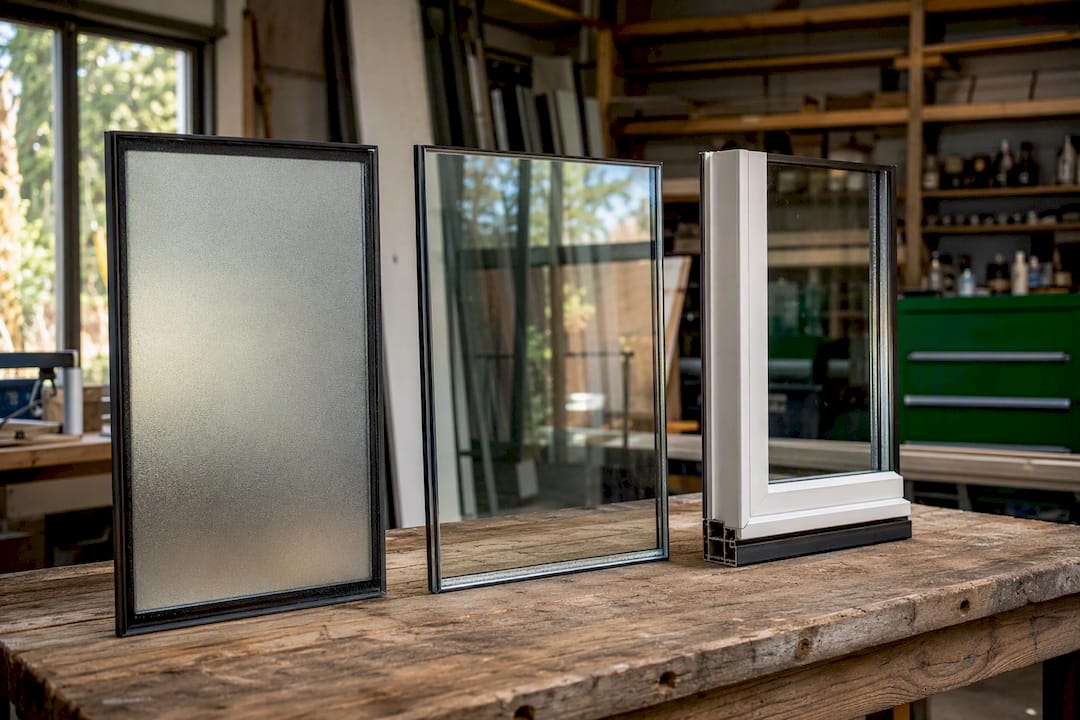
Hands arranging different thickness glass samples on workshop table


Double-pane residential windows use 3 to 4mm glass per layer, which means the glass itself is relatively thin. The insulation performance of a double glazed unit comes primarily from the sealed air or gas cavity between the panes, not from the glass thickness alone. This is a point many homeowners misunderstand when comparing units.

For commercial applications, the requirements shift considerably. Shopfronts and office facades regularly specify 10mm to 12mm toughened glass to handle wind loads, accidental impact, and the structural demands of large unsupported spans. Moving up to structural glazing, such as glass floors, walkways, or stair treads, requires 15mm to 19mm laminated panels to meet both load-bearing and safety fragmentation requirements.

Key thickness categories at a glance:

  • 2mm or less: Decorative glass, picture frames, cabinet inserts
  • 4mm to 6mm: Residential windows, internal doors, conservatory roofs
  • 3mm to 4mm per pane: Double and triple glazed units
  • 10mm to 12mm: Commercial facades, large shopfronts, partitions
  • 15mm to 19mm: Structural glass floors, balustrades, stair treads

Safety mandates also influence minimum thickness in certain settings. Low-level glazing below 500mm from floor level, shower enclosures, and balustrades all carry specific requirements that override general thickness guidance. These are covered in detail in the compliance section below.

How do support systems and load affect required glass thickness?

Two panes of identical size can require very different thicknesses depending entirely on how they are supported and what loads they must carry. This is the part of the glass thickness explanation that surprises most people, and it is where under-specification most commonly occurs.

Infographic illustrating factors affecting glass thickness requirements


Support conditions fall into three main categories. Four-sided support, where the glass is held in a frame on all edges, distributes stress most efficiently and allows for thinner glass. Two-sided support, common in sliding doors or some curtain walling systems, concentrates stress along two edges and demands greater thickness. Point-supported or frameless systems, used in structural glazing and glass balustrades, place the highest demands on the glass and require the thickest, strongest panels.

Wind load is the other critical variable for exterior glazing. The L/175 deflection limit governs how much a pane can bend under load before it risks cracking or causing discomfort. For a 2100mm span, the maximum permitted deflection is just 12mm. This rule directly dictates minimum thickness based on the span and the expected wind pressure at the installation site.

Thermal stress is a less obvious but equally real factor. Large panes in south-facing elevations can experience significant temperature differentials between the centre and the edges, particularly when partially shaded. At certain thicknesses and sizes, heat-strengthened or toughened glass becomes necessary to prevent spontaneous thermal fracture.

Pro Tip: If you are specifying glass for a frameless or point-supported installation, always consult a structural engineer or glazing specialist before ordering. The thickness required for these systems is rarely intuitive, and the consequences of under-specification are serious.

Factors that increase the required thickness:

  • Larger unsupported spans
  • Frameless or point-supported fixing methods
  • High wind exposure zones
  • South-facing elevations with significant shading
  • Balustrade or overhead glazing applications

How to measure glass thickness accurately and safely

Measuring glass thickness correctly matters whether you are ordering a replacement pane, verifying a supplier’s specification, or checking compliance. Proper measuring tools include glazing gauges and digital calipers. A standard ruler can give a rough indication on exposed edges but lacks the precision needed for compliance purposes.

Follow these steps to measure a double glazed unit accurately:

  1. Identify an exposed edge. On a sealed double glazed unit, the edge spacer bar is usually visible. This is where you take your measurement.
  2. Use a glazing gauge or digital caliper. Place the U-shaped jaw of a glazing gauge around the edge of the glass. Read the measurement directly from the scale.
  3. Account for the full unit depth. A double glazed unit measurement includes both glass panes and the cavity. For example, a 4mm pane, a 16mm cavity, and a second 4mm pane gives a total unit depth of 24mm.
  4. Check the spacer bar markings. Many manufacturers stamp the cavity width on the spacer bar itself. Combined with the pane thickness, this gives you the full specification.
  5. Read laminated glass notation carefully. A specification written as 6+1.52+6 means two 6mm panes bonded with a 1.52mm PVB interlayer, giving a total thickness of 13.52mm. The interlayer contributes to both safety performance and sound insulation.

When glass is fully framed and the edge is inaccessible, a glazing gauge with a magnetic or ultrasonic sensor is the most reliable option. These tools are available from glazing suppliers and are worth using if you need a precise reading for compliance or replacement purposes.

Pro Tip: The tap test, gently tapping the glass and listening for a dull thud versus a ringing tone, can give a rough indication of whether glass is toughened or annealed. It is not a substitute for measurement, but it is a useful first check before calling in a specialist.

Common mistakes to avoid:

  • Measuring only the glass pane and forgetting the cavity depth in a double glazed unit
  • Confusing the unit depth with the individual pane thickness
  • Assuming all glass of the same visual appearance is the same thickness
  • Ordering replacement glass based on frame size alone without measuring the existing unit

How do safety and building codes affect glass thickness requirements?

Building regulations in the UK set minimum standards for glass thickness and type in specific locations. Incorrect glass thickness is a common cause of failed building inspections and installation rework, and the consequences extend beyond inconvenience. Using under-specified glass in a regulated location can result in enforcement notices, liability for injuries, and the cost of complete replacement.

The key regulatory areas to understand are:

  • Low-level glazing: Any glazing with its lowest edge within 800mm of floor level in a domestic setting, or 1500mm in a non-domestic setting, must use safety glass. This applies to patio doors, French doors, and full-height windows.
  • Shower enclosures: All glass used in shower doors and screens must be toughened or laminated safety glass, regardless of thickness.
  • Balustrades and barriers: Monolithic tempered glass alone is prohibited for balustrades in most applications. Laminated glass is required to retain fragments if the pane breaks, preventing falls through the opening.
  • Overhead glazing: Any glass installed overhead, such as in a glass roof or canopy, must be laminated to retain fragments on breakage.

The distinction between glass types matters as much as thickness in these contexts. Tempered glass is approximately four times stronger than annealed glass at the same thickness, which means a 6mm toughened pane outperforms a 12mm annealed pane in impact resistance. However, toughened glass shatters into small granular pieces on breakage, which can still allow a person to fall through a balustrade opening. Laminated glass, by contrast, holds together when broken, which is why it is mandated for barrier applications.

Always confirm your local building regulations before ordering glass for any regulated location. Requirements can vary between England, Scotland, Wales, and Northern Ireland, and commercial premises carry additional obligations under workplace safety legislation.

For guidance on types of safety glass and which applications require them, it is worth reviewing the specific mandates that apply to your property type before specifying any glazing.

What are the effects of glass thickness on insulation, cost, and handling?

Thickness affects more than strength. It has a direct bearing on thermal performance, project cost, and the practicalities of getting glass onto site and into a frame.

Thicker glass does improve sound insulation, but its effect on thermal performance is more limited than most people expect. The primary driver of thermal efficiency in a double or triple glazed unit is the gas-filled cavity and the low-emissivity coating on the glass surface, not the glass thickness itself. Choosing triple glazing adds a third pane and cavity, which improves insulation significantly, but the individual pane thickness remains in the 3mm to 4mm range.

Weight is where thickness has its most immediate practical impact. Glass weighs approximately 2.5kg per square metre per millimetre of thickness. Moving from 10mm to 12mm glass across a 1000 square metre commercial installation adds 5000kg to the total weight. That figure affects crane requirements, delivery logistics, frame load ratings, and fixing hardware specifications. For homeowners, even moving from 4mm to 6mm panes in a large window can require heavier hinges and a stronger frame rebate.

Cost does not scale linearly with thickness. The glass material itself costs more per square metre as thickness increases, but the associated costs, including heavier delivery vehicles, specialist lifting equipment, and compatible hardware, often represent a larger proportion of the total project cost than the glass price difference alone.

Practical considerations when specifying thicker glass:

  • Verify that existing frames have sufficient rebate depth to accommodate the new unit
  • Confirm that hinges, locks, and handles are rated for the additional weight
  • Check that delivery access allows for the size and weight of panels being ordered
  • Avoid over-specifying thickness where a thinner, stronger glass type such as toughened or laminated would meet the requirement at lower weight and cost

What we have learned from two decades of glazing installations

At Cloudy2Clear Windows, we have been specifying and installing glass since 2005, and the most consistent mistake we see is treating thickness as the primary measure of quality. Homeowners often request thicker glass believing it will perform better, when in reality the glass type, coating, and cavity specification matter far more for insulation and safety in most residential applications.

The opposite error occurs in commercial projects, where cost pressure leads to under-specification. Skipping the structural calculation and ordering based on a previous project’s specification is a risk that regularly results in failed inspections and expensive remedial work. Every project has different span dimensions, support conditions, and wind exposure, and those variables change the required thickness more than most people realise.

Our advice, based on what we have seen across thousands of installations, is straightforward. Get the support conditions and span dimensions confirmed before you approach a supplier. Check your local building regulations for the specific location where the glass will be installed. And treat glazing thickness as one part of a wider specification that includes glass type, coating, and cavity design. Thickness alone does not make glass safe, efficient, or compliant. The full specification does.

How Cloudy2Clear Windows can help with your glazing needs

If this glass thickness explanation has raised questions about your own windows or commercial glazing, Cloudy2Clear Windows is here to help.

https://www.cloudy2clearwindows.co.uk


Cloudy2Clear Windows has been repairing and replacing double glazed units across the UK since 2005, working with both homeowners and commercial clients. Our teams specify glass thickness to meet local building regulations and your property’s exact requirements, whether that is a straightforward double glazing replacement for a residential window or a full commercial window repair programme for a business premises. We cover multiple regions including Milton Keynes, Watford, and beyond. Contact your nearest branch to get expert advice on the right glass specification for your property.

FAQ

What is the standard glass thickness for a home window?

Standard residential windows use 4mm to 6mm glass, while double glazed units typically contain two panes of 3mm to 4mm each with a sealed cavity between them. The total unit depth is usually 20mm to 28mm depending on the cavity width.

How do I measure glass thickness on a sealed double glazed unit?

Use a glazing gauge or digital caliper on the exposed edge of the unit, measuring the full depth including both panes and the cavity. The individual pane thickness is typically marked on the spacer bar or included in the manufacturer’s specification.

Why is laminated glass required for balustrades?

Monolithic tempered glass is prohibited for most balustrade applications because it shatters completely on breakage, creating a fall risk. Laminated glass holds together when broken, retaining the barrier function and preventing injury.

Does thicker glass always mean better insulation?

No. Thermal performance in double and triple glazed units is driven primarily by the gas-filled cavity and low-emissivity coatings, not glass thickness. Increasing pane thickness beyond the standard 3mm to 4mm range adds weight and cost without a proportional improvement in insulation.

What happens if I use the wrong glass thickness?

Using under-specified glass in a regulated location can result in failed building inspections, enforcement action, and liability for any injuries that occur. Replacement is required at the owner’s cost, making correct specification from the outset the more economical and safer choice.

Why old windows fail: causes, signs and fixes

Old windows fail primarily because their edge seals deteriorate, allowing moisture to enter the space between panes and destroying the unit’s insulating performance. This process, known in the glazing industry as sealed unit failure, is the single most common cause of window deterioration in UK homes and commercial properties. Frame decay, operational wear, and weatherstripping breakdown compound the problem over time. Understanding the mechanisms behind these failures helps you decide quickly whether a repair or a full replacement is the right call.

Why old windows fail: the seal breakdown explained

Seal failure is the leading cause of deterioration in double-glazed windows. The edge seal is a thin but critical barrier bonding the two panes of glass together and retaining the insulating gas, typically argon, between them. When this seal breaks down, moisture enters the cavity and the desiccant material inside the unit becomes saturated. Once the desiccant is overwhelmed, you see the tell-tale sign: a persistent mist or fogging between the panes that cannot be wiped away.

Misting between panes is not a temporary humidity effect. It is a direct indicator of edge seal breakdown, and it will not clear on its own. Two forces accelerate this process in the UK climate: UV exposure, which degrades the sealant material over years of sun exposure, and thermal cycling, the repeated expansion and contraction of the frame and glass as temperatures change between seasons. Both forces stress the seal bond until it fails.

It is worth distinguishing between two types of condensation you might notice:

  • Between the panes: Caused by sealed unit failure. The moisture is trapped inside the unit and cannot be removed by ventilation or heating.
  • On the inner glass surface: Caused by high indoor humidity and poor ventilation, not by a failed sealed unit. Improving airflow in the room can resolve this type.
  • On the outer glass surface: Normal in cold weather and not a sign of failure.

Getting this distinction right matters because indoor surface condensation responds to ventilation improvements, whereas between-pane misting requires unit replacement.

Pro Tip: Drilling small holes into a misted unit to ventilate it is a common DIY suggestion, but it does not restore the original thermal performance. The insulating gas is already lost, and the unit will continue to perform poorly. Replacement is the only reliable fix.

What other structural and operational problems affect old windows?

Seal failure gets most of the attention, but frame deterioration is an equally serious cause of window failure that often develops alongside it. Both uPVC and timber frames suffer from prolonged UV exposure and moisture damage. uPVC can warp and discolour; timber frames are prone to rot, cracking, and swelling. When a frame warps or rots, it loses its air-tight fit against the wall opening, creating draughts even if the glazed unit itself is intact.

Operational problems are another category of old window issues that homeowners frequently overlook until they become serious. Common faults include:

  • Sticking or difficult-to-open windows: Usually caused by frame swelling from moisture absorption, debris build-up in the track, or worn hinges.
  • Windows that will not stay open: Typically a sign of failed friction stays or worn hinge arms.
  • Latches and handles that are hard to operate: Often caused by frame misalignment or worn locking mechanisms.
  • Draughts from around the frame: Frequently the result of degraded weatherstripping or perimeter seal failure rather than a failed glazed unit.

Drafts from old windows often stem from perimeter fit issues and worn weatherstripping rather than the sealed glass itself. This is an important distinction because it changes the repair approach entirely.

Pro Tip: If your window is draughty but the glass is clear with no misting, check the weatherstripping around the frame before assuming you need a new unit. Replacing worn weatherstripping costs a fraction of a sealed unit replacement and can noticeably reduce heat loss.

Technician replacing worn window weatherstripping

Repair or replace? How to tell the difference

Knowing whether a window needs a full replacement or a targeted repair can save you significant money. The table below summarises the most common fault types and the typical response for each.

Infographic showing repair or replace steps
Problem Likely cause Typical solution Approximate UK cost (2026)
Misting between panes Sealed unit failure Sealed unit replacement £120 to £250 per unit
Draught around frame Worn weatherstripping Weatherstripping replacement £10 to £30 DIY
Sticking or warped frame Moisture damage or wear Frame repair or replacement Variable
Broken hinge or handle Hardware wear Hardware replacement £20 to £80
Rotting timber frame Long-term moisture damage Frame repair or full replacement Variable


Sealed unit replacement costs typically £120 to £250 in the UK, including labour and VAT. This is the correct fix when the internal seal has failed and misting is present. Weatherstripping reseals are cheaper and appropriate only when the glazed unit itself is intact but the perimeter seal has degraded.

A professional assessment is the most reliable way to confirm which type of failure you are dealing with. This matters beyond cost. Replacement windows in the UK must comply with Building Regulations, specifically Part L on energy efficiency and Part N on glazing safety. A qualified installer will specify the correct unit and handle compliance documentation, which is particularly relevant for property managers with multiple units to maintain.

If you manage a property with several windows showing signs of failure, treating them as a batch is worth considering. Multiple failing windows in a property usually indicate a broader end-of-life issue, and phased replacement planned in advance is more cost-effective than dealing with each failure individually as it occurs.

What are the signs of failing windows to check for?

You do not need specialist tools to carry out a basic window health check. The following steps give you a reliable starting point before calling a professional.

  1. Look at the glass from outside and inside. Any persistent cloudiness, streaking, or fogging between the panes points to sealed unit failure.
  2. Check for condensation patterns. Moisture on the inner surface of the glass in the morning is a ventilation issue. Moisture trapped between the panes is a unit failure.
  3. Run your hand around the frame edge on a cold or windy day. A noticeable draught indicates weatherstripping wear or frame misalignment rather than glazing failure.
  4. Open and close each window. Sticking, grinding, or resistance suggests frame swelling, debris in the track, or worn hardware.
  5. Inspect the frame visually. Look for cracks, discolouration, soft spots in timber, or gaps between the frame and the wall.
  6. Test the locking mechanism. Handles and latches that feel loose or require force to engage are a sign of hardware wear or frame movement.
  7. Check for visible frame rot or mould. Soft or discoloured patches on timber frames, or persistent mould at the frame corners, indicate moisture ingress at the perimeter.

If you identify misting, significant draughts, or frame damage, the next step is a professional inspection. Early identification of window seal deterioration prevents the problem from progressing into structural frame damage, which is considerably more expensive to address.

What happens if you ignore failing windows?

Ignoring the early signs of window failure has a direct and measurable impact on your energy bills and the structural integrity of your property. A failed sealed unit loses its argon gas fill and its low-emissivity coating effectiveness, meaning the window transmits heat far more readily than a functioning unit. The result is higher heating costs and reduced comfort, particularly in rooms facing north or exposed to wind.

The table below shows how different failure types affect performance over time if left unaddressed.

Failure type Short-term impact Long-term impact if ignored
Sealed unit failure Misting, reduced insulation Ongoing heat loss, higher bills
Frame rot or warping Draughts, sticking Structural damage, costly repair
Weatherstripping wear Minor draught Worsening heat loss, damp ingress
Hardware failure Operational difficulty Security risk, frame stress


Weatherstripping degradation causes draughts that can cost you £30 to £50 annually in unnecessary heat loss. That figure compounds across multiple windows and multiple years. Frame rot, if left unaddressed, spreads and can compromise the structural integrity of the window opening itself, turning what would have been a straightforward unit replacement into a more involved and expensive frame repair job.

The practical advice here is straightforward. Carry out a visual and functional check of your windows once a year, ideally before winter. Address weatherstripping and hardware issues promptly. Book a professional assessment as soon as you notice misting between panes or significant frame damage.

What we have learnt from two decades of window assessments

At Cloudy2Clear Windows, we have been assessing and repairing double-glazed windows since 2005, and the pattern we see repeatedly is this: the homeowners and property managers who act on early signs save considerably more money than those who wait. A misted unit caught early is a straightforward sealed unit replacement. The same unit ignored for two or three winters often sits in a frame that has begun to warp or rot from the moisture, turning a £150 job into something far more involved.

The other thing we notice is that people frequently misdiagnose the problem. They assume a draughty window means the glass has failed, or they assume misting is just condensation that will clear. Getting the diagnosis right is the most important step, and it genuinely requires someone who knows what they are looking at. We would always recommend a professional inspection before committing to either a repair or a replacement, not because we want the work, but because the wrong fix wastes money and leaves the underlying problem unsolved.

If you manage multiple properties or a building with ageing windows, plan replacements in batches where possible. The cost and disruption savings from treating windows as a group rather than reacting to each failure individually are real and worth planning for.

How Cloudy2Clear Windows can help

If your windows are showing any of the signs covered in this guide, Cloudy2Clear Windows offers professional assessment and repair services across the UK.

https://www.cloudy2clearwindows.co.uk


Established in 2005, Cloudy2Clear Windows specialises in double glazing replacement and repair for both residential and commercial properties. Our teams operate from multiple regional branches, so you get a local service backed by national expertise. Whether you need a single sealed unit replaced or a full assessment of ageing windows across a property portfolio, we can advise on the most cost-effective and compliant solution. Contact your nearest local branch to arrange an inspection.

FAQ

What is the most common reason old windows fail?

Sealed unit failure caused by edge seal deterioration is the most common cause. Moisture enters between the panes, the desiccant becomes saturated, and persistent misting appears that cannot be cleared.

Can misted double glazing be repaired without replacing the unit?

No. Misted glass between panes requires sealed unit replacement. DIY methods such as drilling ventilation holes reduce the visible symptom but do not restore thermal performance.

How do I know if my draught is from the glass or the frame?

If the glass is clear with no misting, the draught is almost certainly coming from worn weatherstripping or frame misalignment rather than a failed sealed unit. Run your hand around the frame edge on a cold day to locate the source.

How much does sealed unit replacement cost in the UK?

Sealed unit replacement typically costs £120 to £250 per unit in the UK, including labour and VAT. Weatherstripping replacement is considerably cheaper at £10 to £30 for DIY materials.

When should I replace windows rather than repair them?

Replace rather than repair when the sealed unit has failed, the frame shows significant rot or warping, or multiple windows are failing across the property. A professional assessment will confirm the most cost-effective course of action.

What is window beading? A homeowner’s guide

Window beading, also known as a glazing bead, is the narrow strip of material that holds window glass securely within its frame while creating an airtight and watertight seal. These small structural strips are typically made from wood, vinyl, or aluminium and sit along the inner edges of the glass pane. Without them, your glass would have no mechanical retention and your window would lose its thermal and weather performance. Whether you are replacing a cracked bead or simply trying to understand your windows better, knowing what glazing beads do makes all the difference.

What is window beading and how does it work?

Window beading is defined as a narrow retaining strip, typically between 3/8 and 3/4 inch wide, that mechanically retains glass within a window frame. It works alongside sealants, gaskets, and setting blocks to create a complete seal around the glass unit. The bead presses against the edge of the glass and locks it in place, preventing movement, rattling, and water ingress.

Three window frames showing different glazing bead types


It is worth distinguishing glazing beads from general window trim or casing. Beads are structural strips that hold the glass edges directly, while casing is the decorative surround covering the whole window frame. Confusing the two leads homeowners to order the wrong parts or neglect the component that actually keeps their glass in place.

Modern windows use two main fixing methods:

  • Snap-in beads: Common in vinyl and aluminium systems, these click into a groove in the frame and allow glass replacement without removing the sash. They are fast to fit but must not be forced, as this can permanently damage the frame profile.
  • Nailed or screwed beads: More common in timber frames, these are fixed mechanically and require careful removal with a chisel or flat bar.

Loose or damaged beads compromise the entire window seal, allowing air and moisture to penetrate. This directly affects your home’s energy efficiency and can lead to condensation, draughts, and higher heating bills. Properly fitted beads are a key factor in window thermal performance.

Pro Tip: Run your finger along the bead line on a cold day. If you feel a draught, the bead seal has likely failed and replacement should be considered sooner rather than later.

What types of window beading are there?

Glazing beads vary by location, material, and profile shape. Choosing the right type matters both for function and for matching your existing window system.

Infographic comparing internal and external window beading features

Internal vs external beading

The most important distinction is whether the bead sits on the inside or outside of the glass.

Feature Internal beading External beading
Location Inside the property Outside the property
Security level High Lower
Accessibility Not reachable from outside Can be accessed externally
Common use Modern double glazing Traditional and heritage windows
Aesthetic style Clean, minimal More visible, traditional look

Material options

The three most common materials each have distinct properties:

  • Timber: Used in traditional and heritage windows. Timber beads offer a classic appearance and can be painted or stained, but they require more maintenance and are prone to swelling or rotting over time. If you own older timber windows, protecting them from moisture is critical to preserving bead integrity.
  • PVC (uPVC): The most common material in modern double glazing. PVC beads are low maintenance, weather resistant, and available in a wide range of colours. They are typically snap-in designs.
  • Aluminium: Used in commercial and contemporary residential windows. Aluminium beads are strong, slim, and durable, making them suited to large glass units.

Profile shapes and manufacturer matching

Bead profiles vary between manufacturers. Many companies use proprietary designs, meaning a bead from one supplier will not fit a frame made by another. Generic replacement beads frequently fail to provide airtight seals and can cause rattles or leaks. Always identify your window manufacturer before ordering replacement beads, and take a sample of the old bead to a glazing supplier for profile matching.

How does window beading affect security and aesthetics?

The position of your glazing bead has a direct impact on how secure your window is against forced entry. According to the Glass and Glazing Federation, external glazing beads are not designed to resist forced entry and can be pried off from outside without breaking the glass. Internal beads, by contrast, cannot be removed without breaking the glass from the outside, making them significantly more secure.

“External glazing beads can be removed with basic tools from outside the property, giving intruders access to the glass unit without triggering an alarm or breaking a pane. Internal beads eliminate this vulnerability entirely.” — Glass and Glazing Federation, 2026

This does not mean external beads are always the wrong choice. Many homeowners with period properties or traditional-style windows prefer the visual character that external beading provides. The security versus aesthetics trade-off is a genuine consideration, and the right answer depends on your property type, location, and priorities.

For most modern homes, internal beading is the recommended choice. It delivers better security without sacrificing the clean appearance of contemporary double glazing. If you are replacing windows or upgrading older units, specifying internal beads is a straightforward way to improve your home’s resistance to break-ins.

How to install or replace window beading

Glazing beads typically last between 10 and 20 years before they become cracked, brittle, or loose enough to require replacement. When that point arrives, matching the original bead profile is the single most important step to maintaining structural integrity and the thermal seal.

Follow these steps for a safe and effective replacement:

  1. Assess the damage. Check whether the bead is cracked, warped, or has pulled away from the frame. If the glass itself is also damaged or the seal has failed, consider a full glass replacement rather than just the bead.
  2. Source the correct profile. Take a section of the old bead to a glazing supplier or contact your window manufacturer. Do not assume a standard size will fit.
  3. Gather your tools. You will need a flat pry bar or glazing tool, a rubber mallet, a utility knife, silicone sealant, and the replacement bead cut to length.
  4. Support the glass. Before removing any bead, place setting blocks under the glass to hold it firmly. Glass must be fully supported before you remove or fit beads to prevent the pane from shifting or breaking.
  5. Remove the old bead. Work carefully along the bead with your pry bar, releasing it gradually rather than forcing one section. For snap-in types, a glazing tool or flat screwdriver inserted at the corner is usually sufficient.
  6. Clean the rebate. Remove any old sealant or debris from the groove where the bead sits. A clean surface ensures the new bead seats correctly.
  7. Fit the new bead. Press or tap the new bead into place, starting at the corners. For snap-in types, apply firm, even pressure along the length. For nailed beads, pre-drill to avoid splitting.
  8. Seal if required. Apply a thin bead of silicone sealant along the outer edge if your window design requires it, and smooth it flush with a wet finger.

Pro Tip: For large windows, this is a two-person job. One person should hold the glass steady while the other fits the bead. Attempting it alone on a large pane significantly increases the risk of breakage or injury.

If the frame itself is damaged, the profile is no longer available, or you are unsure about working with glass, contact a professional glazier. Incorrect fitting can void any remaining window warranty and create new seal failures.

Our view on window beading: what most homeowners miss

At Cloudy2Clear Windows, we have been repairing and replacing double glazed windows since 2005, and glazing beads are one of the most overlooked components we encounter. Homeowners often call us about draughts, condensation, or rattling glass, and in many cases the root cause is a failed or incorrectly fitted bead rather than the glass unit itself.

The confusion between glazing beads and decorative window trim is genuinely common. We regularly speak to homeowners who have ordered casing or architrave when they needed a glazing bead. These are entirely different components with different functions, and ordering the wrong one wastes time and money.

On security, we have seen a clear shift in recent years. More homeowners are specifying internal beads when upgrading their windows, and rightly so. The difference in forced-entry resistance is significant, and it costs nothing extra to specify internal beading at the point of installation.

Our advice on DIY replacement is straightforward: if the profile is available and the frame is in good condition, a careful homeowner can replace a bead successfully. But do not underestimate the importance of glass support and profile matching. These are the two steps most often skipped, and they are the two most likely to cause problems. If you are in any doubt, the cost of a professional repair is far less than the cost of a broken glass unit.

— Cloudy2Clear Windows

Need help with your windows? Cloudy2Clear Windows can assist

If your glazing beads are cracked, loose, or no longer sealing correctly, Cloudy2Clear Windows offers professional double glazing repair and replacement services across the UK. Our experienced teams carry out glazing bead replacement, glass unit repairs, and full window refurbishments to the highest standard.

https://www.cloudy2clearwindows.co.uk


We cover a wide range of locations, including Oxford, Milton Keynes, and Watford, with local teams who understand the specific window types common in each area. Whether you need a single bead replaced or a full window overhaul, Cloudy2Clear Windows has the expertise to get it right first time. Get in touch today to arrange a free assessment.

FAQ

What is the difference between a glazing bead and window trim?

A glazing bead is a small structural strip that holds the glass directly within the window frame, while window trim or casing is the decorative surround covering the outer edge of the frame. They serve entirely different purposes and are not interchangeable.

How do I know if my window beading needs replacing?

Signs include visible cracking or brittleness, glass that rattles in the frame, draughts around the glass edge, or water ingress at the bead line. Glazing beads typically last between 10 and 20 years before replacement is needed.

Are internal or external glazing beads more secure?

Internal glazing beads are significantly more secure. External beads can be removed from outside the property without breaking the glass, whereas internal beads cannot be accessed without breaking the pane first.

Can I replace window beading myself?

Yes, in many cases a careful DIYer can replace glazing beads, provided the correct profile is sourced and the glass is fully supported throughout the process. For large panes or damaged frames, professional help is recommended.

Does window beading affect energy efficiency?

Yes. Even minor gaps caused by loose or damaged beads allow air and moisture to enter, reducing the window’s thermal performance. Well-fitted beads are a key part of maintaining an energy-efficient glazing system.

What is solar control glazing? A guide for 2026

Solar control glazing is float glass with a microscopically thin coating that reflects and absorbs solar heat while allowing natural light to pass through, reducing overheating and cutting energy consumption in homes and offices. With the UK recording temperatures of 40.3°C in 2022 and building regulations tightening under Part O and Part L, demand for this technology has risen sharply. Manufacturers such as Guardian Glass and Pilkington have developed coatings that manage solar heat gain without sacrificing the bright, open feel that large windows provide. Whether you are upgrading a south-facing living room or specifying glazing for a commercial building, understanding how this technology works will help you make a better decision.

What is solar control glazing and how does it work?

Solar control glazing works by applying a selective coating to the glass surface that reflects and absorbs infrared solar radiation while transmitting visible light. The coating is made from metal oxides and is applied using one of two processes. Magnetron sputtering produces a soft coat with superior heat rejection properties, while pyrolytic deposition produces a hard coat that is more robust but slightly less precise in its performance. Both methods create a coating measured in nanometres, invisible to the naked eye.

Close-up of solar control glass coating


The key performance measure is the g-value, also called the solar heat gain coefficient. A lower g-value means less solar heat enters the building. A typical coating such as SN 70/35 offers around 70% visible light transmission alongside a g-value of approximately 0.35. That means 70% of daylight enters while 65% of solar heat is rejected. This balance is what separates solar control glass from older tinted glass, which simply darkened the room without meaningfully reducing heat.

Solar control glazing is also distinct from low-e glass. Low-e coatings are designed primarily to retain internal heat during winter, whereas solar control coatings are engineered to reject external solar heat in summer. Many modern units combine both technologies in a single double-glazed unit to deliver year-round thermal performance.

  • Soft coat (magnetron sputtered): Better solar control, requires protection inside a sealed unit
  • Hard coat (pyrolytic): More durable and easier to handle, slightly less precise heat rejection
  • Combined solar control and low-e units: Best of both worlds for year-round efficiency

Pro Tip: Match your coating choice to your building’s orientation before ordering. A high-performance low-g coating is ideal for south and west-facing facades, but the same glass on a north-facing wall can make a room feel cold and dim.

What are the main benefits of solar control glazing?

The most immediate benefit is a measurable reduction in indoor temperature. Solar control glass can reduce peak indoor temperatures by 3 to 5°C during summer. That is the difference between a comfortable office and one where staff are unproductive, or a living room you actually want to sit in during July.

The energy savings are equally significant. In highly glazed buildings, solar control glazing can cut cooling energy consumption by 15 to 30% and reduce total primary energy use by 7 to 16% in office environments. Lower cooling loads mean smaller air conditioning systems, which reduces both capital expenditure and running costs over the building’s lifetime.

UV protection is another major advantage, particularly for homeowners. Solar control glass filters out up to 99% of UV radiation, which reduces furniture, flooring, and artwork fading by 50 to 70%. If you have invested in quality fitted furniture or bespoke interiors, protecting them from UV damage is a genuine financial consideration. Pairing solar control glazing with UV-sensitive home interiors makes particular sense for rooms with large south-facing windows.

Infographic showing key benefits of solar control glazing


Beyond comfort and cost, solar control glazing supports compliance with UK building regulations. Part O addresses overheating risk in new residential buildings, and Part L covers energy efficiency. Specifying solar control glass from the design stage helps satisfy both requirements without relying entirely on mechanical ventilation or air conditioning.

Key benefits at a glance:

  • Reduces peak indoor temperatures by 3 to 5°C in summer
  • Cuts mechanical cooling energy use by 15 to 30%
  • Filters up to 99% of UV radiation, protecting interiors
  • Reduces furniture and flooring fading by 50 to 70%
  • Supports compliance with Part O and Part L building regulations
  • Lowers carbon emissions and long-term energy bills
  • Increases property value by improving comfort and protecting interiors

What types of solar control glazing are available?

Choosing the right type of solar control glass depends on your priorities: how much light you want, how much heat you need to reject, and the aesthetic you are aiming for. The table below summarises the main options.

Type G-value (approx.) Visible light transmission Best use
Neutral coating 0.35 to 0.50 60 to 75% Residential, offices, balanced performance
Reflective coating 0.20 to 0.35 40 to 60% High-solar facades, commercial buildings
Tinted glass 0.45 to 0.60 50 to 70% Aesthetic preference, moderate heat control
Combined solar control and low-e 0.30 to 0.45 60 to 72% Year-round efficiency, UK climate
High-performance rooflights (e.g. SN 70/35) ~0.35 ~70% Rooflights, large glazed areas


Neutral coatings are the most popular choice for UK homes and offices because they deliver strong heat rejection without significantly altering the colour of the glass. Reflective coatings offer the highest solar heat rejection but can create a mirror-like exterior appearance that does not suit every architectural style. Tinted glass is the oldest form of solar control and the least effective. It absorbs heat into the glass itself, which then radiates inward, rather than reflecting it away from the building.

The coating process also matters for longevity. Factory-applied coatings last for the lifetime of the glass unit, whereas retrofit window films typically degrade within 5 to 10 years. If you are replacing glazing rather than adding a film to existing windows, you are making a significantly more durable investment.

Pro Tip: For south and west-facing windows, prioritise a low g-value even if it means slightly less visible light. For north-facing rooms, choose a coating with a higher visible light transmission to avoid losing daylight without gaining any meaningful heat benefit.

How to choose and maintain solar control glazing

Selecting the right solar control glass starts with three questions: which direction does the window face, how large is the glazed area, and how is the room used? A large south-facing office with full-height glazing needs a very different specification to a small north-facing bedroom. Building orientation is the single most important factor in coating selection, yet it is the one most commonly overlooked.

Glazing area matters because the larger the window, the greater the solar heat gain. Rooms with floor-to-ceiling glazing on multiple elevations will need a lower g-value coating than a room with a single standard window. Your glazing installer should calculate the total solar heat gain for each room before recommending a specification.

Integration with other building elements also affects performance. Solar control glass works best as part of a system that includes well-insulated frames, appropriate ventilation, and shading where needed. Specifying solar control glazing as a strategic building asset from the design stage allows you to size HVAC systems smaller, which offsets the higher upfront cost of the glazing itself.

Maintenance is straightforward. Factory-applied coatings require no special treatment beyond regular cleaning. Avoid abrasive cleaners or harsh chemicals, which can damage the coating on soft coat units. A mild detergent and a soft cloth are sufficient. Unlike window films, which can bubble, peel, and discolour over time, coated glass units need no reapplication or replacement due to coating wear. For businesses managing multiple windows, following commercial window maintenance best practice will keep your glazing performing at its best for decades.

The cost-benefit case is clear. Higher upfront glazing costs are offset by reduced air conditioning expenditure, lower energy bills, and the avoided cost of replacing faded furnishings. For commercial properties, the energy efficiency gains also contribute to improved EPC ratings, which increasingly influence rental values and asset valuations.

What we have learned from two decades of glazing installations

At Cloudy2Clear Windows, the most consistent mistake we see is treating solar control glass as an afterthought. Clients who specify it at the design stage get the full benefit: smaller HVAC systems, lower construction costs, and a building that performs well from day one. Clients who retrofit it later still benefit, but they have already paid for oversized cooling equipment they did not need.

The second most common mistake is ignoring orientation. We have seen south-facing conservatories become unusable in summer because the glazing specification was chosen for its appearance rather than its performance. Equally, we have seen north-facing rooms fitted with high-performance low-g glass that left occupants feeling they were sitting in a cave. The coating must match the elevation.

Modern selective coatings are genuinely impressive compared to the tinted glass of 20 years ago. They reject heat without darkening the room, and they do it for the lifetime of the unit without any maintenance. If you are weighing up whether solar control glass is worth the premium, the answer for south and west-facing glazing in the UK is almost always yes. The comfort improvement alone justifies the cost, before you account for energy savings or interior protection.

— Cloudy2Clear

Upgrade your glazing with Cloudy2Clear Windows

https://www.cloudy2clearwindows.co.uk


Cloudy2Clear Windows has been installing and replacing double glazed units across residential and commercial properties since 2005. If you are considering solar control glass for your home or business, our team can assess your building’s orientation, glazing area, and usage to recommend the right specification. We supply and install energy-efficient glazing solutions that meet current UK building regulations, including Part O and Part L. Whether you need a single replacement unit or a full commercial window replacement programme, we provide honest advice and quality installation you can rely on. Get in touch with Cloudy2Clear Windows to discuss your requirements.

FAQ

What is solar control glazing in simple terms?

Solar control glazing is glass with a thin metal oxide coating that reflects and absorbs solar heat while allowing natural light through, keeping buildings cooler without blocking the view.

How much energy can solar control glass save?

Solar control glazing can reduce cooling energy use by 15 to 30% in highly glazed buildings and cut total primary energy consumption by 7 to 16% in office environments.

Does solar control glass need special maintenance?

No. Factory-applied coatings last for the lifetime of the glass unit and require only standard cleaning with a mild detergent. Unlike window films, they do not peel, bubble, or need replacing.

Is solar control glazing the same as low-e glass?

No. Low-e glass retains internal heat in winter, while solar control glass rejects external solar heat in summer. Many modern double-glazed units combine both coatings for year-round performance.

Which direction should solar control glazing face?

South and west-facing windows benefit most from high-performance low-g coatings. North-facing windows need a coating with higher visible light transmission to avoid losing daylight without any meaningful heat reduction.